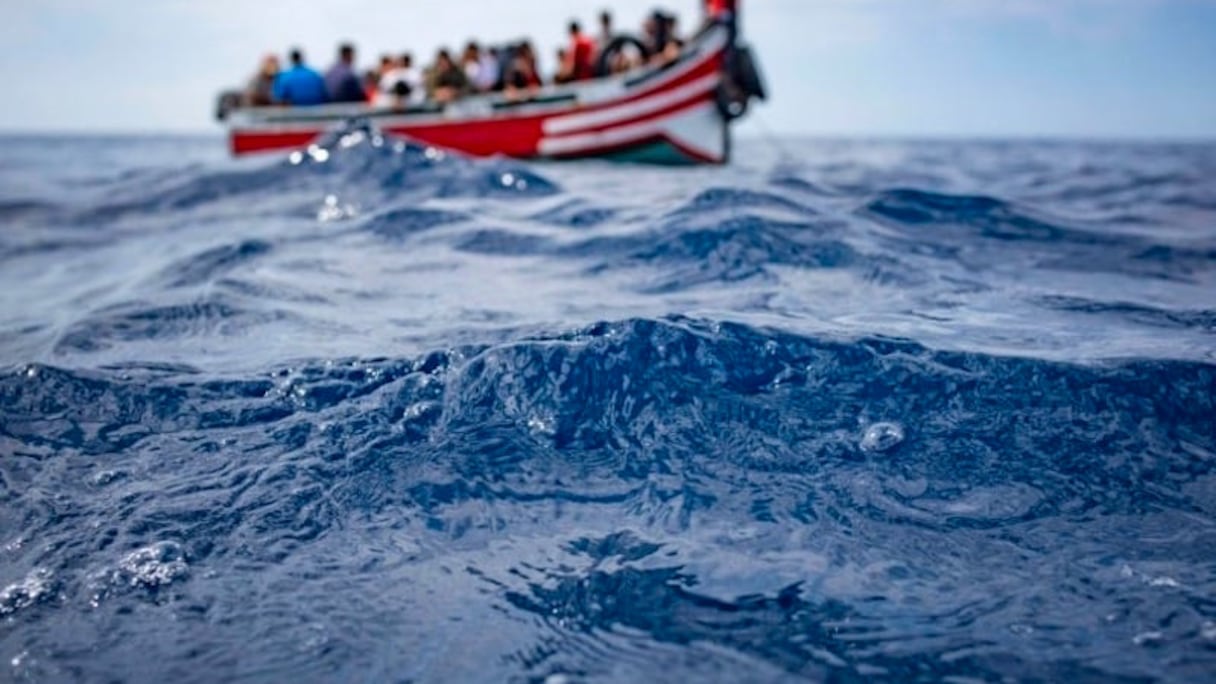
A total of 1,597 criminal networks involved in migrant smuggling and human trafficking were dismantled between 2021 and 2025, Hicham Mellati, Director of Criminal Affairs at the Ministry of Justice and chair of the National Commission for the Coordination of Measures to Combat and Prevent Human Trafficking (CNCLT), said Thursday, October 15, in Rabat.
Presenting the national report on “The Kingdom of Morocco’s Efforts to Combat and Prevent Human Trafficking,” Mellati reported 536 human trafficking cases between 2021 and 2025. During that period, 816 people were prosecuted and 774 were convicted, while 988 victims were officially identified.
The period was marked by profound and ongoing structural changes in the national framework for combating and preventing human trafficking, he said, noting that the process began with the consolidation of institutional structures and intensified international technical cooperation in 2021–2022.
It then reached a pivotal stage with the adoption of the National Plan to Combat Human Trafficking (2023–2030) and its strategic implementation plan (2023–2026).
Read also : One tonne of cannabis resin seized in suspected sea-smuggling operation off Safi
Mellati also noted that the report provides a five-year assessment reflecting the interconnected nature of the various components of Morocco’s national response, highlighting the multiple advances made in combating this complex crime.
The report falls within the remit of the National Commission for the Coordination of Measures to Combat and Prevent Human Trafficking, as provided for under Article 7 of Law No. 27.14 on combating this crime.
It also responds to the Kingdom’s international commitments, foremost among them the Palermo Protocol supplementing the United Nations Convention against Transnational Organized Crime, as well as the mechanism for reviewing the implementation of the Convention and its related protocols.
The 142-page report covers the legal and institutional framework for combating and preventing human trafficking and is organized around five main areas: prevention and awareness, prosecution and judicial action, victim protection, partnerships and international cooperation, and training and capacity-building. It also includes a statistical annex.
