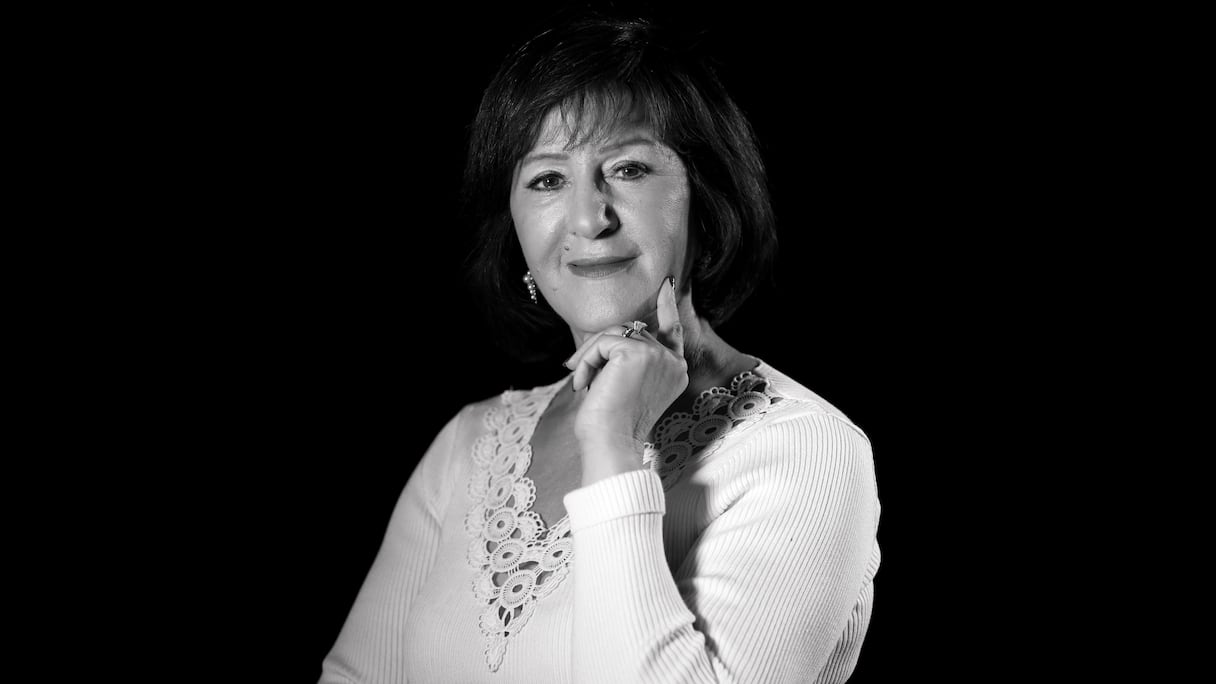
I will not hide my joy.
A woman at the helm of the Moroccan government! It has taken so many years for what once seemed unimaginable to become reality.
But my joy is not simply because she is a woman. It is also because of the woman who has been chosen.
Fatima Ezzahra El Mansouri has not been appointed to lead the government simply because the time had come to appoint a woman.
A lawyer by training, she began her political career in Marrakech. In 2009, at just 33, she became the first woman to serve as mayor of Marrakech. She returned to the post in 2021. Since that same year, she has served as minister of National Territorial Planning, Urban Development, Housing and City Policy.
Her career spans the law, municipal government, party politics and national government. She knows the realities on the ground and she knows what it means to wield power.
But this appointment cannot be viewed solely through the prism of her career. It must also be understood through the institution that appointed her: the Monarchy.
Under the Constitution, the King appoints the head of government from the political party that wins the elections to the House of Representatives. The PAM came first in the September 23, 2026 legislative elections. Within that constitutional framework, the King has now chosen the new head of government and tasked her with forming the next government.
For the first time in Morocco’s history, that responsibility has been entrusted to a woman.
This appointment must be placed within a longer history of reforms, struggles and demands, but also of institutional decisions that have gradually opened positions of responsibility to Moroccan women that were long beyond their reach.
And today, another barrier has been broken.
Moroccan women are increasingly present in the country’s institutions. They now account for 27.09% of the House of Representatives, up from 24.3% in 2021.
Those figures remain inadequate given Morocco’s stated ambition of achieving gender parity. But they do show progress. Today, that progress has reached a historic milestone.
This first woman head of government did not get there simply because she is a woman. She takes office within a clearly defined constitutional framework, following legislative elections and by decision of the King. That is precisely what gives this appointment its full significance.
The King’s role, therefore, cannot be separated from this evolution. The appointment of a woman is an institutional act of particular significance.
The office of head of government is not symbolic. It carries immense responsibility: leading the government’s work and responding to the country’s social and economic expectations.
Today, the symbolism is powerful. But symbolism is not enough.
I do not believe that a woman necessarily governs better than a man simply because she is a woman.
What matters is what she does with the office.
What will she do differently?
We will be looking to her on education, healthcare, jobs and youth unemployment, purchasing power, social and territorial inequalities, public services and social protection. We will also be looking to her on the situation of women, violence against women, people with disabilities, the effective enforcement of their rights, vulnerable children and the fight against poverty and insecurity…
And on this fundamental question: how can economic development translate into tangible improvements in the everyday lives of Moroccans?
Having a woman at the head of government will not, on its own, transform the lives of Moroccan women.
But it can help push back the boundaries of what seems possible.
This appointment also matters to every woman who grew up believing that certain positions were simply too high, or too male, for her.
That boundary has just been pushed back.
I am happy for Moroccan women. For all those who came before her, who worked, campaigned, demanded change, resisted and opened doors.
History will record that, for the first time, a woman led the Moroccan government. But Moroccan society will judge her above all by what she does.
She will carry not only the responsibility of leading a government, but also some of the expectations of millions of women who will be watching her closely.
She also bears a major institutional responsibility: the King has entrusted her with leading the government.
That trust comes with an obligation to rise to the demands of the office and to the significance of this historic moment.
Because what has just happened is not merely a first for women.
It is also a statement about the Morocco of today and the Morocco we want to build tomorrow.
Today, a woman stands at the helm of the Moroccan government.
Tomorrow, her decisions will tell us what this historic first has truly changed.
I wish Fatima Ezzahra El Mansouri every success.
