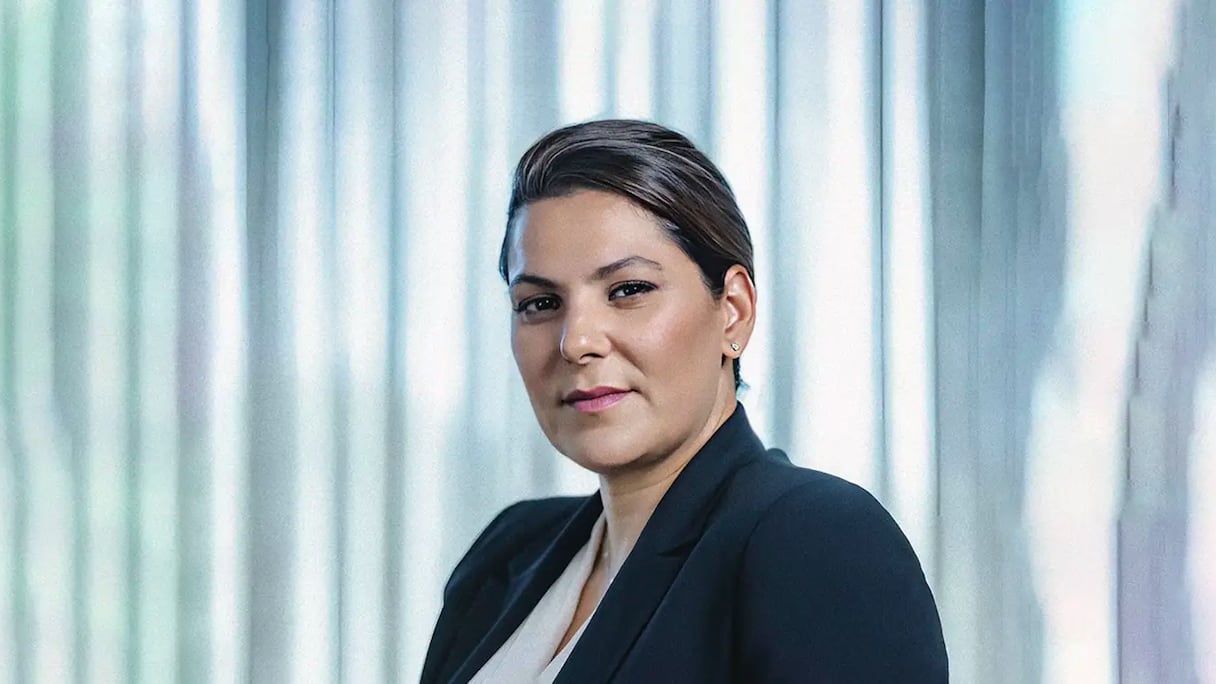
Fatima Ezzahra El Mansouri’s appointment as head of government opens a new institutional phase following the September 23 legislative elections. It also reflects the way Morocco’s 2011 Constitution links the formation of the government to the election results, giving the leader of the party that comes first in the polls priority to head the government.
The Constitution is explicit on this point. Article 47 states that the King appoints the head of government “from within the political party that comes first in elections for members of the House of Representatives, based on their results.”
Since the 2011 Constitution came into force, this provision has been applied by appointing the leader of the party that won the most seats: Abdelilah Benkirane after the PJD won the 2011 elections, again in 2016, and Aziz Akhannouch after the RNI won the 2021 elections.
Read also : Morocco names its first woman head of government
The 2026 process follows the same pattern, with a particular institutional feature involving the PAM. Fatima Ezzahra El Mansouri is the coordinator of the party’s collective leadership, and the PAM came first with 97 seats. She is therefore tasked with turning the party’s election victory into a parliamentary majority and a government. The official statement announcing her appointment specifically cites Article 47 and tasks her with forming the new government.
Consultations Begin
The new head of government’s first task will be to hold consultations with the various parties represented in the House of Representatives.
With 97 seats, the PAM does not have the 198 seats needed for an absolute majority on its own. Forming the next majority will therefore require several partners, with negotiations expected to cover the coalition’s composition, its program and the allocation of government posts.
Article 47 states that government members are appointed by the King on the recommendation of the head of government. The Constitution does not, however, set a deadline for completing consultations or forming the cabinet.
Previous elections show that this phase can take varying amounts of time.
In 2011, Abdelilah Benkirane was appointed head of government on November 29, four days after the November 25 legislative elections. Negotiations eventually produced a coalition comprising the PJD, Istiqlal, the Popular Movement and the PPS. The new government was finally appointed on January 3, 2012, with Abbas El Fassi’s government remaining in office until then.
In 2016, the process took much longer. Abdelilah Benkirane was appointed on October 10 and began talks with the various parties, but failed to form a majority after several months of negotiations. He was eventually replaced by Saad Dine El Otmani in March 2017.
In 2021, the process moved much faster. Aziz Akhannouch was appointed head of government on September 10, the day after the RNI won the legislative elections. Consultations with the parties resulted in a coalition bringing together the RNI, PAM and Istiqlal. The new government was appointed on October 7, 27 days after Akhannouch’s appointment, before appearing before Parliament. On October 13, the House of Representatives approved its program by 213 votes to 64, with one abstention, completing the investiture process set out in Article 88 of the Constitution.
The current process will therefore show whether Fatima Ezzahra El Mansouri’s talks can quickly produce a majority or whether the balance of power among the main parties will lead to longer negotiations.
Parliament Set for October 9
As government consultations get underway, another constitutional deadline is already set: the opening of the first session of the new parliamentary term.
Article 65 of the Constitution provides for two parliamentary sessions each year, with the first opening on the second Friday of October. In 2026, that date falls on Friday, October 9.
The formation of the government and the opening of the parliamentary session are legally separate processes. The first can therefore extend into the second.
The 2016 precedent is particularly instructive. The King presided over the opening of the new parliamentary term on October 14, while Abdelilah Benkirane, who had been appointed head of government four days earlier, had yet to form his cabinet. The outgoing government therefore remained in office pending the formation of the new executive.
The situation was different in 2021. The new government was appointed on October 7, the day before the opening of the new parliamentary session on October 8. In his address to Parliament, the King explicitly wished “the new government” every success.
These two precedents show that Parliament can open with the outgoing government still in office when consultations have not yet been completed, as in 2016, or with the new executive already appointed, as in 2021.
Read also : Tangier mayor Mounir Laymouri placed in police custody over electoral irregularity case
For 2026, the timing will therefore depend on the pace of the consultations led by Fatima Ezzahra El Mansouri. Will the new government be formed before October 9, or will the outgoing cabinet still be handling day-to-day affairs when the new parliamentary term opens?
Government Program Before Investiture
Once the government has been formed and appointed, another constitutional step will follow.
Article 88 requires the head of government to present the government’s program before both Houses of Parliament sitting together. The program is then debated in each chamber. The government is considered formally invested only after securing the confidence of the House of Representatives by an absolute majority of its members.
