Reports have been circulating in the specialist press in recent days that Maintenance Aero Maroc (MAM) has completed a major maintenance overhaul of a C-130 Hercules belonging to the Royal Moroccan Air Force (FRA) on Moroccan soil. Contacted by Le360, MAM general director Amine Chafik confirmed the operation while setting the record straight on the timeline.
“MAM did indeed carry out the first C-130’s major maintenance overhaul. The operation is not recent, however: the aircraft was returned to the Royal Moroccan Air Force back in 2025,” he explained. And the program does not end there. “Work on the second aircraft is already under way,” Chafik said. For now, the operations are being carried out “at Benslimane Air Base, alongside the Royal Moroccan Air Force, pending the completion of our hangar.”
From the first aircraft to the second: A capability now firmly established
As for the first aircraft, Chafik acknowledged that the work “took longer than initially expected.” He attributes the delay primarily to the nature of the undertaking itself. “It was a first. We had to carry out the overhaul while simultaneously building the capability to perform it in Morocco, from industrial facilities and procedures to training our teams,” he recalled. There were also “constraints on the supply of spare parts” and delays in obtaining certain equipment.
The second C-130 is being handled under very different circumstances. “With this second aircraft, MAM has reached a milestone and achieved its first objective: bringing the added value generated by maintaining these aircraft back to Morocco,” Chafik said. He is not, however, putting a date on the aircraft’s return to service and makes no apologies for that.
“A major overhaul inevitably involves a degree of uncertainty. It is only once the aircraft has been opened up, the panels removed and the structure made accessible that inspections reveal its true condition. Every finding, whether corrosion, cracks or structural components requiring repair or replacement, generates unscheduled work that must be assessed, approved and then carried out, sometimes using parts with long procurement lead times. Ground testing follows, then a test flight before the aircraft can be returned. We will announce a date only once we have the entire critical path fully under control,” he explained.
Throughout its operational life, a C-130 undergoes several levels of maintenance. The lightest, line maintenance, covers pre-flight and post-flight inspections. These are followed by periodic inspections, carried out in a hangar at regular scheduled intervals. “Finally, every few years, the aircraft must undergo a major overhaul, known on the C-130 as PDM, or Programmed Depot Maintenance. This is the most comprehensive level of maintenance: the one we performed on the first aircraft and are now carrying out on the second,” Chafik explained.
What about upgrading Morocco’s C-130 fleet?
The modernization of Morocco’s C-130 aircraft falls under a separate program. It has notably been entrusted to US defense contractor L3Harris Technologies, with which the Royal Moroccan Air Force signed an agreement in July 2025 to upgrade its Hercules fleet.
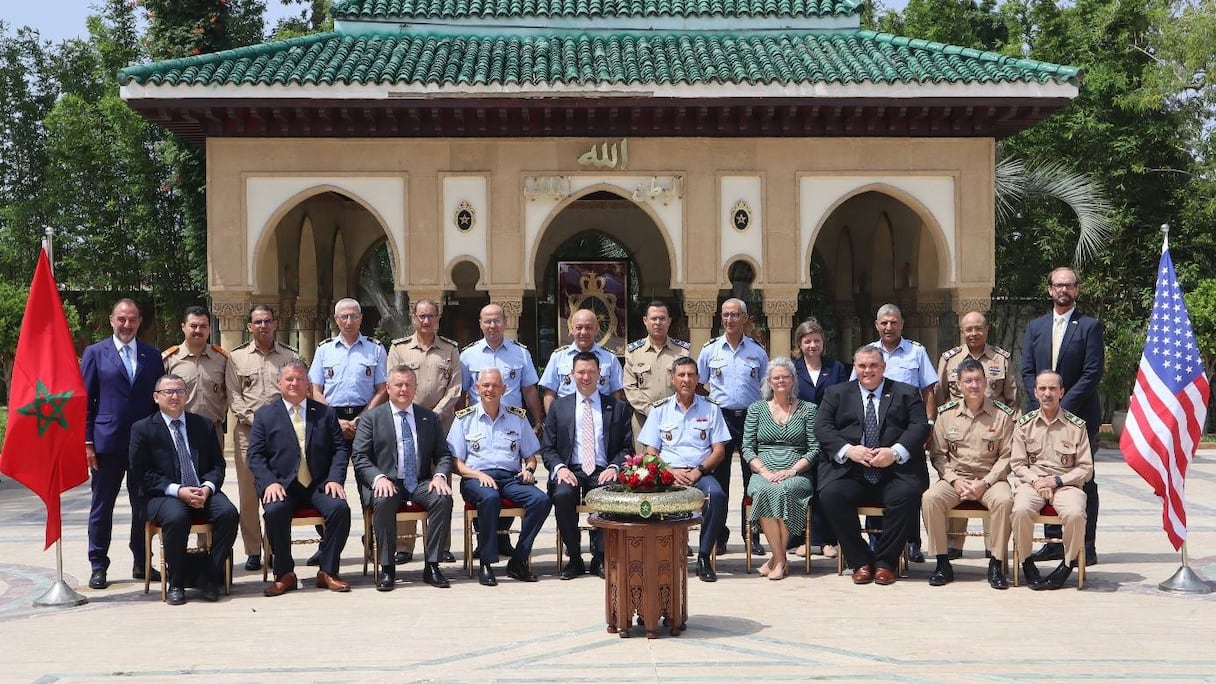
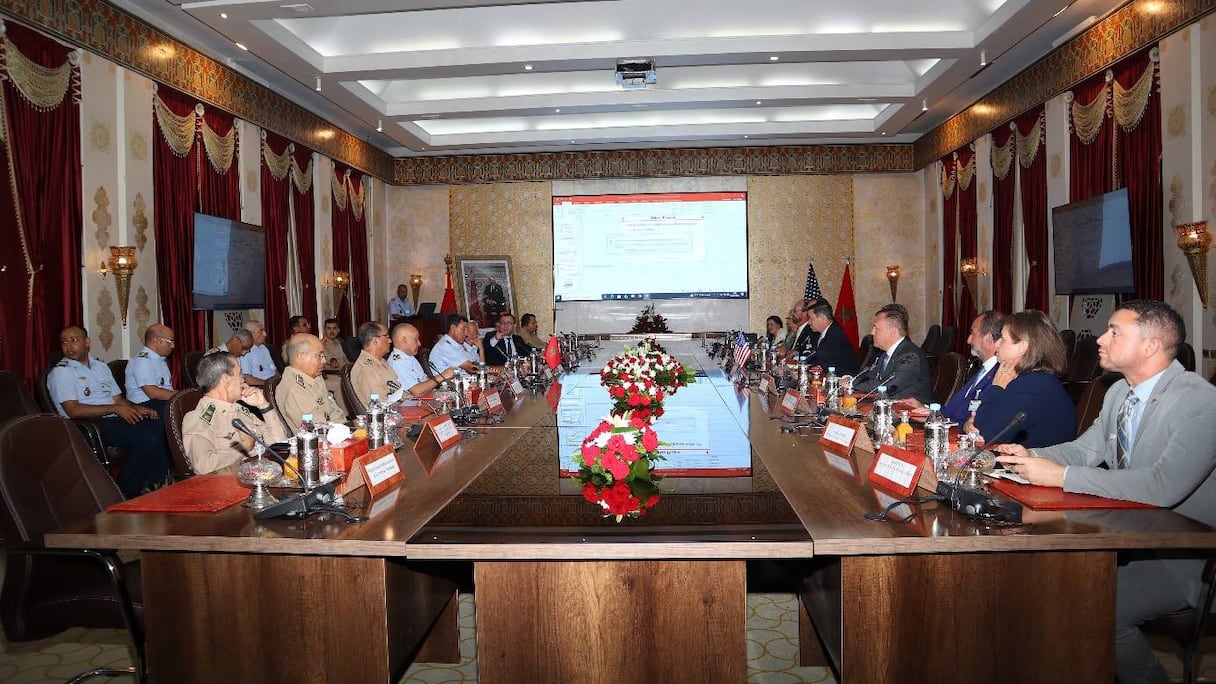
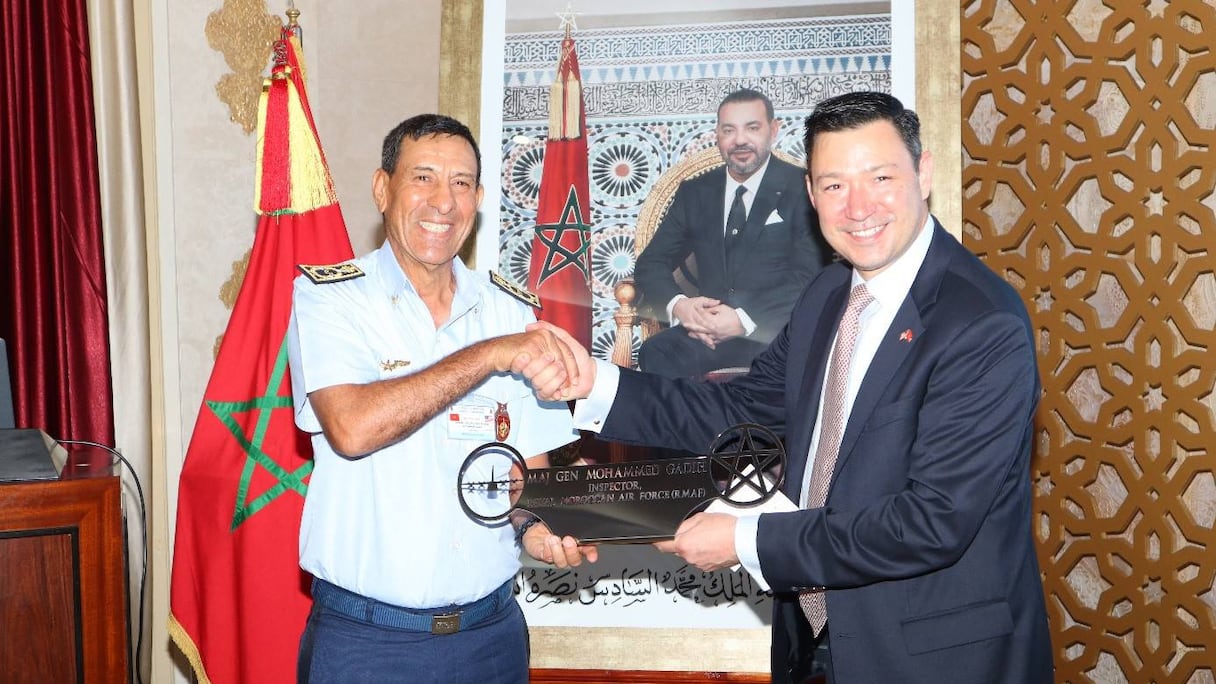
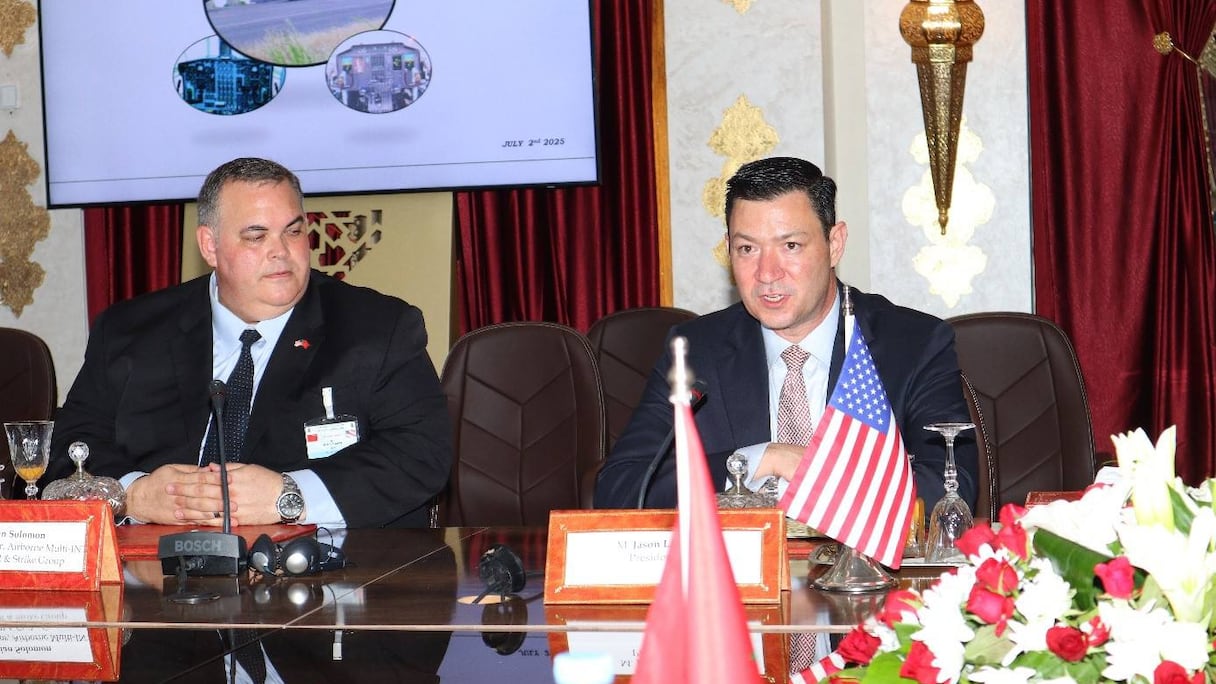
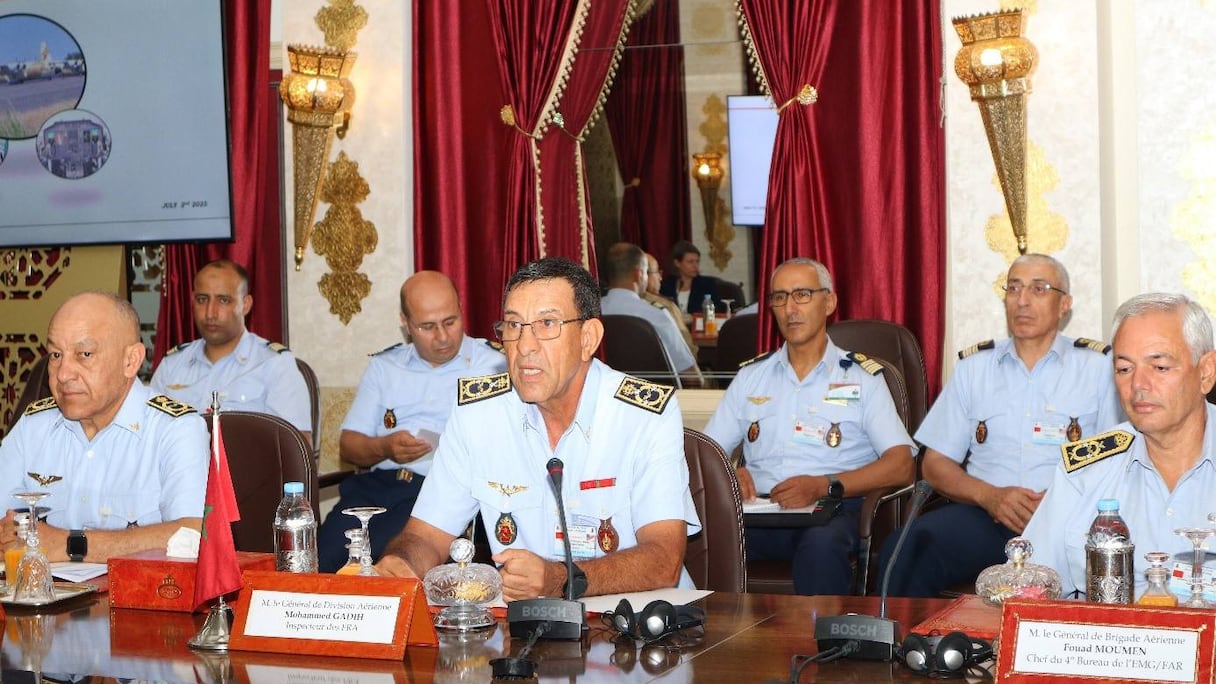
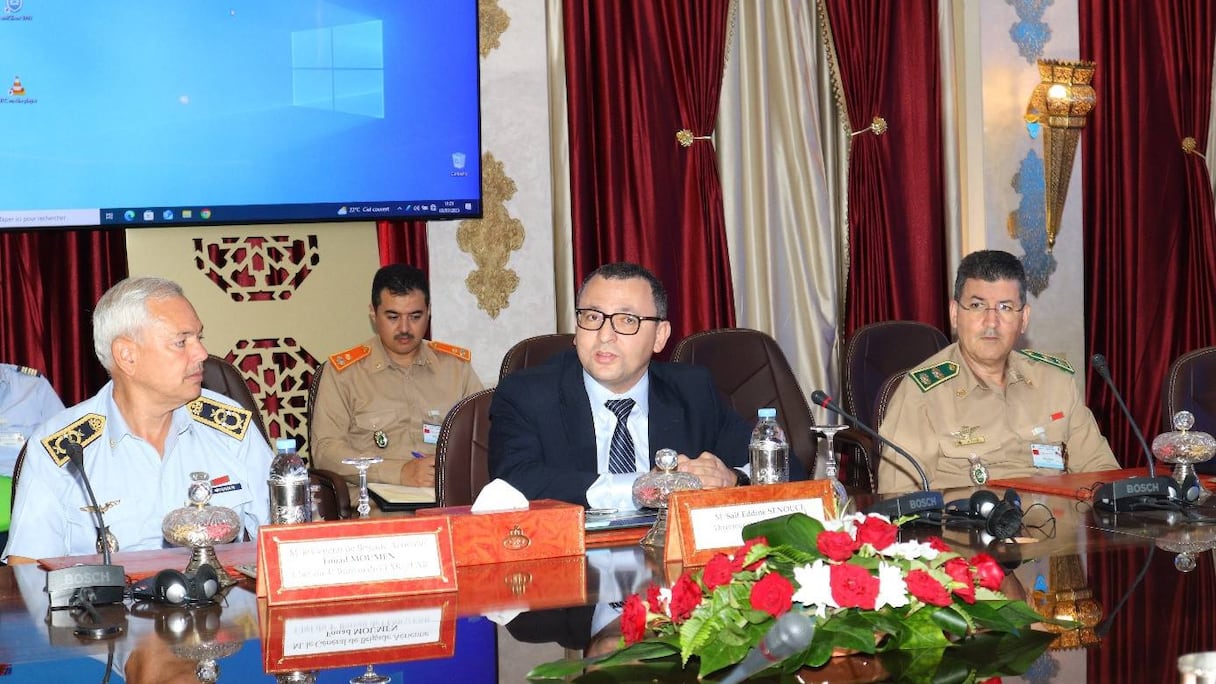
Ceremony marking the official launch of the C-130 upgrade program, held at the Officers’ Club in Rabat on Wednesday, July 2, 2025.
“Part of the fleet will be upgraded by L3Harris. Major maintenance overhauls, on the other hand, are intended to be carried out in Morocco. There is no reason to send these aircraft abroad for that kind of work,” MAM’s general director said.
The door to future modernization work nevertheless remains open. “MAM is currently concentrating on major overhauls. But we have the backing of Sabena Engineering, a group with recognized expertise in aircraft modernization, particularly on the C-130. When the time comes, that capability could be made available to the Royal Moroccan Air Force here in Morocco,” he stressed.
The F-16 is another aircraft on which Sabena Engineering has built up decades of expertise. Operating since 1955, its Gosselies facility in Belgium is one of Europe’s longest-established military aviation centers. From the late 1970s, it housed one of the two European final assembly lines for the F-16.
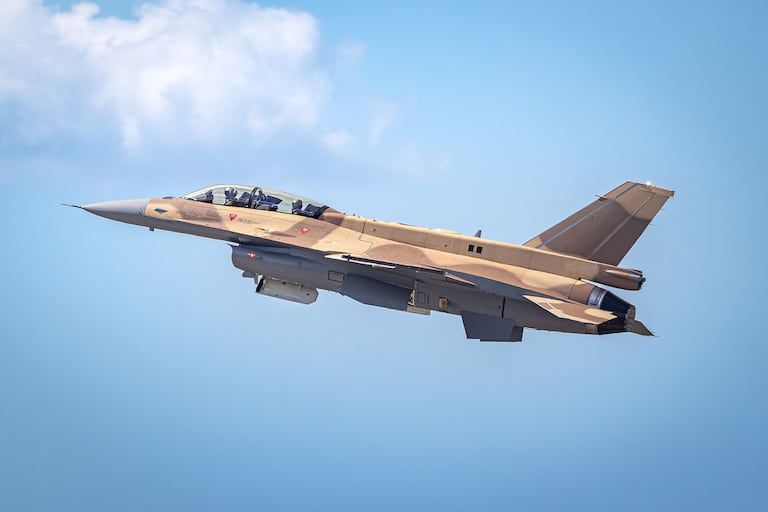
Since then, the facility has accumulated decades of experience in heavy depot-level maintenance, including more than 20 years supporting the US Air Force’s European F-16 fleet. Today, it maintains F-16s for several air forces. On July 23, at the Farnborough Airshow, Sabena Engineering and Lockheed Martin signed a letter of intent to expand their cooperation in providing regional support to F-16 operators, including those flying the aircraft’s most advanced configuration, the Block 70/72. This is a particularly relevant prospect for Morocco, the launch customer for the F-16 Block 72. The Kingdom has ordered 25 of the aircraft, the first of which made its maiden flight on October 6 in Greenville, United States.
New hangar expected in the first quarter of 2027
As for MAM’s future hangar, its completion is taking slightly longer than anticipated. Chafik nevertheless maintains that it will be delivered in the first quarter of 2027, pointing out that the facility will still need to be fitted out before operations can begin. The site will be certified to accommodate both C-130s and F-16s.
The foundation stone for the facility was laid on October 15, 2025, when it was expected to enter service in the second half of 2026. Covering more than 8,000 square meters, the site is to house a hangar designed for heavy maintenance and modernization work on F-16 fighters and C-130 Hercules transport aircraft.
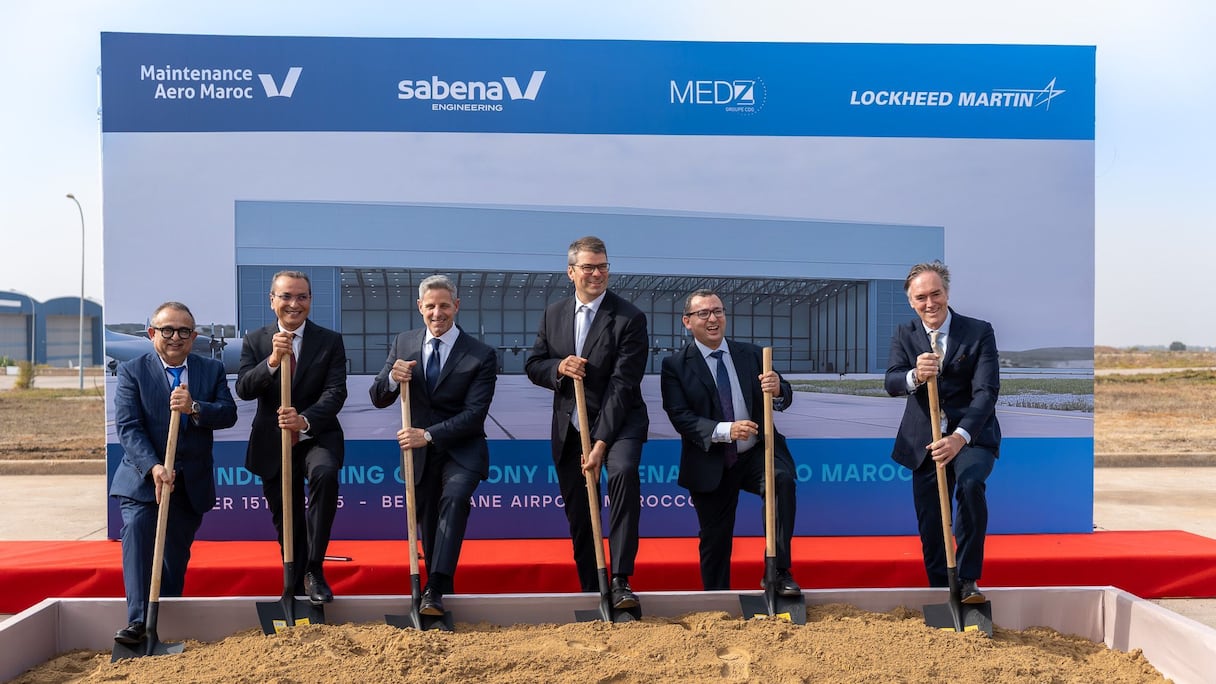
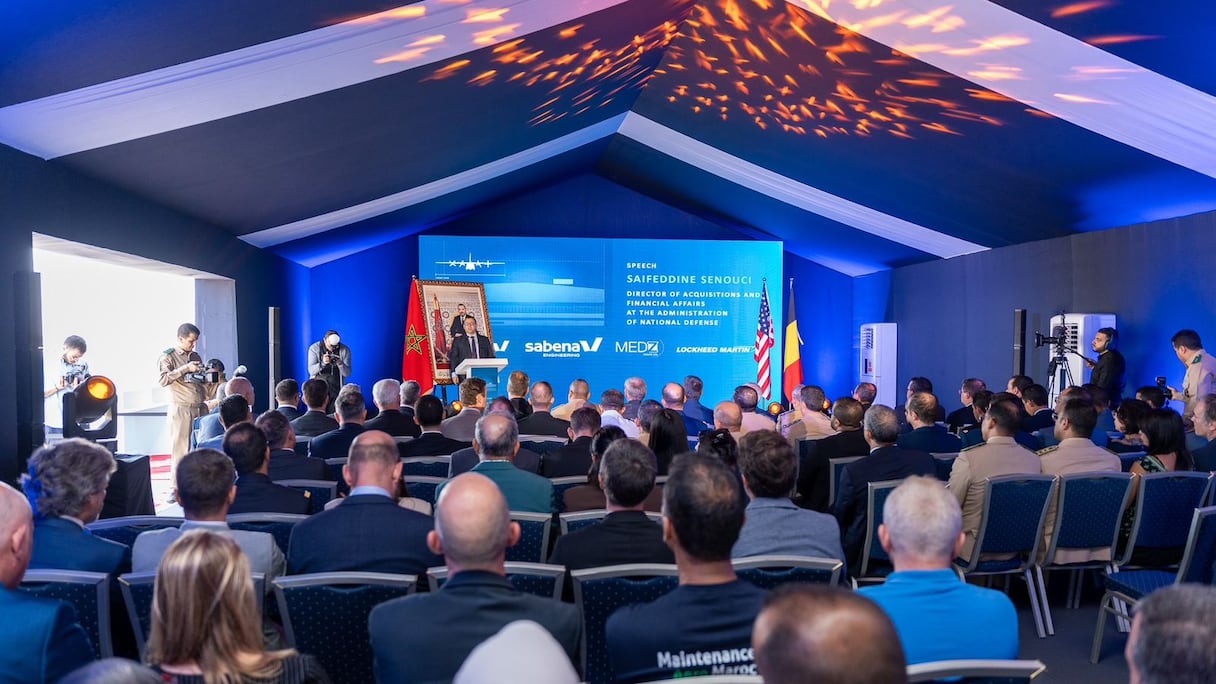
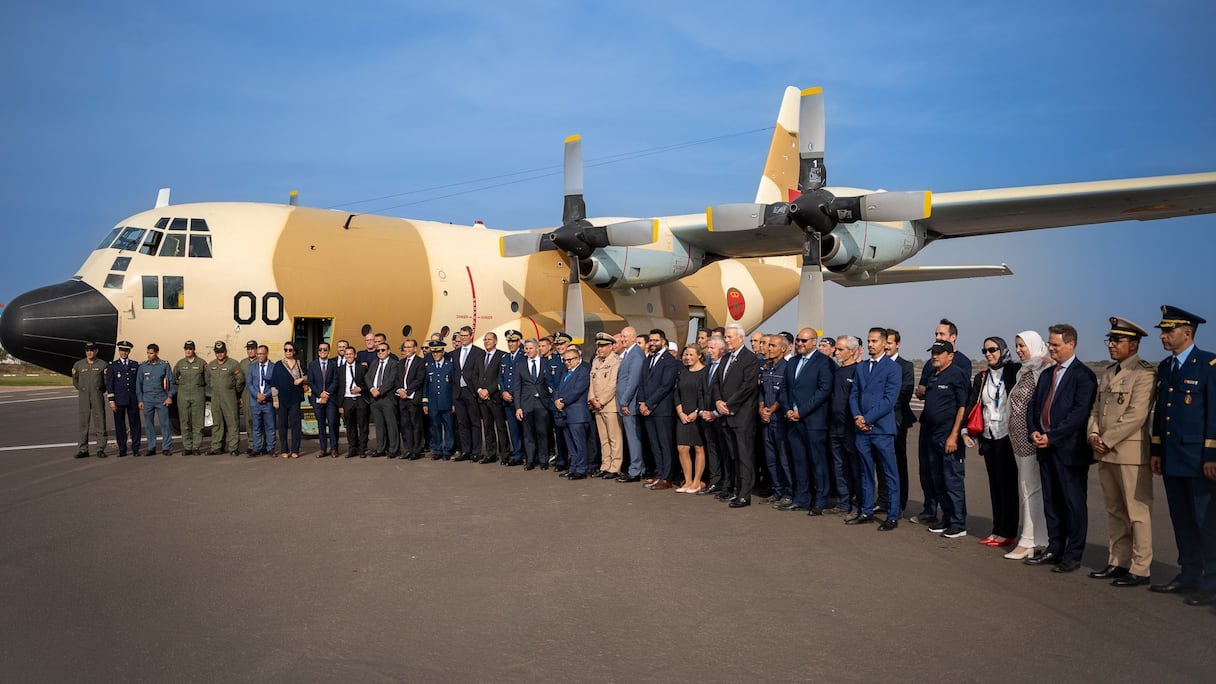
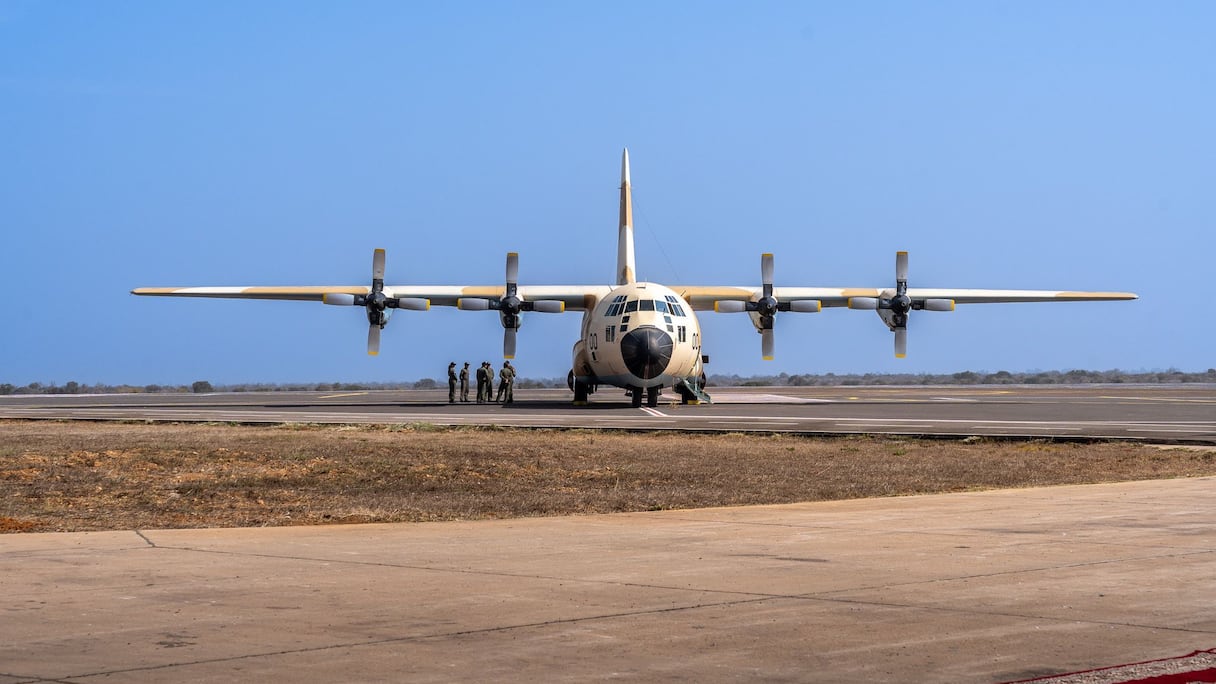
During the groundbreaking ceremony for a new state-of-the-art maintenance hangar at Benslimane Airport.
The project is being developed through a partnership between Sabena Engineering, part of the Orizio Group, MedZ, a subsidiary of the CDG Group, and Lockheed Martin. It rests on two entities: MAM, responsible for operations and technical activities, and Maintenance Aeronautic Assets (MAA), the property company that owns the infrastructure.
The first phase will focus on C-130 aircraft, with the operation subsequently expanding to include F-16s as capabilities are scaled up, as Chafik explained to Le360 in October 2025.
Other aircraft platforms could follow. On the sidelines of the latest Marrakech Air Show, MAM signed a memorandum of understanding with South Korean manufacturer Korea Aerospace Industries (KAI) to explore industrial cooperation involving its T-50/FA-50 trainer aircraft offering for the Royal Moroccan Air Force.
A training component is also planned, with the aim of developing a workforce of Moroccan technicians specializing in the C-130 and F-16 through the transfer of expertise from Belgium.
