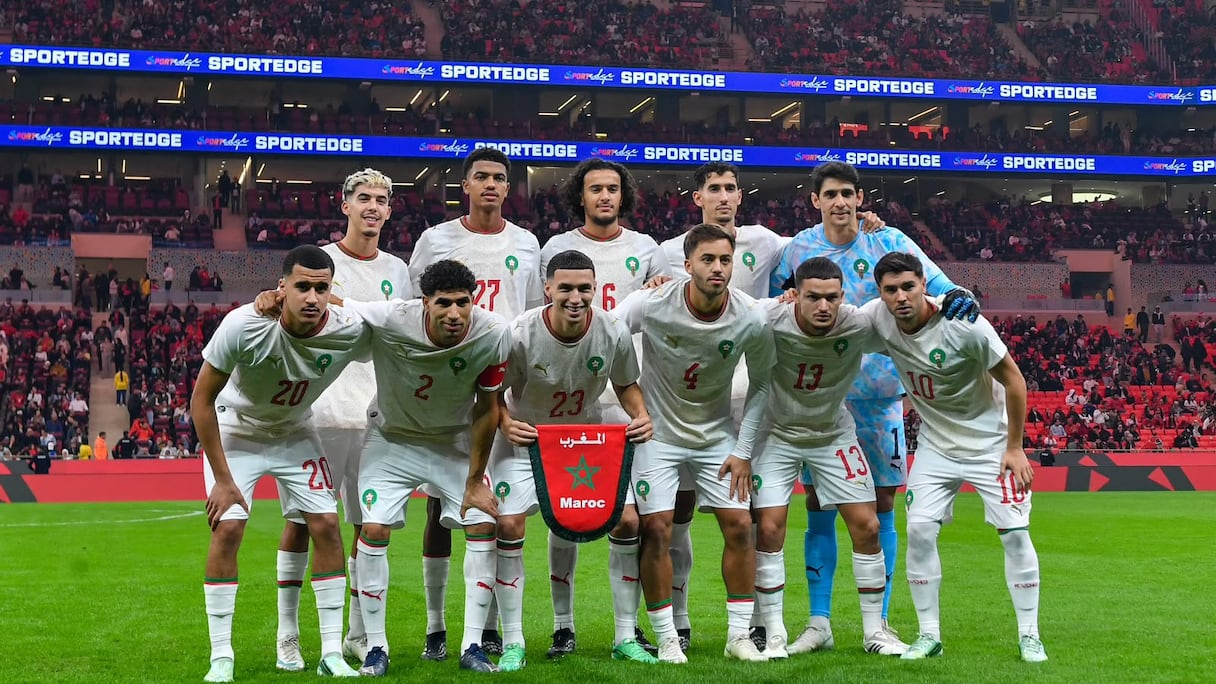
Moroccan football has reached another extraordinary milestone. The Atlas Lions are now ranked fifth in the world, a position that places the Kingdom among the game’s most established powers and confirms a transformation that would have seemed almost unimaginable a decade ago.
The latest FIFA ranking places Morocco on 1,809.37 points, two places above its previous position and ahead of Portugal, which dropped to sixth with 1,801.28 points. Spain leads the standings, followed by Argentina, France and England.
For the first time, Morocco has reached this level with the prospect of holding its position beyond the brief fluctuations of a major tournament. The distinction matters. Breaking into the top five is an achievement; establishing a lasting presence there would represent something more consequential.
Read also : Morocco back in FIFA’s world top five after Portugal’s heavy defeat
Morocco is no longer simply the team that surprised the world at the 2022 World Cup. It is increasingly a team the rest of the world must measure itself against.
The November 18 ranking, now confirmed by FIFA, gives the achievement its historical weight. The Atlas Lions had briefly occupied fifth place in the live standings in June and September, but the official July ranking placed them sixth. This time, FIFA has formally recorded Morocco in fifth place for the first time since the ranking system was introduced in 1993.
From fleeting breakthrough to official recognition
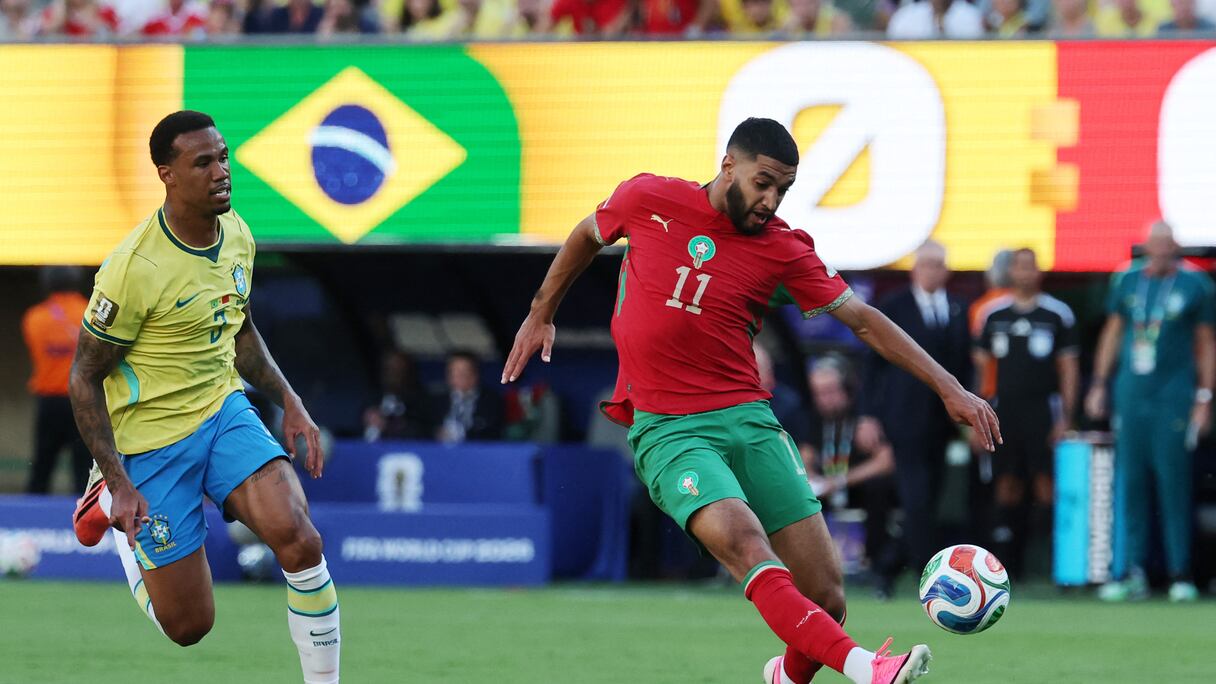
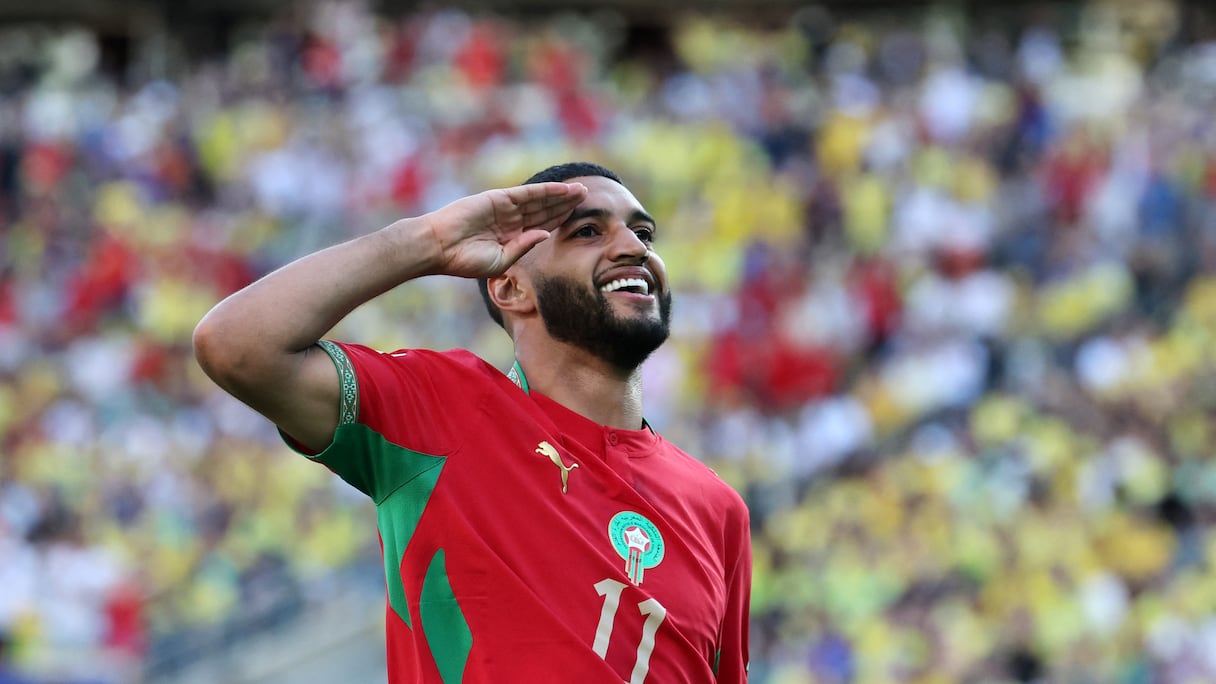
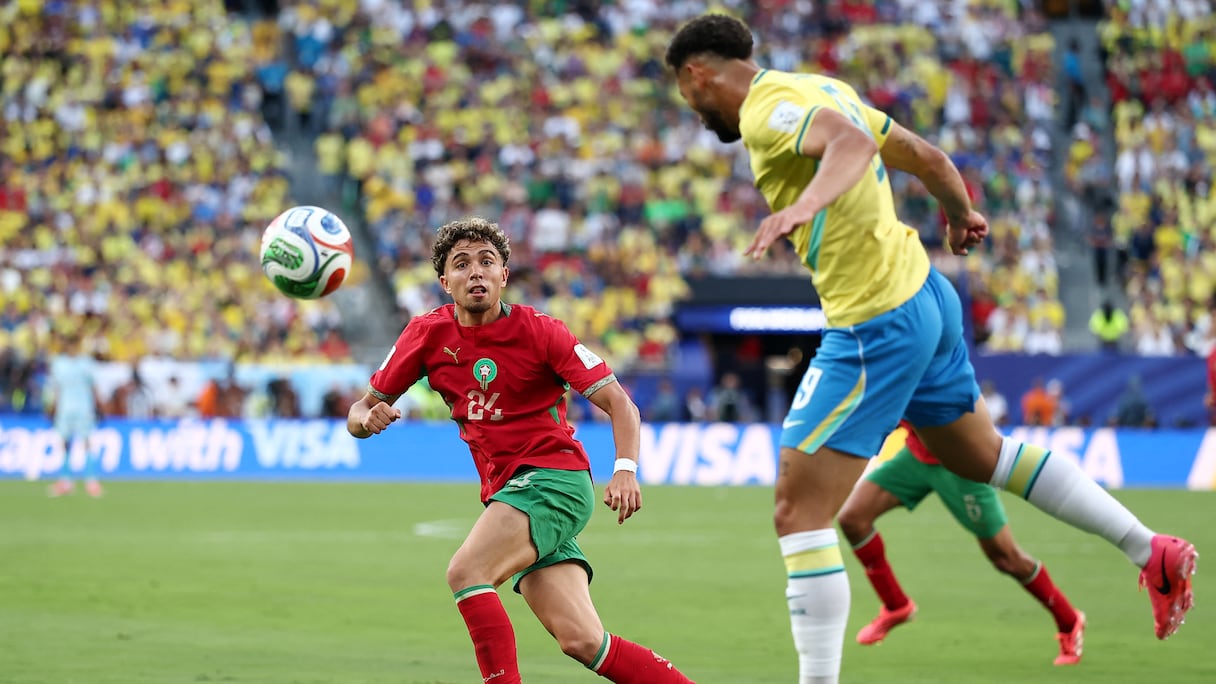
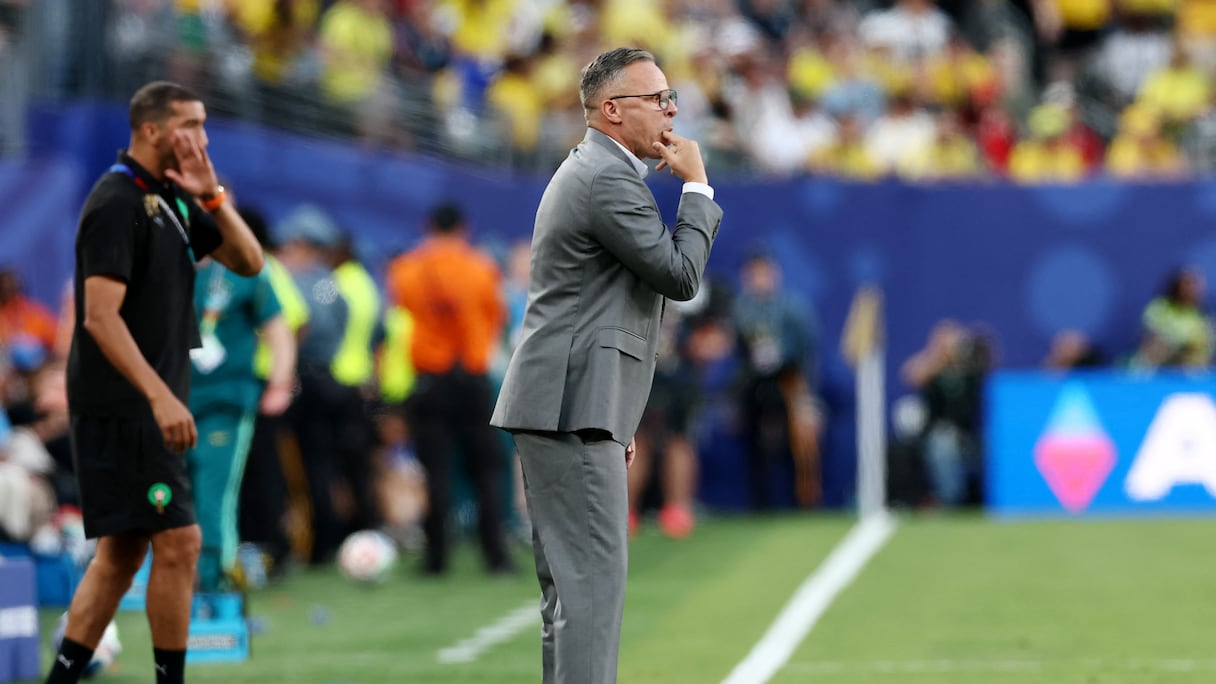
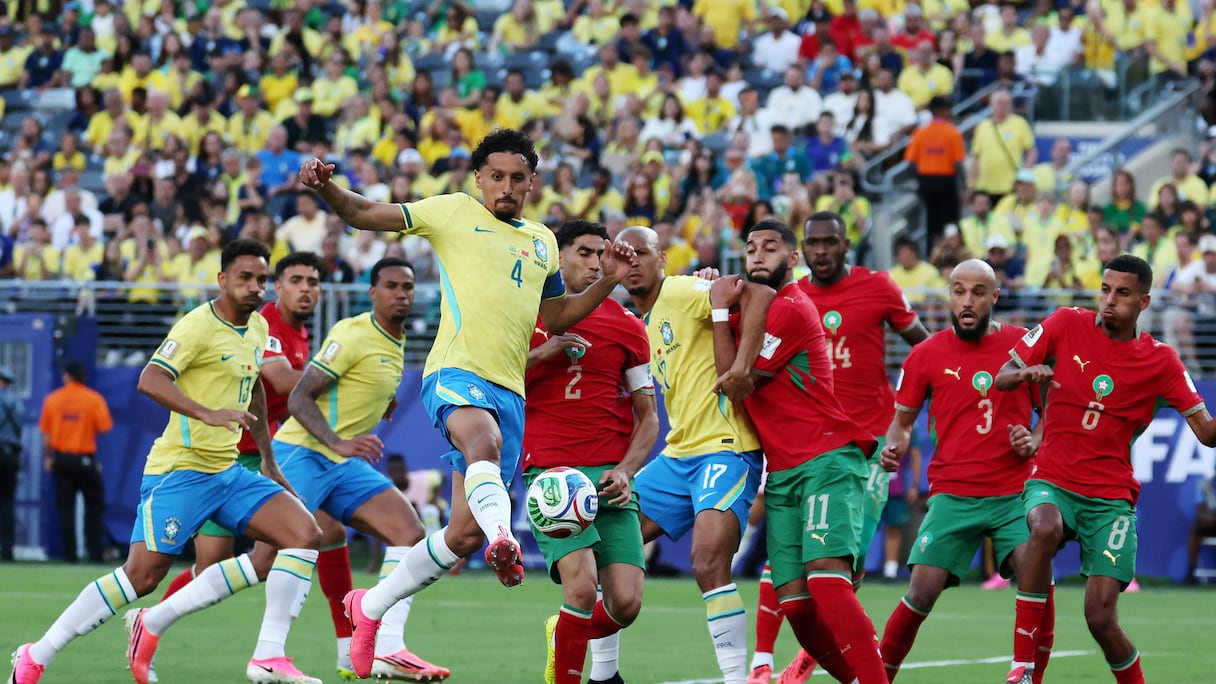
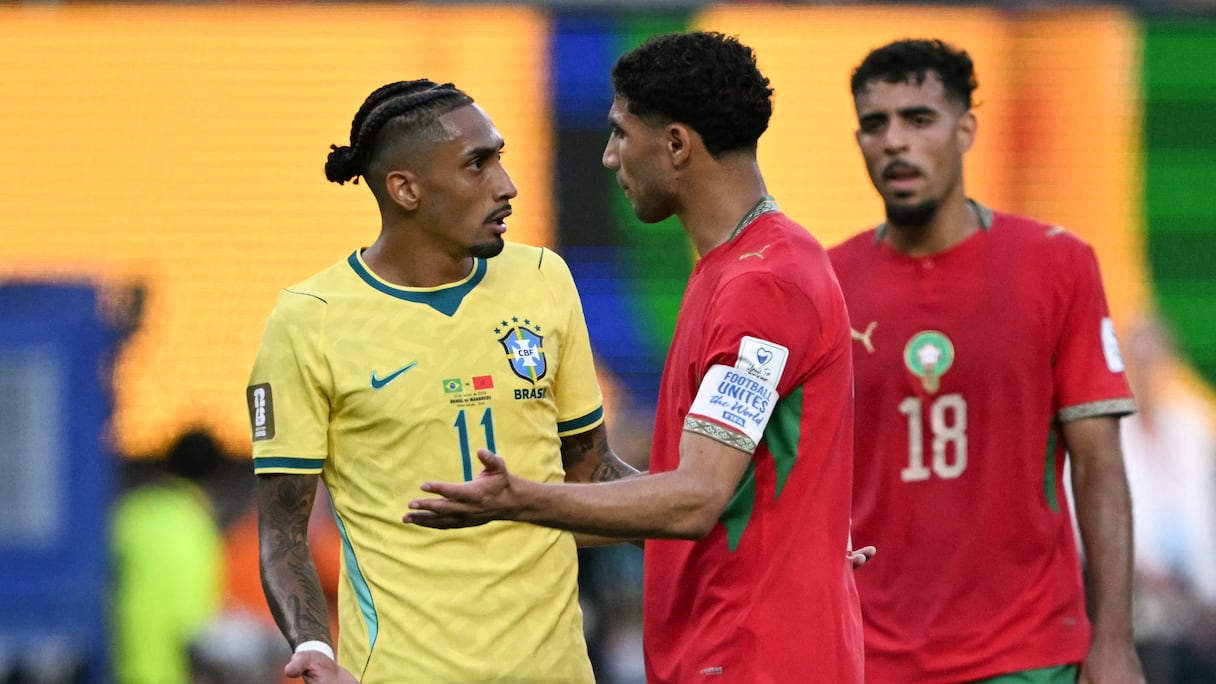
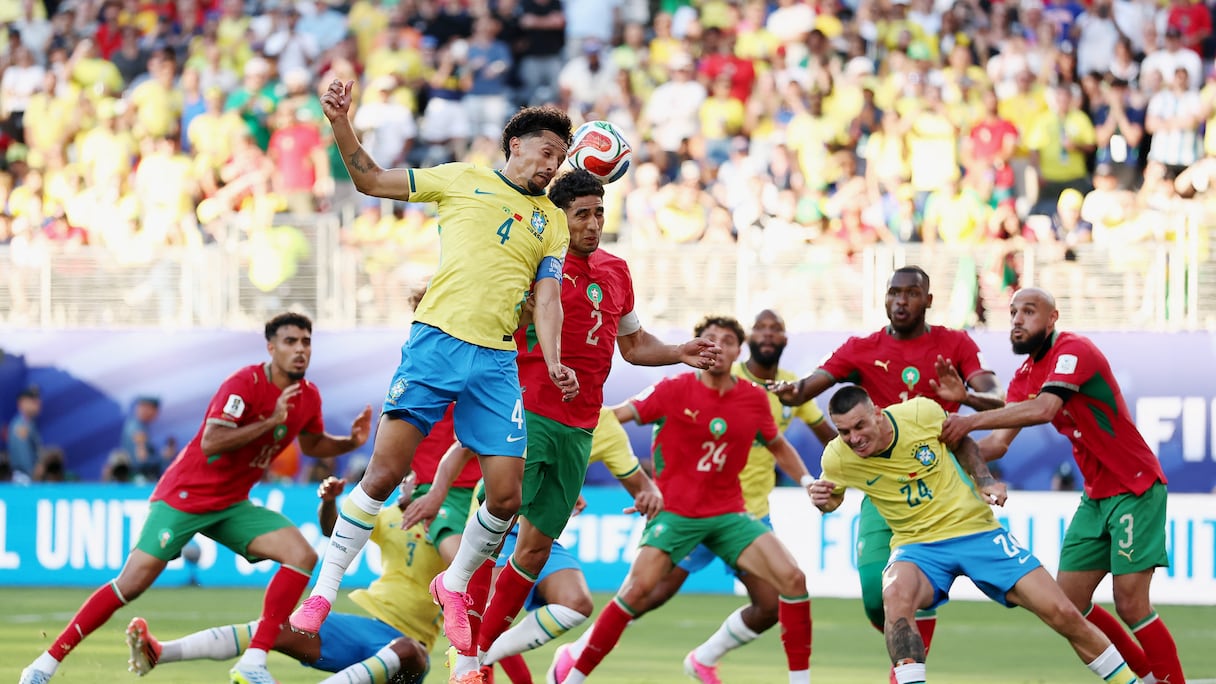
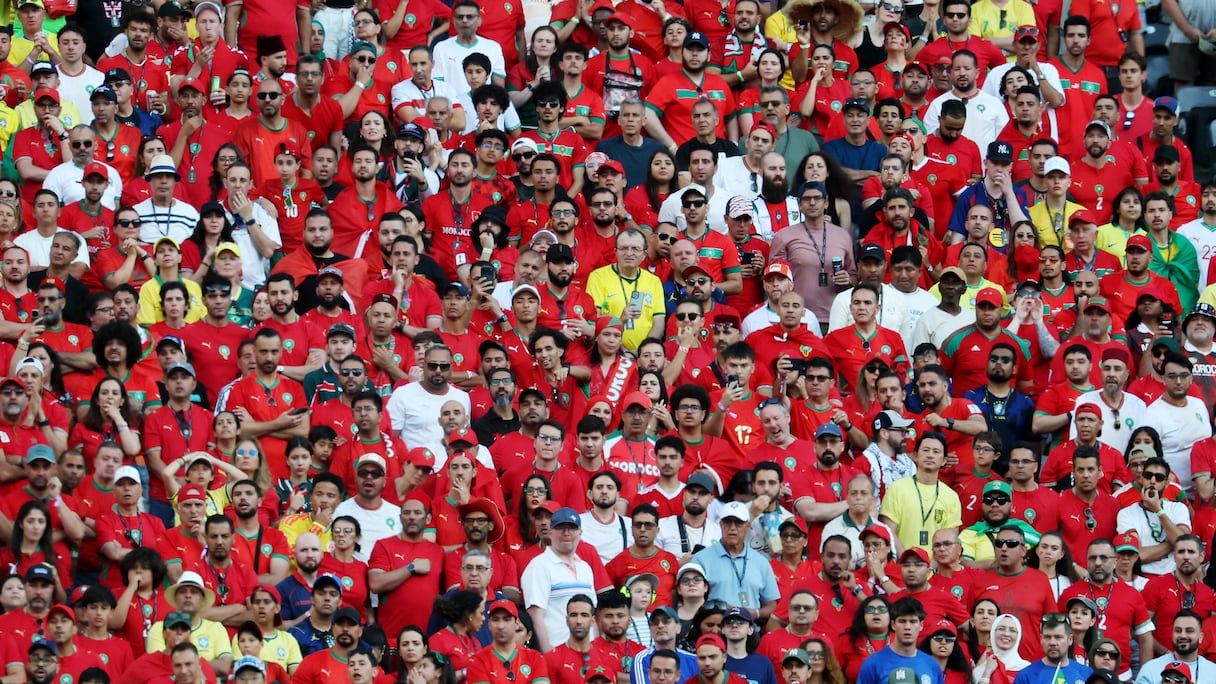
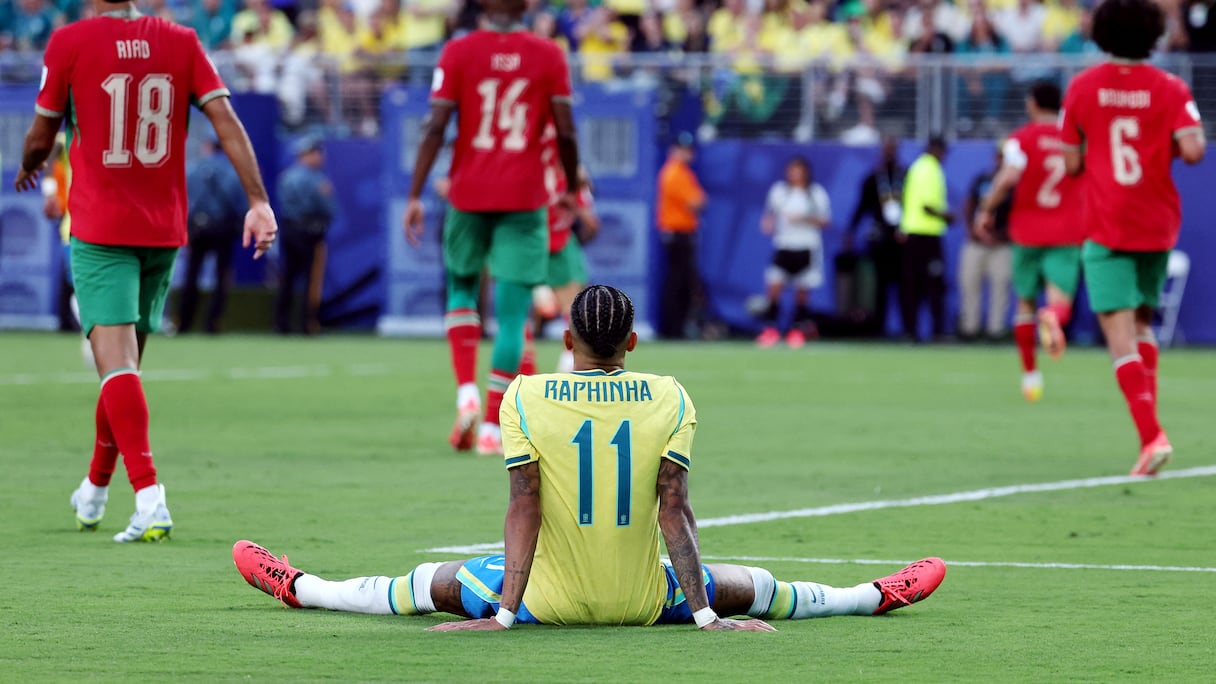
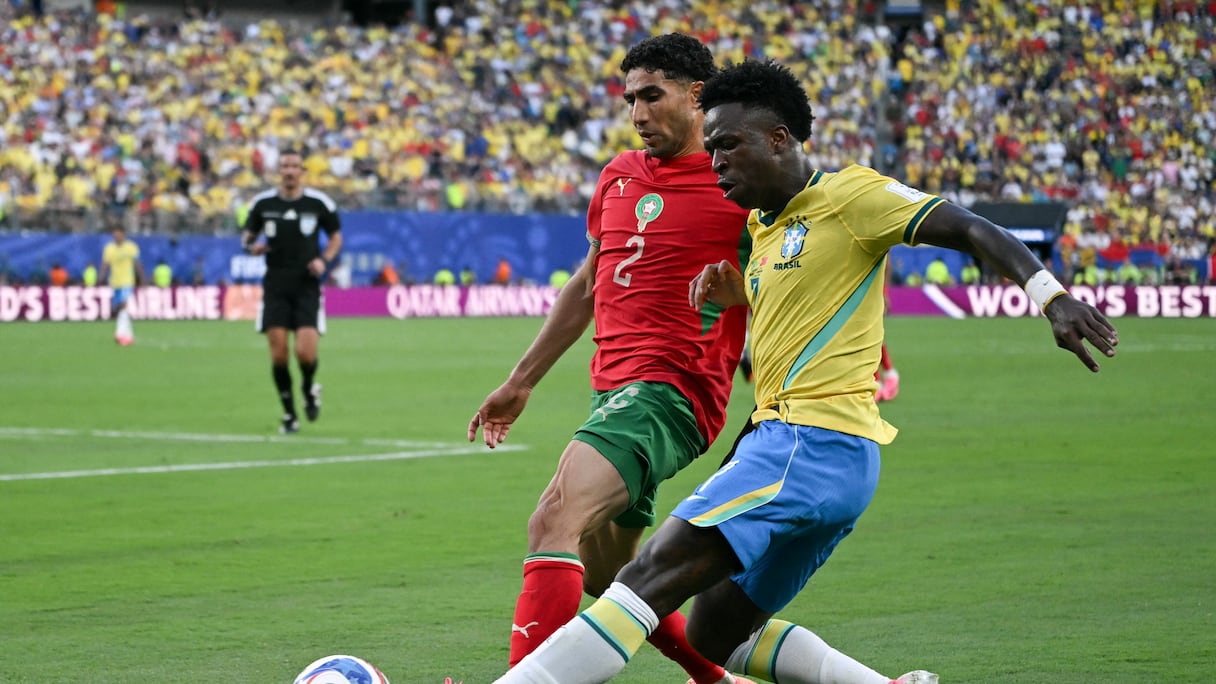
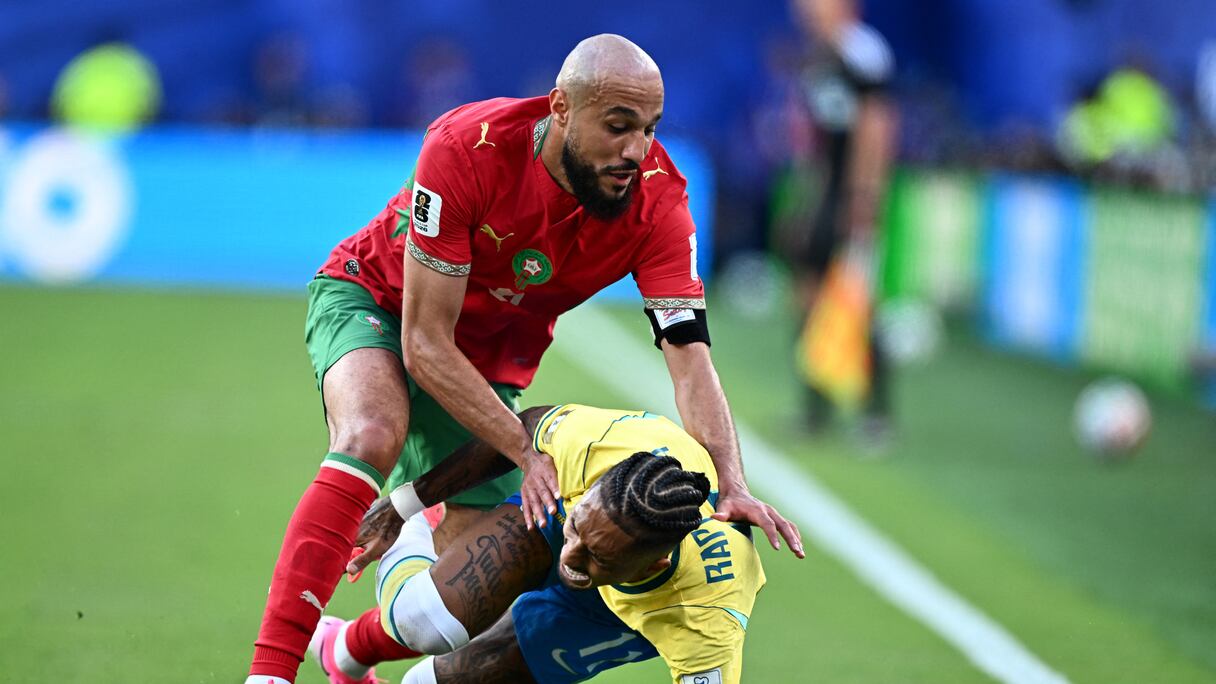
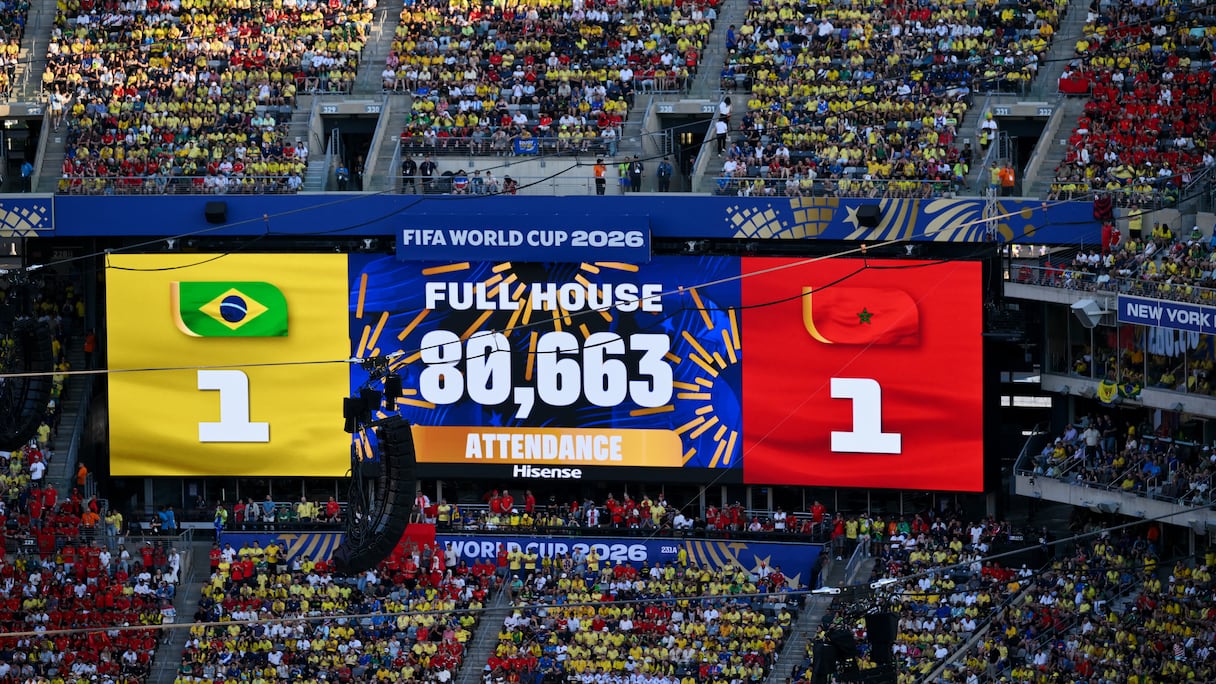
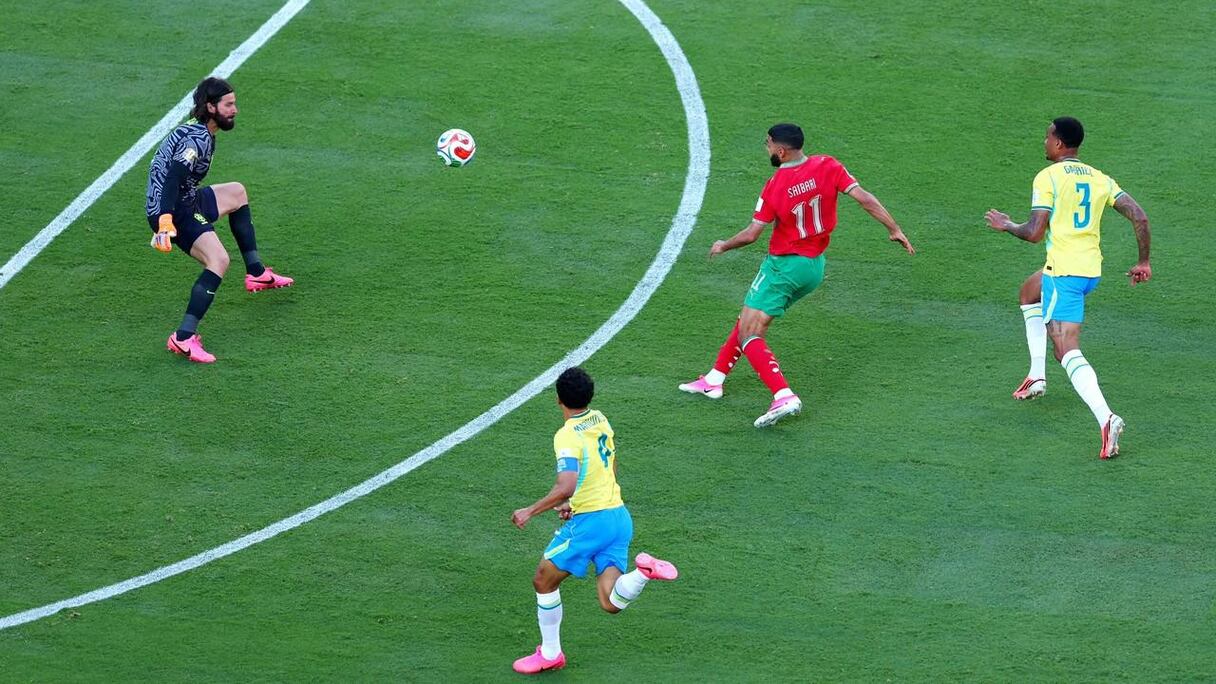
Morocco’s climb has been gathering momentum throughout 2026, a year in which the national team followed its historic 2022 World Cup semifinal appearance with another impressive campaign on football’s biggest stage. At the 2026 World Cup, the Atlas Lions drew with Brazil, eliminated the Netherlands on penalties and defeated Canada 3-0 before their journey ended against France in the quarterfinals. The campaign carried Morocco to sixth in the official July rankings, already a national record at the time.
But fifth place remained tantalizingly close. On June 20, Morocco had briefly reached that position in the live rankings after defeating Scotland. It did so again in September, before returning to fifth during the November international window as results elsewhere shifted the balance.
Now the achievement is official. FIFA’s November 18 publication establishes Morocco’s highest-ever position, with the next scheduled update set for December 16. Barring a revision, the Atlas Lions will therefore retain their place in the official standings until then.
Portugal and Brazil behind the Atlas Lions
There is particular satisfaction in the company Morocco now keeps—and the footballing giants it has overtaken.
Portugal, with its rich international pedigree and generations of world-class players, sits sixth. Brazil, the five-time world champion and one of football’s most recognizable institutions, is seventh. Morocco is ahead of both.
The November international window provided the final push. The Atlas Lions defeated Niger 5-1 in Casablanca on November 13 before securing a 1-0 victory in Rabat four days later, collecting valuable ranking points in qualifying for the 2027 Africa Cup of Nations.
Meanwhile, Portugal’s 4-1 defeat to Denmark and Brazil’s results opened the way for Morocco to climb two places.
Read also : Morocco qualify for 2027 AFCON with 1-0 win over Niger
The margins remain narrow. Morocco leads Portugal by just over eight points and Brazil by slightly more. Fifth place is therefore a position to defend, not one that can be taken for granted. But that should take nothing away from the scale of the achievement.
An African milestone, a Moroccan ambition
Morocco’s position is also a landmark for African football. Only Nigeria, in April 1994, had previously reached fifth place in the FIFA men’s rankings. More than three decades later, Morocco has matched that continental benchmark while becoming the first North African nation to reach such heights.
Morocco’s rise has coincided with an unprecedented period of investment in football infrastructure, youth development and professional training. The Mohammed VI Football Complex has become a centerpiece of the country’s approach to developing national teams, while the Royal Moroccan Football Federation has sought to build stronger connections between domestic talent and the Moroccan diaspora.
The results are increasingly visible across different levels of the game. The senior team’s breakthrough in Qatar in 2022 changed international perceptions of Moroccan football. Its performances in 2026 demonstrated that the achievement was not confined to a single tournament. Success in youth competitions has added further weight to the argument that Morocco is building a footballing system capable of producing results across generations.
Read also : World Cup 2030: FIFA inspectors head to Morocco on November 28 as several projects forge ahead of schedule
Under the impetus of King Mohammed VI, Morocco has treated football as a long-term national undertaking, investing in facilities, training structures and the institutional foundations needed to compete internationally.
The country’s preparations to co-host the 2030 World Cup alongside Spain and Portugal have added another dimension to that ambition. Stadium modernization, transport connectivity and sports infrastructure development are part of a broader effort to consolidate Morocco’s position as a major international sporting destination.
The national team’s fifth-place ranking gives that strategy a powerful sporting endorsement.
The challenge is no longer to surprise the world
For decades, African teams arrived at World Cups hoping to upset established powers. Morocco helped change that perception in 2022, becoming the first African and Arab nation to reach a World Cup semifinal. Four years later, the Atlas Lions have moved from the role of outsiders to that of established contenders.
That transformation brings new expectations. A team ranked fifth in the world is no longer judged solely by its ability to defeat a European or South American heavyweight. It is expected to compete consistently, manage difficult matches and deliver results across qualifying campaigns and major tournaments.


AFP
Morocco’s next challenge will be to turn its position among the global elite into a lasting standard.
The gap separating the Atlas Lions from the top four remains substantial, and the narrow lead over Portugal and Brazil illustrates how quickly the rankings can change. Yet the trajectory is unmistakable.
The fifth-place position is not a trophy. Nor does it guarantee success in the next competition. But it is a remarkable measure of how far Moroccan football has travelled. For a country preparing to welcome the world in 2030, the symbolism could hardly be stronger.
