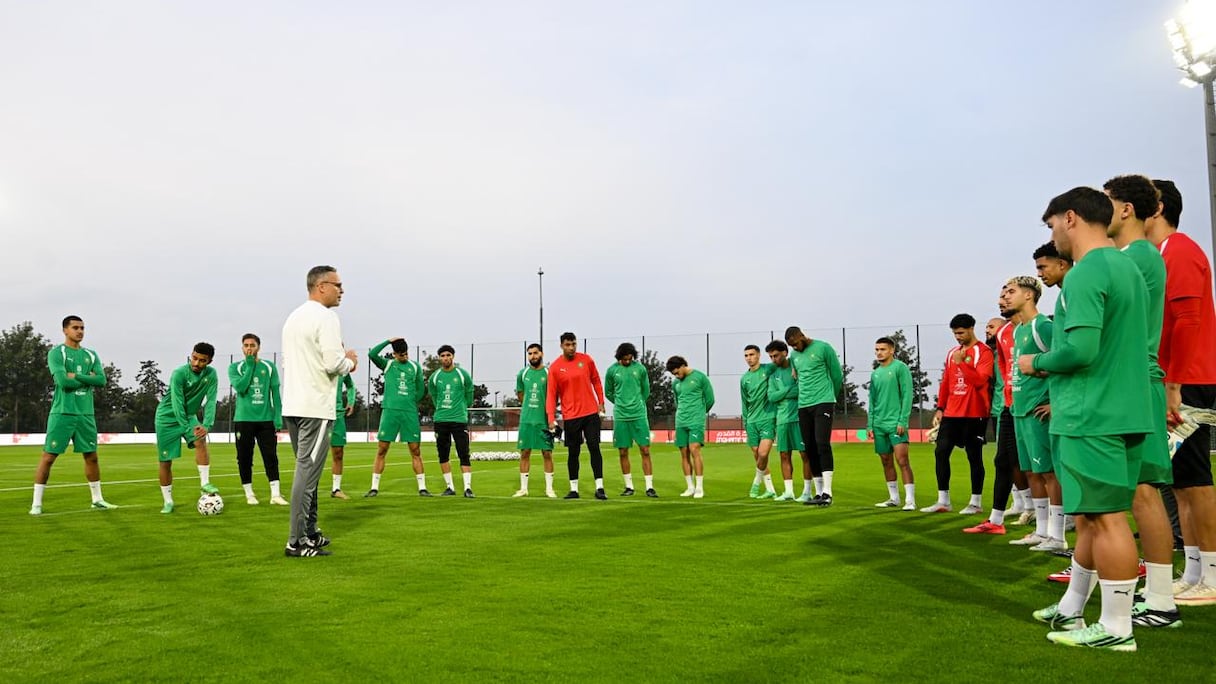
Morocco’s November camp featured two very different performances. First came a convincing 5-1 win over Niger in Casablanca, followed by a much harder-fought 1-0 victory in Rabat, which nevertheless secured the national team’s qualification for the 2027 Africa Cup of Nations.
The two matches gave Mohamed Ouahbi several insights into his squad. Some young players confirmed their talent and strengthened their position in the pecking order, while several established names reaffirmed their importance to the team. Others, however, fell short of expectations. The difficulties encountered in the second match also exposed some weaknesses in the team’s collective play.
Read also : Morocco vs. Niger: Key takeaways from Mohamed Ouahbi’s post-match press conference
THE WINNERS
Oussama Targhalline: The unsung midfielder making his mark
One match was enough for Oussama Targhalline to remind everyone of his importance in Morocco’s midfield. Starting against Niger in Casablanca, he delivered an outstanding performance, displaying technical control, intelligent reading of the game and accurate passing that played a major role in Morocco’s dominance.
Always available to his teammates, effective in winning back possession and capable of dictating the tempo, the midfielder confirmed his qualities as a genuine playmaker from deep. His performance places him among the key figures in Morocco’s midfield, alongside Ayyoub Bouaddi and Neil El Aynaoui.
Abdellah Ouazane: A 17-year-old star with exceptional talent
At just 17, Abdellah Ouazane is already showing impressive maturity. He provided an assist after coming on in Casablanca before scoring the only goal of the match in Rabat, where he made his first start. The young Ajax Amsterdam player was one of the biggest positives of the camp.
Beyond his statistics, it is his quality on the ball that stands out. With excellent vision, remarkable football intelligence in his movement and unusual composure in possession, Ouazane has the technical ease and instinct associated with top-level players. At his age, he is already showing the qualities of an exceptional talent, with the potential to compete for the highest individual honors.
Bilal El Khannouss: A classic No. 10
Starting both matches against Niger, Bilal El Khannouss delivered two very different performances. Excellent in Casablanca, where he fully embraced his role as a No. 10, the Stuttgart attacking midfielder brought creativity and fluidity to Morocco’s play through his technical ability, vision and capacity to find openings between the lines.
He was less convincing in Rabat, losing possession several times, misplacing passes and having limited influence on the team’s attacking play. El Khannouss failed to reproduce his first-match performance. His overall showing nevertheless remains positive, as his display in Casablanca demonstrated that he has the qualities to become one of Morocco’s main playmakers, provided he can find greater consistency.
Yassir Zabiri: The instinct of a genuine No. 9
The Racing Santander striker confirmed during this camp that he has the qualities of a genuine center forward. He scored in the opening minutes against Niger in Casablanca, netting his first goal for Morocco’s national team thanks to his excellent positioning and natural finishing instinct.
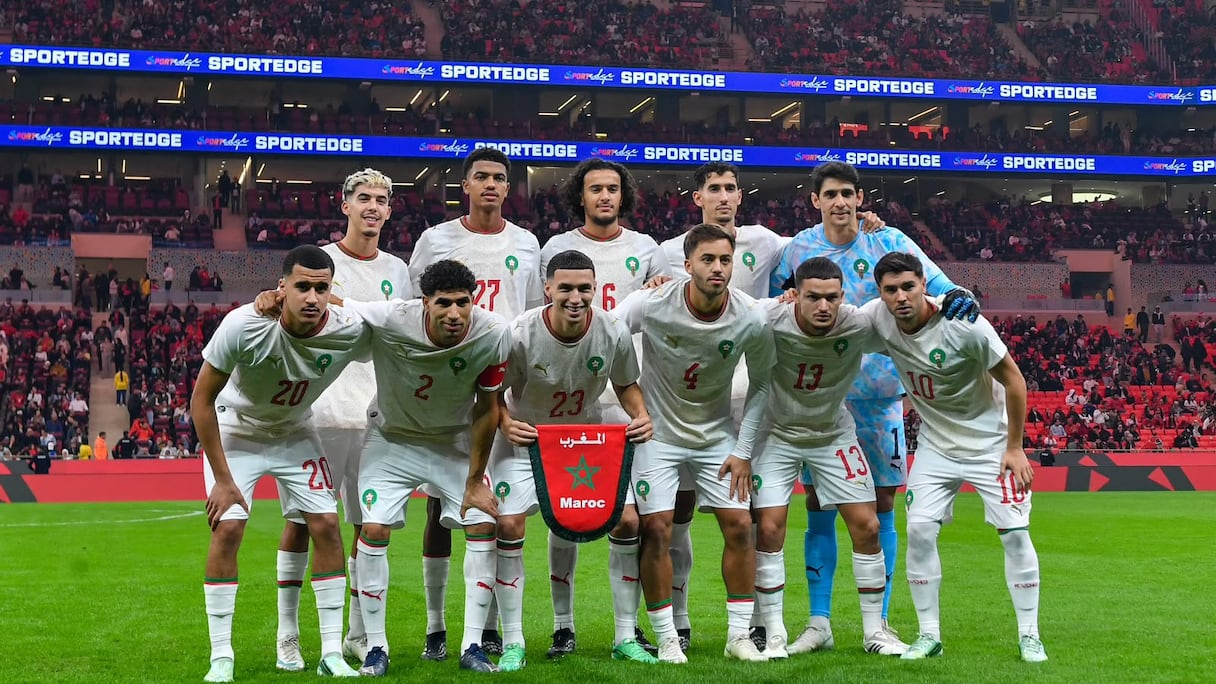
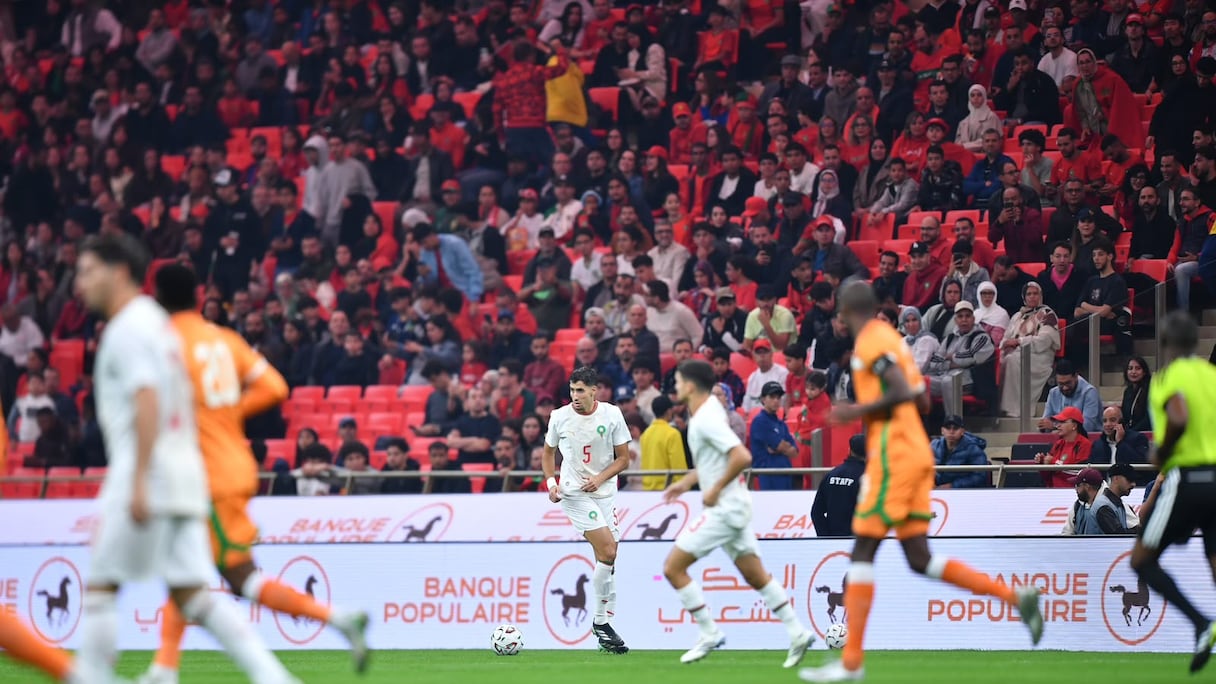
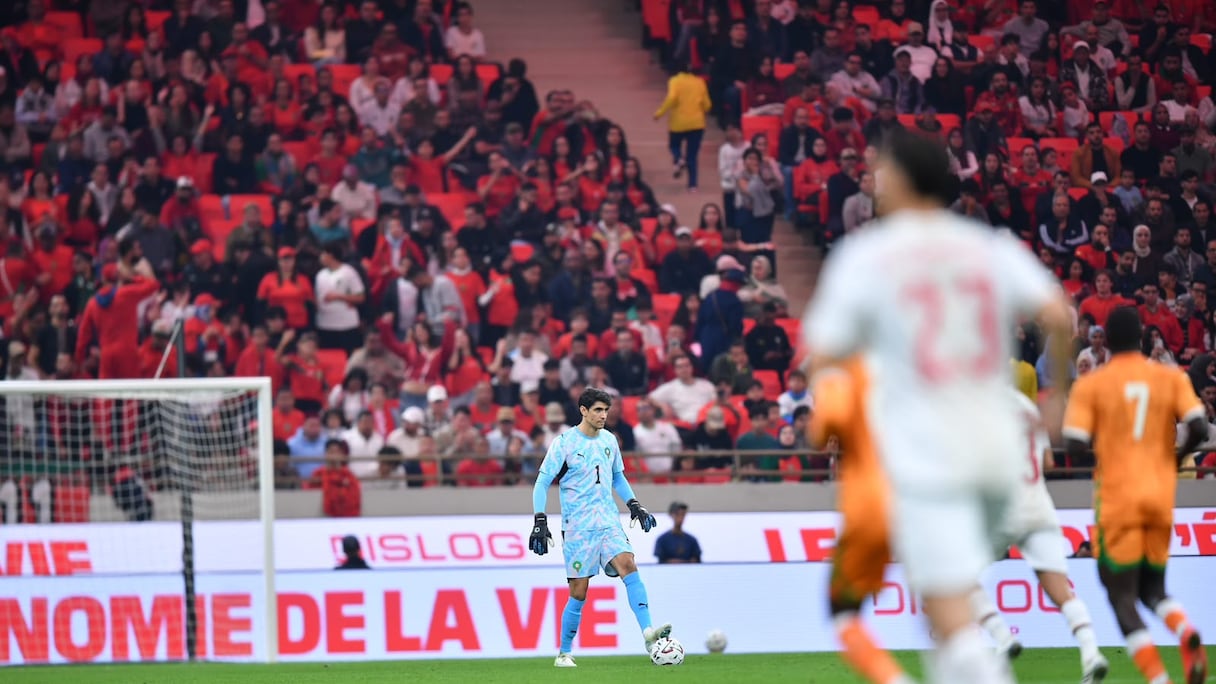
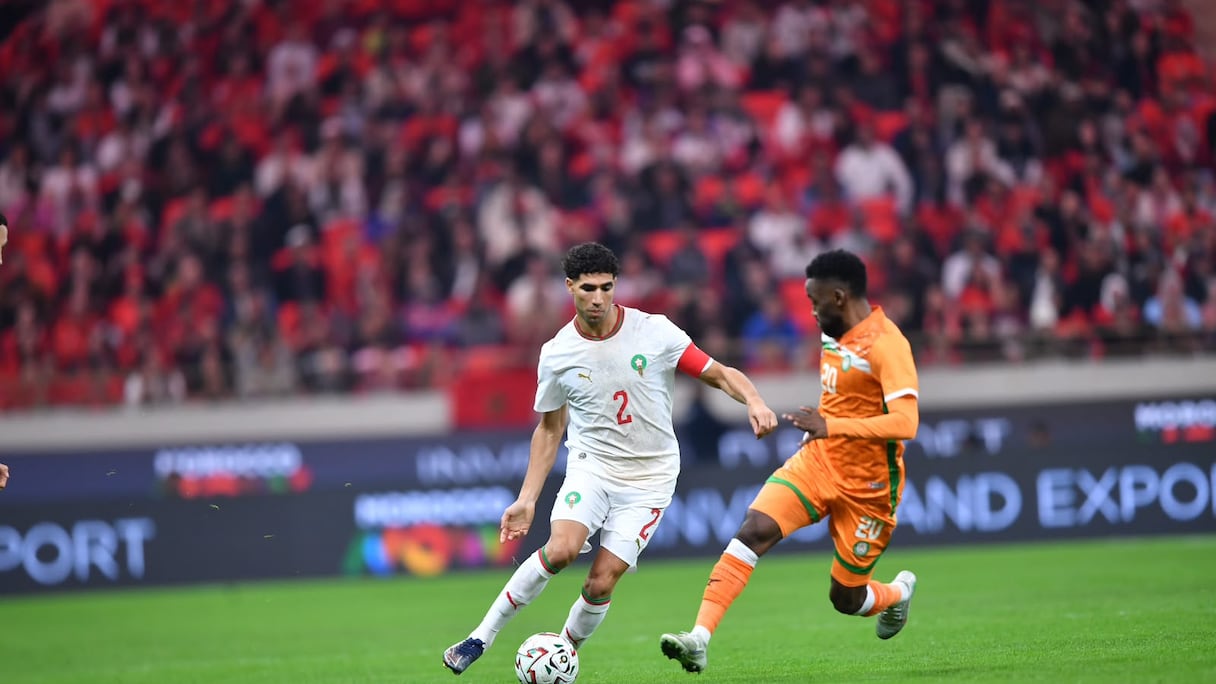
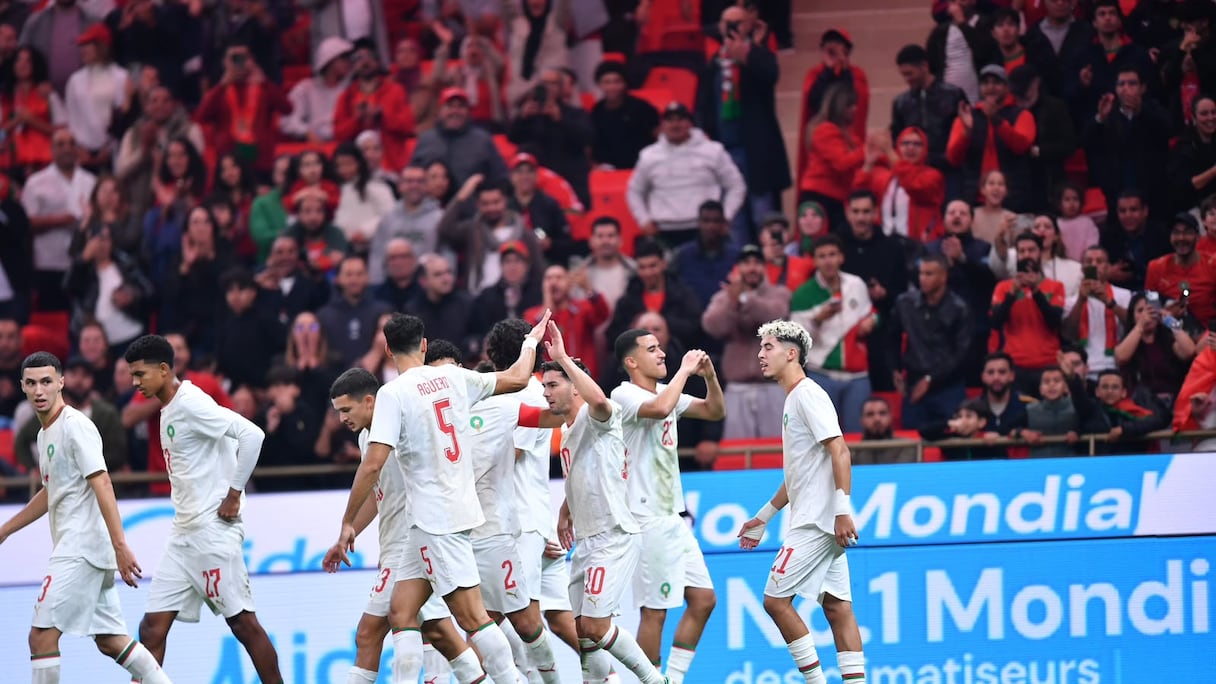
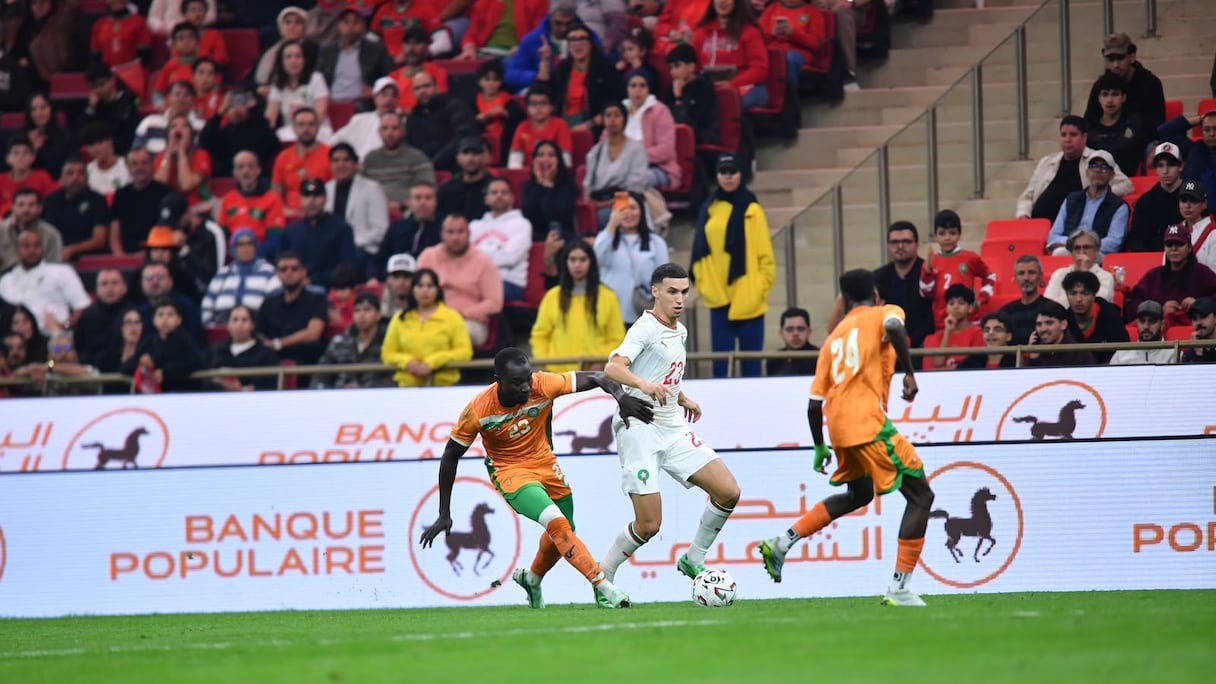
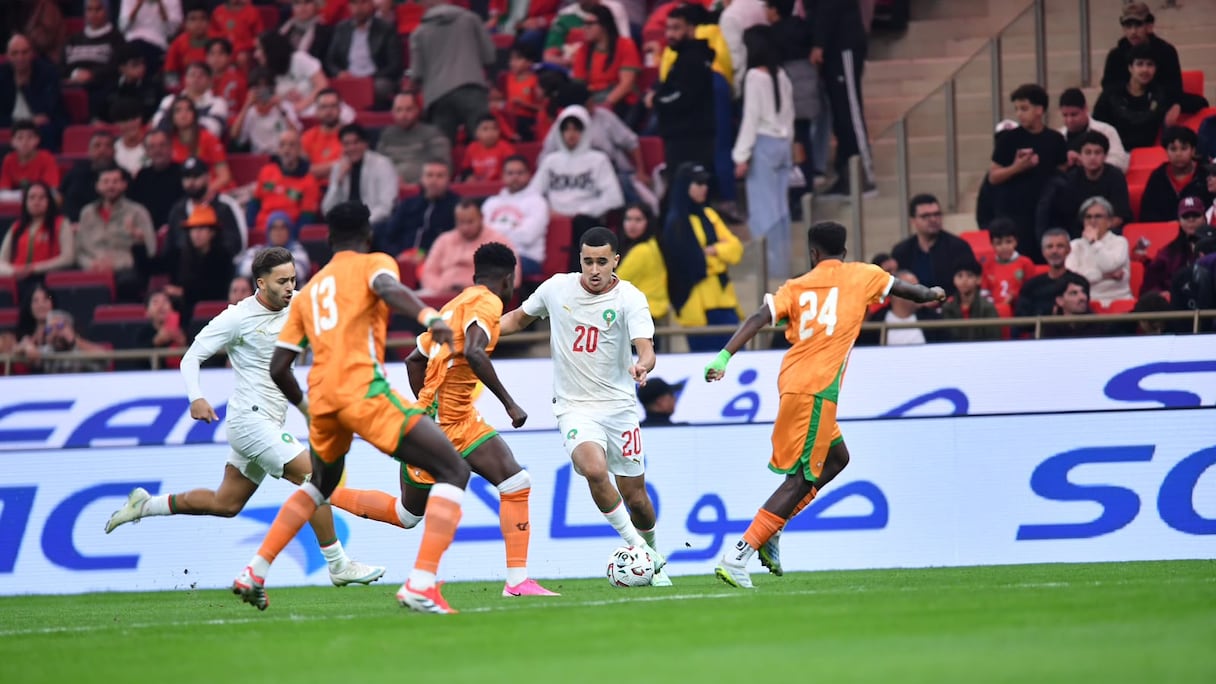
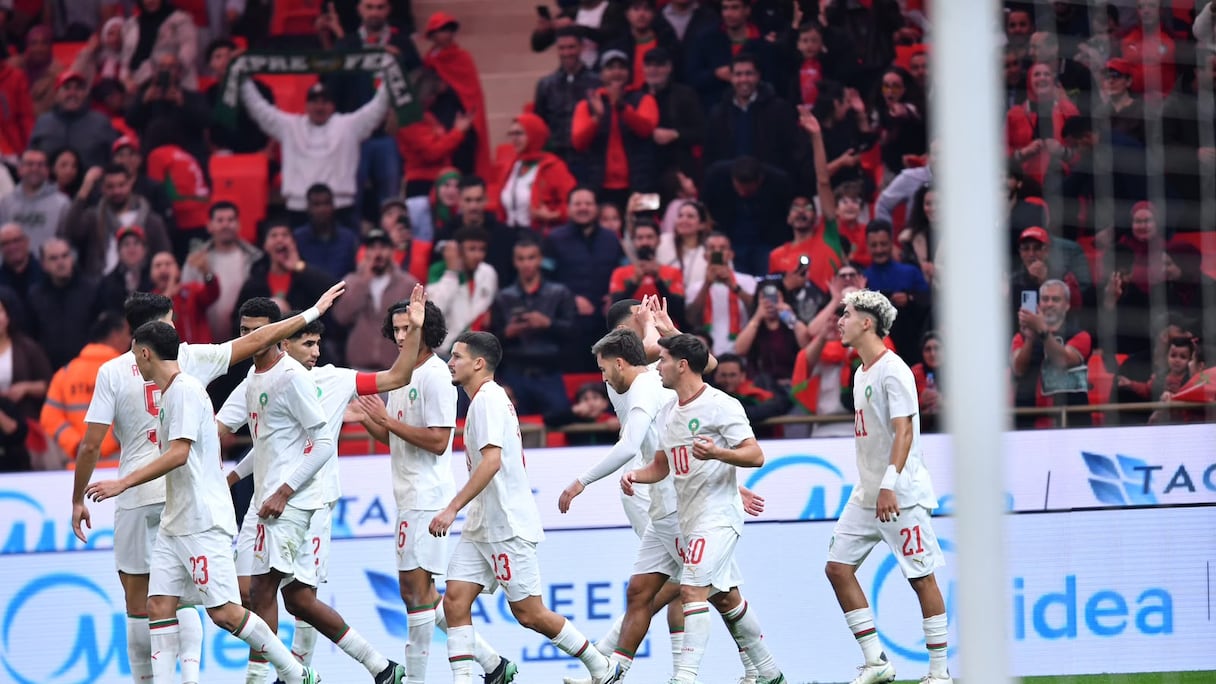
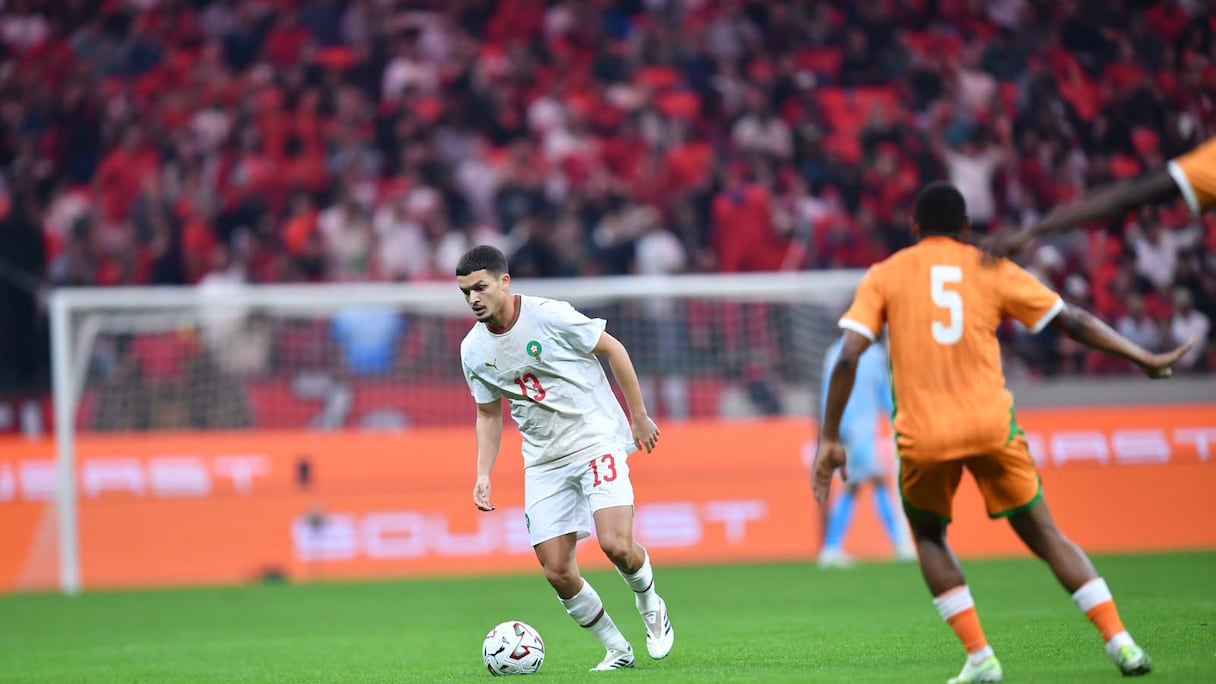
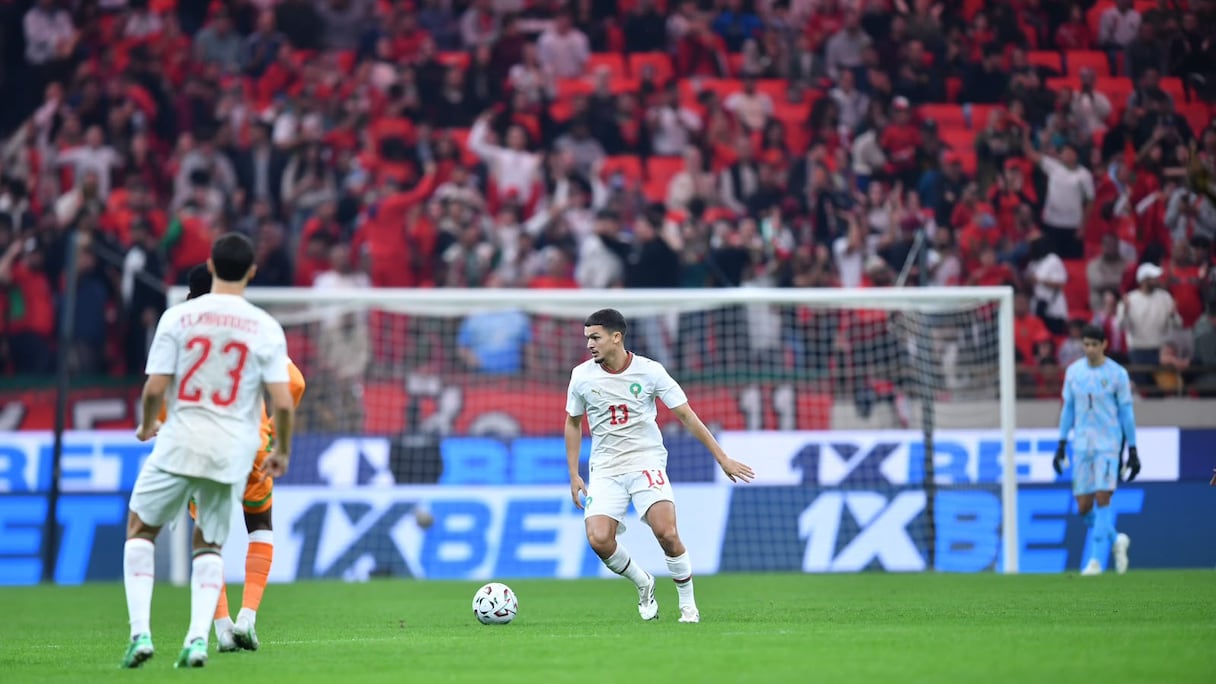
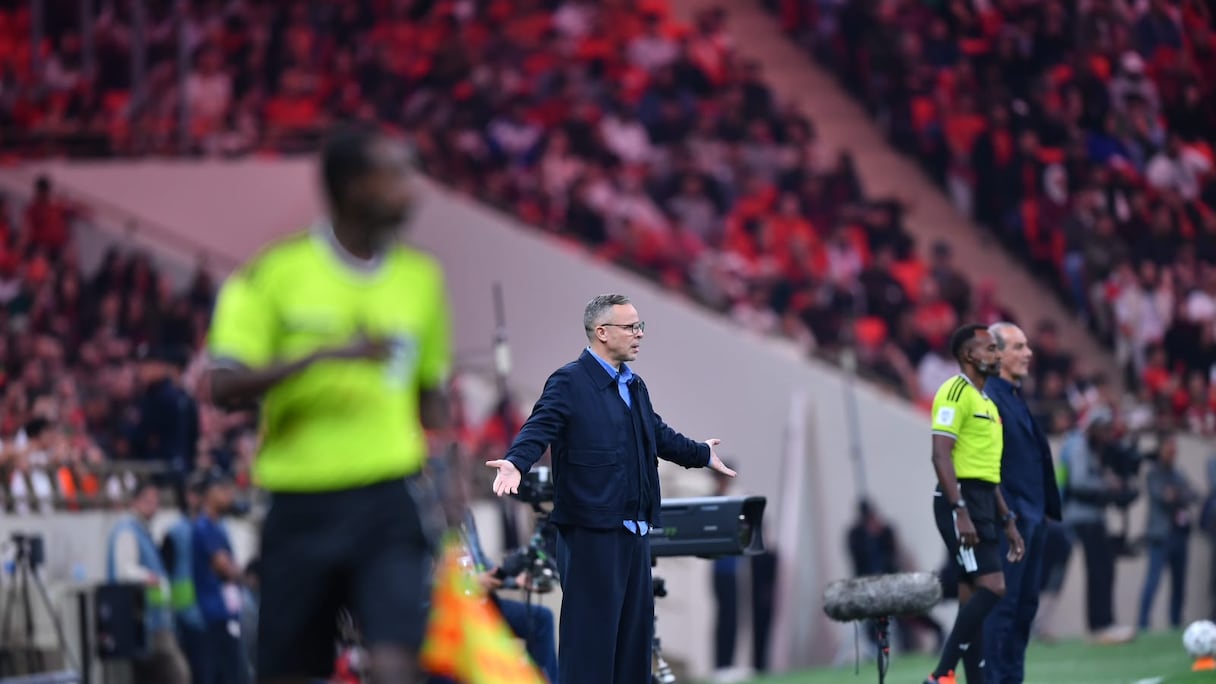
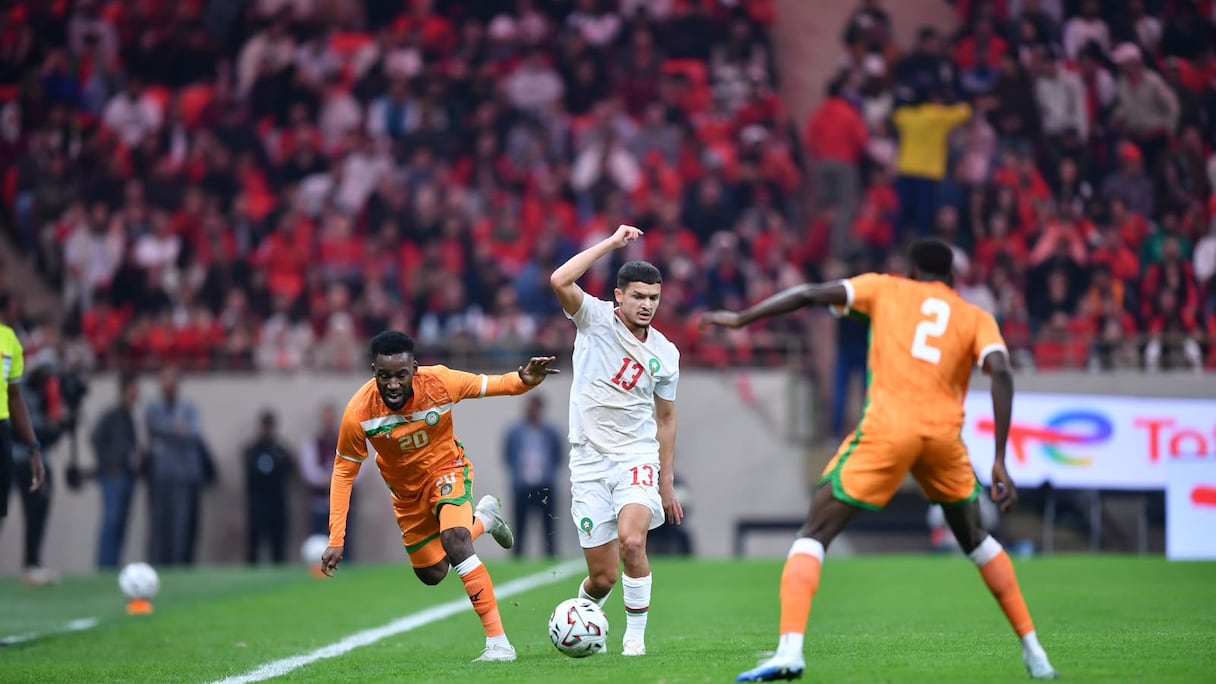
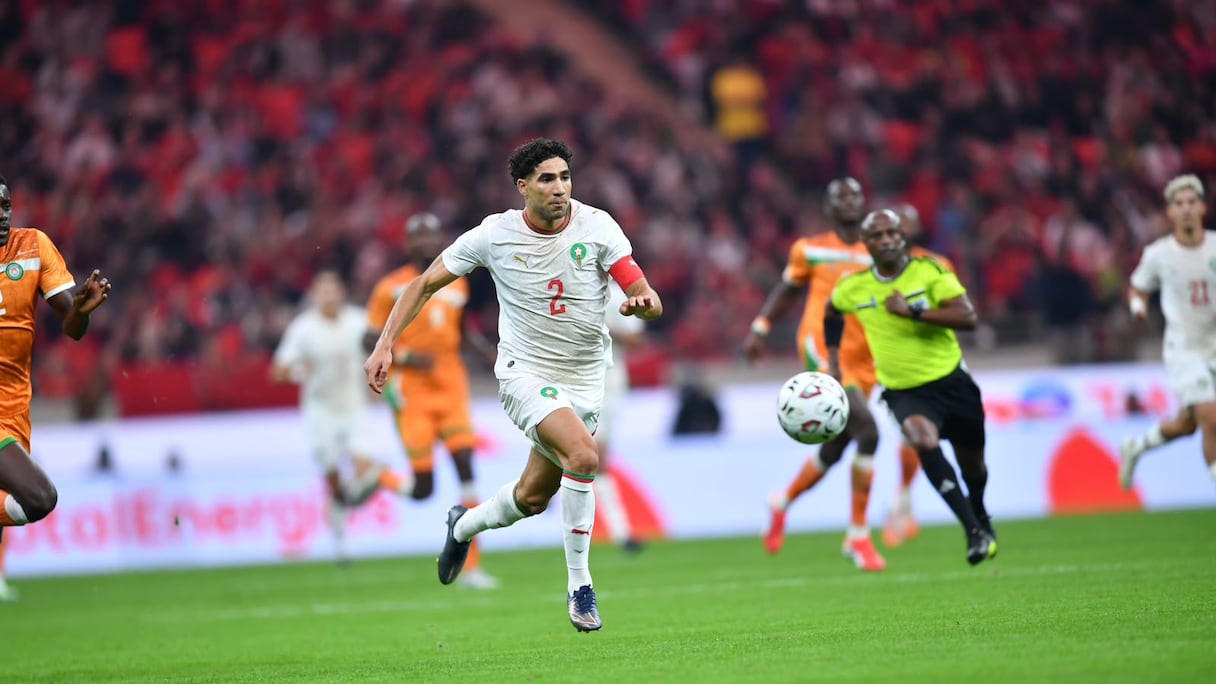
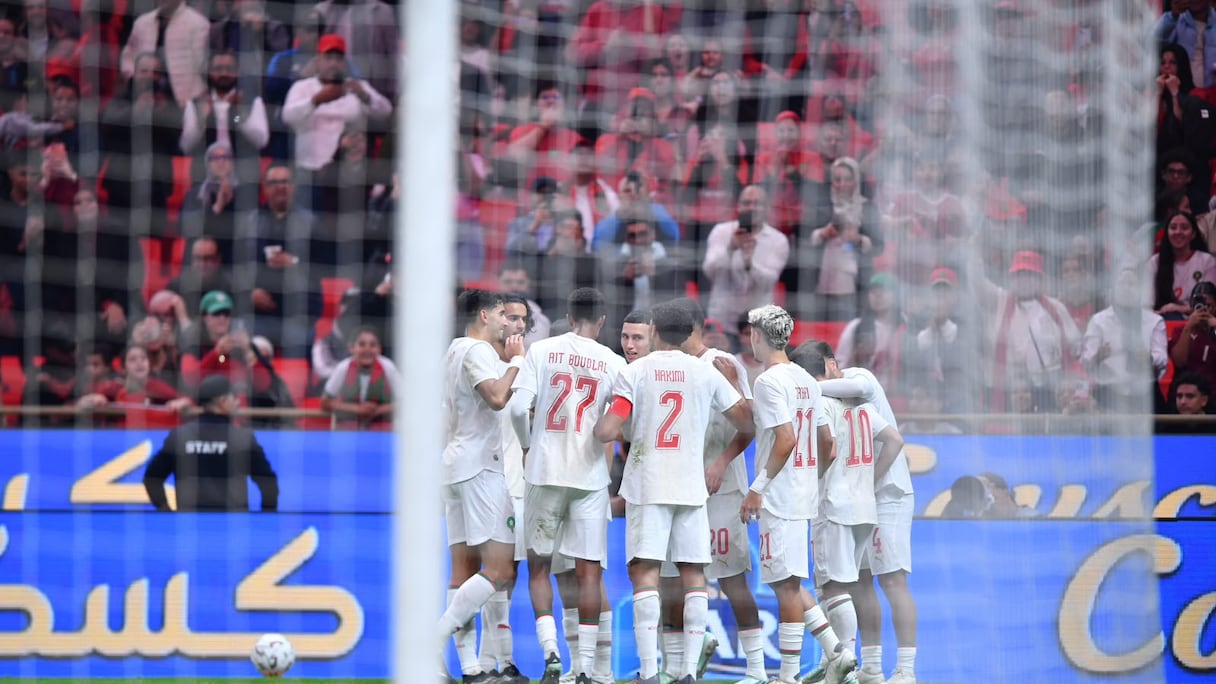
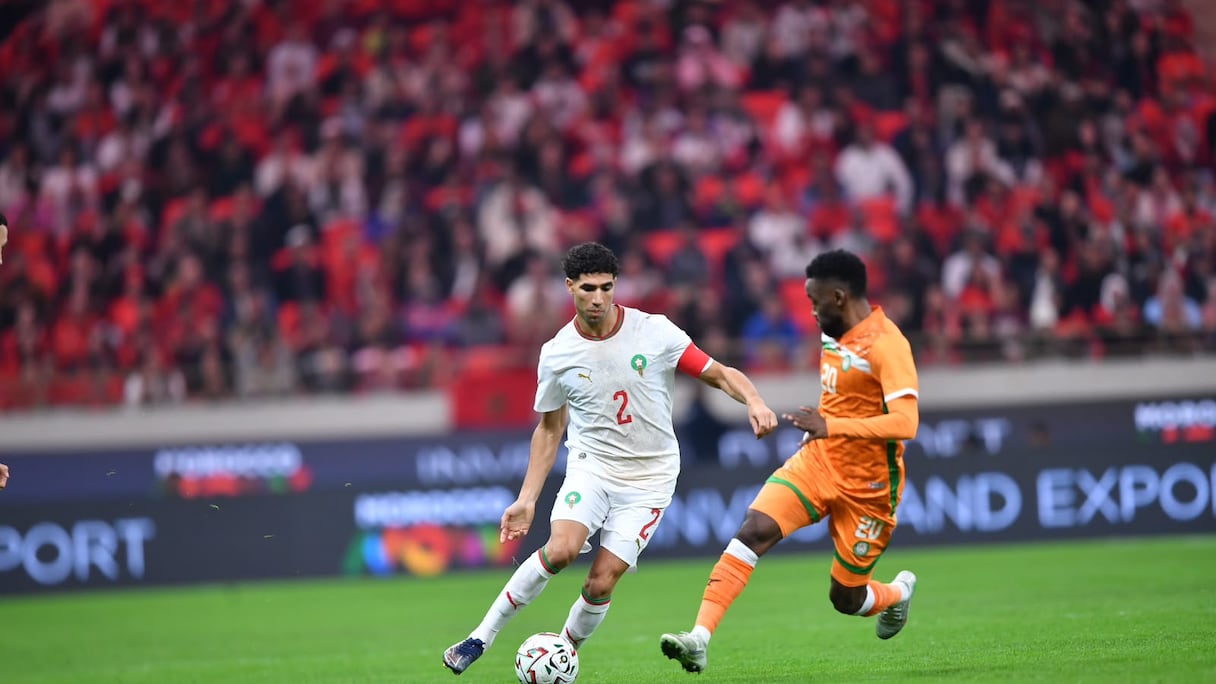
Les Lions de l'Atlas lors de la 4e journée des éliminatoires de la CAN 2027 contre le Niger à Rabat, le 17 novembre 2026.
In Rabat, Zabiri had several opportunities to make the difference, but his finishing let him down. He nevertheless showed intelligent movement and a constant presence in dangerous areas. Despite his lack of efficiency in the second match, the Moroccan striker strengthened his case and showed that he has what it takes to become a genuine option at the heart of the attack.
Abdelhamid Aït Boudlal: A future starter
Starting the return match against Niger in Rabat, Abdelhamid Aït Boudlal seized his opportunity and delivered one of the best performances of the game. Strong in duels, alert in his interventions and composed when dealing with defensive situations, the young defender displayed remarkable maturity and confidence for his age.
With the central defensive partnership between Issa Diop and Nayef Aguerd still struggling to convince, Aït Boudlal showed that he could be a genuine alternative. His reading of the game, anticipation and defensive solidity now make him a contender for a starting place in central defense.
Ayoub Oufkir: A promising start
It is rare to see a player show so much determination in his first minutes wearing the national team shirt. Introduced against Niger in Casablanca, Ayoub Oufkir was quick to take the initiative, take on opponents and attempt shots on goal before finding the net on his first appearance for the national team.
His introduction in the return match in Rabat was less convincing. He failed to reproduce the same intensity or have a significant impact on the attack. Beyond his first goal, however, Oufkir made an impression with his drive, boldness and character, qualities that could earn him a greater role in Mohamed Ouahbi’s plans.
Yassine Bounou, Achraf Hakimi and Youssef En-Nesyri: Reliable performers
Yassine Bounou once again showed why he remains the undisputed first choice in goal for the national team. Always there when it mattered, the Moroccan goalkeeper made several decisive interventions across the two matches against Niger, saving a penalty in Casablanca and producing several important stops in Rabat.
Achraf Hakimi also reaffirmed his importance, particularly in the first match in Casablanca, where the freedom he was given in the tactical setup allowed him to make full use of his qualities. With two superb goals and an assist, the captain demonstrated how a role suited to his profile can significantly increase his impact on Morocco’s attacking play.
Youssef En-Nesyri showed that he can provide additional options in attack through his finishing instinct and work rate. Beyond his contribution on the pitch, the Moroccan striker also deserves recognition for his professionalism: when called up, he makes himself available, and when left out, he respects the coach’s decisions without creating controversy.
Read also : Morocco vs. Niger: Player ratings after Ouahbi’s team secures AFCON 2027 qualification
THE LOSERS
Reda Belahyane: A missed opportunity
After an encouraging substitute appearance in the first match in Casablanca, Reda Belahyane had a good opportunity to impress Mohamed Ouahbi by starting the second match in Rabat. But the midfielder failed to meet expectations, losing possession several times, struggling to win the ball back and lacking accuracy in his passing. It was a disappointing performance from a player who had shown promise at club level and could have used this camp to move up the pecking order.
Abdessamad Ezzalzouli: Efforts without reward
Abde EZ is not lacking in desire or commitment, but his attacking output remains well below what can be expected of him. In the first match against Niger in Casablanca, the Real Betis winger once again made repeated runs and tried to create opportunities down his flank, but failed to make enough of a difference in the final third. Poor decision-making and a lack of precision in the final action continue to limit his influence.
Brahim Diaz: Trying to do everything, and doing too much
Despite providing two assists across the two matches against Niger, Brahim Diaz did not fully convince. In his efforts to make the difference on his own, the Real Madrid right winger too often opted for individual plays, took too many touches and slowed down attacking moves when simpler options were available.
There is no questioning his talent or ability to beat defenders, but his desire to do everything himself can sometimes work against the team, particularly in matches when Morocco need greater fluidity and speed in their play.


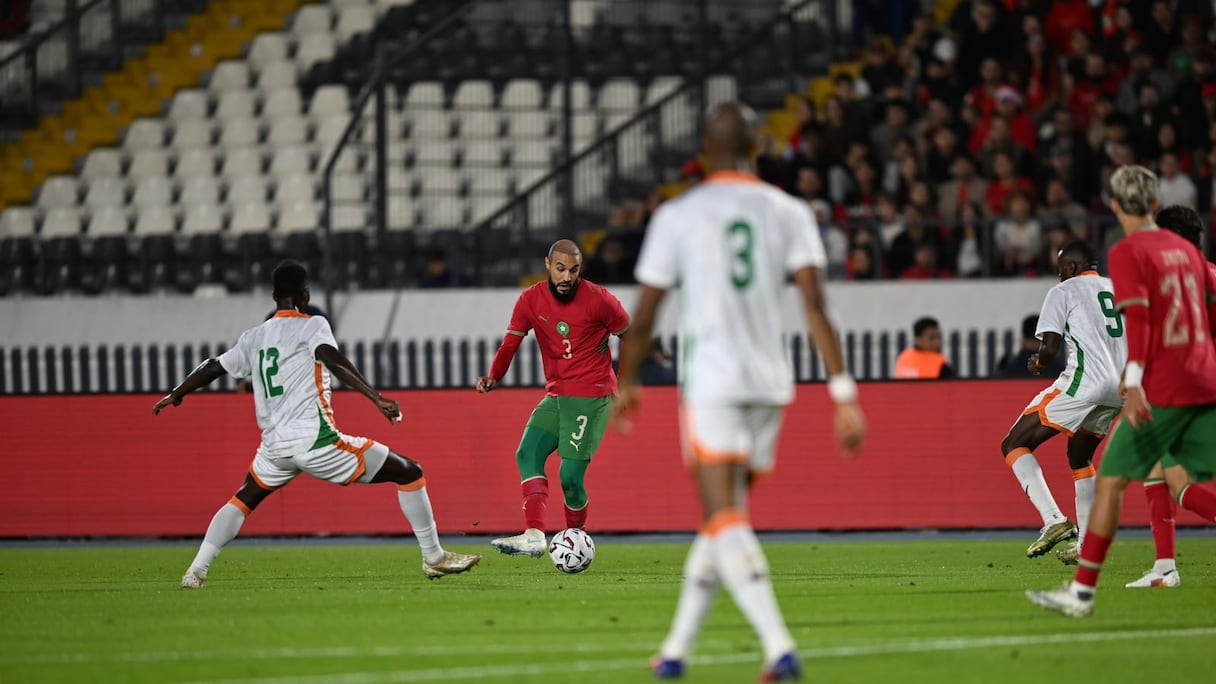
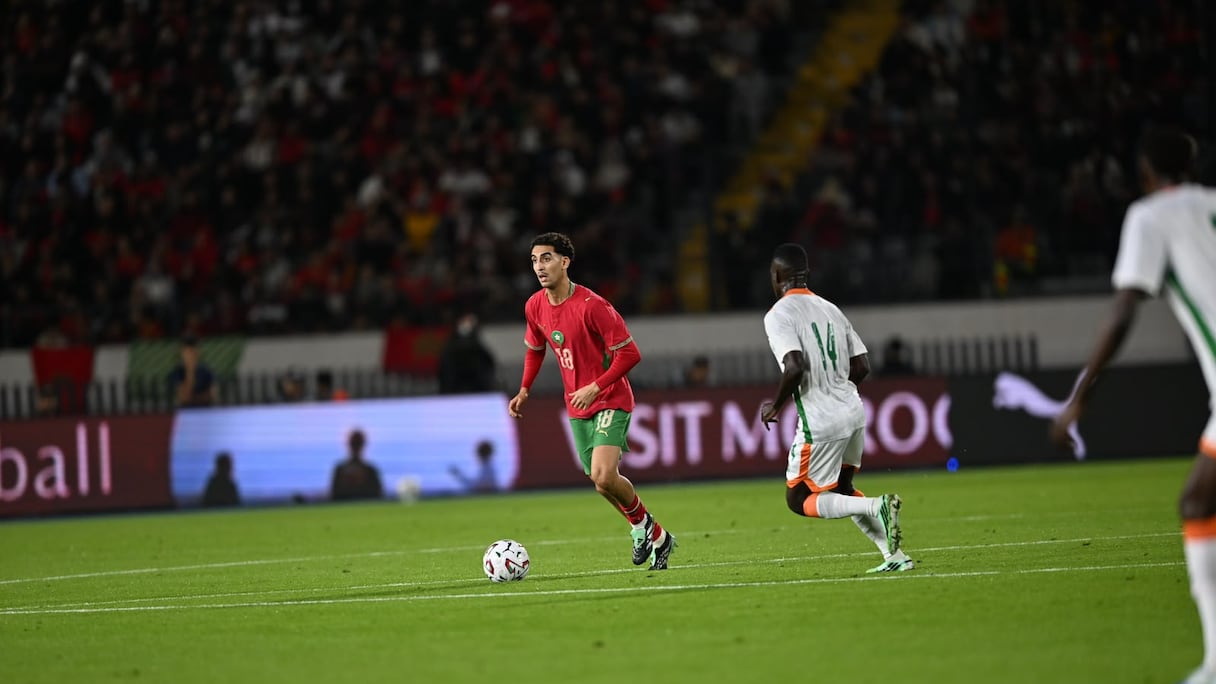
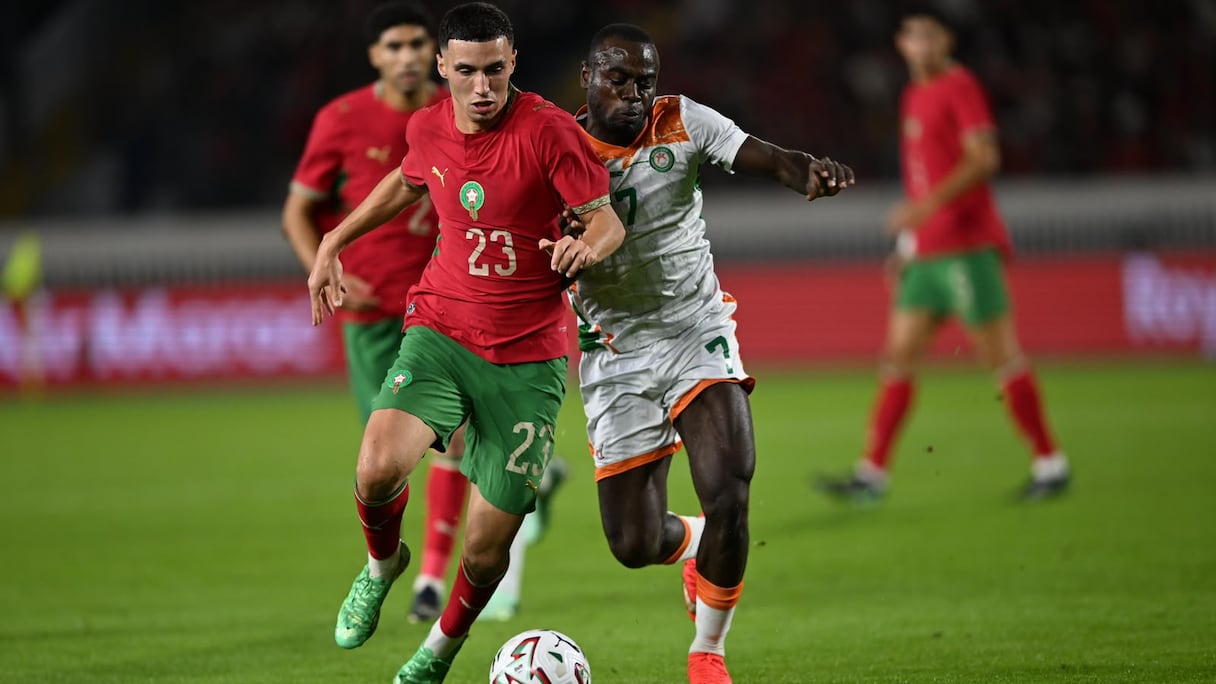
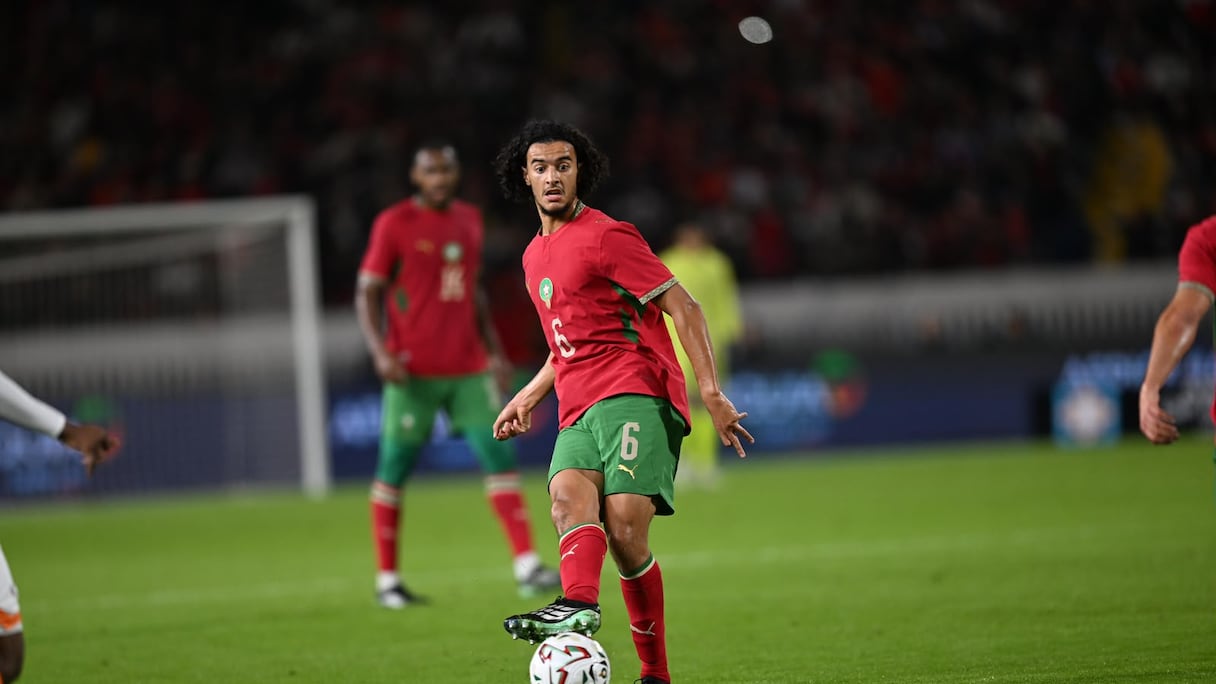
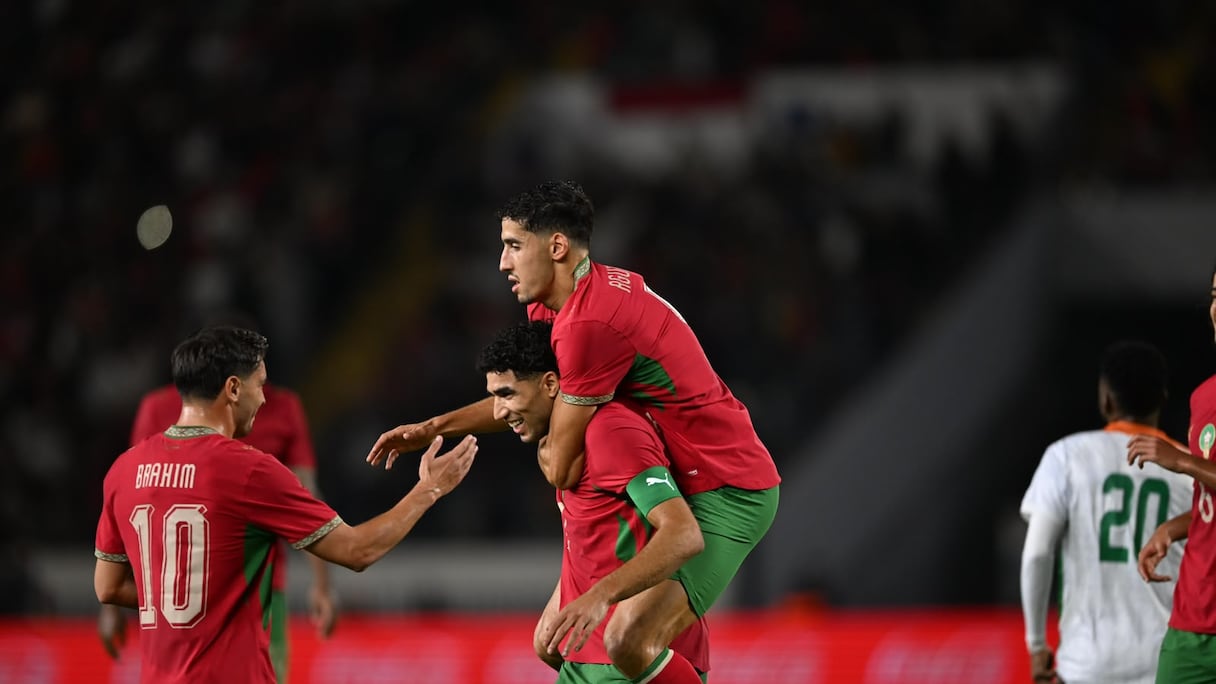
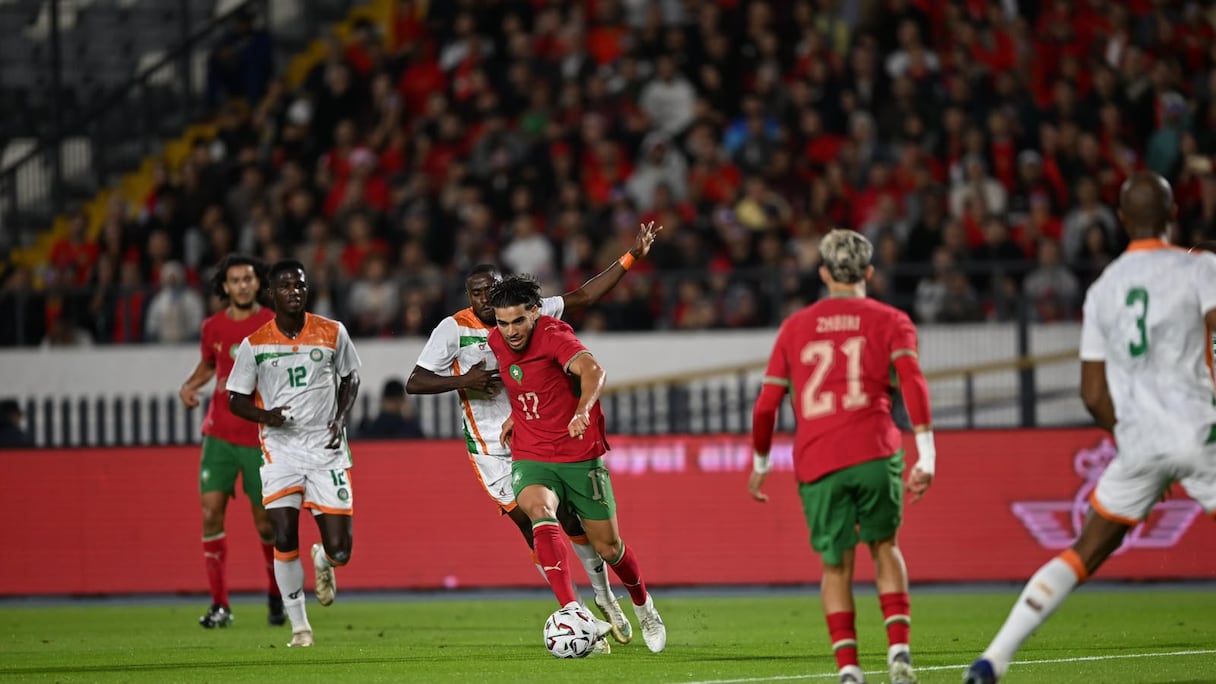
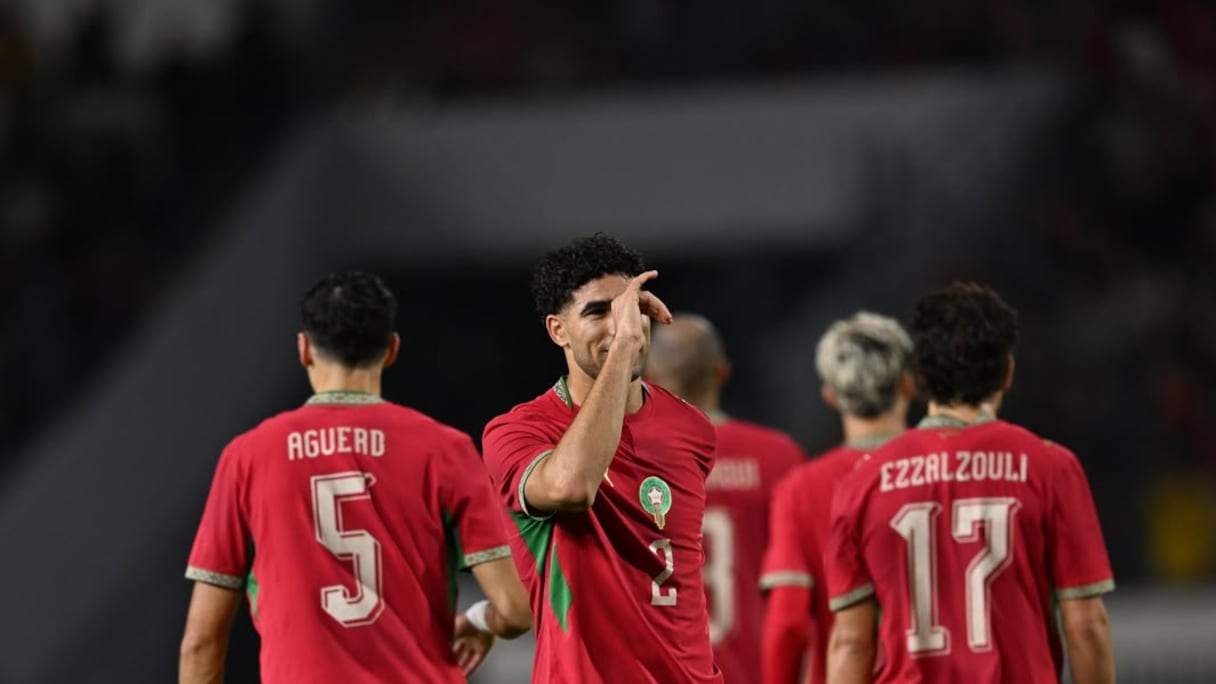
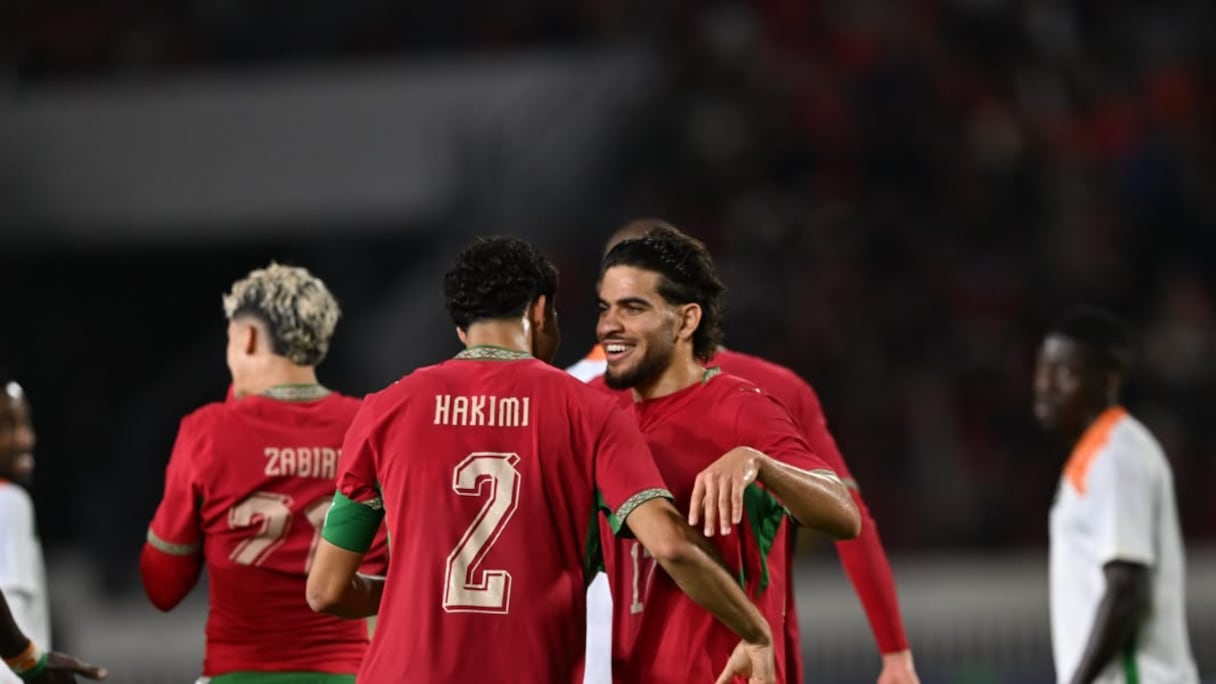
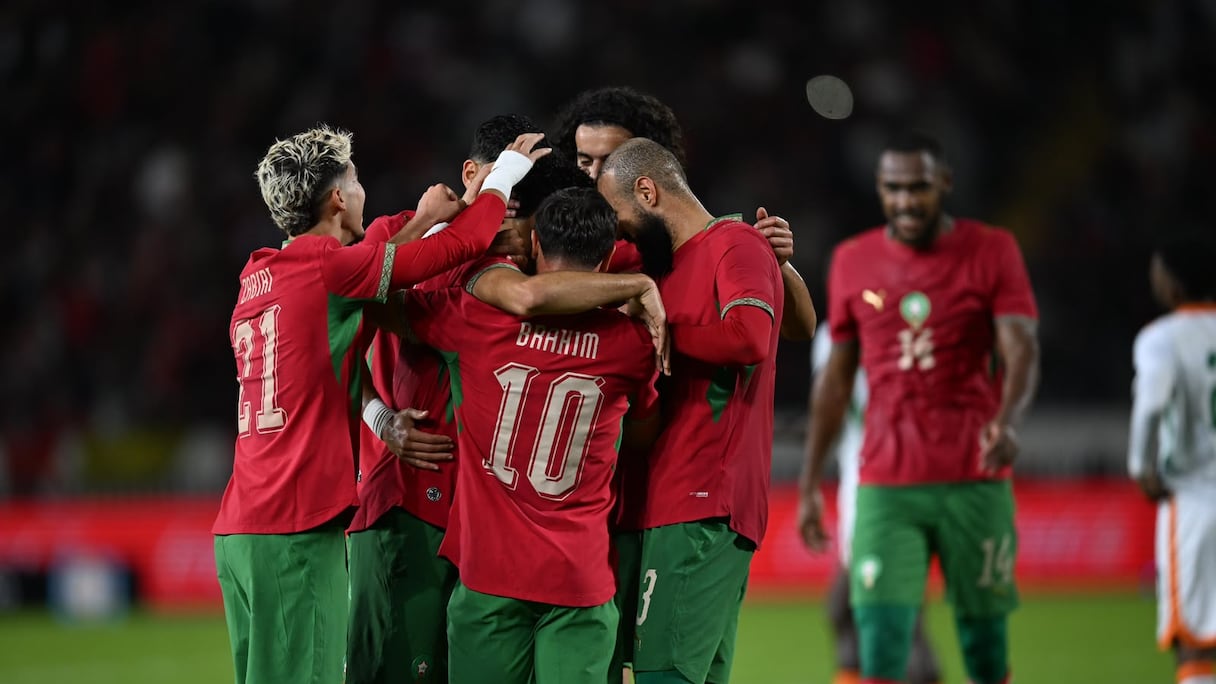
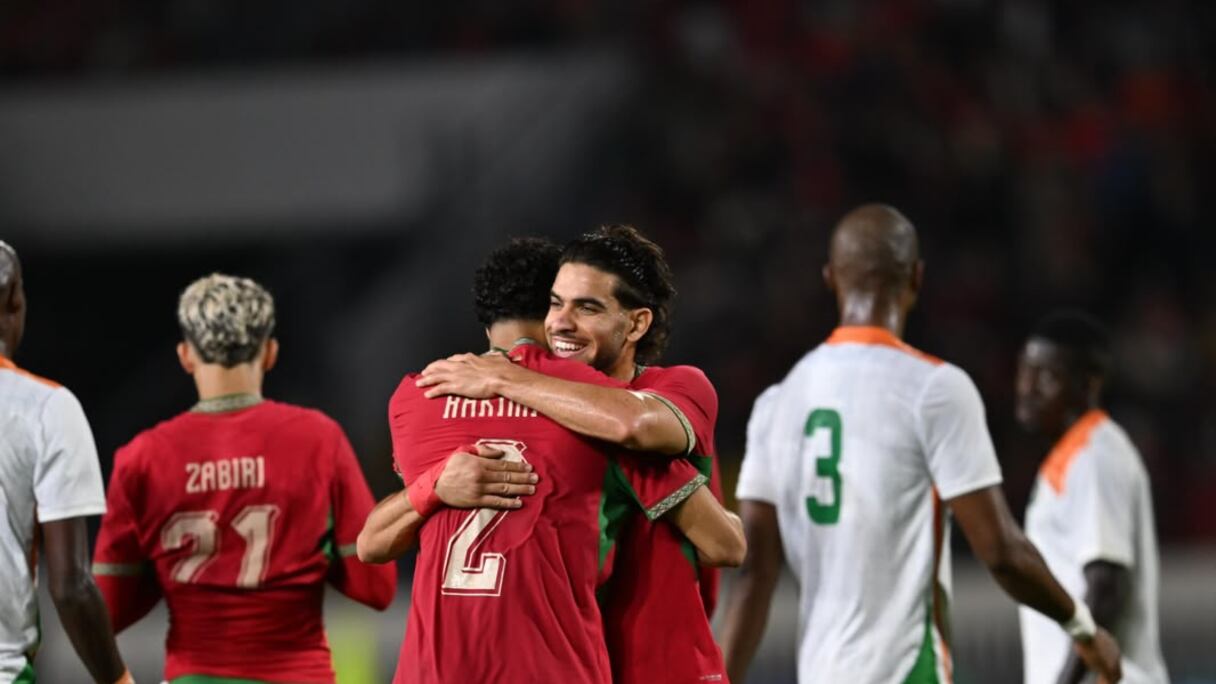
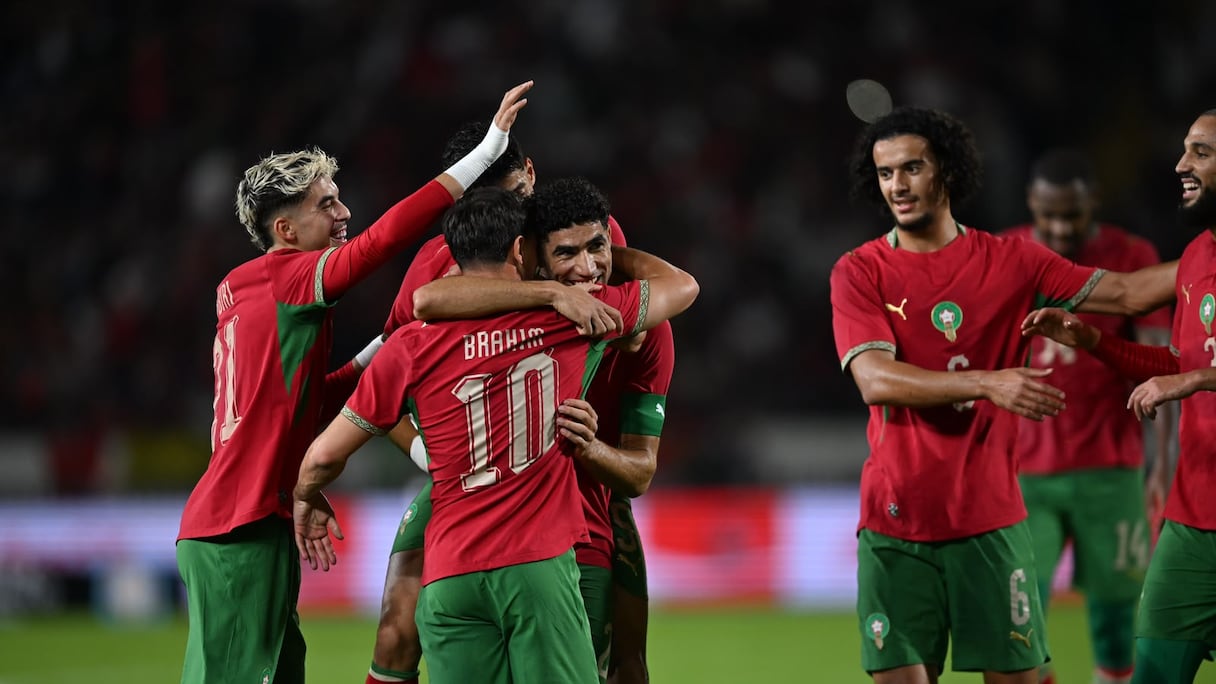
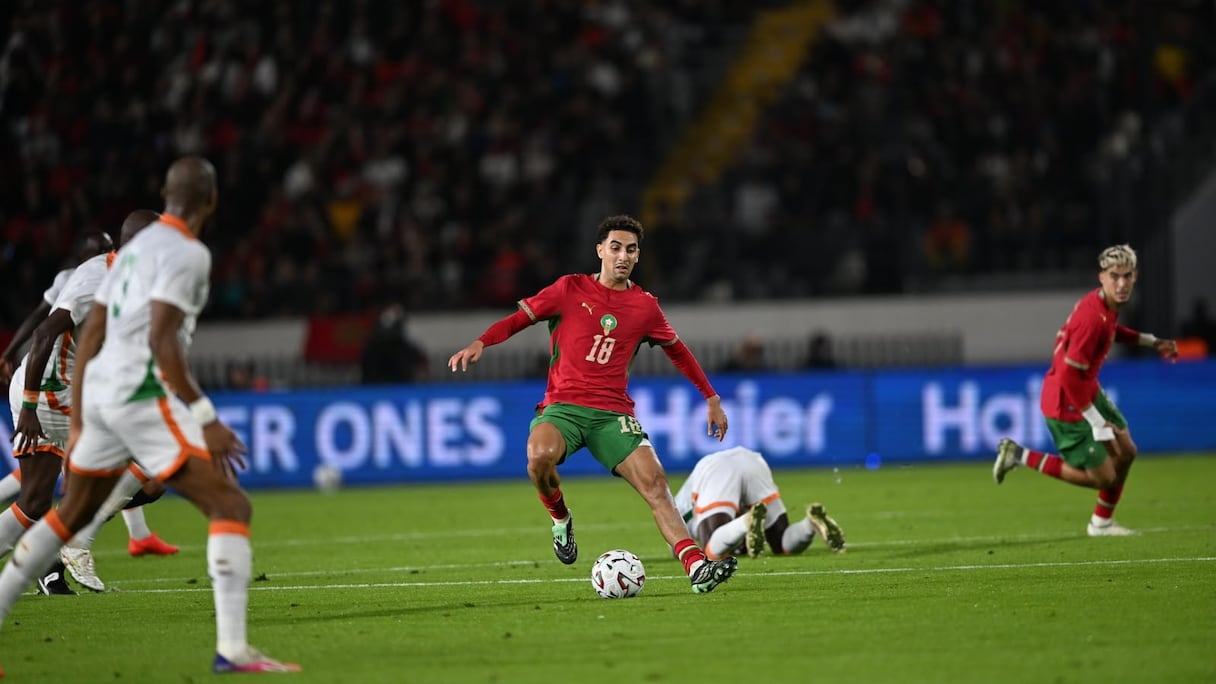
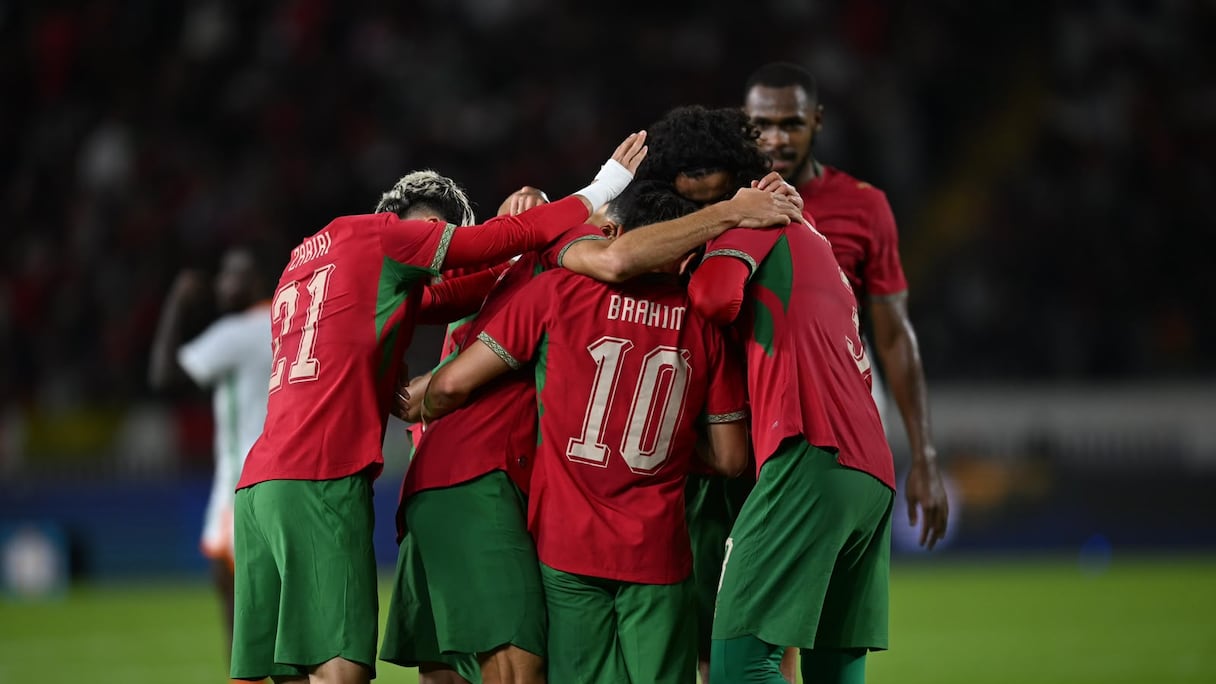
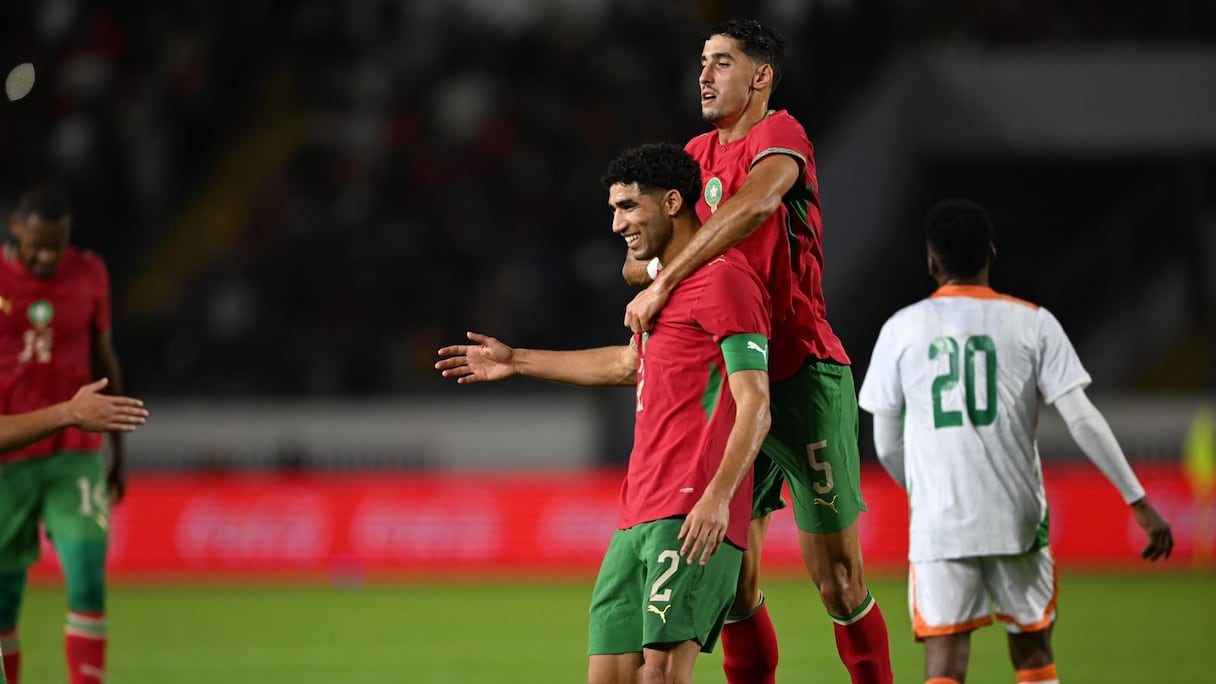
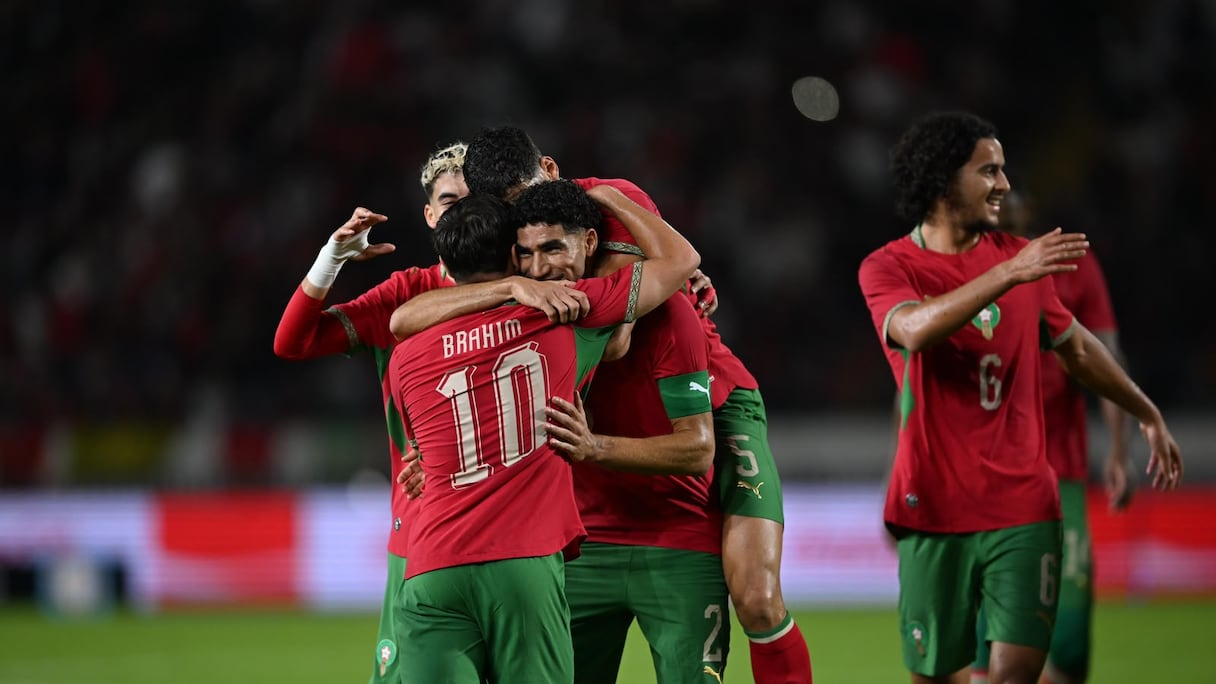
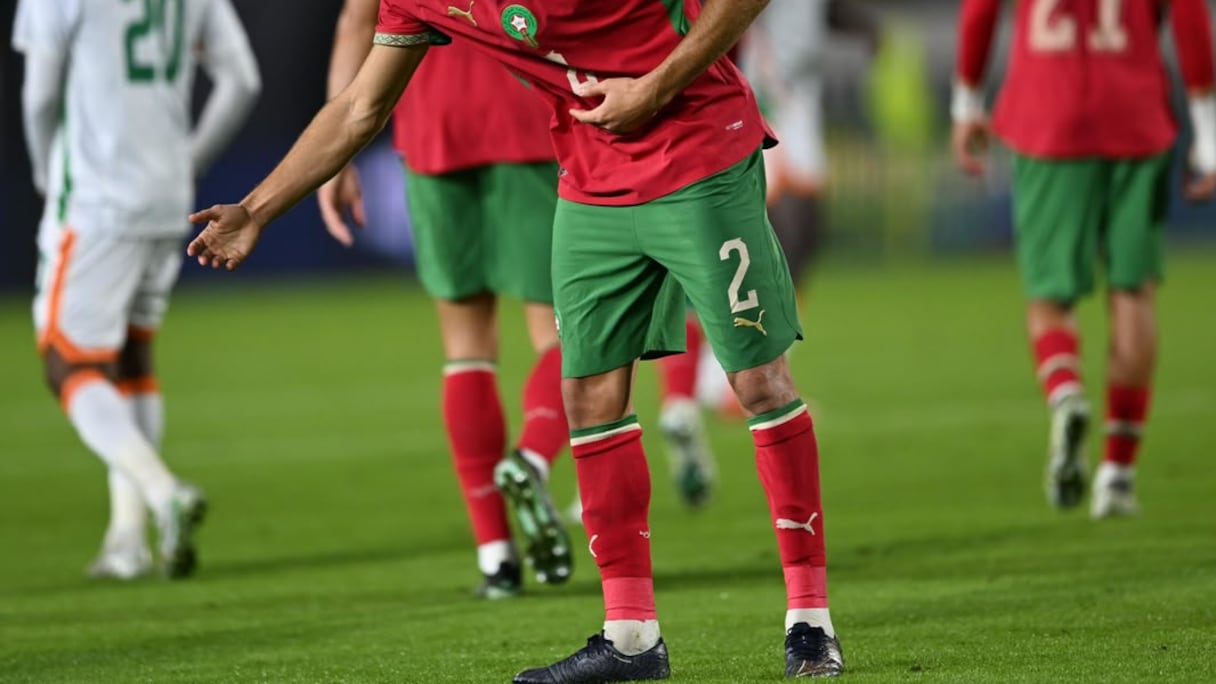
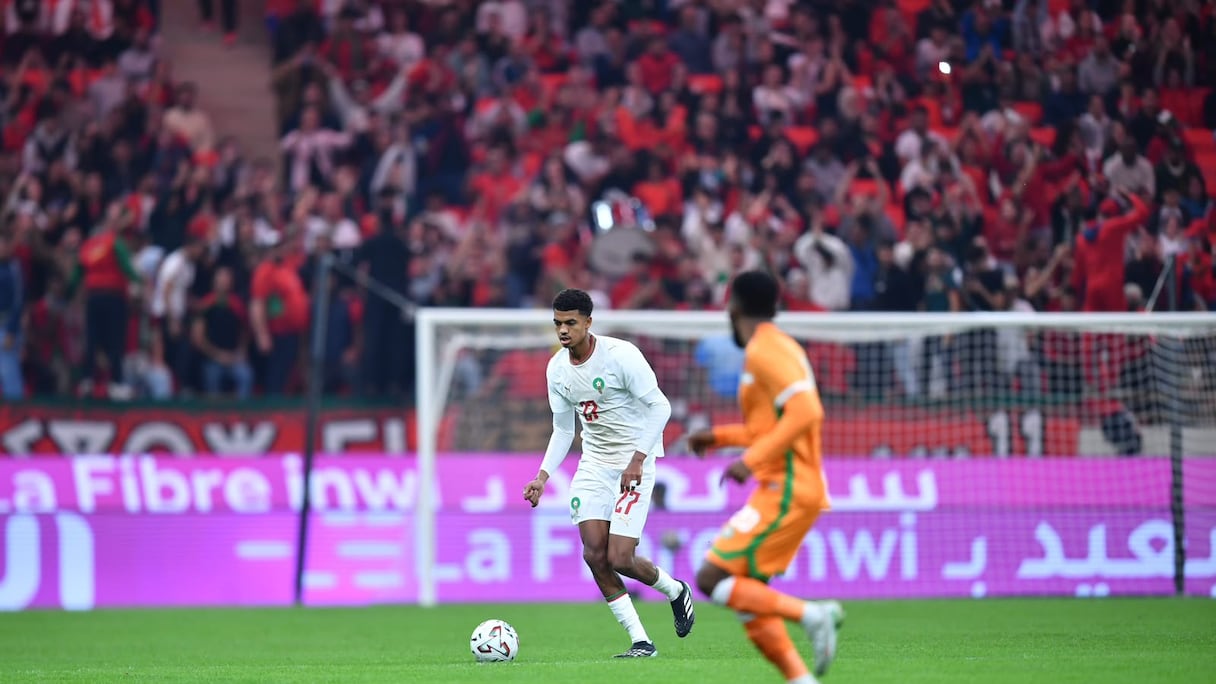
Les Lions de l'Atlas lors du match Maroc-Niger pour les éliminatoires de la CAN 2027, disputé au Complexe Mohamed V de Casablanca, le 13 novembre 2026.
Mohamed Ouahbi: The wins do not tell the whole story
Two wins over Niger (5-1 and 1-0) and qualification for the 2027 Africa Cup of Nations: in terms of results, Mohamed Ouahbi accomplished his mission. But beyond the scorelines, the two matches revealed two very different sides of the national team.
Convincing in Casablanca, where several tactical decisions proved effective, particularly the freedom given to Achraf Hakimi, the team showed its limitations in Rabat. The coach failed to find solutions to improve the collective performance, despite the adjustments he attempted and the changes he made in the second half.
His management of the squad also raises questions. The inclusion of Redouane Halhal and Amine Sbaï in the squad is debatable, as is the almost automatic trust placed in Brahim Diaz despite some disappointing performances. These decisions raise questions about the level of genuine competition within the national team and the opportunities available to other players to challenge the established hierarchy.
Ouahbi can take satisfaction from securing qualification and from the strong performances of several young players. But his main task will be to bring greater consistency to the team’s play. The results are there, but the performance in Rabat was a reminder that Morocco still has collective weaknesses the coach will need to address before facing more demanding opponents.
