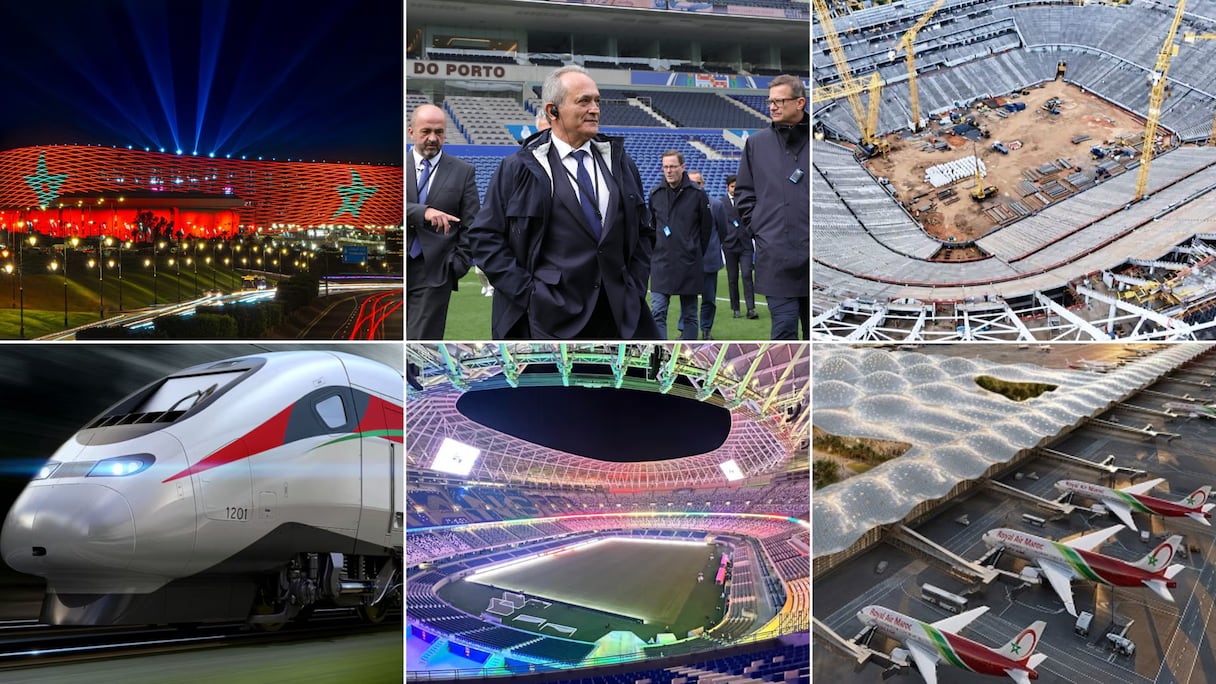
Morocco is gearing up to welcome another delegation from FIFA on Saturday, November 28, as preparations gather pace for the 2030 World Cup, which the Kingdom will co-host with Spain and Portugal. Officials from world football’s governing body will visit all six Moroccan host cities—Casablanca, Rabat, Tangier, Marrakech, Agadir and Fez—to see for themselves how work is progressing on the various projects being delivered ahead of the global showpiece.
According to a well-informed source, preparations are moving forward at a particularly encouraging pace. Several projects are even said to be running ahead of their original schedules, across sporting infrastructure, transport, accommodation and urban development alike.
“At this stage, progress across all projects is highly satisfactory, with several actually running ahead of their original schedules,” our source said, pointing to the commitment shown by the various stakeholders and the close coordination between the bodies involved.
The latest inspection will extend well beyond the stadiums themselves. FIFA officials will also take stock of the infrastructure underpinning the tournament, from transport networks and hotel capacity to training facilities and the urban improvements designed to ensure a smooth welcome for participating teams, supporters and visitors.
Read also : World Cup 2030: Stadiums, investment, jobs—Fouzi Lekjaa unveils Morocco’s major plans
The preparations have brought together a range of public bodies, including the National Airports Office (ONDA) and the National Railways Office (ONCF), both of which are playing a central role in improving connections and expanding transport capacity between the host cities.
Our source also recalled that FIFA had expressed considerable satisfaction following its previous inspection of the six Moroccan cities, singling out the quality of the projects presented and the momentum driving preparations forward.
Nor will the benefits be confined to Casablanca, Rabat, Tangier, Marrakech, Agadir and Fez. Other Moroccan cities will also play a part in the tournament, notably by hosting base camps for participating national teams. The aim is to spread the investment, economic benefits and tourism opportunities generated by the World Cup across several regions of the Kingdom.
After Portugal and Spain, the spotlight turns to Morocco
The forthcoming tour follows inspections carried out in recent weeks by FIFA officials in Portugal and Spain, Morocco’s two fellow hosts of the 2030 World Cup.
In Portugal, the delegation visited the three stadiums proposed as tournament venues: the José Alvalade and Estádio da Luz in Lisbon and the Estádio do Dragão in Porto, where the tour wrapped up on November 6.
Read also : FIFA to inspect six Moroccan stadiums for 2030 World Cup at end of November
In Spain, FIFA inspectors likewise assessed several prospective World Cup venues. Real Madrid’s Santiago Bernabéu welcomed the delegation on November 12, followed the next day by Atlético de Madrid’s Metropolitano. Barcelona, Bilbao and San Sebastián are also among the cities covered by the inspection program.
Scheduled to run through November and December 2026, these visits will allow FIFA to take stock of the facilities proposed by all three host nations before moving on to the next stages of venue selection and match allocation.
The 2030 World Cup final: A Spanish obsession
FIFA’s forthcoming visit to Morocco comes against a charged backdrop. For weeks now, the question of who will stage the 2030 World Cup final has taken on extraordinary proportions in Spain, becoming something of an all-consuming obsession among certain politicians, football officials and media outlets across the border.
Read also : World Cup 2030: Louzán admits Spain is behind schedule but insists FIFA must award it the final
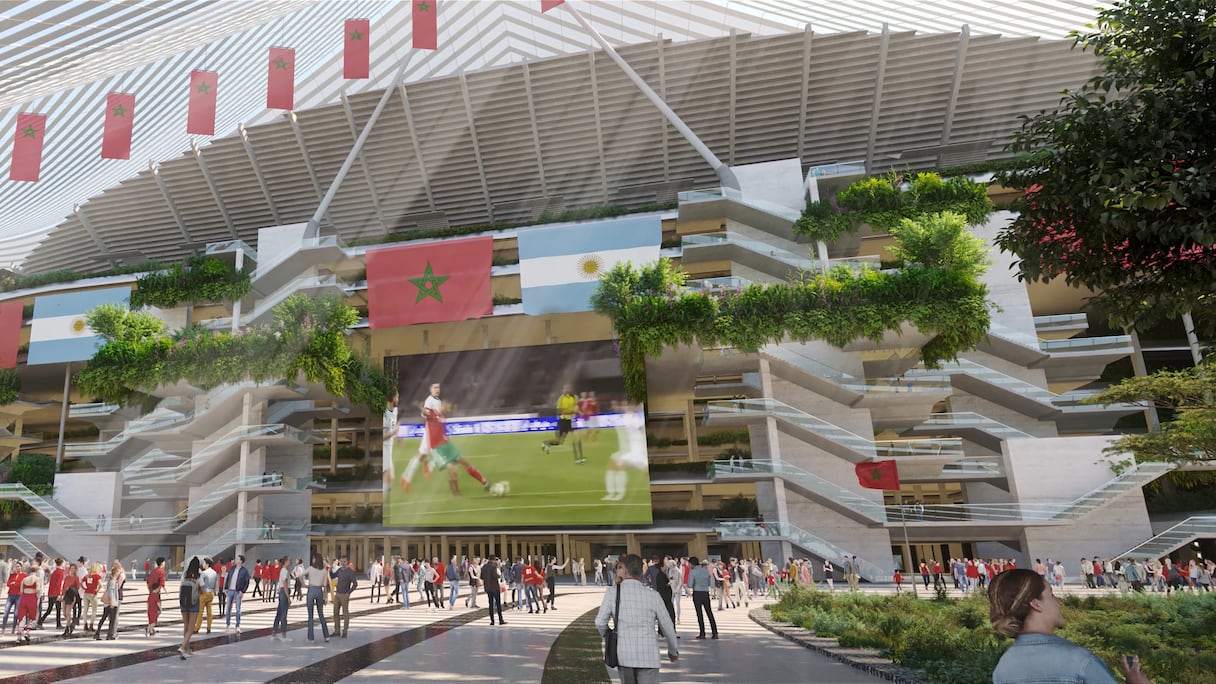
Morocco, meanwhile, has a formidable contender of its own: the Grand Stade Hassan II. With a planned capacity of 115,000, the stadium now under construction is set to rank among the largest in the world. It is emerging as a serious challenger to Madrid’s Santiago Bernabéu and Barcelona’s Camp Nou in the race to host the final. And Morocco’s bid appears to be ruffling more than a few feathers on the other side of the Strait of Gibraltar.
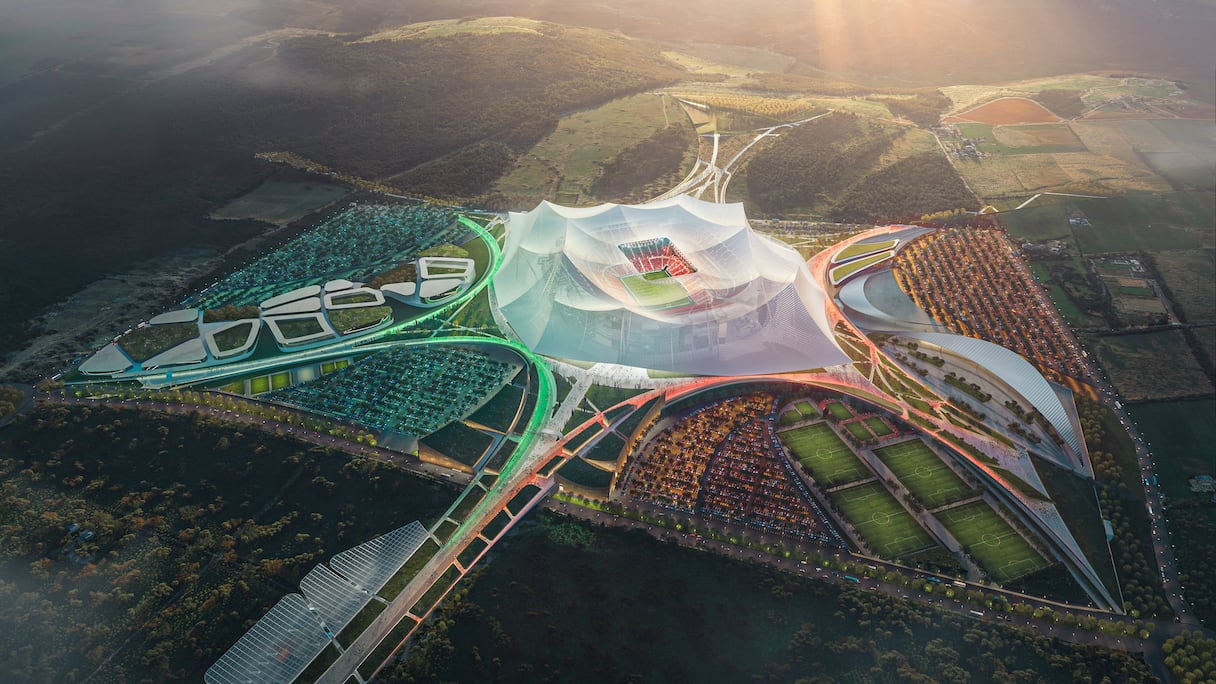
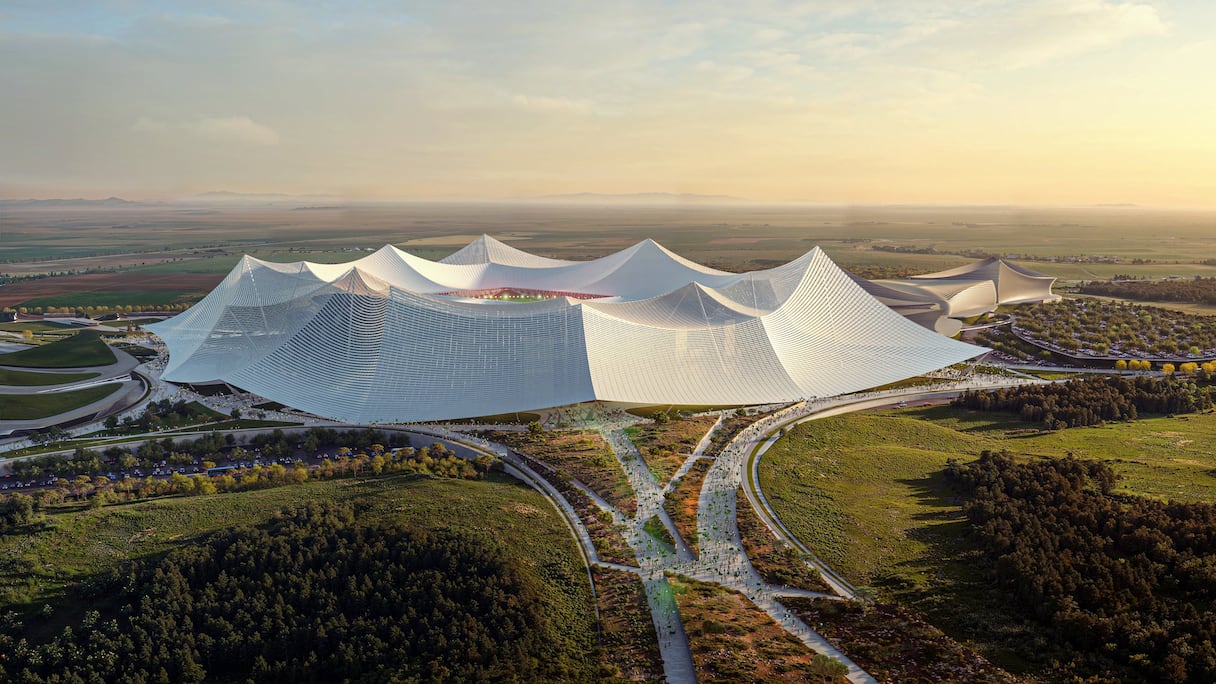
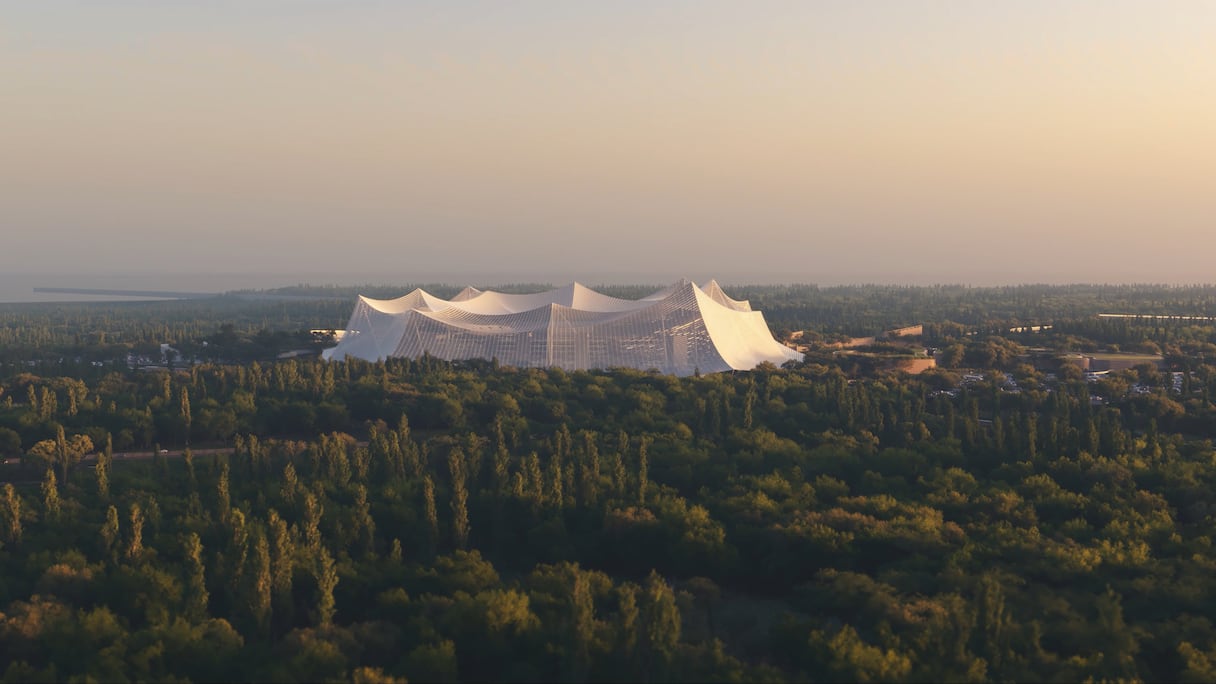
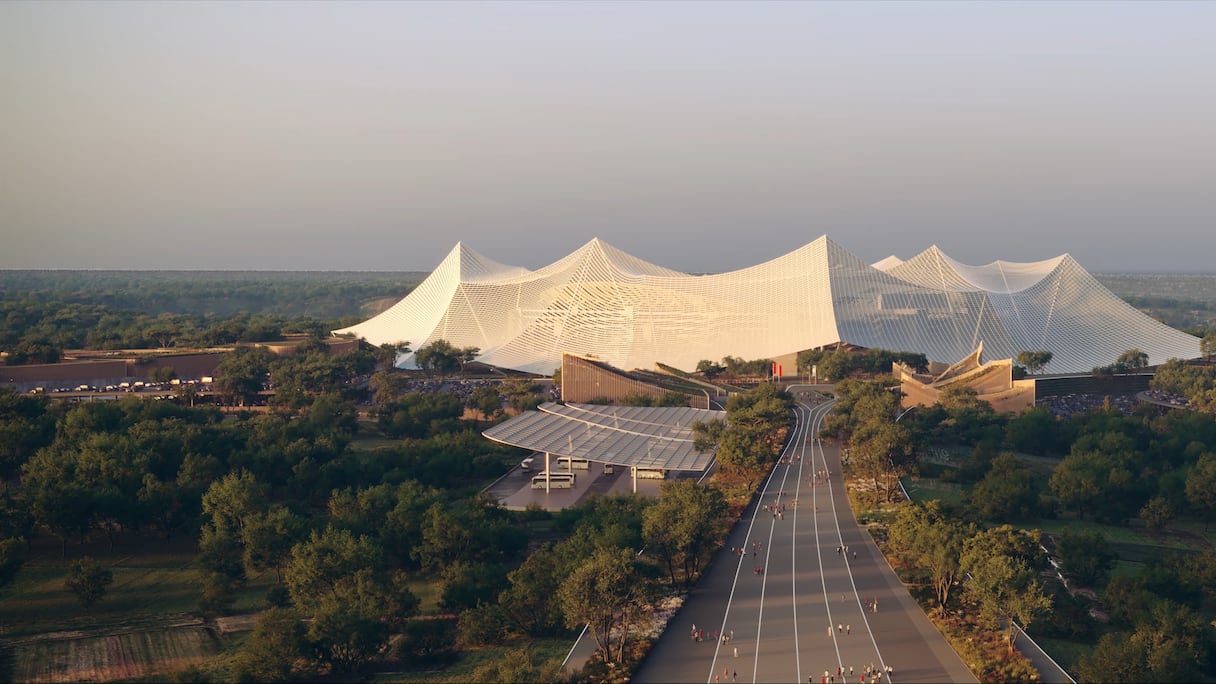
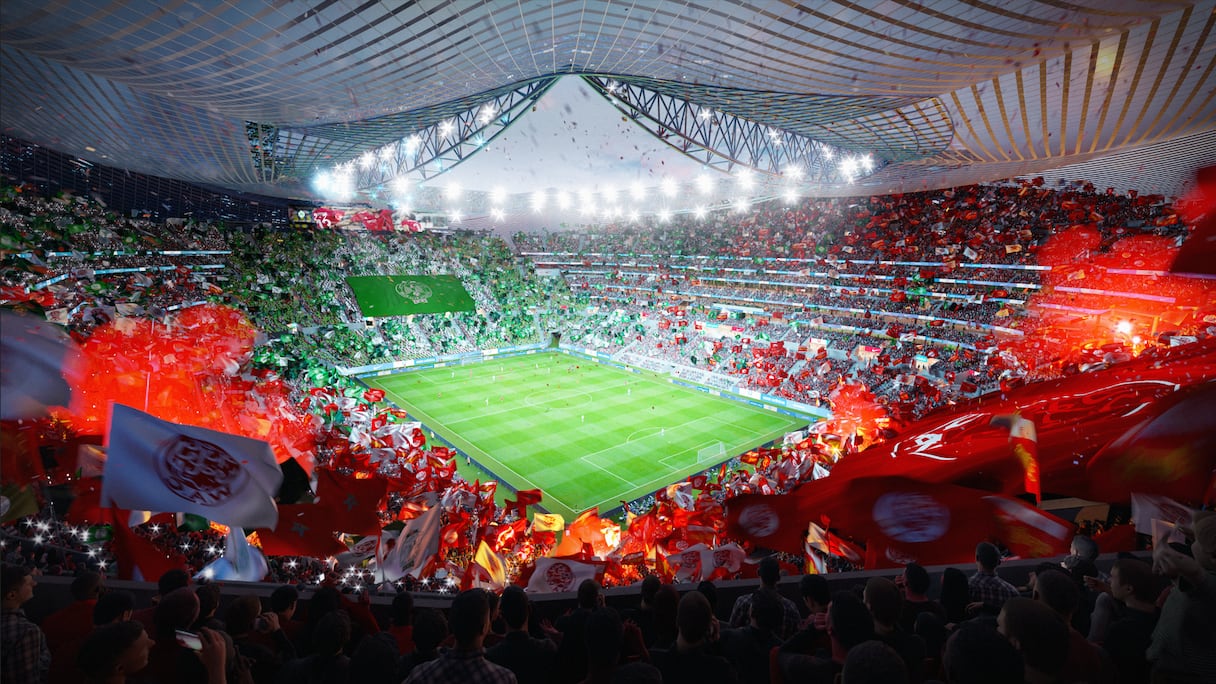
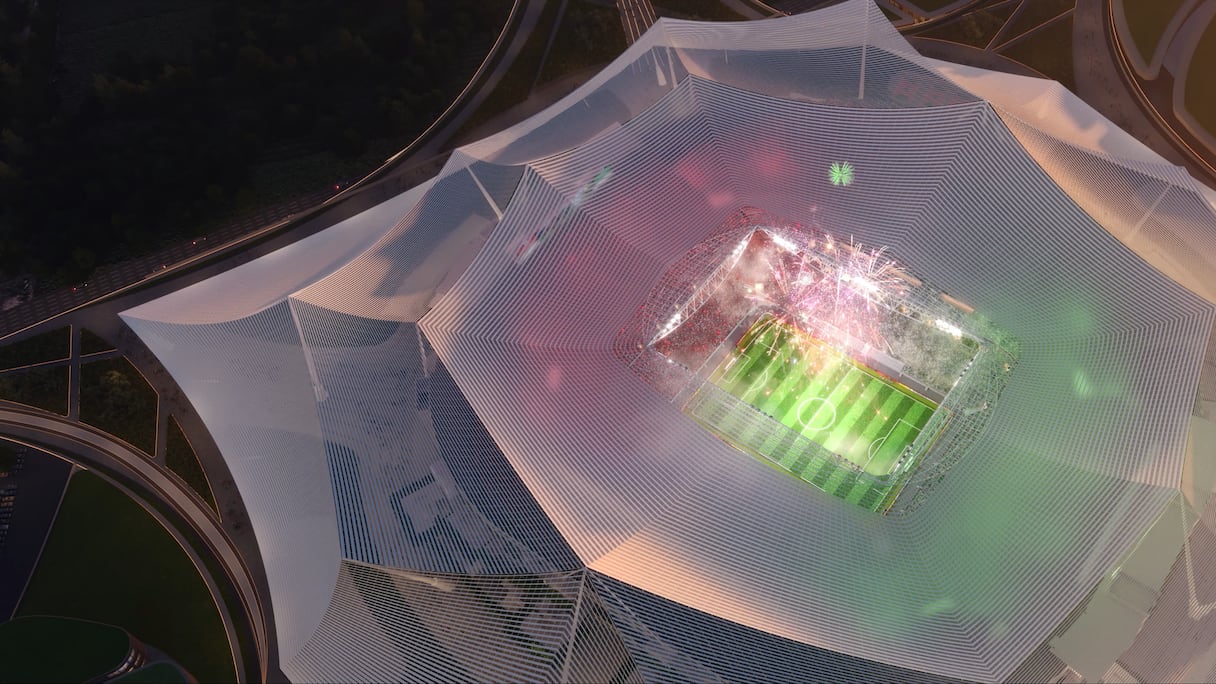

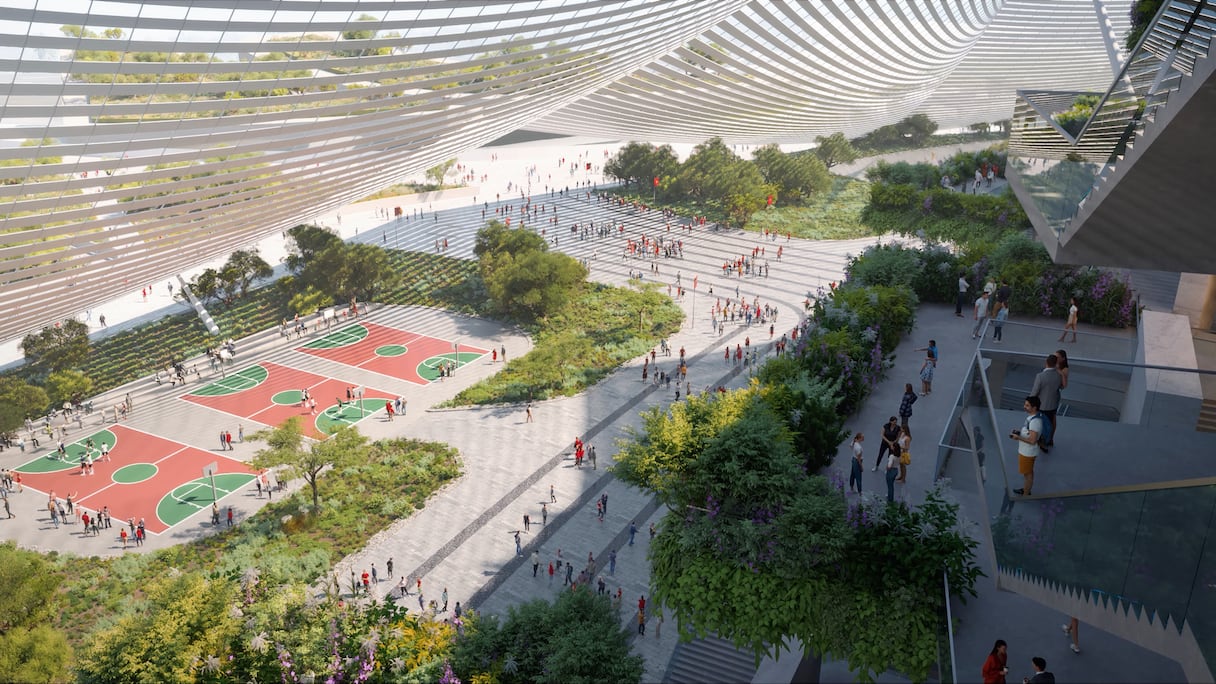
Model of the Grand Hassan II Stadium in Benslimane.
Rafael Louzán, president of the Royal Spanish Football Federation (RFEF), has recently stepped up his public campaign to secure the final for Spain. In a series of appearances in the Spanish media, he has portrayed the matter as non-negotiable, going so far as to insist that the final simply must be played on Spanish soil.
Before him, Alberto Núñez Feijóo, leader of the People’s Party (PP), Spain’s main opposition party, had gone a step further still. In his view, Spain should walk away from co-hosting the 2030 World Cup altogether if it fails to secure the final.
As though that were not enough, some Spanish media outlets are now calling for Spain and Portugal to close ranks in a European alliance against Morocco’s bid. It is yet another sign of the nerves that appear to have taken hold across the Iberian neighbor over this one match.
To listen to some Spanish officials, one might think the right to host the final were a matter of national sovereignty. Yet political pronouncements, media pressure and calls to form a united front are no substitute for FIFA’s decision. The final say belongs to world football’s governing body, and to it alone.
Read also : Inside Morocco’s five major stadium projects for the 2030 World Cup
As things stand, no official decision has been announced on which country will host the 2030 World Cup final.
Against this backdrop, the inspection tour beginning in Morocco on November 28 will give FIFA another opportunity to gauge progress on the Kingdom’s projects, not least the Grand Stade Hassan II, and assess its readiness to meet the demands of hosting the tournament.
While the final increasingly dominates the conversation in Spain, Morocco is getting on with the job. Its ambitions stretch well beyond staging the tournament’s showpiece match: to deliver a successful World Cup and leave behind a lasting legacy of infrastructure that will serve the country long after 2030.
