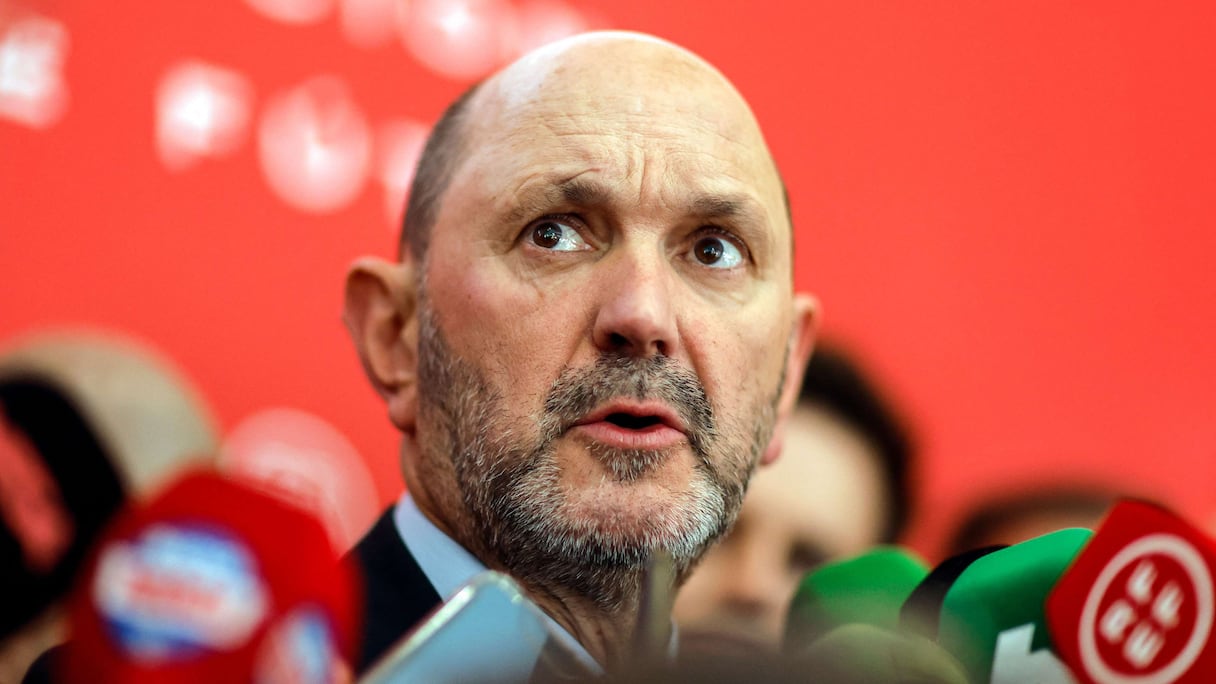
Spain has yet to resolve all the issues surrounding its preparations for the 2030 World Cup, but it already knows what it wants: the final. And for Rafael Louzán, president of the Royal Spanish Football Federation (RFEF), there is not even any question of discussing the matter with the other two co-hosts, Morocco and Portugal.
On Thursday, November 12, following a day of meetings with a FIFA delegation visiting to inspect Spain’s infrastructure, Louzán spoke to El Chiringuito. Between assertions about Spain’s supposed right to host the final, he offered a considerably less flattering assessment of his country’s progress in preparing for the tournament.
“I have been told that an enormous amount of work remains to be done. A lot of work. Some things have been done, but I don’t think all the necessary work has been completed yet,” he acknowledged.
Asked which issues were still causing problems, Louzán referred to initiatives that had already been launched but were not yet operational. He also raised several questions about their funding and the Spanish government’s involvement.
“Who is funding what? Will the Spanish government contribute or not?” he asked.
These are hardly minor questions with just four years to go before the tournament. Above all, they show that several aspects of Spain’s preparations remain unresolved, even as FIFA’s inspections continue.
And yet these are the very officials who, with astonishing confidence, are demanding the privilege of hosting the tournament’s final match.
Unresolved issues, but the final already claimed
Rafael Louzán did not wait for answers to all these questions before making his position clear. As far as he is concerned, Spain simply cannot contemplate the final being played anywhere other than on its own soil.
“That is not up for discussion,” he declared, before adding, “Spain is not considering any alternative to hosting the final on its territory.”
Louzán even explained that representatives of world football’s governing body had expressed regret that the matter had not been settled earlier. At no point, however, did he mention any commitment from FIFA in Spain’s favor.
After all, Madrid’s Santiago Bernabéu and Barcelona’s Camp Nou are not the only contenders. Morocco also intends to put forward the Hassan II Grand Stadium in Benslimane, whose planned capacity of 115,000 seats makes it a serious candidate.
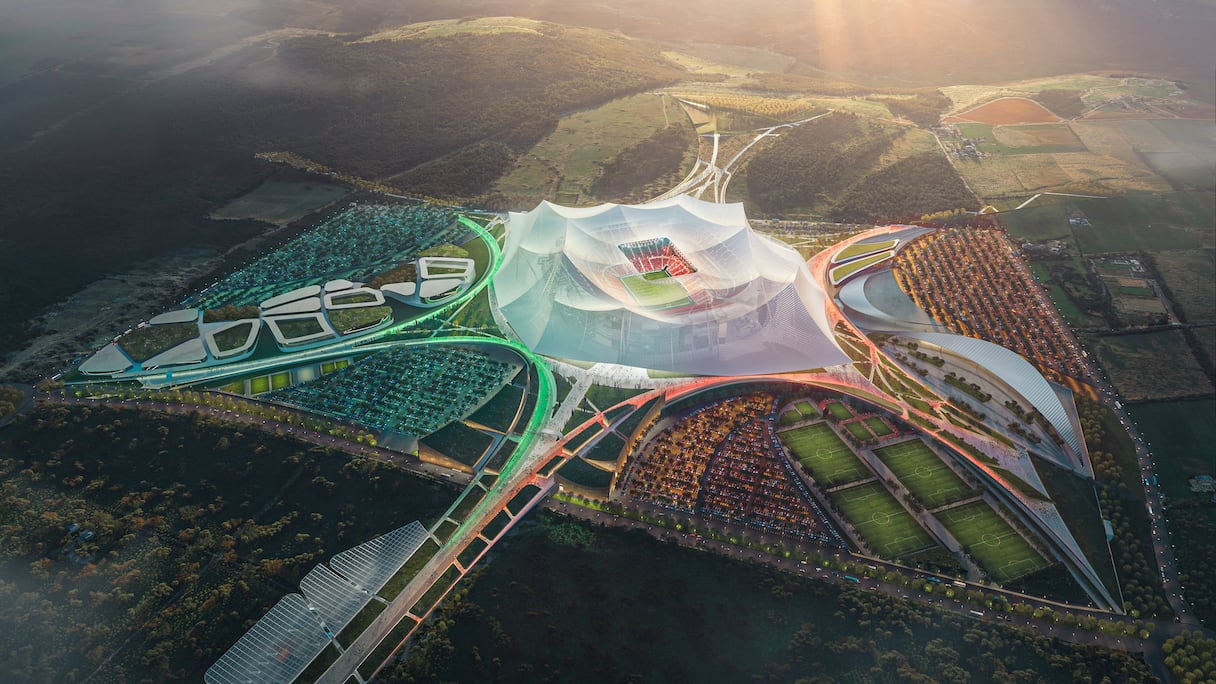
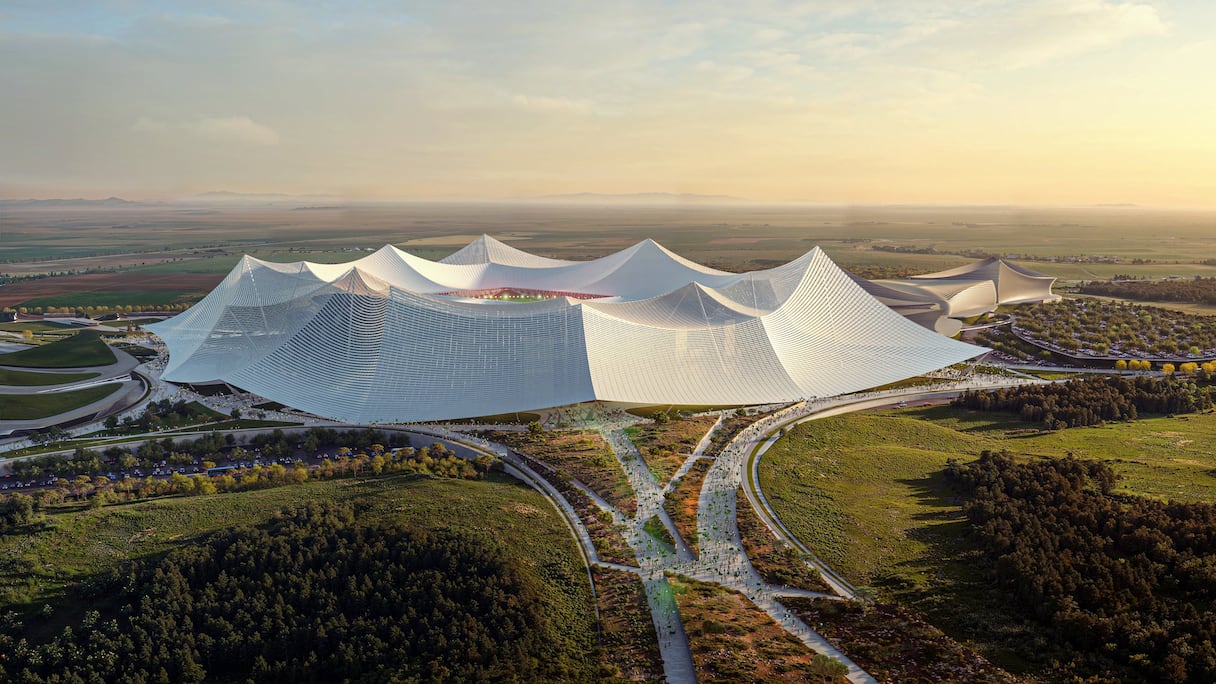
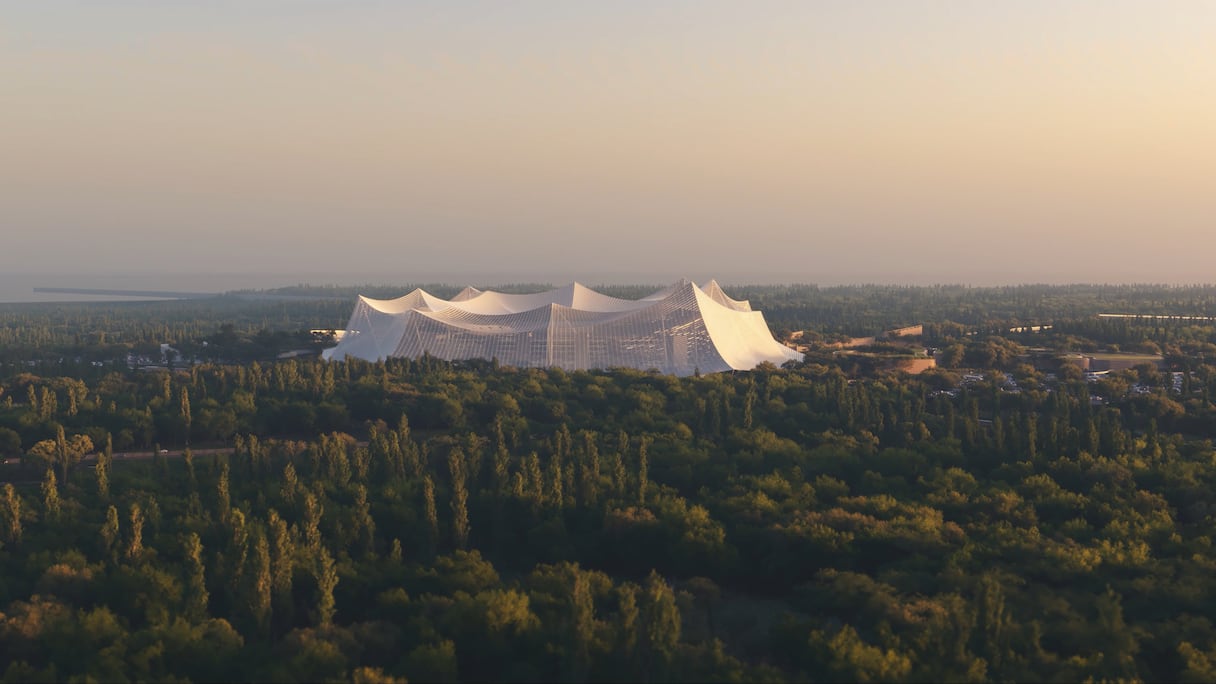
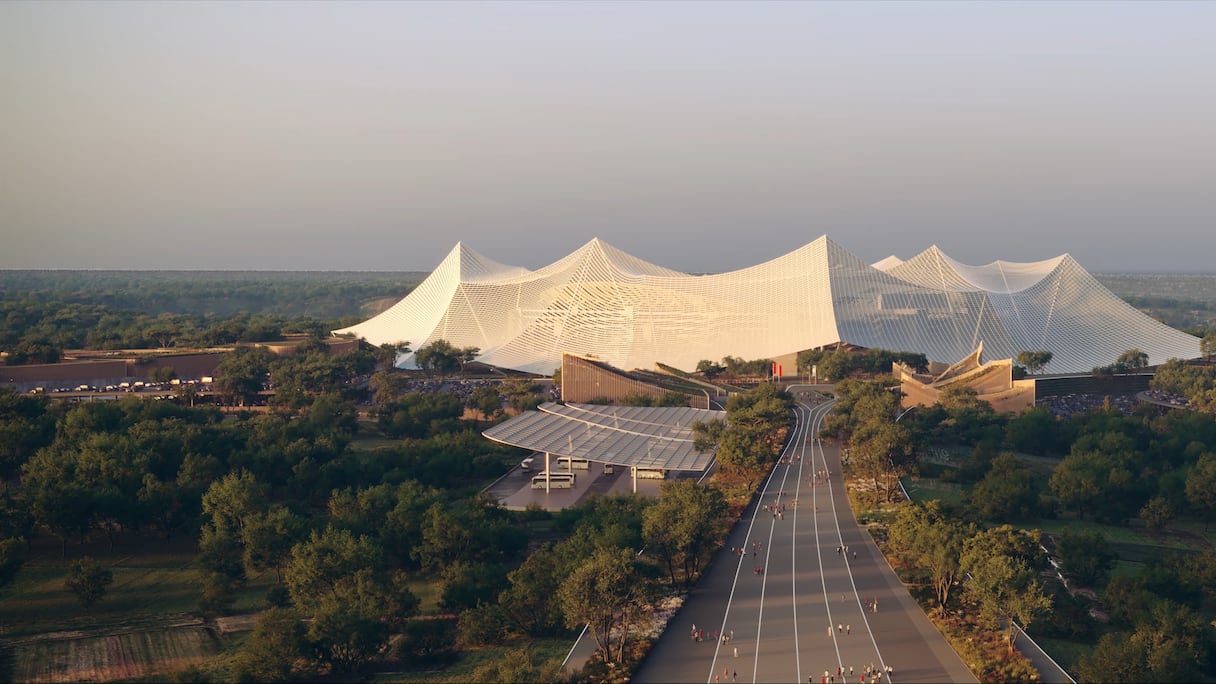
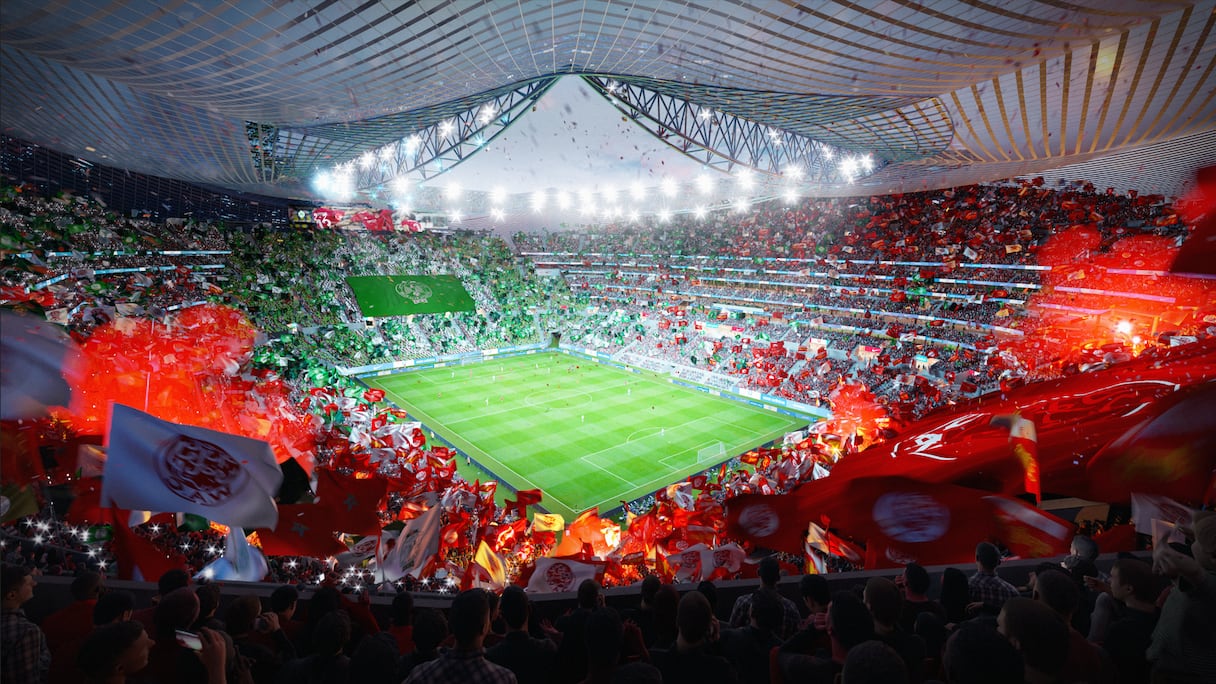
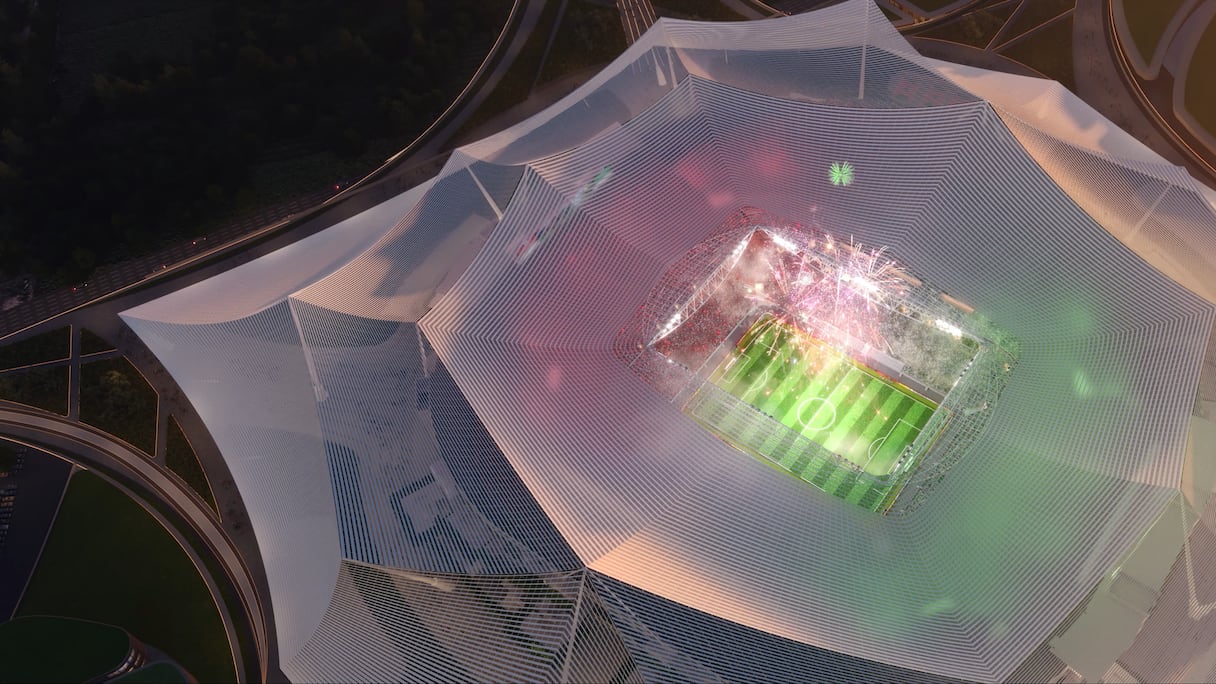



Model of the Grand Hassan II Stadium in Benslimane.
A “European” World Cup, really?
To justify his demands, Rafael Louzán advanced an argument that speaks volumes about how he views this joint bid.
“I think the two officials leading this delegation of more than twenty FIFA technical experts fully understand that, as a matter of common sense and logic, this World Cup is a European World Cup. Consequently, there is no doubt that the final must be played here,” he asserted.
The RFEF president appears to have forgotten that the 2030 tournament is built precisely on a joint bid bringing together Europe and Africa. He also seems to have forgotten that Morocco’s inclusion secured the support of all 54 African football federations for the joint bid.
But apparently, when it comes to sharing responsibilities and presenting a joint bid, Morocco is a partner. When it comes to awarding the final, the World Cup suddenly becomes “European” again. A remarkably convenient interpretation of a three-country hosting arrangement.
Spain does not want to withdraw, only to dictate its terms
Rafael Louzán was also asked about remarks made by Alberto Núñez Feijóo, leader of Spain’s People’s Party, who had raised the possibility of Spain withdrawing from the 2030 World Cup if it were denied the final, should he become prime minister.
Unlike the politician, the Spanish federation president ruled out that possibility. “That possibility does not exist. It is absolutely not part of our preparations. Consequently, we will never consider such an eventuality,” he insisted.
He is, however, unwilling to make any concessions over the final and has promised to make that clear to Moroccan and Portuguese representatives at upcoming meetings between the three countries.
Read also : 2030 World Cup: Spanish journalist backs Casablanca to host the final
It is a position that neatly sums up the Spanish paradox: the tournament must remain a joint undertaking, but its most prestigious match must necessarily go to Spain.
With less than four years to go before the World Cup, Rafael Louzán might be better advised to focus his efforts on the outstanding matters he himself admits have yet to be resolved. Funding arrangements, government commitments and technical preparations deserve at least as much attention as his combative declarations about the final.
