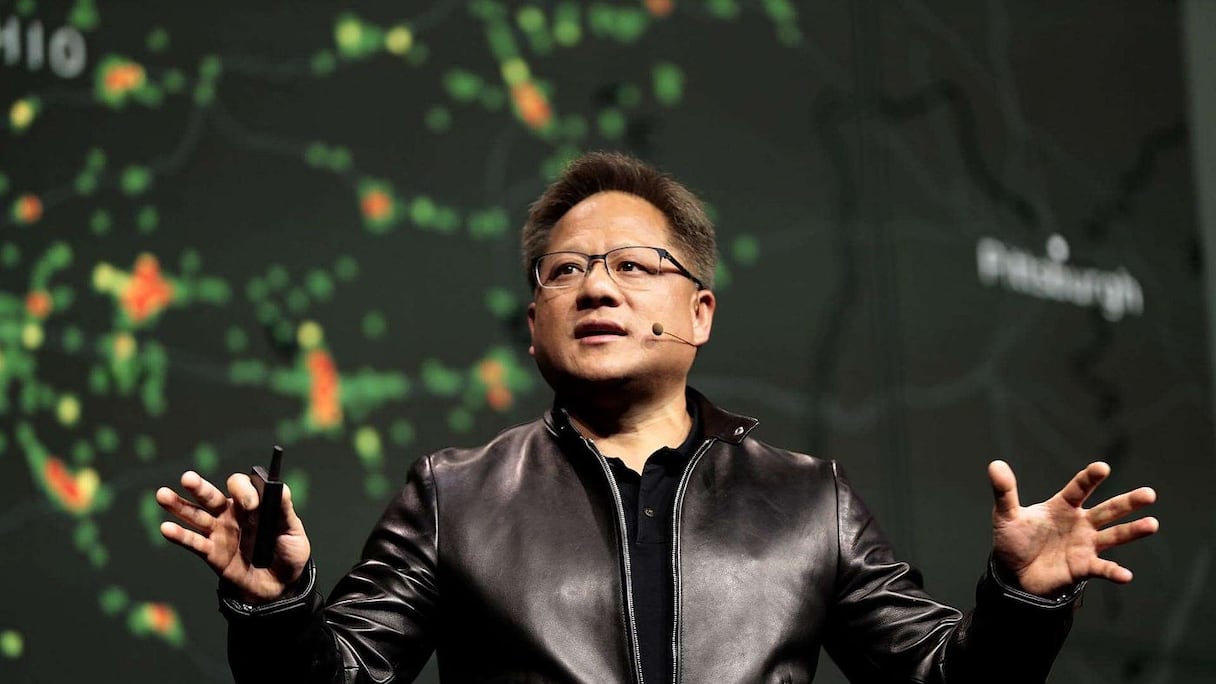
Nvidia’s board announced the departure on Thursday, November 12, naming executive vice president and chief financial officer Colette Kress as interim CEO while it searches for a permanent successor. The search will consider both internal and external candidates.
The company did not give a reason for Huang’s resignation in its announcement. However, his departure follows days of controversy surrounding his reported relationship with Alice Huang, a former executive at Singapore-based data center company Megaspeed, whom US intelligence reportedly suspected of gathering information for Beijing.
Nvidia’s board had opened an independent investigation on November 8 into reports that its CEO had been the target of a foreign intelligence effort. The company said at the time that it had no reason to believe national security or its confidential information had been compromised. Huang had agreed to cooperate with the review.
He also acknowledged in a message to employees that he had been unfaithful to his wife and apologized to his family and colleagues.
Colette Kress takes over as interim CEO
Kress, who joined Nvidia in September 2013, will retain her position as CFO while leading the company until a permanent replacement is appointed.
Read also : Nvidia launches independent review of CEO Jensen Huang over reported ties to Chinese businesswoman
Before joining Nvidia, she spent nearly 25 years in finance roles at major technology companies, including Cisco and Microsoft. During her time at Nvidia, she has overseen the company’s financial operations through its expansion into one of the world’s most influential technology businesses.
Harvey C. Jones, an entrepreneur and technology investor who previously served as CEO and executive chairman of Synopsys, has also been appointed as the first chair of Nvidia’s board.
In her first statement as interim CEO, Kress said she was committed to building on the foundation Huang had created over more than three decades. She said the company’s focus would remain on serving customers, partners, developers and shareholders.
A leadership change at the center of the AI industry
Huang co-founded Nvidia in 1993 and led its transformation from a graphics chipmaker into a dominant supplier of processors used in artificial intelligence systems and data centers. Its chips have become central to the global expansion of AI, making the company one of the most valuable businesses in the world.
