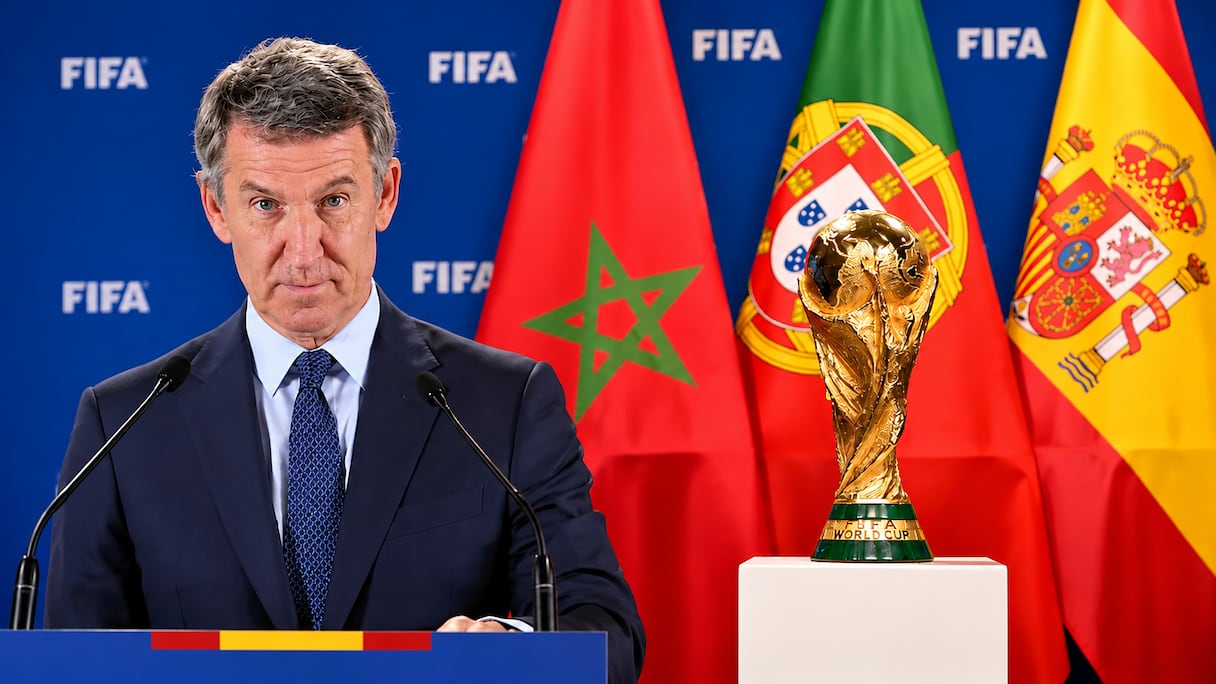
Alberto Núñez Feijóo appears to have made up his mind: the 2030 World Cup final must be held in Spain, and nowhere else. The president of Spain’s People’s Party (PP) is defending this position with little apparent room for Morocco and Portugal, the other co-hosts of the tournament. Listening to him, one might almost forget that the choice of venue for the final rests exclusively with FIFA, which has yet to make a decision.
On Tuesday, November 10, Feijóo returned to his recent remarks during an appearance on “Horizonte,” hosted by Iker Jiménez on Spanish television channel Cuatro. Asked about the possible consequences of his opposition to holding the final in Morocco, the PP leader did not back down.
“You are asking me whether I am prepared to accept that the World Cup final is not held in Spain. My answer is no,” he said. At least there is no ambiguity. For Spain’s opposition leader, the matter apparently leaves little room for debate.
Feijóo then laid out his case. First, the 2030 World Cup bid was initially put forward by Spain and Portugal. Morocco joined it later. He described the three-country partnership as “very attractive,” particularly because it would bring the competition to two continents. What he failed to mention, however, was that Morocco’s inclusion significantly strengthened the Iberian bid by opening the way to support from 54 African countries, as well as several Arab nations. That diplomatic and sporting contribution was far from insignificant, but Feijóo made no reference to it.
So far, none of this is particularly surprising. But according to Feijóo, the partnership between the three countries has its limits. Morocco and Portugal may share the hosting of the World Cup with Spain. When it comes to the final, however, sharing no longer appears to be an option. The match, he argues, should necessarily go to the Spanish.
Why? Because Spain supposedly has more experience organizing major international events, La Liga is one of the best leagues in the world and the national team, La Roja, boasts an impressive record.
Feijóo summed up his argument with this conclusion: “There is no reason to give up what belongs to us through history, legal grounds and our influence in the world of football.”
What “belongs to us”! In Feijóo’s telling, the 2030 World Cup final has become a kind of Spanish property. All that is missing is the deed. Because, unless something has changed, neither football history nor a national team’s record automatically grants a country the right to host a World Cup final.
But Feijóo has another argument up his sleeve: money. “Spain is not going to finance the organization of a World Cup so that the final of that competition is held in another country,” he added.
Read also : Spain should pull out of 2030 World Cup if it does not host final, says PP leader Alberto Núñez Feijóo
By that logic, one might wonder what Morocco and Portugal are doing in this joint bid. They, too, are investing and committing considerable resources to host the tournament.
Feijóo had already threatened to pull Spain out of the bid
The latest remarks came just days after an earlier, more explicit threat during an appearance on “El Chiringuito.” “Spain must host the World Cup final. And if it does not host it, then, in my opinion, it should not take part in organizing the tournament,” he said.
In other words, if Spain does not get the final, it might as well leave the project. It is a rather unusual way of approaching a joint hosting arrangement, especially when the rules of the game are known to all participants.
On Tuesday evening, Feijóo nevertheless sought to reassure viewers about his intentions. “I say this without any hostility. I simply say it because it seems logical to me. It is absolutely not about trying to create tensions with anyone,” he said.
No tensions, then. Just a final that supposedly belongs to Spain and a threat to withdraw if it is held elsewhere. All of this, of course, in the finest spirit of cooperation.
Pedro Sánchez reminds him of one basic fact
Between Feijóo’s two appearances, Spanish Prime Minister Pedro Sánchez had taken the opportunity to recall a few basic principles. Asked about the issue in an interview with “La Séptima” on Monday, November 9, the head of government responded to his political rival in a few words: “FIFA makes the decision.”
The remark amounted to a reminder of the rules, given that the PP leader seems convinced that awarding the final is a matter of Spain’s historical entitlement.
Sánchez also recalled that Spain and Portugal had initially put forward the bid before bringing Morocco on board, describing it as a “brother country.” The Spanish prime minister has not given up on the prospect of his country hosting the final. Unlike his rival, however, he acknowledges that the decision is not his to make.
Read also : World Cup 2030: Pedro Sánchez sets Feijóo straight over final coveted by Morocco and Spain
The distinction is significant. On one side is an openly stated ambition, subject to FIFA’s decision. On the other is a certainty presented as a right, accompanied by a threat to walk away if things do not go as desired.
Meanwhile, Morocco continues to move ahead with its construction projects. With a capacity of 115,000, the Grand Hassan II Stadium in Benslimane is set to compete with Madrid’s Santiago Bernabéu and Barcelona’s Camp Nou to host the 2030 World Cup final. Much to Feijóo’s displeasure, neither he nor his party gets to decide where the tournament’s final match will be played. That choice belongs to FIFA, and FIFA alone.
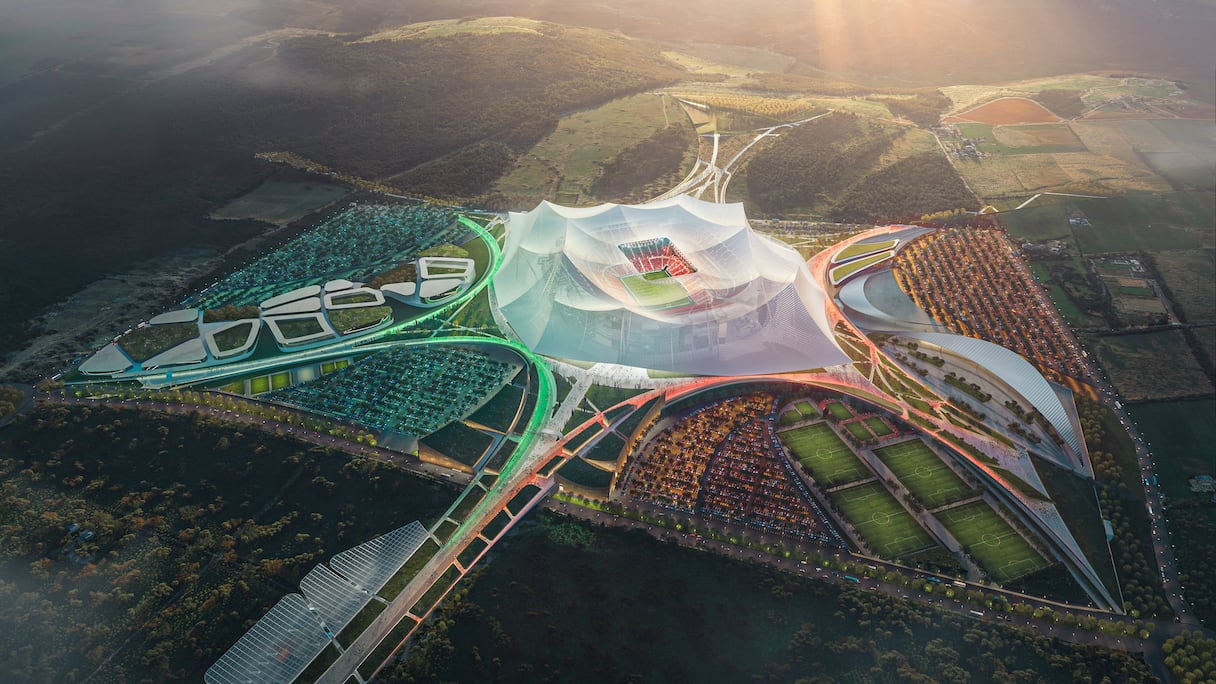
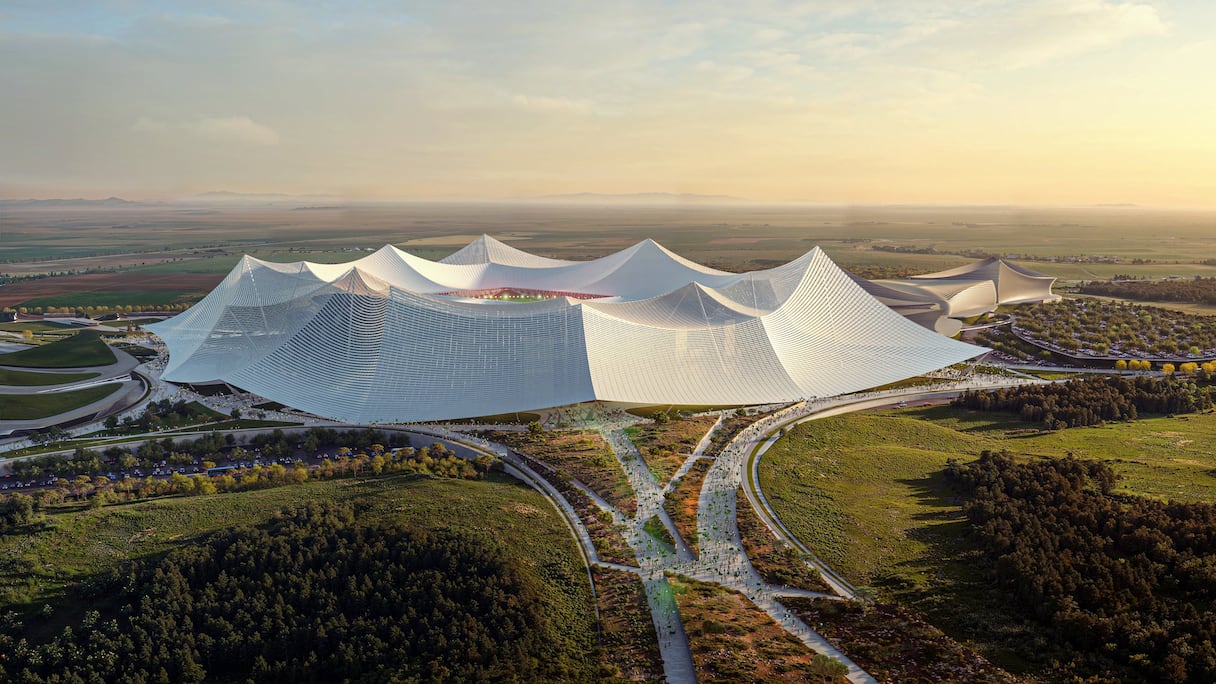
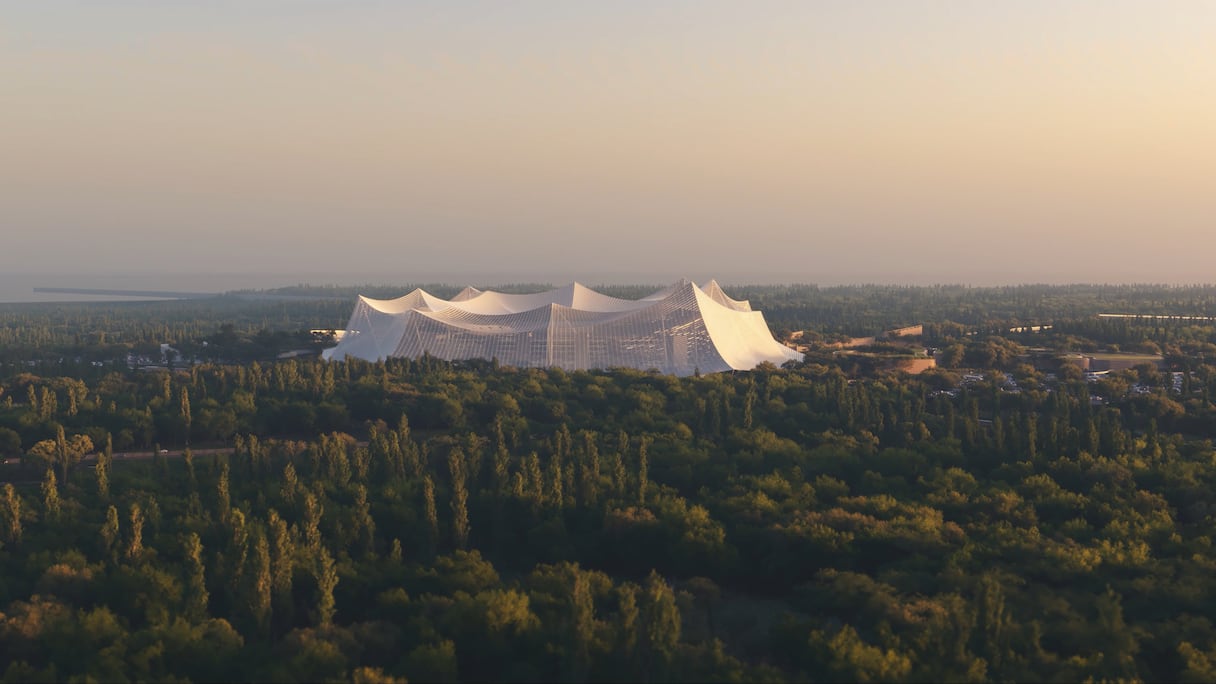
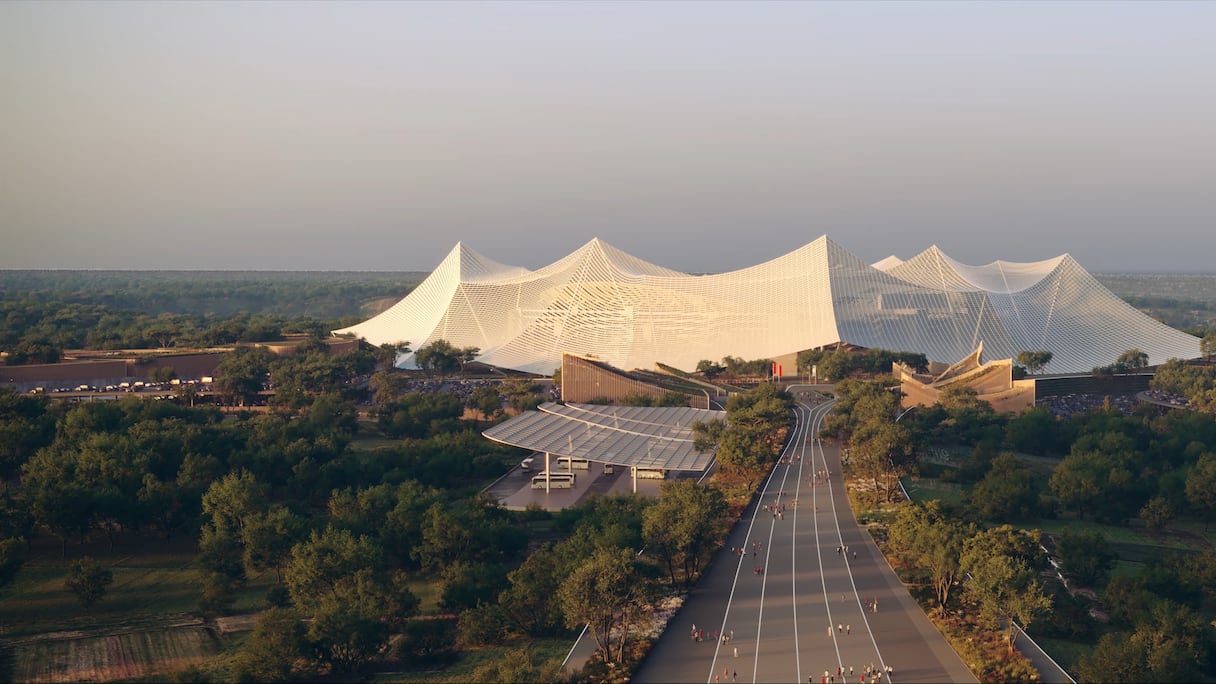
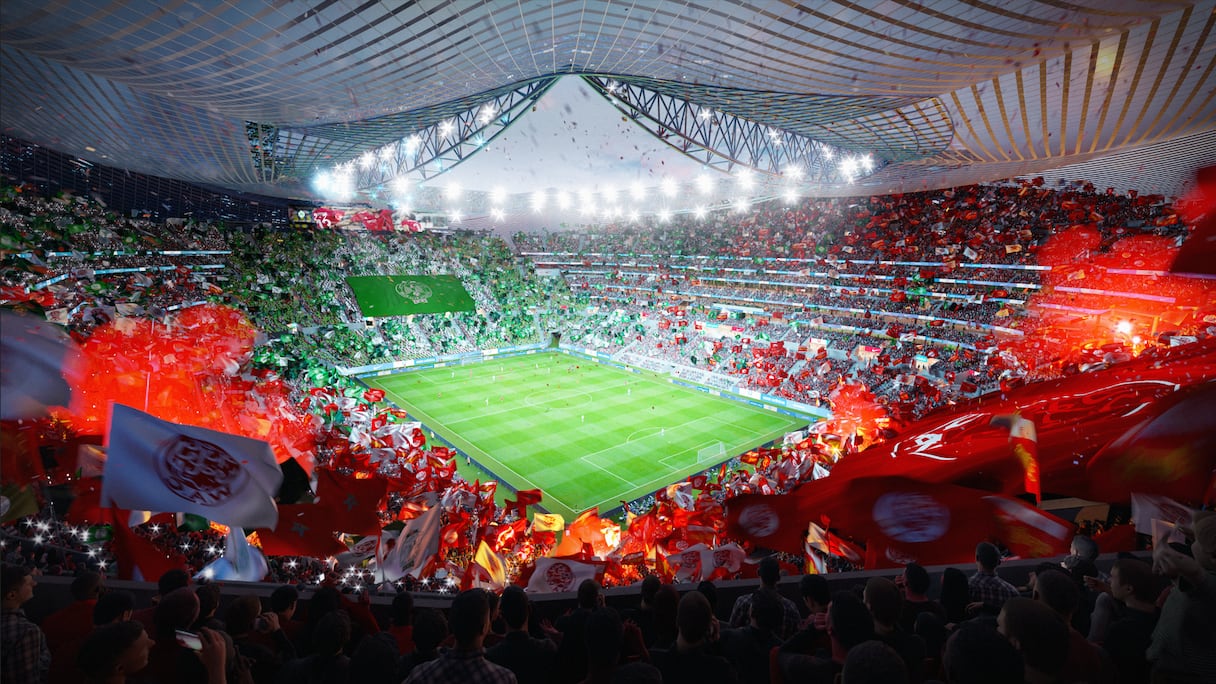
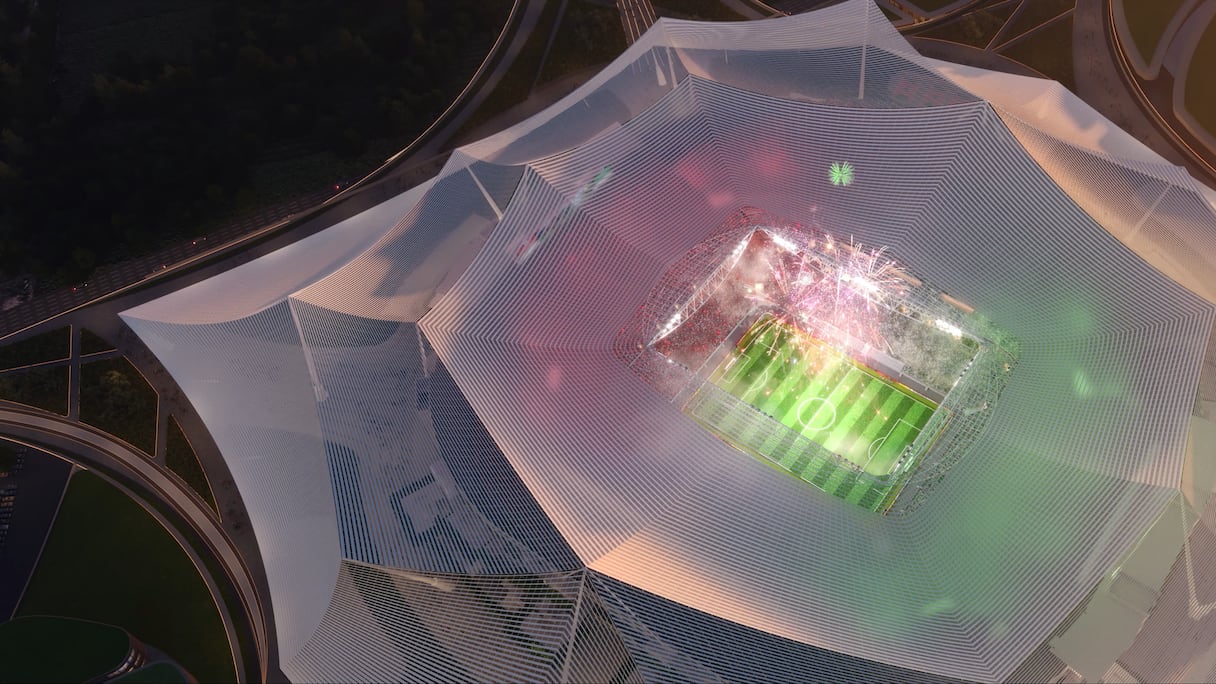



Model of the Grand Hassan II Stadium in Benslimane.
