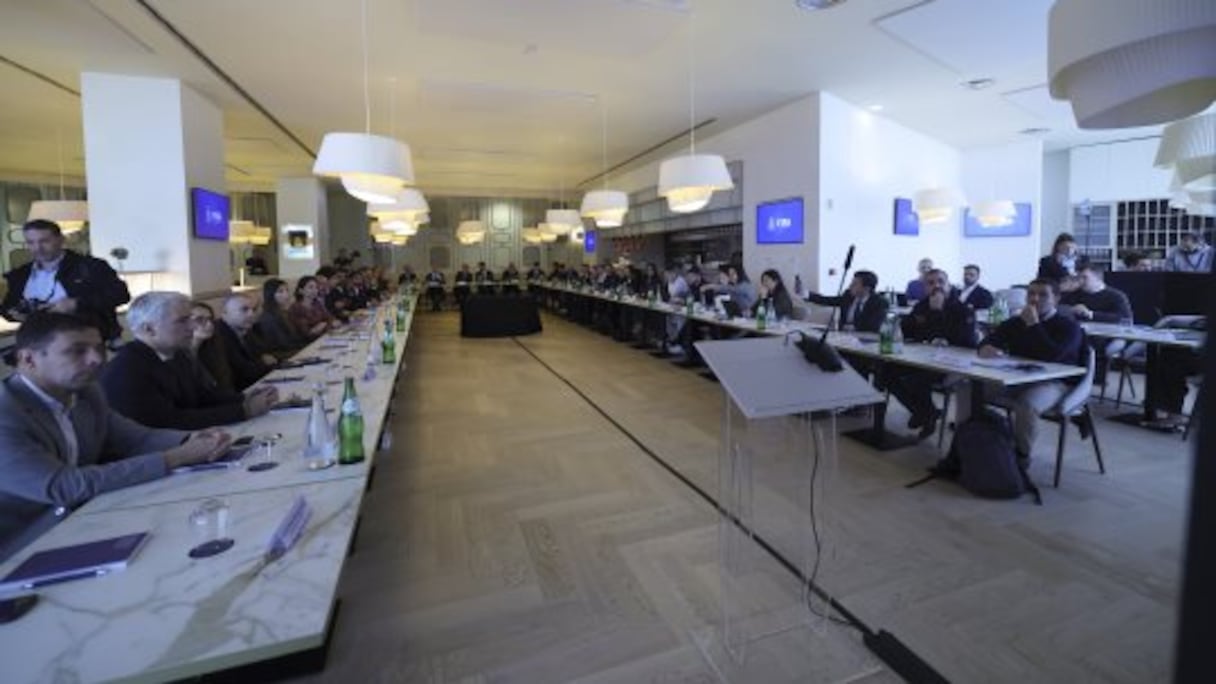
FIFA wrapped up its inspection tour of Portugal on Friday, November 6, as preparations continue for the 2030 World Cup, which will be co-hosted by Morocco, Spain and Portugal. After visiting Lisbon, the international football governing body’s delegation traveled to Porto, the final stop on its series of technical inspections.
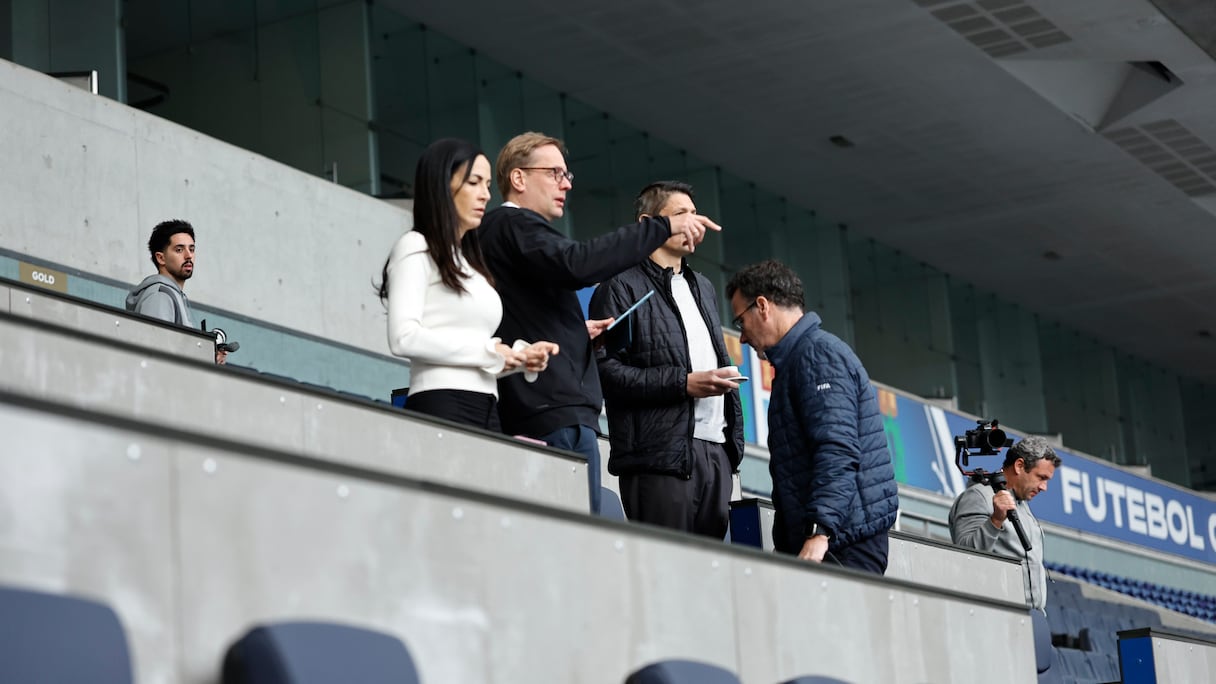
FIFA continues to monitor preparations for the 2030 World Cup. A multidisciplinary delegation from the governing body completed its inspection tour of Portugal on Friday, November 6, focusing on the three stadiums selected to host matches during the tournament.
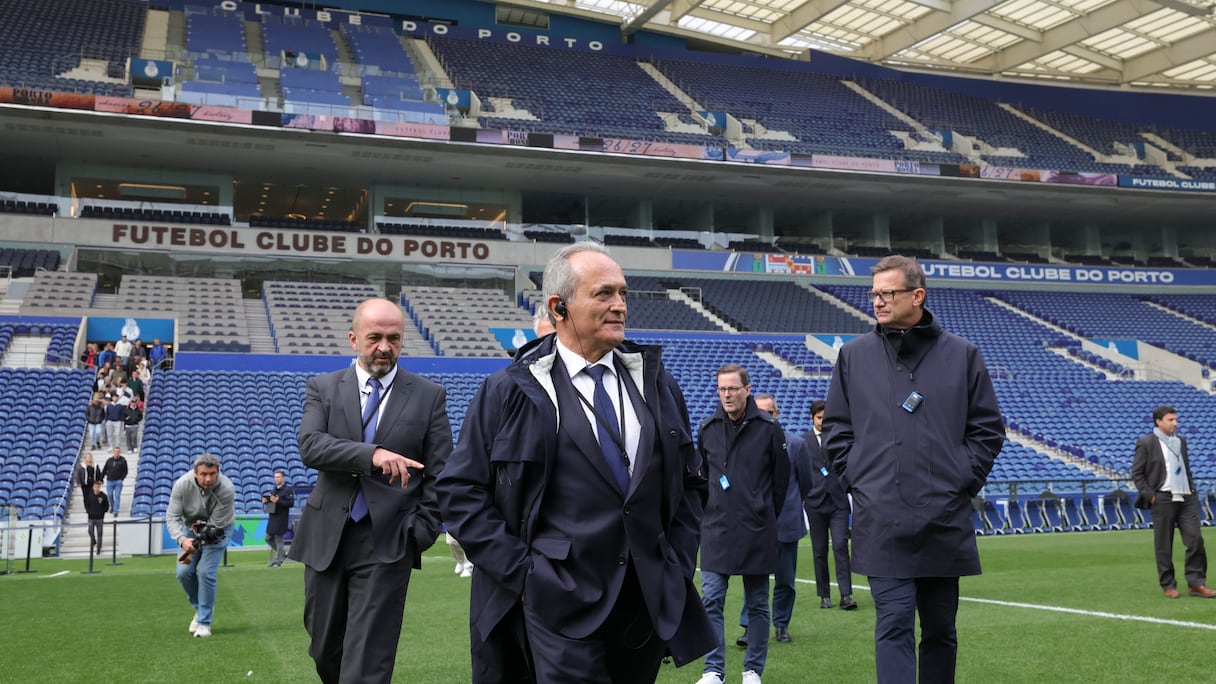
In a statement published on its official website, the Portuguese Football Federation (FPF) said the mission concluded at FC Porto’s Estádio do Dragão, following visits to José Alvalade Stadium, home of Sporting CP, and Estádio da Luz, home of Benfica. All three venues are part of Portugal’s proposed arrangements for hosting matches at the 2030 World Cup.
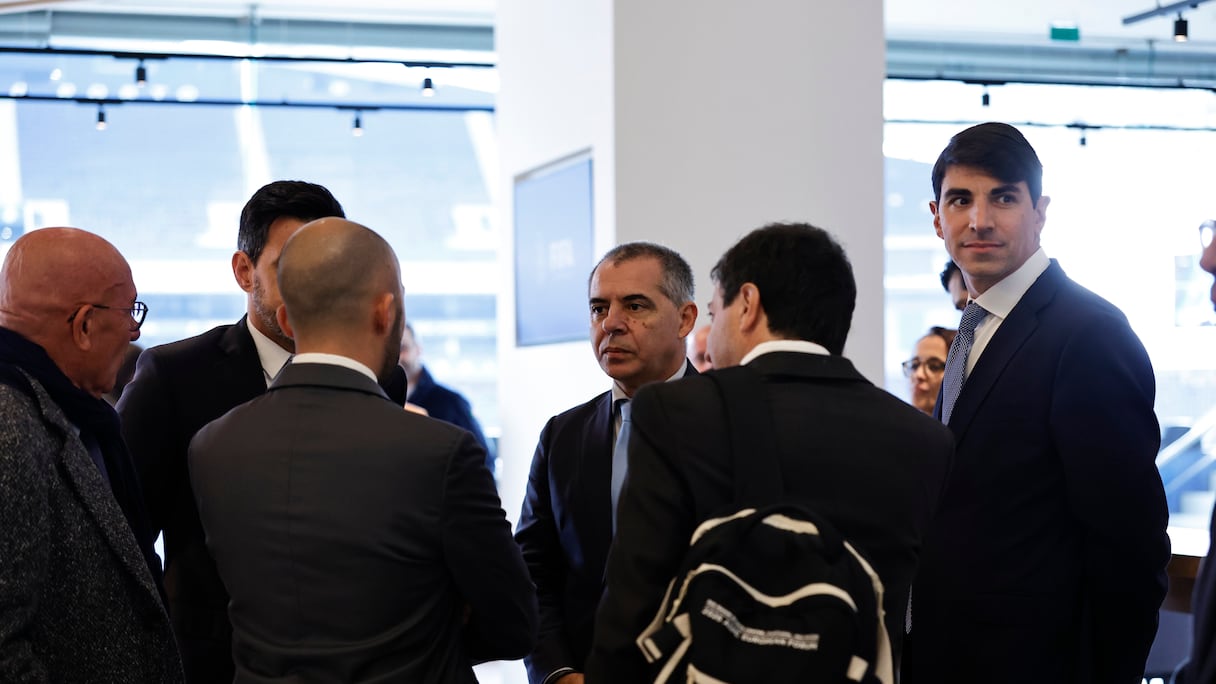
In Porto, FIFA representatives were briefed on the improvements already completed and the works still planned. João Borges, FC Porto’s vice president and executive director in charge of operations, presented the upgrades made to the club’s facilities since the governing body’s previous visit.
According to the FPF statement, Borges said the club had invested €32 million over the past year to modernize its infrastructure.
“The 2030 World Cup represents an extraordinary opportunity, both for FC Porto and for the city and the region,” he said, adding that the tournament would allow the club to strengthen its international profile while bringing significant tourism and economic benefits to Porto.
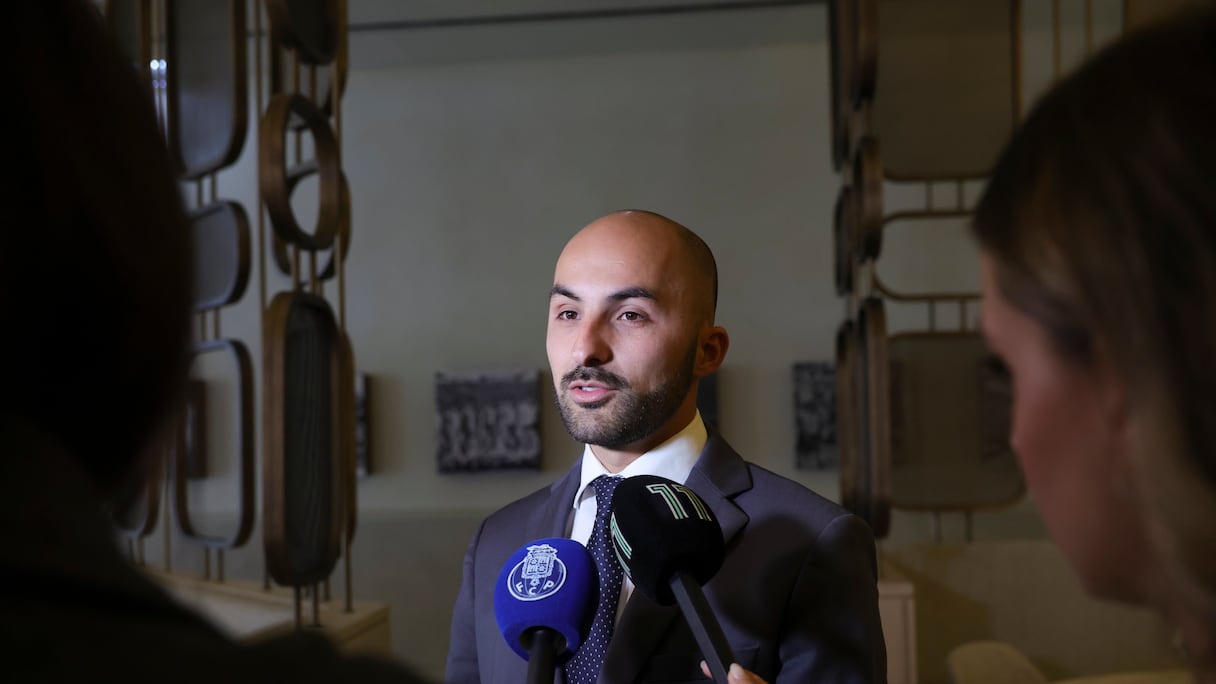
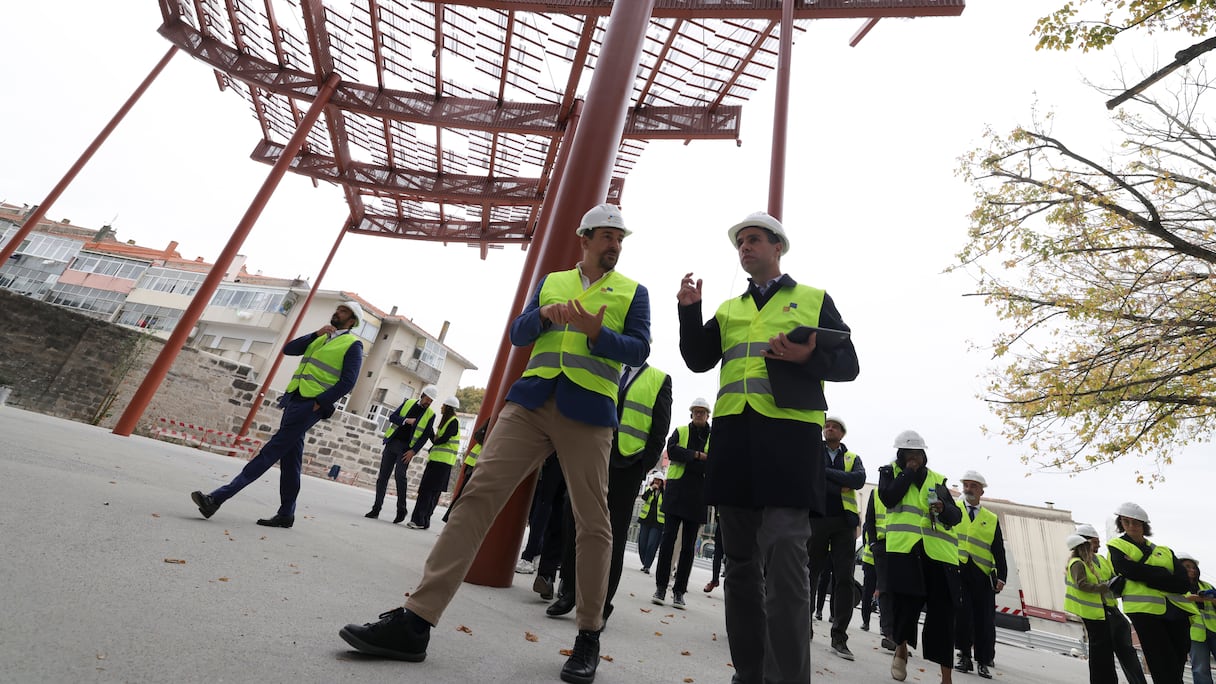
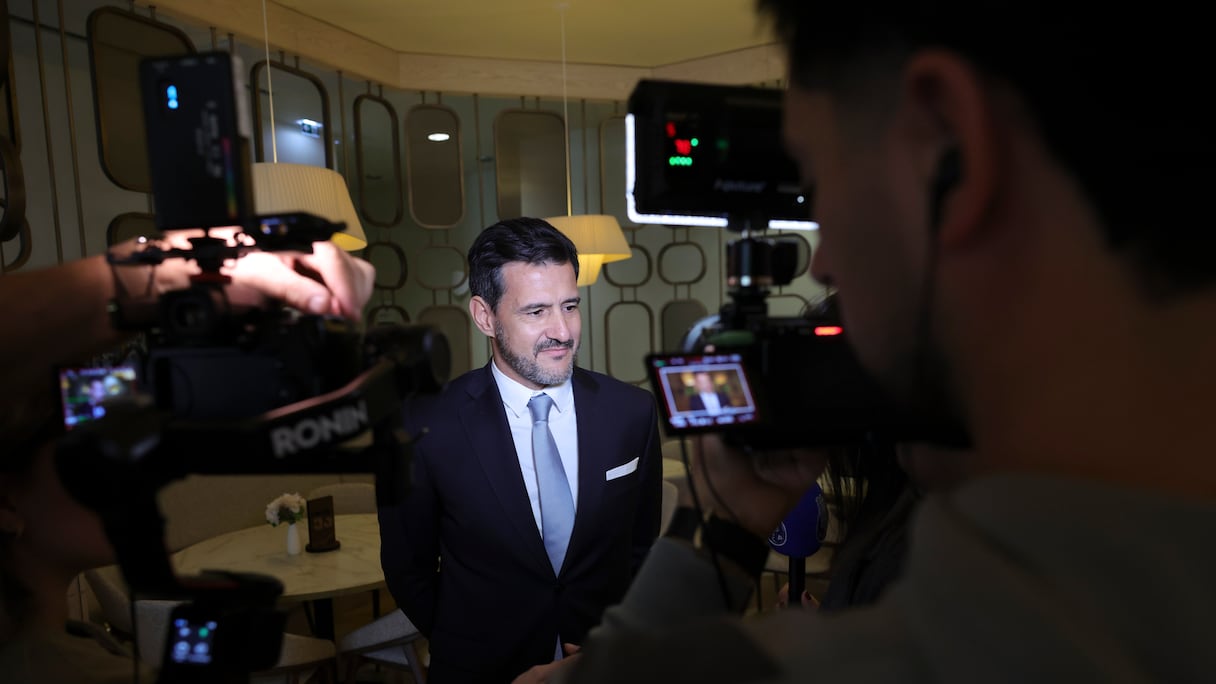
For FC Porto officials, the investments go beyond meeting FIFA’s requirements. “The 2030 World Cup is not an end in itself, but a starting point to ensure that Estádio do Dragão can continue welcoming its supporters and visitors for another 20 years,” Borges stressed.
The inspection was not limited to the stadium. The FIFA delegation also visited several hotels and facilities that could serve as training centers during the tournament. These included Dr. Jorge Sampaio Stadium, the Jorge Costa Training Center, São Miguel Stadium and Estádio do Mar.
Local authorities also presented Porto’s strengths in hosting and organizing major events. Rodrigo Passos, the city councilor responsible for sports, said the city had the infrastructure and experience needed to meet the requirements of the World Cup.
Pedro Dias, Portugal’s Secretary of State for Culture, Youth and Sports, also attended the visit and reaffirmed the government’s commitment to preparations, with the ambition of making the tournament an event whose benefits would extend beyond 2030.
António Laranjo, who coordinates the project monitoring process within the Portuguese Football Federation, gave an initial assessment of the inspection tour.
“This is the final stop in Portugal for this FIFA visit. There will certainly be others, because although 2030 is approaching quickly, there is still a great deal to be done,” he said, according to the FPF statement.
Following the Portuguese leg, FIFA’s inspection tour is set to continue in Morocco and Spain.
