The 2030 World Cup final has almost become a matter of life and death in Spain. Or rather, a matter of honor, pride, national prestige and defending the country’s reputation. As the Grand Stade Hassan II in Benslimane, which is set to have a capacity of 115,000 and is bidding to become the world’s largest stadium, gradually takes shape, its ambitions are clearly causing discomfort across the Strait of Gibraltar. For the Spanish, the final simply must be played on their soil, in Madrid or Barcelona, at the Santiago Bernabéu or Camp Nou.
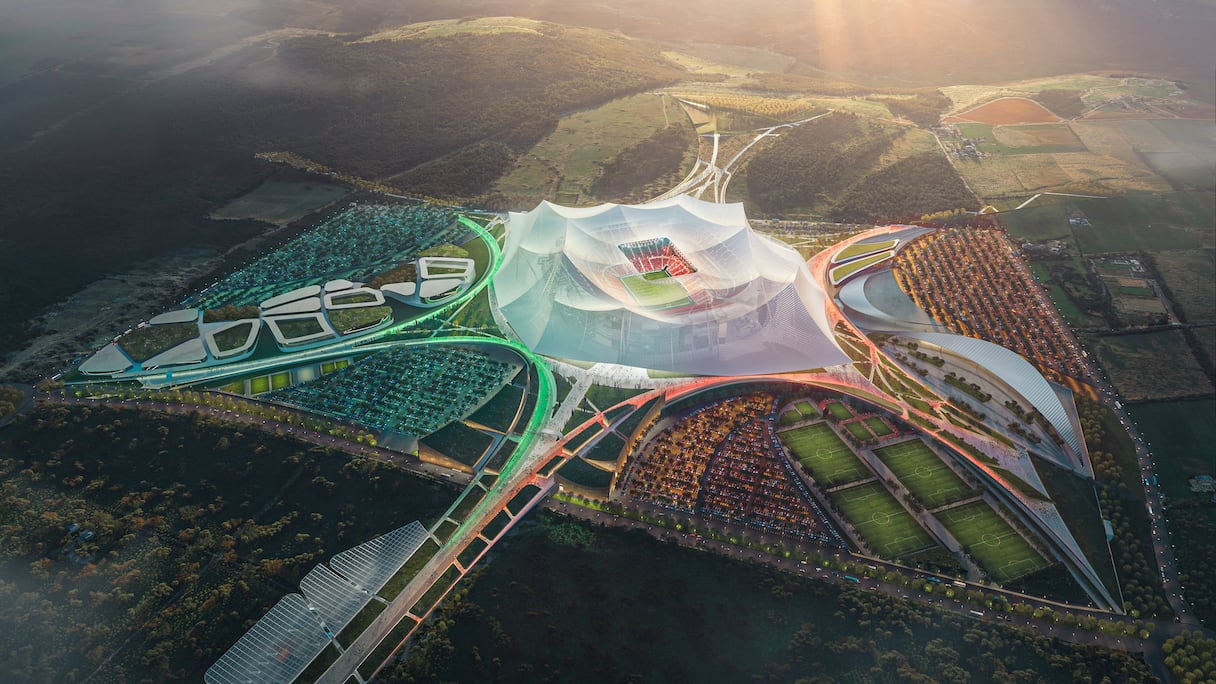
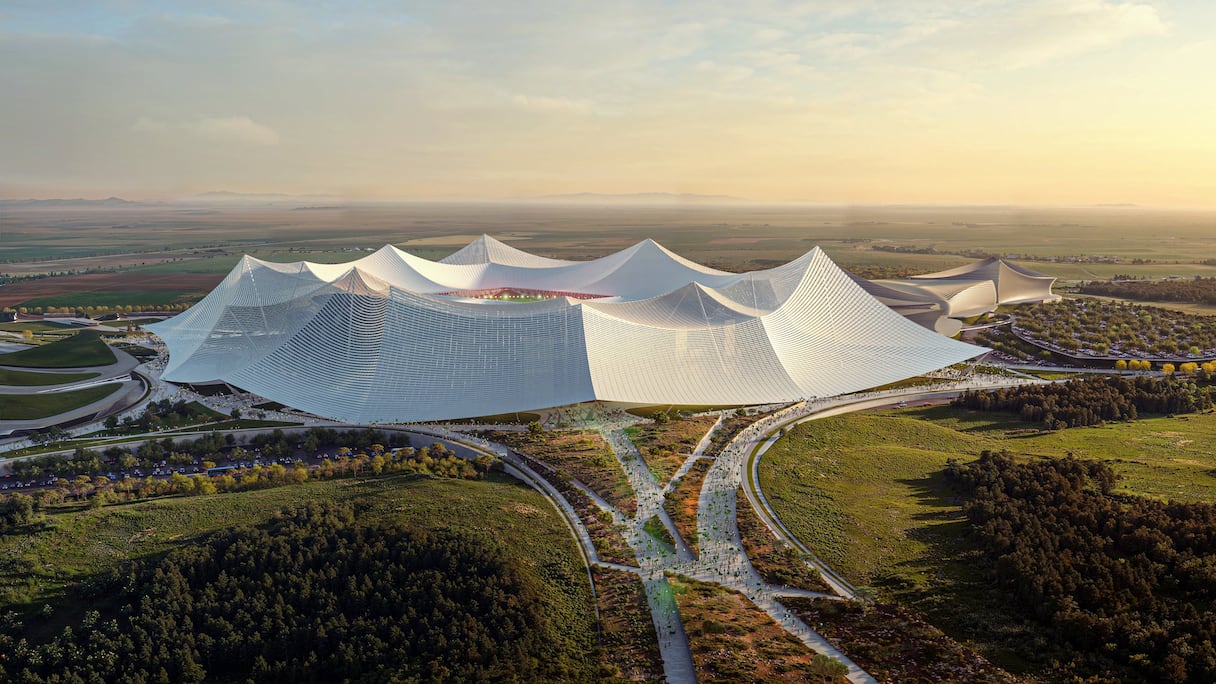
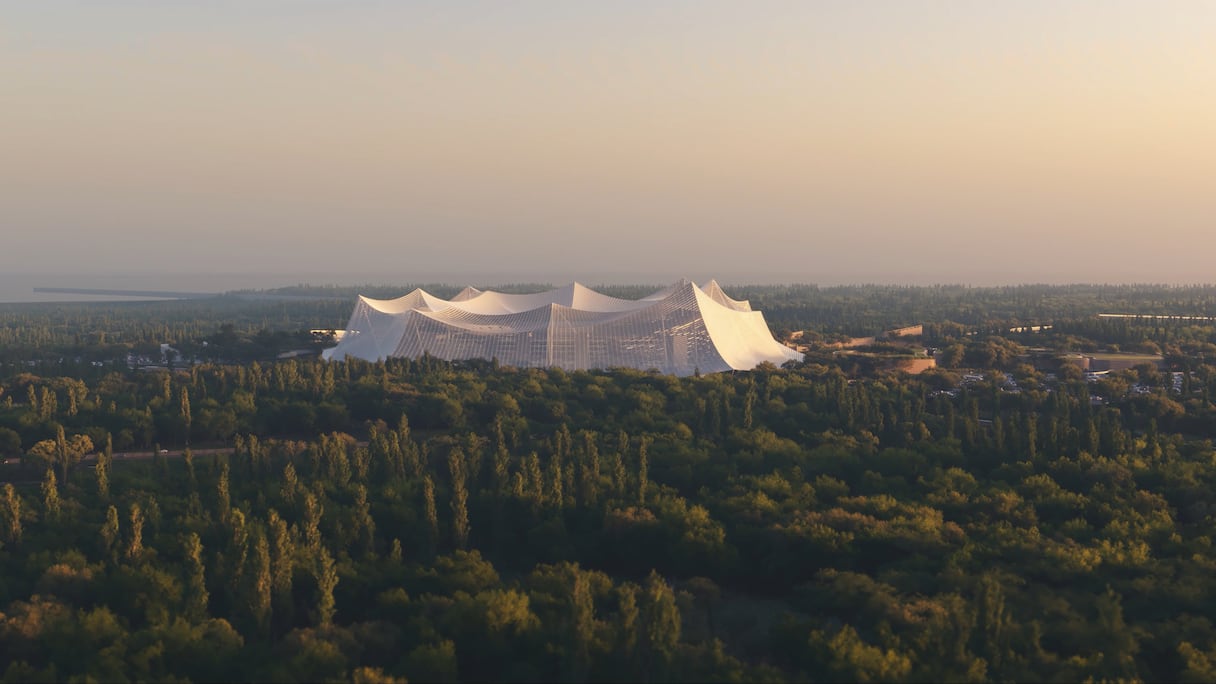
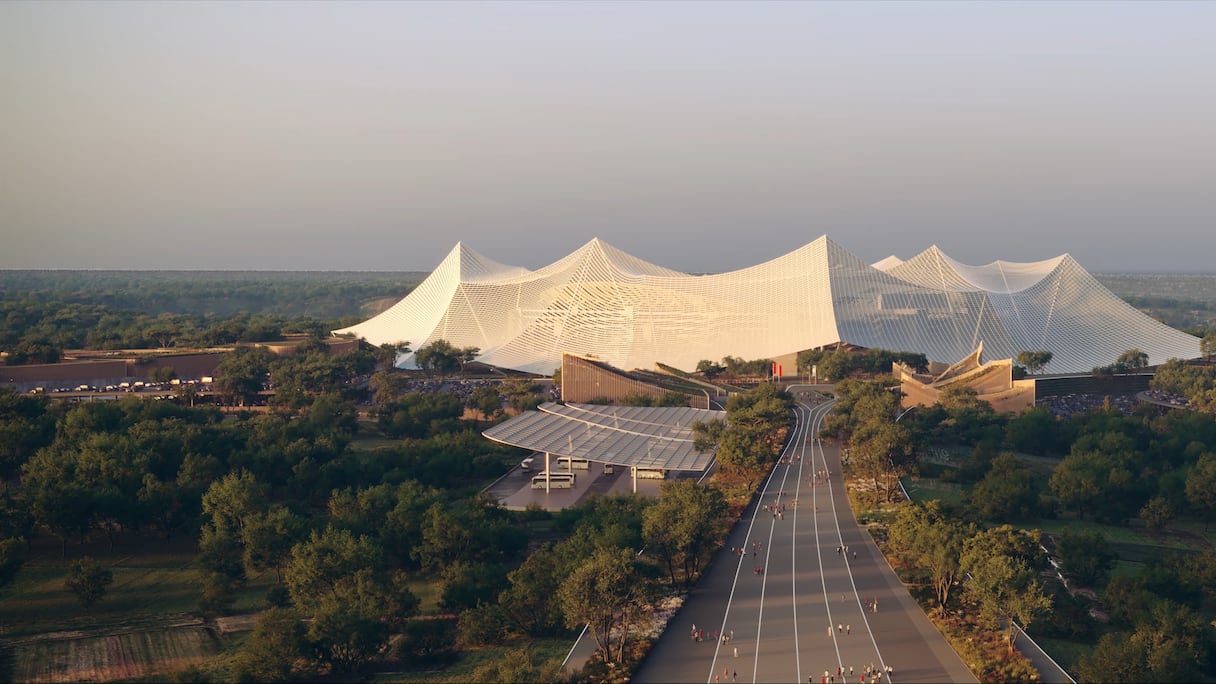
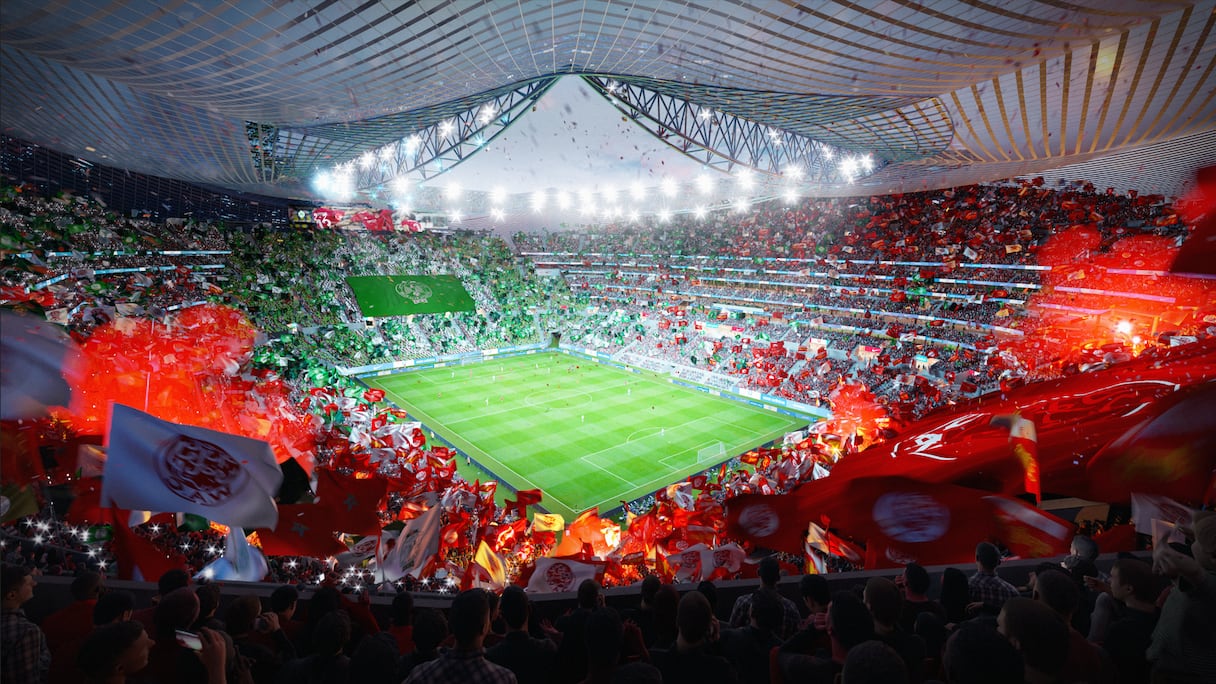
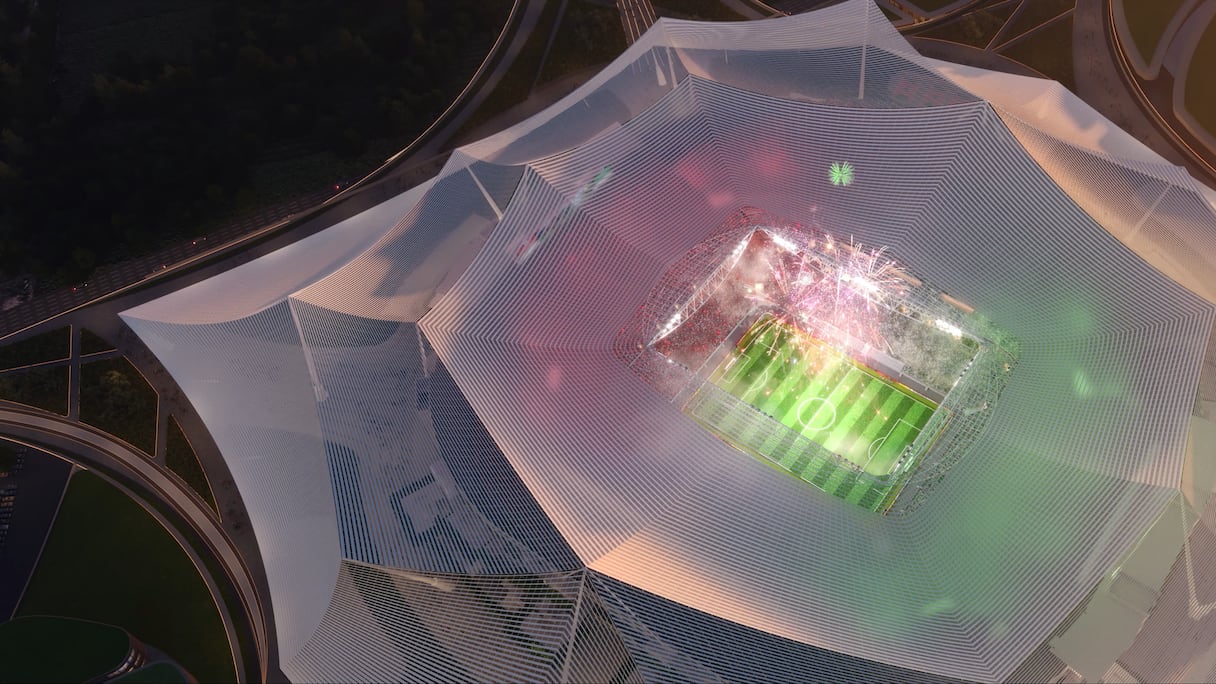


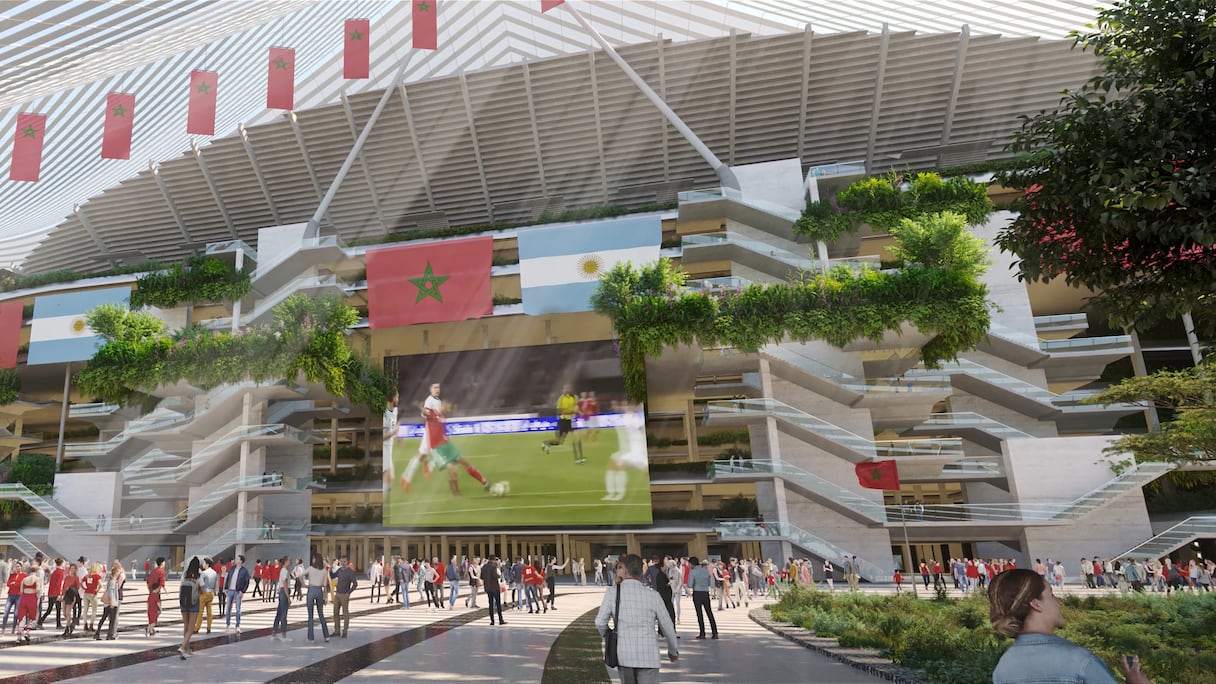
Model of the Grand Hassan II Stadium in Benslimane.
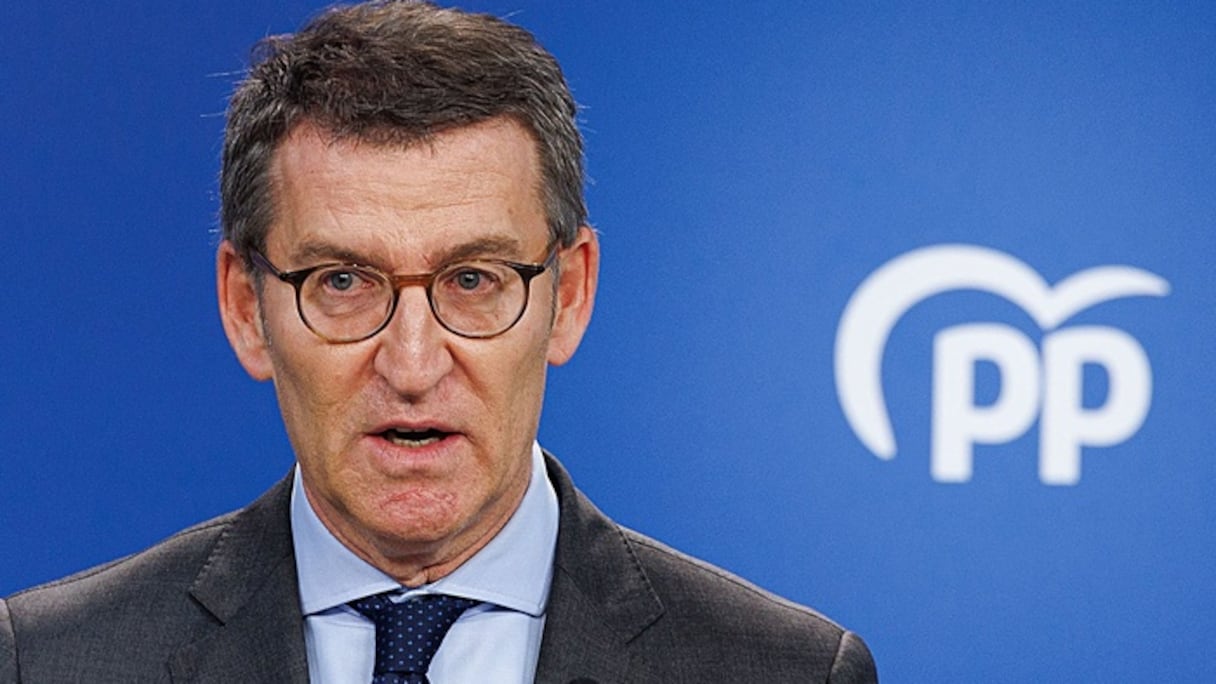
The tournament’s biggest match has once again entered the political debate.The proof is that, as Spain prepares to welcome a new head of government, expected soon, the various political parties have not hesitated to bring the 2030 World Cup into their discussions. The latest to weigh in is Alberto Núñez Feijóo, leader of the People’s Party (PP) and candidate for prime minister, who has made his position official: the final must be held in Spain, or there should be no Spanish involvement at all.
His words leave little room for interpretation. The final must be played “where it is right, appropriate and beyond dispute: in Spain,” the PP leader said. He based his argument on three points. First, Spain has demonstrated its ability to organize major events. Second, he recalled that Morocco’s bid was incorporated into the joint proposal at a later stage: “Later on, Morocco was invited.” Finally, he cited Spain’s status as a world champion as an additional argument in favor of his country.
Feijóo did not mince his words: “Spain must organize the World Cup final. And if it does not organize it, then, in my opinion, it should not take part in organizing the World Cup.” This is a strong statement, but it needs to be put into context: Morocco, Spain and Portugal are the three host countries, but none of them can decide the venue of the final on its own. That decision rests with FIFA.
The three countries have signed agreements and presented a joint bid to make this edition the first to span two continents, with the ambition of making it a success. But it is FIFA that will decide where the tournament’s most eagerly anticipated match will be played, following its inspection visits. The governing body is currently in Spain, assessing the infrastructure and proposed venues put forward by the host nations. The final say will be FIFA’s.
Feijóo’s position also echoes the debate unfolding on Spanish television. Following his remarks, El Chiringuito, a program known for its often heated sports discussions, devoted a segment to the issue. One of its journalists, Juanma Rodríguez, picked up on the politician’s comments and also framed the debate in terms of honor, restoring Spain’s image and national pride.
“Among the things we need to rebuild is national pride. Because Spain is a great nation, made up of wonderful people. We have achieved great things throughout our history,” he said, among other remarks. His comments illustrate just how much importance the final has acquired in Spain’s public debate. Perhaps Juanma Rodríguez is simply deeply attached to the idea of seeing his country host the decisive match. Perhaps the prospect of Morocco and its ambitious Grand Stade Hassan II taking the event away from Spain is not so easy for him to accept. Whatever the case, the statements are forceful.
“We must choose honor,” he insisted, before continuing: “What strikes me is that we had to wait for the Popular Party’s (PP) candidate for prime minister to take such a clear position on what should be an obvious issue: in a World Cup that we are organizing and have been part of from the beginning, can we seriously consider taking part in the tournament if the final is played in Morocco?”
Behind the battle to host the 2030 World Cup final, Spain is fighting for far more than the right to organize a match: its prestige, its influence and even its national pride.
