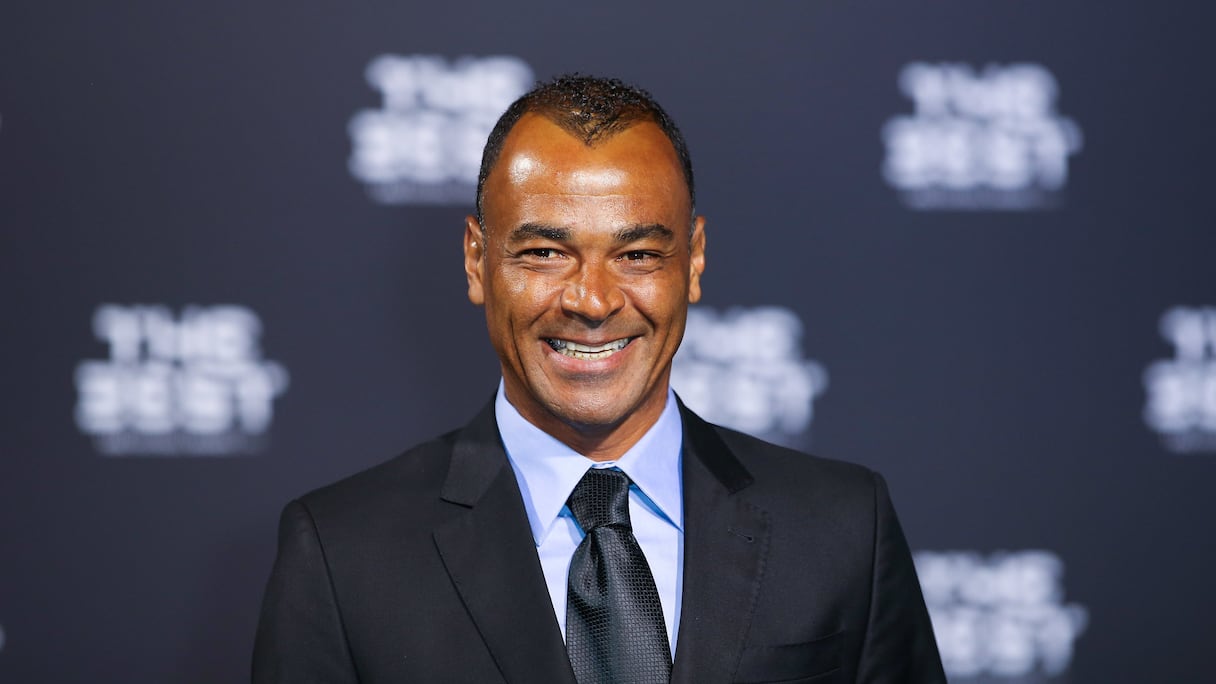
At 56, the tireless attacking full-back with the radiant smile has lost none of his charisma. The only player to have appeared in three consecutive World Cup finals, in 1994, 1998 and 2002, he was captain when Brazil won its fifth world title in 2002. As he looks at Morocco’s progress, from its run to the semifinals in Qatar in 2022 to its preparations to co-host the 2030 World Cup with Spain and Portugal, he sees a country determined to build on its achievements.
“After the 2022 semifinals, Morocco is already looking ahead to 2030,” said the two-time world champion. He believes that maintaining this momentum is essential to success. “It is moving forward with confidence in its abilities and potential, as well as the major investments made over the years. Everything is in place for a magnificent World Cup,” he told MAP.
The preparations are taking shape, including the construction of the Grand Stade Hassan II in Benslimane. With a planned capacity of 115,000, it is set to become the world’s largest football stadium. Its design draws inspiration from a traditional moussem tent, with the structure planned for a forest of cork oaks, combining Moroccan heritage with modern architecture.
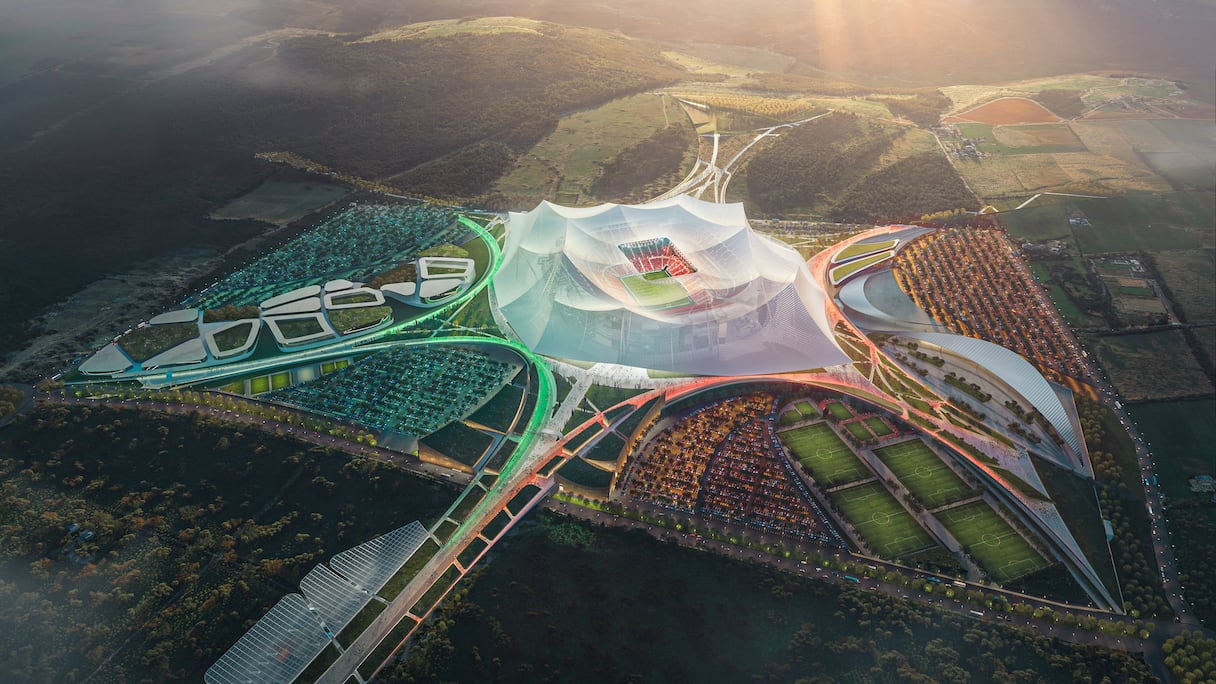
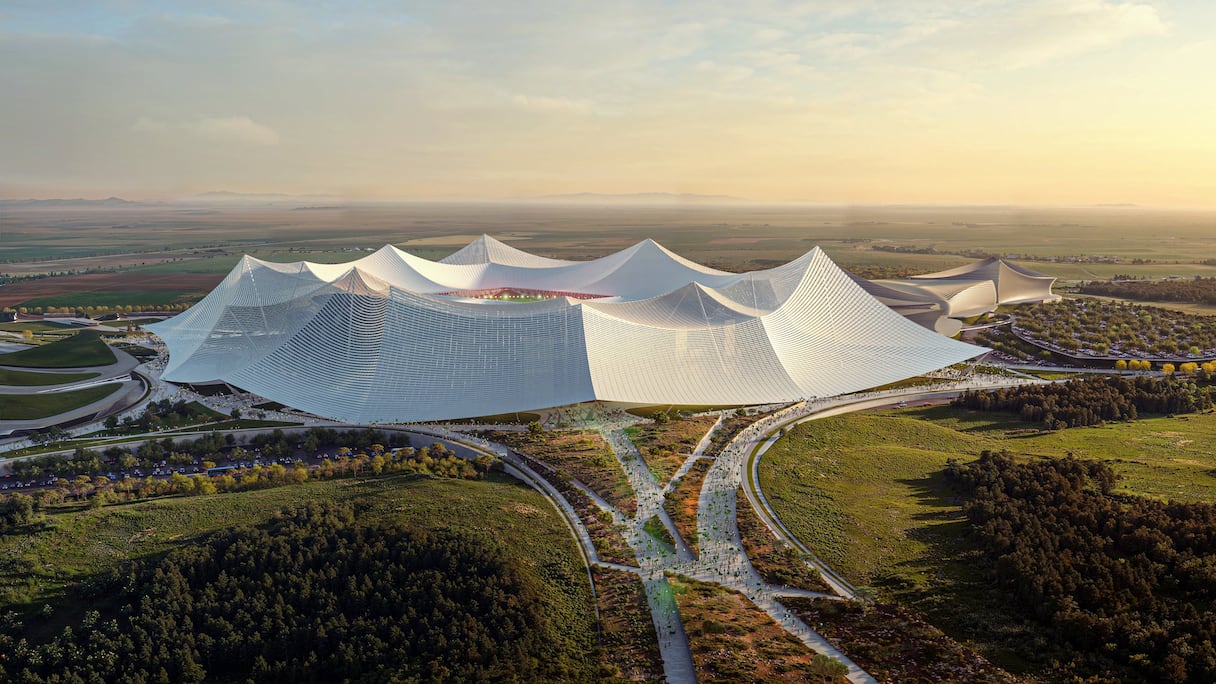
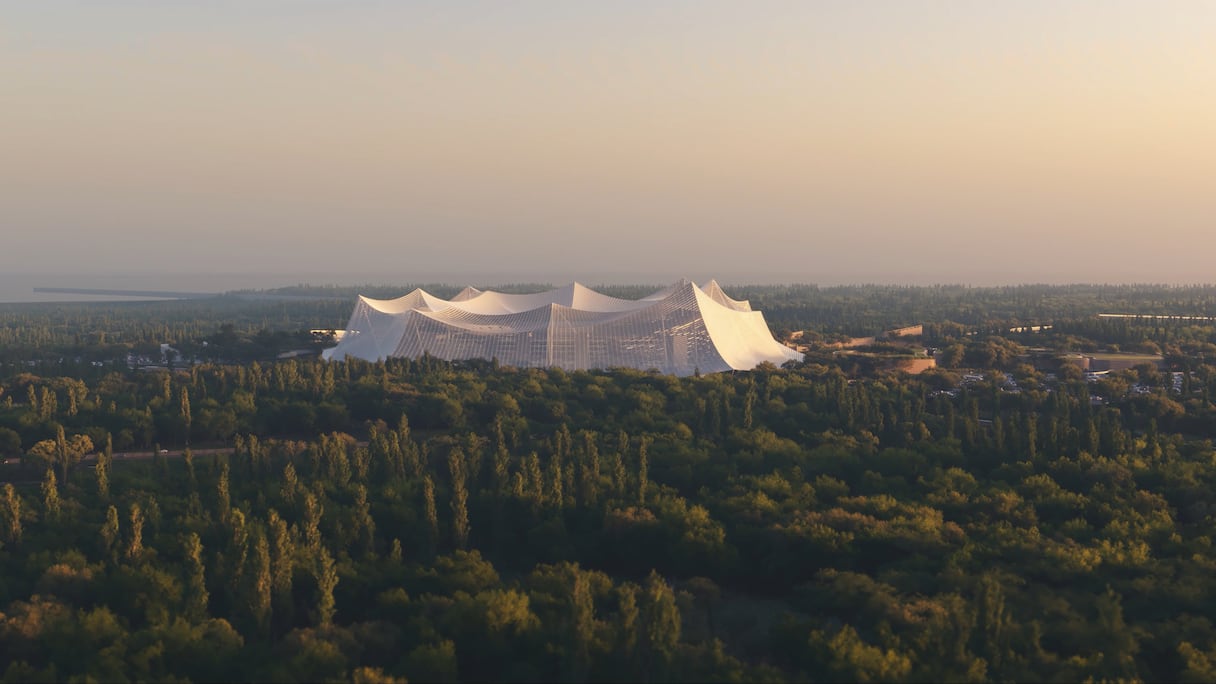
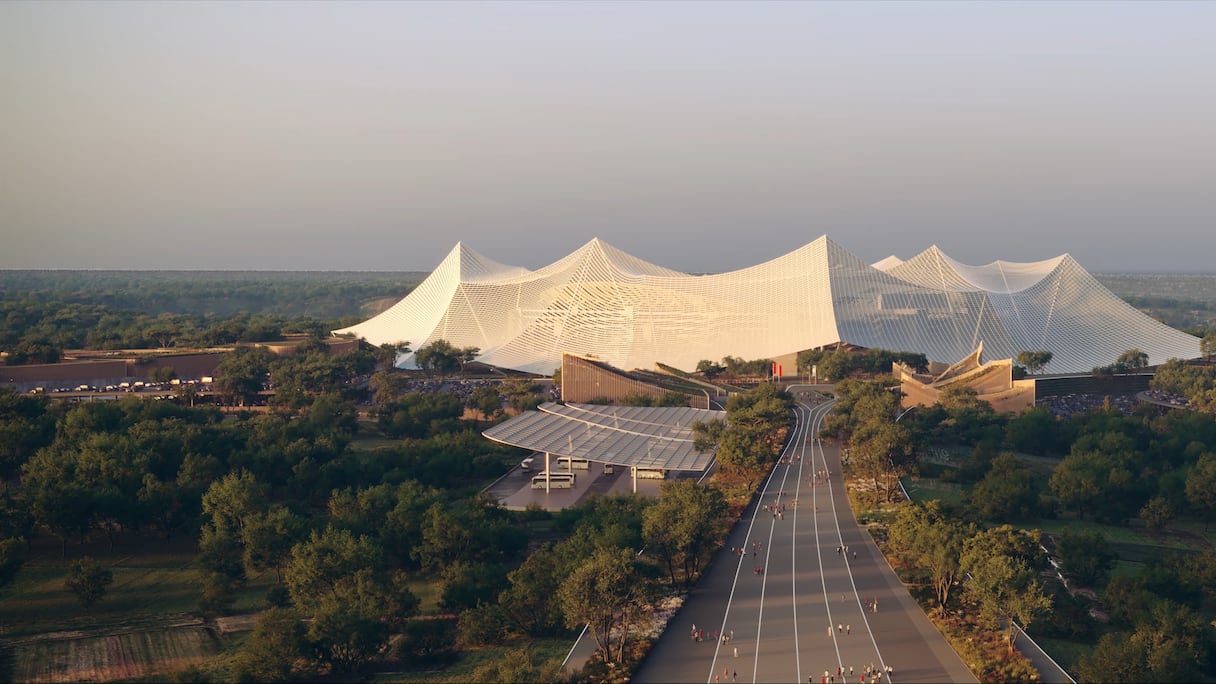
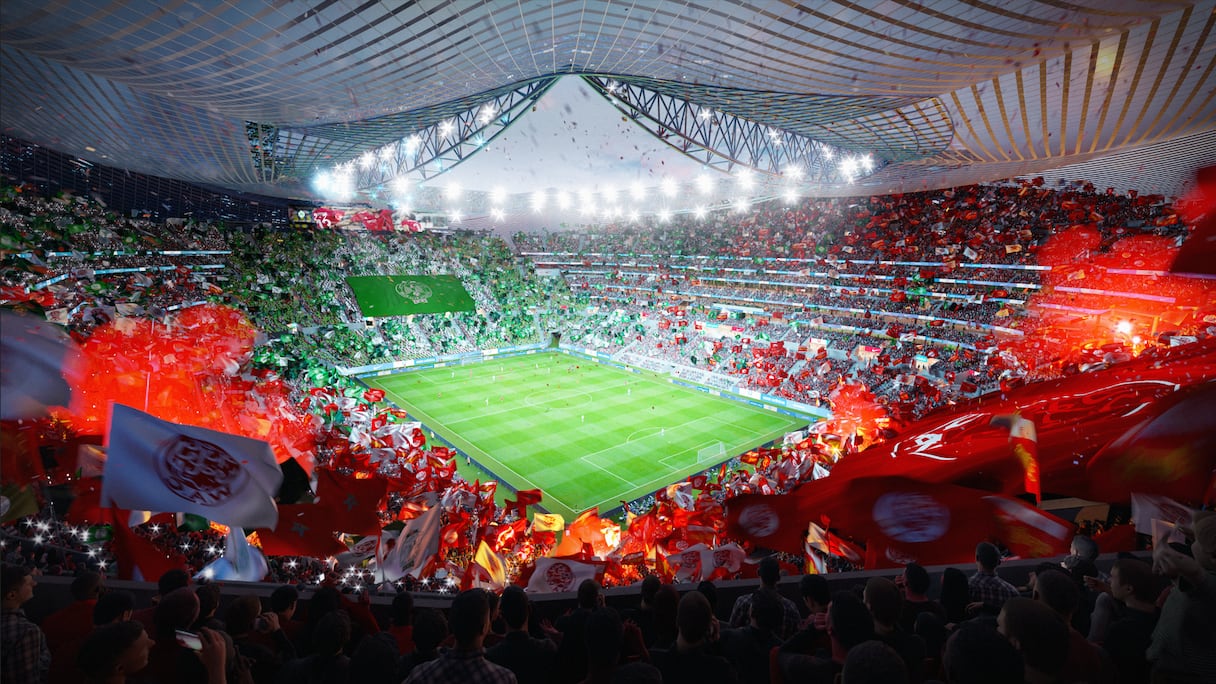
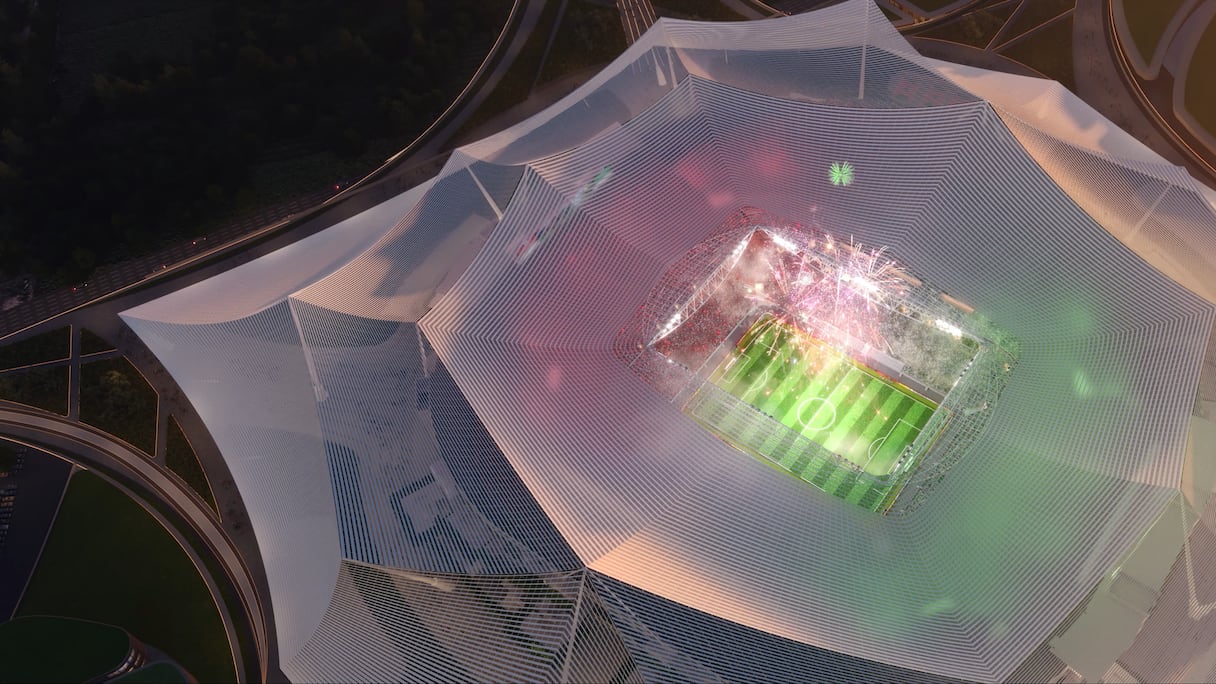

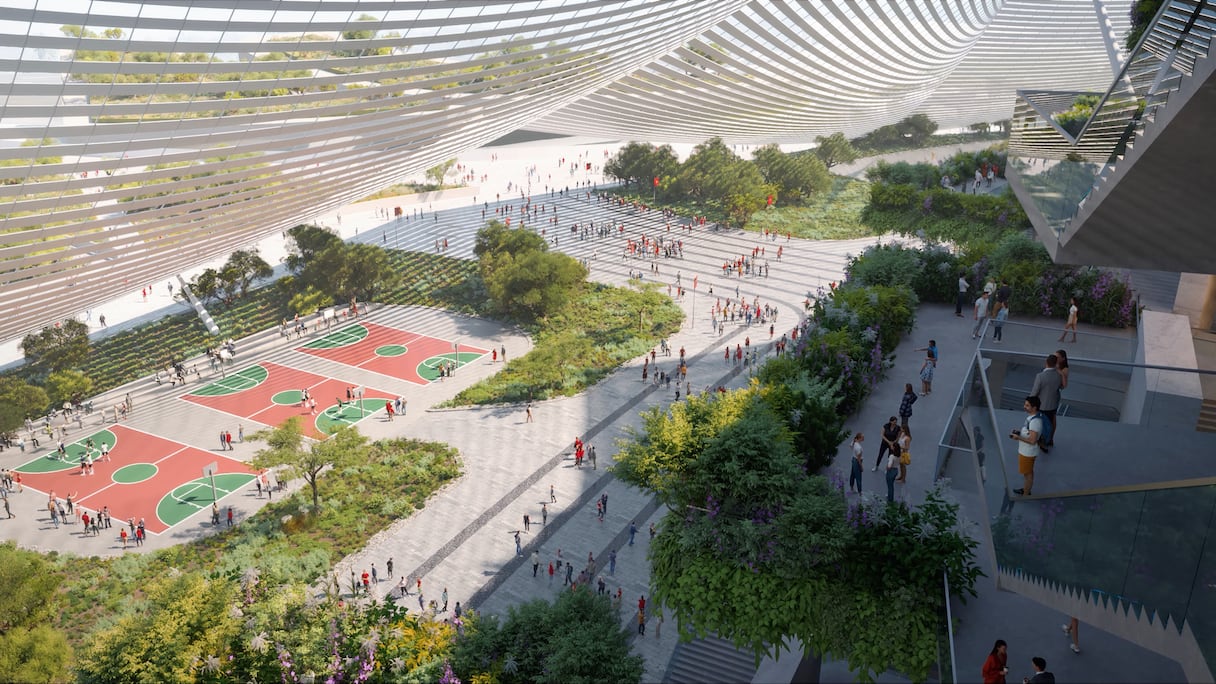
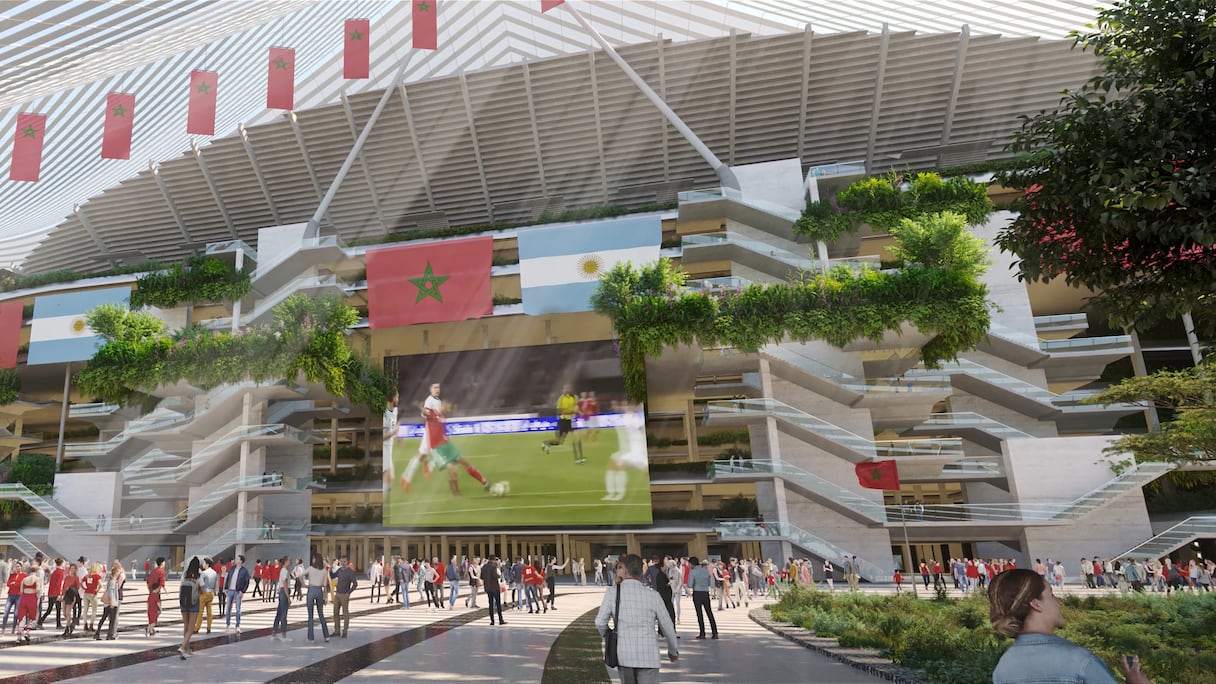
Model of the Grand Hassan II Stadium in Benslimane.
Cafu, whose full name is Marcos Evangelista de Morais, grew up in Jardim Irene, a working-class neighborhood in São Paulo. Before lifting the World Cup in 2002, he wrote the neighborhood’s name on his jersey in black marker. Early in his career, nine clubs turned him down before he reached the top. His own experience of overcoming setbacks helps him appreciate how far Morocco has come.
At the 2022 World Cup in Qatar, Morocco reached the semifinals for the first time in its history. Cafu was particularly impressed by the team’s development. “What impresses me most is the maturity of the Moroccans in the way they play today. They know their worth and understand that they can compete on equal terms with the world’s elite,” he said.
That progress also reflects years of investment in player development. The Mohammed VI Football Academy has helped develop talents such as Azzedine Ounahi, Youssef En-Nesyri and Nayef Aguerd. Morocco is now benefiting from that long-term work.
The bond between a national team and its supporters is familiar to Cafu from his own experience with Brazil. Moroccans and Brazilians share a deep passion for football and a strong sense of national pride when their teams take the field.
“Wearing the captain’s armband at a World Cup is a responsibility and an example to set. It is the honor and joy of representing an entire nation,” he said, mimicking the gesture of putting on a jersey. “The Moroccan people are proud of their colors. They are passionate and deeply believe in their good fortune to win a World Cup,” he added.
Morocco’s recent successes have also inspired its younger players. The national Under-20 team’s historic World Cup triumph in Chile, where it beat Argentina in the final, is a case in point.
“This is a magnificent generation that will bring great pride to the nation,” Cafu said. His words also carried a note of nostalgia for Brazil’s golden generation, which he described as a collective effort marked by “dedication, commitment and a complete absence of vanity.”
For Cafu, however, stadiums and technical ability are not enough on their own. As Morocco prepares to host football’s biggest tournament, he believes young players must also learn the values that help them succeed.
“I want this generation to seize the opportunity to achieve its own dreams. Football has that magical power,” he said, emphasizing the importance of humility, respect and education.
Discipline has also remained central to Cafu’s own life. He plans his trips carefully, packing his carry-on in advance and organizing his schedule down to the minute. He is now preparing to travel across the Atlantic with his wife, Mariah Morais, on the inaugural flight of Royal Air Maroc’s fifth weekly service between São Paulo and Casablanca.
“I am very honored to take part in this very special moment,” Cafu said before boarding. “I hope I will have more time this time to appreciate a culture I admire so much. It is wonderful to see our countries growing closer,” he added.
The São Paulo-Casablanca route has carried 52,500 passengers by the end of June, according to the figures provided. The service is part of Royal Air Maroc’s wider expansion plans, which aim to increase its fleet to 200 aircraft by 2037 as Morocco prepares for the 2030 World Cup. Interest from Brazil is also growing, with more than 30,000 Brazilian arrivals in Morocco during the first half of 2026.
After landing around midday, Cafu will travel from Casablanca to Rabat and then toward Marrakech as part of a tour promoting Morocco as a destination. The initiative is being organized by Royal Air Maroc and the Moroccan National Tourism Office under the slogan “Morocco, Land of Football.”
Cafu has always been warmly received in Morocco, and he says each visit leaves him impressed by the country’s progress.
“Every time I visit Morocco, I am impressed by its progress. It is a tremendous honor and a genuine pleasure. The Moroccan people have always welcomed me with open arms. Their culture makes that hospitality even more fascinating,” he said.
