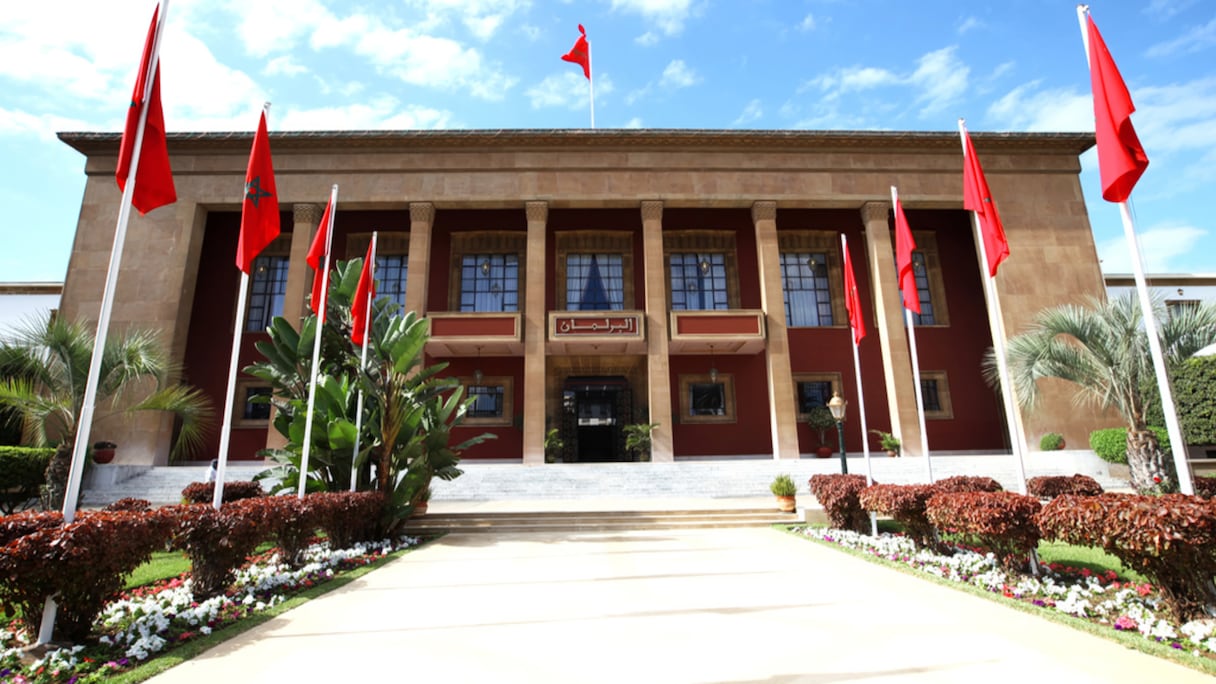
During the extraordinary joint session of both houses of Parliament on Monday, November 2, devoted to the latest developments in the national cause, representatives of several parliamentary groups strongly condemned Algeria’s direct responsibility for perpetuating the regional dispute over the Sahara.
Against the backdrop of Morocco’s major diplomatic advances and the non-renewal of MINURSO’s mandate following Russia’s veto of the 2026 draft resolution on the Sahara, speaker after speaker sought to expose the role of Algeria’s ruling establishment and called for an end to the human tragedy in the Tindouf camps.
Speaking on behalf of the Istiqlal Party, a member of the governing coalition, MP Rahhal Mekkaoui placed the Sahara dispute in its broader historical context, singling out the geopolitical forces that have kept the conflict alive and the exploitation suffered by refugees on Algerian soil. “For decades, our territorial sovereignty has had to contend with the ramifications and lingering consequences of the Cold War, sustained by forces opposed to any peaceful settlement. This situation has directly led to the suffering, exploitation and deprivation endured by those held captive in the Tindouf camps, as numerous international reports have repeatedly documented,” he stressed.
Read also : Sahara: Algeria laments MINURSO’s end after helping bring it about
Mekkaoui firmly reiterated the Kingdom’s unwavering position on its territorial integrity. “Morocco does not negotiate over its Sahara, and the Moroccan identity of our southern provinces has never been open to debate or compromise. The only conceivable discussions are those leading to the implementation of the autonomy plan under Moroccan sovereignty, which is the only credible UN framework for guaranteeing regional peace and stability,” the lawmaker insisted.
Driss El Azami El Idrissi, leader of the Justice and Development Party (PJD) parliamentary group, the main opposition party, addressed Algiers’ responsibility through its rejection of King Mohammed VI’s policy of extending a hand of friendship, while stressing the need to help the populations held in Algeria. “Since ascending the Throne, His Majesty the King has consistently extended a hand of friendship to our neighbors in Algeria, seeking to build a shared Maghreb future founded on unity and brotherhood. It is time to move beyond this artificial dispute and put a definitive end to the suffering of our brothers and sisters held in Tindouf by enabling them to return to their homeland in dignity,” he urged.
Read also : Moroccan Sahara: Nasser Bourita explains what the end of MINURSO’s mandate means
He argued that the latest developments at the United Nations had closed the door on further attempts to obstruct a settlement. “The current momentum affirms the Kingdom’s historical legitimacy and dashes the hopes of those who wanted to keep the region in a state of permanent instability. The Moroccan people remain united behind their Sovereign in defending their legitimate rights and consolidating their sovereignty,” El Azami El Idrissi stressed.
Mohamed Ouzzine, secretary-general of the Popular Movement (MP), was equally forthright in addressing Algeria’s leaders. He argued that attempts to obstruct the UN process and the autonomy plan were, in reality, intended to artificially prolong a dispute inherited from another era.
“This artificial conflict and manufactured dispute are the work of our neighbors, who have sought to drive a wedge between two brotherly peoples and thwart the legitimate aspirations of the Kingdom of Morocco. The Security Council vote and the growing consensus around the autonomy plan lay bare the interests and maneuvers of the Algerian military regime, which remains wedded to an outdated ideology at odds with the international community’s desire for peace,” Ouzzine declared. He went on to stress that Morocco’s resilience and patience had paid off in the face of its adversaries’ intransigence. “The excessive ambitions of Morocco’s enemies have collided with diplomatic reality. Our patience has its limits, and a new generation of political leaders is embracing a profound change of approach, marking a clear break with the Cold War era and the slogans exploited by our neighbors.”
Read also : Sahara: Algerian media celebrate Russia’s veto, leaving out the fact that it brought down MINURSO
Speaking on behalf of the National Rally of Independents (RNI) parliamentary group, MP Mohamed Salem Bahia recalled how the opposing parties’ intransigence and geopolitical calculations had ultimately failed in the face of Morocco’s national consensus and overwhelming international support. “The latest developments at the Security Council and the steadily widening support for Morocco’s autonomy initiative mark the end of the approach of temporarily managing the conflict and open the way to its definitive resolution. Those who have sought to perpetuate division must understand that the bond between the Throne and the people is unshakeable and that Morocco is in its Sahara just as the Sahara is in its Morocco.”
Mohamed Salem Bahia also stressed the full integration of local populations and the failure of the feudalistic or separatist rhetoric backed by Algeria. “The high electoral turnout in the southern provinces demonstrates the full commitment of Sahrawi citizens to the Kingdom’s democratic institutions and development, sweeping aside the misleading narratives spread beyond our borders.”
Taken together, the speeches delivered during the joint session highlighted several common themes. The first was the explicit identification of Algeria as the principal party to and sponsor of the artificial conflict, both through its political handling of the dispute and its control over the Polisario. The second was the condemnation of Cold War thinking, reflected in ideological obstruction and the use of refugee populations as instruments of geopolitical blackmail. The third was the call for the release and return of those held captive in Tindouf, whose humanitarian plight was deemed unacceptable by representatives across Morocco’s political spectrum.
