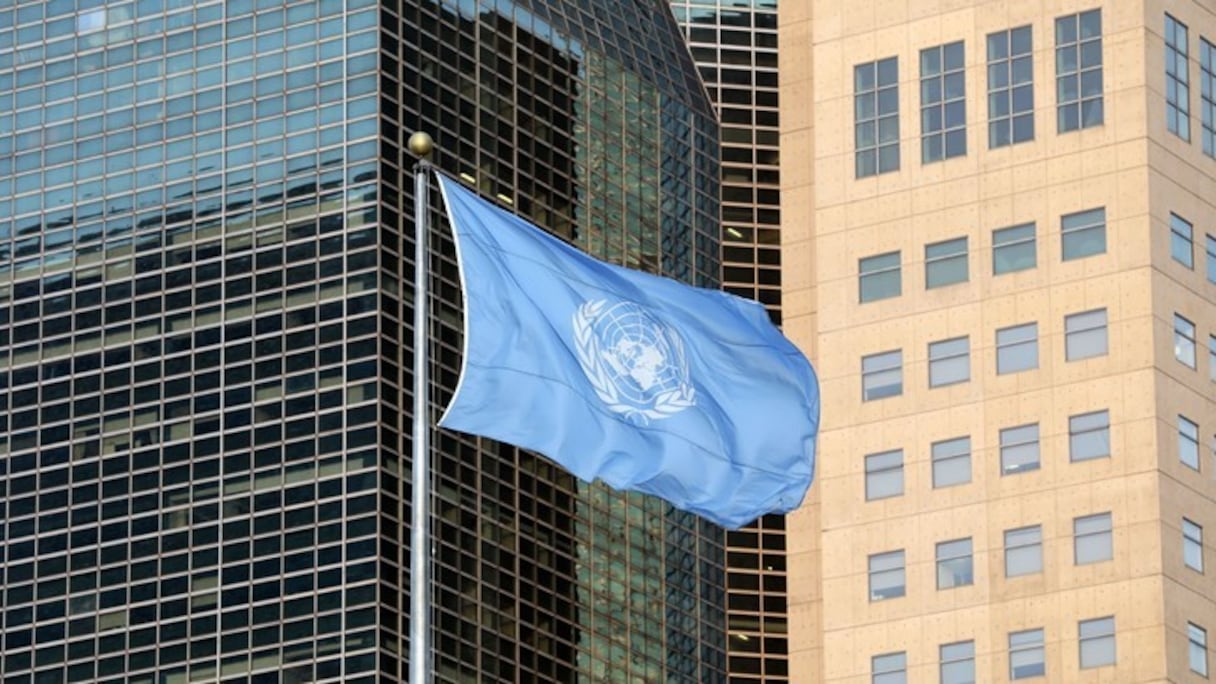
The UN Security Council is scheduled to vote on the Sahara dispute on Friday, October 30, according to its official program of work. The vote will involve all 15 members: the five permanent, veto-wielding powers—the United States, France, the United Kingdom, Russia and China—and ten elected members serving two-year terms. Denmark, Greece, Pakistan, Panama and Somalia hold seats for 2025–2026, while Bahrain, Colombia, Latvia, Liberia and the Democratic Republic of the Congo serve for 2026–2027.
Under Article 27 of the UN Charter, the voting rules depend on whether a matter is procedural or substantive. Procedural decisions need at least nine votes out of 15 and cannot be vetoed by a permanent member. They cover matters such as approving the agenda or calling a Council meeting.
Read also : Sahara: What has changed in the UN Security Council draft—and what has not
The Sahara resolution falls into the second category, where the rules are tougher. It must secure at least nine votes and avoid a veto from any of the five permanent members, collectively known as the P5. A single vote against by one of those countries would defeat the resolution, even if it otherwise commanded a majority. An abstention, however, does not count as a veto, meaning the resolution can still pass with nine votes in favor.
The vote comes amid a major diplomatic shift, with the Security Council poised to give legal and political weight to the Moroccan character of the Sahara. Drawing on talks facilitated by the United States and the UN Secretary-General’s Personal Envoy, the draft would set aside referendum proposals that have long since lost relevance and put negotiations on a course towards a political settlement under Moroccan sovereignty.
The central provision would make Morocco’s autonomy proposal the sole basis for negotiations. Rather than simply calling the plan serious and credible, as it has in the past, the Council would now identify it as the only realistic route to a lasting settlement. The approach has won backing from a growing number of UN member states, while US efforts to resolve the dispute have drawn praise. By endorsing genuine autonomy under Moroccan sovereignty, the Council would make that framework the foundation of future talks and call on all parties to abide by it.
Read also : Sahara: UN draft resolution spells the end for Polisario, clears the way for Sahrawi Movement for Peace
The draft would also bring the referendum process to a formal close by changing the name of the UN mission. MINURSO’s mandate would be extended before the mission is reconstituted as MINUSO—the United Nations Mission in Western Sahara—dropping the reference to a referendum to reflect the situation on the ground. The text would also challenge the Polisario’s claim to be the sole representative of the Sahrawi people by requiring consultations with a wider range of Sahrawi figures.
The resolution would also require the UN refugee agency, UNHCR, to carry out a census of people held in the Tindouf camps within six months, without interference. By putting Morocco’s autonomy plan at the center of negotiations, recasting the UN mission, broadening Sahrawi representation and requiring a census in Tindouf, the Security Council would effectively establish Moroccan sovereignty as the only political route to a final settlement of the regional dispute.
