The Grand Stade Hassan II has yet to open its doors, but it is already drawing attention beyond Morocco’s borders. This time, French daily Ouest-France has turned its attention to the monumental stadium planned for Benslimane, near Casablanca, which could host the 2030 FIFA World Cup final.
The headline chosen by the newspaper sets the tone: “With its 115,000 seats, this gigantic Moroccan stadium could steal the 2030 World Cup final from Spain.” The wording reflects the view that the project gives Morocco a serious advantage in the race to host the tournament’s most coveted match.
For Ouest-France, the Moroccan project is impressive first and foremost because of its sheer scale. With a planned capacity of 115,000 spectators, the Grand Stade Hassan II is set to become the world’s largest football stadium. Beyond the figures, however, the newspaper also draws attention to its architecture.
Inspired by traditional Moroccan tents, the stadium’s vast roof is expected to give it a distinctive identity, combining a modern design with strong ties to the country’s cultural heritage. “It is a project that is already dizzying in scale,” the newspaper writes, emphasizing the spectacular nature of the future facility.
The French daily also points out that Morocco’s plans go well beyond building a stadium. A large sports complex is planned around the venue, including an athletics stadium, an Olympic swimming pool, indoor sports facilities, a hotel and commercial spaces. The aim is to turn Benslimane into a major sports and events hub capable of remaining active well beyond 2030.
Read also : 2030 World Cup: Spanish journalist backs Casablanca to host the final
A serious rival to Spain’s stadiums
In its analysis, Ouest-France also highlights the project’s strategic location between Casablanca and Rabat, which offers considerable scope for development. Road and rail infrastructure is also planned to support the construction of the vast complex and improve access from neighboring major cities.
The newspaper also refers to the construction schedule, with delivery expected in December 2027. This would leave sufficient time for testing and final adjustments before the 2030 tournament.
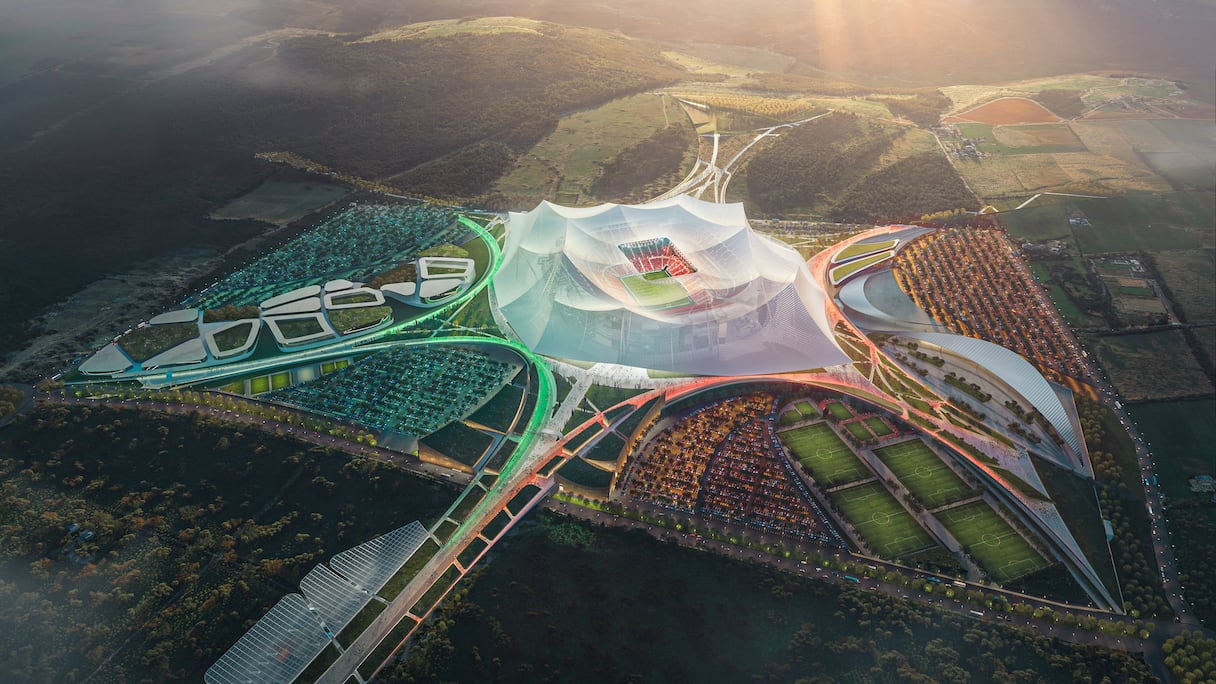
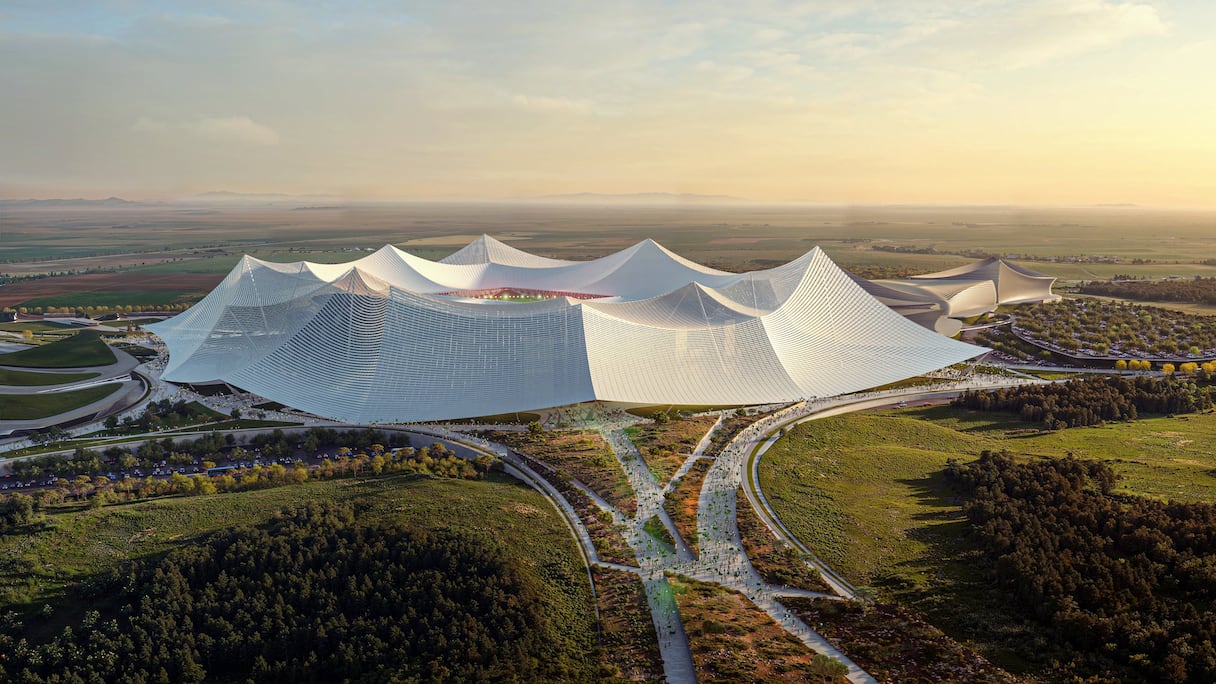
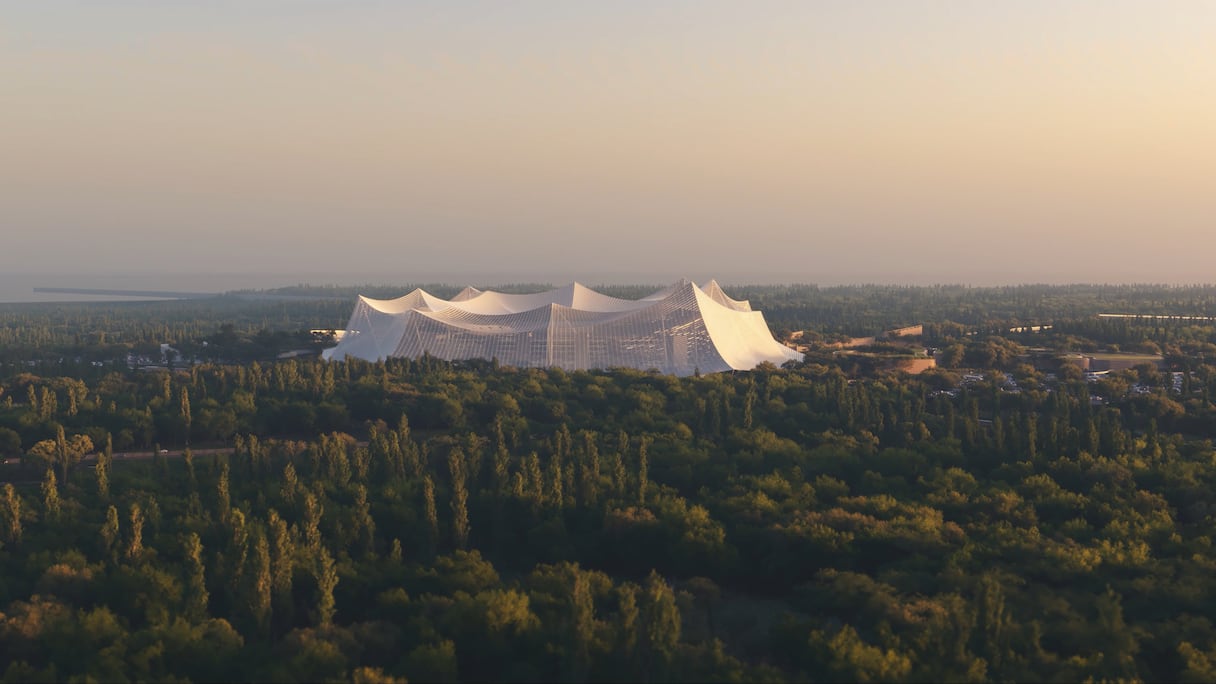
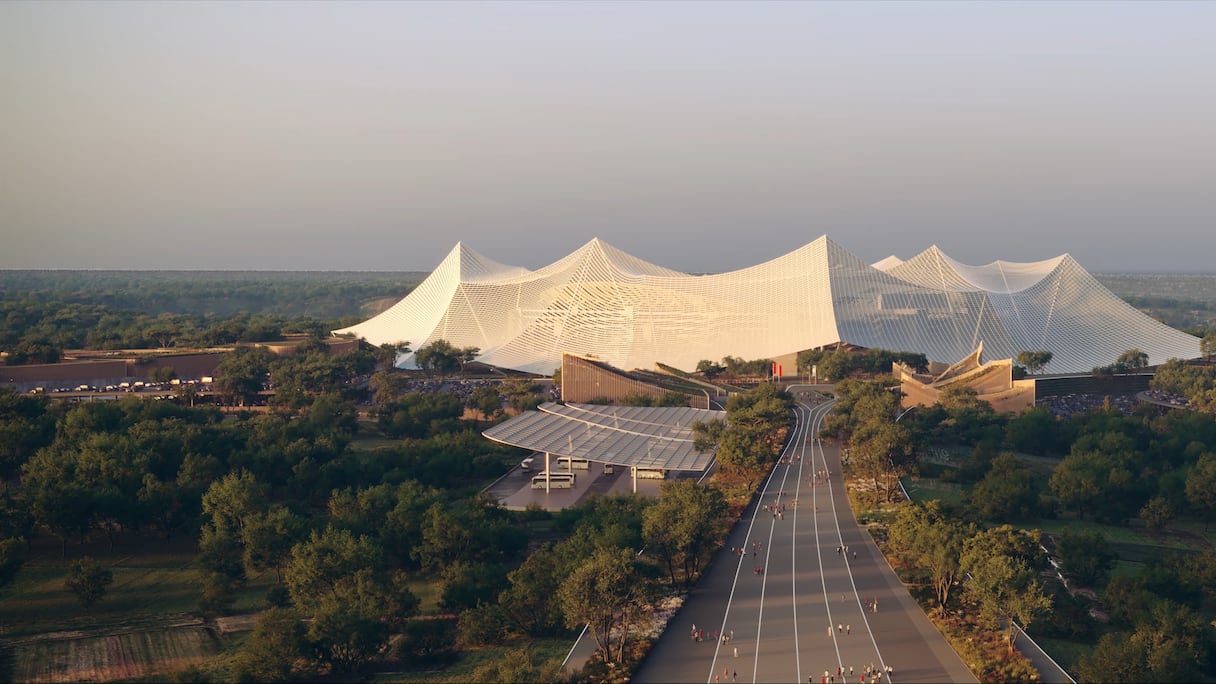
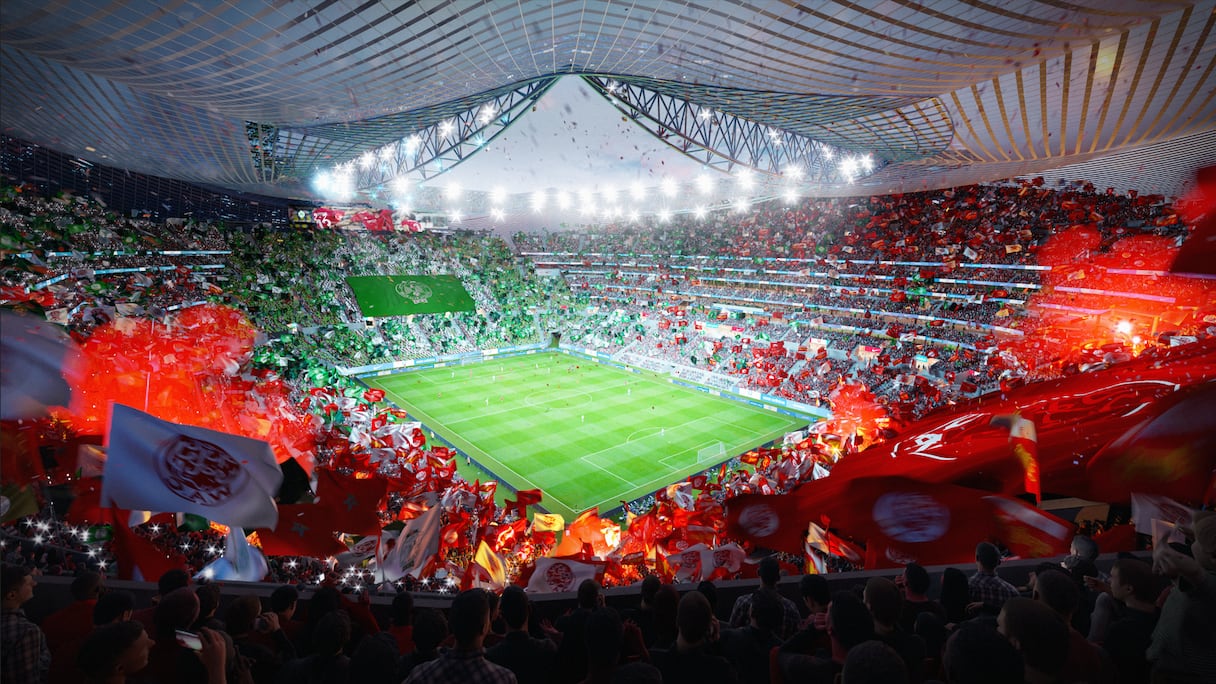
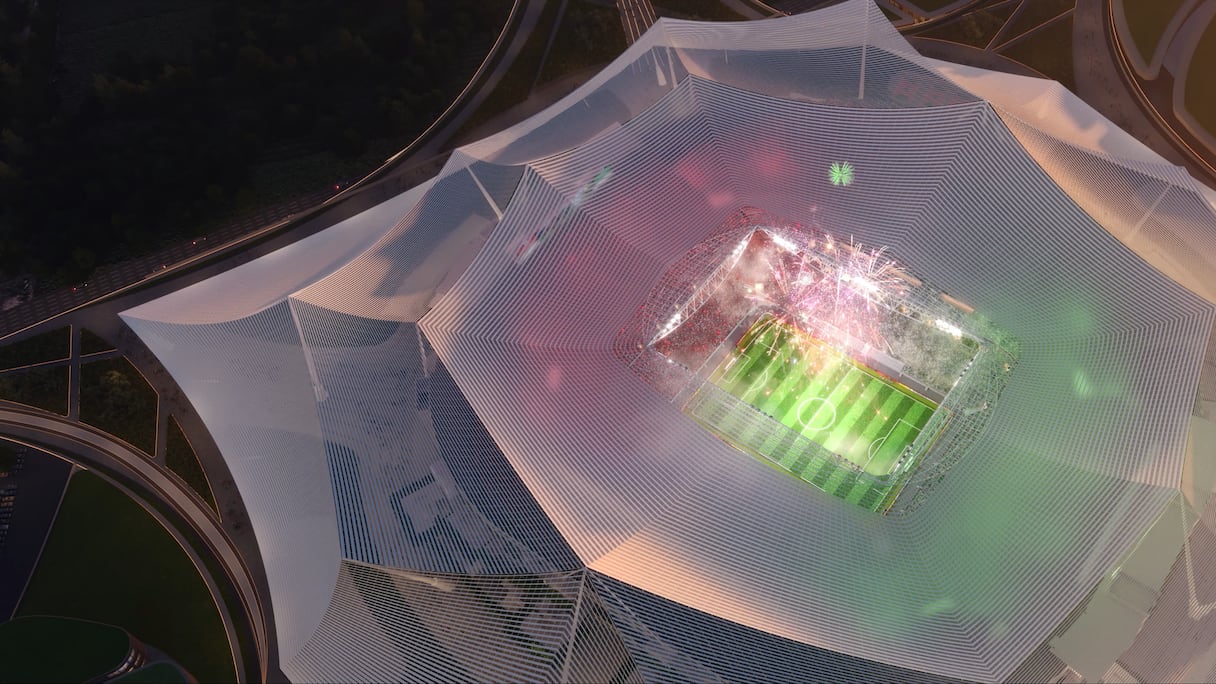


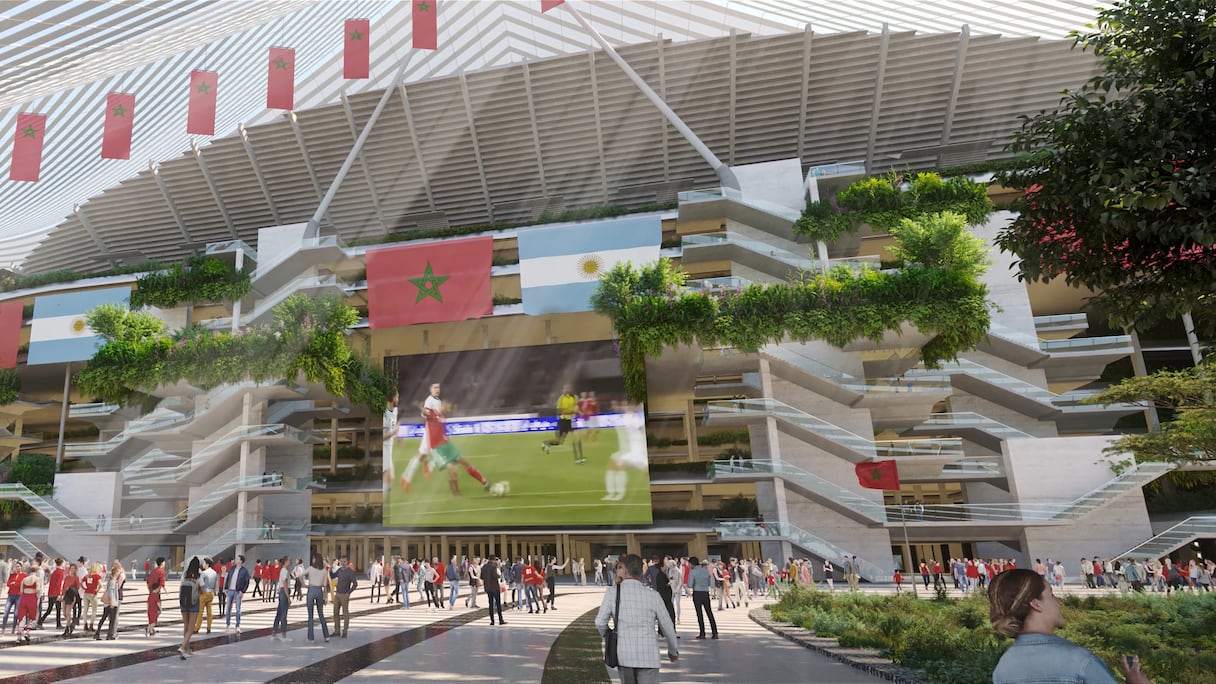
Model of the Grand Hassan II Stadium in Benslimane.
The key question, particularly for Spanish football officials, remains where the final will be played. On this point, Ouest-France believes the Grand Stade Hassan II has strong arguments to compete with Spanish venues. Its exceptional capacity, distinctive architecture and Morocco’s stated ambitions make it a serious contender.
The newspaper is careful, however, to point out that the final decision rests exclusively with FIFA. Neither statements by Spanish officials nor Morocco’s ambitions will, on their own, determine which country hosts the final.
Read also : World Cup 2030: Louzán admits Spain is behind schedule but insists FIFA must award it the final
The article comes as calls grow across the Strait of Gibraltar for the showpiece match to be held in Spain. Rafael Louzán, president of the Royal Spanish Football Federation, has even gone so far as to describe the country’s demand to host the final as “non-negotiable.”
But, as Ouest-France makes clear, Morocco’s challenge is far from insignificant. The Grand Stade Hassan II is emerging as a credible contender capable of disrupting the ambitions of Madrid and Barcelona.
While some Spanish officials appear to regard hosting the final as a foregone conclusion, the French newspaper offers a reminder that Morocco must first be taken into account. Ultimately, the decision will rest with FIFA.
