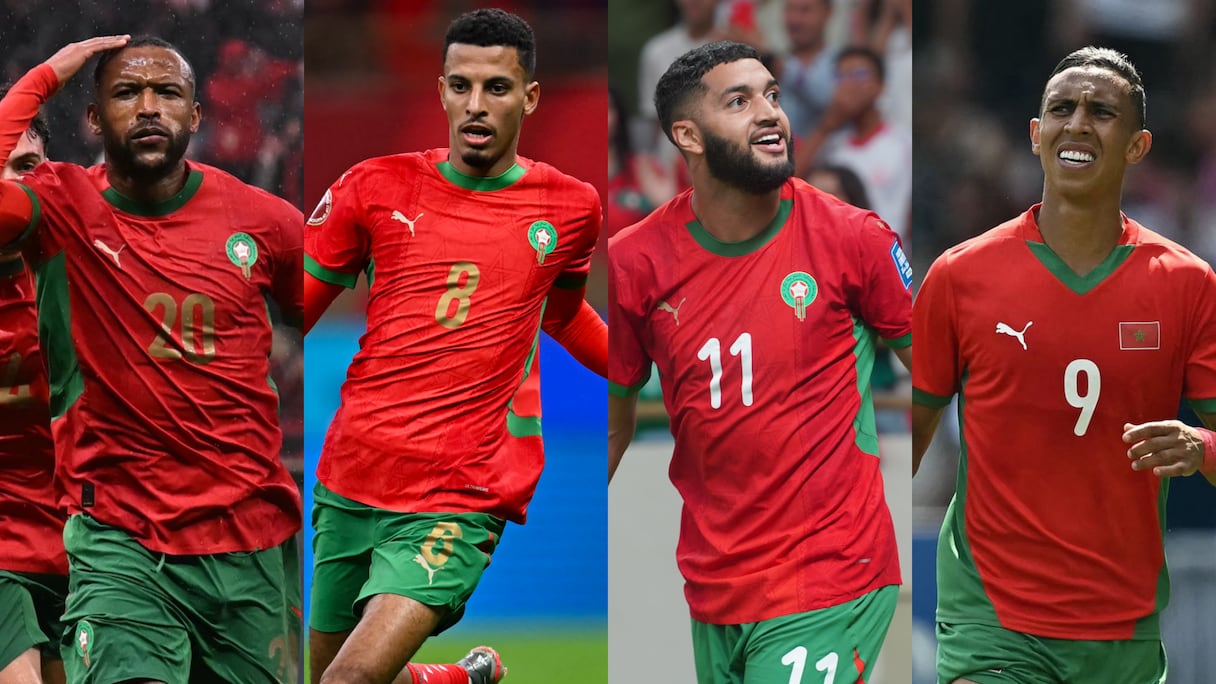
Ayoub El Kaabi, Azzedine Ounahi, Ismaël Saibari and Soufiane Rahimi: Morocco’s attacking options have taken a major hit. All four players are injured and will miss the third and fourth matchdays of the 2027 Africa Cup of Nations Pamoja qualifiers, with some facing several months on the sidelines.
The recurring injuries among Morocco’s national team players inevitably raise questions. Since the 2025 Africa Cup of Nations, national team camps have regularly been affected by absences. The team has sometimes returned from major competitions with players carrying injuries. This was the case after the continental tournament and again following the 2026 World Cup. Although Morocco’s quarterfinalists were less physically affected than they had been at the Africa Cup of Nations, several players still returned injured. This may be understandable after a World Cup played at the end of a long club season.
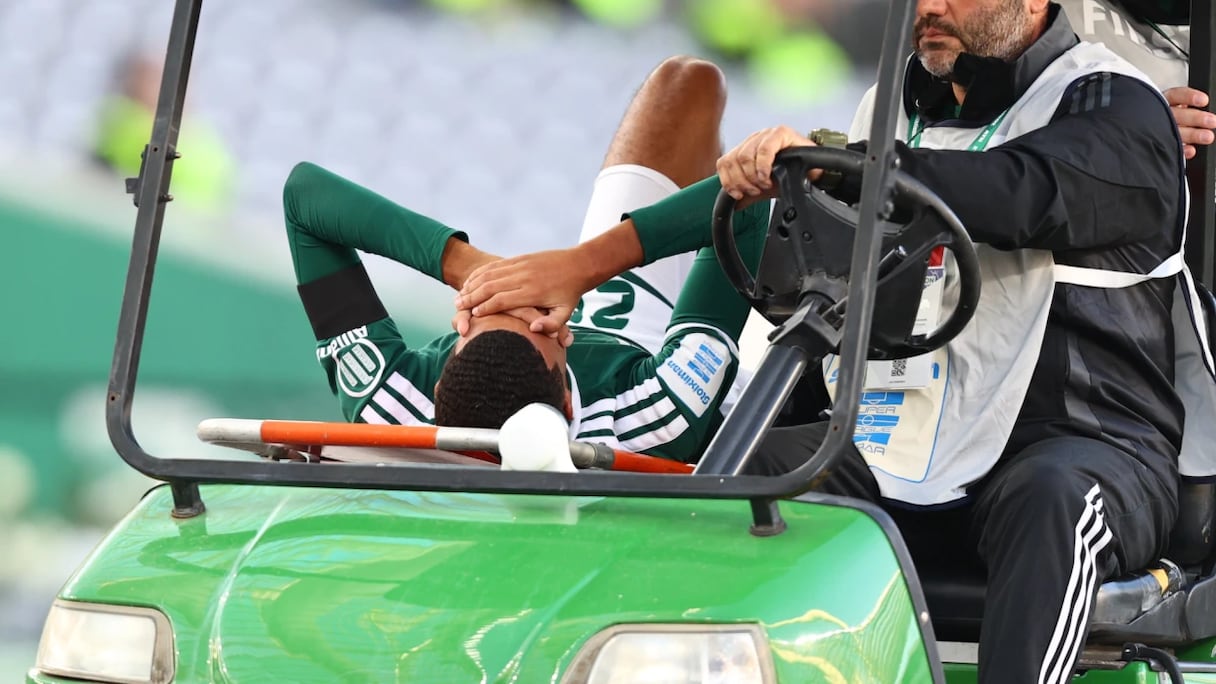
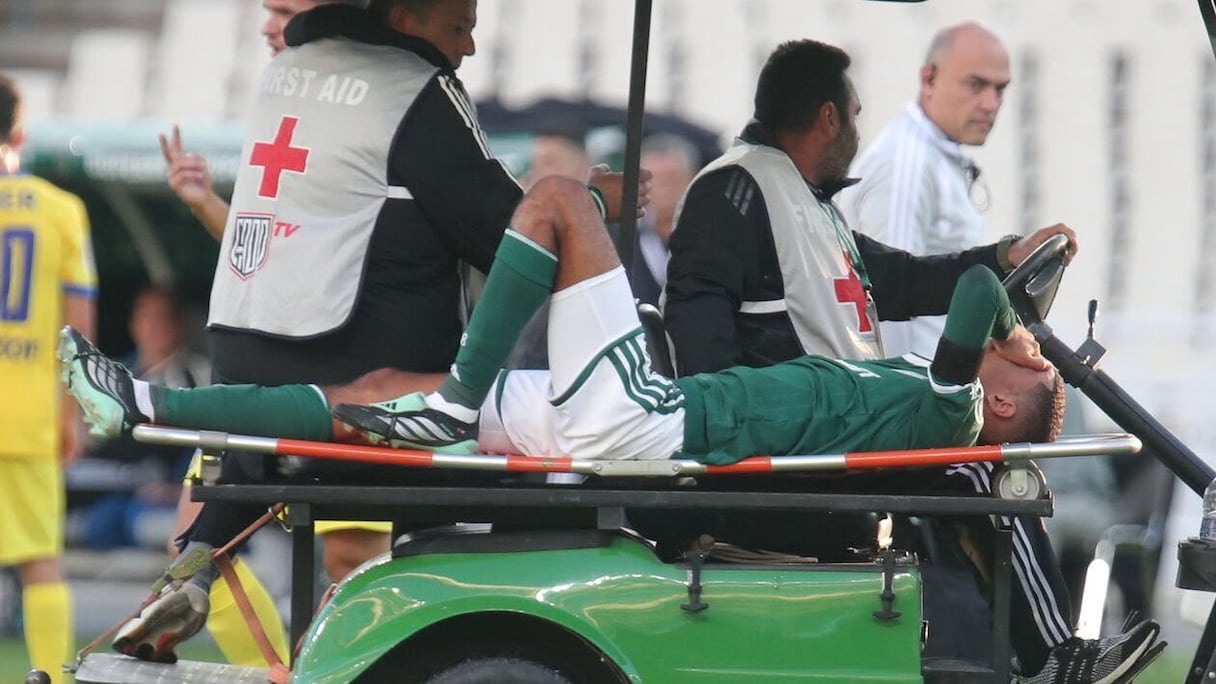
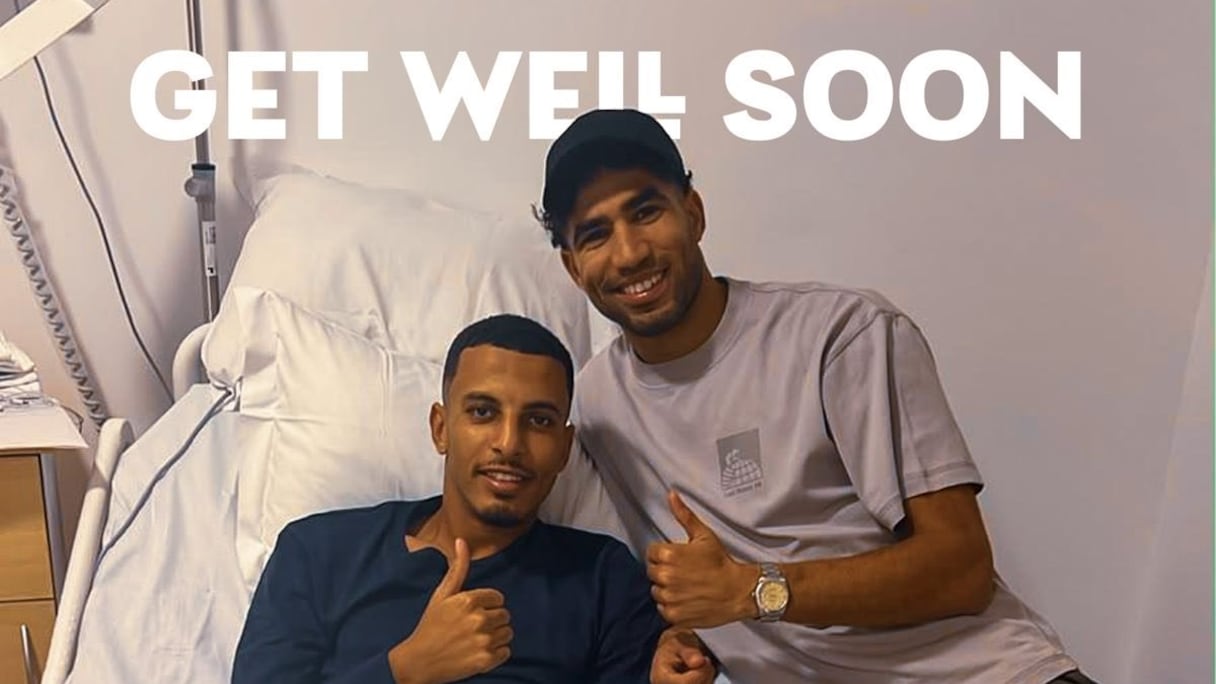
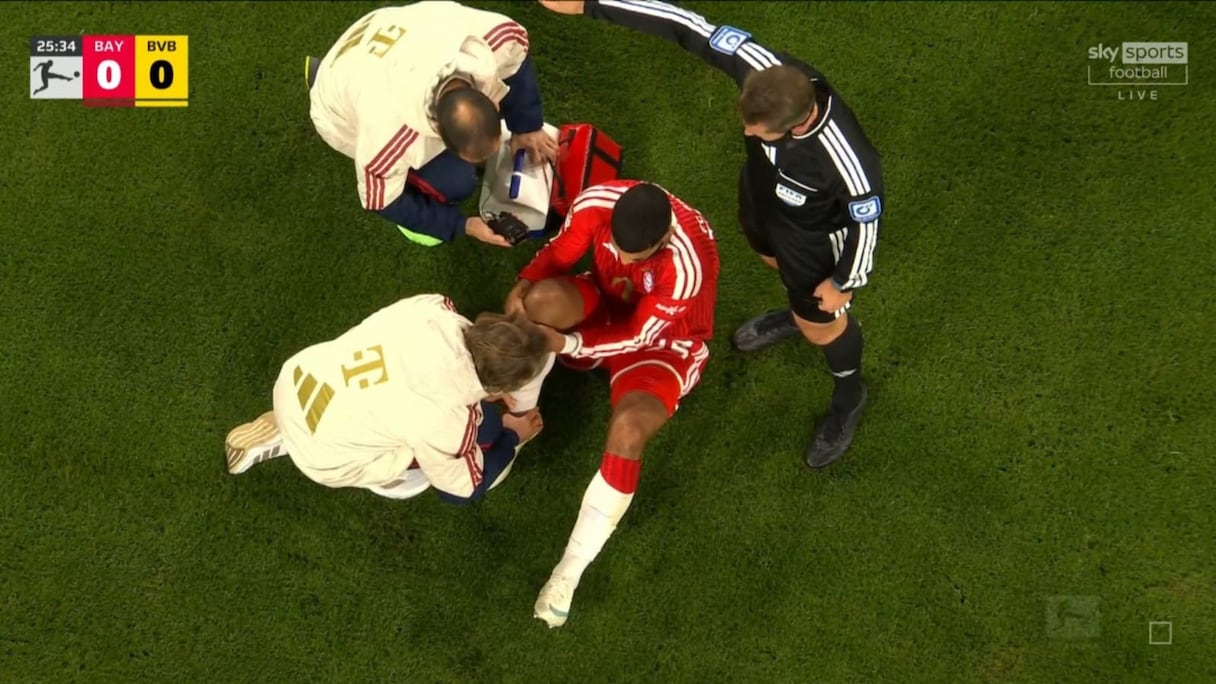
Azzedine Ounahi. DR
Physical trainer Youssef Dahbi explains that there is no “single cause” behind the recurring injuries affecting the national team. He points in particular to the start of the season, which followed shortly after the 2026 World Cup: “These players came out of a World Cup last summer, with a shortened break.” Some of Morocco’s players compete in the top European leagues, “with very demanding schedules and a lot of travel. The cumulative workload is real.”
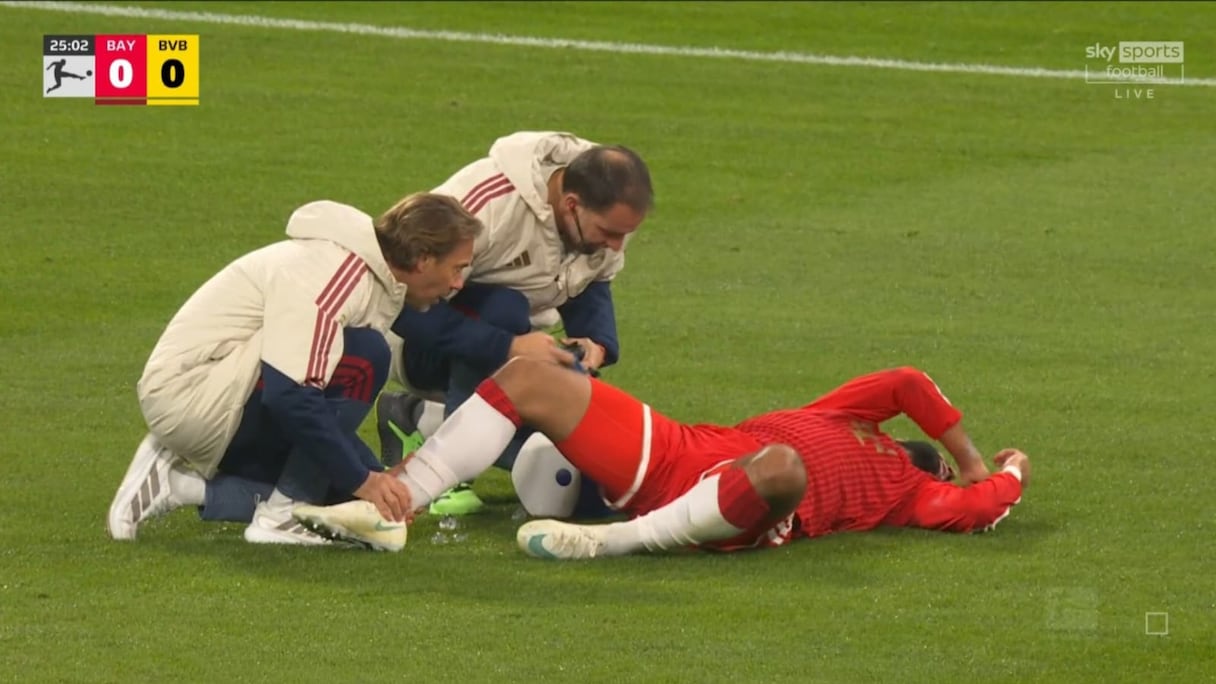
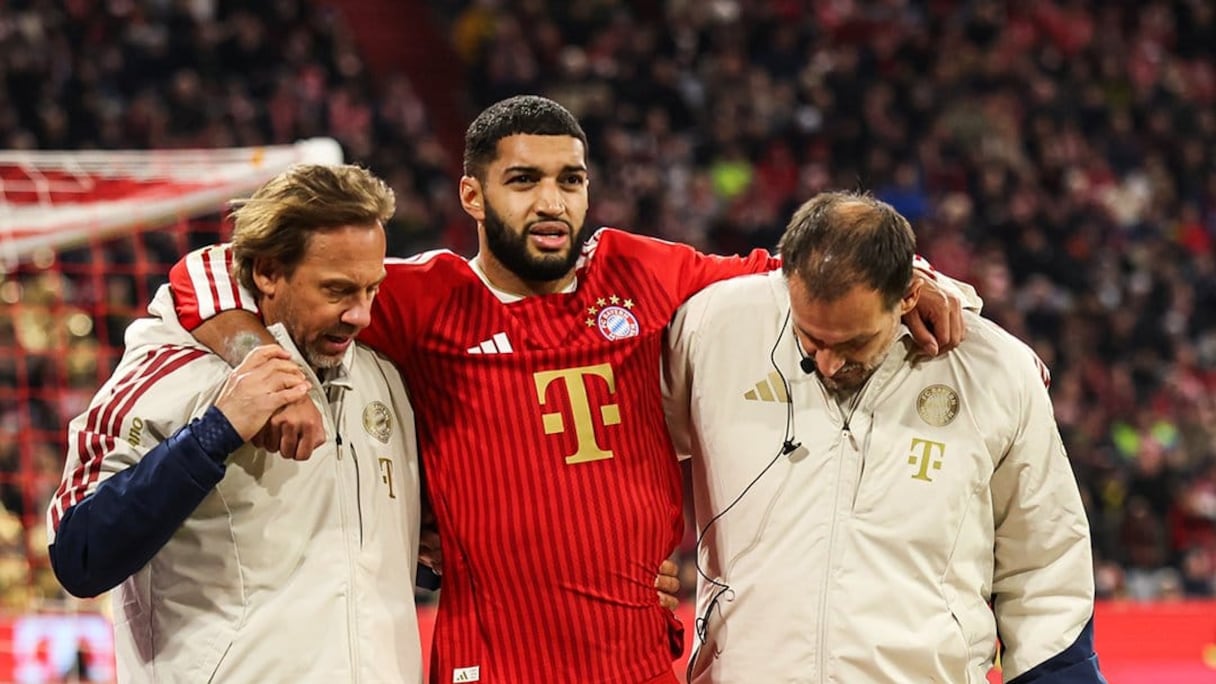
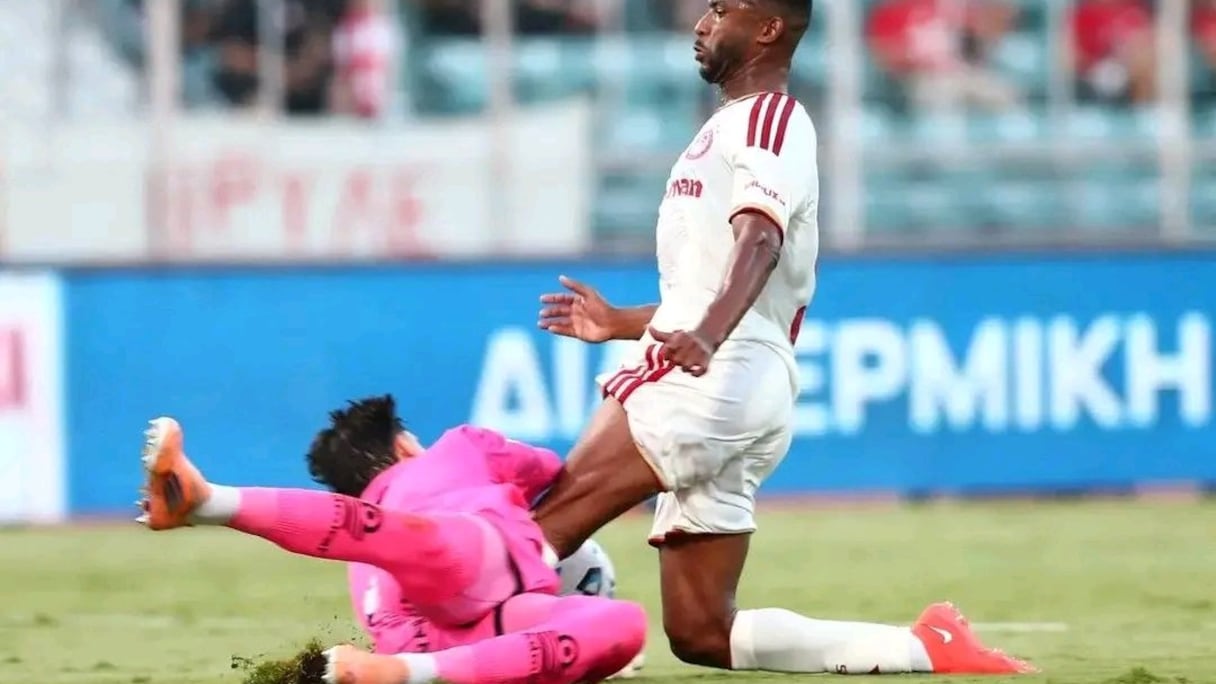
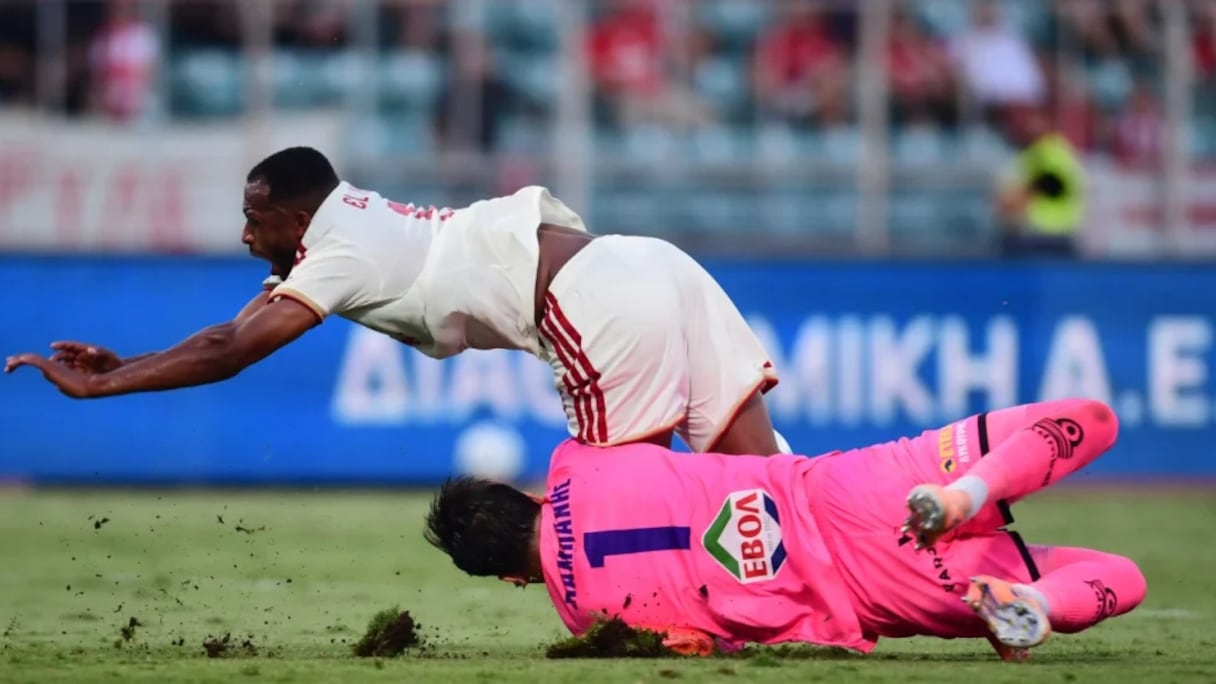
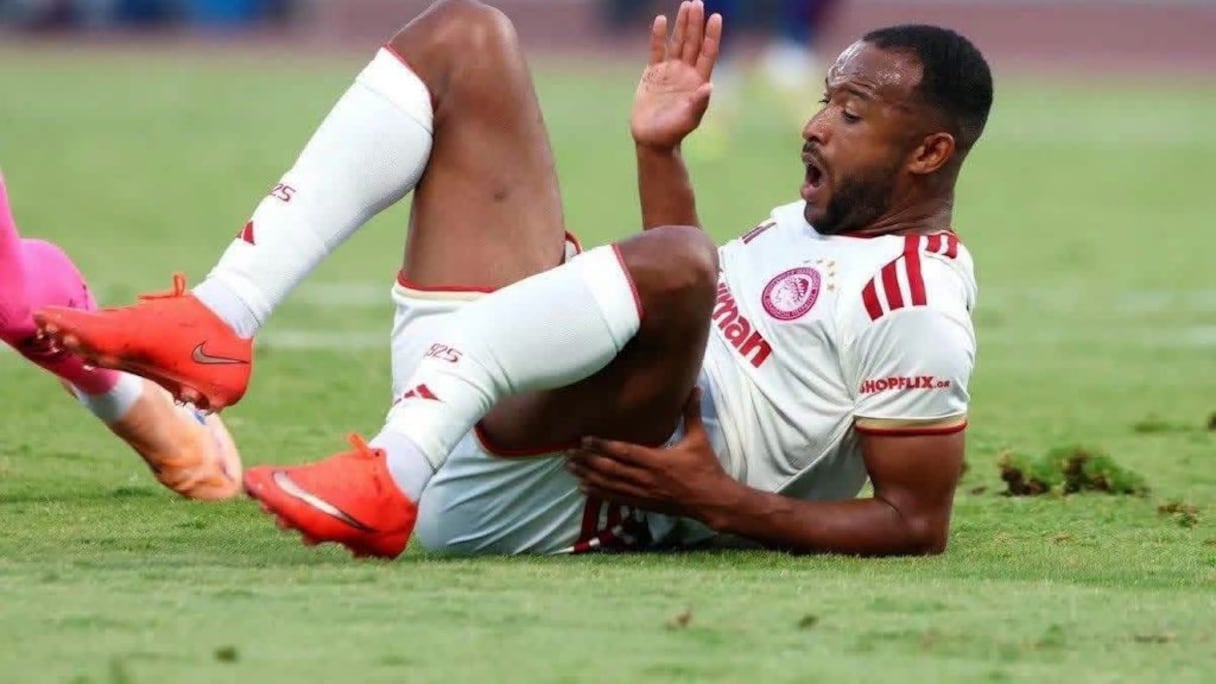
Dahbi nevertheless distinguishes between these cases and “purely traumatic” injuries, such as those suffered by Ismaël Saibari and Ayoub El Kaabi, who were involved in heavy collisions with opposing goalkeepers. The physical trainer stresses, however, that despite cases that can be difficult to explain, “the real challenge for the future is even closer coordination between the federation and the clubs in monitoring players individually.”
Regarding the injuries suffered by Azzedine Ounahi, Ismaël Saibari, Ayoub El Kaabi and Soufiane Rahimi, Dahbi examines the circumstances of each case and the various factors that may help explain them. He points out, however, that his assessment is based on his experience and general knowledge of physical preparation, as he does not have access to the players’ individual medical records at their clubs.
Read also : Mohamed Ouahbi names Morocco squad for Niger doubleheader, with surprises and returning players
Ounahi: A recurring injury history raises questions
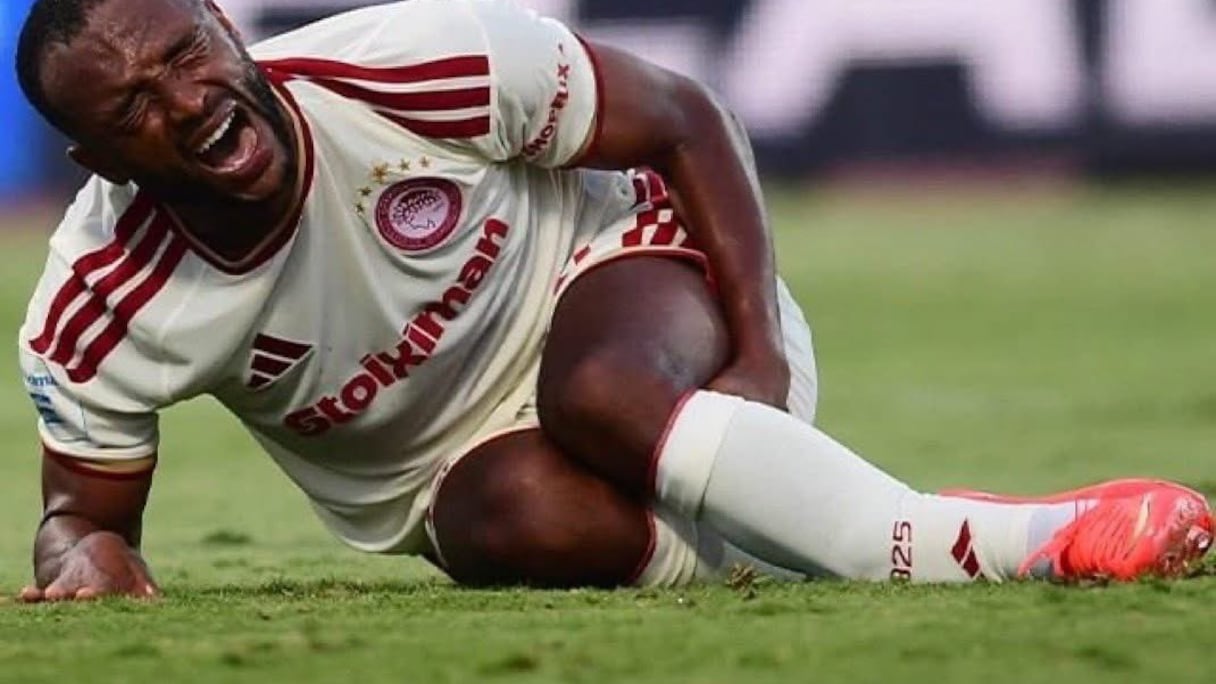
Azzedine Ounahi has hardly been spared from injuries throughout his career. The Panathinaikos player has frequently spent time on the sidelines and recently suffered a complete rupture of the right biceps femoris tendon, requiring surgery and ruling him out for around three months.
Although he is expected to recover before the 2027 Africa Cup of Nations, his case raises questions given how often physical problems have interrupted his career. Looking at his injury history, Dahbi explains: “When you see calf, adductor and then hamstring injuries within a few months, it is difficult to put it down to bad luck alone.” He also issues a warning: “In performance, we know that the biggest risk factor for an injury is a previous injury.”
Returning to competition too quickly or incomplete healing can lead to compensatory movements and increase the risk of another injury. “The body protects one area, and another area of the posterior chain ends up carrying too much load,” the physical trainer explains.
Given his injury history, Ounahi also has a physical profile that requires particular attention. “He has a slender build, with relatively light musculature for such an explosive player. He makes a lot of changes in pace and direction. This type of profile is naturally more exposed to muscle injuries. It requires very specific strengthening work, and above all, consistency,” Dahbi points out.
This strengthening work also extends beyond training sessions. Professional players must pay attention to every aspect of their careers, including nutrition, sleep and a lifestyle designed to support recovery and, above all, on-field performance. “Lifestyle plays a huge role. For a player with this profile, the margin for error is even smaller. Every detail away from the pitch affects the tissues’ ability to withstand the workload.”
Given his history and playing profile, Ounahi will therefore need to take particular care when returning to competition. His latest injury requires special attention: “An injury to the biceps femoris tendon is more serious than a simple muscle tear. Recovery takes longer and the risk of recurrence is higher if the return is not managed perfectly.”
When it comes to physical preparation, however, Dahbi prefers not to point fingers at anyone: “The real question is individualization and continuity between the club, the national team, travel and peaks in playing time.”
Read also : 2027 AFCON qualifiers: Key takeaways from Ouahbi’s press conference
El Kaabi and Saibari: Injuries caused by heavy collisions
Among Morocco’s injured attacking players, Ayoub El Kaabi, who suffered a tibia fracture during a league match in early September, and Ismaël Saibari, who injured the syndesmotic ligament in his right ankle while playing for his club in early November, have cases with some similarities. Both players were involved in heavy collisions with opposing goalkeepers.
The way players use their bodies in duels is crucial. They work specifically on aspects that could put them at a disadvantage. “The way you engage your body in a duel matters: your footing, balance, anticipation and how you protect yourself or fall. These factors can reduce the severity of an impact, and they can be trained, notably through neuromuscular exercises and contact preparation,” the physical trainer explains.
He nevertheless points out that some risks remain difficult to control, particularly when facing a goalkeeper charging out at full speed.
Rahimi: The impact of physical and psychological factors
Although injuries are physical, their causes can also be linked to psychological factors. Youssef Dahbi stresses that a player’s mental state must also be taken into account. Someone going through a difficult period may have a harder time recovering and face additional injury risks.
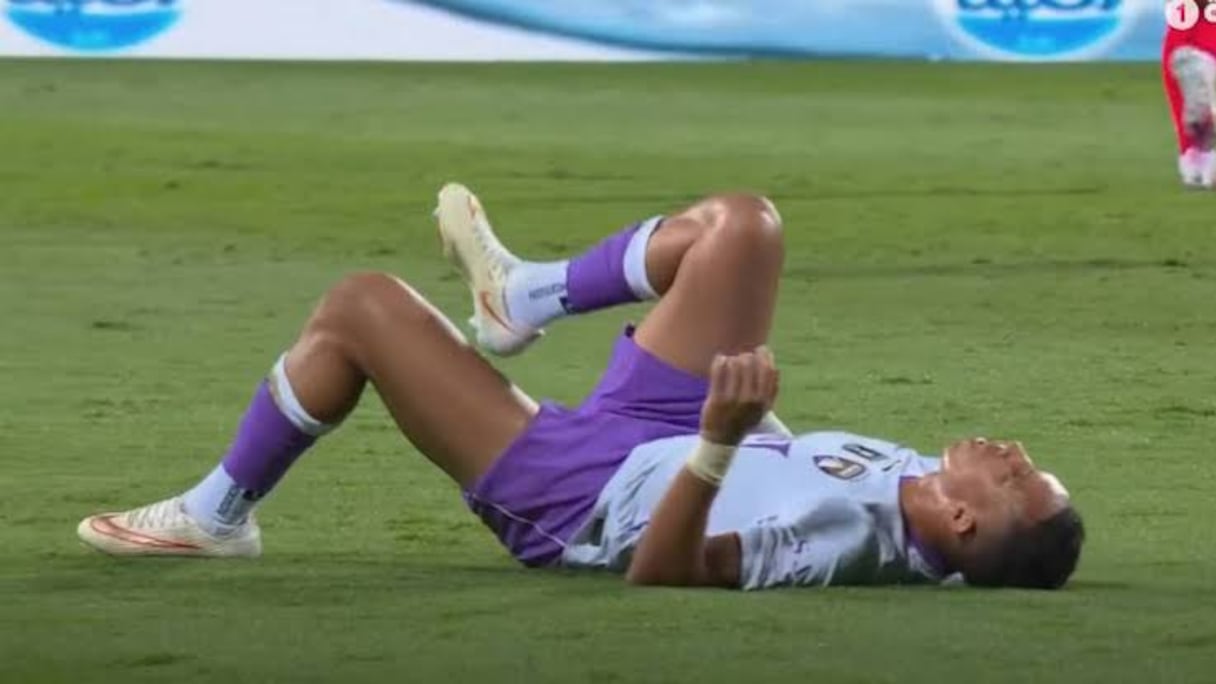
Soufiane Rahimi, who recently lost his father, is a particular case. “It is often underestimated, but psychological and emotional stress is a recognized risk factor. It affects sleep, recovery, concentration and muscle tension. A player may be physically present on the pitch while their body is recovering much less effectively.”
This alone is obviously not enough to explain his injury. The Al Ain striker had also been playing a series of matches for both his club and the national team, where he had been earning an increasingly regular place. His physical profile and playing style, marked by frequent runs in behind the defense, also expose him to this type of hamstring injury. Fatigue and excessive workload may also be contributing factors: “A deficit in eccentric strength, fatigue towards the end of a match, an accumulation of high-intensity runs, a sudden increase in workload…”
These are among the factors cited by Dahbi, who also points to the impact of travel on players’ recovery. Between matches with Al Ain, continental competitions and trips to join the national team, travel can quickly accumulate. “It is often this combination that explains an injury: physical, emotional and logistical factors, rather than a single cause.”
Read also : Mohamed Ouahbi faces several absences ahead of Niger doubleheader
How can recurring injuries be prevented?
There is no such thing as zero risk, but several measures can help reduce injuries, particularly when they become recurrent. Youssef Dahbi points to several areas that require attention: “Workload management: avoiding sudden spikes in the intensity of training sessions and matches. Muscle strengthening: eccentric hamstring exercises, particularly Nordic-style exercises, have proven effective. Regular exposure to sprinting. A player who does not sprint in training will get injured when sprinting in a match,” Dahbi explains.
Other factors already mentioned also play a role: recovery, sleep, nutrition and managing long-distance travel. Several tools can also help monitor players. GPS tracking can measure high-intensity running, sprints, accelerations and decelerations. Well-being questionnaires can monitor “sleep, muscle soreness and stress.” Players can also undergo “jump and strength tests” and track “physiological markers, such as heart rate variability.”
Finally, when a player is repeatedly injured, managing their return to competition becomes crucial. “A return to play should be based on criteria, not a date: recovered and symmetrical strength, a gradual return to running up to maximum speed, and restored mental confidence,” Youssef Dahbi explains, stressing one point: “Recurrences often happen when a player returns too quickly ahead of an important match.”
These factors help explain the recurring injuries affecting Morocco’s national team players. While some injuries are unavoidable, others may be linked to a history of previous injuries, a particular physical profile or fatigue.
The cases of Ounahi and Rahimi illustrate the range of factors that need to be considered, while those of Saibari and El Kaabi show how a traumatic collision can also lead to a lengthy absence.
