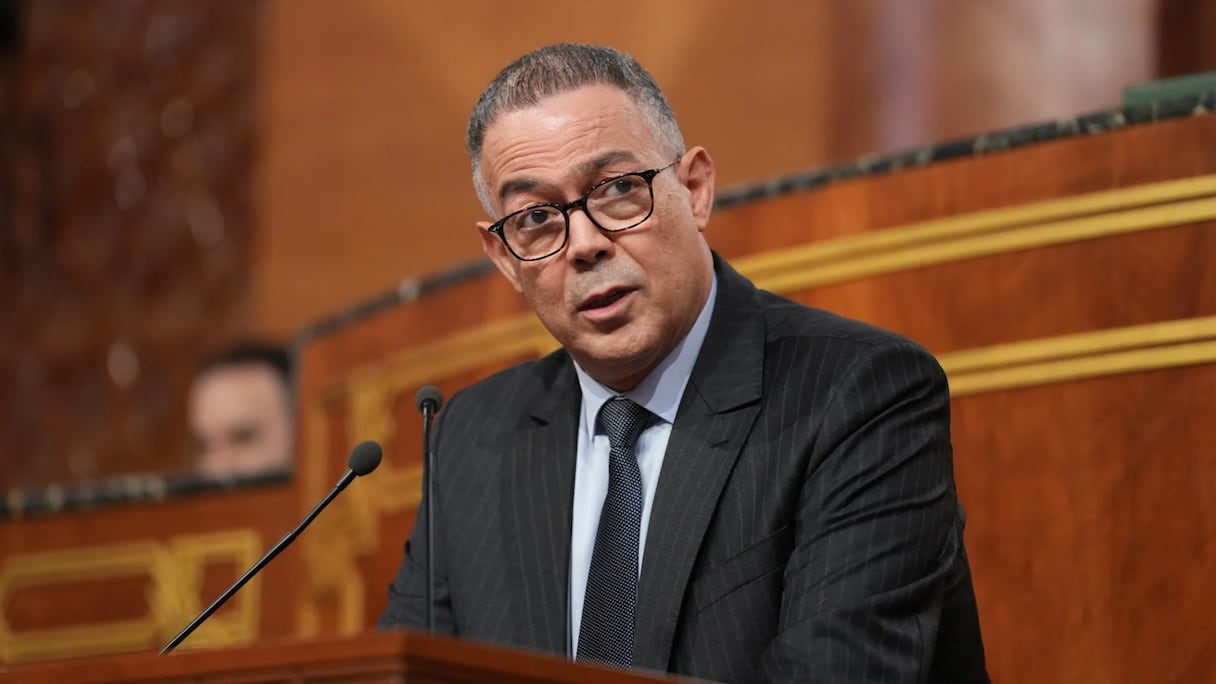
Addressing lawmakers, Lekjaa first defended the targeted nature of the tax measure. He stated that 11 petroleum companies, each generating profits exceeding 100 million dirhams, would be affected by the increase in the Corporate Income Tax (CIT) rate to 40%. The government, therefore, chose to target companies in this sector whose profits surpassed this threshold, without extending the higher rate to cement producers and telecom operators. According to the minister, this decision was based on the specific characteristics of these activities and their respective levels of profitability.
The aim, he explained, is to secure a greater tax contribution from companies generating particularly high profits in a sector he described as operating under near-monopoly conditions.
Read also : Morocco’s 2027 budget targets oil distributors with higher tax on bumper profits
Asked why the government had rejected an amendment proposing that cement producers and telecom operators also be subject to the 40% rate, Lekjaa outlined arguments specific to each sector. Regarding telecommunications, he recalled that operators already pay several specific contributions in addition to the standard 35% CIT rate. These include a contribution to the universal service fund, which finances coverage in remote areas, as well as a 1% contribution to research and innovation funding. He also cited a 5% solidarity tax.
As for cement producers, Lekjaa stated that the sector’s current economic conditions had to be taken into account. After a prolonged slowdown, particularly during the COVID-19 pandemic, the sector is now recovering. The government, therefore, prefers to allow it to consolidate this momentum before considering any possible changes to its tax regime, he said.
On the sensitive question of whether the higher CIT rate could be passed on to pump prices, particularly after diesel prices reached a record high the day after the tax measure was announced, Lekjaa was categorical. “There is no relationship between taxation and companies’ prices,” he told lawmakers.
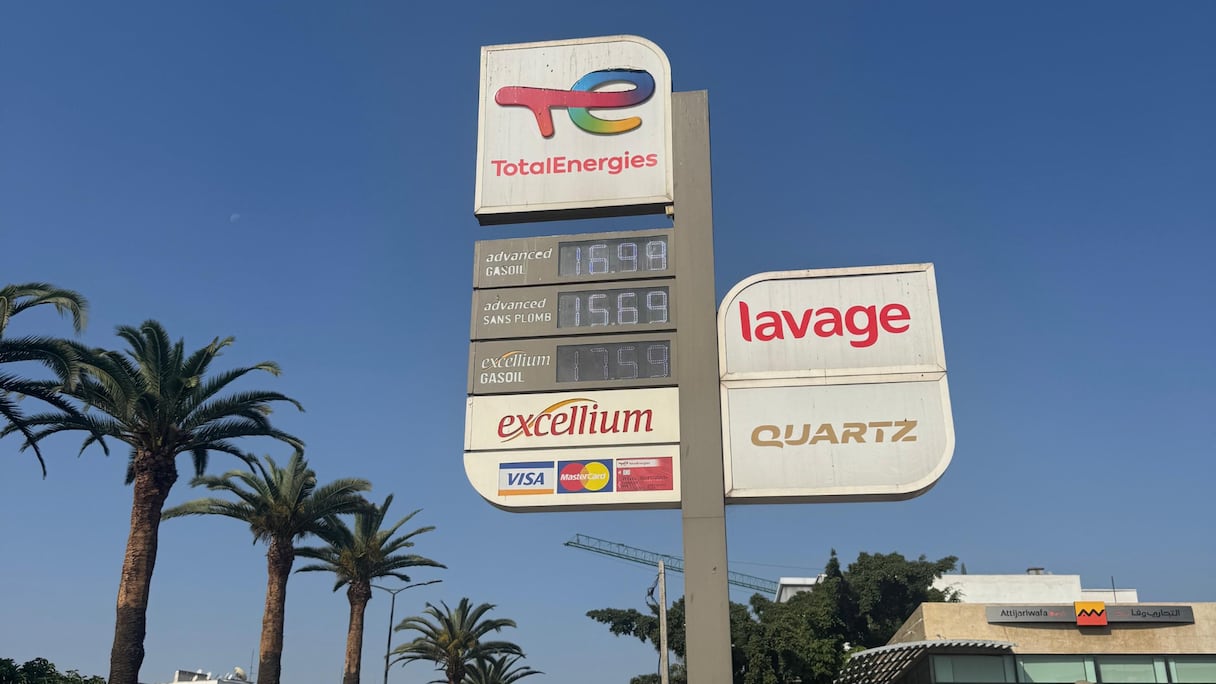
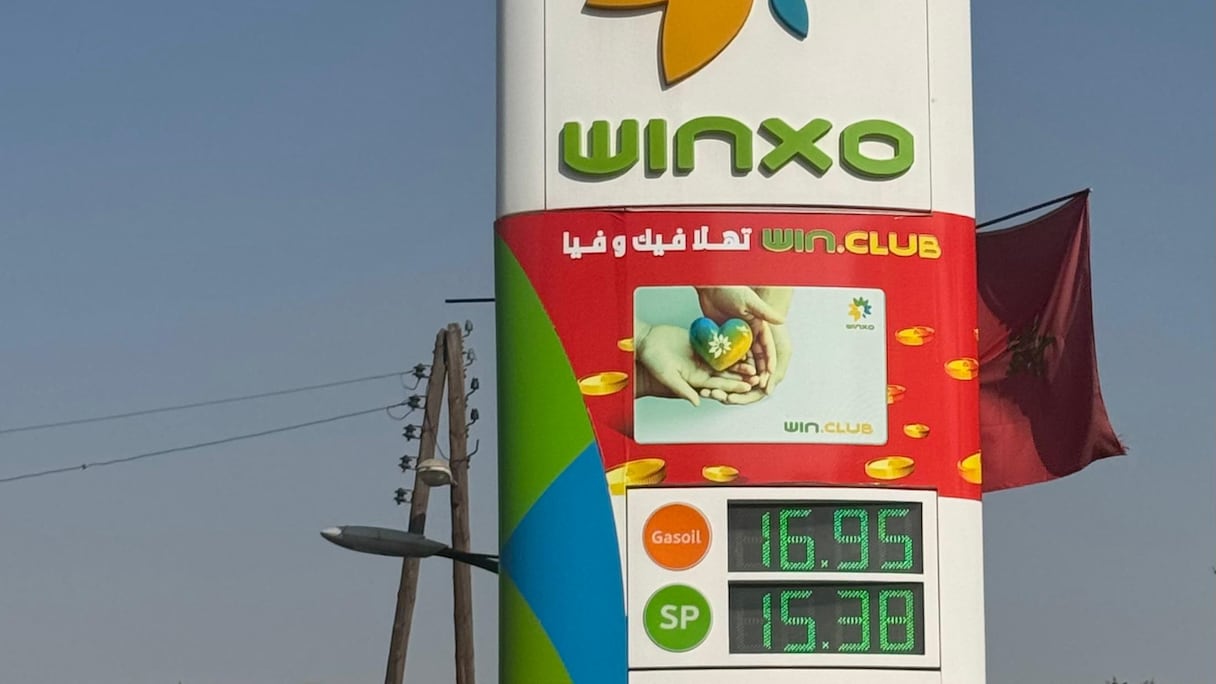
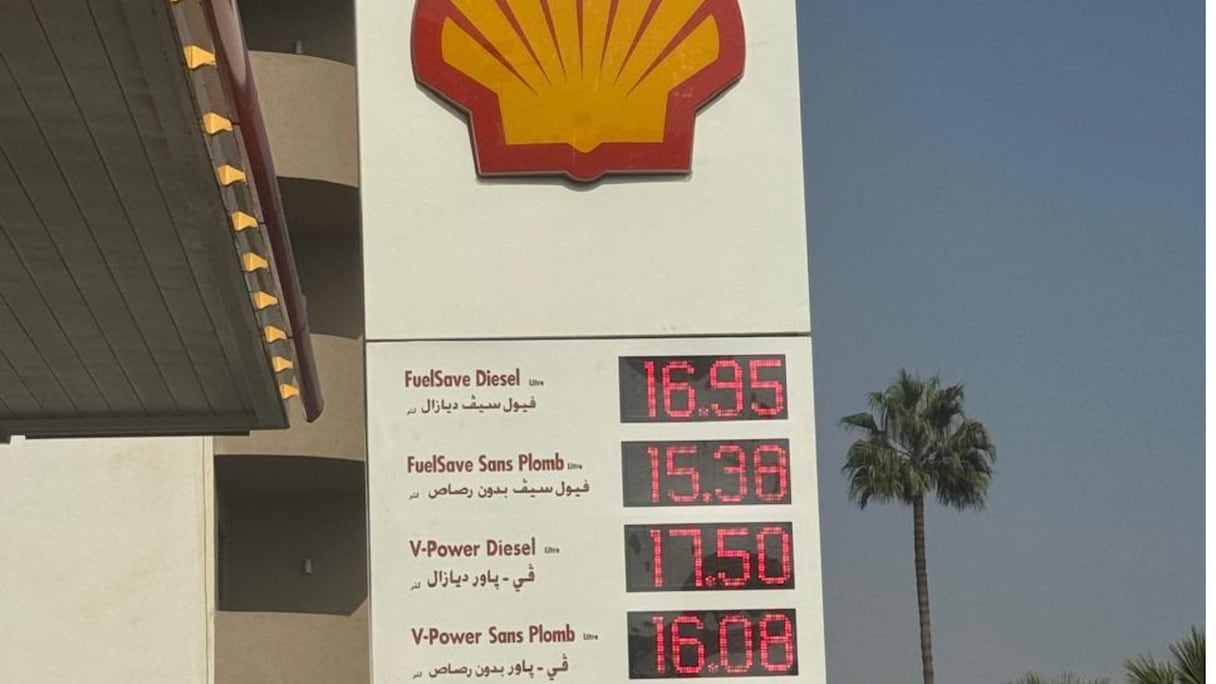
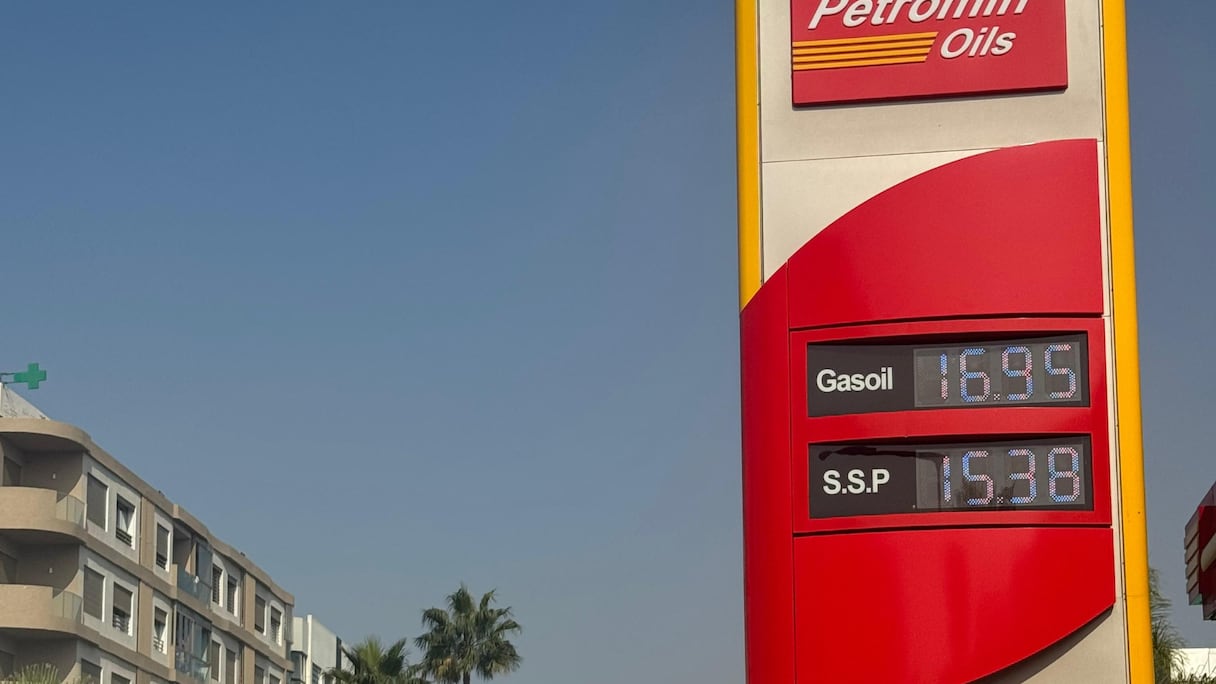
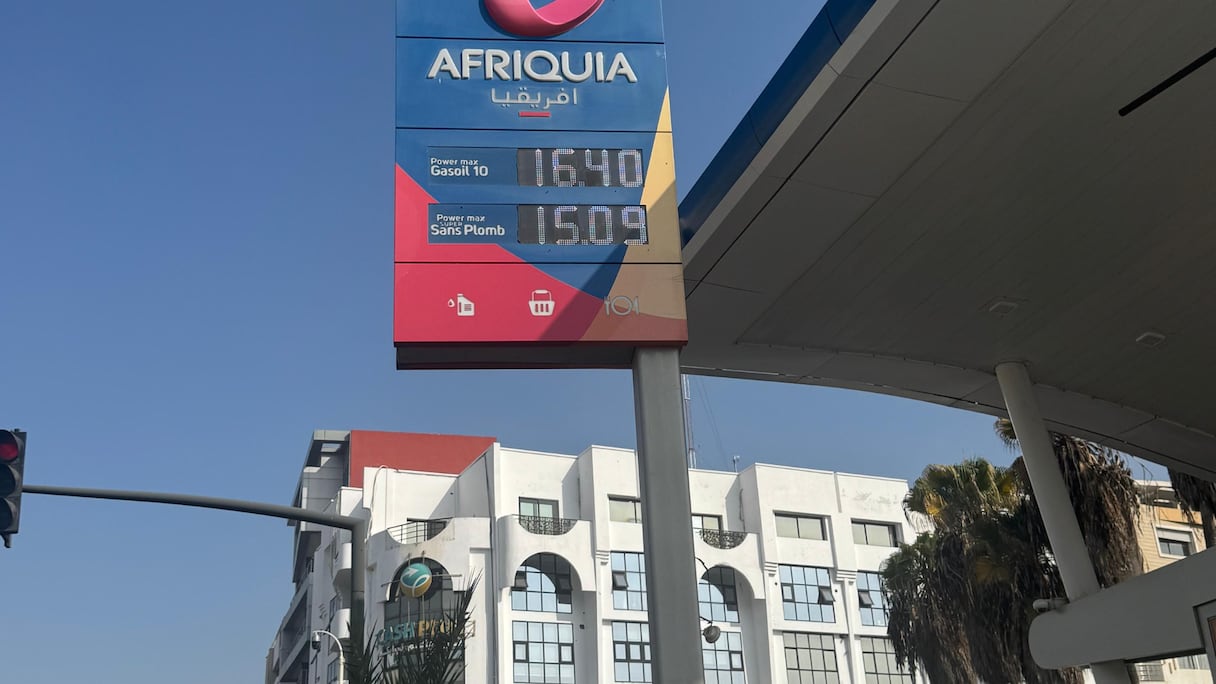
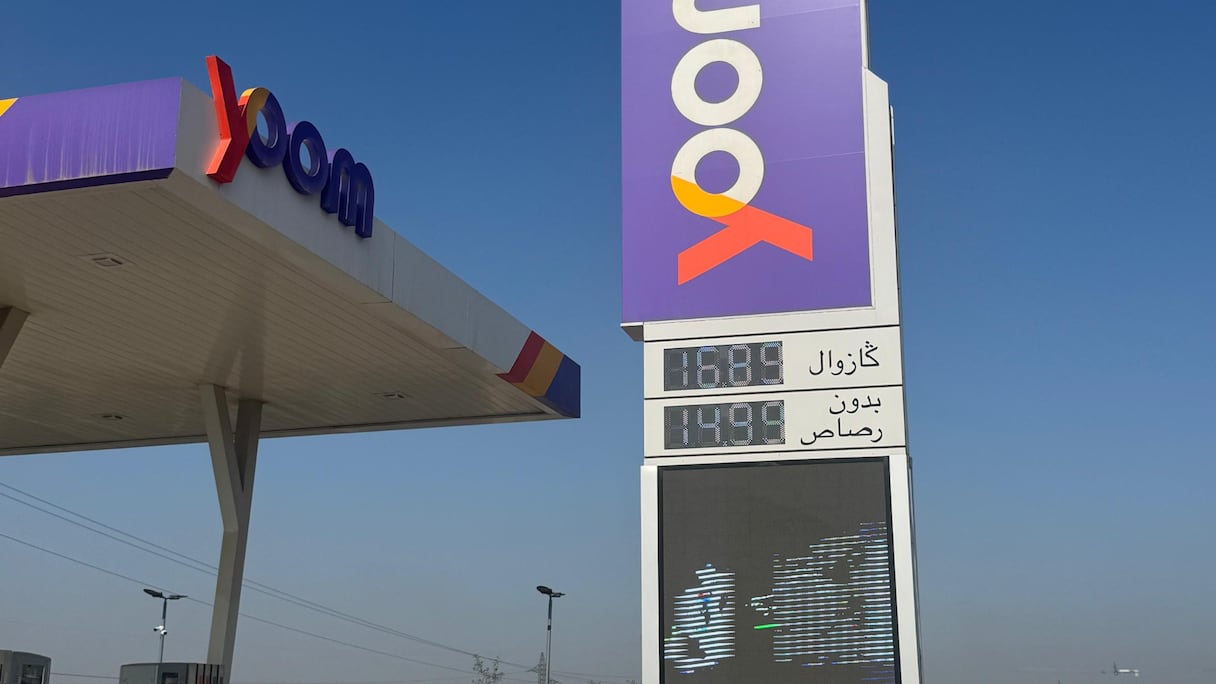
Les nouveaux prix de gasoil affichés dans les stations-service à Casablanca (W.Elmouden/Le360.)
He recalled that fuel prices are determined through a separate pricing structure, based mainly on international market prices, supply and transportation costs, and commercial margins. The decisive factor, he said, remains the price on the global market. In this regard, he pointed to the recent easing of international prices, the effects of which should be reflected in pump prices starting November 16.
Lekjaa nevertheless acknowledged that distributors’ profit margins could be the subject of a separate discussion. He said the government had mechanisms that would allow it to examine the possibility of capping those margins, without linking such a review to the increase in the CIT rate to 40%.
The minister thus sought to distinguish between two separate issues: the tax contribution of companies generating high profits in a given sector, and the formation of retail prices and possible regulation of commercial margins. These are two issues that, he said, should not be confused.
