Motorists in Morocco have been facing another increase in diesel prices at the pump since Sunday, November 1. But this latest adjustment comes with a notable feature: the increases and decreases applied vary from one distributor to another. Price differences between brands are particularly wide, as shown by prices recorded at several service stations in Casablanca on Sunday morning.
At TotalEnergies, diesel is now priced at MAD 16.99 per liter, compared with MAD 15.69 for gasoline. This represents a MAD 1 increase for diesel and a 10-cent decrease for unleaded gasoline, in line with the instructions sent to the company’s service stations.
Other distributors have made different adjustments, raising diesel prices by 80 cents while cutting gasoline prices by 30 cents. Prices displayed at service stations in Casablanca illustrate the differences between operators.
Here are the prices recorded on Sunday morning:
| Distributor | Diesel (MAD/L) | Gasoline (MAD/L) |
|---|---|---|
| yoom | 16.89 | 14.99 |
| TotalEnergies | 16.99 | 15.69 |
| Winxo | 16.95 | 15.38 |
| Afriquia | 16.40 | 15.09 |
| Shell (Vivo Energy) | 16.95 | 15.38 |
| Petromin Oils | 16.95 | 15.38 |
Particularly wide price differences
The most striking feature is the range of prices on offer. In Casablanca, a liter of diesel costs MAD 16.40 at Afriquia and MAD 16.99 at TotalEnergies, a difference of 59 cents. For gasoline, the gap reaches 70 cents between yoom, where a liter costs MAD 14.99, and TotalEnergies, where it is priced at MAD 15.69.
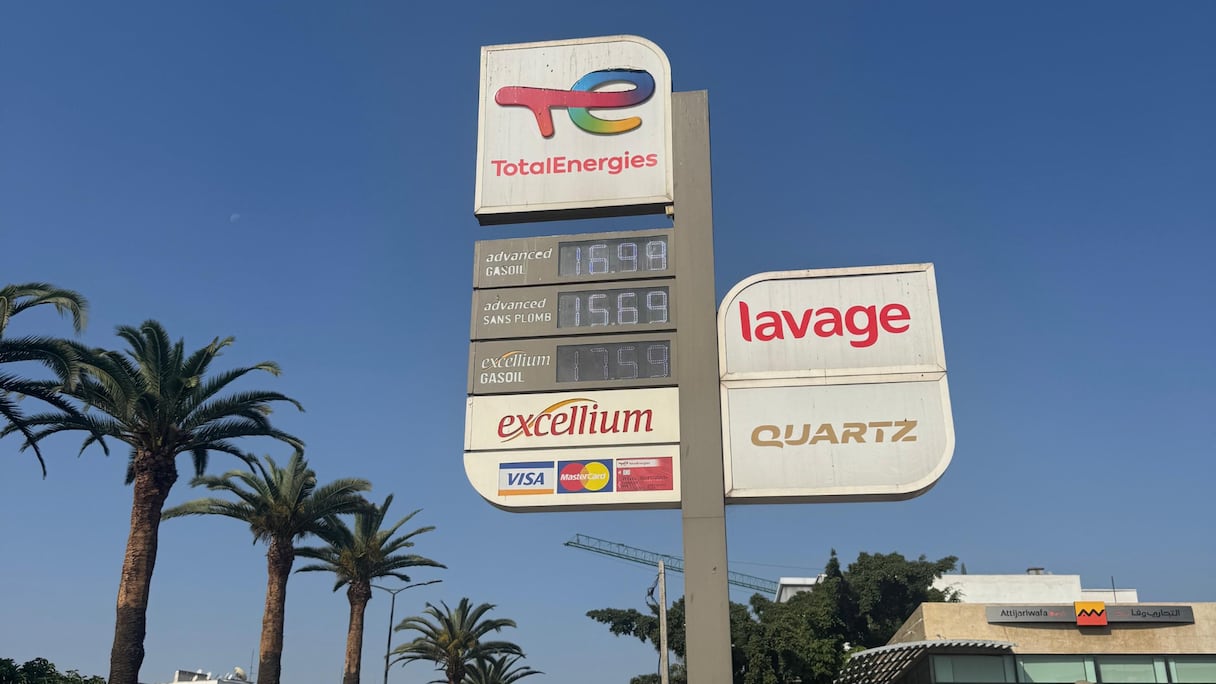
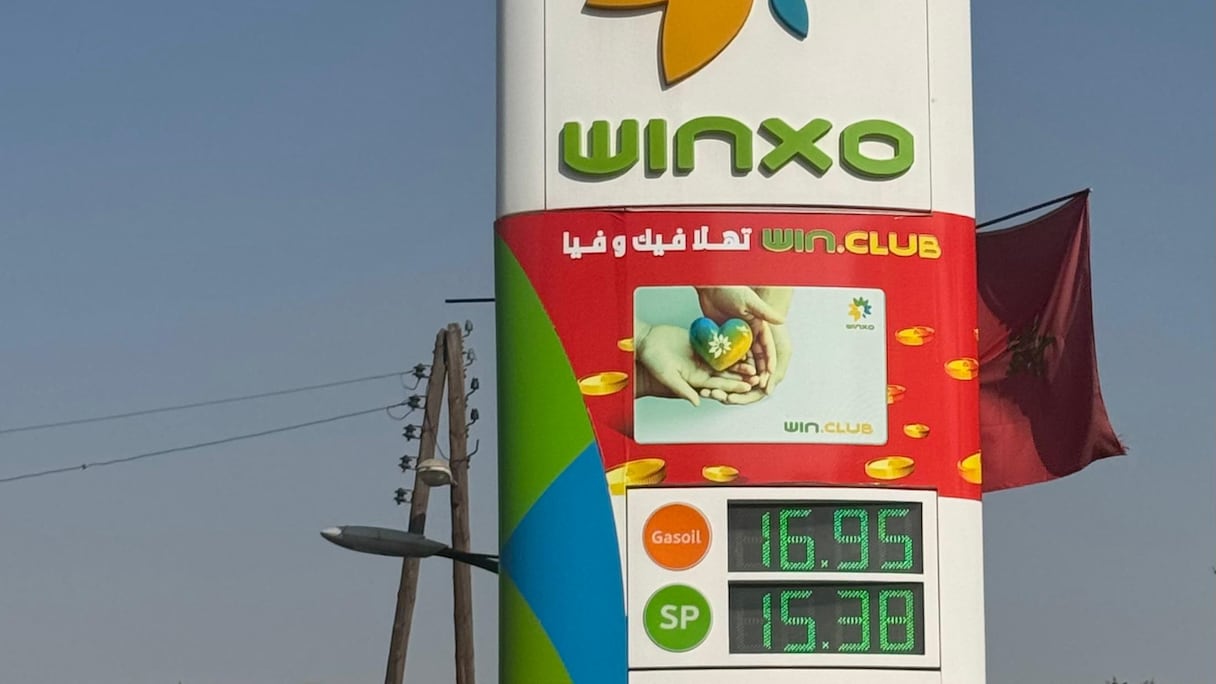
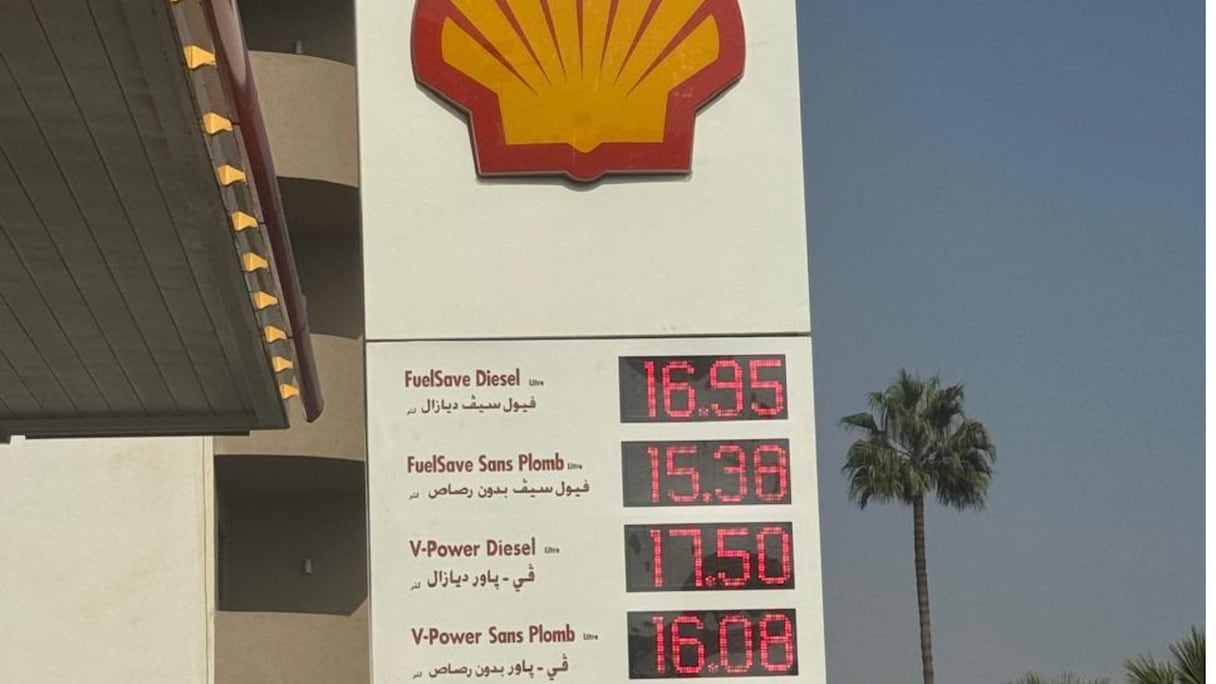
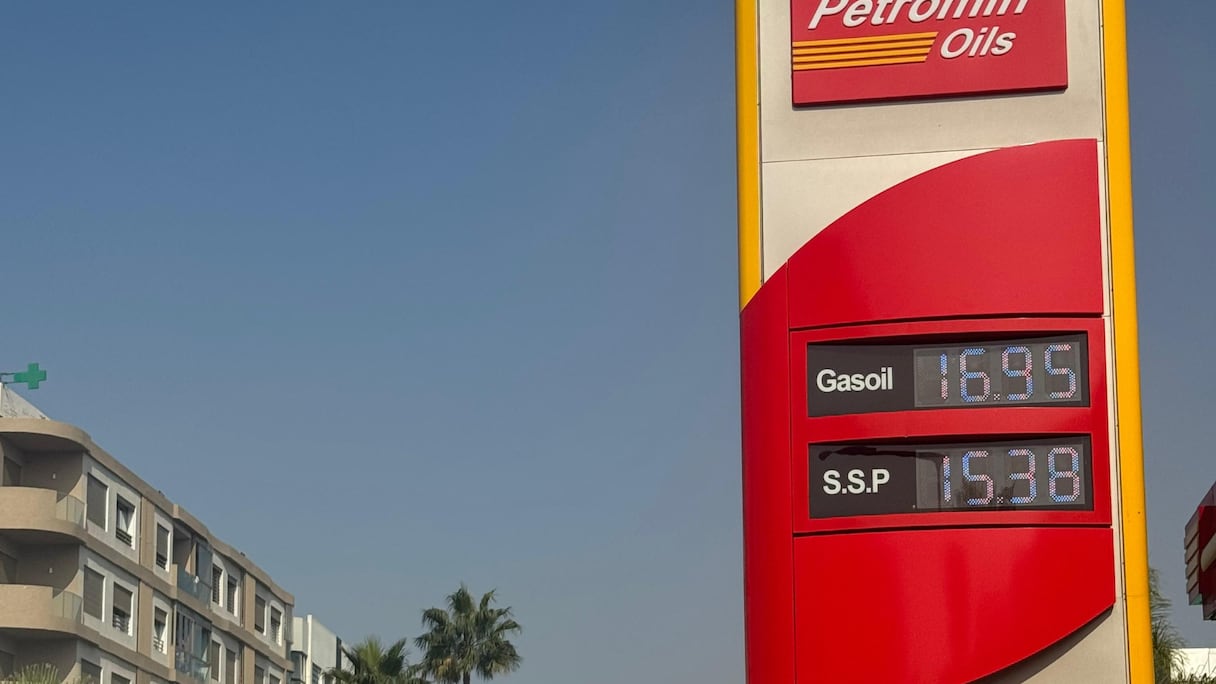
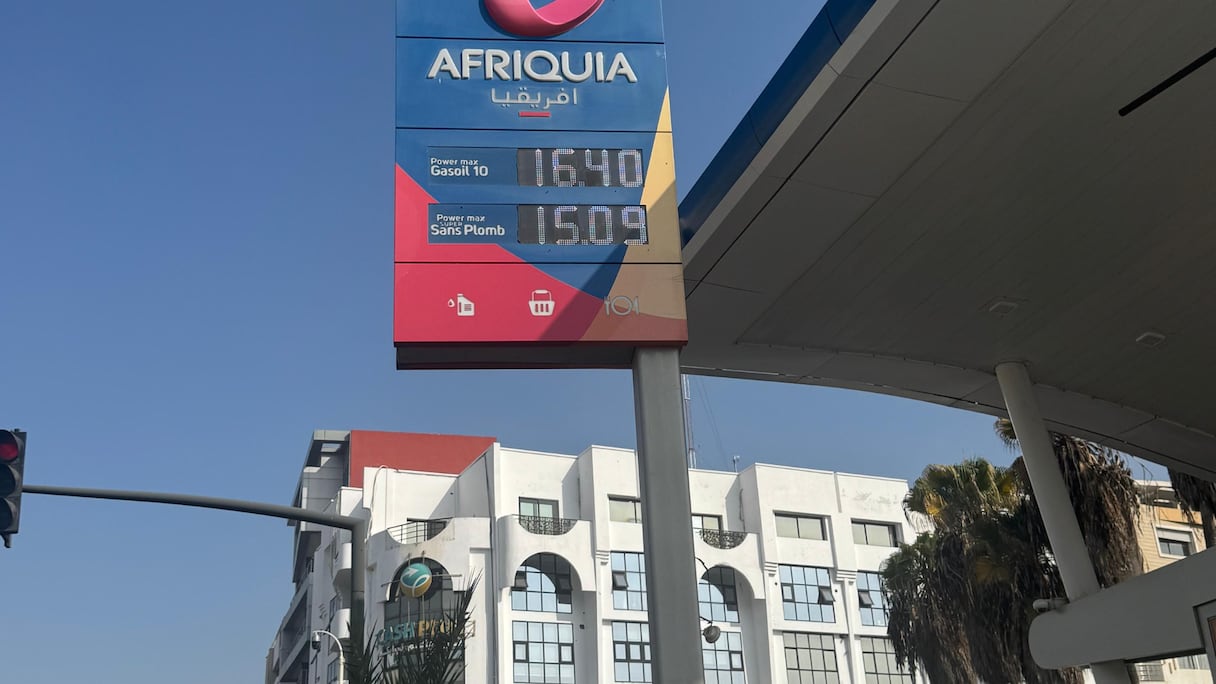
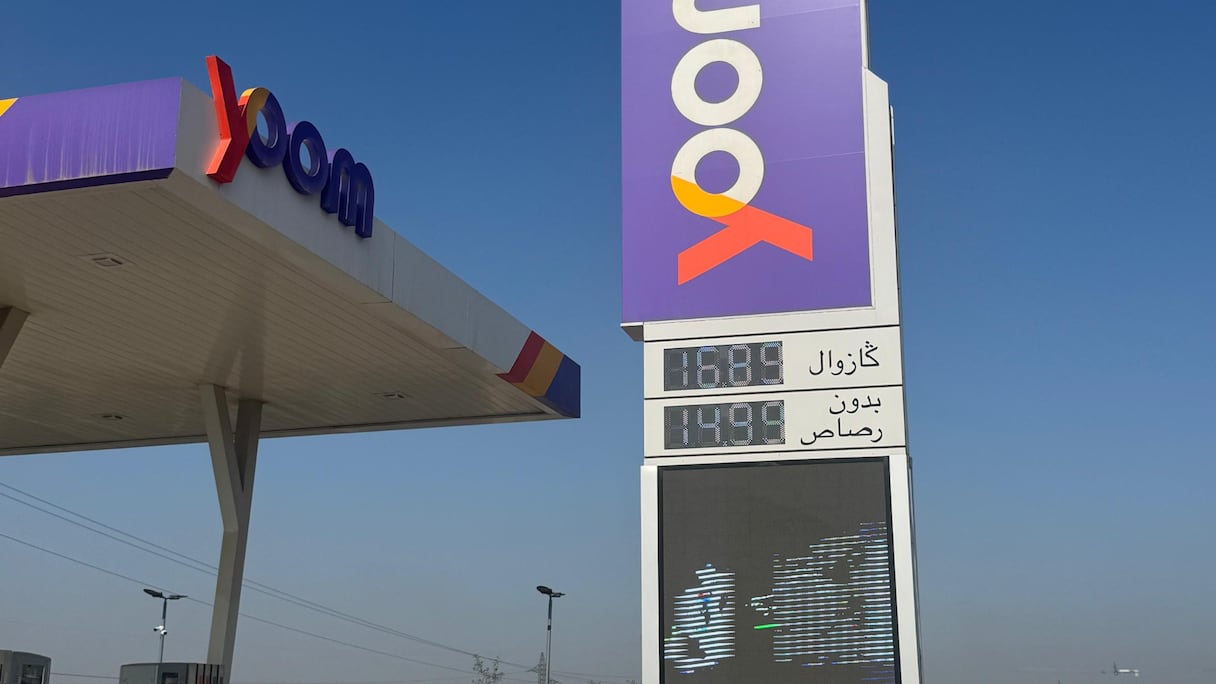
Les nouveaux prix de gasoil affichés dans les stations-service à Casablanca (W.Elmouden/Le360.)
These price differences take on particular significance in the wake of the latest adjustment. Instructions sent to service stations the previous day had already pointed to different pricing strategies. While some operators opted for a more moderate increase in diesel prices, others applied the maximum increase announced. Gasoline price cuts also varied from one distributor to another.
The situation deserves particular attention as the gaps between prices displayed by different brands appear to be widening. Competition between distributors is now reflected in differences of several dozen cents per liter, whereas price changes were generally more uniform during previous adjustments.
Diesel remains more expensive than gasoline
Another notable development is the reversal of the traditional price hierarchy between fuels. Diesel is now more expensive than gasoline. The difference stands at MAD 1.90 at yoom, MAD 1.30 at Afriquia and TotalEnergies, and MAD 1.57 at Winxo, Shell and Petromin Oils.
This situation, which has become increasingly apparent in recent months, marks a new reality for the Moroccan market. Historically, diesel was sold at a lower price than gasoline, a factor that helped make it the dominant fuel in the country’s vehicle fleet.
In other cities, diesel prices have now even crossed the symbolic threshold of MAD 17 per liter, adding to the pressure on motorists and transport professionals.
The latest increase comes as the government proposes, under the 2027 Finance Bill, to raise the tax burden on major operators in the sector.
The draft bill provides for an increase in the corporate income tax rate from 35% to 40% for companies engaged in the import or distribution of hydrocarbons whose annual net profit reaches or exceeds MAD 100 million. If adopted, the measure will take effect on January 1, 2027, raising the applicable tax rate for these companies by five percentage points.
Read also : Morocco’s 2027 budget targets oil distributors with higher tax on bumper profits
The government aims to increase the tax contribution of operators generating the highest profits in a highly concentrated sector.
But this approach raises a key question: who will ultimately bear the additional tax burden? Several experts believe distributors could seek to protect their profitability by passing some or all of the extra tax cost on to consumers through higher selling prices.
The issue therefore goes beyond the additional tax revenue expected by the state. It also concerns the authorities’ ability to ensure that a higher contribution from operators does not translate into further pressure on purchasing power.
The latest surge in diesel prices, combined with the growing differences between distributors, has once again brought the formation of pump prices, transparency over profit margins and the effectiveness of competition in the fuel market to the forefront.
