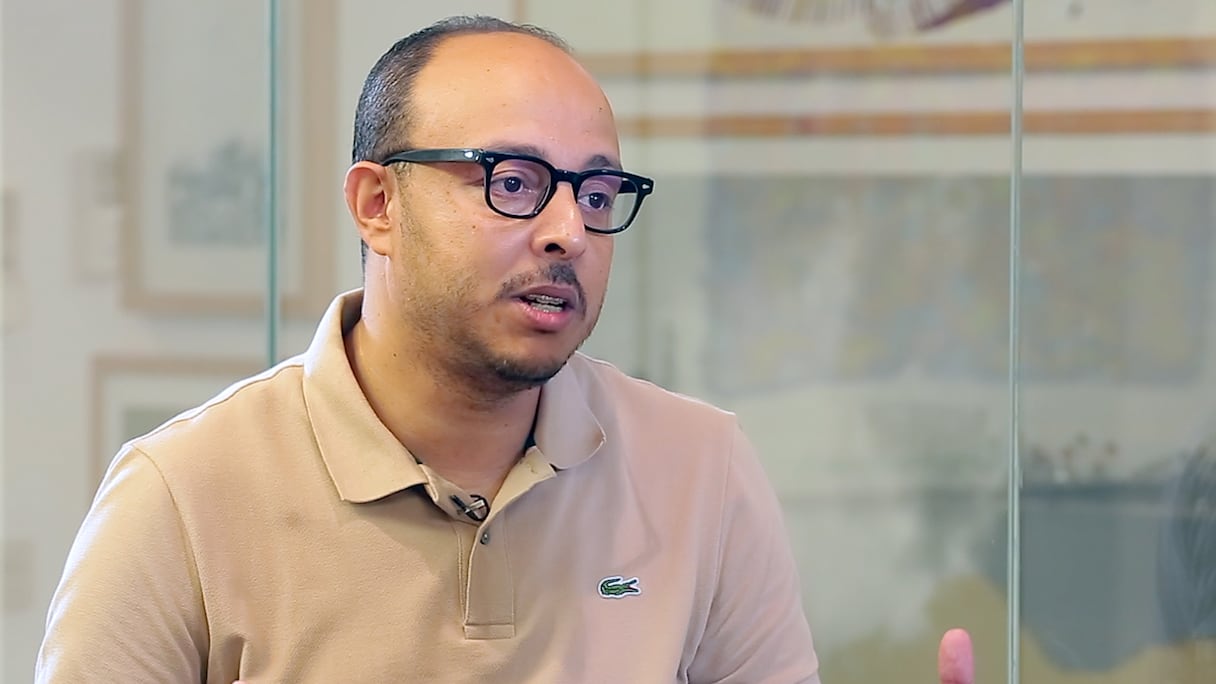
As Morocco’s political parties prepare for the September 23, 2026 legislative elections, the Progress and Socialism Party (PPS) says Morocco’s electoral system still makes it difficult for young candidates to compete, despite public funding designed to encourage youth participation.
Speaking to Le360, Younes Serraj, a member of the PPS Political Bureau and secretary-general of its Youth Organization, rejected the notion that the party focuses more on seminars and training sessions than on day-to-day political engagement.
“These meetings and training programs show that the party is present among young people, seniors and women throughout the year,” he said. “We organize numerous training sessions because we do not want to be just another political shop. We want to be a real political party that exists beyond election campaigns by training young people and attracting new talent.”
Serraj welcomed public financial support for youth participation in politics, describing it as essential for helping young candidates compete in local and parliamentary elections.
However, he argued that such funding remains insufficient in the face of what he described as electoral corruption.
“Financial support is important, but it cannot compete with a system where wealthy candidates spend millions to secure an electoral seat,” he said. “We hope these practices will be addressed in the next elections because they have become a major obstacle for many young people with genuine political ambitions.”
He also criticized the rules governing campaign financing.
Under the current system, candidates must obtain around 2% of registered voters before becoming eligible for reimbursement of campaign expenses.
“In practice, that means young candidates often have to finance their campaigns out of their own pockets,” Serraj said. “Even if you secure 4,000 or 5,000 votes, recovering those costs remains extremely difficult. We would have preferred the threshold to be based on the number of actual voters rather than registered voters, which would give young candidates a fairer opportunity to enter Parliament.”
Youth still underrepresented
Serraj expressed disappointment that political parties had not nominated more young candidates for the 2026 elections.
“We hoped this election would represent a real effort to bring more young men and women into Parliament,” he said. “Unfortunately, we are likely to see much the same situation as before. We have not succeeded in opening parliamentary responsibility to the majority of young people.”
The interview also addressed the state of Morocco’s left-wing parties.
Serraj argued that many of Morocco’s democratic gains stemmed from the alternance government, citing advances in press freedom and family law reform.
He said the PPS had worked to unite left-wing parties around what he described as a democratic alternative.
“It has always been my hope to bring the left together so we could present a united democratic alternative in these elections,” he said.
Defending the party’s record in government
Asked about criticism of PPS ministers’ performance in previous governments, Serraj defended the party’s record while acknowledging that challenges remain.
He praised former Health Minister El Houssaine Louardi, crediting him with reducing medicine prices, introducing the RAMED medical assistance scheme and tackling corruption within the health sector.
Regarding water policy, Serraj acknowledged that Morocco faces genuine challenges but rejected suggestions that former minister Charafat Afailal had failed to act.
“Morocco has a real water challenge,” he said. “King Hassan II made major investments through dam construction, but that does not mean Charafat Afailal accomplished nothing. Household consumption represents only around 5% of groundwater use, while the vast majority of water resources are used for agriculture.”
The interview is the second installment of Morocco Votes 2026, the English-language adaptation of Le360 Arabic’s Legislatives 2026 (تشريعيات 2026) series examining the political parties, personalities and debates shaping Morocco’s upcoming legislative elections.
Watch the full interview:
