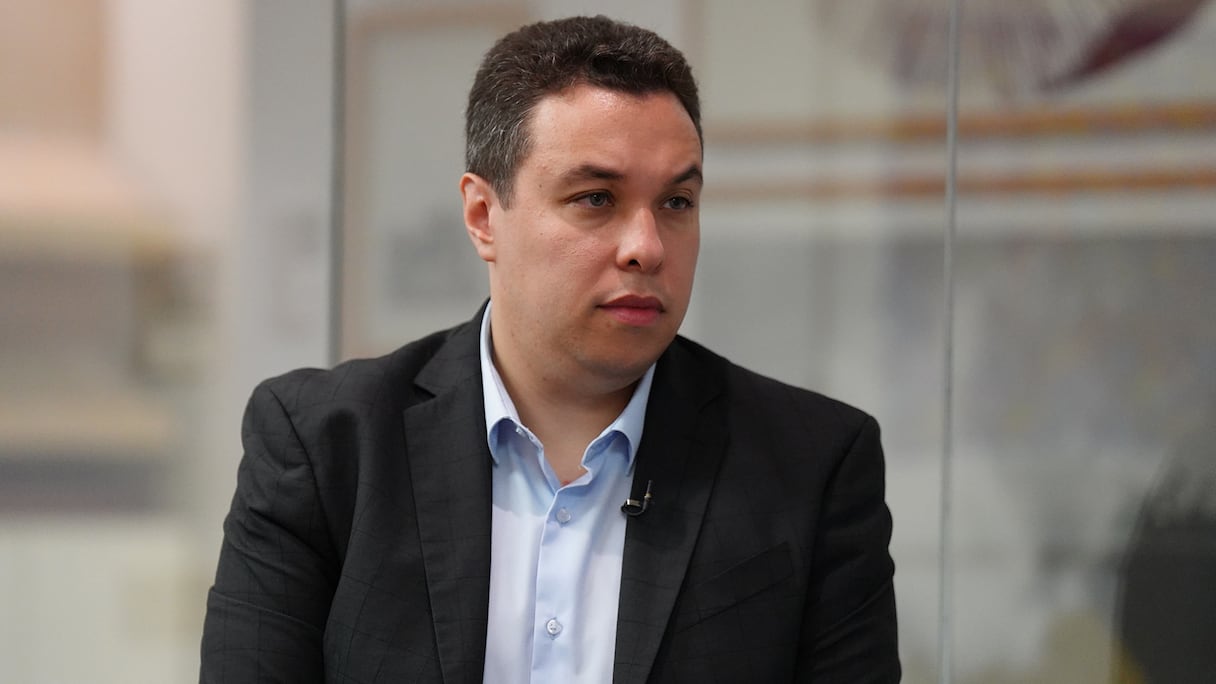
As Morocco’s political parties prepare for the 2026 legislative elections, scheduled for Sep. 23, the Authenticity and Modernity Party (PAM), one of the three parties leading the governing coalition, says young members are playing an increasingly influential role in shaping both its leadership and its electoral strategy.
Speaking to Le360 following the party’s 32nd National Council session, Salah-Eddine Abkari, president of PAM’s Youth Organization, rejected the notion that youth participation within the party is merely symbolic.
“The party’s youth are a fundamental part of its structure and play a key role in decision-making,” he said. “This is not just an empty slogan. PAM has given young people significant space within the party. The dynamism of the Youth Organization, the initiatives it has launched, and its field engagement would not have been possible without genuine room for initiative and participation in party decision-making.”
Abkari said the Youth Organization is directly involved in selecting candidates for regional electoral lists reserved for women, with its president serving on the committee responsible for interviewing and evaluating applicants.
“A series of interviews is conducted with the candidates before the final selection is made,” he said. “Within the party, our role is far from symbolic. We have real responsibilities. There is still a long way to go, and as young members, we must continue proving our competence, experience and commitment to improving the party’s work.”
Read also : PAM launches AM+ Media ahead of 2026 legislative elections
He also highlighted the party’s efforts to renew its ranks by promoting younger candidates.
“The party has nominated seven women, including three young candidates: Najwa Koukouss, Hanane El Massi and Imane Lamaoui,” he said. “Several local constituencies also include young candidates. In addition, the regional lists provide an opportunity to introduce even more young people.”
Asked about PAM’s decision to field six sitting government ministers in the upcoming elections, Abkari described the move as a positive demonstration of democratic accountability.
Read also : Morocco launches nationwide election oversight ahead of September vote
“Holding political office within the government means that elected representatives should return to their constituencies and once again seek the confidence of the citizens who voted for them,” he said. “A good example is Azzedine El Midaoui, who is running for the first time. Their candidacies are therefore a positive development.”
The conversation also turned to the discussion surrounding the appointment of Budget Minister Faouzi Lekjaa and El Khattat Yanja, president of the Dakhla-Oued Eddahab Regional Council, to PAM’s Political Bureau.
Abkari dismissed the criticism, arguing that the discussion had overshadowed the party’s policy proposals.
Read also : Official: Fouzi Lekjaa and Yanja El Khattat join PAM
“The debate came from certain political parties rather than intellectuals,” he said. “During the session, we presented the party’s candidates at the national level. More importantly, we unveiled the broad outlines of PAM’s political and electoral platform, which includes around 86 concrete measures. We would have liked this to receive greater attention in the public debate, whether from political parties or observers of political affairs.”
Read also : Morocco: Interior minister issues firm directives ahead of Sept. 23 legislative elections
He said both Lekjaa and El Khattat Yanja had joined the party “out of conviction” and would strengthen the organization.
“Political parties must have the political appeal needed to attract skilled people,” he said. “This is neither the first nor the last time the party has recruited talented individuals and helped train and guide them, so they gain political and field experience.”
The interview is the first in Morocco Votes 2026, the English-language adaptation of Le360 Arabic’s Legislatives 2026 (تشريعيات 2026) series exploring the parties, personalities, and ideas shaping Morocco’s next parliamentary elections.
Watch the full interview:
