Abderrahim Fakir’s family gathered in Casablanca on Thursday, August 6, to demand the return of the body of the 42-year-old Moroccan, who died on July 19 in Bologna after being detained by Italian police. Nearly three weeks after the incident, his relatives continue to decry the circumstances of his death and what they describe as delays in the Italian judicial process.
“Italy must understand who this man was—a man who had the audacity to die during a police arrest when he should instead have received medical care,” said the family’s lawyer, Fabio Anselmo, denouncing the situation as unacceptable.
Read also : Abderrahim Fakir case: Family’s lawyer seeks removal of Bologna police from investigation
Anselmo expressed regret that, while final tributes were being paid to Abderrahim Fakir in Casablanca, a segment of Italian public opinion was, in his view, attempting to put his memory on trial. “Abderrahim Fakir’s only crime was dying in circumstances documented by an unbearable video,” he stated sarcastically, referring to footage that, according to him, “some would rather deny at all costs because it is simply horrific.”
“Unacceptable. Inhumane. Yes, that is exactly what it is,” the lawyer added.
Karim, a trade unionist and member of Si Cobas (Sindacato Intercategoriale Cobas), an Italian union active in the logistics sector and in defending precarious and migrant workers, gave a detailed account of the events. Speaking to the press, he noted that several videos had been recorded by residents of the neighborhood, which has a large Moroccan community.
“We kept all of those videos without publishing them because we wanted to preserve them as evidence,” he said. According to Karim, “it was crystal clear” that Abderrahim Fakir had been “killed during a brutal assault,” insisting that “it cost him his life.”
A crisis that had happened before
Karim also described the minutes leading up to the incident. According to his account, Fakir suffered a panic attack, aggravated by asthma, a condition that reduces oxygen supply to the brain and can leave a person in severe distress, causing them to cry out for help. He said Fakir had experienced a similar episode in the past.
On the day of the incident, Fakir was in the street shouting, “Help me!” to people nearby when someone called the emergency services, requesting both police officers and paramedics.
“They all arrived at the same time,” Karim said. However, he claimed it was the police, rather than the emergency medical personnel who should have intervened first, who acted initially, “in a violent manner,” leading, in his view, to the fatal outcome.
He added that the burial cannot take place until the end of a 90-day period, allowing time for all procedures related to the autopsy to be completed.
Fakir’s aunt described him as a man deeply devoted to his family.
“He loved his family,” she said. “He reconciled people who had fallen out, helped the sick. He was a good man and a community volunteer. May God have mercy on his soul.”
She said the family had been left in profound shock by his death.“It is truly impossible to accept this news, this tragic death and what they did to him... It is a crime,” she said, recalling her nephew’s final words: “Help me, stop, stop!” She added that she had been unable to bring herself to watch the video of his arrest or read the details of what happened.
Read also : Abderrahim Fakir Case: autopsy reveals “Hemorrhagic infiltrations on the back” as investigation continues
She urged all those involved in the case to act with humanity and compassion and to return his body to the family.
“It is the minimum act of humanity,” she said, remembering how close they had been. “He was so close to me. He used to come to my home to sit and study.”
Her sister’s husband, also visibly affected, described the footage of the arrest.
“What can I say? It is a horrific scene. The man is on the ground, they are all sitting on top of him while he struggles and cries for help,” he said.
He also criticized the response of the emergency medical personnel who had arrived at the scene.
“When they arrived, they just stood there watching, as if it were a show or something happening in the street. They watched him die,” he said.
Rejecting any suggestion of financial compensation, he added: “We do not want money. We simply want his body back. God’s will has been done; he has died. Bring us his body so that we can bury him.”
He also criticized the delays facing the family. “Look at what we are going through. They tell us we have to wait another three months. Three months just for the procedures and the autopsy,” he said.
What happened
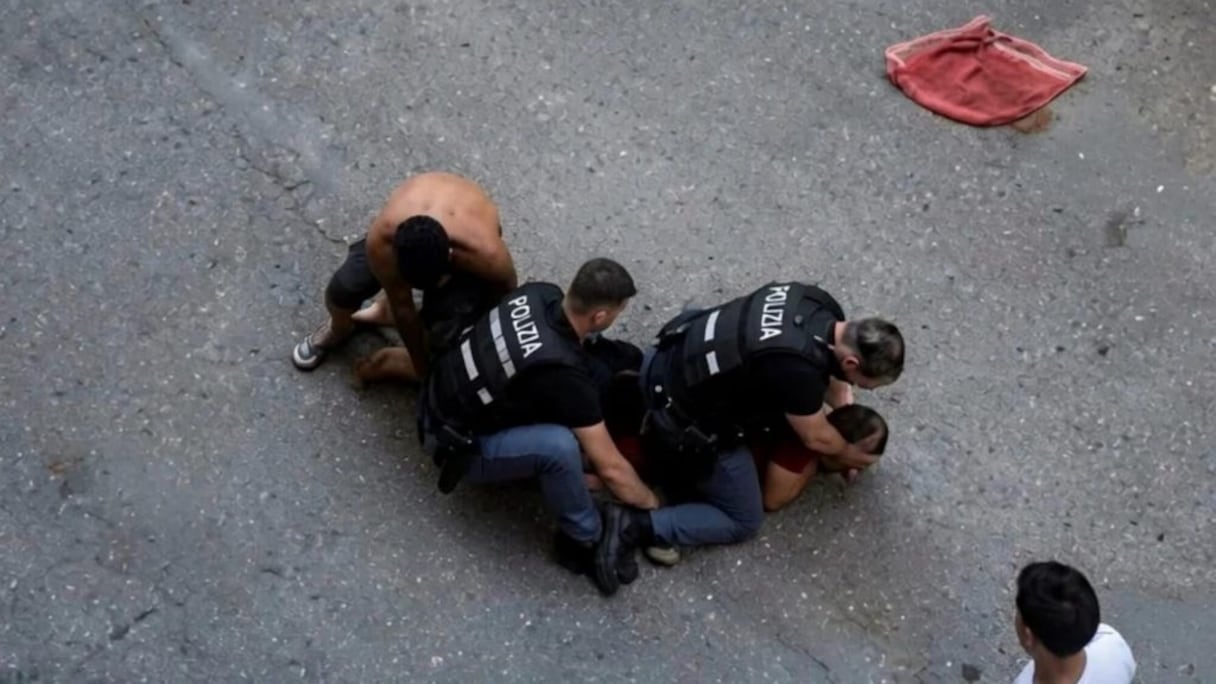
Abderrahim Fakir, a 42-year-old Moroccan who moved to Italy at the age of five, died on July 19 in Bologna. He was pinned to the ground by two police officers during his arrest.
A video filmed by a local resident and widely shared by Italian media shows Fakir being restrained face down for several minutes, repeatedly pleading for help before appearing motionless with his face against the asphalt.
Bologna police stated that officers responded after residents reported a man in a state of severe agitation. The Italian public prosecutor opened an investigation the day after the incident, sparking public outrage and several demonstrations in central Bologna.
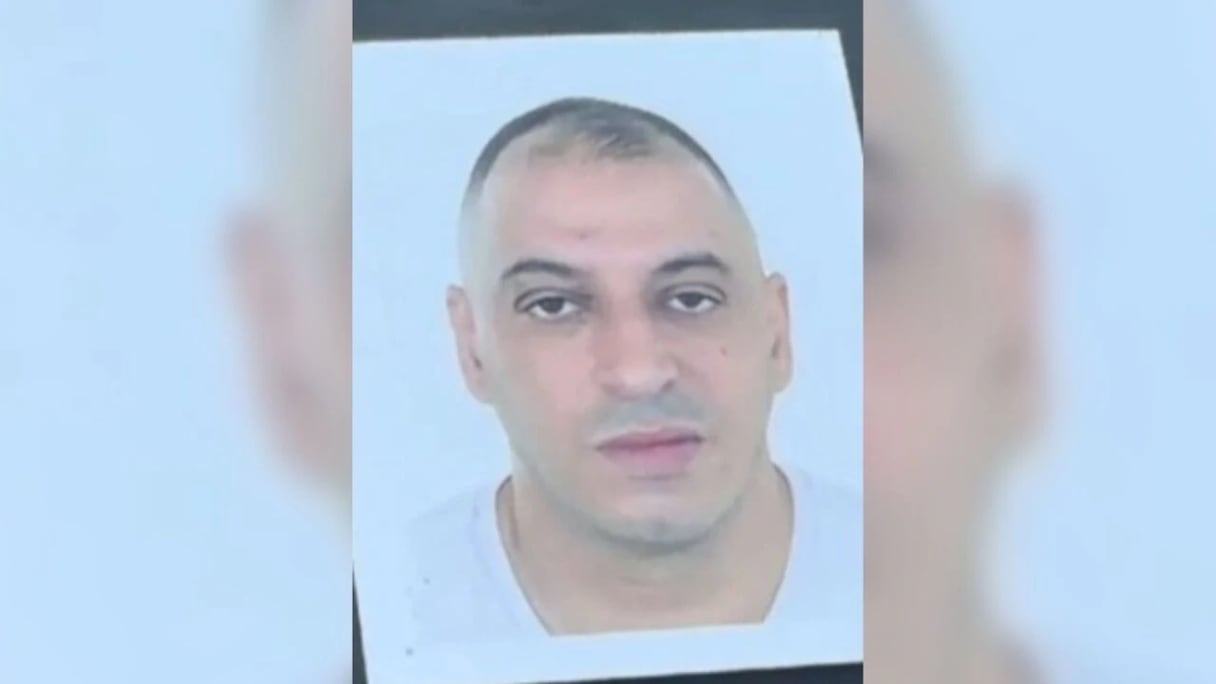
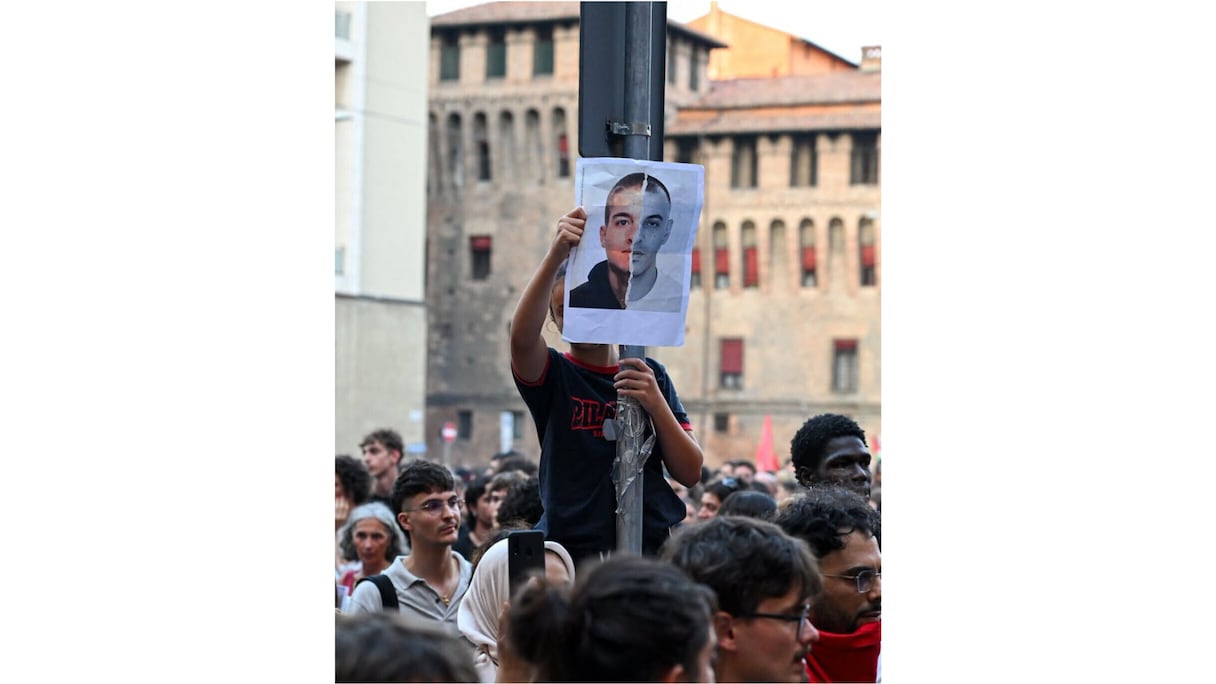
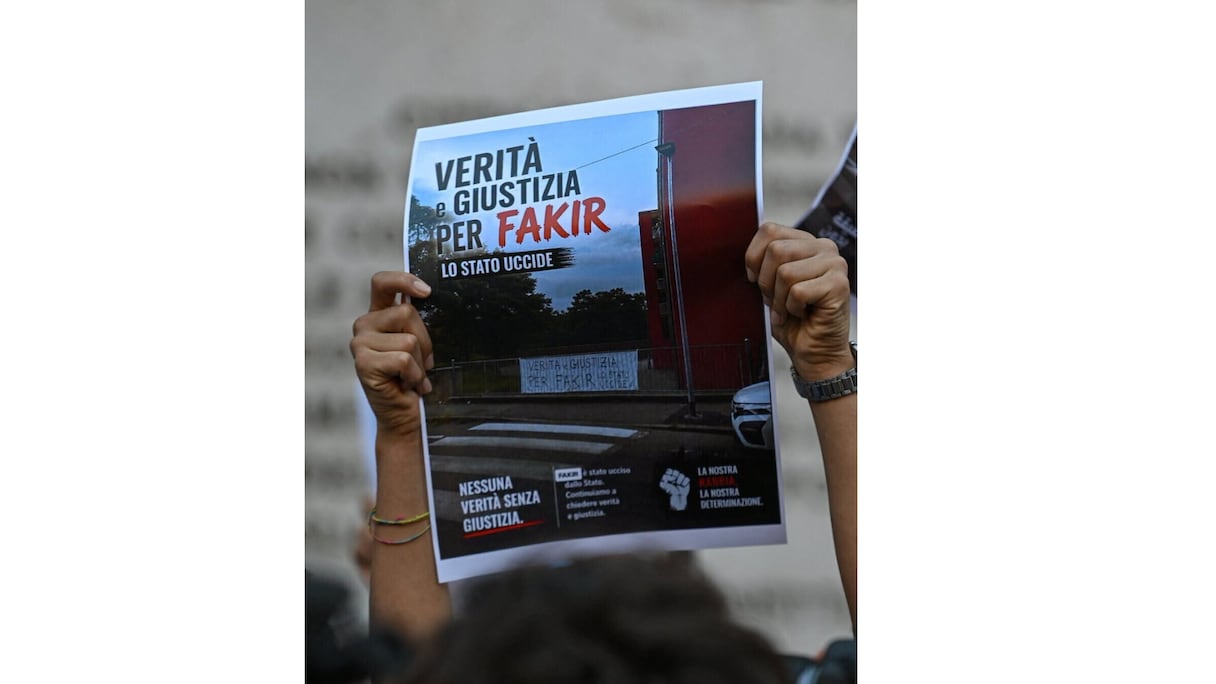
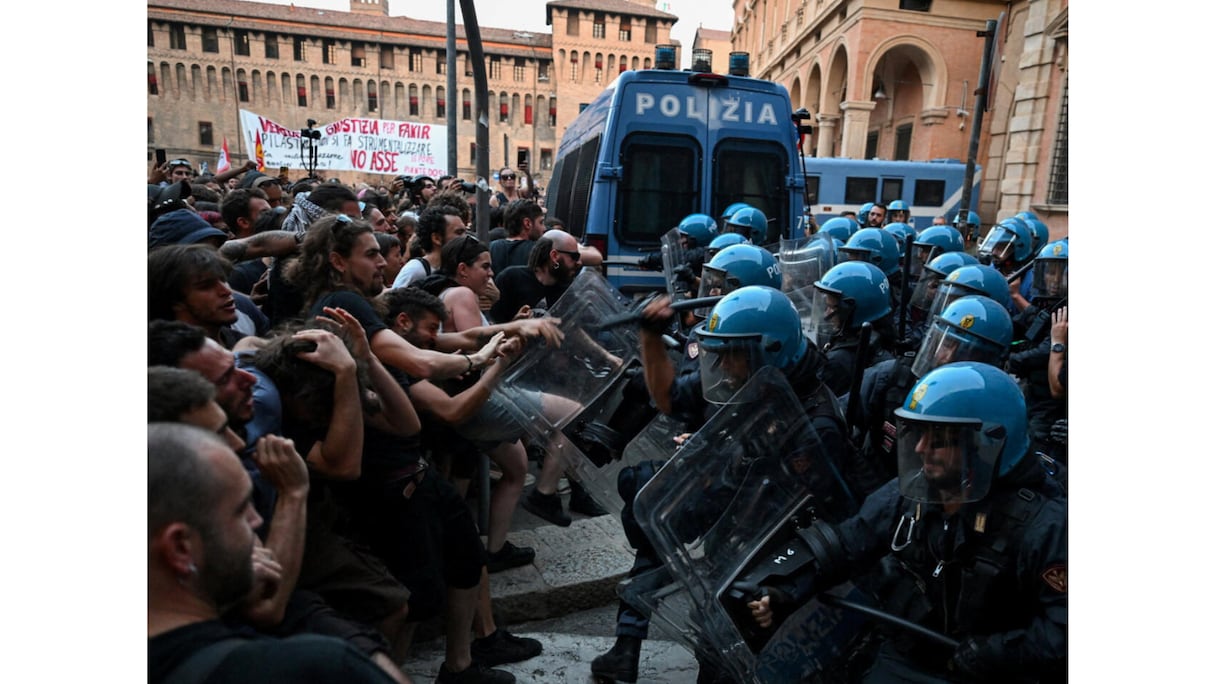
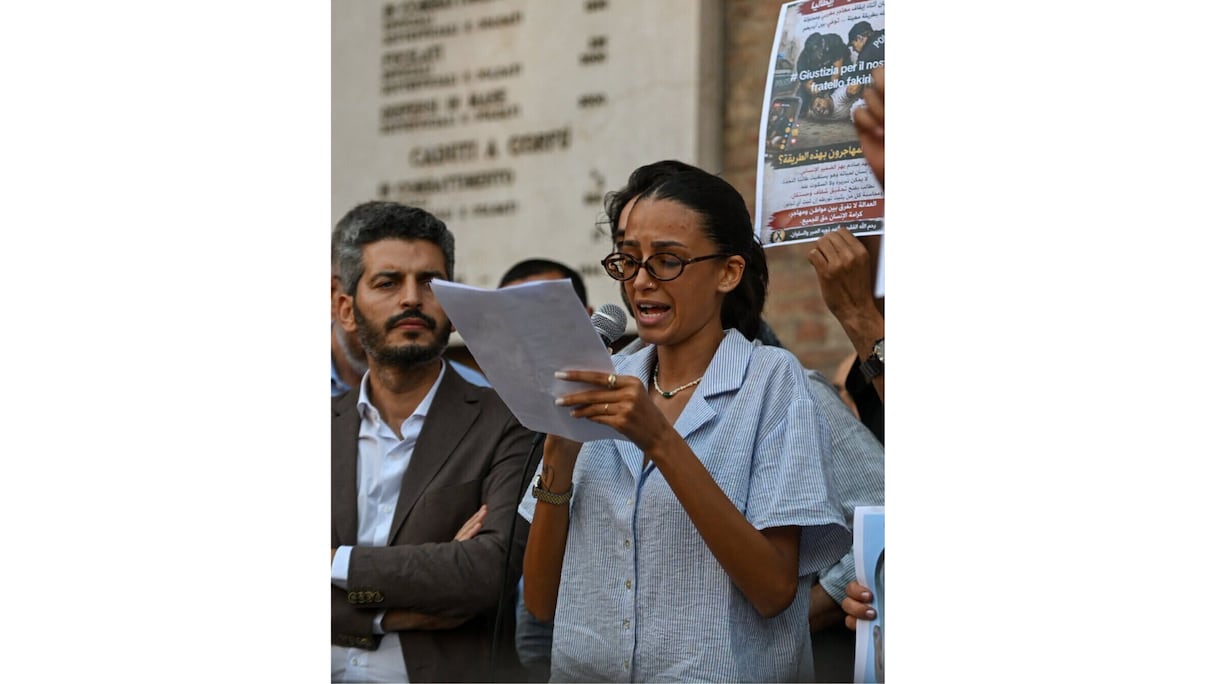
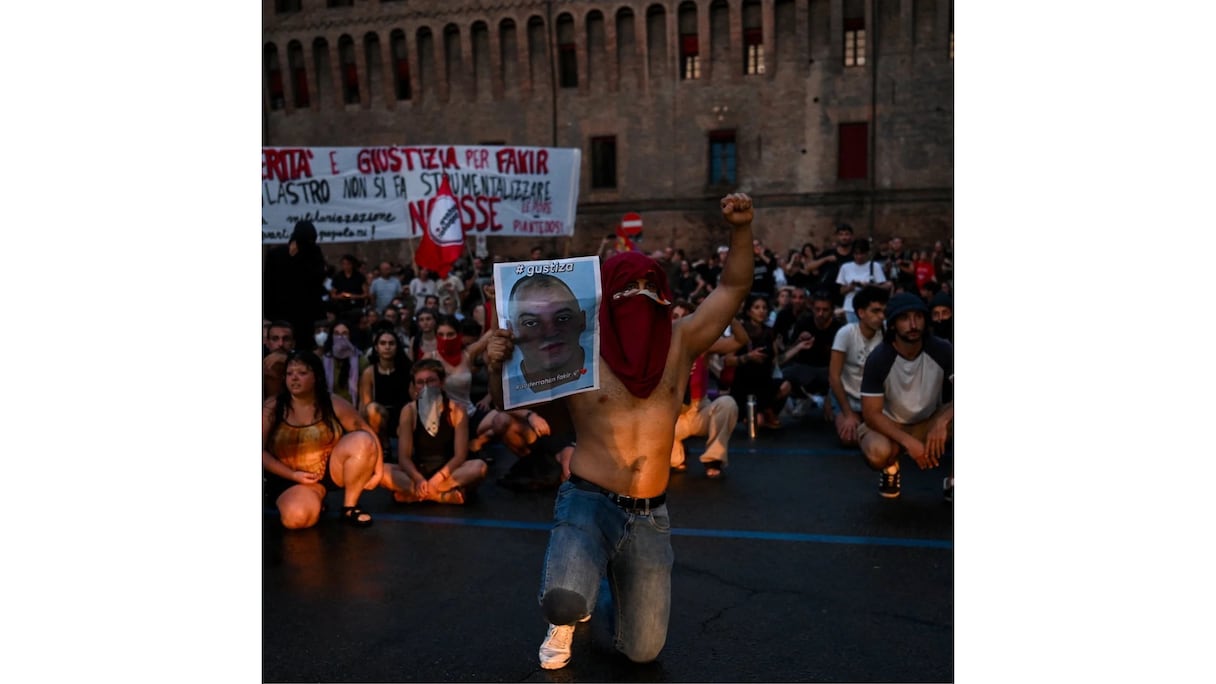
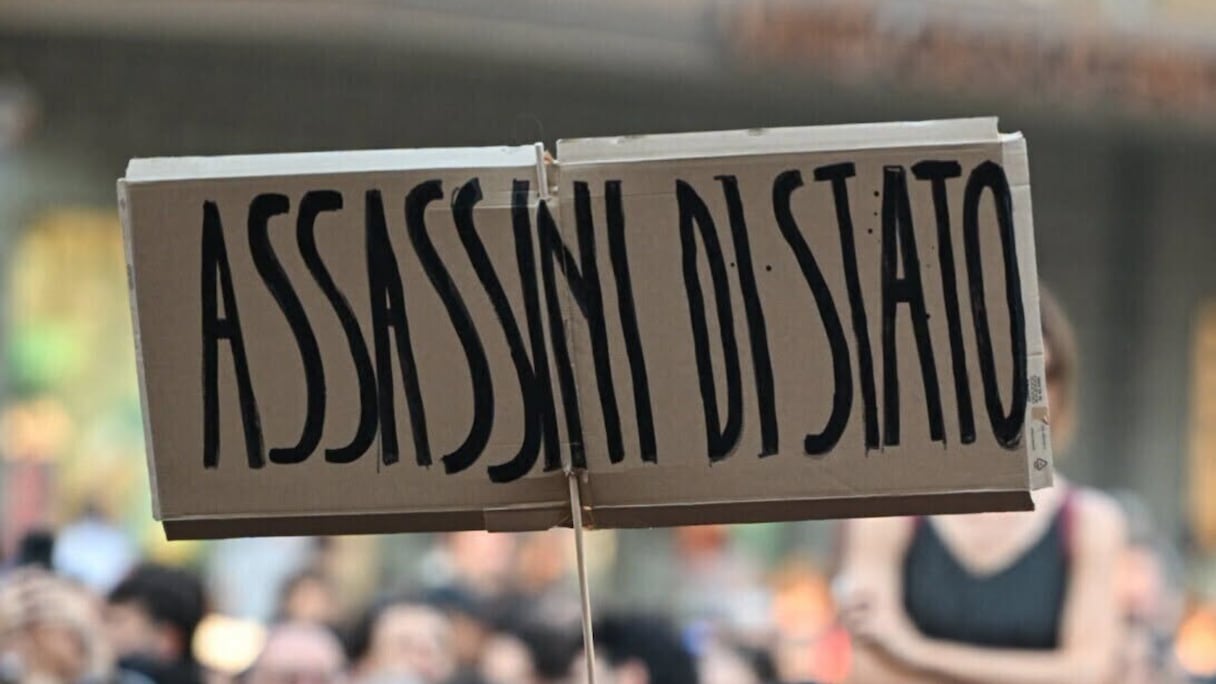
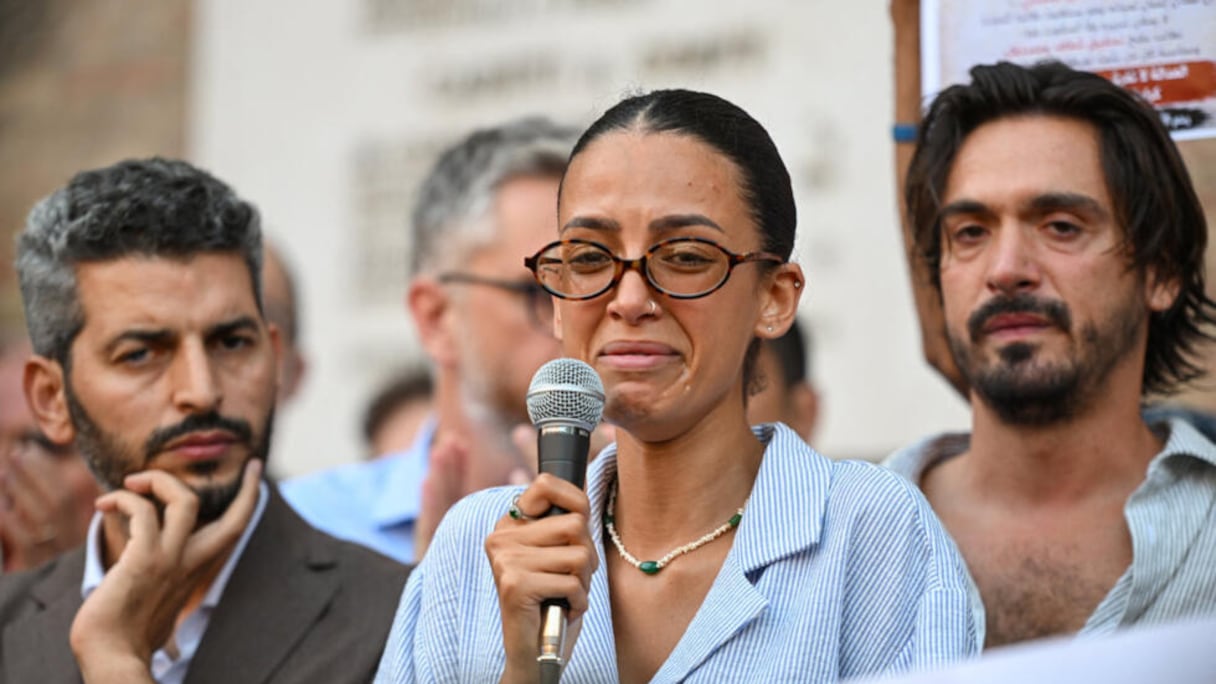
A portrait of Abderrahim Fakir during a demonstration organized following his death on July 20, 2026
According to Professor Vittorio Fineschi, the expert appointed by the family, the first autopsy findings reported lungs filled with blood and extensive areas of hemorrhagic infiltration caused by compression to the back.
Fabio Anselmo believes these findings are consistent with “violent mechanical asphyxia caused by compression of the back.”
Francesco Maria Caruso, former president of the courts of Reggio Emilia and Bologna, later described the conclusions as consistent and also ruled out “any justification” for the death.
The family’s lawyer has filed a request to remove the investigation from the Bologna police department, to which the two officers under investigation belong. This request cites a ruling by the European Court of Human Rights, which requires an independent investigation whenever law enforcement officers are implicated in the events under examination.
