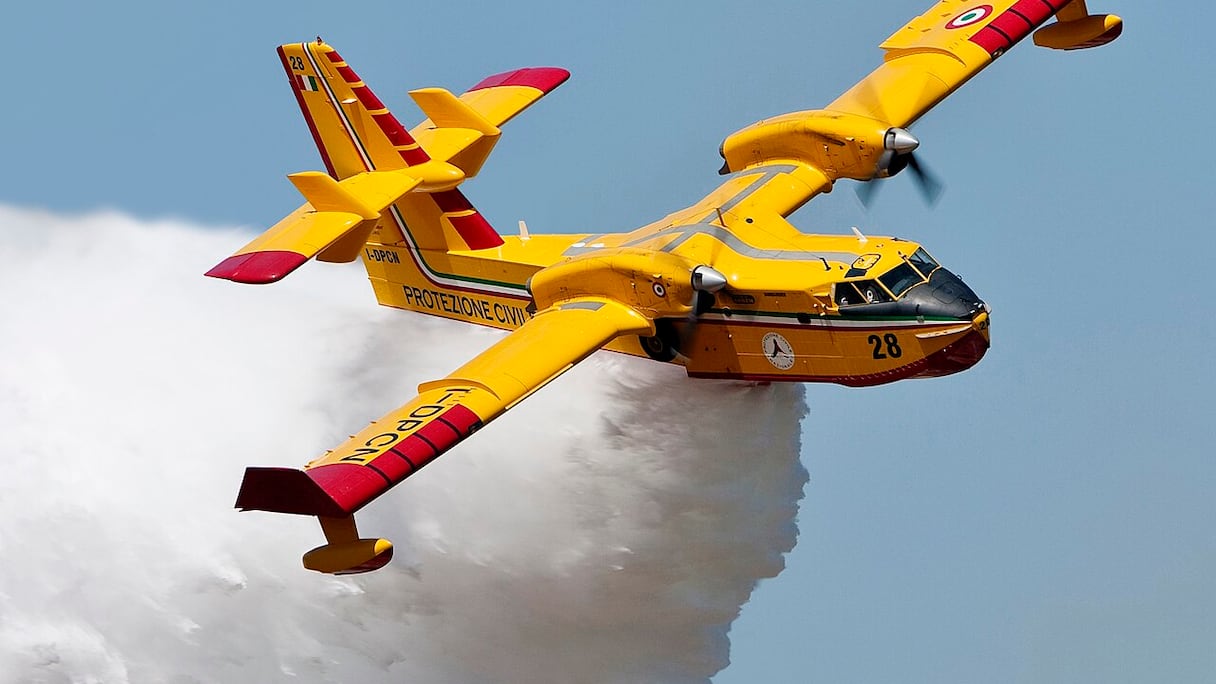
Canadairs, Turbo Thrush aircraft, Super Puma helicopters, watchmen and firefighters: Morocco is deploying its full range of aerial and human resources to tackle the 2026 wildfire season. The Royal Air Force (FRA) and the Royal Gendarmerie play a central role in the national wildfire response, mobilizing their resources for the mission every year.
The operation is supported by a fleet of eight Canadair aircraft operated by the FRA, along with 15 Turbo Thrush aircraft and two EC225 Super Puma firefighting helicopters operated by the Royal Gendarmerie. This range of aerial resources allows Morocco to adapt its response to the nature and scale of each fire.
Each type of aircraft has a specific role. The Canadairs, deployed for the most critical operations, operate from Kénitra’s 3rd Air Base. They carry out a significant share of aerial firefighting operations, which are conducted according to a four-level national classification that determines the scale of resources deployed based on the severity of a fire.
This classification structures the entire national response. At Level 1, ground crews alone handle the fire. Aerial resources, particularly Canadair aircraft, are deployed from Level 2, when the fire exceeds the capacity of ground teams. Level 3 requires the deployment of Royal Gendarmerie air units to reinforce the resources already engaged. Finally, Level 4 provides for international assistance to be requested when the scale of a fire exceeds national capabilities, in order to protect lives, property and forest resources.
A Canadair takes only about 12 seconds to scoop up water. In a matter of seconds, the aircraft takes on more than 6,000 liters of water before heading directly to the fire to release its load. This speed reduces the aircraft’s turnaround time and allows it to make several runs in a short period, a key factor in containing the spread of flames. The aircraft was designed to operate in difficult conditions. Its technical capabilities allow it to reach mountainous areas and forests that are difficult to access by other means, where ground crews often struggle to advance.
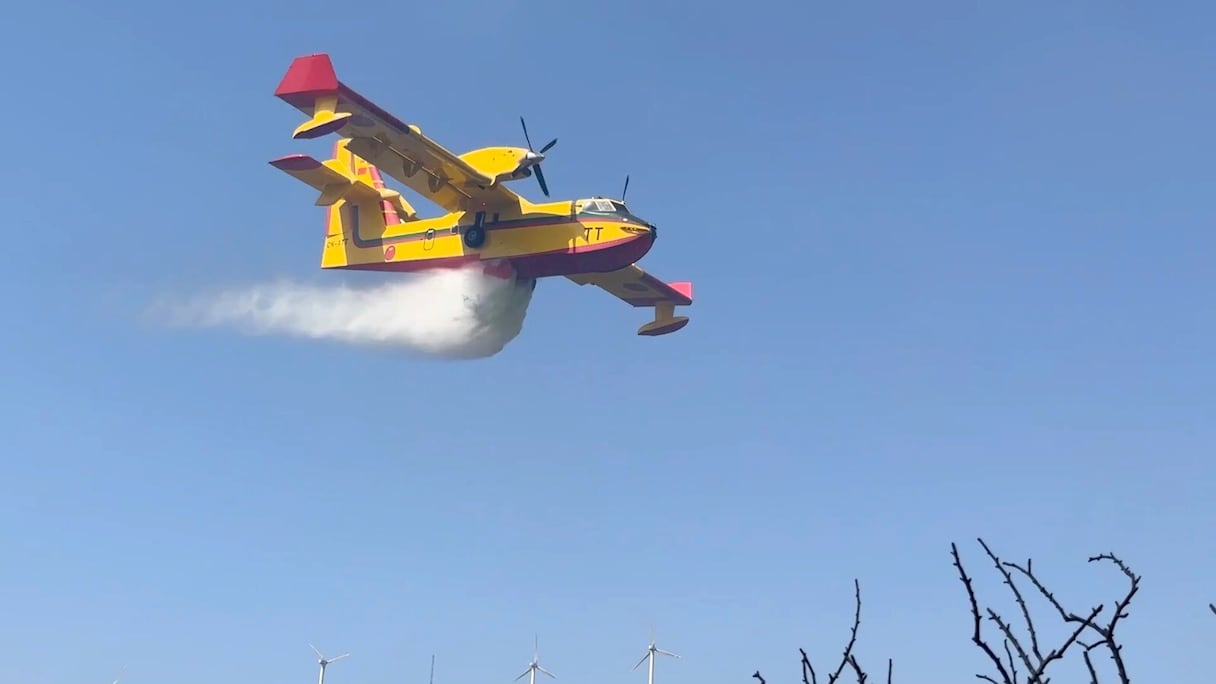
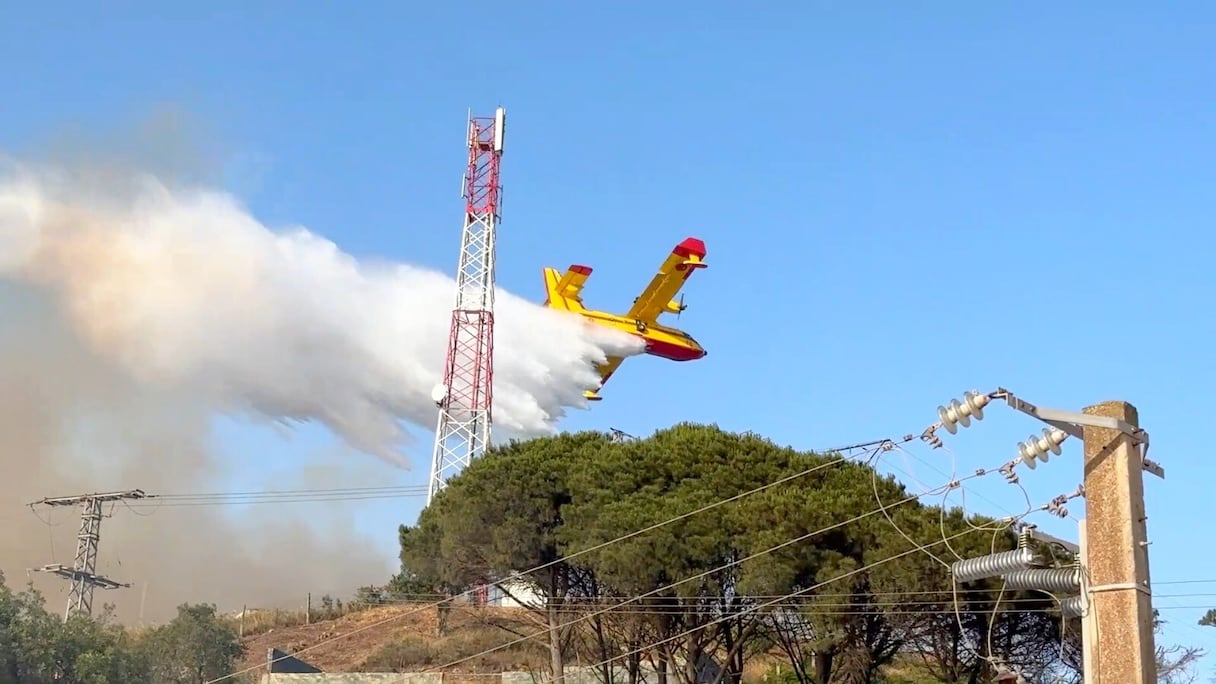


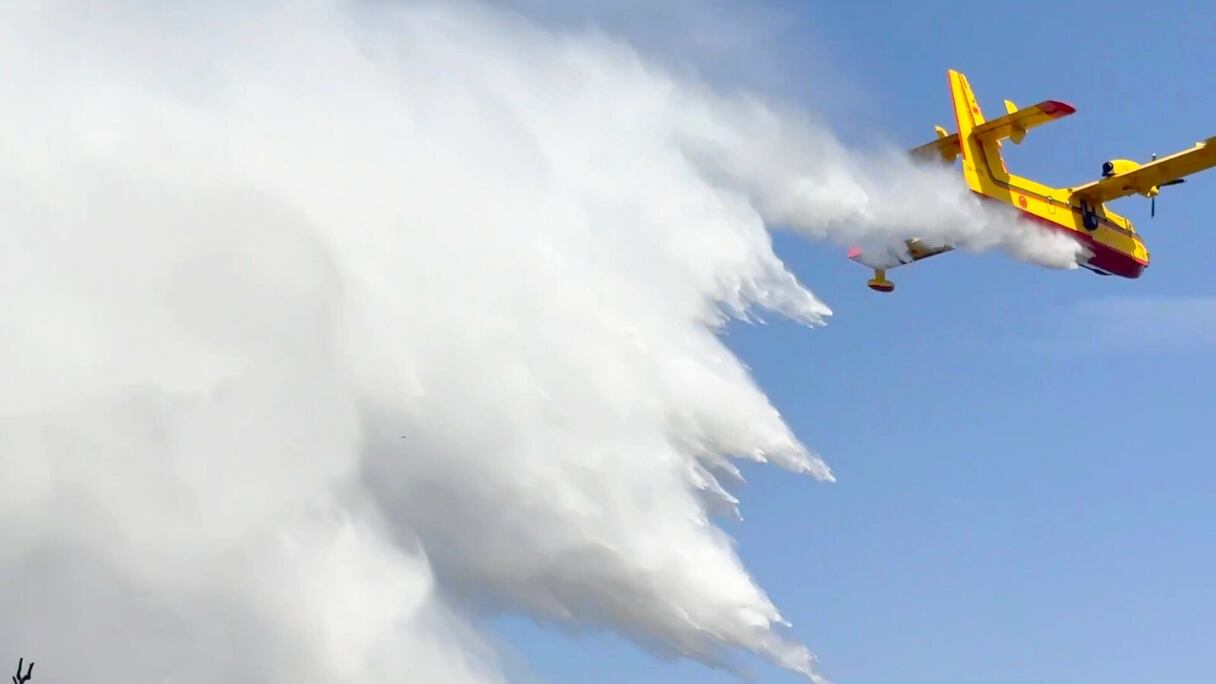
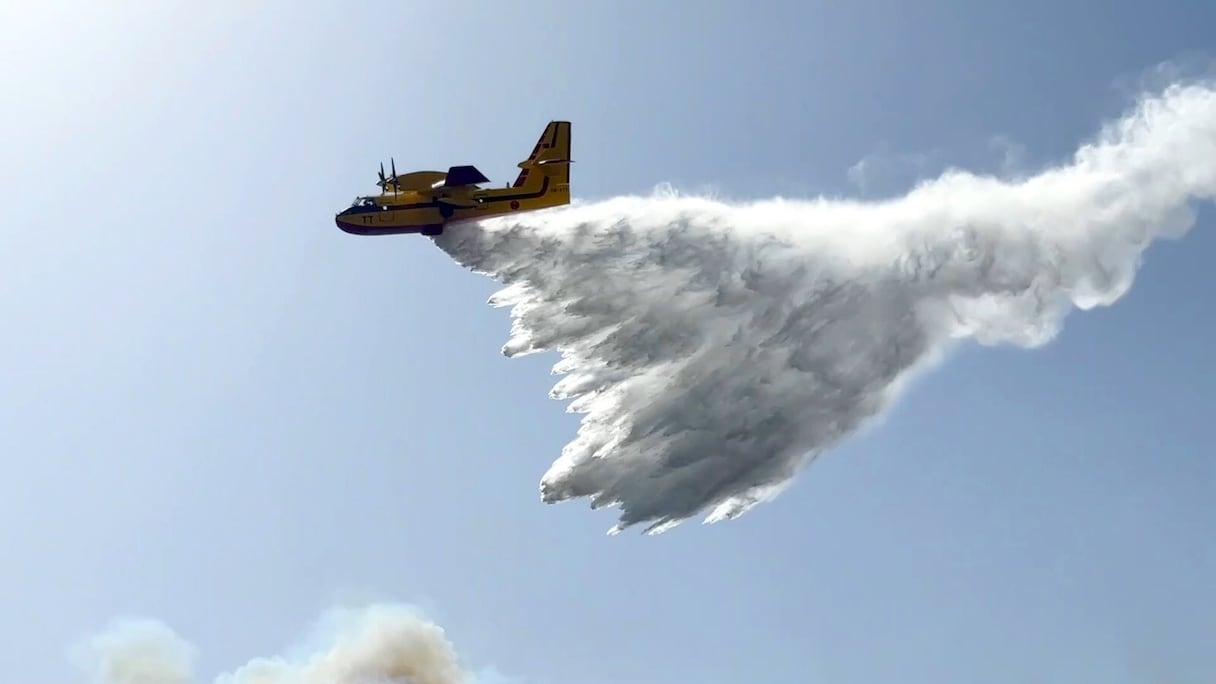

A forest fire spread on Thursday, June 19, in Aïn Lahcen, Tetouan province. Four Canadair firefighting aircraft were deployed to reinforce ground crews. (S.Kadry/Le360)
The Royal Gendarmerie’s Super Puma helicopters are equipped with a modern firefighting system. It consists of a tank mounted beneath the aircraft with a capacity of about 2,500 liters of water or fire retardant. The tank can be refilled in just 20 seconds from a lake, reservoir or any other nearby water source. This ability to refill rapidly close to the fire further reduces downtime between drops.
The Turbo Thrush aircraft complete the aerial response. With a load capacity ranging from 2,000 to 2,500 liters and a flight endurance of about four and a half hours, these aircraft, which specialize in fighting wildfires, can remain over the same fire for extended periods. Their drops are carried out under conditions that balance rapid intervention with safety requirements, two considerations that underpin all aerial firefighting procedures.
This operational readiness cannot be taken for granted. It is supported by preventive and scheduled maintenance carried out outside the wildfire season. The aircraft undergo major inspections lasting several months, including the inspection and overhaul of critical systems such as landing gear, water tanks and engines.
These major inspections are supplemented by daily and periodic maintenance to address the effects of seawater salinity and smoke from fires, both of which accelerate aircraft wear. The entire maintenance system is designed to preserve the fleet’s operational readiness throughout the firefighting season.
The aerial response is only one part of Morocco’s wildfire strategy. The Kingdom is also deploying significant human and technical resources, including more than 2,800 watchmen and forest rangers across the country, tasked with monitoring forests and providing early warnings.
On the ground, a multi-level response
On the ground, the response includes a large number of first-response vehicles operated by the National Agency for Water and Forests (ANEF), alongside Civil Protection trucks and equipment. Specialized units of the Royal Armed Forces, the Royal Gendarmerie, the Auxiliary Forces and local authorities complete the system. All these agencies operate under a unified command and in constant coordination, which is essential to an effective response involving so many different actors.
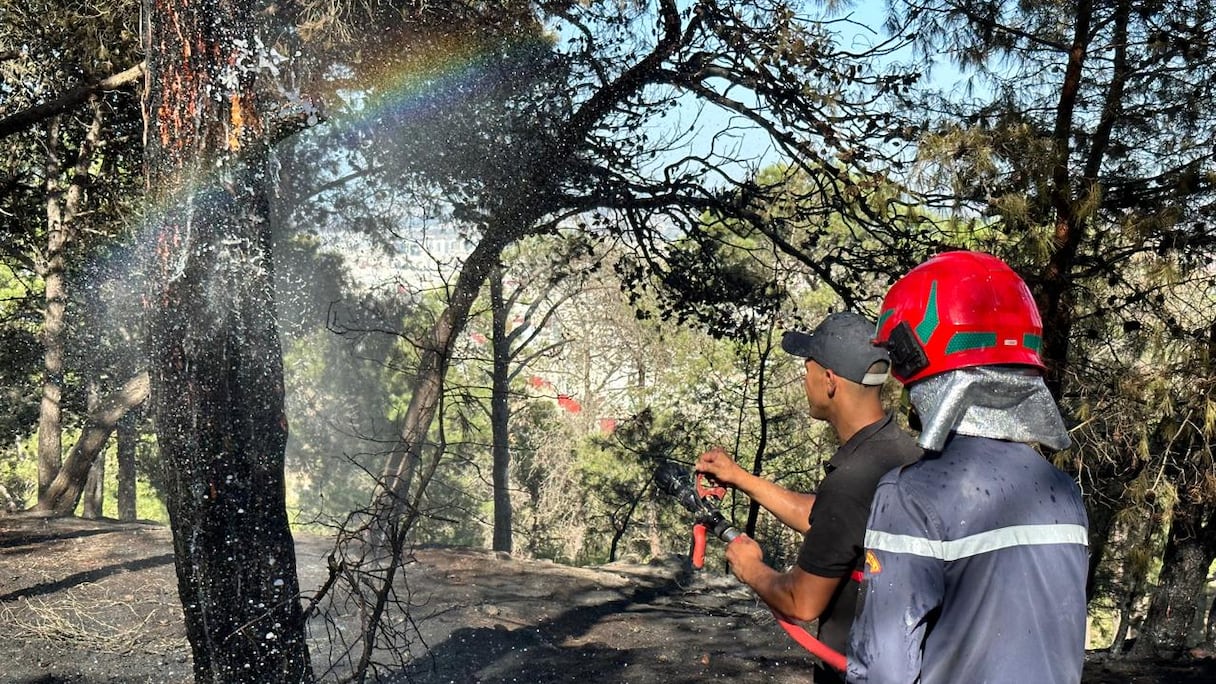
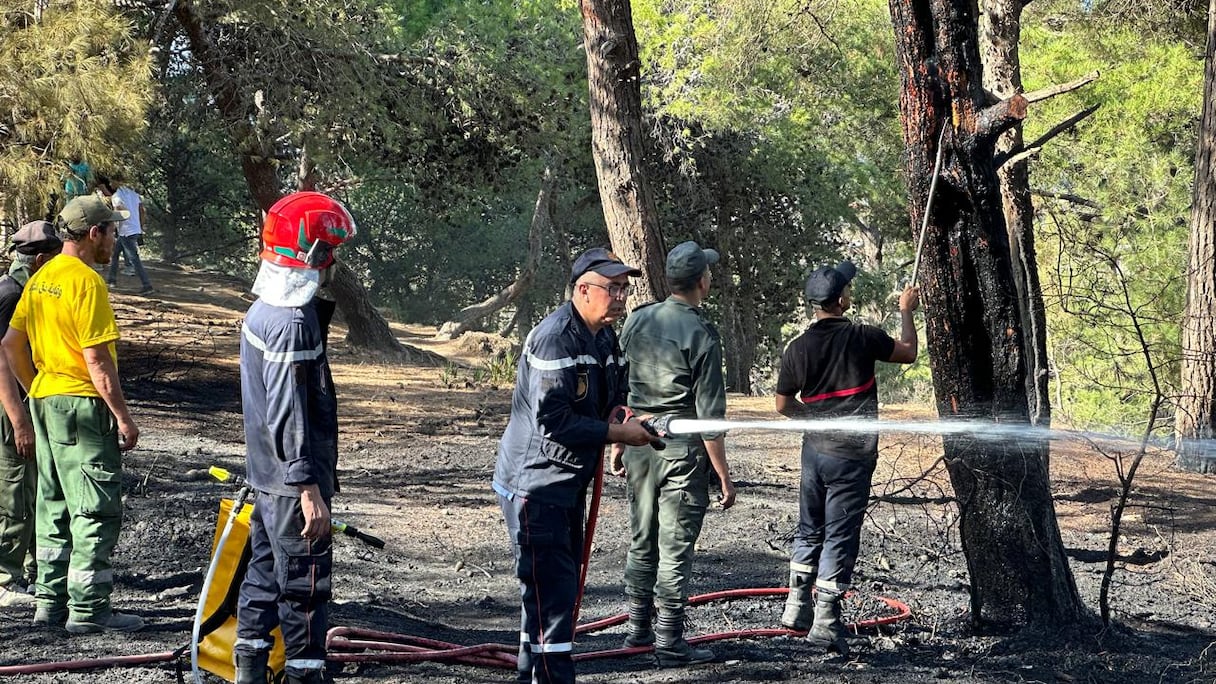
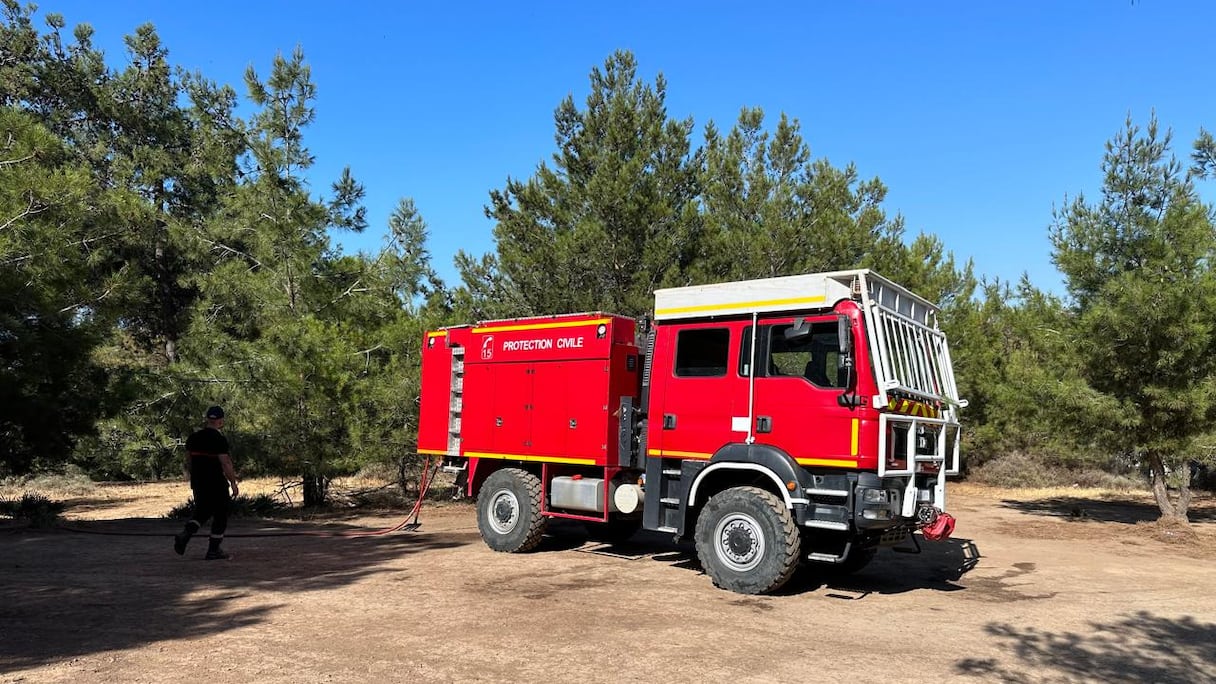
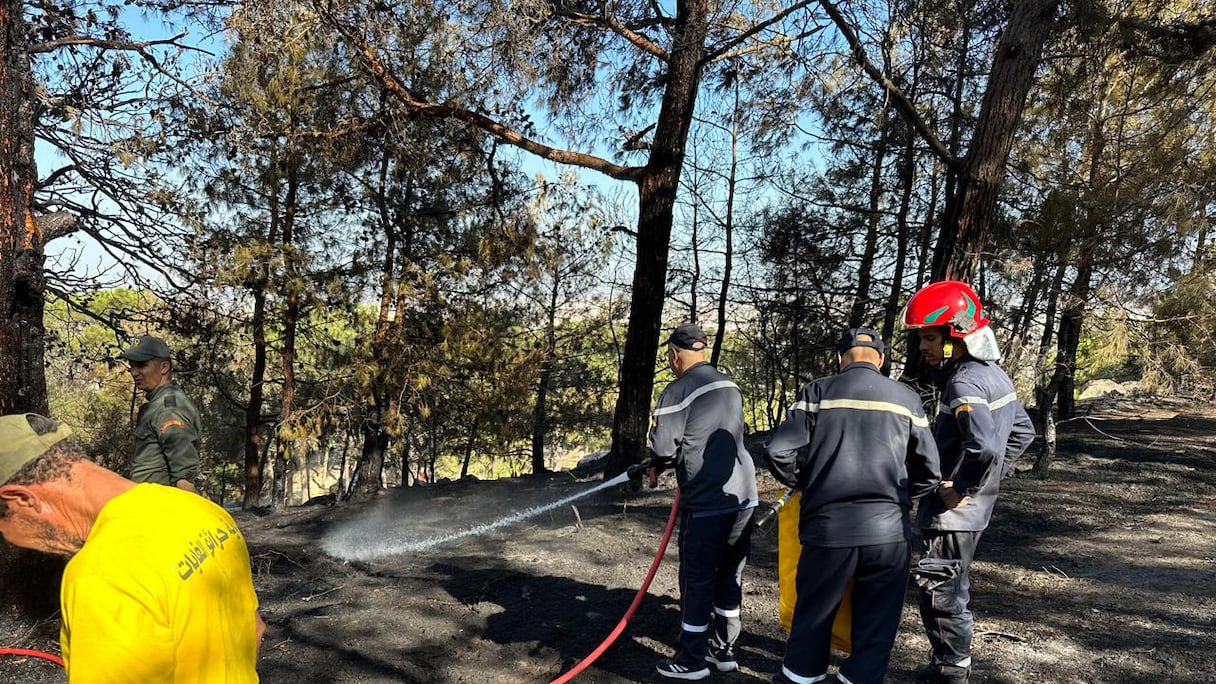
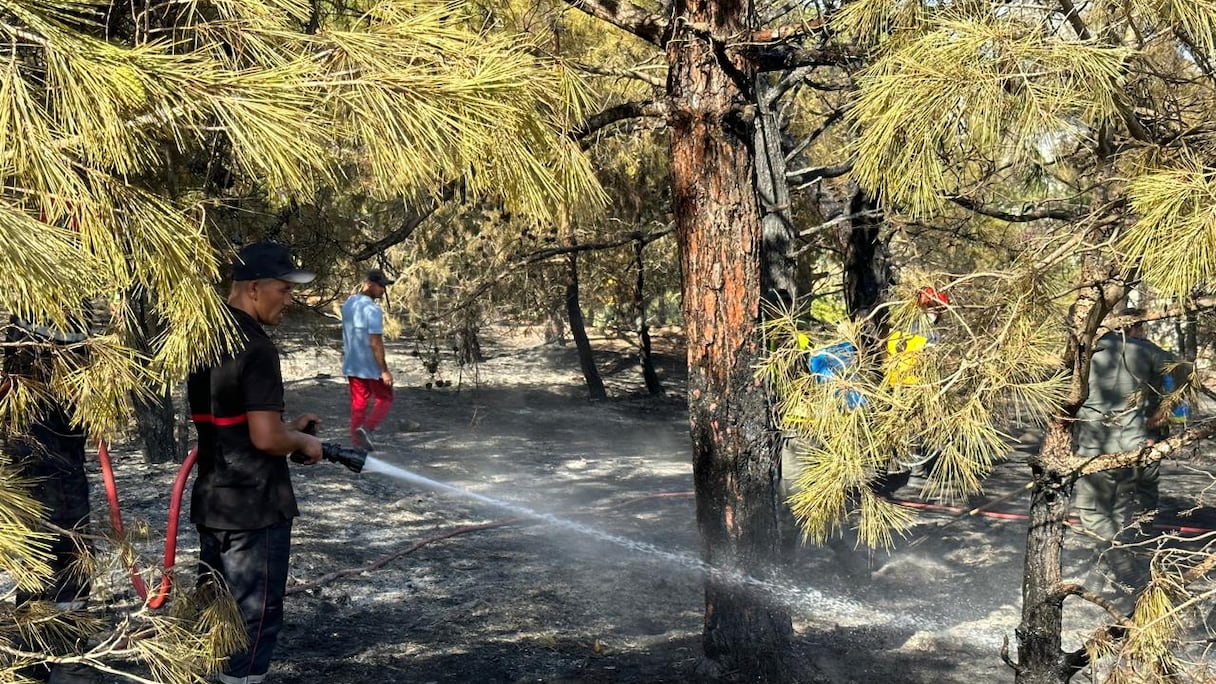
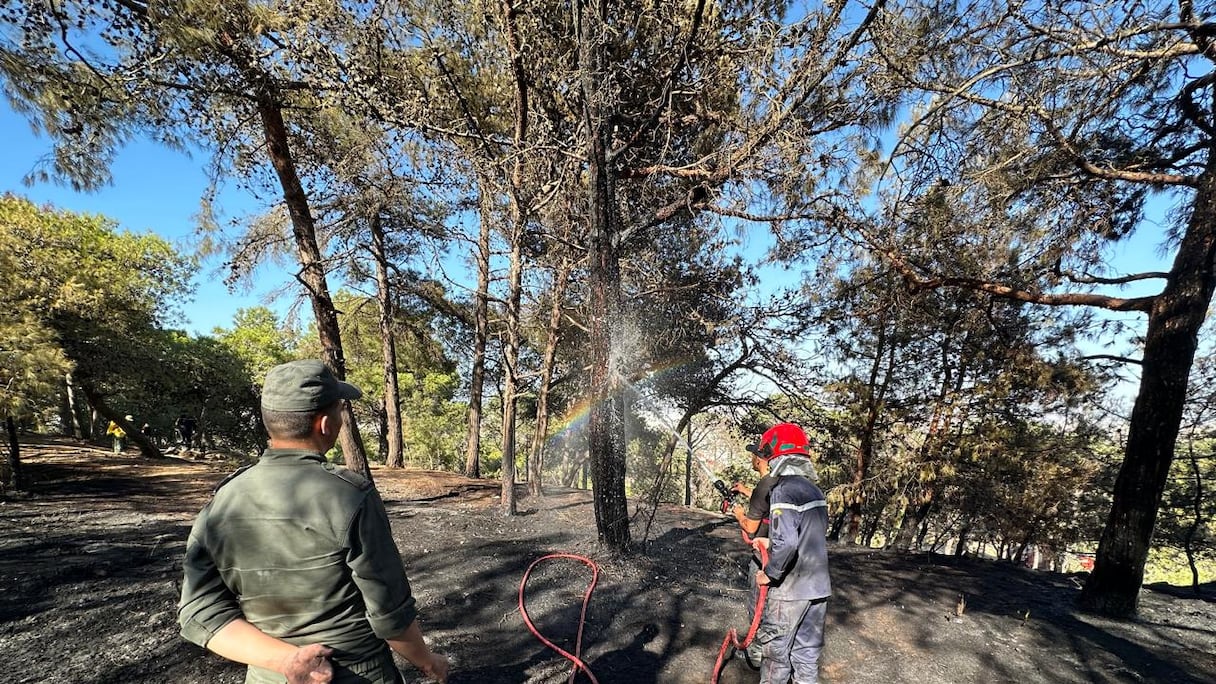
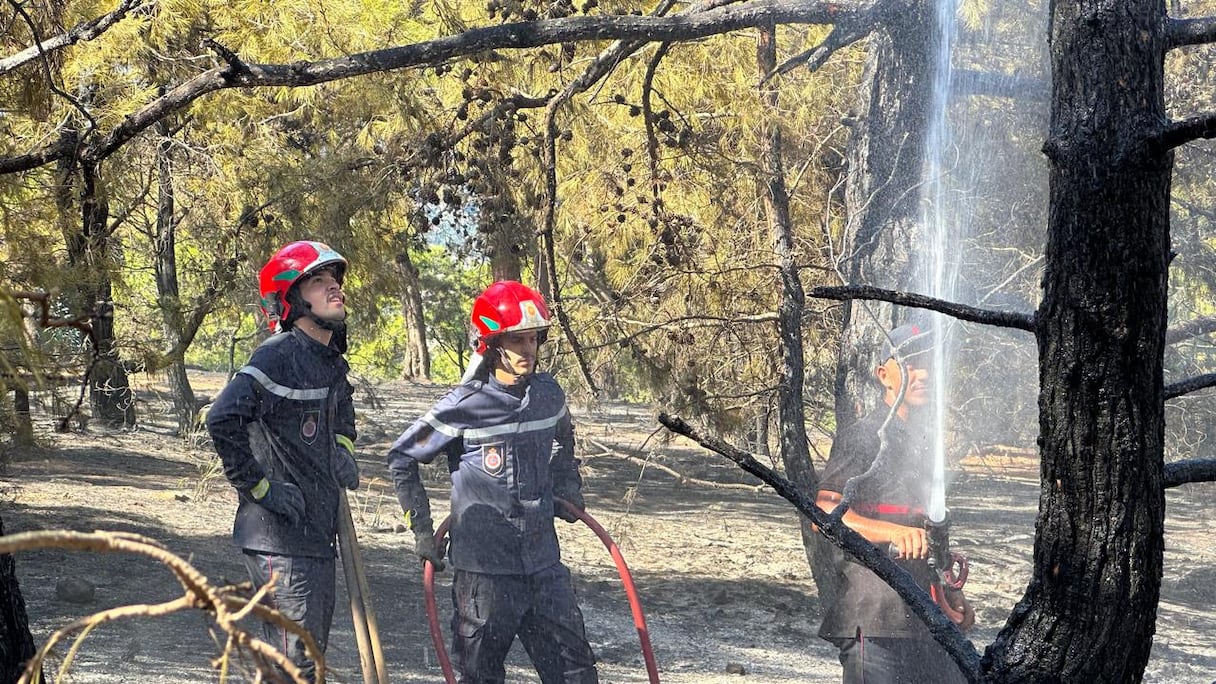
Civil protection personnel extinguished a fire in the Rahrah Forest in Tangier on July 8, 2026. (S.Kadry/Le360). سعيد قدري
It was in this context of preparations for the 2026 wildfire season, and as part of ongoing efforts to monitor the operational capabilities dedicated to fighting forest fires, that the inspector of the Royal Air Force conducted a working visit to the firefighting squadron at the FRA’s 3rd Air Base on May 20, 2026, according to the latest issue of the FAR Space Review.
The visit began in the maintenance hangar. The general reviewed the technical condition of the aircraft as well as the progress of various maintenance and preparation works. This allowed him to assess the efforts made by technical personnel to ensure that the aircraft would be operationally ready for the upcoming wildfire campaign.
During the visit, technical officials briefed the FRA inspector on the main maintenance operations and ongoing work aimed at ensuring the fleet’s optimal readiness for the upcoming summer campaign. They highlighted measures taken to ensure the aircraft’s airworthiness, enhance their operational reliability and keep the specialized firefighting equipment in working condition.
The general then visited the squadron headquarters, where he attended a briefing on the previous year’s activities, the results achieved during the last wildfire season and preparations for the upcoming campaign. The squadron command highlighted the various measures implemented to strengthen the unit’s operational capabilities.
Particular emphasis was placed on training. Three new captains and four new co-pilots were qualified during this period, strengthening the crews and increasing the squadron’s operational capacity. Expanding the number of qualified personnel directly affects the squadron’s ability to carry out more aerial runs during peak periods of the wildfire season.
Preparations for the 2026 wildfire season also included various training activities. A sea-based training campaign helped crews hone their water-scooping techniques at sea and strengthen their skills under conditions similar to those encountered during actual operations.
Night-flight refresher training was also conducted to maintain and develop pilots’ qualifications in a demanding environment requiring greater mastery of procedures and onboard equipment. Finally, all pilots underwent flight simulator training, allowing them to practice handling various operational and emergency situations in a controlled environment. The training helped reinforce crew responses, improve coordination in the cockpit and maintain a high level of flight safety.