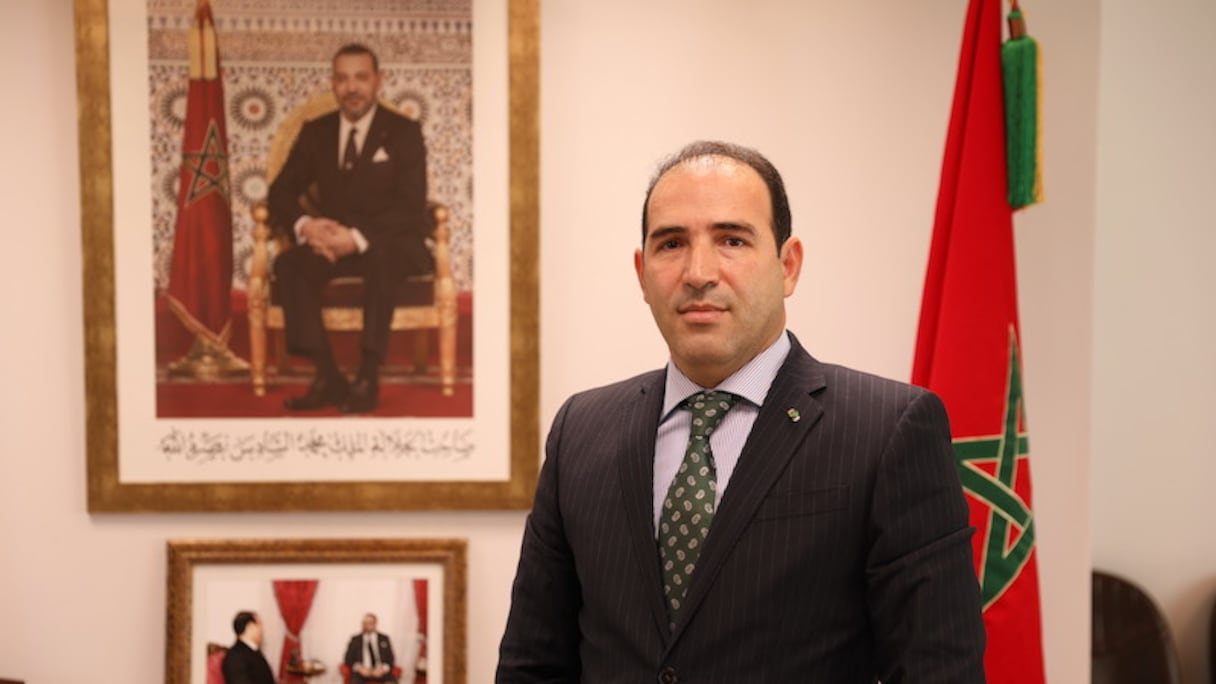
Morocco has made significant institutional and legislative progress in integrity, corruption prevention and the fight against corruption in recent years, Mohamed Benalilou, president of the National Authority for Probity, Prevention and the Fight Against Corruption (INPPLC), said in Rabat on Friday, October 16.
Presenting the main findings of the authority’s 2025 report, Benalilou said these gains still face challenges related to the pace of implementation, the actual impact of reforms on citizens and businesses and the quality of public services.
One of the report’s main findings is the gap between reforms as set out in legislation and how citizens experience them in practice. Benalilou said closing this gap requires linking policy measures to tangible results.
Citizens expect to see the concrete effects of reform in their everyday dealings, whether with public or private sector services, he added.
In its annual report, the authority identifies another fundamental challenge in the fight against corruption, namely the degree of coordination between the various stakeholders and the consistency of policies, initiatives and programs related to integrity and good governance.
The report notes that the most successful experiences in this field rely on institutions and mechanisms being able to coordinate and complement one another’s work, exchange information and share responsibilities.
The year 2025 marked a shift toward restructuring the INPPLC’s interventions within an integrated vision. It was also a turning point in developing the authority’s five-year strategy for 2025-2030, based on a new vision, the report states.
This transition requires clear political and institutional commitment, coordinated collective efforts and close cooperation among the various stakeholders. “Integrity is a responsibility exercised every day, in every institution and in every decision affecting citizens’ rights and interests or the management of public funds,” the report states.
Although Morocco has introduced major reforms and made significant progress, their impact must be strengthened further, while the implementation gap requires a clear and responsible response, the report concludes.
It describes the fight against corruption as a collective national undertaking in which every institution has a role, every stakeholder has a responsibility and every citizen has an opportunity to contribute.
Success, it adds, requires sustained political and institutional commitment, structured cooperation, informed citizen participation and the ability to address shortcomings revealed in practice.
The report also recommends implementing three fundamental principles. These are electoral integrity as a means of strengthening political governance and democratic trust; criminal procedure that reinforces law enforcement while respecting fundamental rights and safeguards; and the recovery and management of illicit proceeds to target the economic profitability of crime.
Read also : Copyright, AI misuse under spotlight at first Morocco-US creative industries summit
The INPPLC’s 2025 annual report is structured around nine areas. The first five cover an analysis of integrity and corruption in Morocco, an assessment of ten years of implementation of the National Anti-Corruption Strategy, institutional complementarity in building a national integrity system, the handling of cases and secure reporting.
The remaining areas address the authority’s opinions and regulatory recommendations, strengthening society’s resilience to corruption and five key messages outlining the main principles of integrity and the fight against corruption in Morocco.
