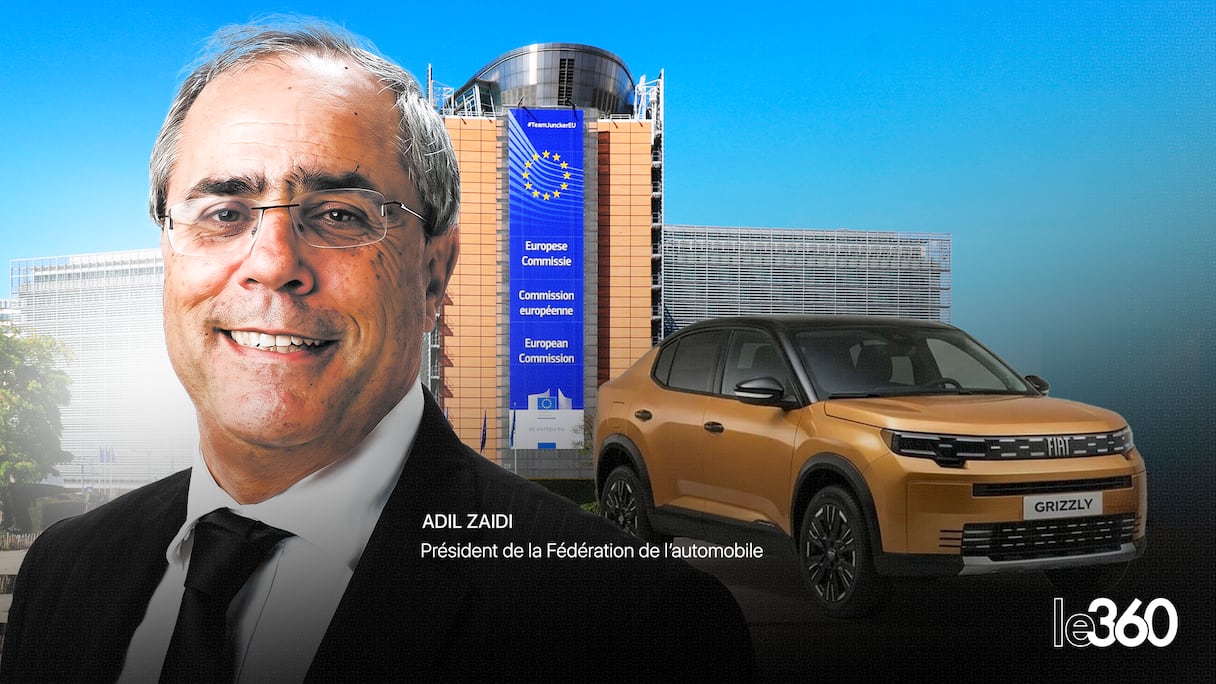
The European Commission’s decision to impose a provisional import quota comes at a delicate juncture for Morocco’s automotive industry, as Brussels seeks to strengthen European preference through its proposed Industrial Accelerator Act (IAA), commonly referred to as “Made in Europe.” The proposed legislation seeks to introduce Union origin requirements in public procurement and public support schemes across selected strategic sectors, including the automotive industry, and to strengthen Europe’s industrial sovereignty.
For Morocco, whose automotive industry has developed over the years through close integration into European value chains, these developments raise questions about the terms of access to the EU market and the recognition of its industrial integration. Having steadily consolidated its position in Europe, the Kingdom now finds itself subject to a safeguard measure capping imports of certain new hybrid vehicles, at a time when its exports in this segment are growing particularly rapidly.
For Adil Zaidi, president of the Automotive Federation within the General Confederation of Moroccan Enterprises (CGEM), two pitfalls must be avoided: overstating the gravity of the situation before its full implications have been assessed, and downplaying a decision that affects one of the key drivers of growth in Morocco’s automotive industry.
Commission Implementing Regulation (EU) 2026/2614, published in the Official Journal of the European Union on Tuesday, November 24, introduces a provisional safeguard measure for 200 calendar days, effective from December 1, 2026. Morocco’s country-specific quota (CSQ) has been set at 23,954 vehicles, allocated across three quota periods:
- 10,779 units from December 1, 2026, to February 28, 2027;
- 11,019 units from March 1 to May 31, 2027;
- 2,156 units from June 1 to June 18, 2027.
Read also : EU imposes import quota on Moroccan hybrid vehicles
The first consideration is the trajectory of Moroccan exports. According to Eurostat data cited in the Commission implementing regulation, EU imports of hybrid vehicles originating in Morocco rose from just 18 units in 2023 to 26,815 in 2024 and 37,771 in 2025. Over the 12 months from July 2025 to June 2026, defined by the Commission as the most recent period (MRP), they reached 61,259 vehicles.
This growth partly explains why Morocco now falls within the scope of the EU safeguard measure. In 2025, its share of EU imports of hybrid vehicles stood at approximately 3.08%, marginally above the 3% individual import-share threshold applicable to the exemption of developing countries from safeguard measures.
For Zaidi, however, this growth must be put into context. Morocco only began to develop significant exports in this segment from 2023 onwards. A sharp percentage increase does not, therefore, necessarily translate into a dominant position in terms of import volumes. “Just because we account for 3.08% of EU imports does not mean we should be allocated a quota that is 28.6% below our current export rate,” he argues.
Demand in the European market itself is accelerating. The share of hybrid vehicles in new passenger car registrations rose from 33% in 2023 to 44% in 2025 and subsequently to 46% over the most recent period examined by the Commission.
The issue, then, lies at the intersection of two trends: growing European demand and a Moroccan supply base rapidly gaining market share.
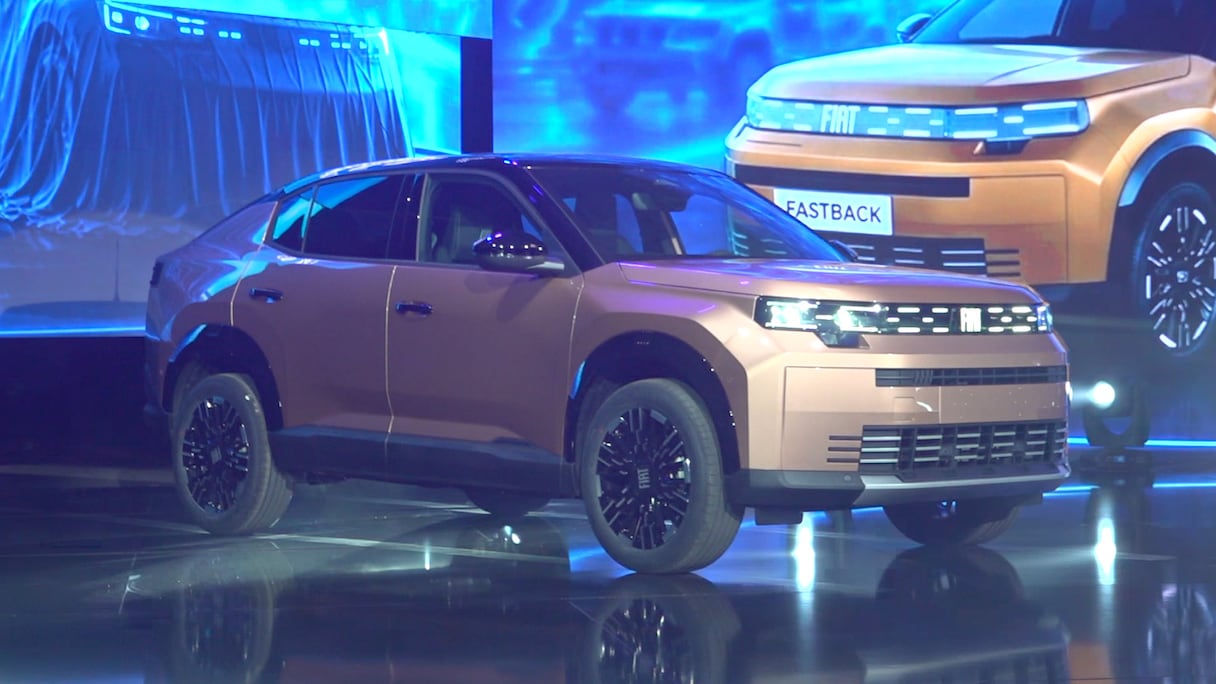
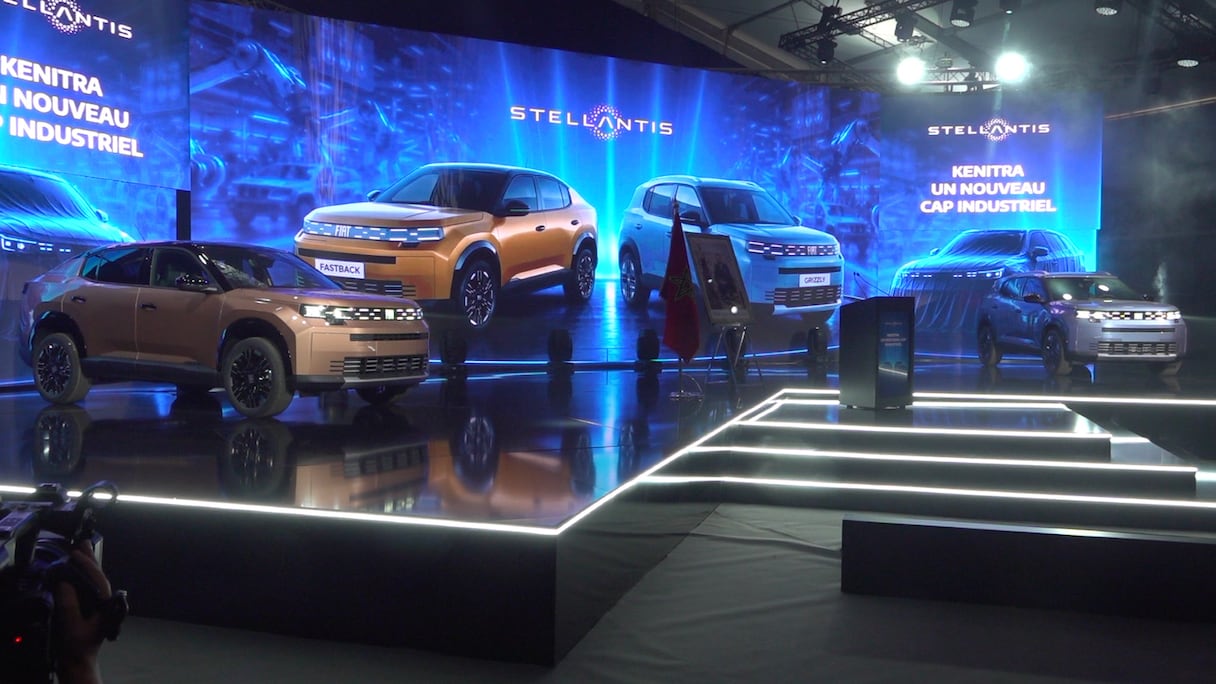
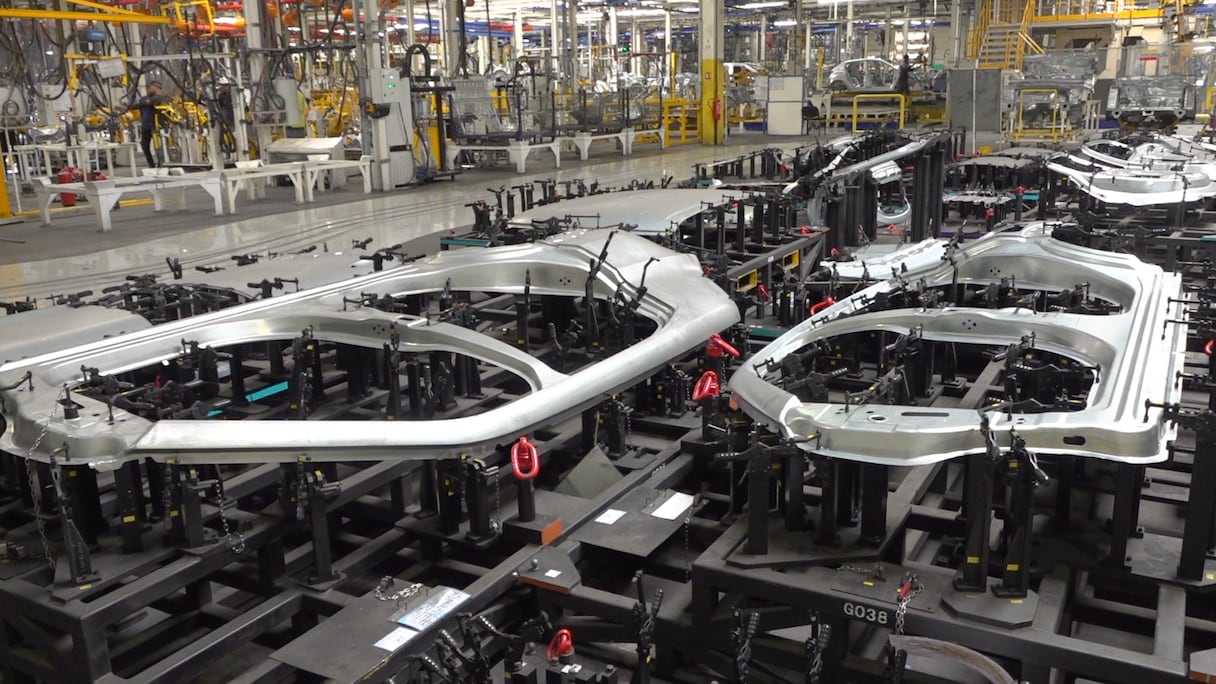
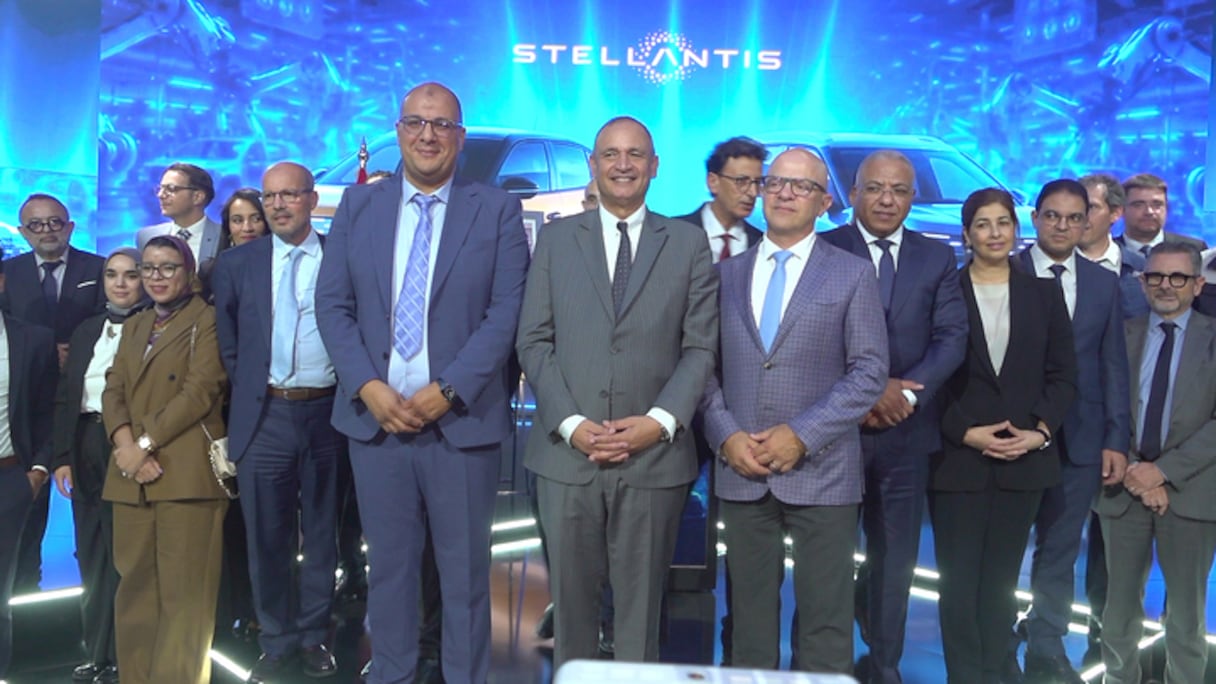
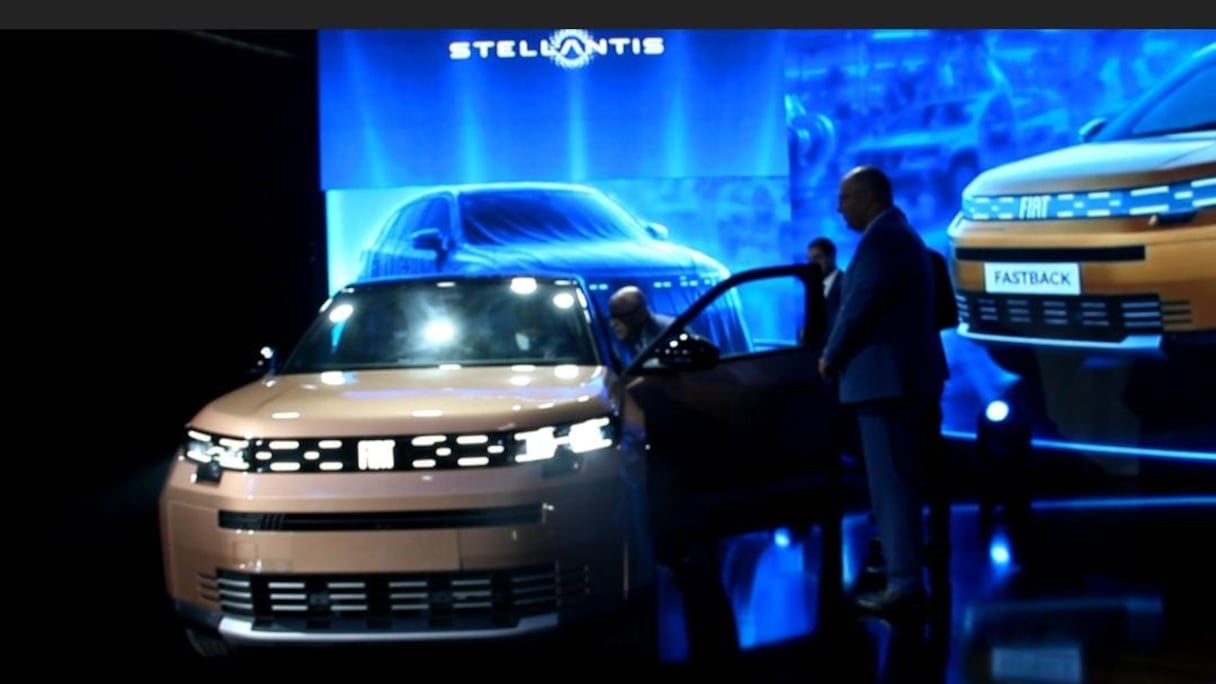
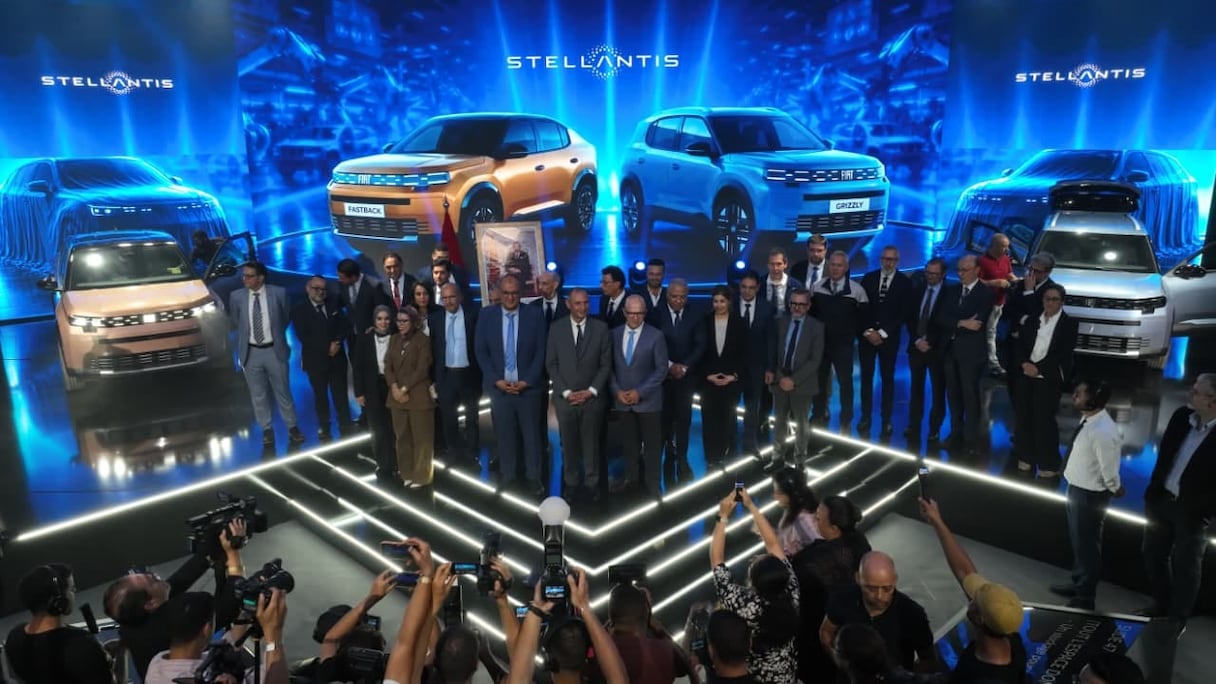
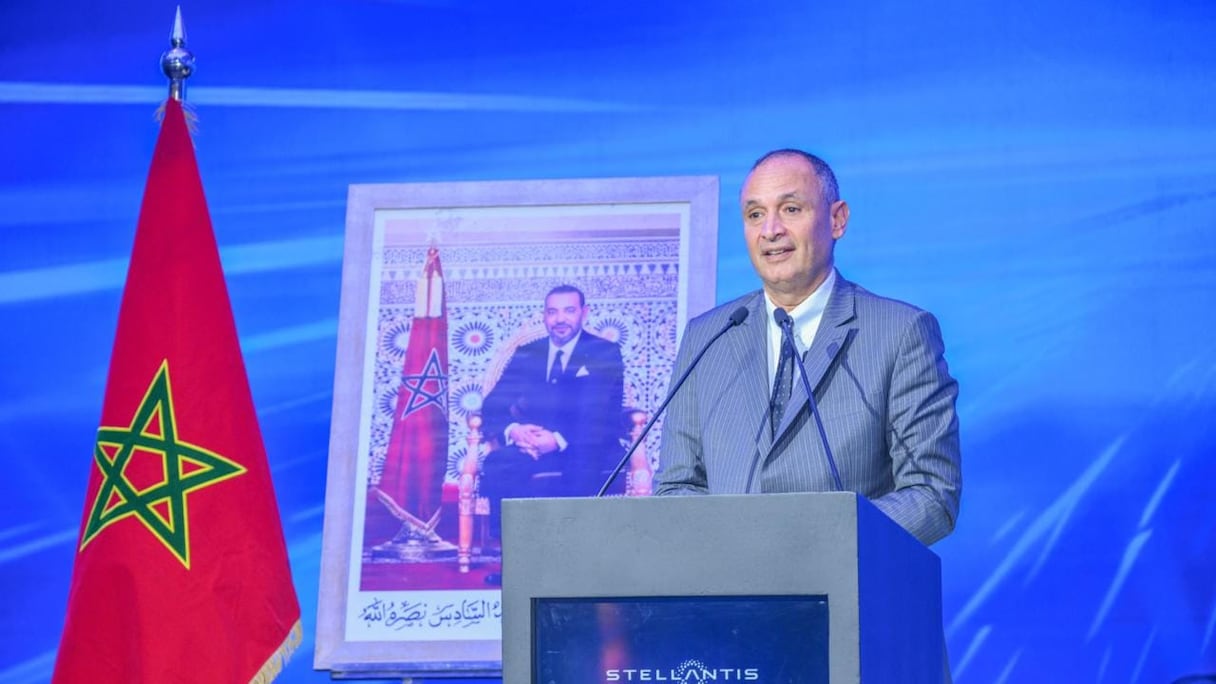
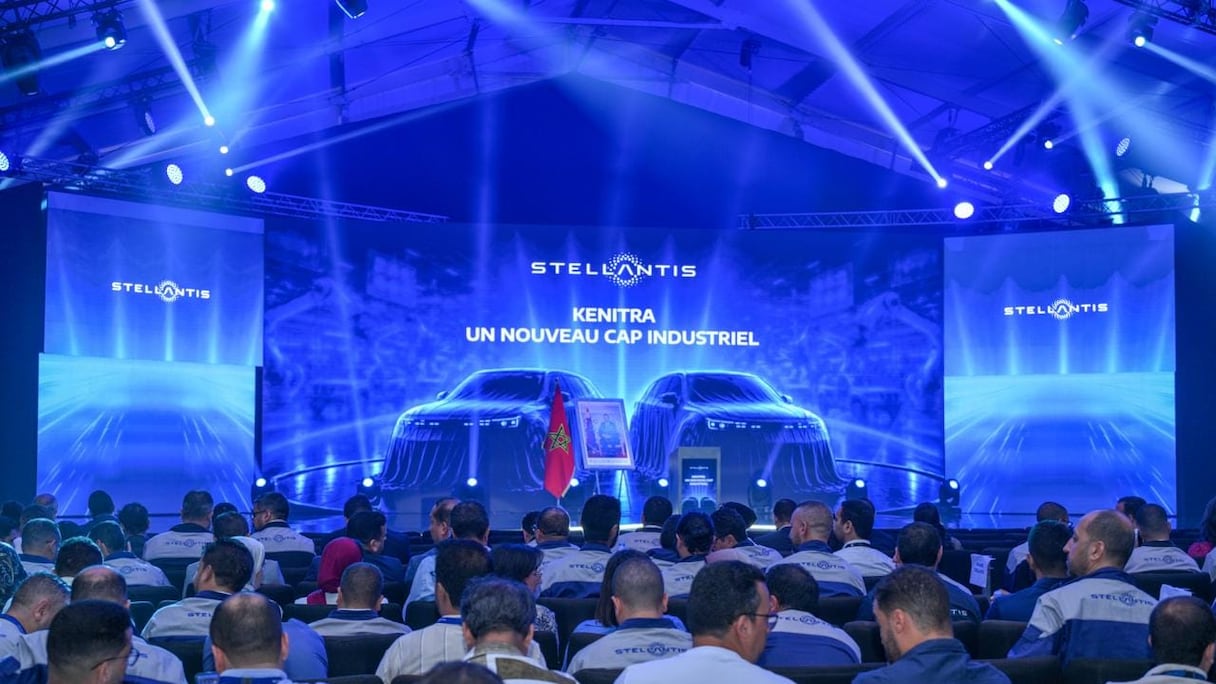
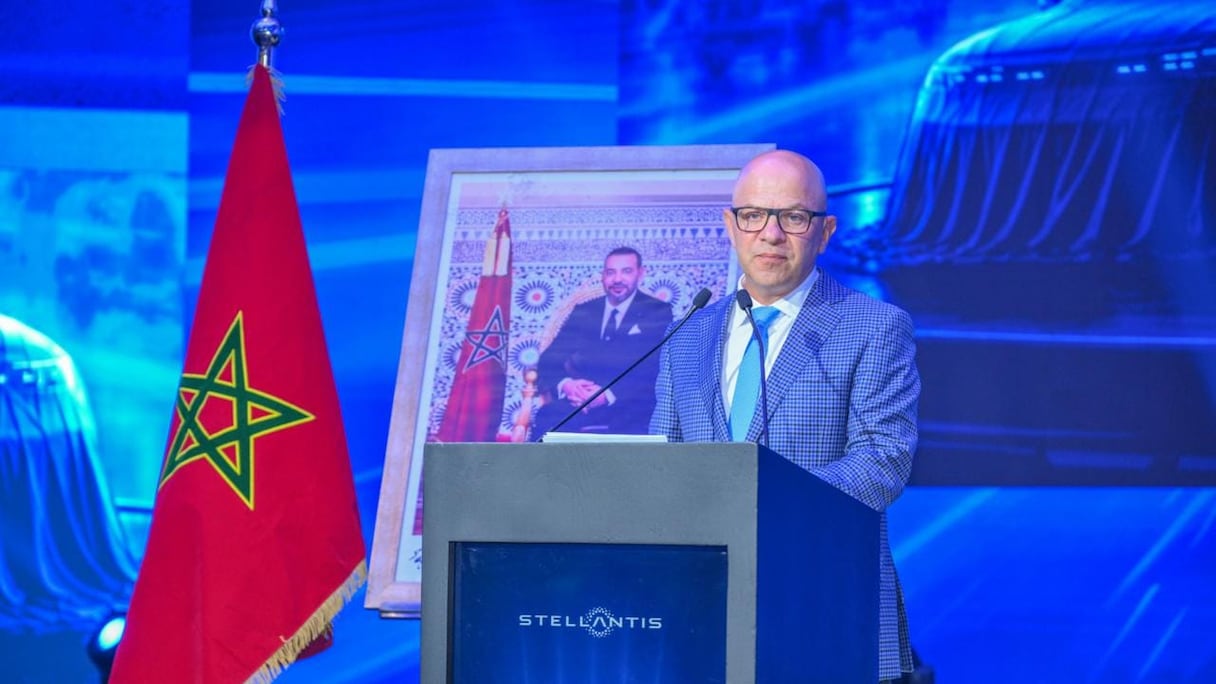
Stellantis expands its lineup with the new Fiat Grizzly and Fastback models
The gap between recent export volumes and the quota allocated to Morocco is the principal concern for automotive industry operators.
Based on the 61,259 vehicles imported into the EU from Morocco between July 2025 and June 2026, the average export rate would correspond to approximately 33,567 vehicles over a 200-day period. The quota of 23,954 units therefore represents a volume 28.6% below that projected level.
Adil Zaidi nevertheless refuses to regard the decision as a fait accompli. The president of the Automotive Federation believes that the figures must be assessed not only in light of the sector’s growth trajectory but also within the broader framework of trade and industrial relations between the two partners.
Trade agreements must be the starting point
Beyond the question of volumes, Adil Zaidi places the legal dimension at the heart of Morocco’s response. The Kingdom and the European Union are bound by several trade agreements and cooperation frameworks. Before embarking on political or diplomatic negotiations, he believes it is essential to establish whether the European measure is consistent with the commitments undertaken by both parties.
“As a matter of principle, we must always go back to the contractual framework. Morocco and the European Union have signed agreements and conventions. We need to examine them and establish whether they are being complied with,” he explains.
To that end, he advocates setting up a task force of legal experts to examine the applicable legal instruments, identify any potential inconsistencies with existing obligations and determine the grounds on which the measure might be challenged.
This assessment should cover both the general provisions governing trade and the specific commitments underpinning relations between the two partners.
Recourse to dispute settlement mechanisms, including those available under the World Trade Organization (WTO) framework, is among the options to be considered. But Zaidi does not see litigation as the sole avenue of response. Above all, he calls for dialogue with the European authorities, backed by precise economic and industrial arguments.
“The rules of the game cannot simply be changed like that,” he insists.
In his view, Morocco must be able to make the case for the privileged nature of its relationship with the European Union and the degree of industrial integration its automotive sector has achieved.
Read also : ‘Made in Europe’: Why Morocco refuses to be treated as just another third country
It is precisely on these grounds that the president of the Federation intends to frame the debate. Vehicles exported from Morocco are not the product of a stand-alone value chain. They incorporate components, parts and subassemblies sourced extensively from Europe. A significant proportion of the vehicle manufacturers and automotive suppliers operating in the Kingdom are themselves European or international groups.
Restrictions on imports from Morocco could therefore have repercussions for European suppliers themselves.
Zaidi also recalls the role played by Morocco’s manufacturing platforms during recent crises. At the outset of the Russia-Ukraine war in 2022, the transfer of certain wiring harness and electrical connectivity manufacturing operations to Morocco enabled European carmakers to maintain their supplies and keep their production lines running.
“Morocco has demonstrated in the past that it can offer solutions to some of Europe’s competitiveness challenges,” he points out.
This interdependence, he argues, constitutes a compelling argument in discussions with Brussels. The issue is not one of seeking preferential treatment without offering anything in return, but of making clear that trade measures affecting Morocco can also work against Europe’s own industrial interests.
Making the case through economic diplomacy
For Adil Zaidi, the response must therefore be a collective one. The public authorities, economic diplomacy actors, the CGEM and automotive industry stakeholders must establish a common platform backed by robust data and concrete regulatory proposals. “We need to explain the realities on the ground. That is our role,” he stresses.
He advocates an approach to economic diplomacy built on persuasion, one that goes beyond denouncing trade restrictions and demonstrates to Europeans what they stand to lose by undermining a partner that has become strategically important to their industry. “You need to understand what you stand to lose and what you stand to gain. Ultimately, you could lose more than you gain,” he argues.
This approach rests on the premise that Morocco should not be treated in the same way as other exporting countries whose growing presence is fueling European concerns. Its automotive industry has developed in close partnership with European carmakers and contributes to their competitiveness. Safeguarding Morocco’s interests therefore also means defending that industrial interdependence.