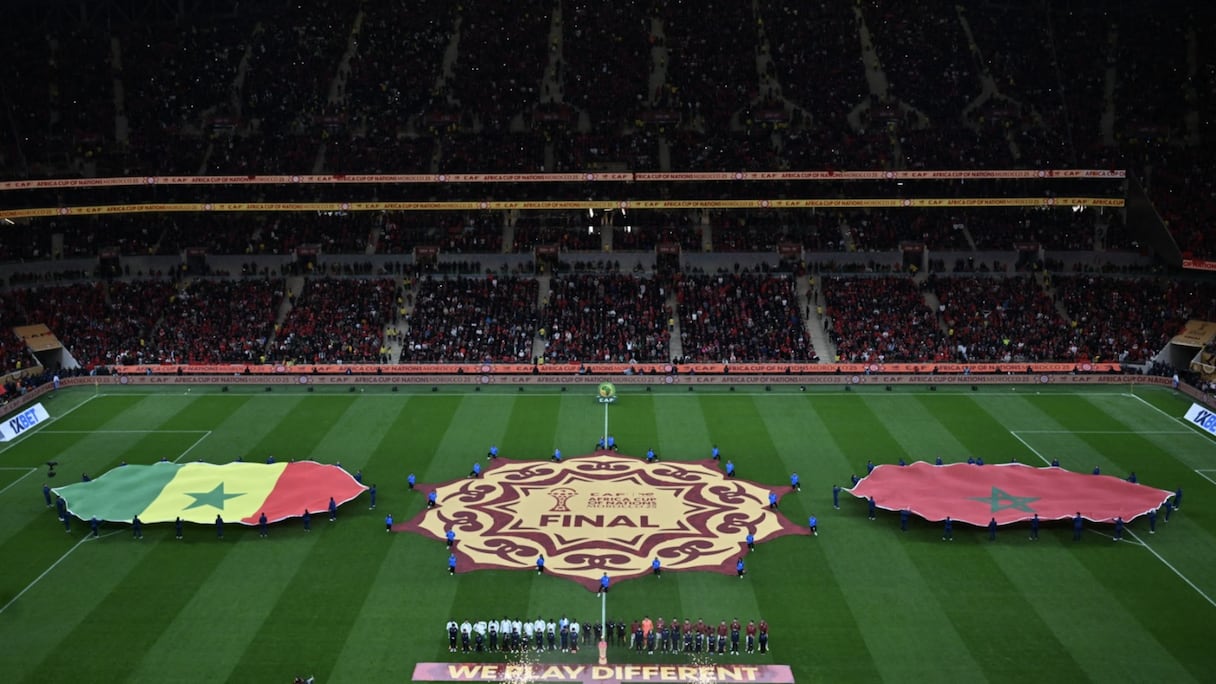
Sixteen minutes of protest on the pitch in Rabat have led to ten months of legal proceedings, two conflicting rulings by African football’s governing body and a dispute that will finally come before judgment at the Court of Arbitration for Sport (CAS) this Tuesday.
Read also : AFCON 2025: CAS to deliver verdict on Morocco–Senegal final on Tuesday, November 24
The Lausanne-based tribunal is due to rule on the Senegalese Football Federation’s appeal against the March 17 decision of the Confederation of African Football (CAF) Appeal Board, which declared Senegal to have forfeited the 2025 Africa Cup of Nations final and awarded Morocco a 3-0 victory.
At the heart of the dispute are two competing interpretations of what happened on January 18. Senegal maintains that its 1-0 victory after extra time should stand. Morocco argues that the Senegalese players’ withdrawal from the pitch warranted a forfeit under Articles 82 and 84 of the competition’s regulations, irrespective of what happened after play resumed.
January 18: Sixteen minutes that changed the final
The controversy erupted in the closing stages of normal time at the Prince Moulay Abdellah Stadium, with neither side having scored.
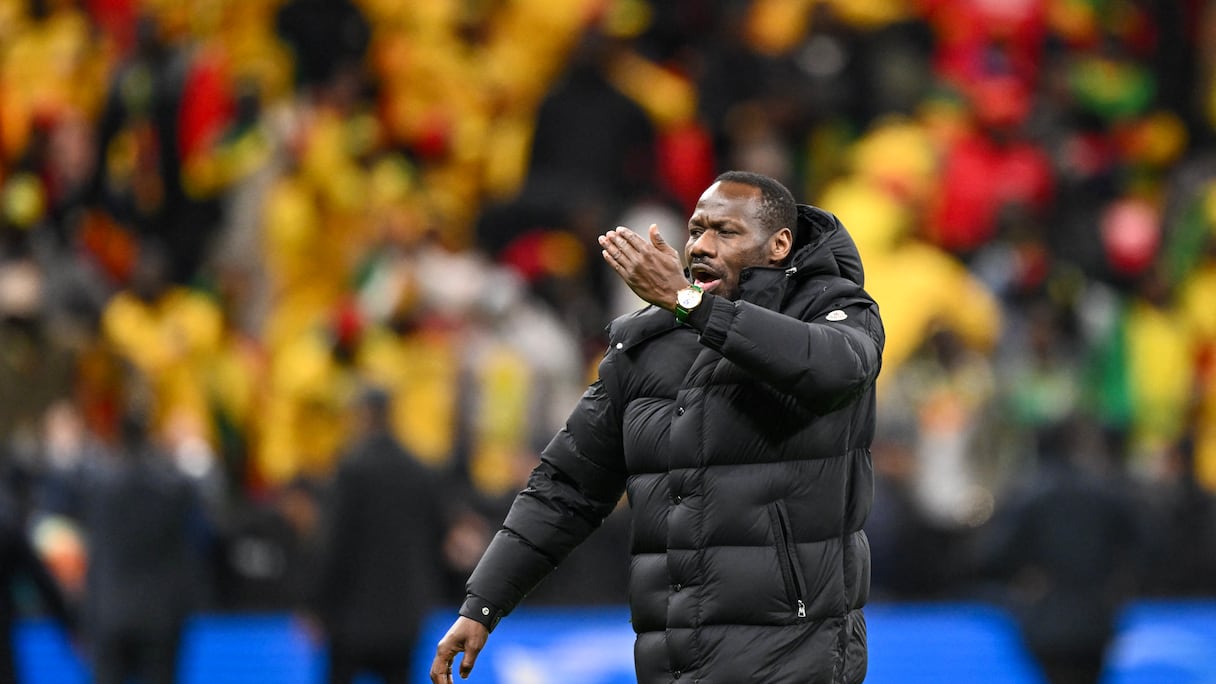
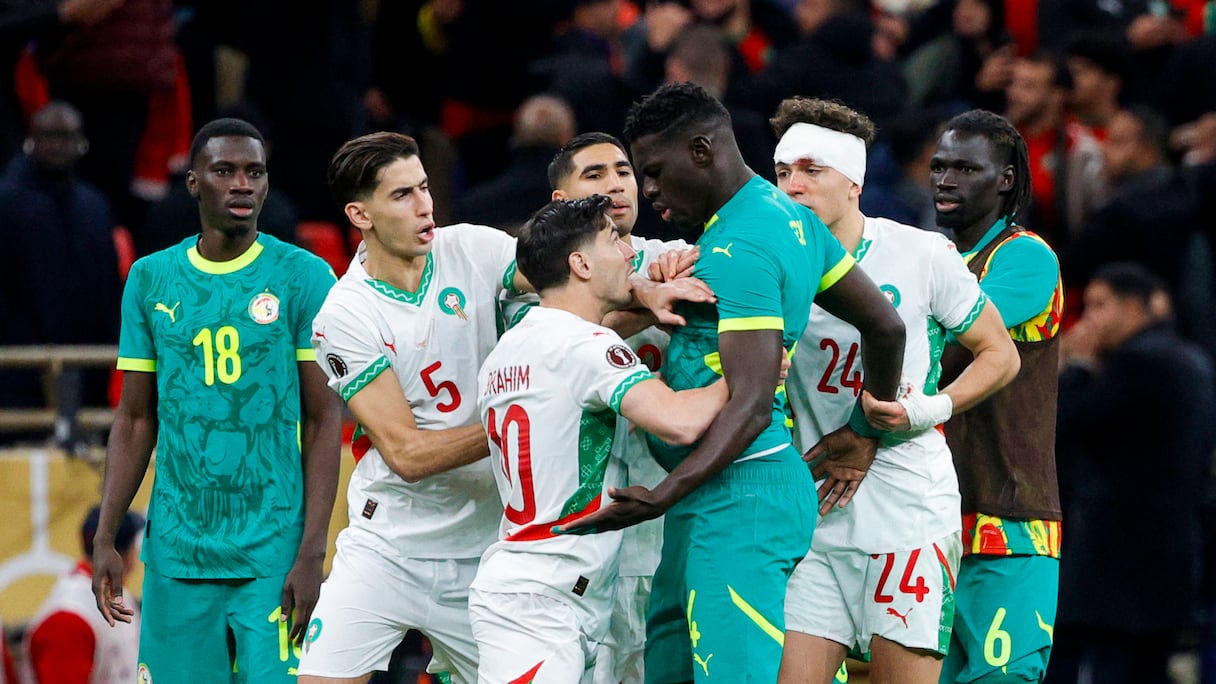
Following a VAR review, the referee awarded Morocco a penalty, prompting angry protests from the Senegalese bench. Led by their coach, Pape Bouna Thiaw, Senegal’s players walked off the pitch, holding up play for 16 minutes.
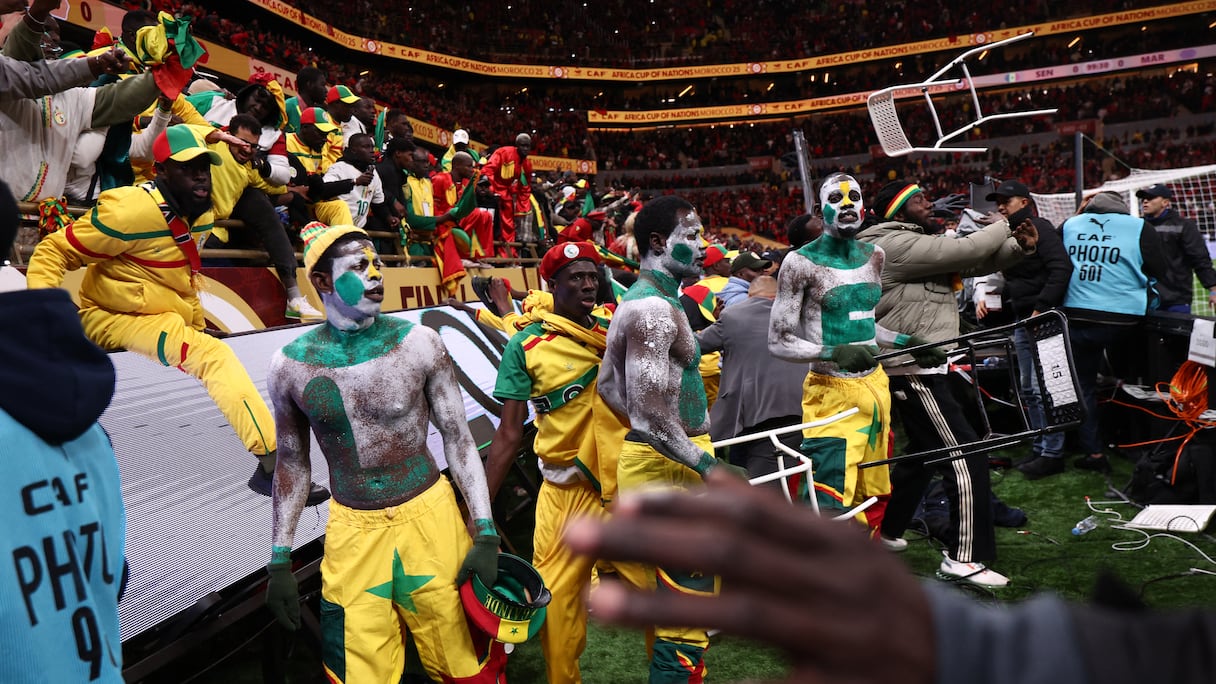
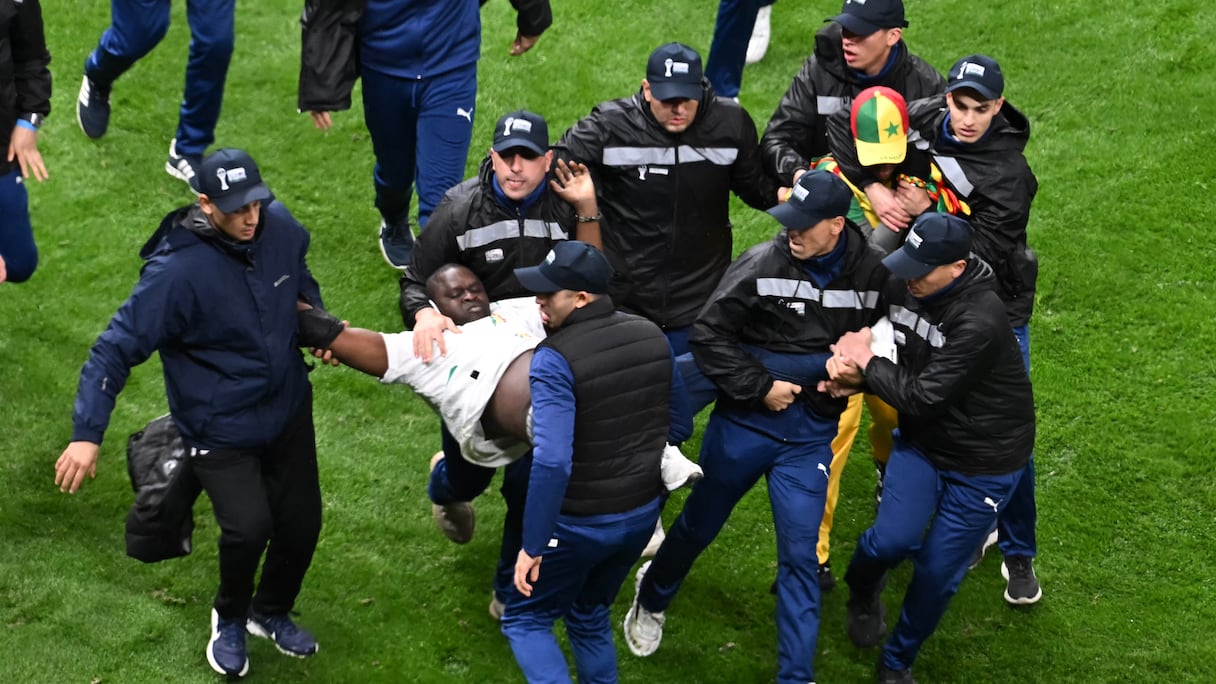
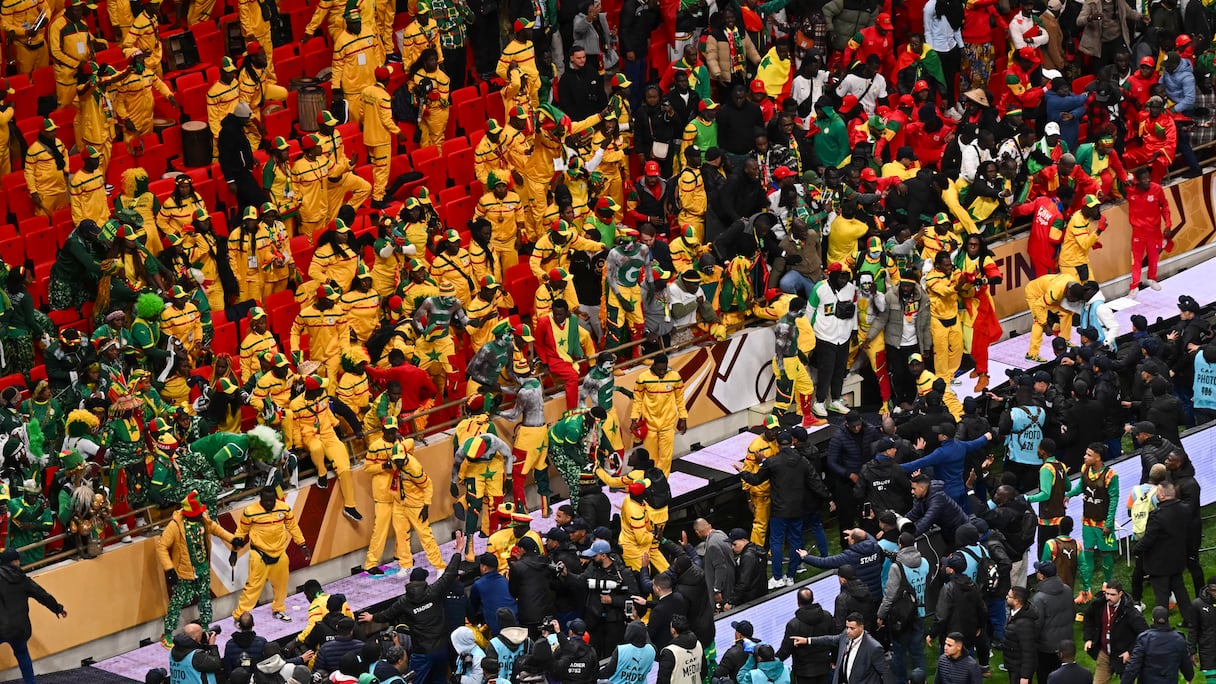
In the stands, Senegalese supporters attempted to invade the pitch. Stewards were assaulted and equipment was damaged, with FIFA president Gianni Infantino and CAF president Patrice Motsepe both in attendance.
After lengthy discussions, the Senegalese players returned. Brahim Díaz missed the penalty and Pape Gueye scored in extra time to give Senegal a 1-0 victory on the pitch.
But the resumption of play left a question unanswered. Could a team walk off during a continental final in protest against a refereeing decision, return minutes later and face no consequences for the result?
The Royal Moroccan Football Federation (FRMF) took its case to CAF.
January 28: Suspensions and fines, but the result stands
Ten days after the final, CAF’s Disciplinary Board handed down a series of sanctions against both federations.
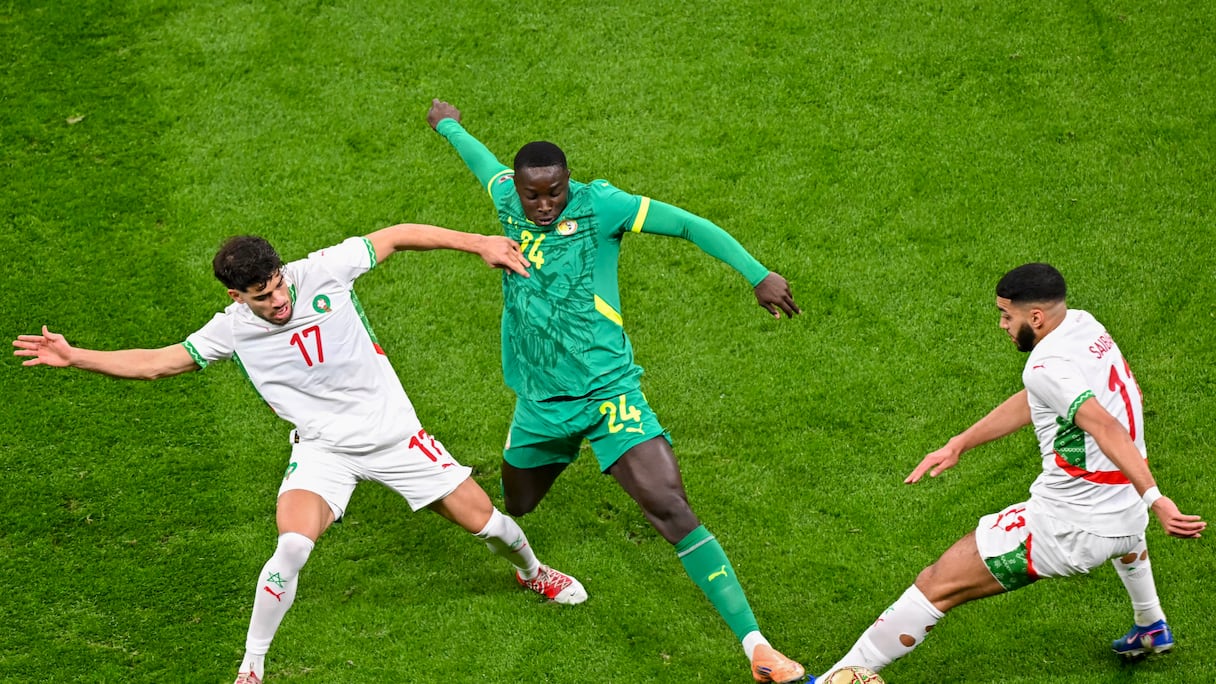
Thiaw received a five-match ban and a $100,000 fine, while Senegalese players Iliman Ndiaye and Ismaïla Sarr were suspended for two matches each. The Senegalese federation was fined a combined $615,000.
Morocco’s Achraf Hakimi received a two-match suspension, one of which was suspended, while Ismaël Saibari was handed a three-match ban and a $100,000 fine.
The FRMF was fined a total of $315,000 over the conduct of ball boys, the intrusion of players and coaching staff into the VAR area and the use of laser pointers by spectators.
The most consequential part of the ruling, however, was the rejection of Morocco’s protest.
Despite the walk-off and the lengthy interruption, the Disciplinary Board declined to declare Senegal to have forfeited the match under Articles 82 and 84 of the AFCON regulations.
CAF had punished the misconduct without altering the result.
The FRMF appealed, maintaining that the withdrawal could not be treated merely as a disciplinary offense without examining the consequences prescribed by the competition’s rules.
February 13: Questions over the handling of the walk-off
While the appeal was pending, a report by Qatari sports outlet WinWin raised fresh questions about the handling of the final.
On February 13, the outlet reported remarks attributed to Olivier Safari Kabene, chairman of CAF’s Referees Committee, during a meeting of the confederation’s Executive Committee in Dar es Salaam, Tanzania.
According to the report, instructions had allegedly been given not to immediately caution Senegalese players upon their return to the pitch, allowing the final to be played to completion.
The remarks have not been officially authenticated.
If confirmed, they would raise questions about whether the desire to finish the match took precedence over the enforcement of disciplinary rules on the pitch.
March 17: CAF’s Appeal Board overturns the result
CAF’s Appeal Board reached a markedly different conclusion from that of the Disciplinary Board.
On March 17, after examining the FRMF’s appeal, it declared Senegal to have forfeited the final and awarded Morocco a 3-0 victory under Articles 82 and 84 of the AFCON regulations.
The ruling upheld the argument Morocco had made since the aftermath of the final: Senegal’s withdrawal warranted the application of the provisions governing refusal to play and forfeiture.
The fact that the players subsequently returned and completed the match did not prevent the Appeal Board from imposing the sporting consequences of their earlier conduct.
Morocco was declared African champions. The Senegalese federation challenged the ruling before CAS.
Football’s lawmakers tighten rules against walk-offs
While the dispute was making its way through the appeals process, football’s lawmakers were drawing up tougher measures against players and coaches who use walk-offs to protest against refereeing decisions.
On April 28, the International Football Association Board (IFAB), which sets the Laws of the Game, approved new provisions addressing such conduct.
Incorporated into the 2026-27 Laws of the Game and detailed in a circular dated May 19, the amendments allow referees to show a straight red card to a player who leaves the pitch in protest against a decision.
Players who encourage teammates to walk off can face the same punishment. Coaches and other team officials who instruct players to leave the field can also be sent off, even if the players do not follow their instructions.
IFAB further clarified under Law 3 that a team responsible for the abandonment of a match because it has fewer than seven players should, in principle, forfeit the game, subject to the applicable competition regulations.
The parallels with the Rabat final are striking, but the new provisions were adopted months after the match and cannot be applied retroactively.
The CAS ruling must rest on the regulations in force at the time of the AFCON final.

AFP
October 8: The case reaches Lausanne
After months of proceedings, CAS heard the case behind closed doors in Lausanne on October 8.
The three-member arbitration panel comprised France’s Gérald Simon, who presided over the hearing, Italy’s Luigi Fumagalli and Germany’s Ulrich Haas.
The parties presented their arguments over CAF’s March 17 ruling and the interpretation of the regulations under which Senegal had been declared to have forfeited the final.
The tribunal is not being asked to reconsider the penalty awarded to Morocco or the goal scored by Pape Gueye. It must determine whether CAF’s Appeal Board was legally justified in overturning the result.
On October 19, CAS announced that a decision would be delivered towards the end of November.
November 24: Judgment day
On Monday, CAS confirmed that its ruling would be issued on Tuesday afternoon. The Senegalese federation, CAF and the FRMF were notified, with the tribunal suspending communication with the media until the decision is published.
Morocco’s position has remained unchanged throughout the proceedings. The Senegalese players’ return to the pitch, the FRMF argues, did not erase the consequences of their withdrawal under the competition’s regulations.
Senegal won the match after play resumed. CAF’s Appeal Board subsequently ruled that what happened before the resumption warranted a forfeit.
Ten months after the final in Rabat, CAS must decide whether that interpretation of the rules stands.
