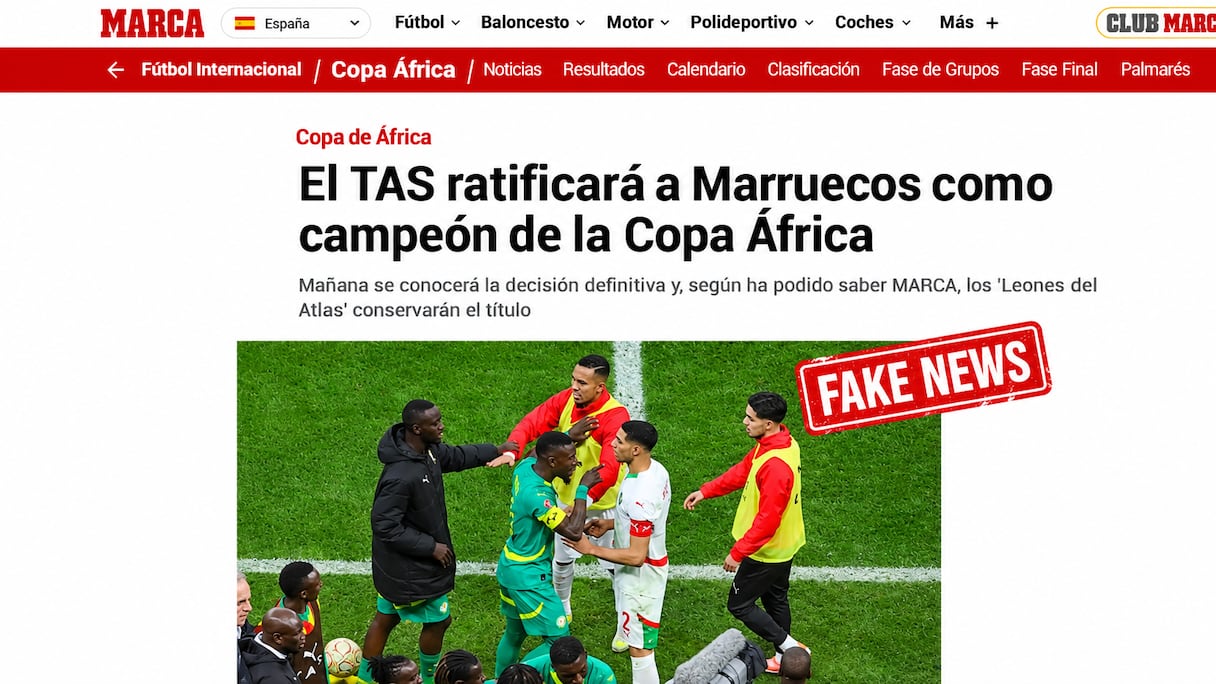
There is a difference between breaking a story and indulging in wishful thinking. Spanish newspaper Marca appeared to forget that distinction on Monday, November 23, when it claimed to know, ahead of everyone else, the outcome of the proceedings between Morocco and Senegal before the Court of Arbitration for Sport (CAS).
In an article published under the unequivocal headline “CAS Will Confirm Morocco as African Champions”, the Madrid-based newspaper asserted that the Atlas Lions would retain their continental crown. The claim was presented as an exclusive, attributed to sources consulted by its journalists.
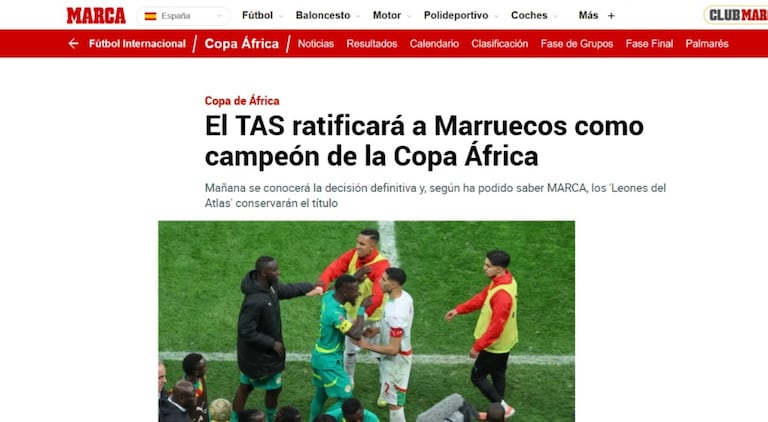
Marca even went so far as to explain that the Lausanne-based tribunal would rely on the Africa Cup of Nations regulations to uphold the decision of the Confederation of African Football (CAF) Appeal Board, which had awarded Morocco a 3–0 victory by default in the final.
The newspaper left little room for doubt. “On the basis of the competition’s regulatory framework, Morocco will retain its crown as African champions,” it wrote, as though the verdict had already been delivered.
Yet shortly after publishing the article, Marca quietly changed its headline. Gone was “CAS Will Confirm Morocco as African Champions,” replaced by “Total Confidence in Morocco: CAS Will Confirm Them as African Champions Tomorrow.”
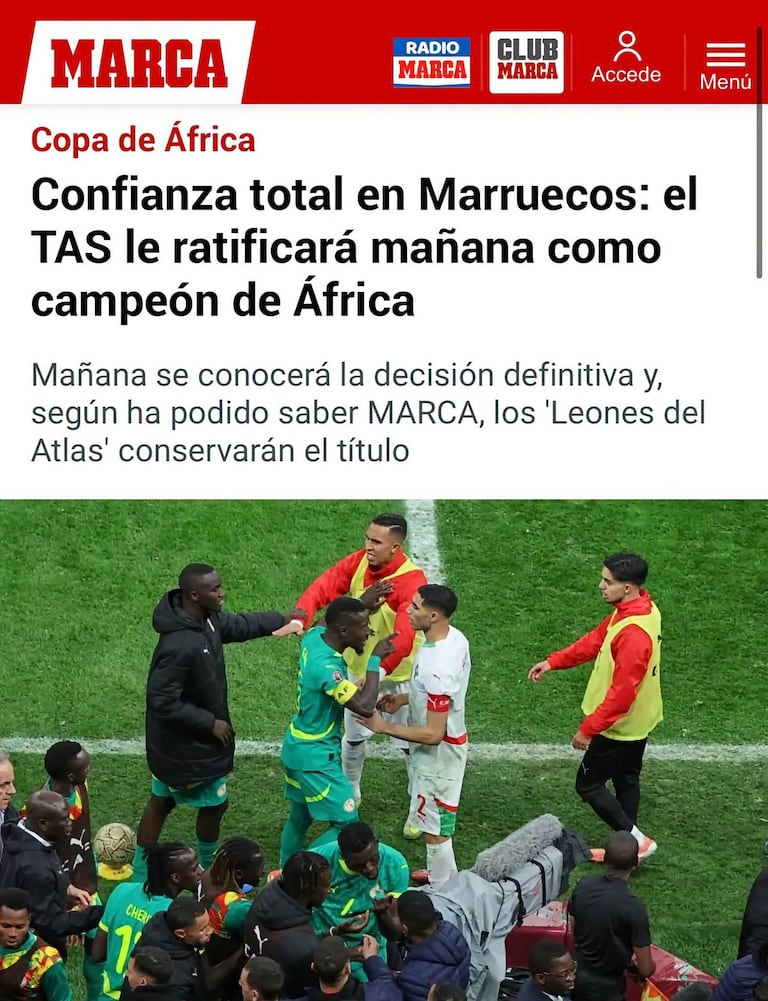
The change in wording speaks volumes. Having initially claimed an exclusive on the CAS verdict, the Madrid newspaper was now attributing that certainty to the confidence being expressed in Morocco, without abandoning its prediction of a ruling in favor of the Atlas Lions.
It was a way for Marca to distance itself from its original assertion while continuing to present as certain a decision that CAS had not yet officially made public.
For there is a world of difference between claiming inside knowledge of a judicial ruling and reporting what one of the parties expects. The Spanish newspaper crossed that line with astonishing nonchalance.
Source close to the case issues categorical denial
Meanwhile, a source close to the proceedings has categorically rejected Marca’s claims, describing them as entirely unfounded and insisting that there had been no leak concerning the CAS decision.
The same source questioned the Madrid newspaper’s motives and the reasons behind the media frenzy it had stirred up just 24 hours before the official announcement of the verdict.
That casts serious doubt on the newspaper’s supposed exclusive. All the more so because Marca did not merely suggest a likely outcome or float a hypothesis. It presented as a foregone conclusion a decision that had yet to be made public.
Read also : AFCON 2025: CAS to deliver verdict on Morocco–Senegal final on Tuesday, November 24
In a case as sensitive as this one, followed closely in both Morocco and Senegal, such carelessness raises serious questions of journalistic ethics.
The pursuit of a scoop cannot justify passing off speculation as fact, least of all in legal proceedings with such far-reaching sporting and symbolic consequences.
CAS had made its position perfectly clear
Marca’s intervention is all the more difficult to understand given that the Court of Arbitration for Sport had itself issued a statement on Monday, November 23, setting out the arrangements for announcing its decision.
The Lausanne-based tribunal confirmed that its ruling in the dispute involving the Senegalese Football Federation (FSF) and the Confederation of African Football (CAF), to which the Royal Moroccan Football Federation (FRMF) is also a party, would be delivered on Tuesday, November 24, during the afternoon.
CAS also reiterated that official information concerning the proceedings would be released through its own communication channels.
That reminder should have prompted greater restraint, rather than the publication of definitive conclusions before the competent tribunal had even issued its ruling.
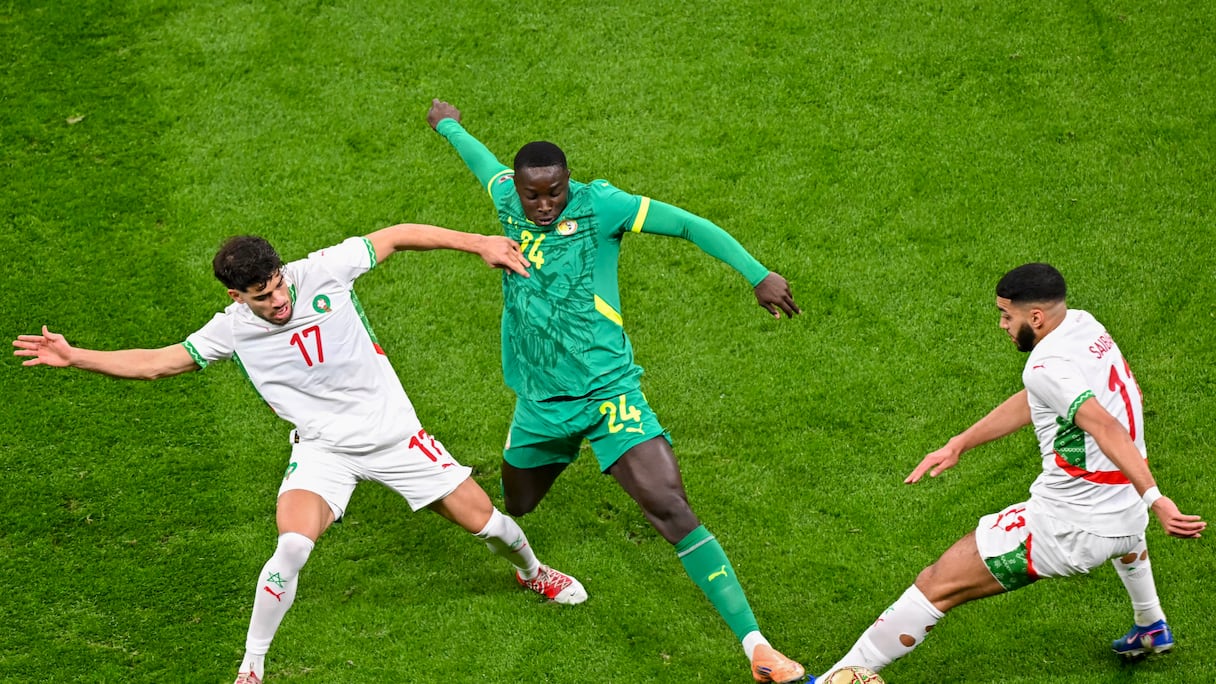
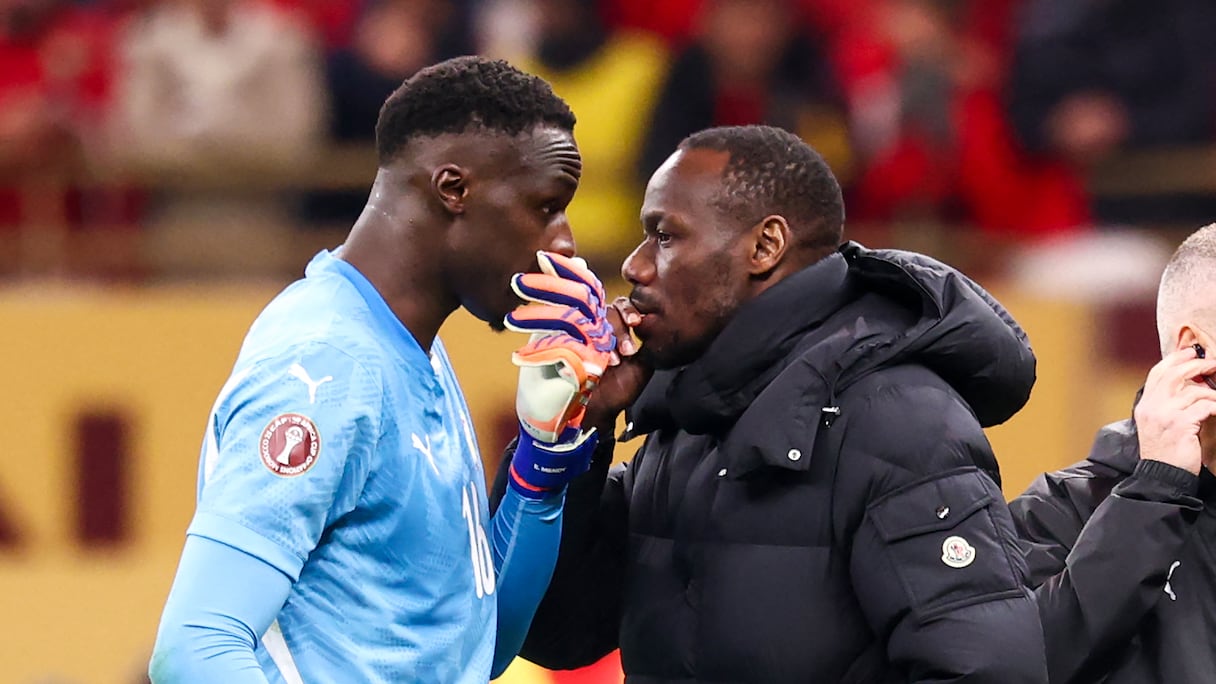
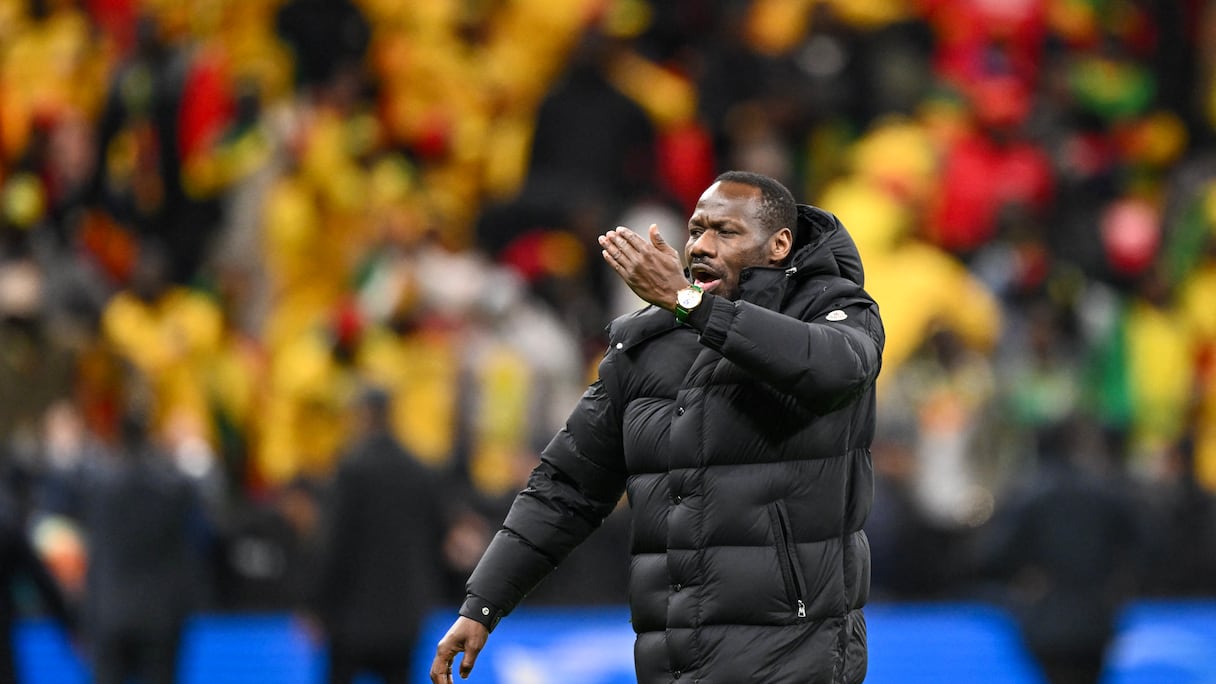
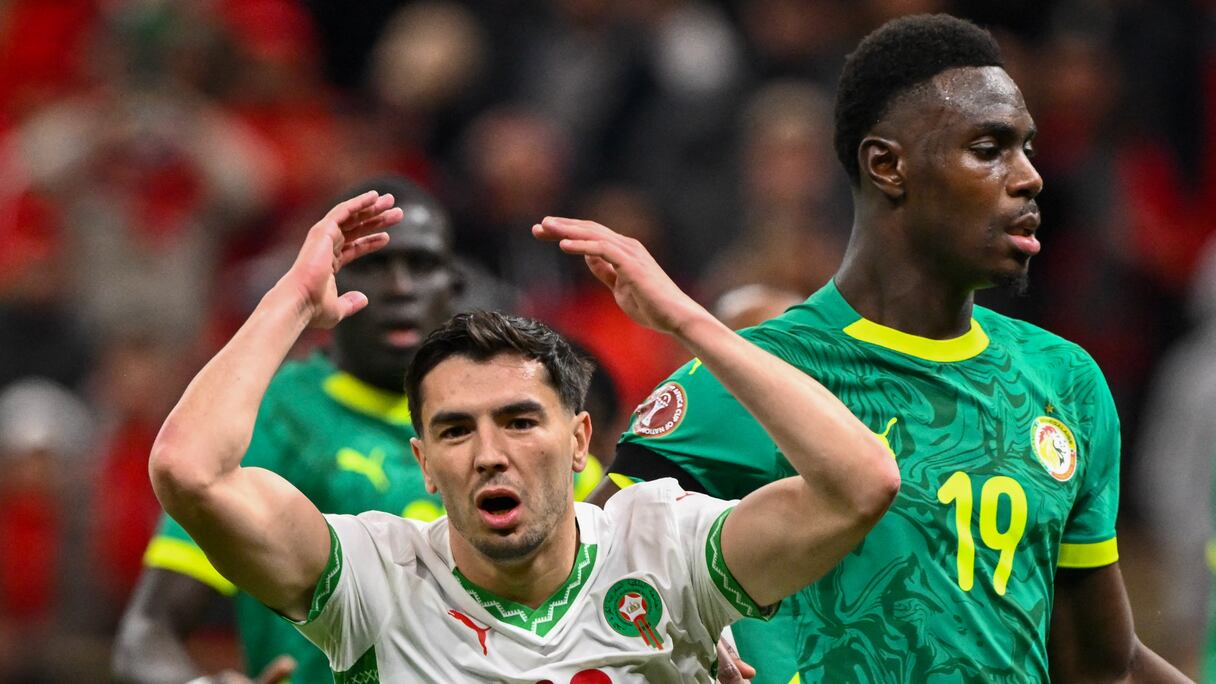
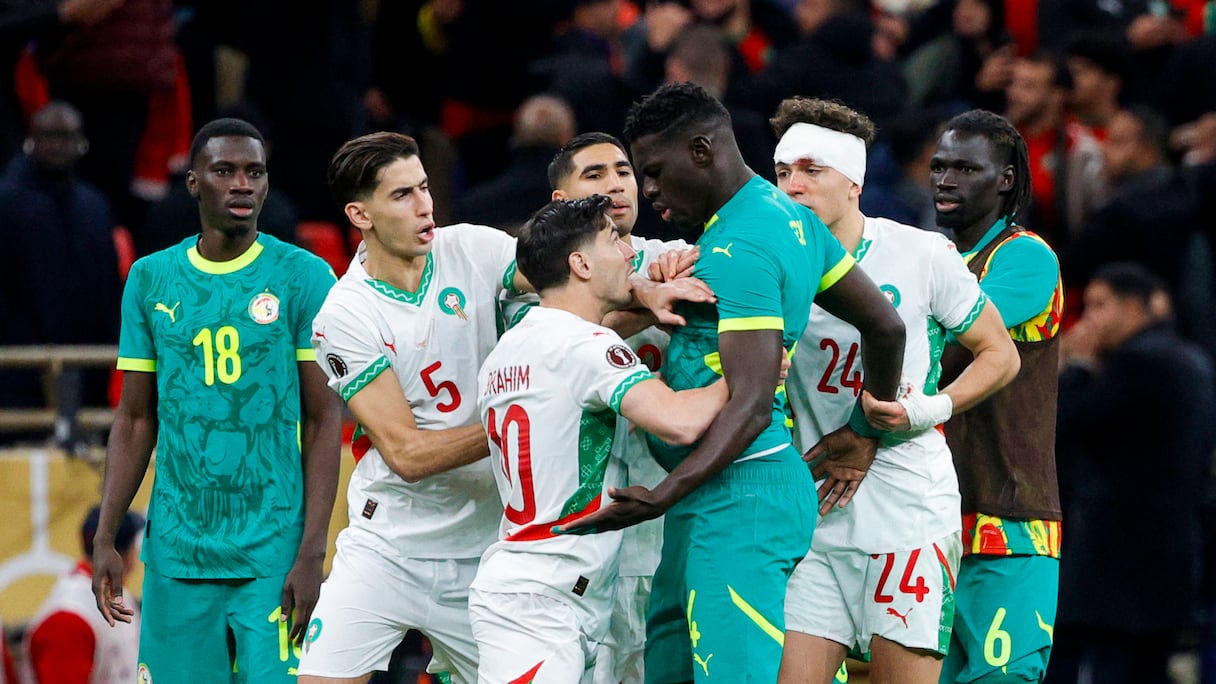
The dispute stems from the 2025 Africa Cup of Nations final, played in Rabat on January 18. The match, which Senegal won 1–0 after extra time on the pitch, was interrupted for 16 minutes after Senegalese players walked off in protest at a refereeing decision.
Following an appeal by the FRMF, CAF’s Appeal Board ultimately ruled on March 17 that Senegal had forfeited the match, awarding Morocco a 3–0 victory by default under Articles 82 and 84 of the competition regulations. The FSF subsequently took the case to CAS to challenge that decision.
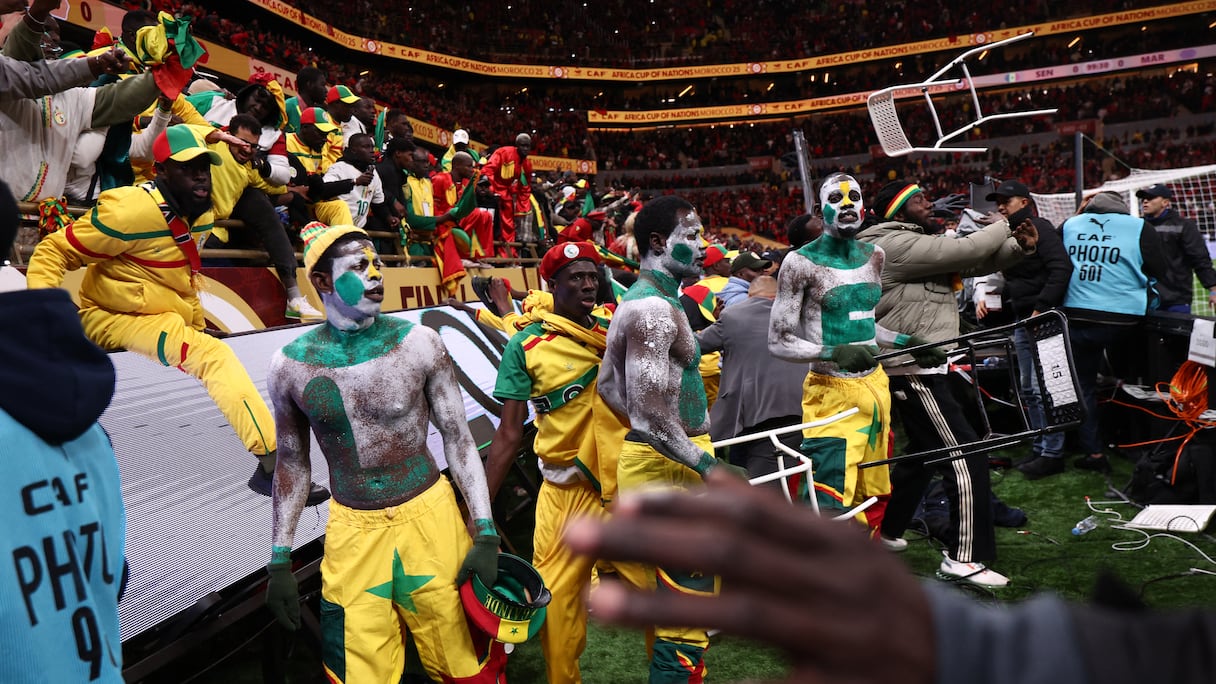
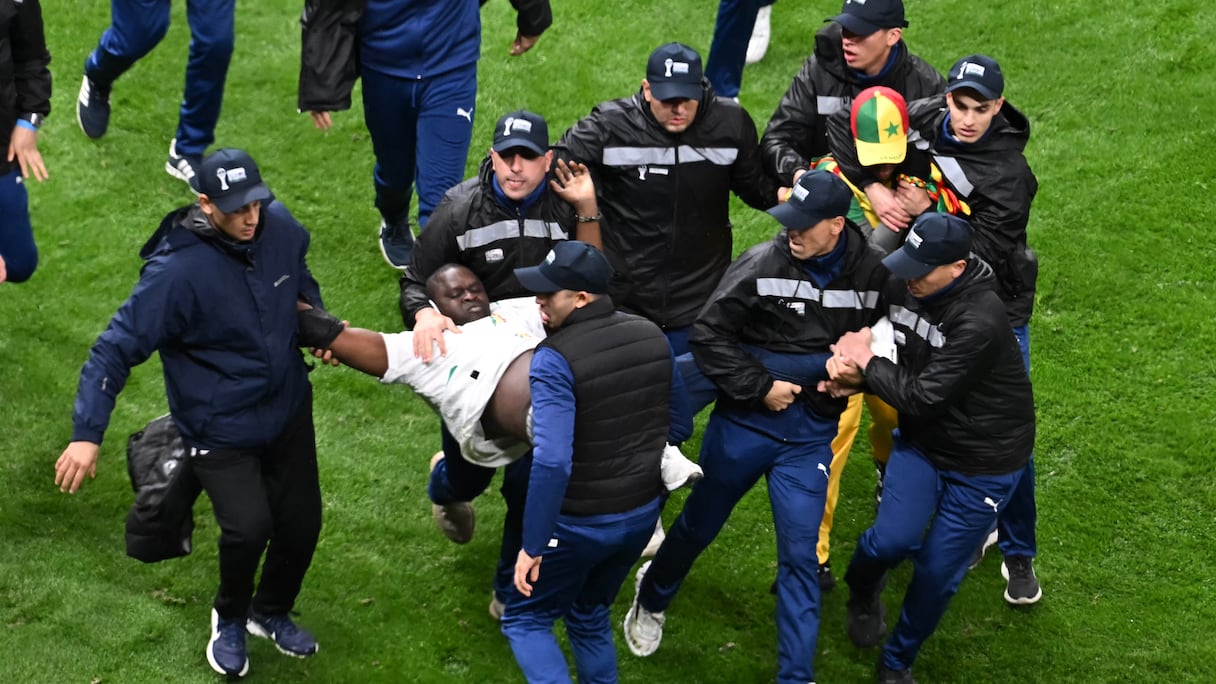
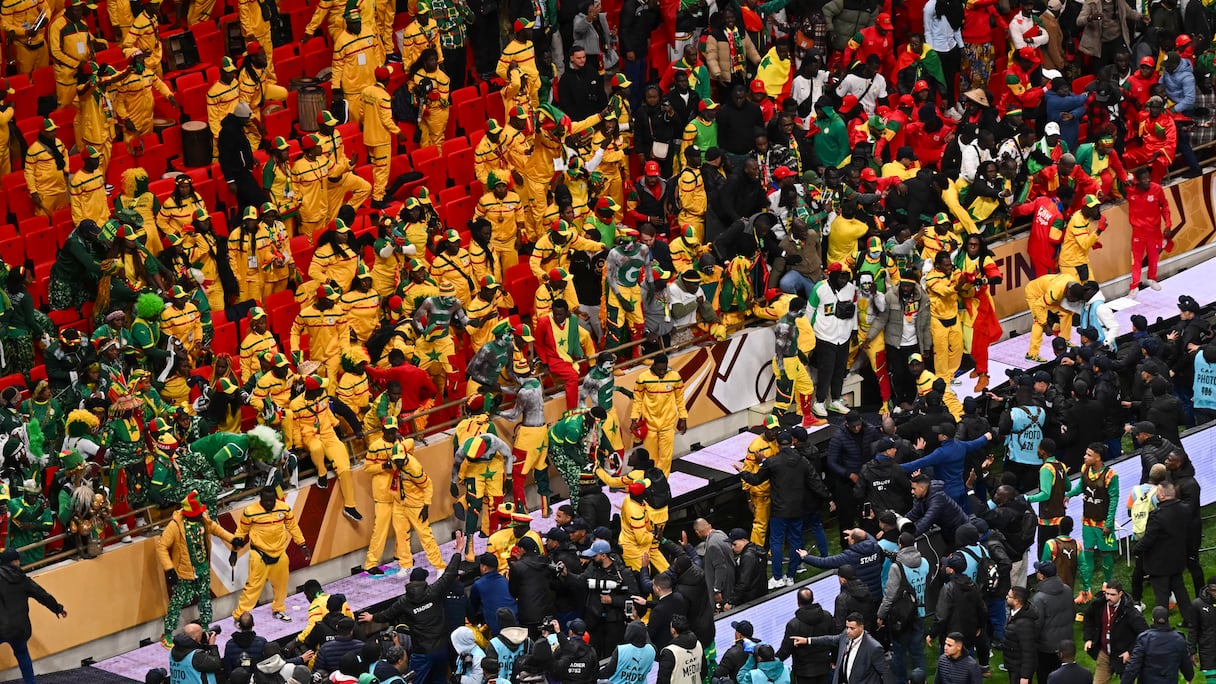
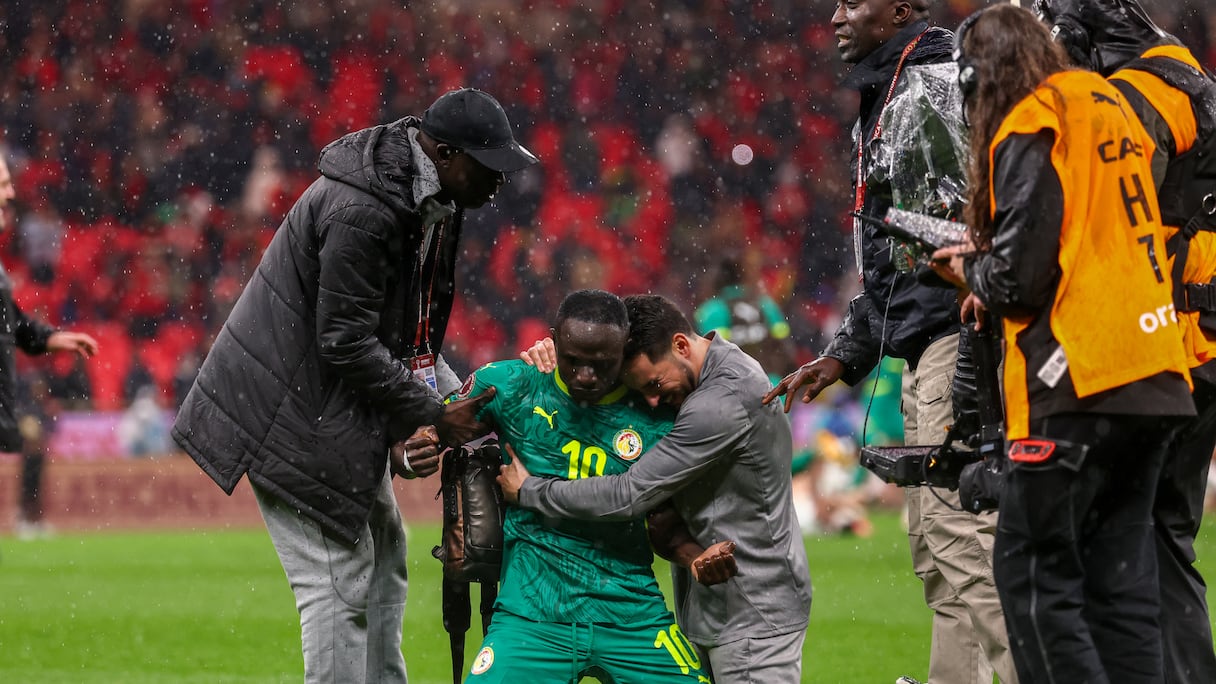
AFP
Whatever the verdict—whether it favors Morocco or Senegal—the question raised by Marca’s reporting remains. How can a newspaper of its stature announce a judicial decision with such confidence, only to revise its story shortly afterwards and substantially alter the meaning of its claim?
Morocco and Senegal alike are awaiting a judicial ruling, not verdicts manufactured in newsrooms. And in this case, the final word belongs to CAS, certainly not to Marca.