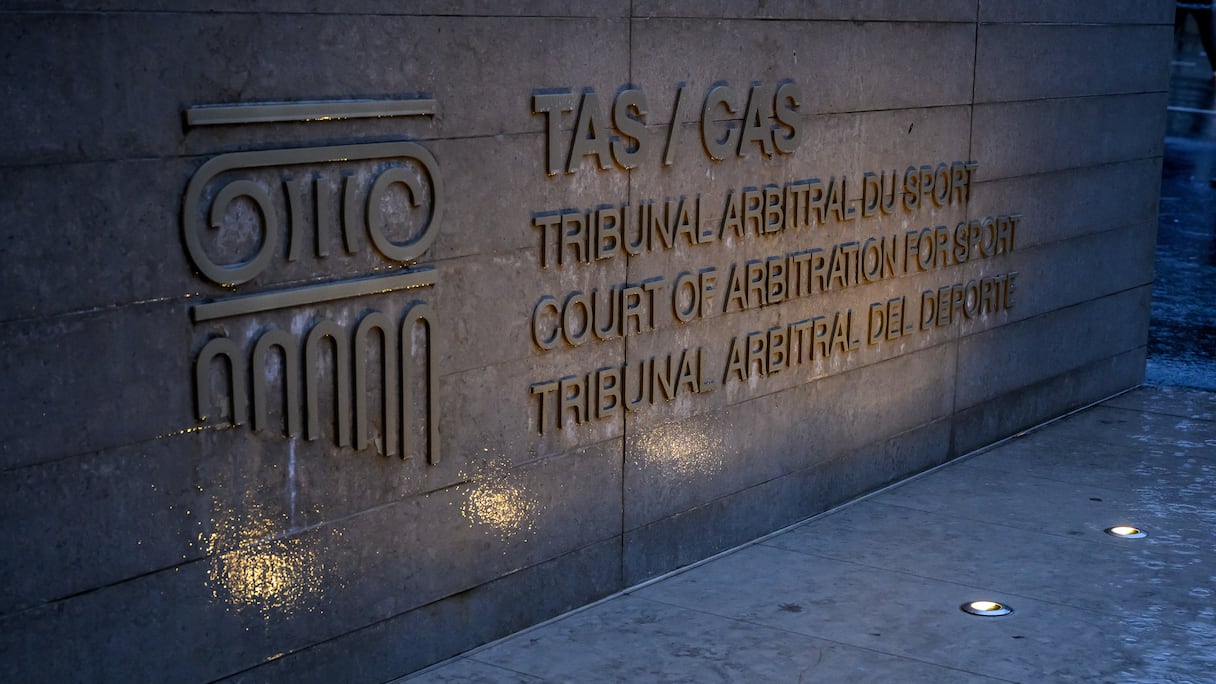
The hearing at the Court of Arbitration for Sport (CAS) in Lausanne, Switzerland, concluded Thursday, with representatives of the Confederation of African Football (CAF), the Royal Moroccan Football Federation (FRMF) and the Senegalese Football Federation (FSF) presenting their arguments. The next steps before a final ruling are now underway, but a verdict is not expected soon.
From 09:30 to 14:30 Swiss time on Thursday, October 8, representatives of CAF, the FRMF and the FSF met at the CAS headquarters in Lausanne.
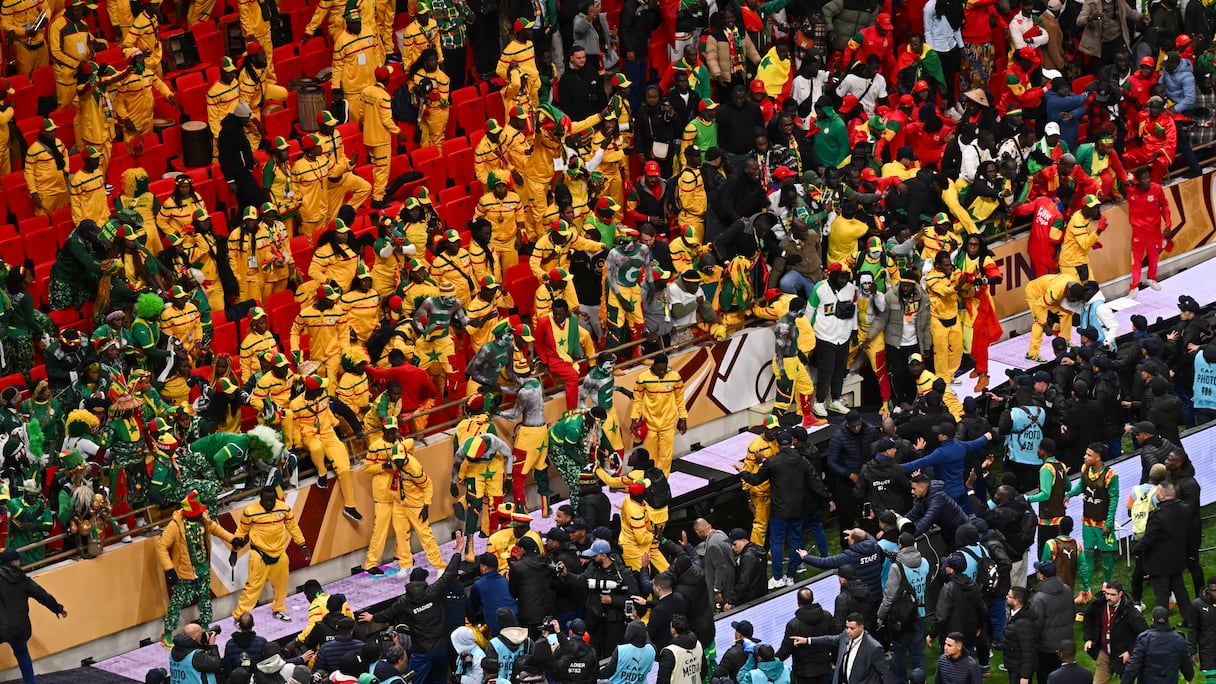
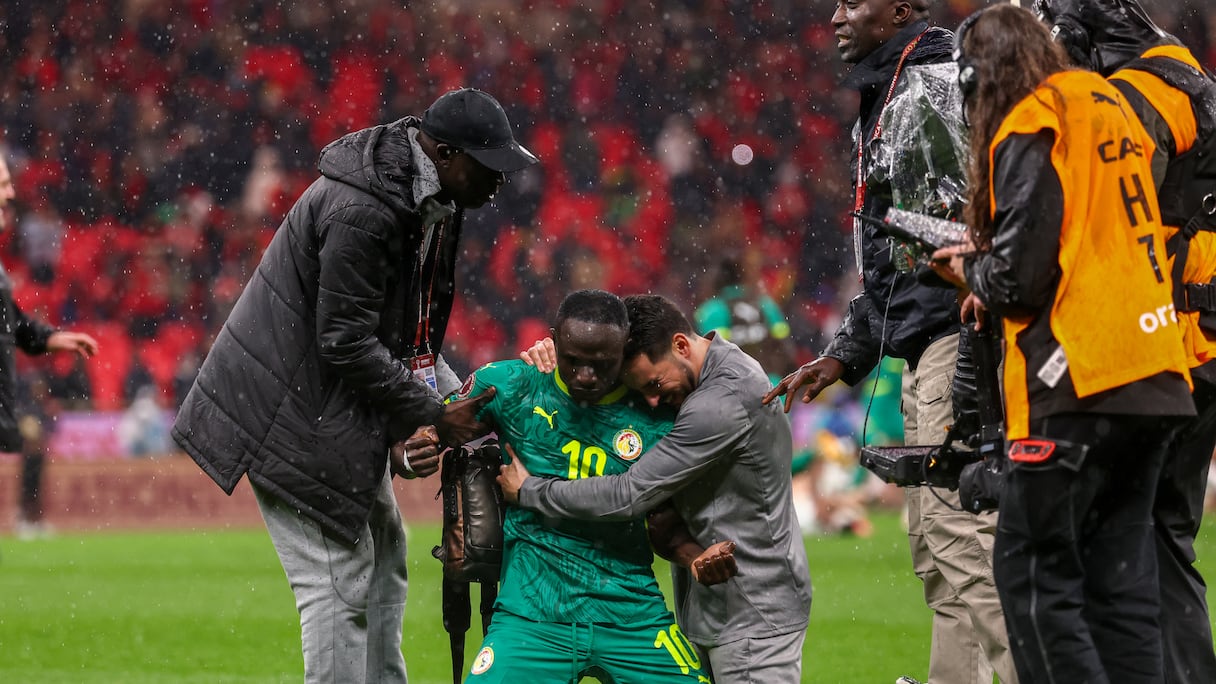
At the center of the hearing was the CAF Appeal Board’s decision of March 17 to award Morocco the Africa Cup of Nations title by forfeit, with a 3-0 scoreline. The ruling followed the January final, during which Senegalese players left the pitch before the match had ended, in breach of the AFCON regulations, under Articles 82 and 84 of the competition rules.
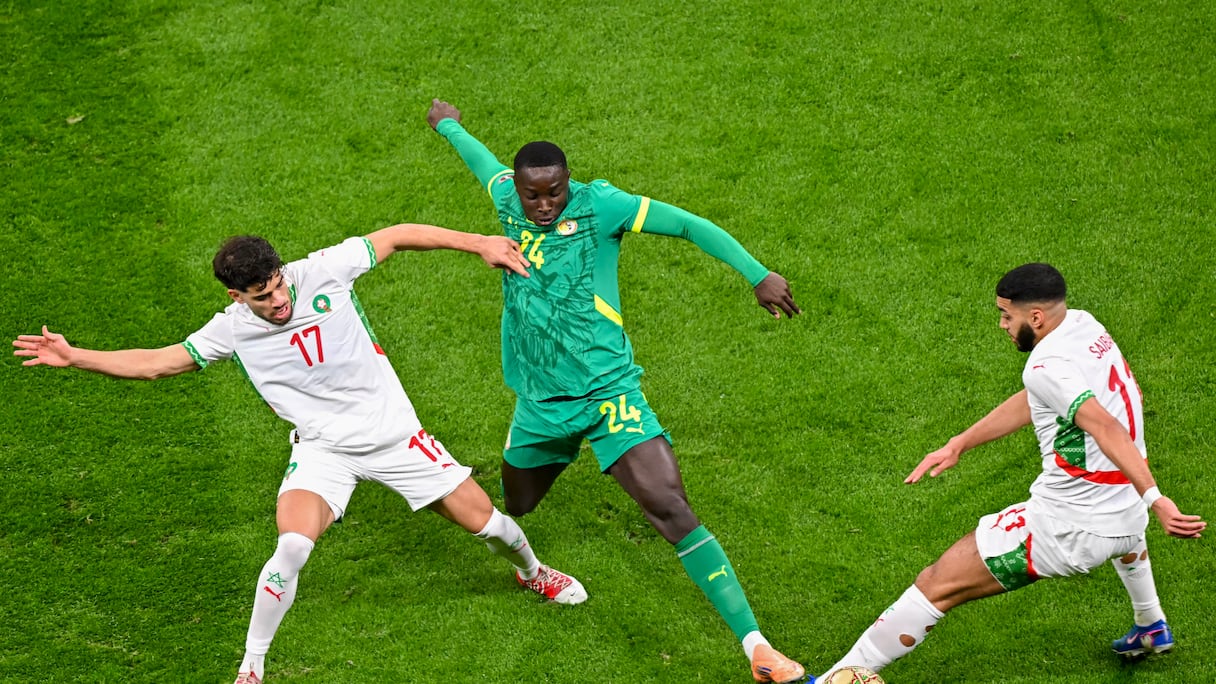
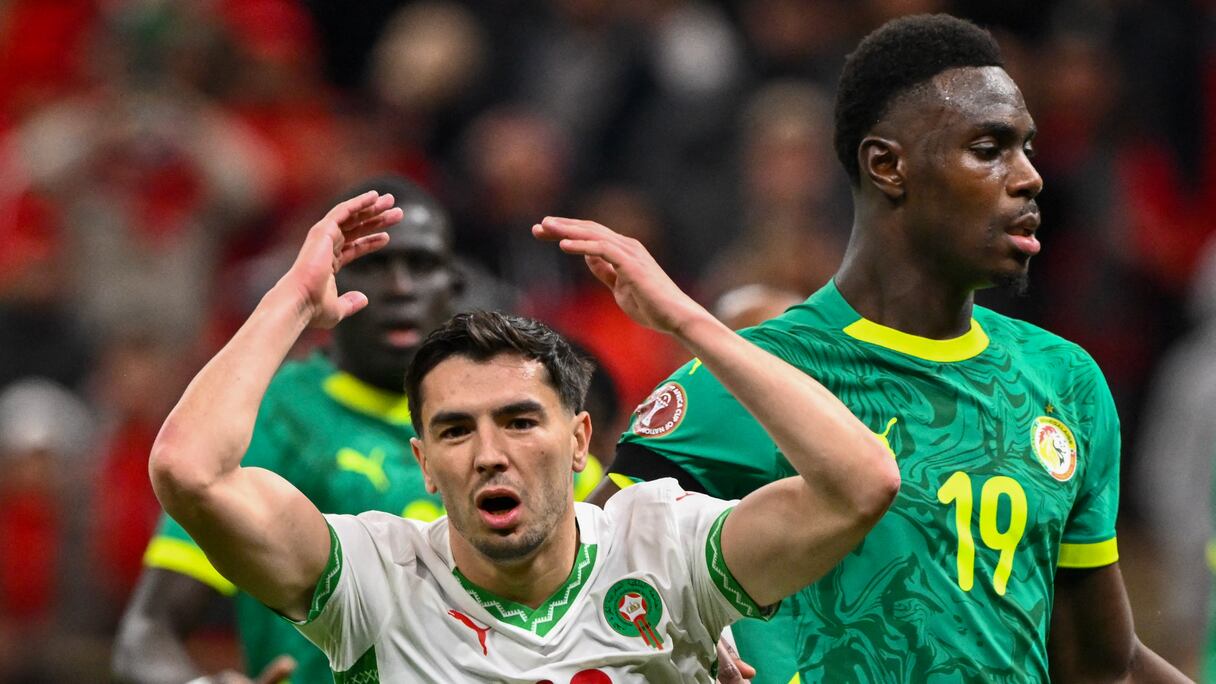
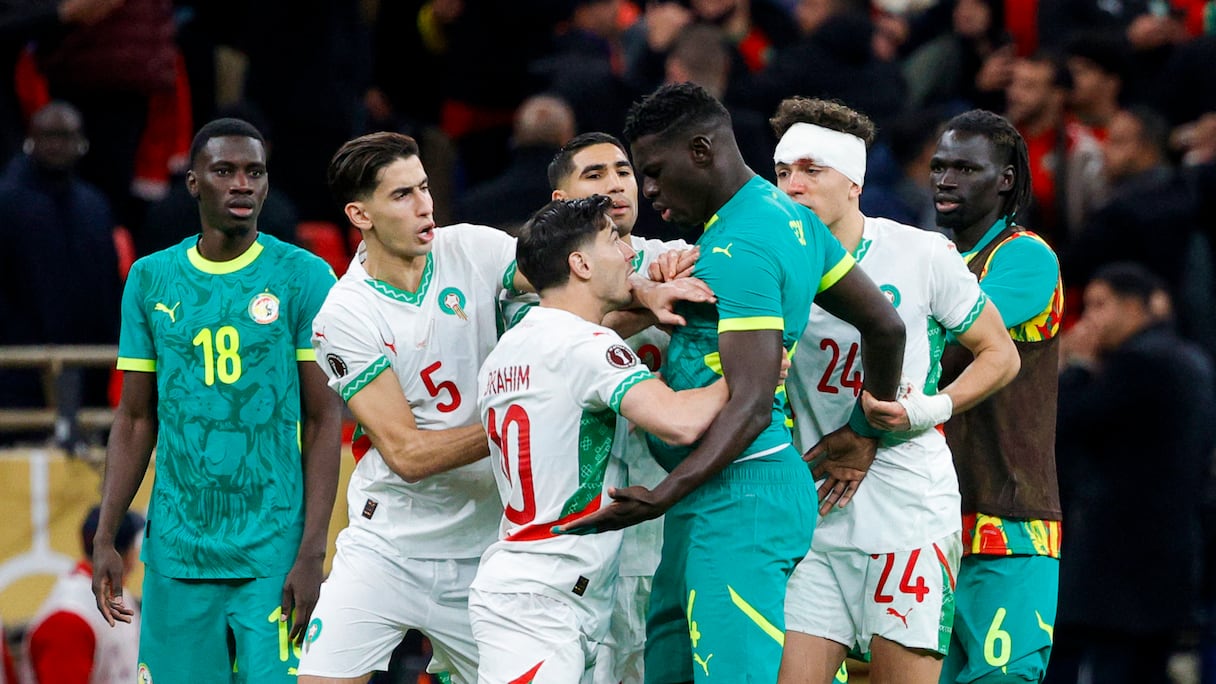
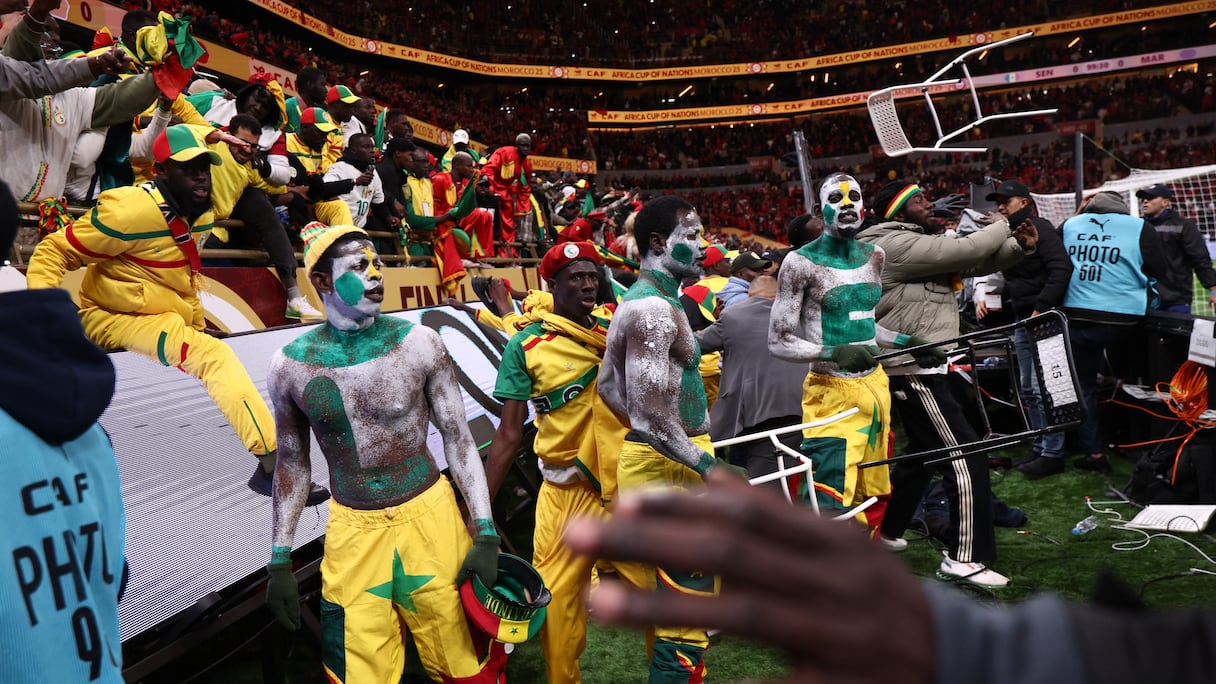
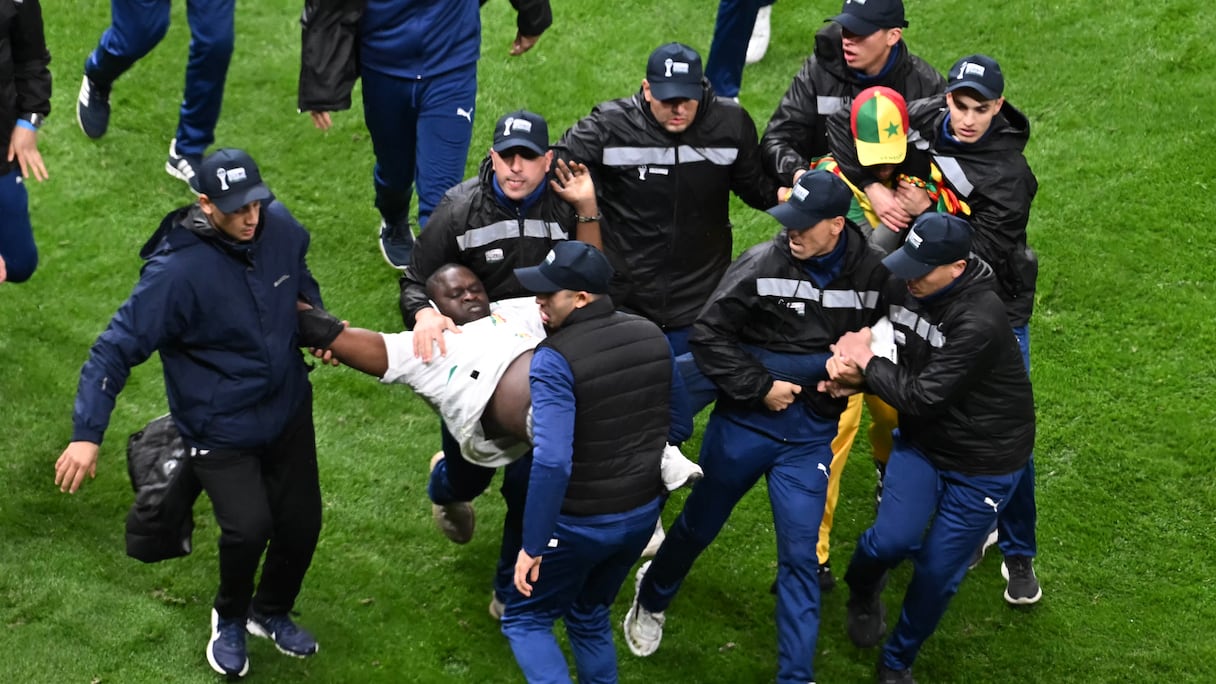
El centrocampista marroquí nº17 Abde Ezzalzouli, el defensa senegalés nº24 Antoine Mendy y el centrocampista marroquí nº11 Ismael Saibari disputan un balón durante el partido de la final de la Copa Africana de Naciones (CAN) entre Senegal y Marruecos, en el Estadio Príncipe Moulay Abdellah de Rabat, el 18 de enero de 2026. (Foto de Paul ELLIS / AFP). AFP
The FSF subsequently appealed to CAS to challenge the CAF Appeal Board’s decision.
The closed-door hearing on Thursday brought together all three parties before a panel comprising Italian arbitrator Luigi Fumagalli and German arbitrator Ulrich Haas, chaired by French arbitrator Gérald Simon.
The FSF, as the appellant, presented its arguments first, followed by CAF and the FRMF as the respondents. Each party had the opportunity to present its case and respond to the arguments put forward by the others.
What happens after the hearing?
The arbitrators, who were selected by the parties but must deliver an impartial decision in accordance with the applicable rules, will now deliberate. Each will assess the case before the panel reaches a collective decision under the chairmanship of Simon.
The arbitrators, who are lawyers, may hold differing views. In such cases, the panel chair works with the other members to reach a common decision.
However, this does not mean the verdict will be delivered or made public immediately. The panel must first complete its deliberations, a process that can take time.
CAS Director General Mathieu Reeb explained this on Thursday morning while the hearing was still underway. “Our objective is to issue a decision as quickly as possible after the hearing. I don’t think it will be today or tomorrow,” he said.
Given the complexity of the case and the need for a thorough examination, deliberations may take some time. The arbitrators must review all the evidence and determine whether any points require further examination before reaching their decision.
Once the panel has reached its decision, it will be sent to Reeb for a review. Renaud Duchêne, a sports law specialist and founder of the TactX law firm, explained that this process does not interfere with the arbitrators’ decision. Instead, it checks “whether everything complies with CAS standards and regulations, as well as with the required drafting procedures.”
The panel’s deliberations could take several days, while the Director General’s review could last several weeks. As a result, the verdict is unlikely to be known for several weeks, and could take one to two months. CAS is also handling other cases, some of which may be more urgent.
There are several possible outcomes. CAS could uphold the CAF Appeal Board’s decision, confirming Morocco as AFCON champion by forfeit with a 3-0 scoreline. It could overturn the decision or refer the case back to CAF, the body responsible for the competition.
Can either side appeal after the CAS ruling?
Yes. A further appeal is possible before the Swiss Federal Supreme Court, although CAS decisions are rarely overturned.
A CAS award can be challenged before the Swiss court only on limited grounds, including irregularities in the composition of the arbitration panel, questions concerning its jurisdiction or a violation of the parties’ right to be heard.
“Honestly, overturning a CAS decision is quite complicated,” Duchêne said.
The Swiss Federal Supreme Court would not rehear the substance of the dispute as if it were another sports tribunal. In cases permitted by law, it could set aside the CAS award and refer the case back to a new panel within the same court.
For now, however, the case has not reached that stage. It remains in the hands of the arbitrators, who are now deliberating under the chairmanship of Simon.
