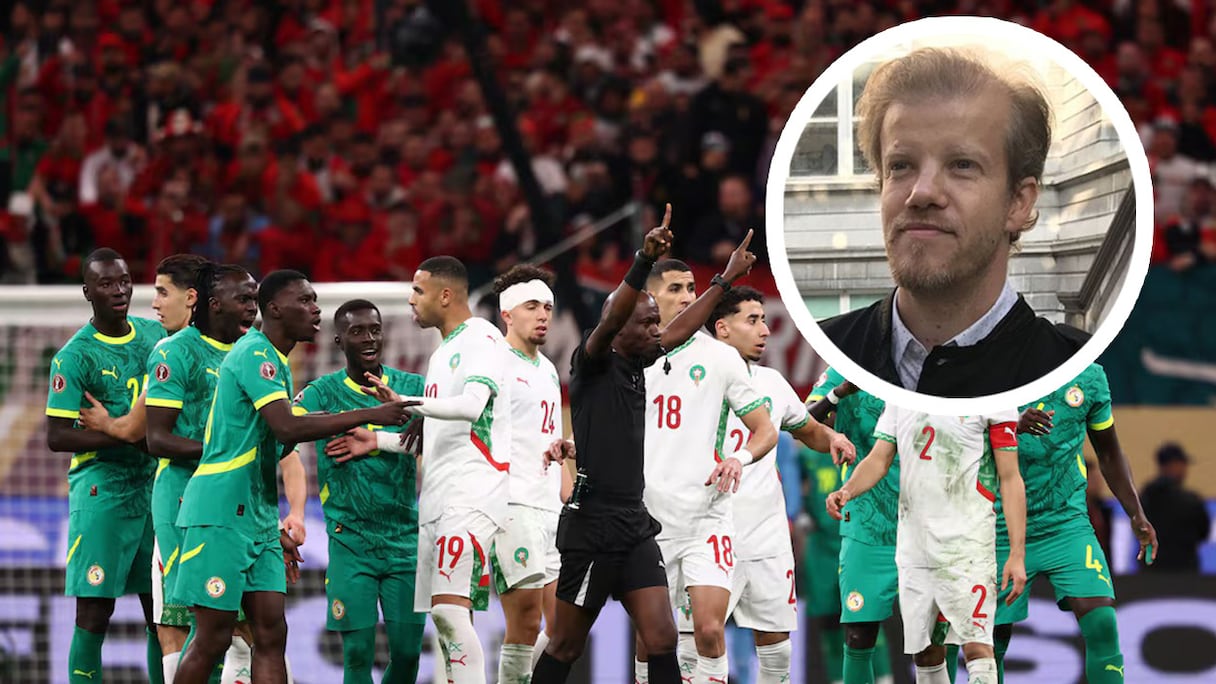
The Court of Arbitration for Sport in Lausanne will host a lengthy hearing Thursday, October 8, focusing on the events that unfolded during the 2025 Africa Cup of Nations final played on January 18.
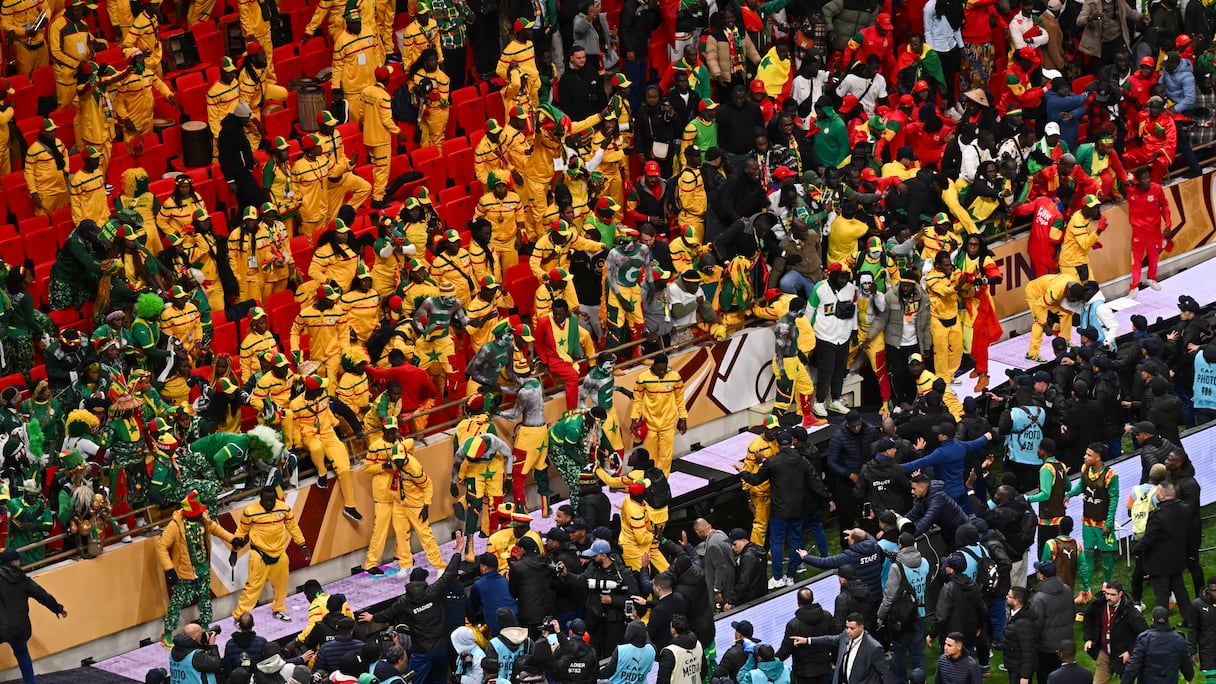
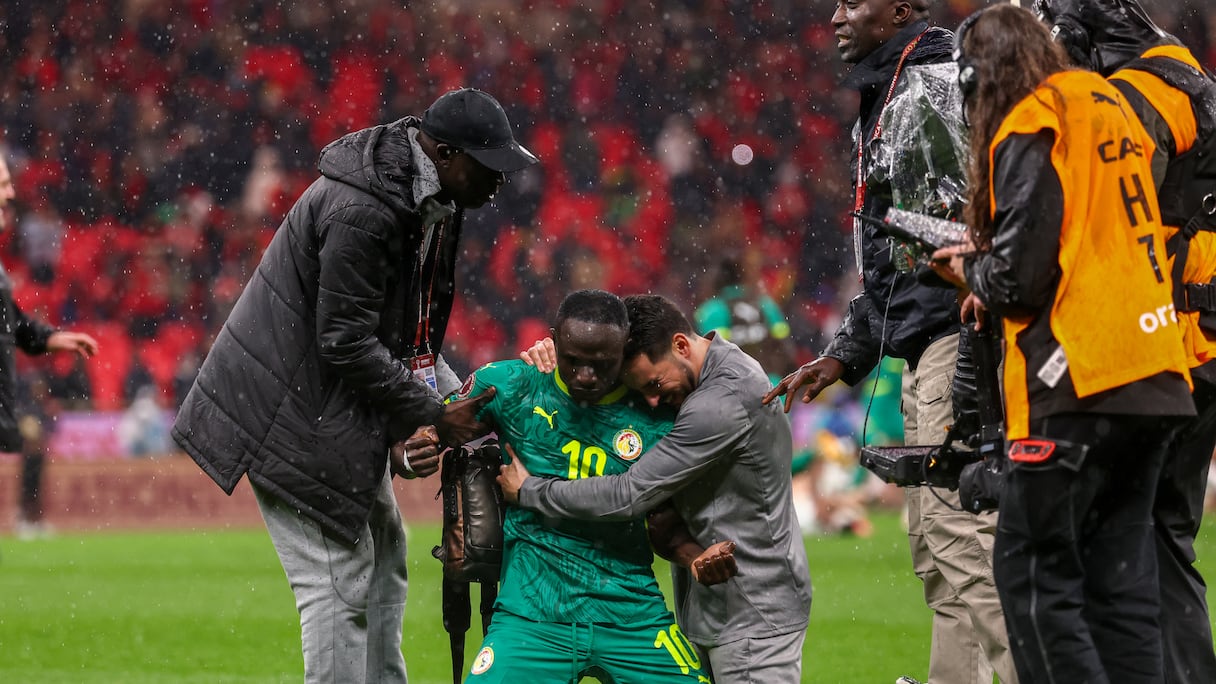
As the Moulay Abdellah Sports Complex in Rabat was hosting the tournament’s biggest match, Senegal’s players left the field for 16 minutes to protest an officiating decision before eventually returning to the game. The interruption disrupted the match before Senegal scored the winning goal to make it 1-0 at the end of a particularly eventful night.
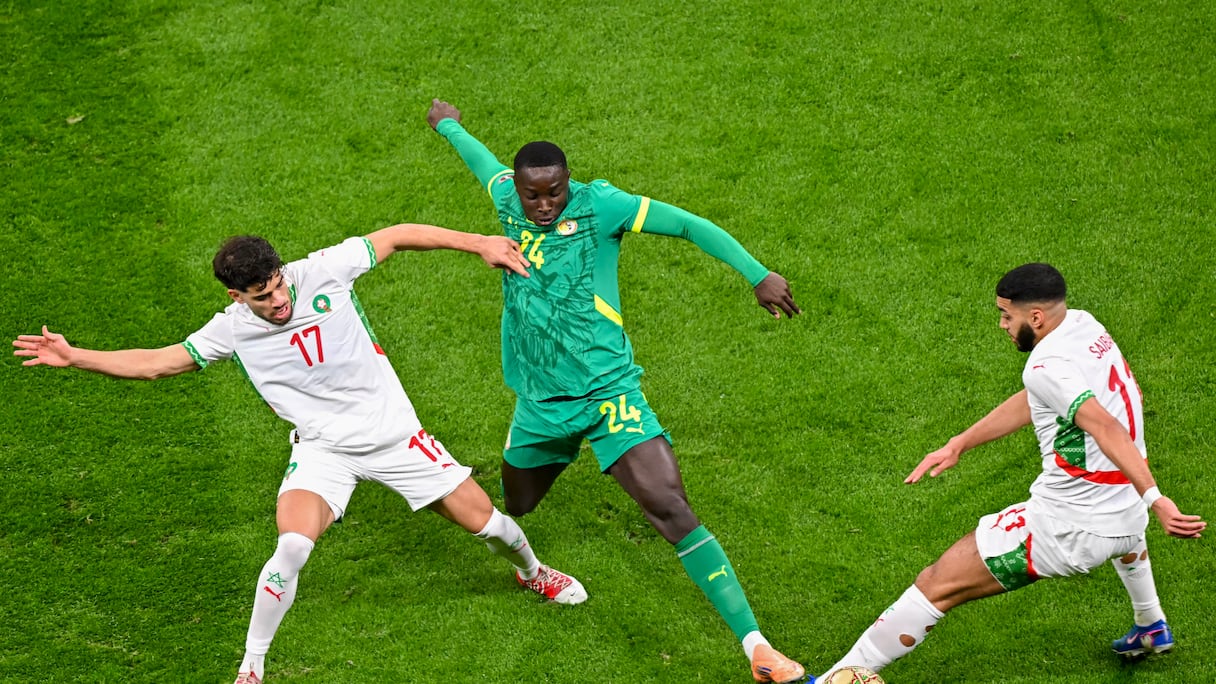
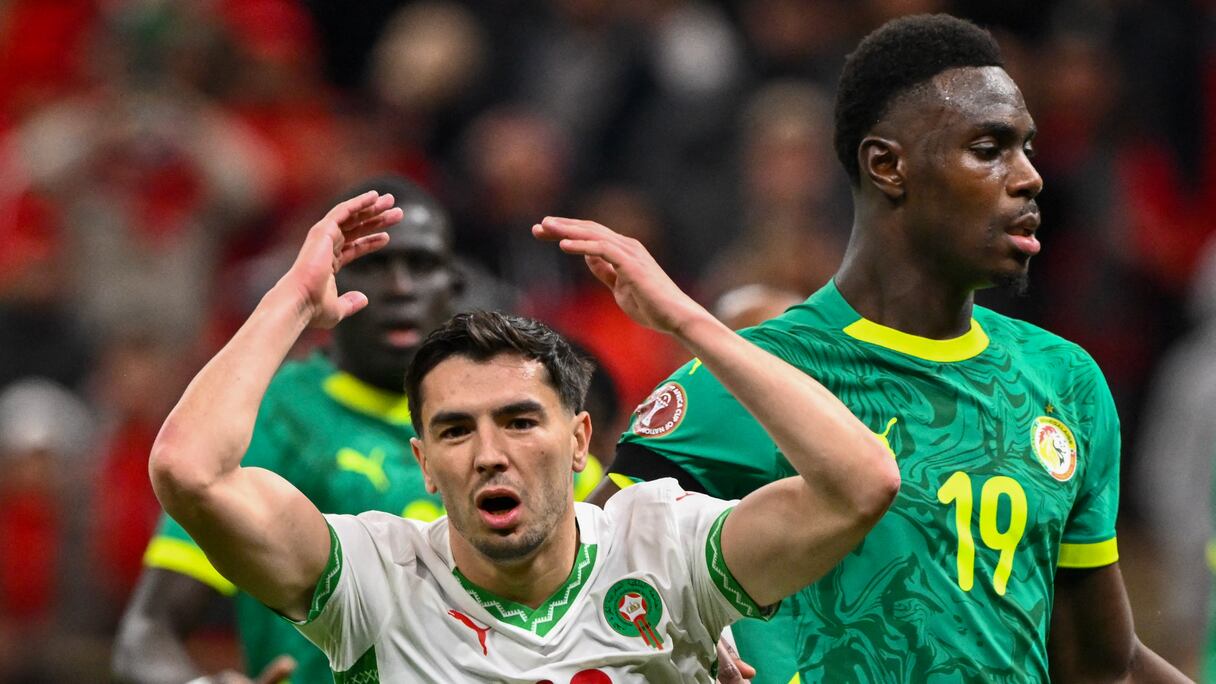
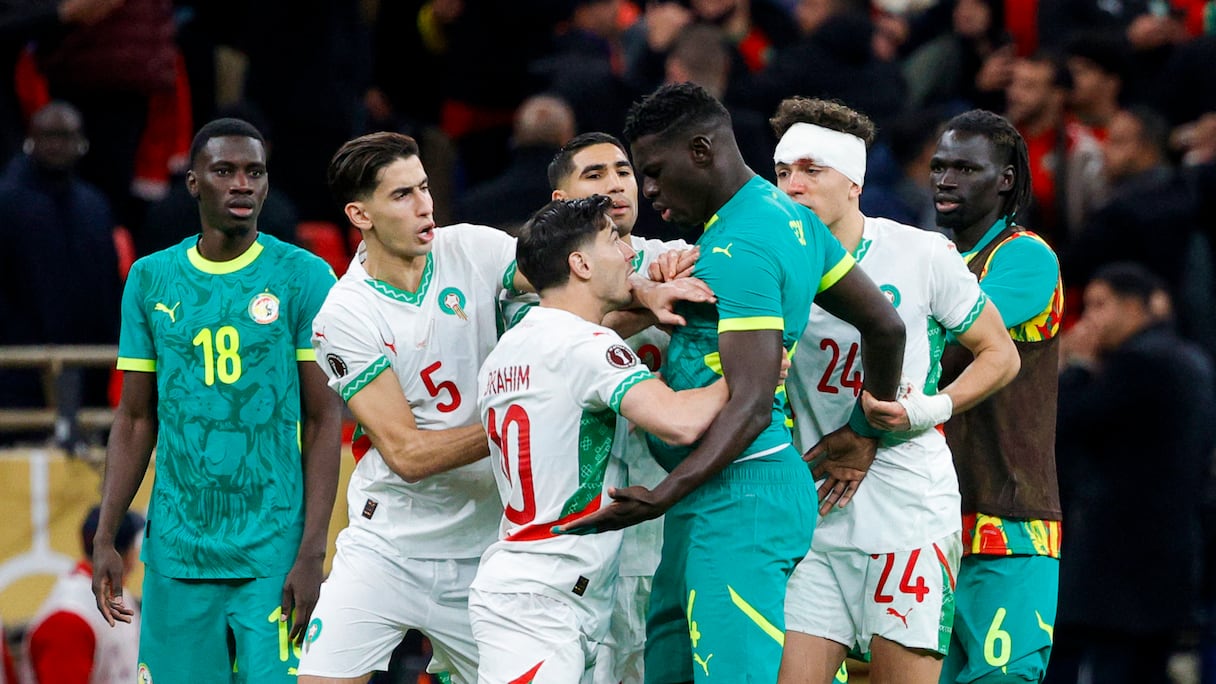
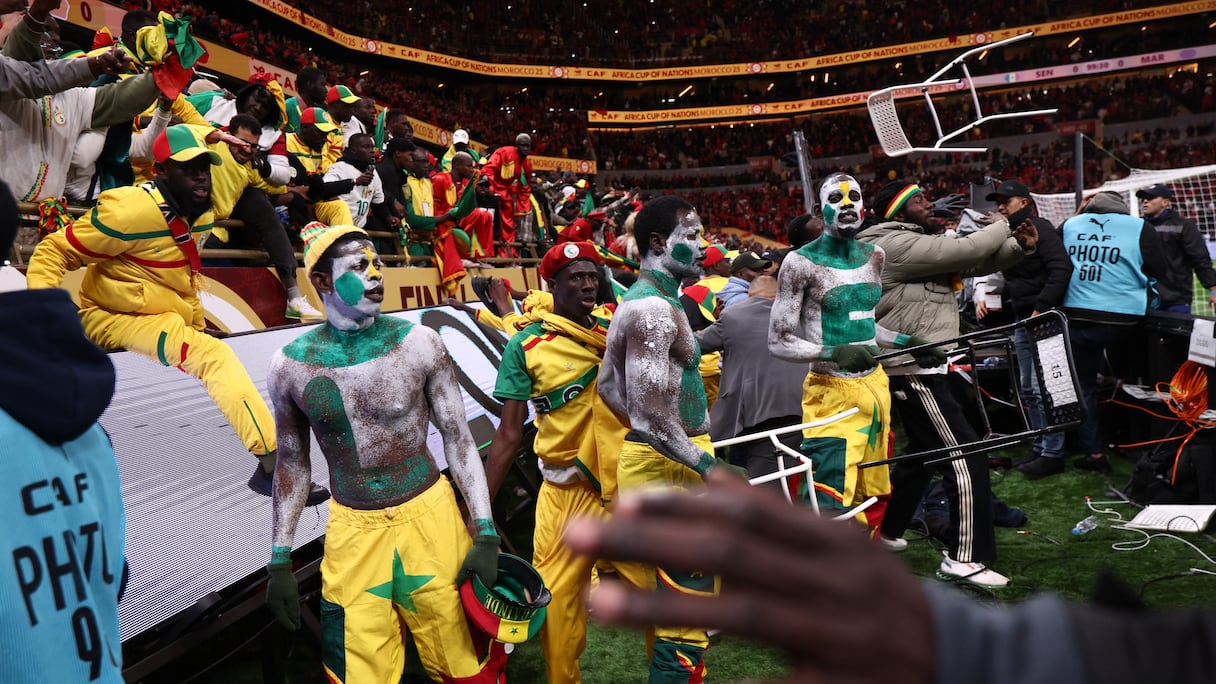
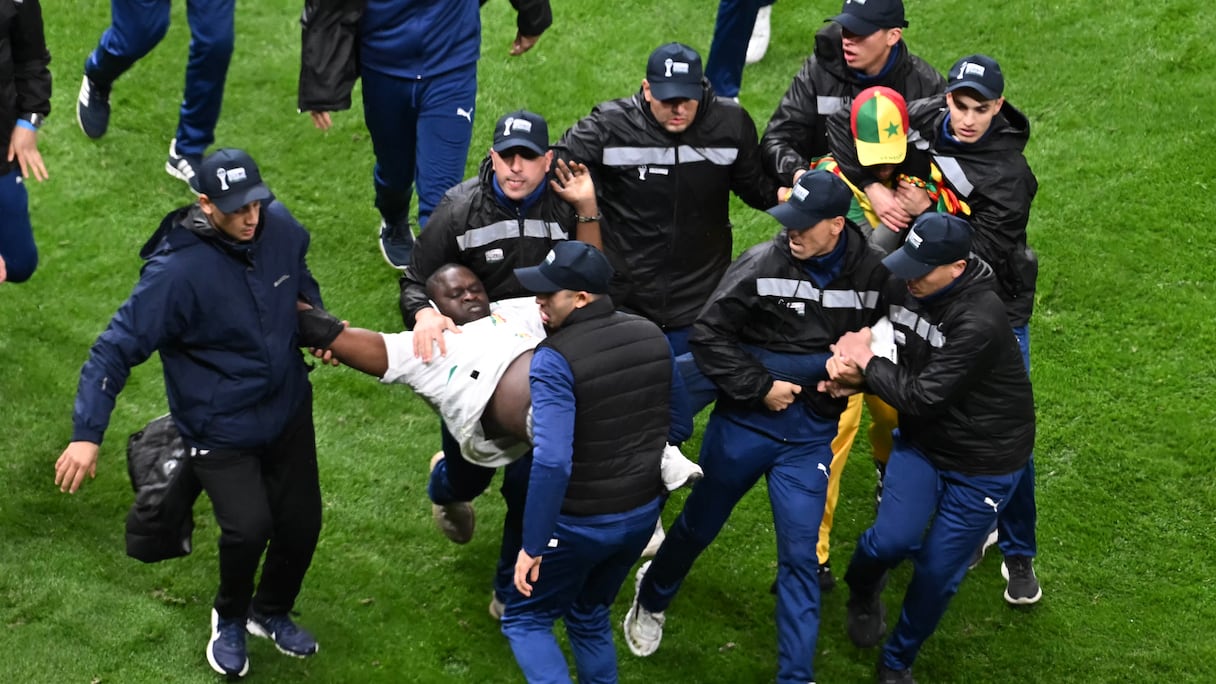
El centrocampista marroquí nº17 Abde Ezzalzouli, el defensa senegalés nº24 Antoine Mendy y el centrocampista marroquí nº11 Ismael Saibari disputan un balón durante el partido de la final de la Copa Africana de Naciones (CAN) entre Senegal y Marruecos, en el Estadio Príncipe Moulay Abdellah de Rabat, el 18 de enero de 2026. (Foto de Paul ELLIS / AFP). AFP
While the result gave Senegal the victory on the field, the legal proceedings later went in Morocco’s favor. In the aftermath of the heated final, CAF was asked to rule on the incidents and initially chose to sanction the various forms of misconduct recorded during the match without changing the sporting result.
Morocco, however, appealed the initial decision, particularly over the Senegalese players’ departure from the field. Following a review of the facts, the CAF Appeals Jury ruled on March 17 that Morocco should be awarded the title by forfeit, with the final recorded as a 3-0 victory for Morocco under Articles 82 and 84 of the Africa Cup of Nations regulations.
The Senegalese Football Federation (FSF) subsequently challenged that decision before CAS, which registered its appeal on March 25. The Lions of Teranga’s federation is seeking to overturn the CAF Appeals Jury decision that awarded the title to Morocco.
The case now reaches October 8, 2026. On Thursday, a three-member CAS panel, including a presiding arbitrator, will hear arguments from the parties involved, with CAF and the Royal Moroccan Football Federation (FRMF) on one side and the FSF on the other.
Read also : AFCON final row: CAS reveals first details of much-awaited Oct 8 hearing
The issue before the panel is therefore not the sporting result of the final itself, but the decision handed down by the CAF Appeals Jury. That decision will be at the center of Thursday’s proceedings in Lausanne.
To better understand what is at stake, Le360 Sport spoke with Renaud Duchêne, a sports law specialist, founder of the TactX law firm and former arbitrator at the Belgian Court of Arbitration for Sport.
The hearing will begin at 09:30 and will be held in person at the CAS headquarters in Lausanne, without media access. “The hearing takes place in person, with the lawyers for each party present alongside their clients. Federation presidents, heads of legal departments and people assisting with the case, including the administrative director, may also be present,” Duchêne told Le360 Sport.
The FSF, as the appellant, will speak first, followed by CAF and the FRMF, the respondents. The three parties will then present their arguments before the arbitration panel, with each side given an opportunity to respond.
For this case, CAS has appointed a three-member panel consisting of French professor Gérald Simon, who will preside, alongside Italian Luigi Fumagalli and German Ulrich Haas. The proceedings will be conducted in French.
“For important cases before CAS, the arbitration panel is generally made up of three arbitrators. For a case of this nature, there should therefore be a three-member panel, including a president,” Duchêne explained.
He stressed that the arbitrators are independent of the parties. “Most of them are lawyers who generally work in sports law and have a certain amount of experience in the field,” he said. The arbitrators selected for this case are prominent figures in international sports law. Their appointment does not mean they become representatives of the party that selected them.
“There is therefore a relationship of trust, but the arbitrator is not the lawyer for the party that chose them. They must issue a decision as an independent and impartial arbitrator.”
Duchêne also explained that each arbitrator must declare their independence and impartiality to ensure there is no conflict of interest.
Read also : No immediate verdict in Morocco-Senegal AFCON title case, says CAS chief
A legal battle, not a replay
While both sides are expected to revisit the events of the final in detail, the purpose of the hearing is not to replay the match or determine whether the 1-0 score reflected what happened on the field.
“It is important to understand that the match result itself is not being directly challenged. The challenge concerns CAF’s disciplinary decision,” Duchêne stressed.
CAS will therefore examine the decision issued by the CAF Appeals Jury, which awarded Morocco the title by forfeit with a 3-0 scoreline, and determine whether it complies with the applicable regulations.
“CAS will therefore examine whether CAF’s decision was legally sound under the regulations and, as a secondary matter, consider the facts,” the lawyer explained.
The panel may examine whether the correct regulatory provisions were applied and whether CAF followed the proper procedure.
“CAS will have to determine whether the decision awarding Morocco the victory by forfeit is valid and whether it was made in accordance with CAF regulations.”
In other words, CAS “is not tasked with reassessing the sporting result of the match itself. It must determine whether the decision that led to the winner being determined by forfeit is valid under the regulations in force,” Duchêne added.
Morocco and Senegal’s arguments
Both sides are expected to revisit the events of the final in detail, but from different perspectives.
Morocco “can clearly point to the incidents that occurred during the match and how the regulations were applied to them, which led to CAF’s decision,” Duchêne said.
The FSF, meanwhile, could focus on how the match unfolded, particularly the referee’s role.
“They can argue that the referee did not take action over the players leaving the field and consider, in a way, that the referee remains the authority in charge of the game, with full authority over the match and its final result,” the lawyer said, referring to Law 5, Article 1 of the Laws of the Game governing international soccer.
The Senegalese side could therefore “rely on the fact that the match reached its conclusion and was, in a certain way, validated by the referee.”
Beyond the substance of the case, CAS may also examine procedural issues, including deadlines, admissibility and compliance with the procedures set out in the regulations.
“The panel will also have to verify whether the procedures were followed. For example, was the FRMF’s appeal filed within the deadline? Was the appeal submitted in accordance with the required procedures?”
Deliberations after the arguments
Once both sides have been heard, the arbitration panel will withdraw to deliberate. CAS has already made clear that no decision will be issued Thursday at the end of the hearing.
Each arbitrator will take a position on the case before the decision is reached collectively. Duchêne recalled that “the arbitrators may have different positions. But the panel’s final decision is taken collectively, by majority vote.”
The presiding arbitrator, Gérald Simon, will therefore play a central role during this stage of the proceedings.
No decision on Thursday
Even after deliberations are completed, the award must still go through CAS’s internal review process before being communicated to the parties.
“For those expecting a quick decision, they will have to wait. I was recently with CAS arbitrators who told me that the award itself is not long, but there is a review process carried out by the CAS president. That takes quite a bit of time,” Duchêne explained.
Here, a distinction must be made between the president of the arbitration panel and CAS Director General Matthieu Reeb. Under the CAS Code, before an award is signed, it is sent to the CAS Director General, who can make formal corrections and draw the panel’s attention to questions of principle without interfering with its decision-making independence.
“The CAS president will check whether everything complies with CAS standards, the regulations and the way the award is drafted,” Duchêne said.
The lawyer therefore does not expect a verdict in the hours following the hearing.
“It can take one month, two months or even much longer. I do not expect a decision by the end of the day. I am categorical about that,” he said.
Can CAS directly change the result of the final?
The question is central to the case. Can CAS itself award the title to Senegal or Morocco, or is its authority more limited?
“Indirectly, yes, but it will primarily validate or invalidate the decision of the CAF Appeals Jury,” Duchêne said.
In an appeal proceeding, however, CAS has broad powers. Its panel can review both the facts and the law and, under the applicable rules, issue a new decision replacing the one being challenged or annul that decision and refer the case back to the previous instance.
If the panel considers that it needs additional information, the case could also require further evidence before the award is issued. That could lead to a second hearing.
What happens after CAS?
A CAS decision does not necessarily mean that every avenue of appeal disappears. A CAS award can be challenged before the Swiss Federal Supreme Court, but only under very limited circumstances, including an improperly constituted arbitration tribunal, a jurisdictional issue or a violation of the parties’ right to be heard.
“Honestly, overturning a CAS decision is quite complicated. I think the stakes are so high, with such tension surrounding the case, that I cannot rule out the losing side trying its luck,” Duchêne said.
The Swiss Federal Supreme Court would not, however, rehear the substance of the dispute as another sports jurisdiction. In cases provided for by law, it could overturn the CAS award and refer the case back to a new arbitration panel of the same tribunal.
On Thursday in Lausanne, Morocco and Senegal will therefore take another step in a legal saga that has lasted for more than eight months.
But contrary to what some may hope, the October 8 hearing will not bring the case to an end. It will open the deliberation phase, which could take several weeks or even “until the end of the year.”
