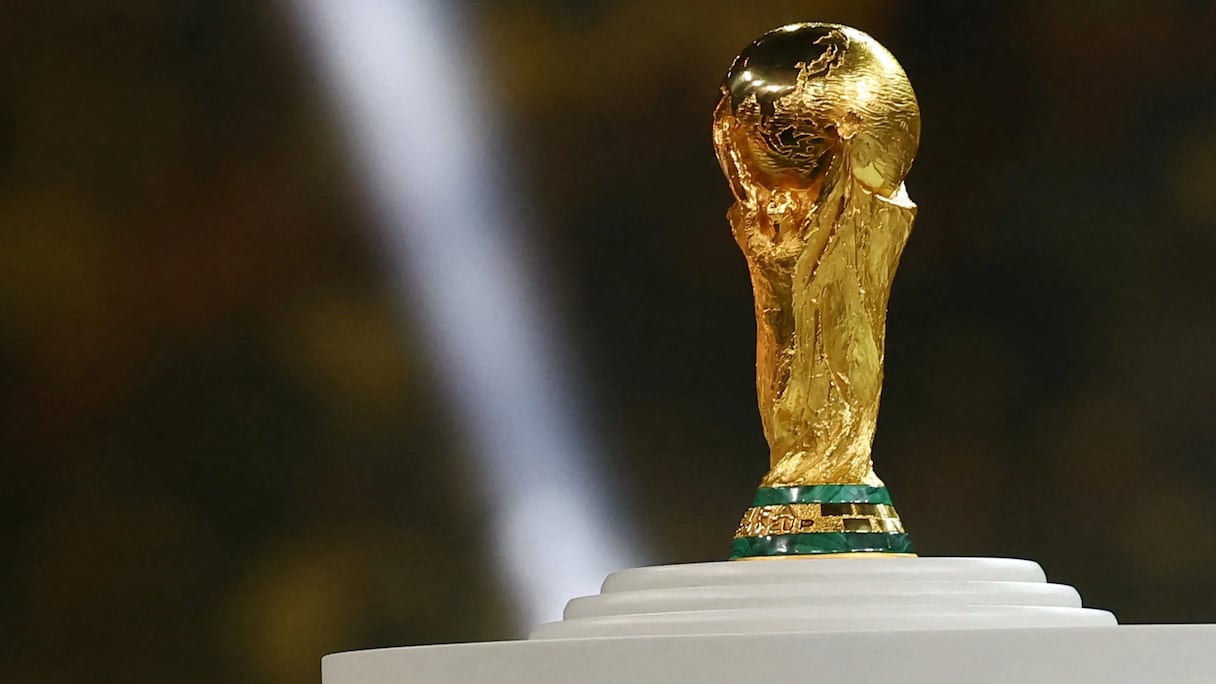
The debate over the venue for the 2030 World Cup final now extends beyond Morocco and Spain. While the two countries, alongside Portugal, will co-host the 2030 tournament, another contest is taking shape behind the scenes over the final itself.
Morocco is backing the future Hassan II Grand Stadium near Casablanca, while Spain is putting forward venues including Madrid’s Santiago Bernabéu. At this stage, FIFA has stressed that no official decision has been made.
The future Hassan II Grand Stadium, announced with a capacity of around 115,000 spectators, is intended to become the world’s largest football stadium and represents one of Morocco’s main arguments for hosting the tournament’s most prestigious match.
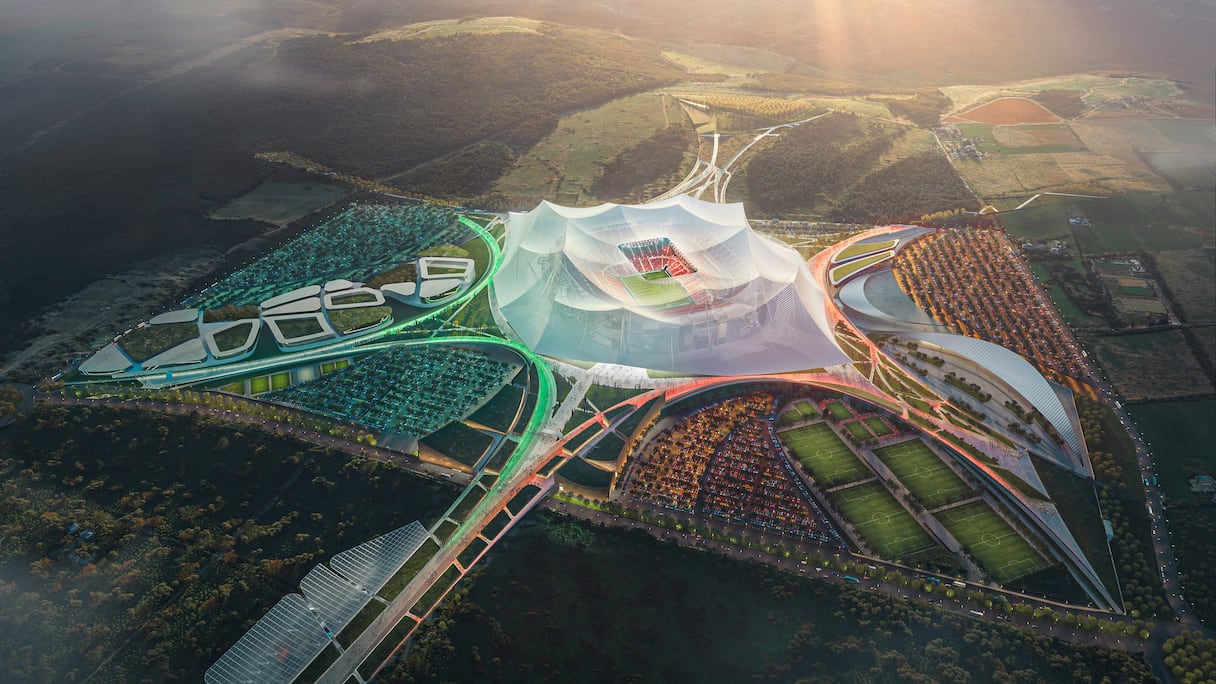
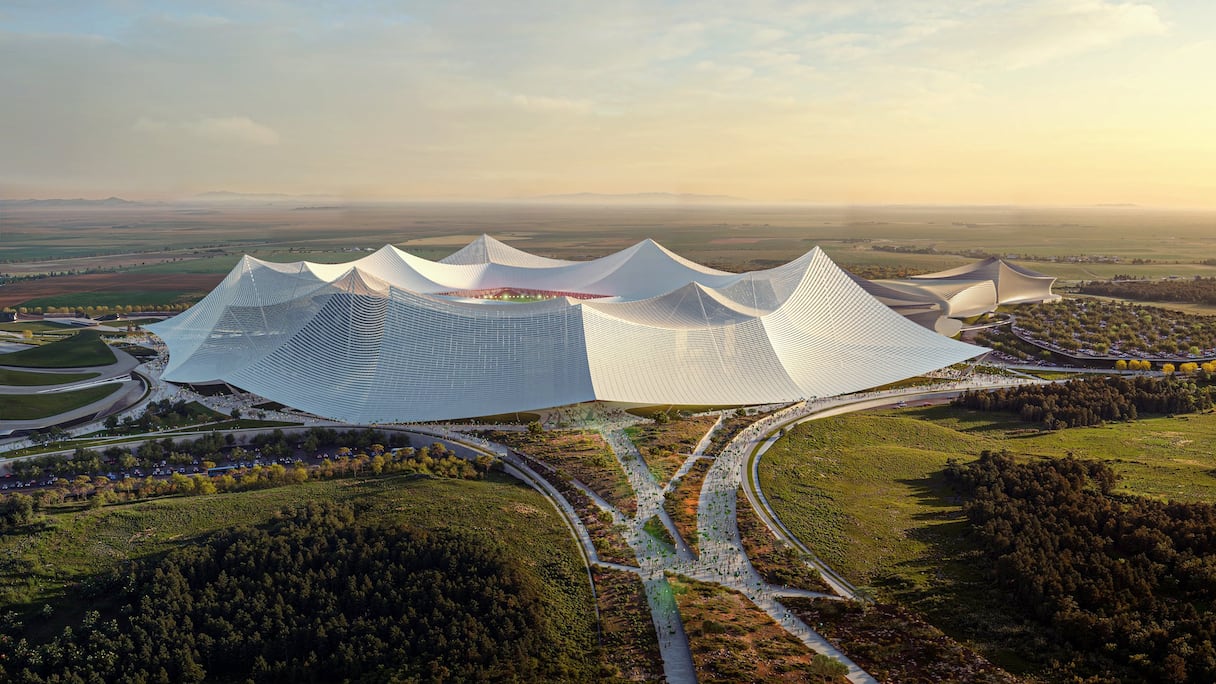
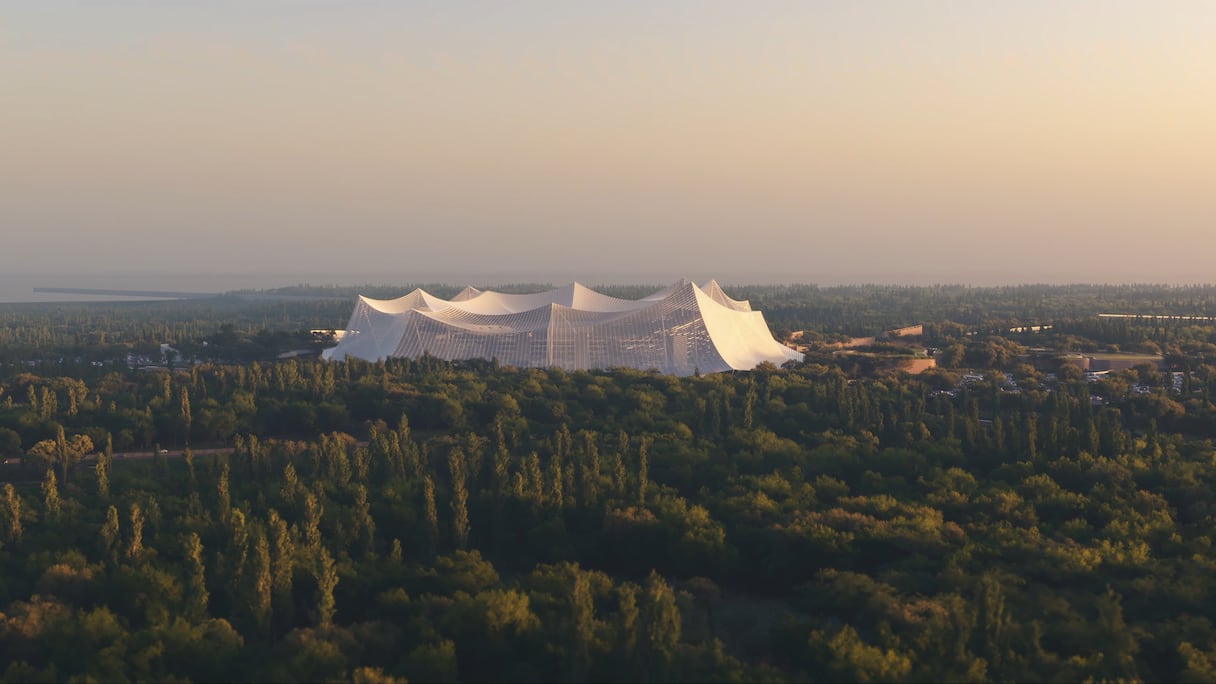
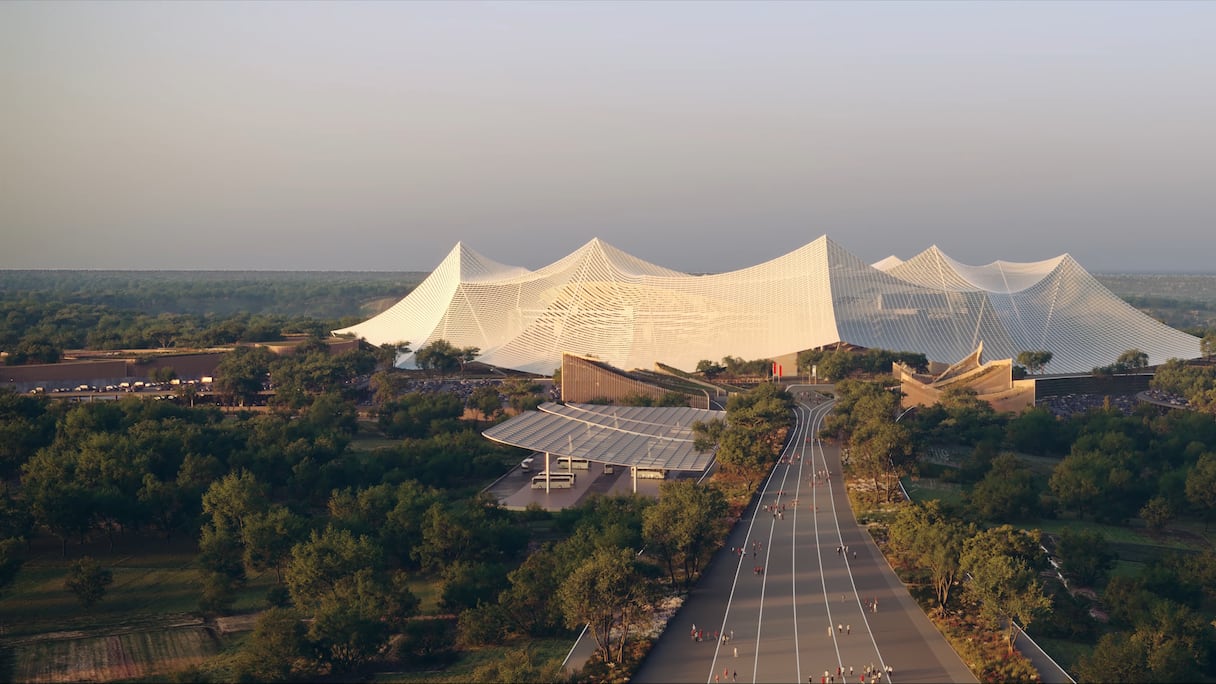
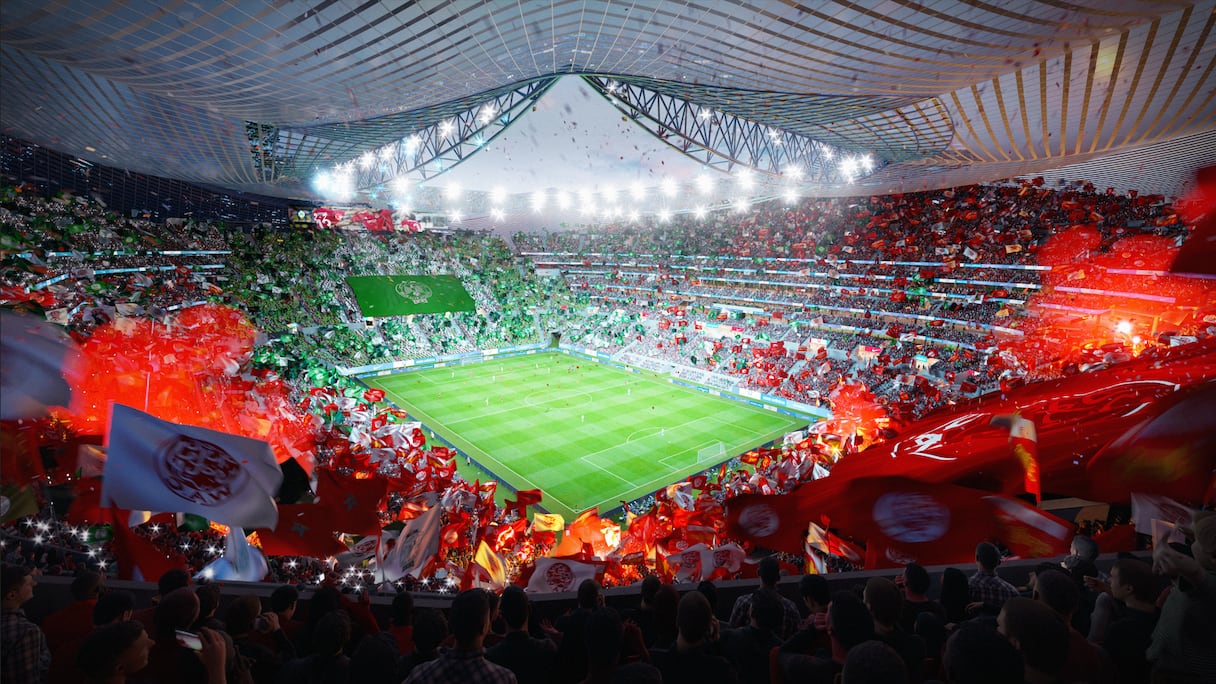

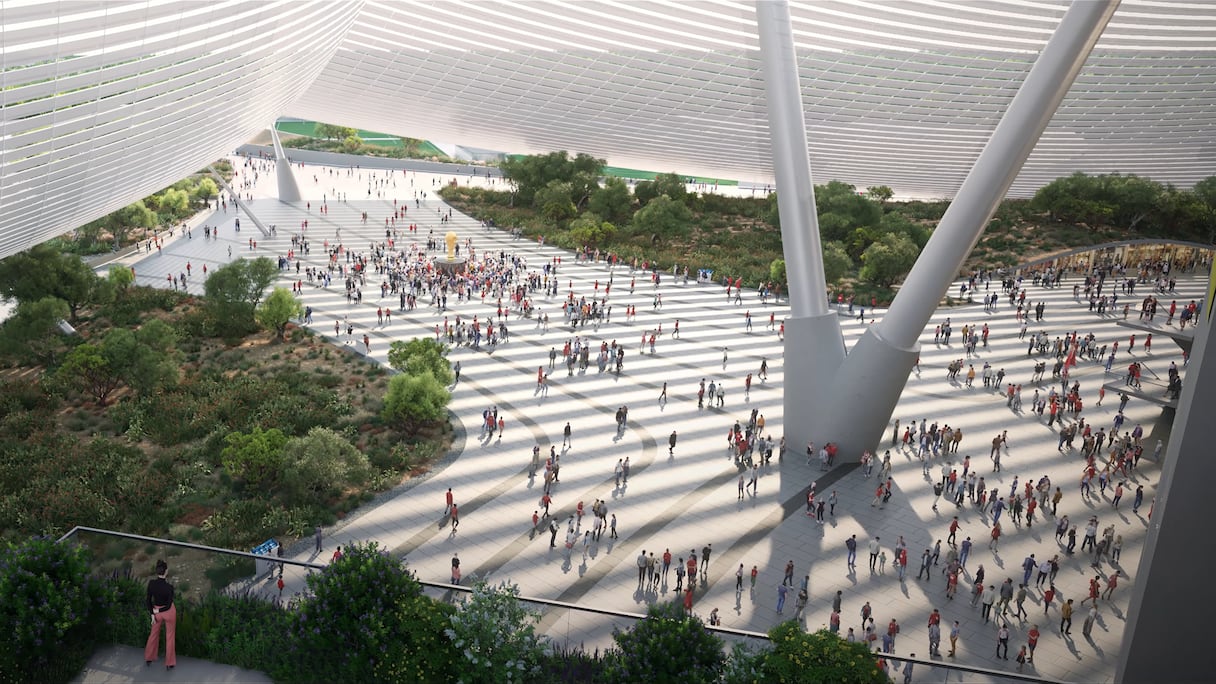
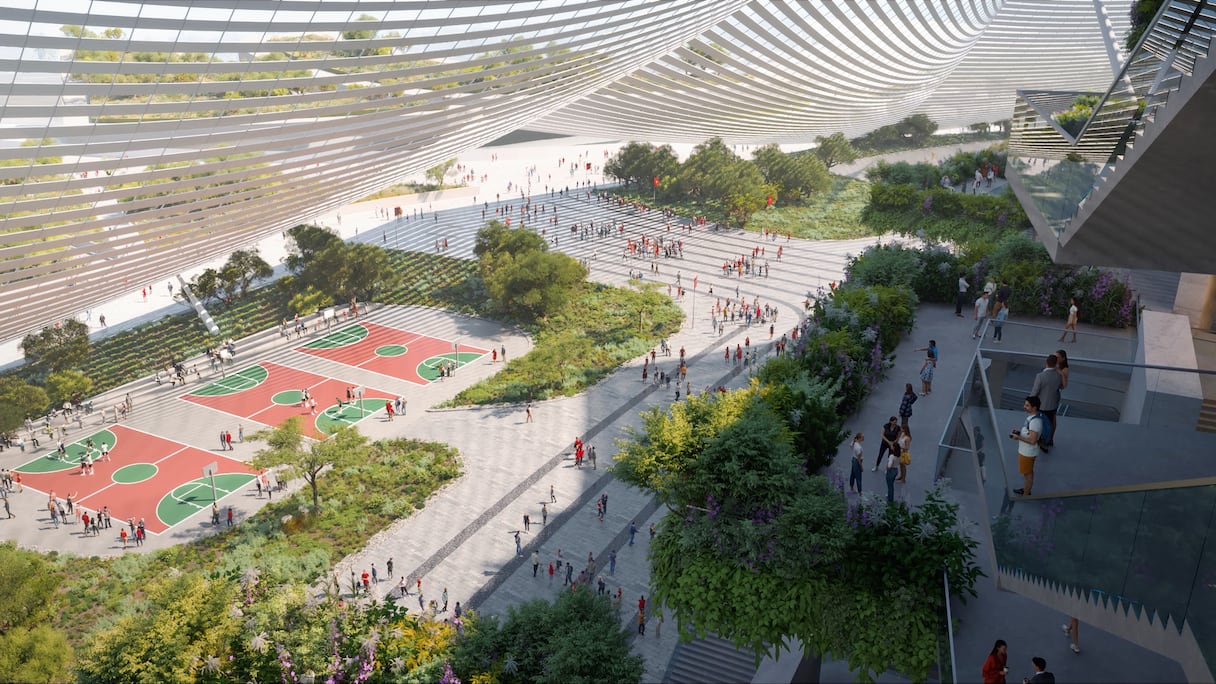
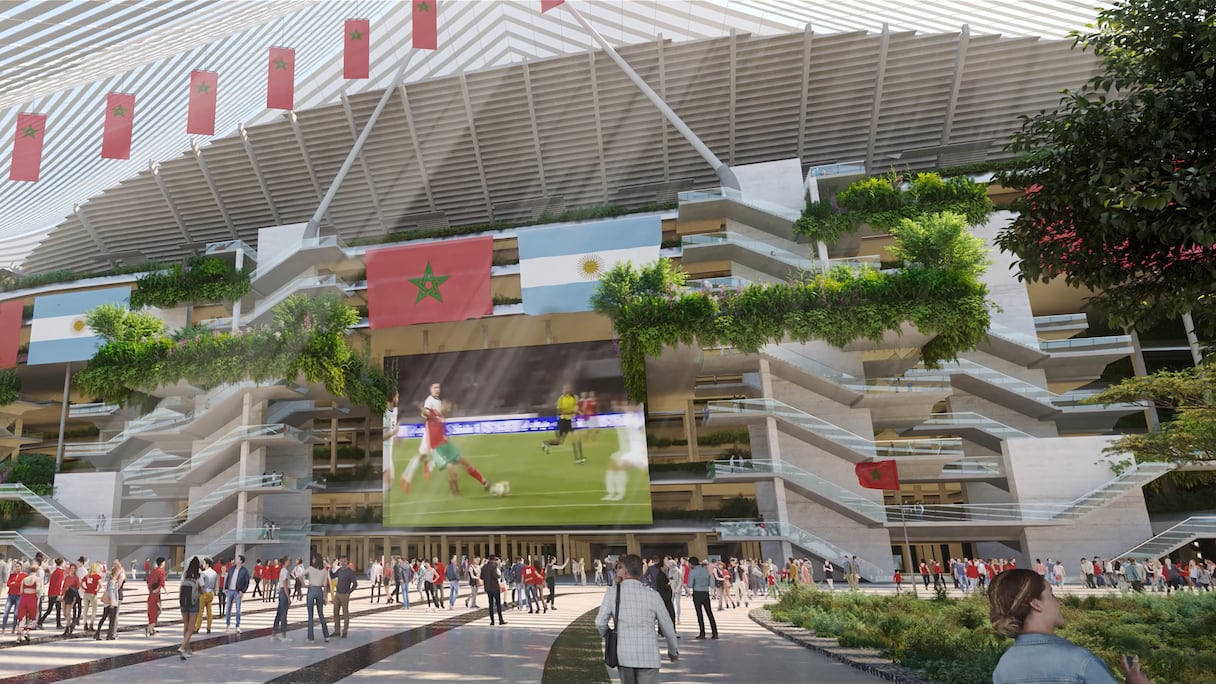
Model of the Grand Hassan II Stadium in Benslimane.
In Senegal, the prospect has already attracted support from some football fans, who see a final in Morocco as a powerful symbol for the continent as a whole.
For football enthusiast Guene Ndiaye, seeing Morocco host the final would above all represent a victory for Africa.
“As an African, I am first and foremost delighted by this participation and co-hosting. It is a real source of pride for the African continent. As an African, I support Morocco so that it can host this final. It would honor our continent, particularly in football. I truly hope Morocco hosts this final. Just as South Africa did before, I believe Morocco now has the capacity to organize a World Cup final.”
For Saliou Dione, the bid goes beyond sport and represents a historic opportunity for a continent that has hosted the World Cup only once.
“As a Senegalese and an African, we want this final to be played in Africa. I believe this is a wish that every African should embrace. We should make a common effort to advocate for a World Cup final to be played on our continent. Europe has already hosted many major competitions, while Africa has organized only one World Cup. If another opportunity arises, it would be important for a final to finally be played in Africa. Morocco now has solid infrastructure, which it could showcase even further through such an event.”
This aspiration is rooted in the history of African football. Since the 2010 World Cup in South Africa, the first and so far only edition staged on the continent, no other World Cup final has been played in Africa. A potential final in Morocco would therefore be a first for North Africa and only the second on African soil.
Samba Thiam also believes Morocco now has the experience needed to take on such a challenge.
“As an African and a Senegalese, it would be a great pleasure to see Morocco host this World Cup and its final as well. A World Cup final played on African soil would be a source of immense pride for all Africans, especially for African football. I believe every African should support this ambition because Morocco is no longer a newcomer when it comes to organizing international competitions. It has already demonstrated its expertise and progress in sports infrastructure. Seeing Morocco host the World Cup and also stage the final would be excellent news for the entire continent,” said Thiam, a supporter of both Senegal and Morocco.
Spain, meanwhile, has put forward its own arguments. Madrid is proposing the renovated Santiago Bernabéu, while Barcelona is putting forward Camp Nou, with both venues meeting international standards.
Spanish officials are emphasizing the country’s experience in organizing major sporting events, but the final decision ultimately rests exclusively with FIFA.