For months, the question of where the 2030 World Cup final should be played, with Casablanca, Madrid and Barcelona in contention, has stirred debate among football figures, politicians, former players and communications professionals in Spain.
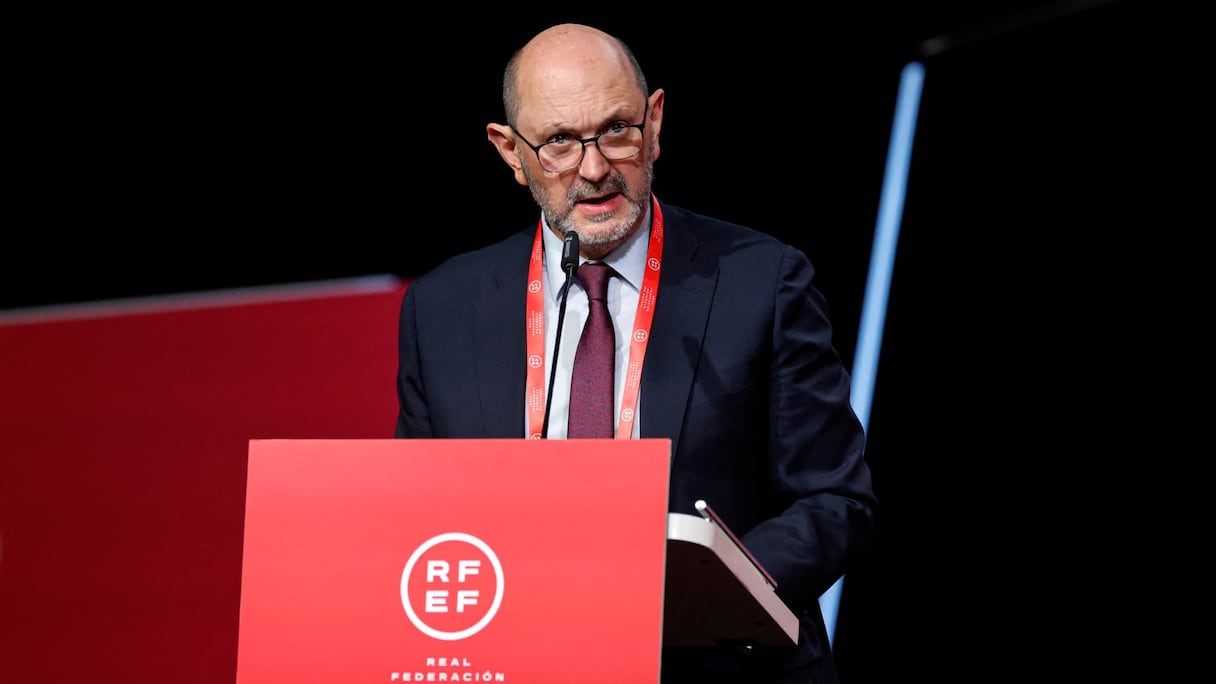
Almost all have made statements, given media interviews or expressed positions insisting that Spain is the only option for hosting the competition’s most important match. Among them is Rafael Louzán, president of the Royal Spanish Football Federation (RFEF), who has repeatedly used his media appearances to return to the question of the future final.
Yet one thing stands out. While each figure is naturally defending their own interests, Louzán’s interventions have increasingly begun to sound alike. The Spanish football chief repeatedly presents Spain as the natural candidate to host the match, returning to the same arguments each time.
His latest appearance, on Monday, September 28, on the program “Otra Ronda,” offered another example. The RFEF president insisted that “it must be in Spain, there is no other option.” Spain, he added, “cannot have any doubts about this. We are a major power and world leaders in every field.”
Louzán then reinforced his argument by referring to Spain’s latest triumph at the FIFA U20 Women’s World Cup in Poland. “We will try to give Spain another reason to celebrate. But the greatest joy will be to play the final in Spain,” he said.
Anyone reading these statements might conclude that Spain is entirely confident in its bid. Yet as the months go by, the country increasingly appears particularly concerned with trying to settle the debate over the final in advance.
Louzán recently travelled to Ceuta following the events there and chose to express his support from the occupied territory before calling for the final to be played in his country. “Where else could it be played if not in Spain?” he said at the time.
Some time earlier, the RFEF president had already shown signs of concern over the Moroccan bid, which is notably backed by the Hassan II Grand Stadium in Benslimane and its planned capacity of 115,000 spectators. The stadium is set to become one of the most modern venues in the world and will be capable of hosting the most prestigious competitions.
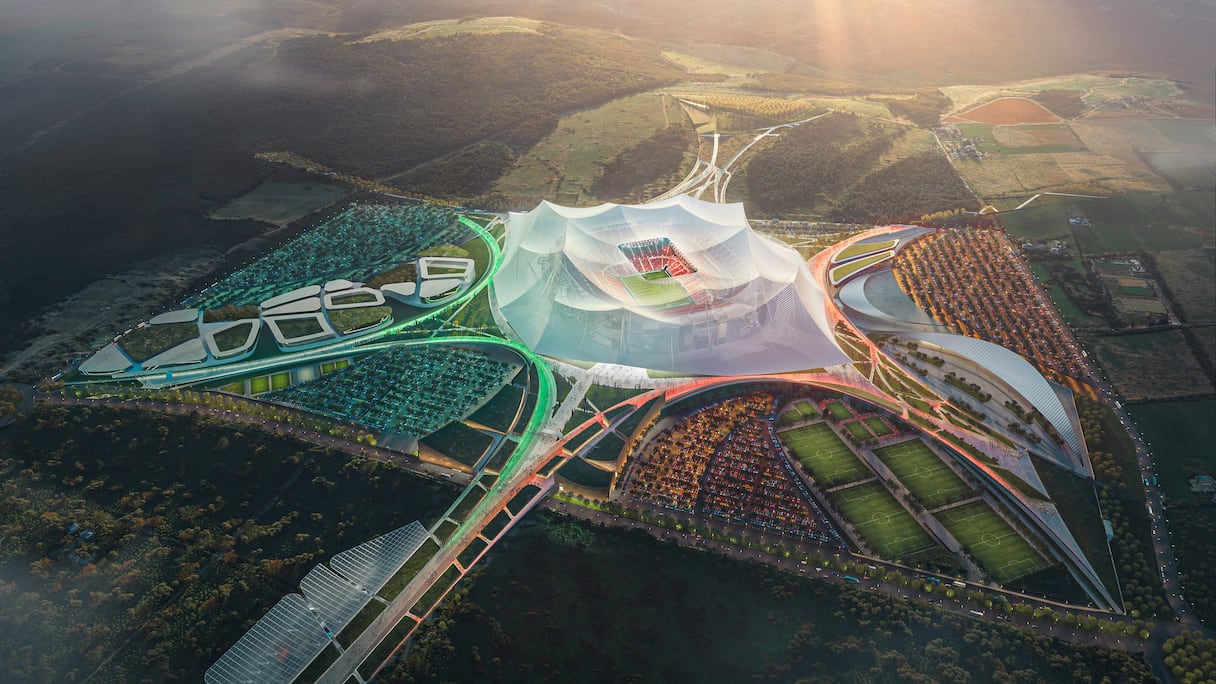
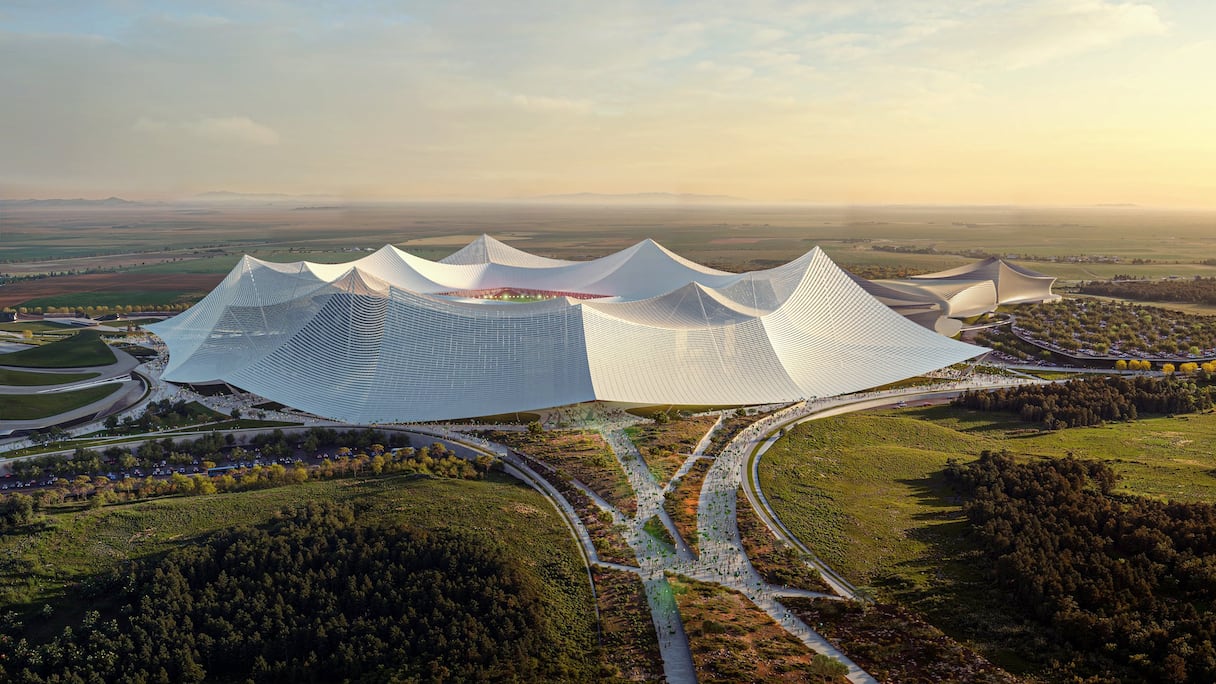
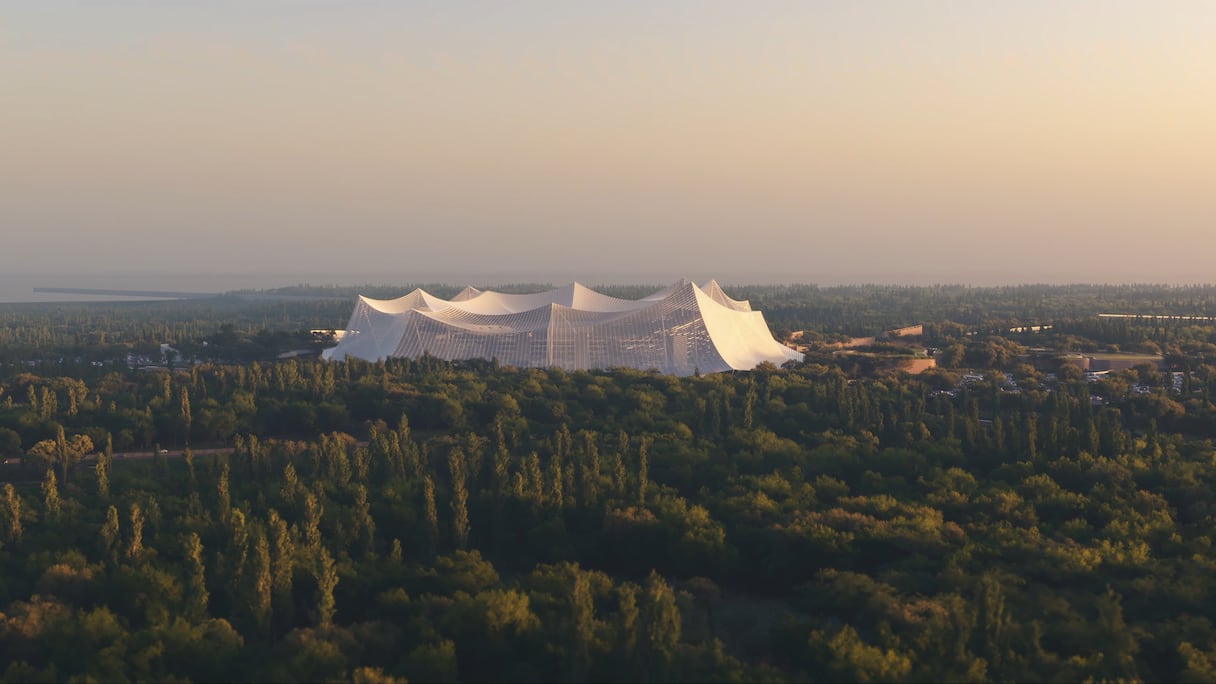
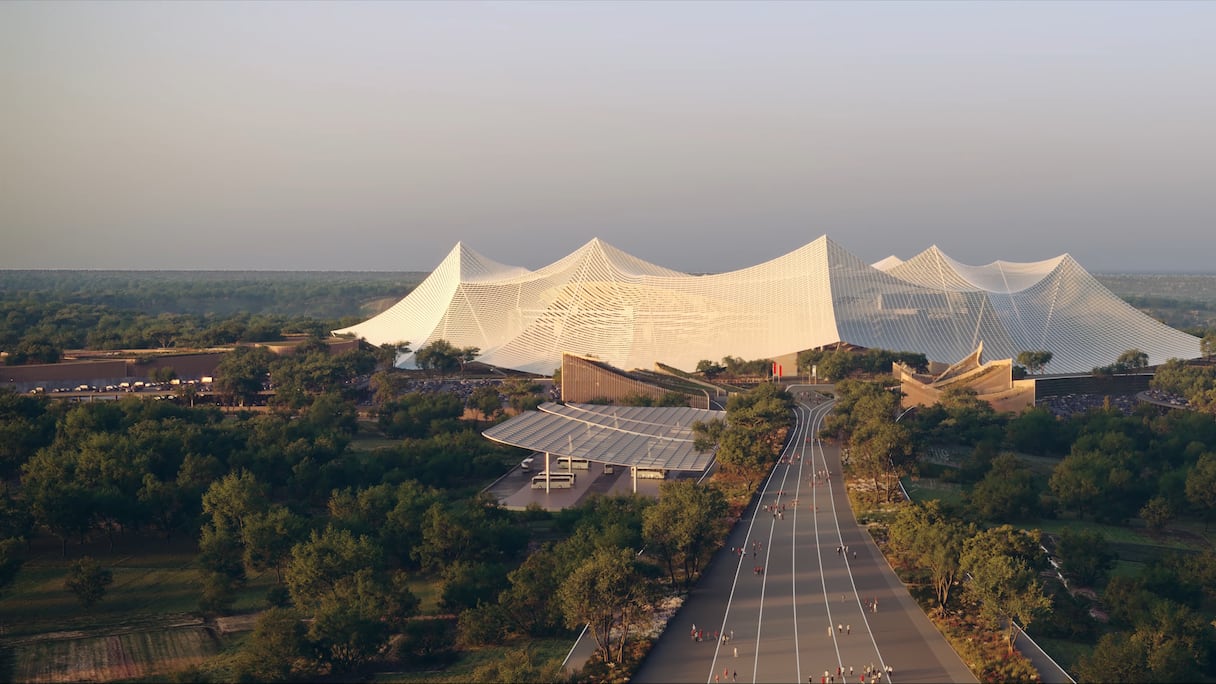
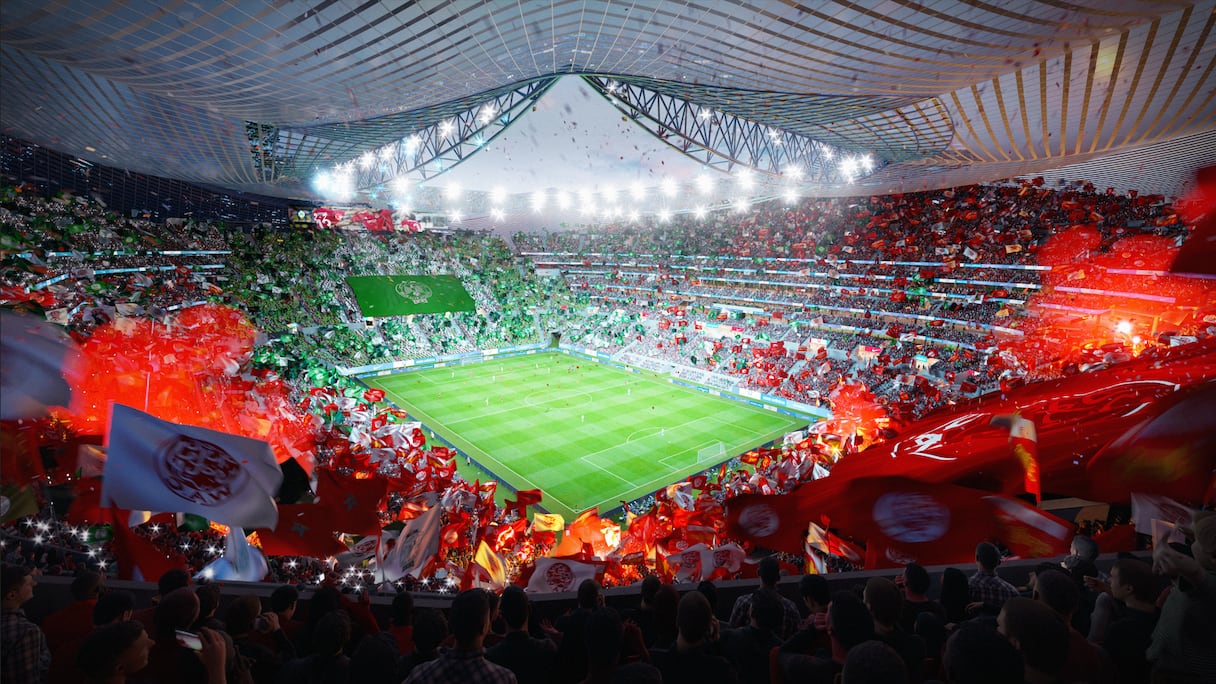
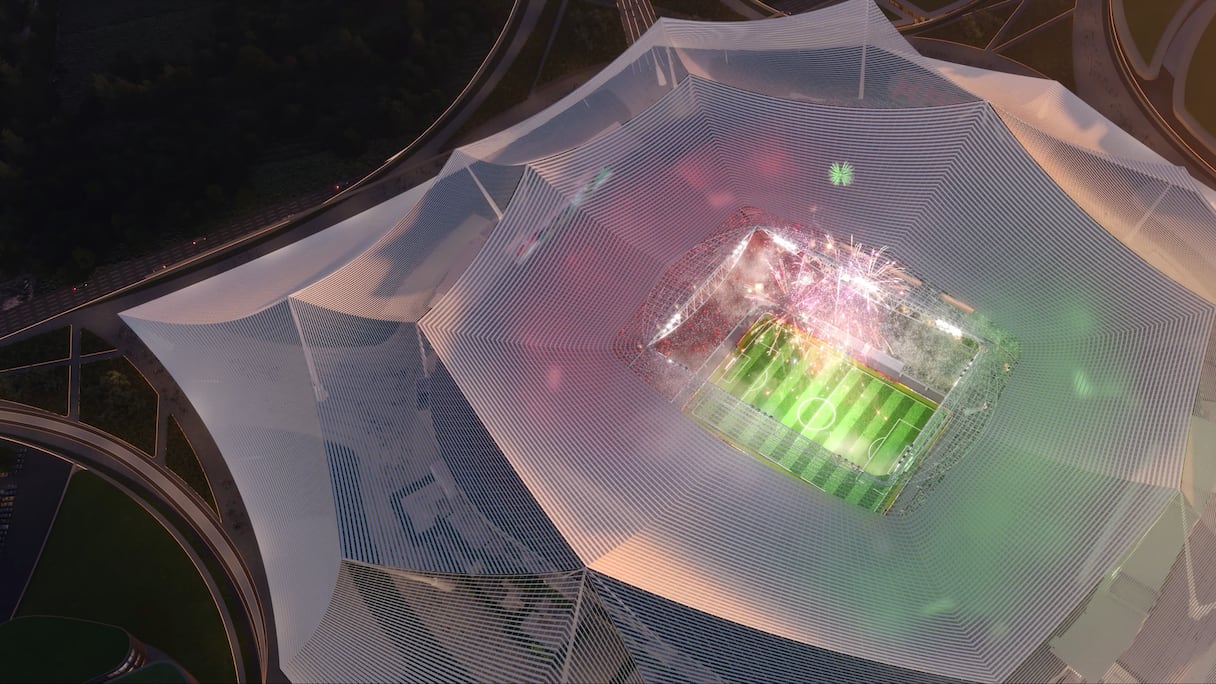



Model of the Grand Hassan II Stadium in Benslimane.
“Sometimes I feel angry when I see that Spain is leading this World Cup, the centenary edition, and doubts continue to arise. There should be no doubt about Spain’s role,” he said.
Louzán had also publicly called on his government to take responsibility, urging it to “get involved now” in preparations for the World Cup.
The statements have been frequent and repetitive, sometimes driven by emotion, further blurring the line between sport and politics. The RFEF president’s latest remarks follow the same pattern.
By repeatedly insisting that the final will be played in Spain, Spanish football officials increasingly give the impression that they are trying to convince others, over and over again, even though the final decision rests with FIFA.
As these statements continue to accumulate, one impression is becoming harder to ignore. Rather than conveying complete confidence, the repeated insistence appears to reveal a degree of unease surrounding a final whose venue remains officially undecided.
