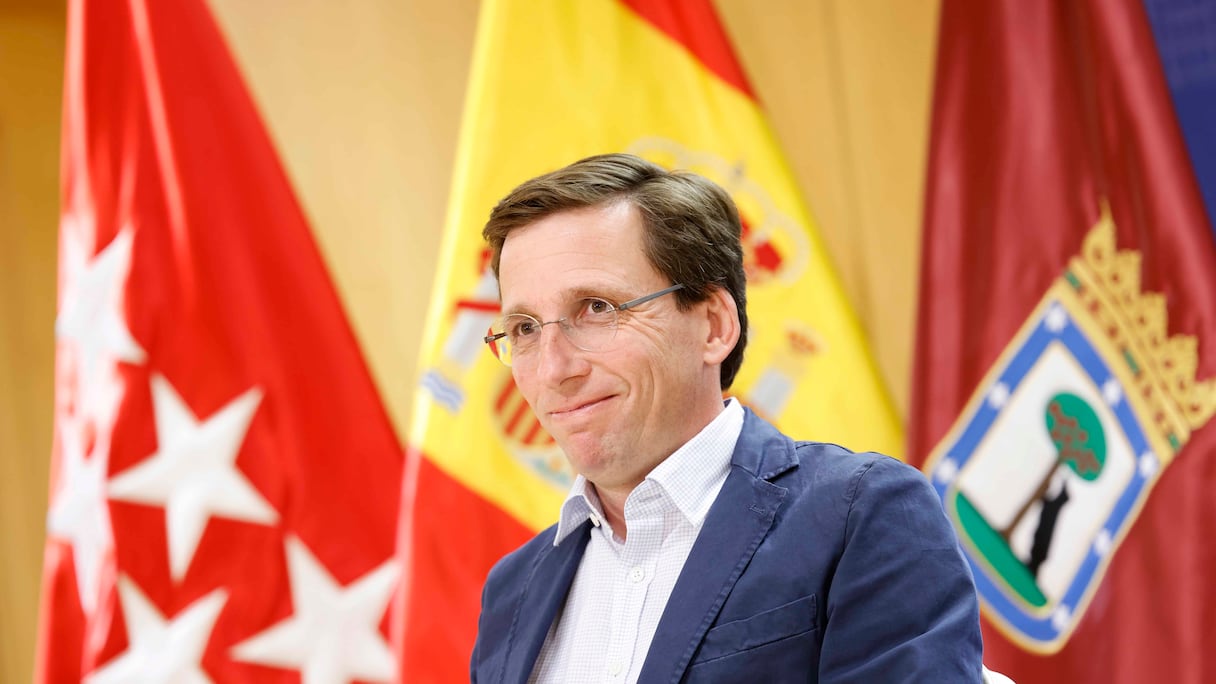
The battle over the 2030 World Cup final is spreading across Spain’s political and football circles, with José Luis Martínez-Almeida, the mayor of Madrid, now adding his voice to those calling for the Spanish capital to host the tournament’s showpiece match.
Without presenting evidence, Martínez-Almeida accused Morocco of working through political and institutional channels to secure the final, adding another chapter to the increasingly heated debate surrounding a tournament co-hosted by Morocco, Spain and Portugal.
Accusations without evidence
In comments reported by Mundo Deportivo, Martínez-Almeida said he was “not optimistic” about Madrid’s chances of hosting the final. He then accused Morocco of acting at the political and institutional levels to obtain the match, without providing any concrete evidence to support his claim.
At the same time, he acknowledged that he had “no evidence” that the Spanish government was conducting a similar campaign on behalf of Madrid. He also said he had no contact with the government regarding the matter.
A member of the opposition Popular Party (PP), Martínez-Almeida used the issue to criticize Pedro Sánchez’s government.
“I have no reason to think that the Spanish government will fight for Madrid to host the World Cup final,” he said.
The mayor also revived an argument increasingly heard in Spain, based on the history of the 2030 bid. Spain and Portugal initially put forward the project before Morocco, Argentina, Paraguay and Uruguay joined the organization.
That narrative has increasingly been used to support the idea that the final should naturally be played in Spain.
Rafael Louzán, president of the Spanish Football Federation, had already made that position clear several weeks earlier during a highly symbolic visit to Ceuta.
“Where else would it be played if not in Spain?” he said when referring to the final.
Martínez-Almeida has now echoed him, saying it “does not seem natural” for the tournament’s final to be played anywhere other than Madrid.
Madrid raises the possibility of consequences
The Madrid mayor went further when addressing the possibility of the final being awarded to the Grand Stade Hassan II in Benslimane.
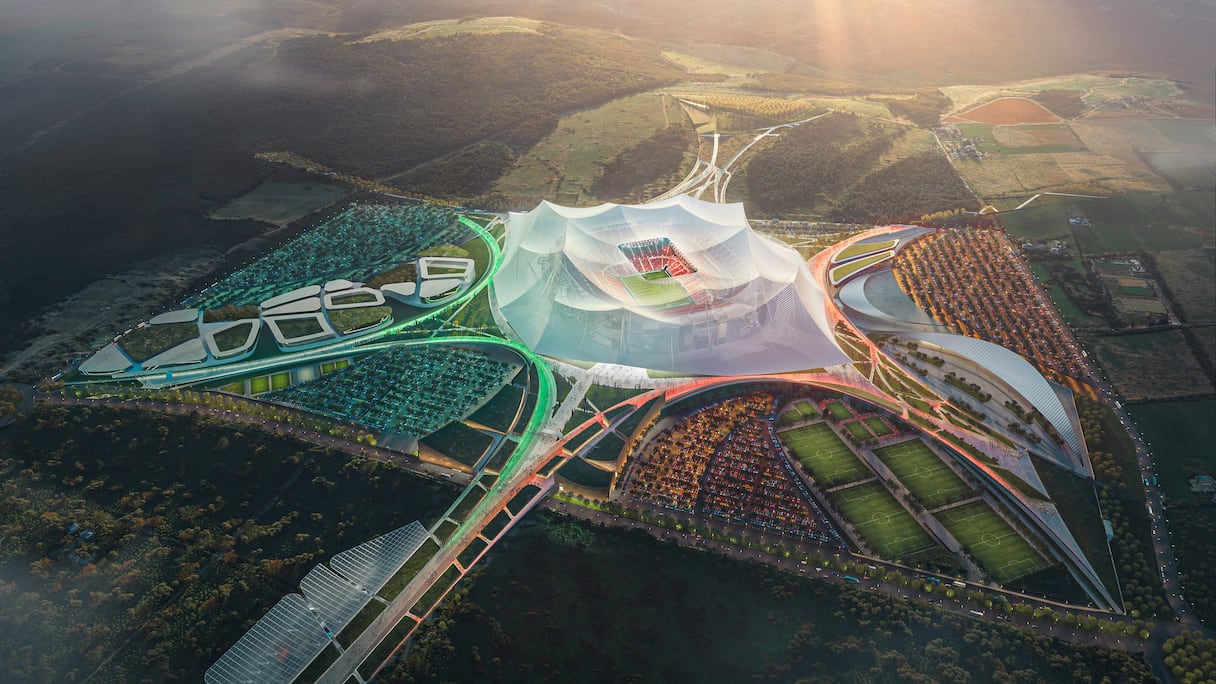
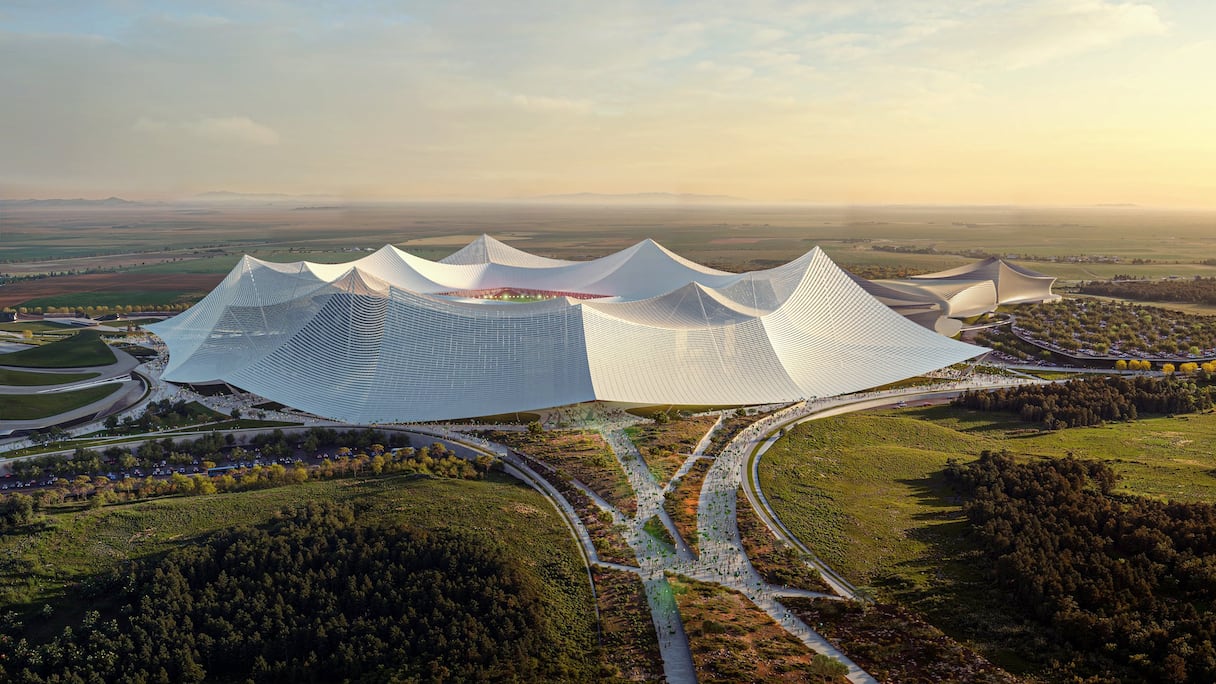
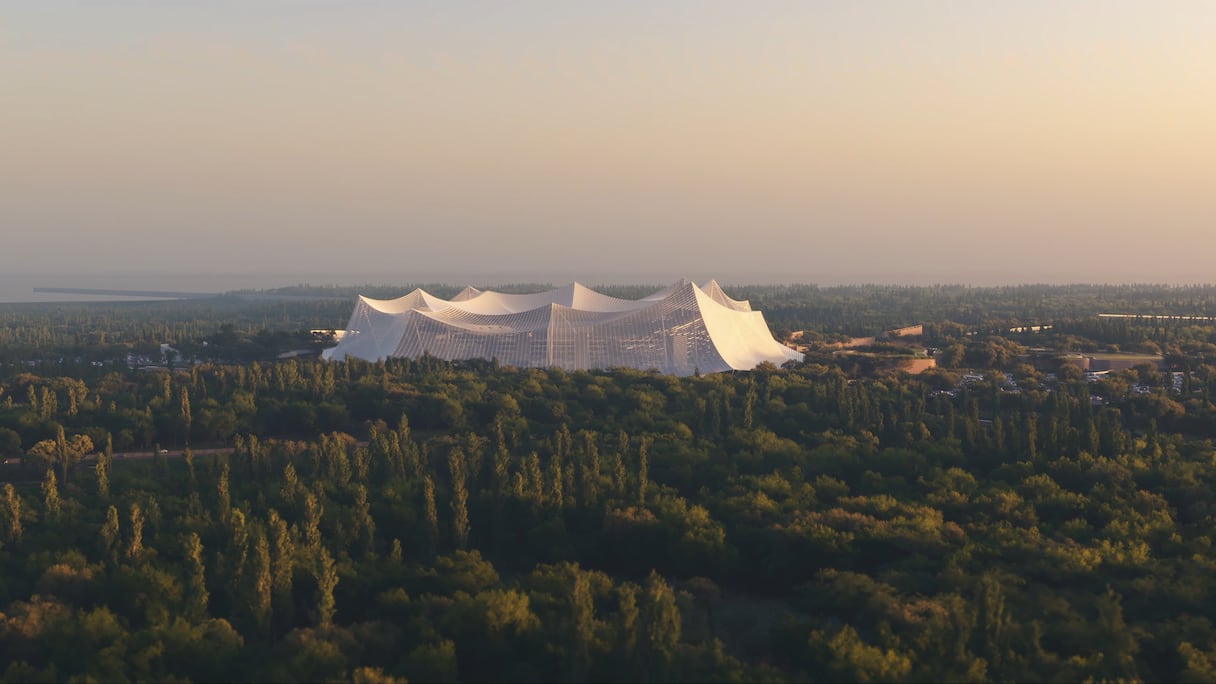
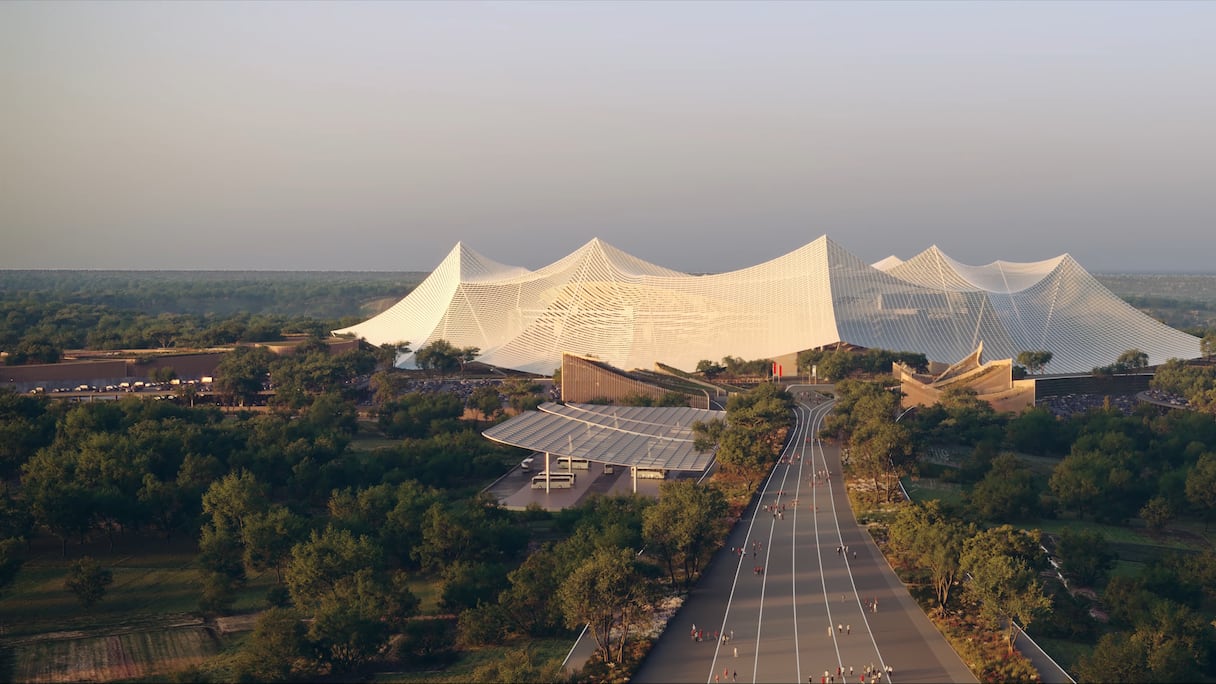
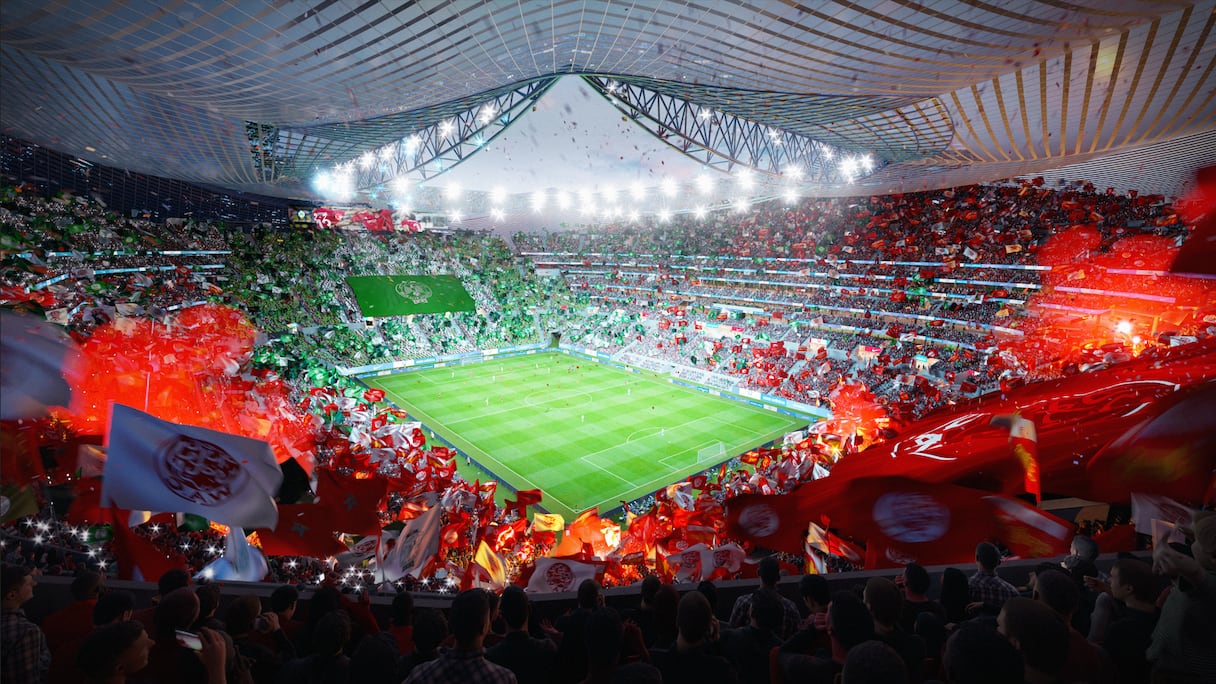




Model of the Grand Hassan II Stadium in Benslimane.
While stressing that the decision on whether Spain should reconsider its participation in the 2030 World Cup was not his to make, Martínez-Almeida said “there should be consequences, without a doubt.”
The warning comes just days after LaLiga president Javier Tebas raised a similar possibility.
On September 15, on the sidelines of the World Football Summit, Tebas said Spain should reconsider its position if Gianni Infantino were re-elected as FIFA president and the final were awarded to Morocco.
“At least we have to rethink our situation regarding the World Cup. I don’t know whether we should withdraw or not, but we have to rethink everything we are doing around the World Cup,” Tebas said.
The same message is now emerging from different corners of Madrid: the final should be played in Spain and, if it is awarded elsewhere, “consequences” should be considered. The implication is that hosting the tournament’s last match has become a matter of entitlement rather than a decision ultimately left to FIFA.
Any Spanish withdrawal would nevertheless be far from a simple matter. It would raise significant institutional, contractual and sporting questions, with the consequences depending on Spain’s commitments as a co-host and the regulations governing the tournament.
The latest remarks come as the dispute over the final increasingly spills beyond football. In recent weeks, the contest over the match has moved into Spain’s political and media debate.
The campaign involving T-shirts promoting the Spanish identity of Ceuta has even reached La Liga stadiums, while Spain coach Luis de la Fuente chose the occupied city as the setting for announcing his latest squad.
The debate is thus following an increasingly familiar pattern, with demands for the final, accusations against Morocco, alleged political pressure, references to a possible withdrawal and the repeated use of Ceuta as part of the argument.
For a tournament still several years away, the fight over the 2030 World Cup final is already generating considerable tension in Spain.
