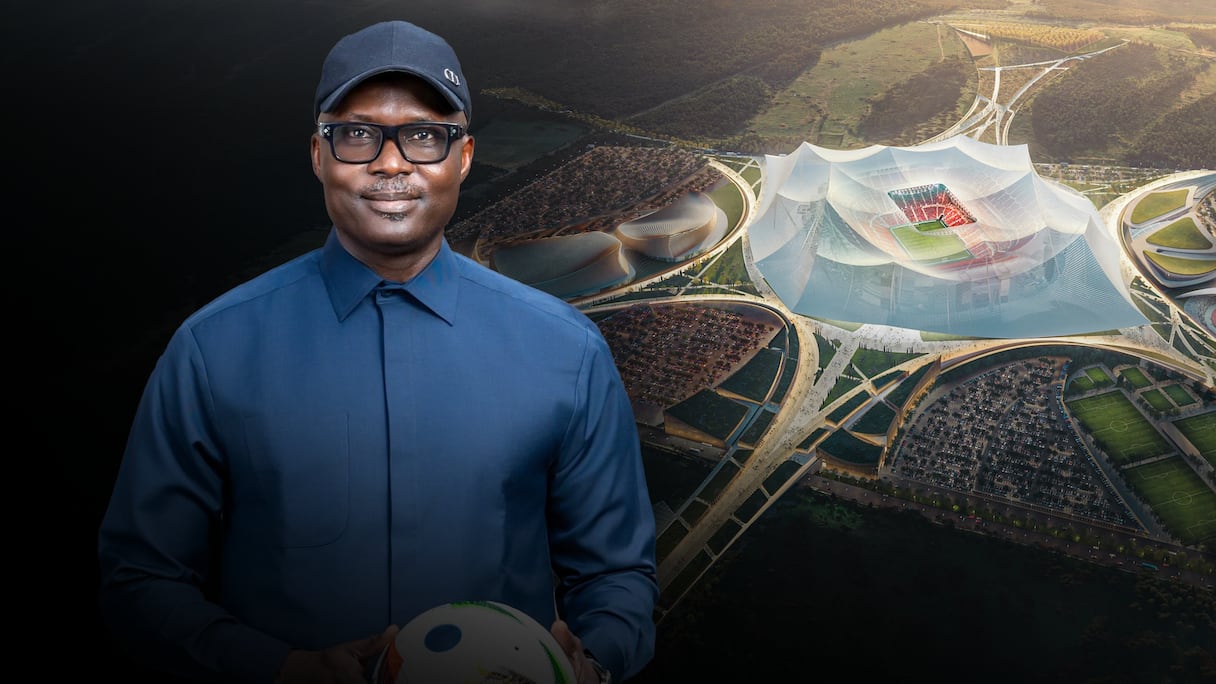
Abdoulaye Fall, president of the Senegalese Football Federation (FSF), told Le360 Sport that Morocco’s bid to host the 2030 World Cup final would give Africa another opportunity to welcome the world’s biggest football event.
Twenty years after South Africa hosted the tournament, Fall believes the continent is ready to stage the World Cup again and that Morocco has the “infrastructure” and “expertise” required to host the final.
Like his Comoros counterpart Saïd Ali Saïd Athouman, Fall supports the idea of holding the 2030 final on African soil. The tournament, to be jointly hosted by Morocco, Spain and Portugal, will be the second World Cup staged across three countries after the 2026 edition in North America and the first to be held across two continents.
For Fall, the case for holding the final in Morocco begins with “the recognition of Africa’s historic and continued contribution to the development of world football.”
“Twenty years will separate the 2010 edition from the 2030 edition. Africa is today the beating heart and the main talent pool of world football. It is therefore only logical, in terms of fairness and the global development of our sport, that the continent host the World Cup again,” he said.
Fall also pointed to Morocco’s preparations for the tournament and the country’s broader sporting infrastructure. Referring to the vision promoted by King Mohammed VI, he cited “colossal investment,” notably the Mohammed VI Football Complex in Maâmora, which he considers “one of the best technical centers in the world.”
He also highlighted “an ultra-modern transport network,” “a very high-level hotel sector” and “stadiums that meet FIFA’s most demanding standards,” while pointing to Morocco’s experience in organizing major sporting events.
The FSF president said the Kingdom “has also demonstrated its logistical expertise by recently organizing major competitions. The infrastructure is there, and so is the expertise.”
For Fall, however, the significance of hosting the final would extend beyond Morocco. A World Cup final played in Africa would have a “catalytic impact for the entire continent,” he said.
“Beyond the prestige of the 90 minutes of play, such an event forces standards to be upgraded,” he explained.
Hosting the final could therefore “stimulate the development of cutting-edge infrastructure in other countries through emulation, accelerate the professionalization of sports administration and raise the level of expectations for the organization of our own continental competitions.”
A final at the Hassan II Grand Stadium could also help change perceptions of Africa, according to Fall. Such an event would “break down the idea that excellence exists only on the other side of the Mediterranean” and show that “we can reach the highest standards.” For young Africans, he added, “it makes the dream tangible at home.”
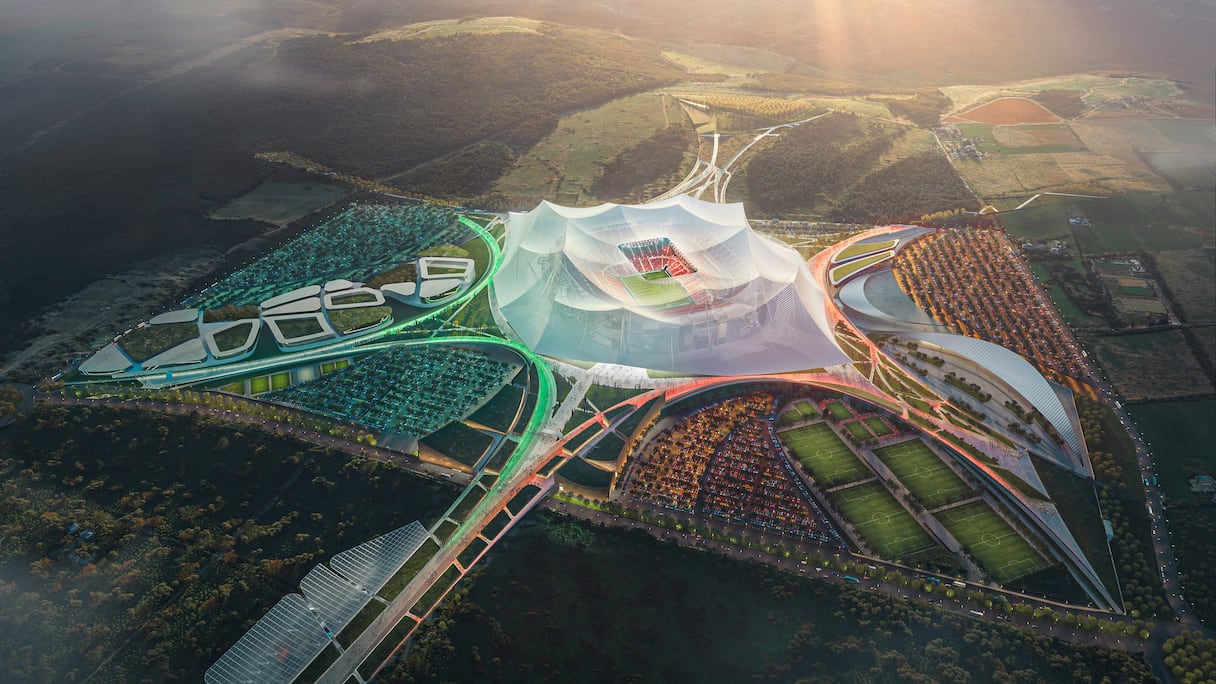
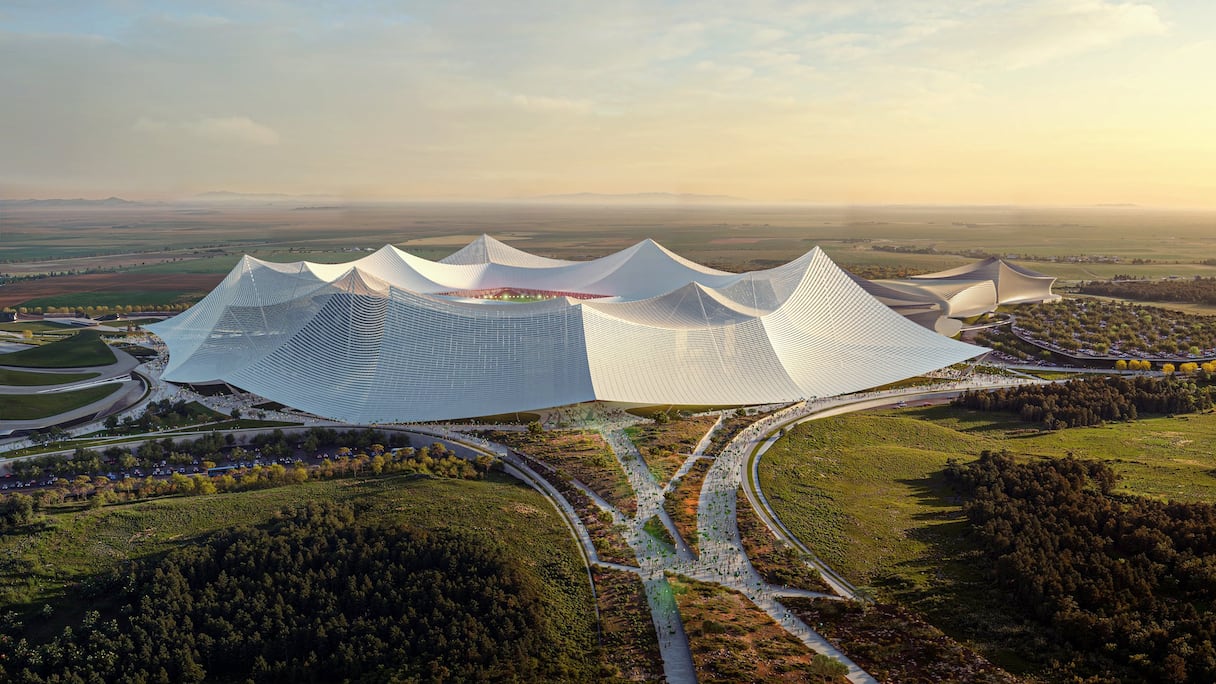
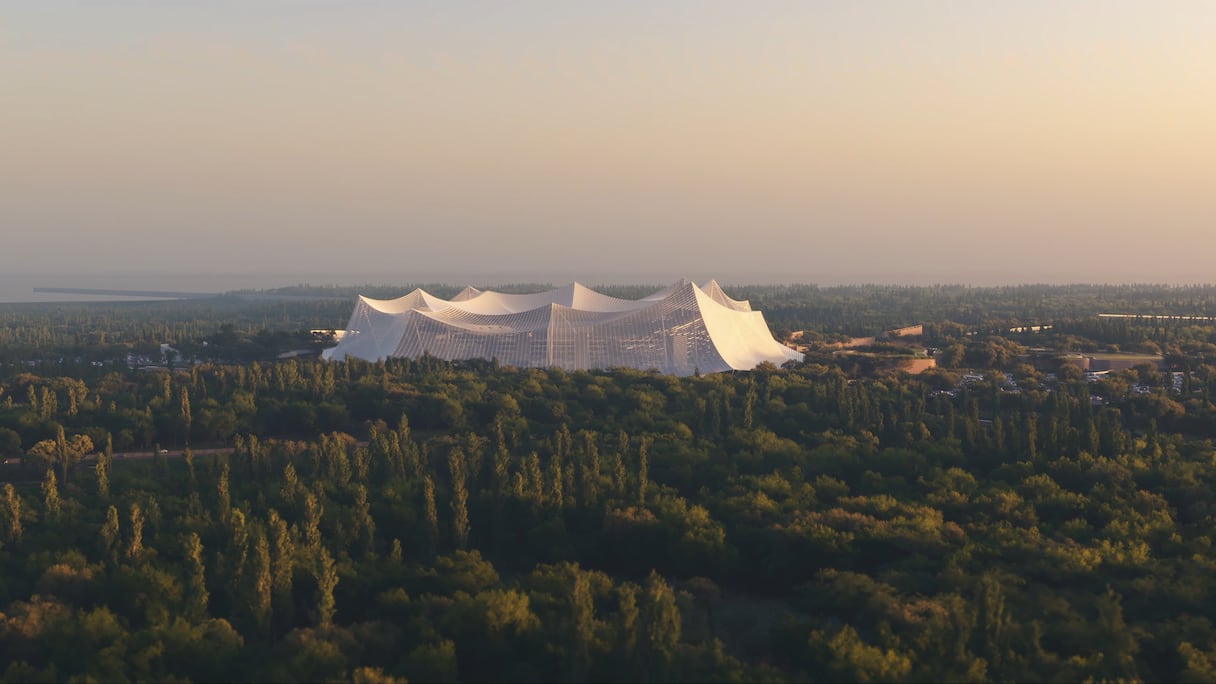
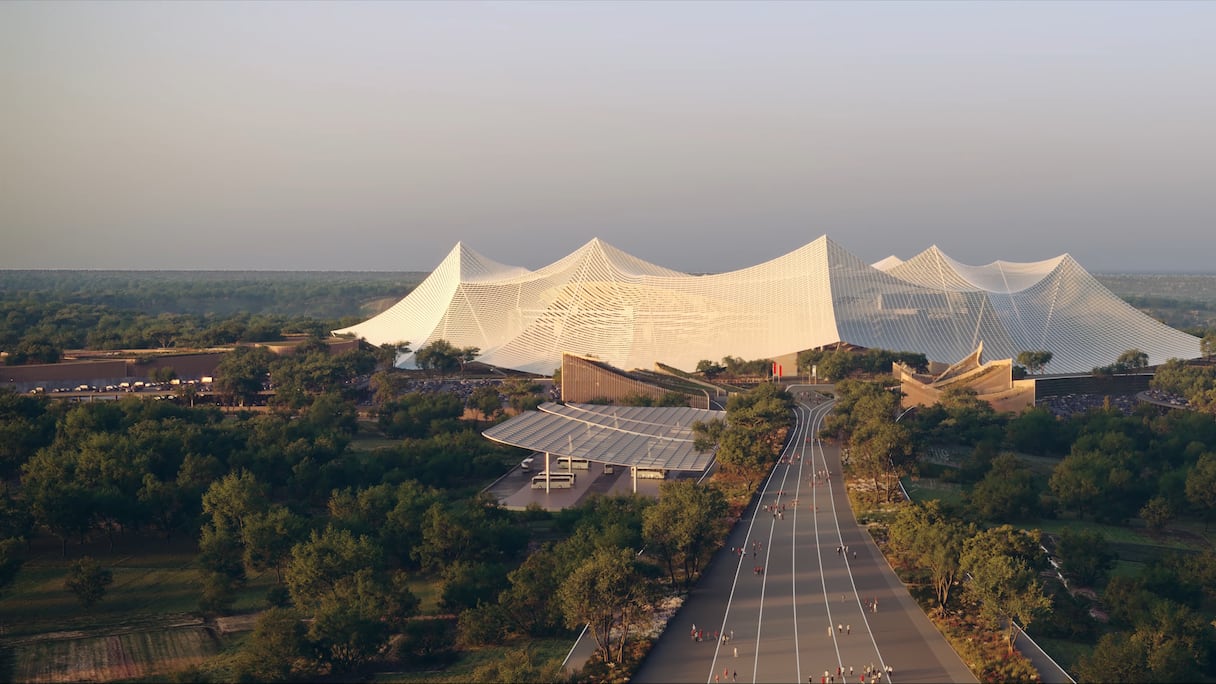
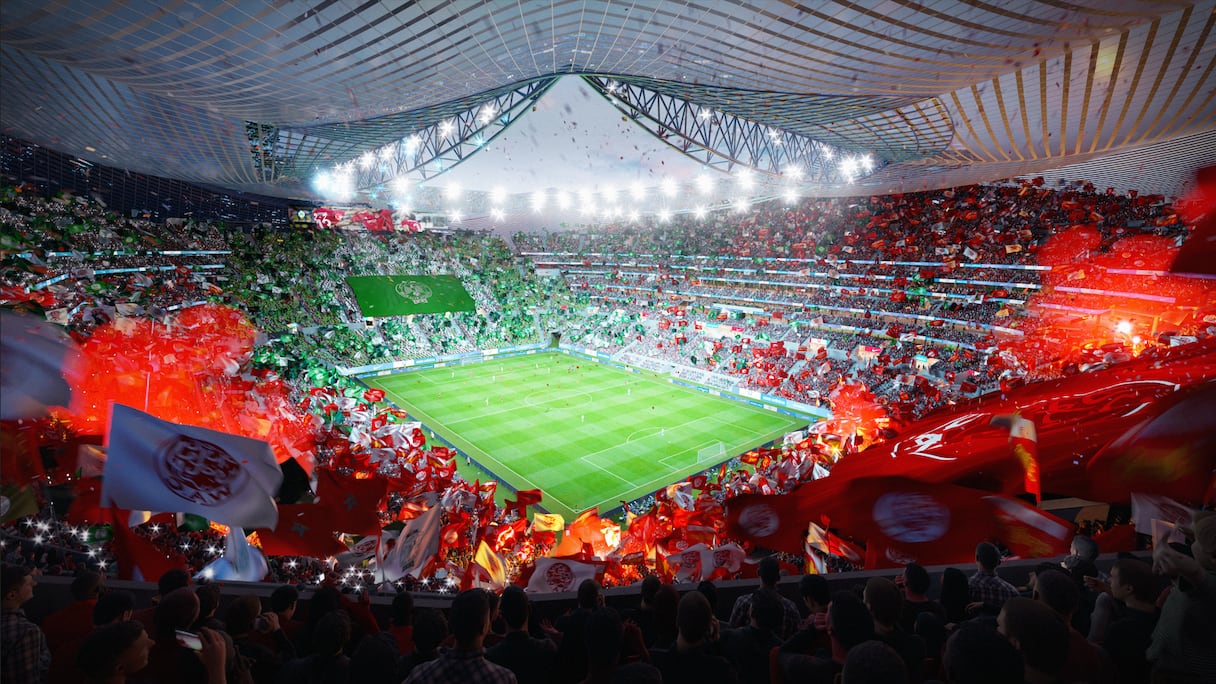
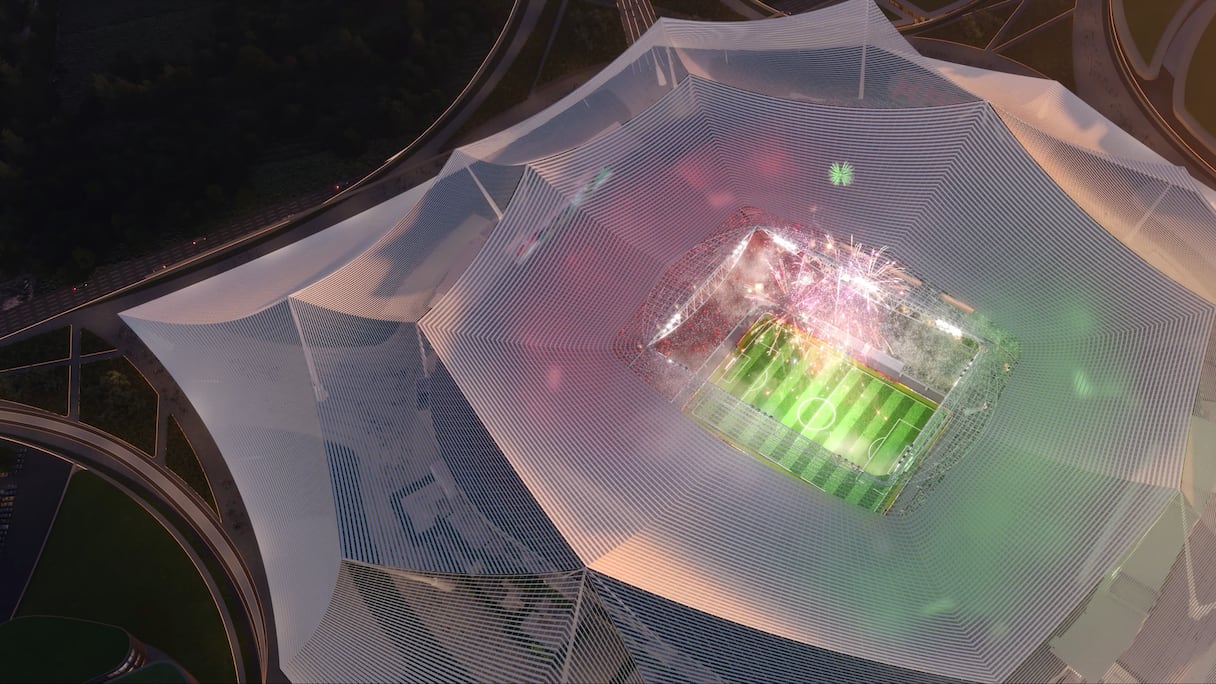
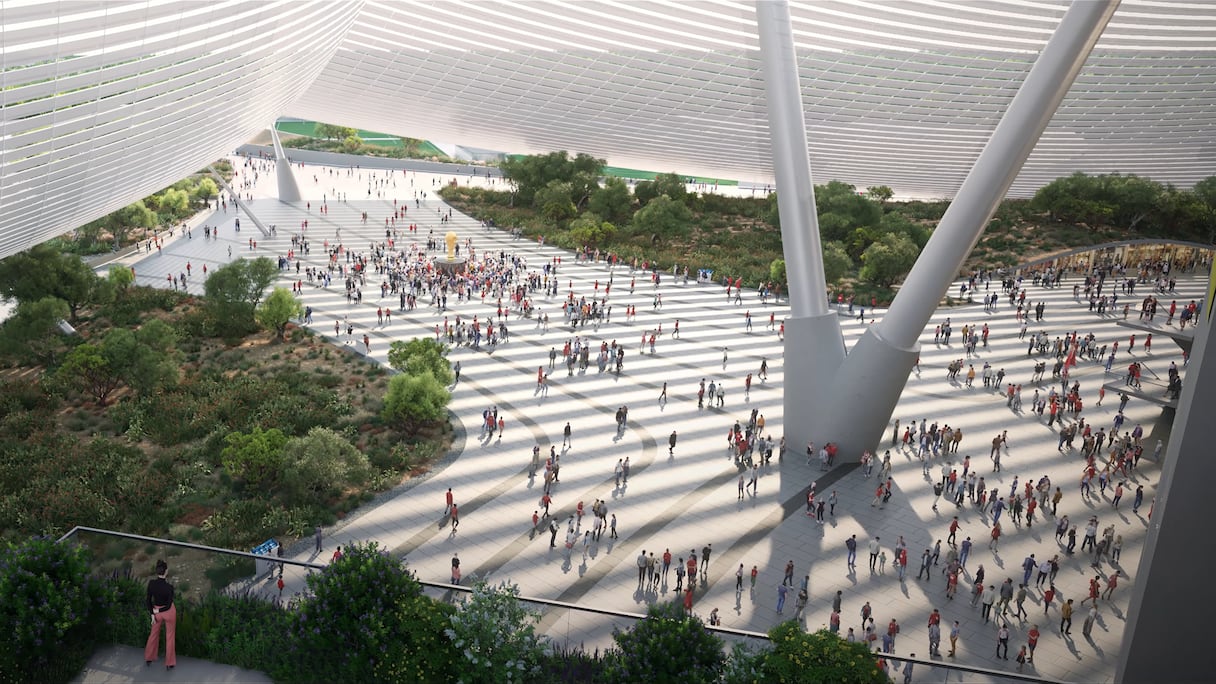
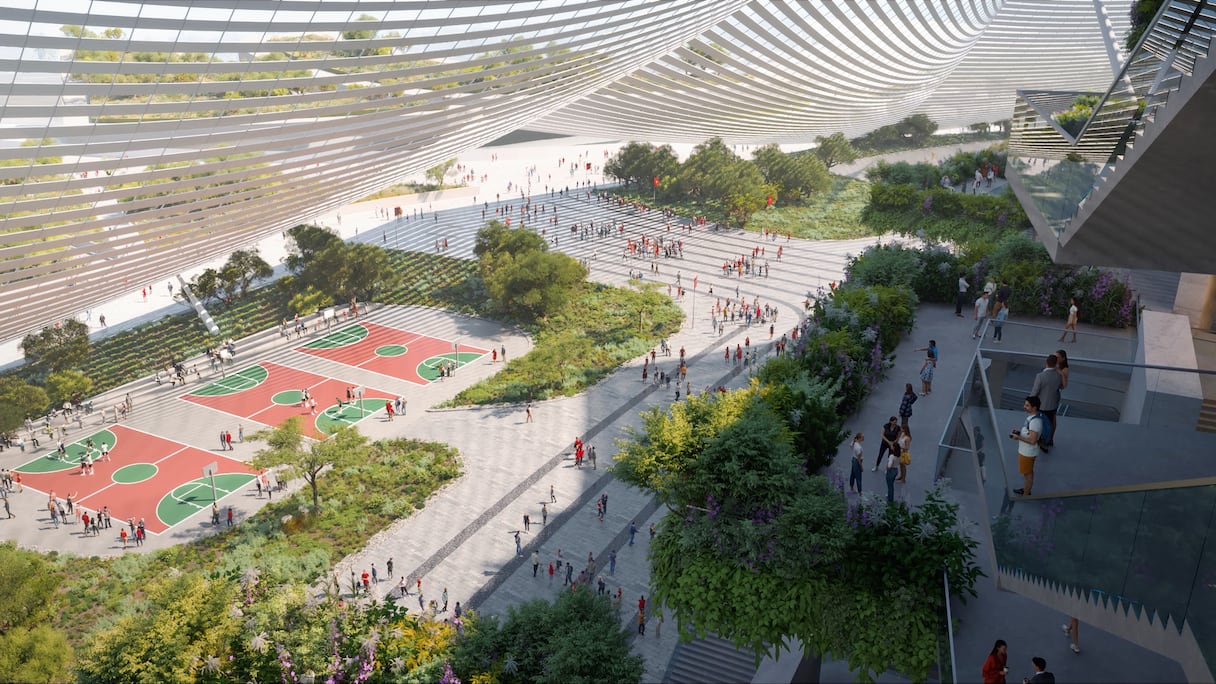
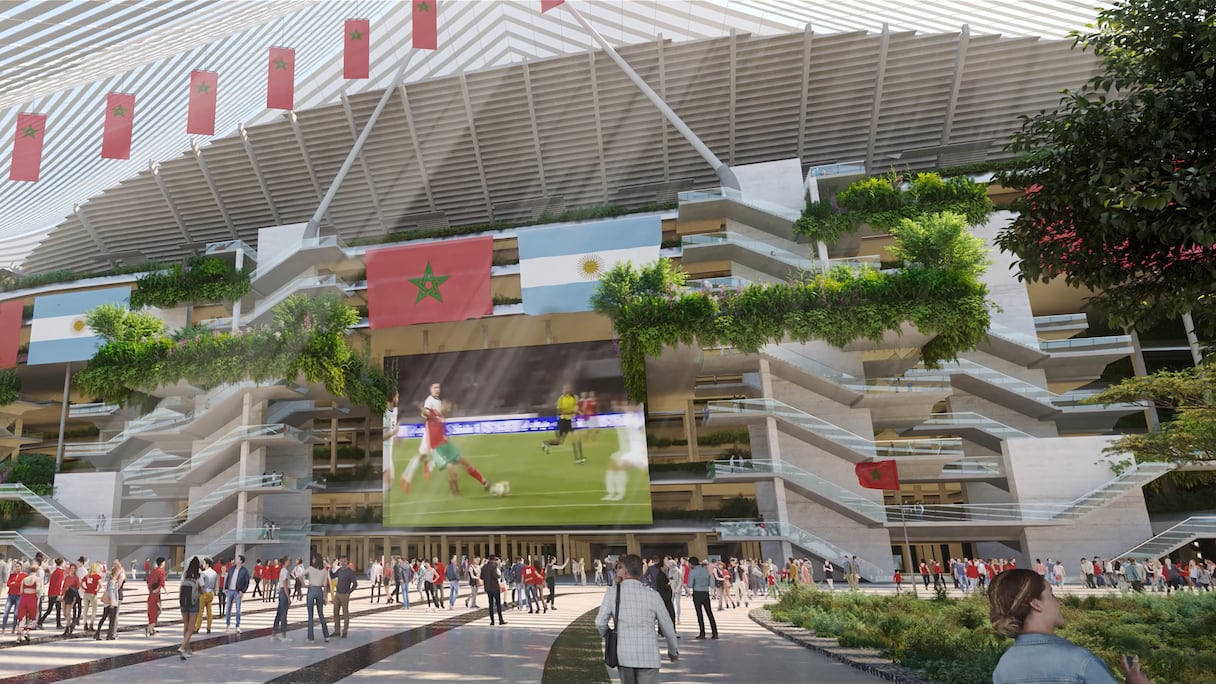
Model of the Grand Hassan II Stadium in Benslimane.
The wider message, he said, would be clear: “Africa is an equal partner at the table of world football.”
For Fall, hosting the competition’s most important match in Morocco “would not only be a victory for the Kingdom, but the triumph of an entire Africa that is building, winning and embracing its role as a global sporting power.”
