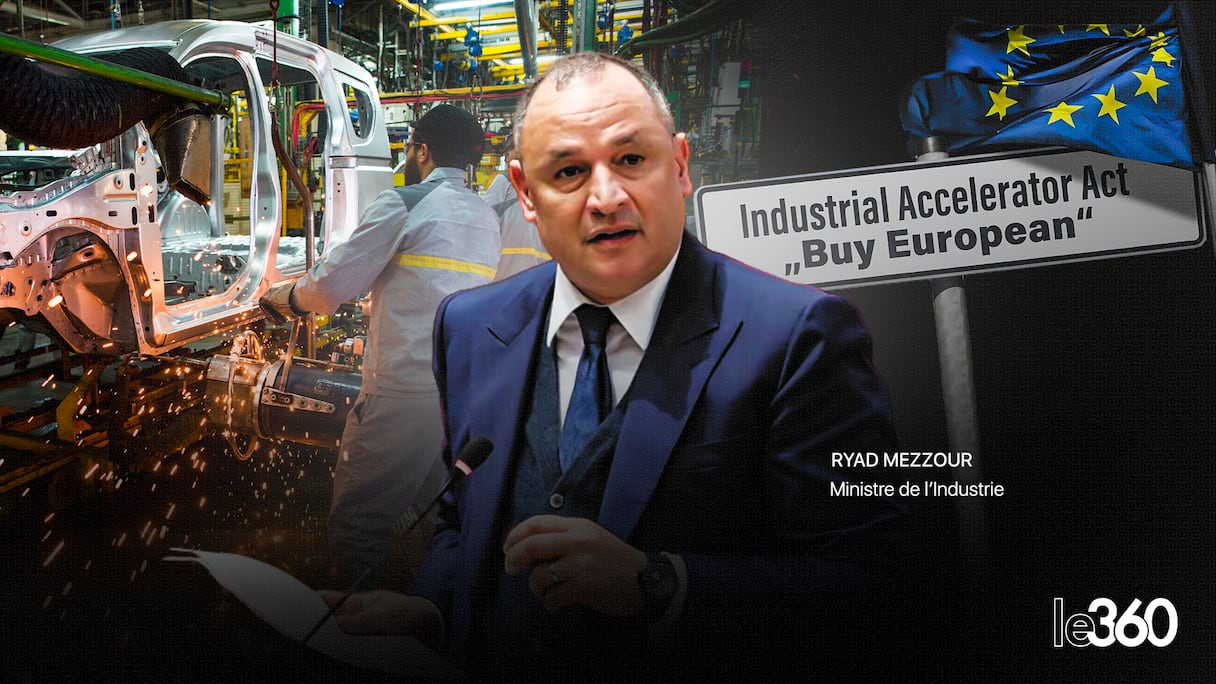
1. What is “Made in Europe”, and which industries would it affect?
“Made in Europe” refers to a new direction in EU industrial policy aimed at giving preference to goods manufactured within the bloc. The objective is to strengthen Europe’s production capacity, reduce dependence on overseas suppliers and protect its competitiveness against major industrial powers, particularly China and the United States.
The initiative is taking shape through the Industrial Accelerator Act (IAA), a proposed regulation unveiled by the European Commission on March 4, 2026. It would introduce European-origin and low-carbon content requirements into certain public support schemes and procurement procedures.
The proposal covers several industries deemed strategic, including automotive manufacturing, batteries, clean technologies, steel, aluminium, cement and selected industrial technologies. Brussels wants to preserve existing manufacturing capacity in Europe while attracting fresh industrial investment into the EU.
2. How would European industrial preference work in practice?
The principle is to make access to certain public subsidies and procurement contracts conditional on meeting European-origin requirements and, depending on the product, low-carbon content criteria.
Under the public procurement provisions of the proposal, contracting authorities could be required to apply European-content rules to specific product categories. Companies bidding for these contracts would then have to demonstrate that their products, or certain components, meet the regulation’s rules of origin.
Similar requirements are envisaged for some public support measures, including financial assistance and subsidy schemes. The precise conditions would vary by industry and product category.
This is not, therefore, a blanket requirement imposed on every company selling goods in Europe. Nor does the proposal ban imports manufactured outside the EU. However, foreign-made products that do not qualify for equivalent treatment could lose some of their competitive edge when competing for public contracts or financial support covered by the new rules.
3. Why does this matter so much to Morocco?
Over the years, Morocco has built an industrial model largely around its integration into European value chains. Across several sectors, manufacturers operating in the Kingdom produce goods and components for European markets or supply European manufacturers’ production lines directly.
That industrial proximity is one of Morocco’s principal competitive advantages, underpinned by its geographical location, logistics infrastructure, cost competitiveness and trade agreements with the EU.
Legally, however, an important distinction must be made. The EU–Morocco Association Agreement, which entered into force in 2000, established a free-trade area under which trade in industrial goods was liberalized. That agreement continues to govern the commercial terms on which Moroccan products enter the European market.
The proposed Industrial Accelerator Act operates in a different sphere: eligibility for certain public procurement contracts and support schemes. A Moroccan product could therefore continue to enjoy preferential market access under the Association Agreement without necessarily qualifying, in every case, for the same benefits as a product recognized as European in origin.
4. Why is the automotive industry particularly exposed?
The automotive industry offers perhaps the clearest illustration of Morocco’s industrial integration with Europe. The Kingdom hosts Renault plants in Tangier and Casablanca, alongside Stellantis’s manufacturing complex in Kénitra. A substantial network of automotive suppliers has developed around these manufacturers, supplying components to production lines across Europe.
Yet the proposed industrial preference rules also cover this sector, with specific requirements for vehicles and their components, particularly in electric mobility.
The distinction between powertrains is crucial. The European proposal does not apply identical requirements to every vehicle category. Annex III specifically targets battery-electric vehicles, plug-in hybrids and fuel-cell vehicles. In public procurement and certain support schemes, these categories would be subject to European manufacturing and industrial-content requirements.
More specifically, the proposal would require the vehicles concerned to be assembled within the EU and a prescribed proportion of their components, particularly traction batteries and electric drivetrains, to originate in Europe. Conventional internal combustion engine vehicles are not covered by these specific automotive requirements.
For Morocco, whose automotive ecosystem still largely revolves around internal combustion engine production, the challenge is both to protect existing export markets and secure a place in future investment in electric mobility. The development of new models and the start of production of vehicles under brands such as Fiat, particularly in hybrid and electric segments, illustrate how the domestic industry is evolving.
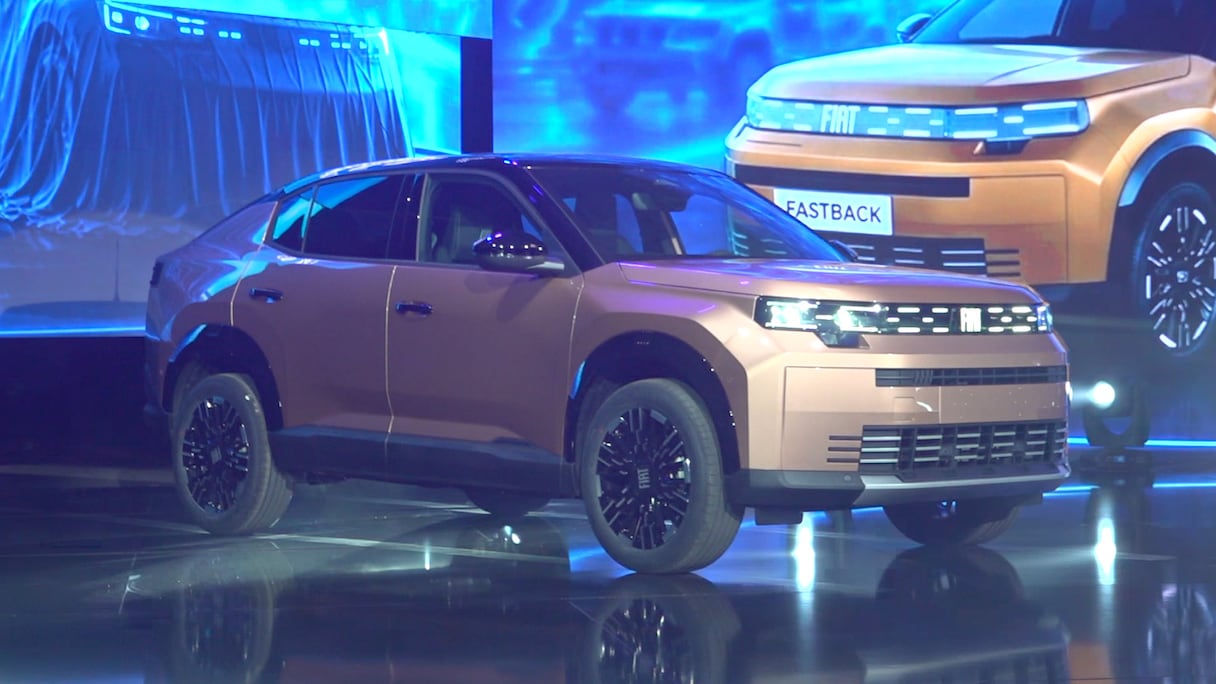
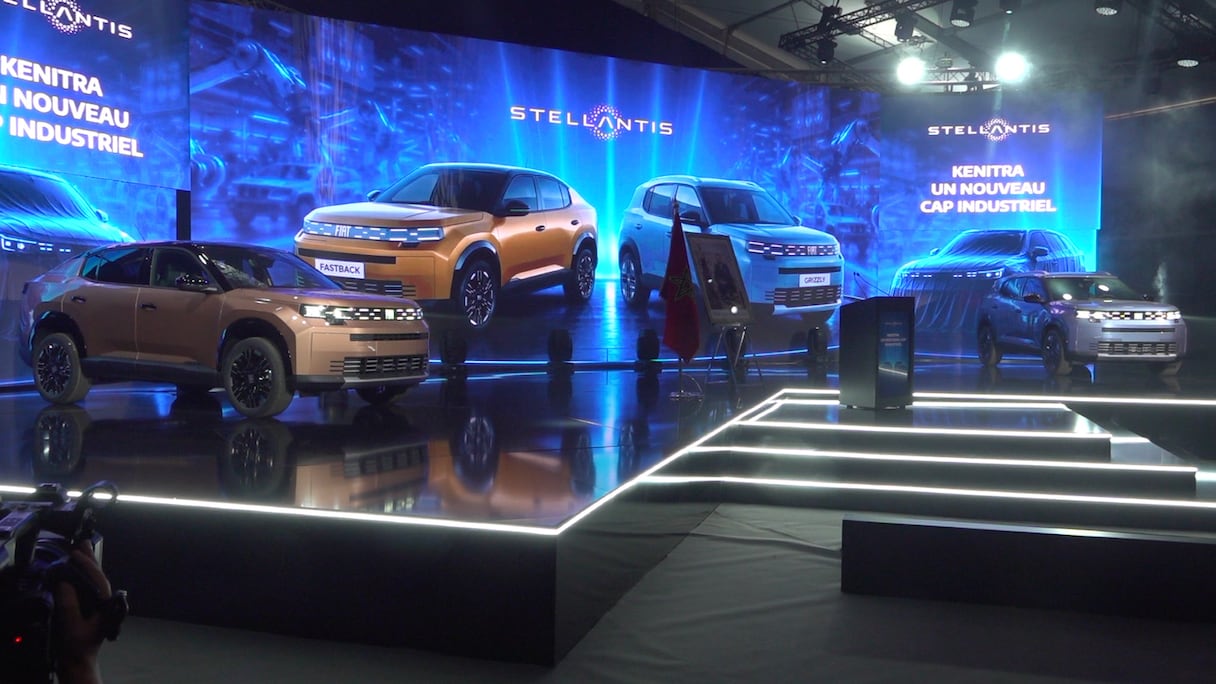
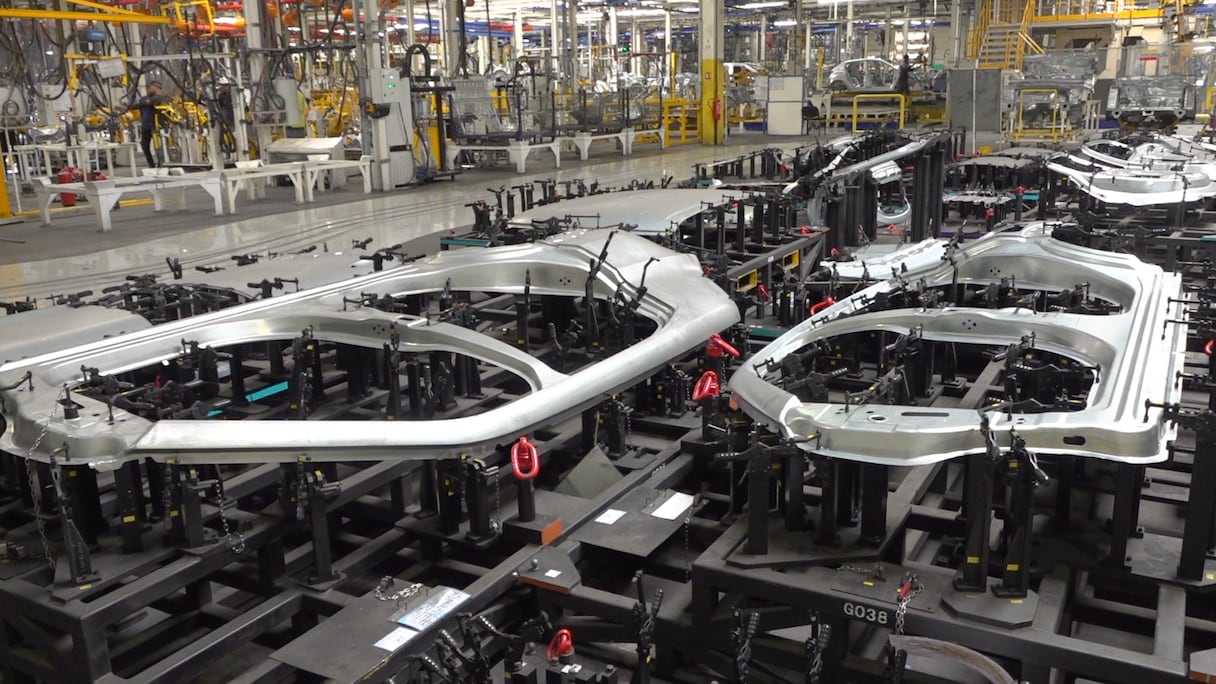
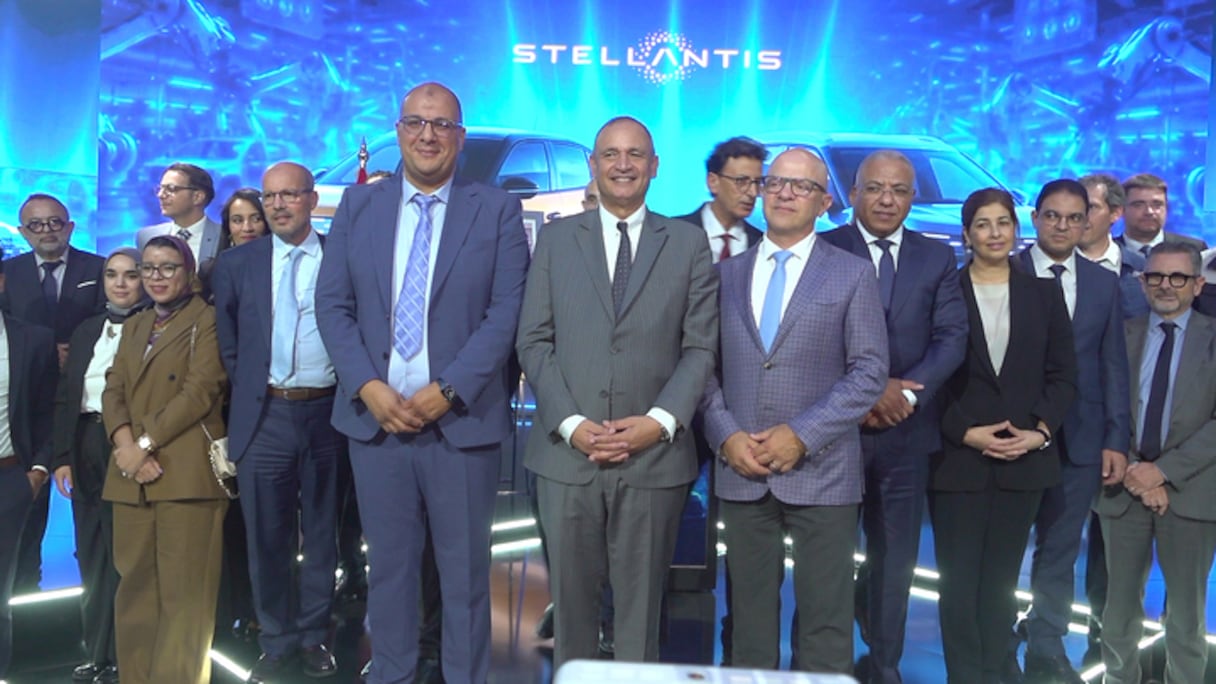
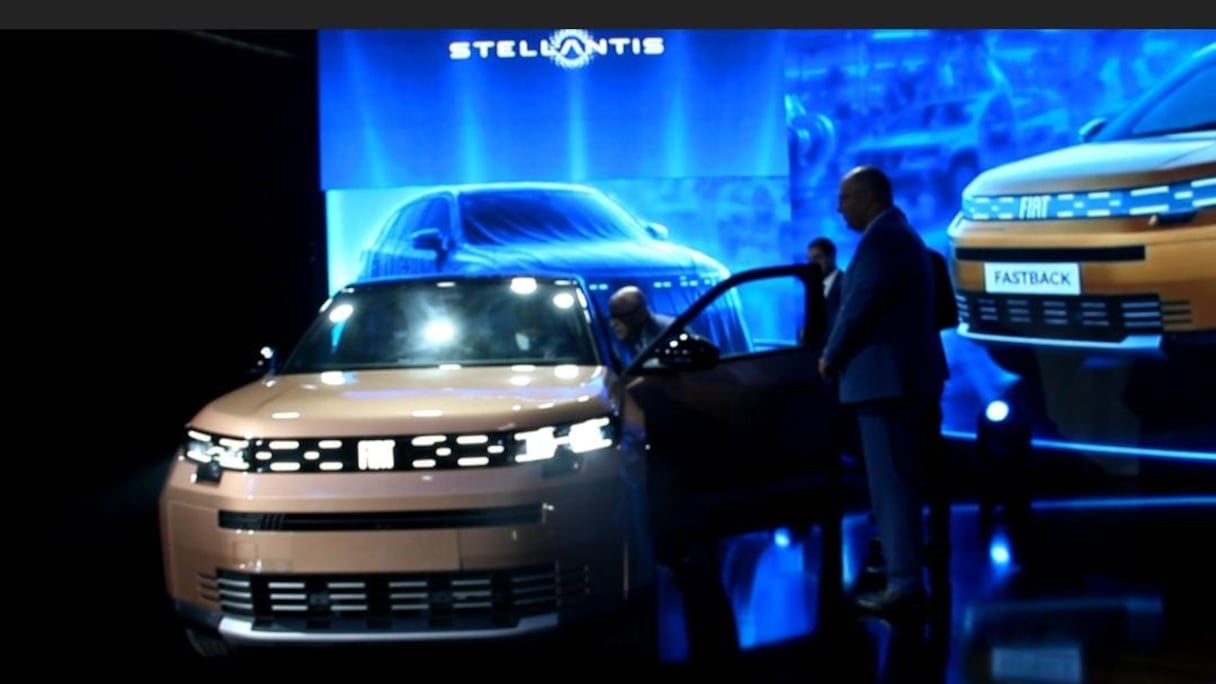
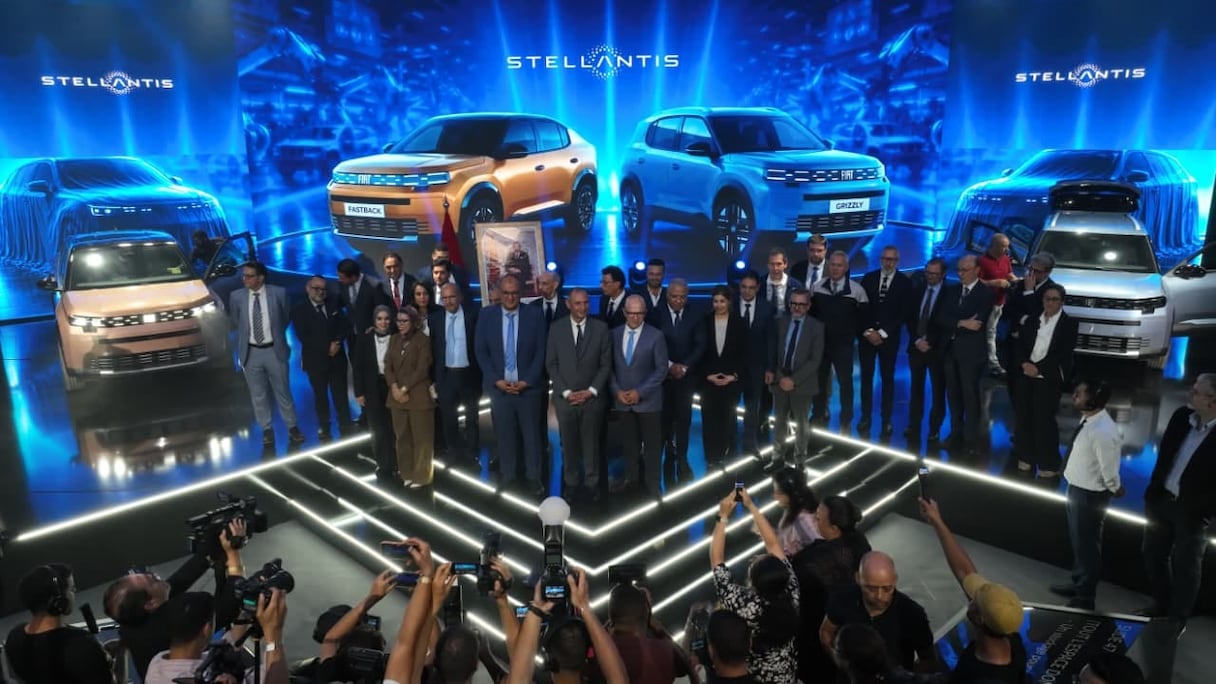
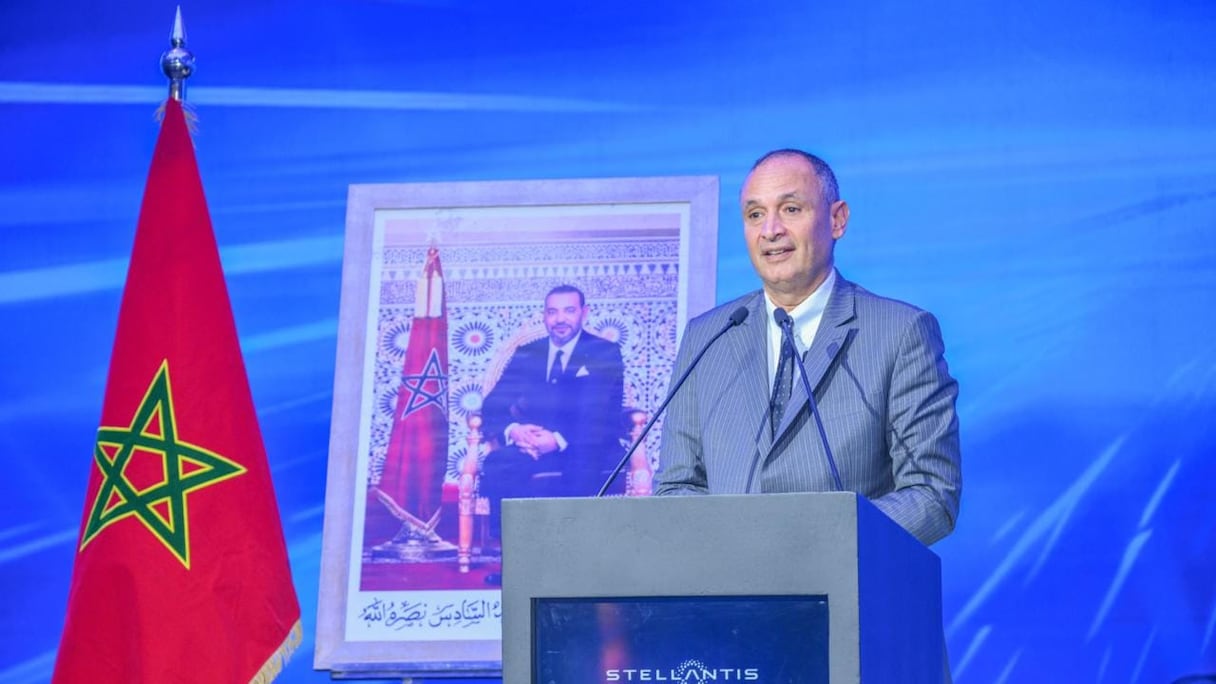
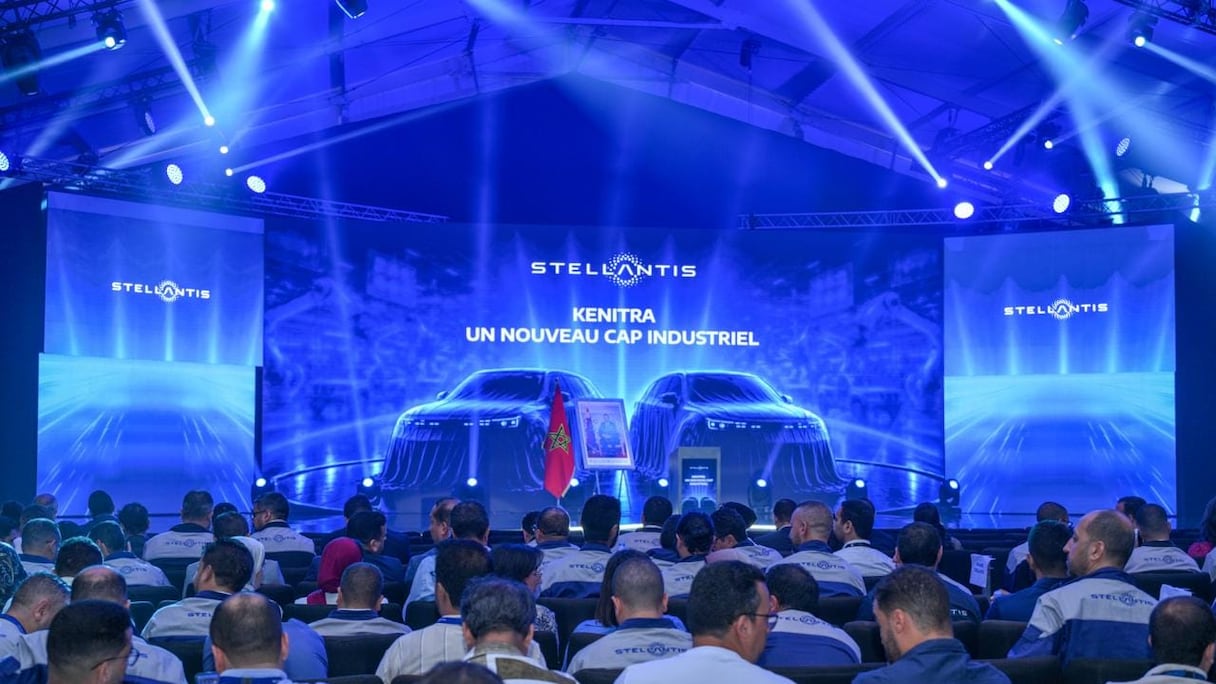
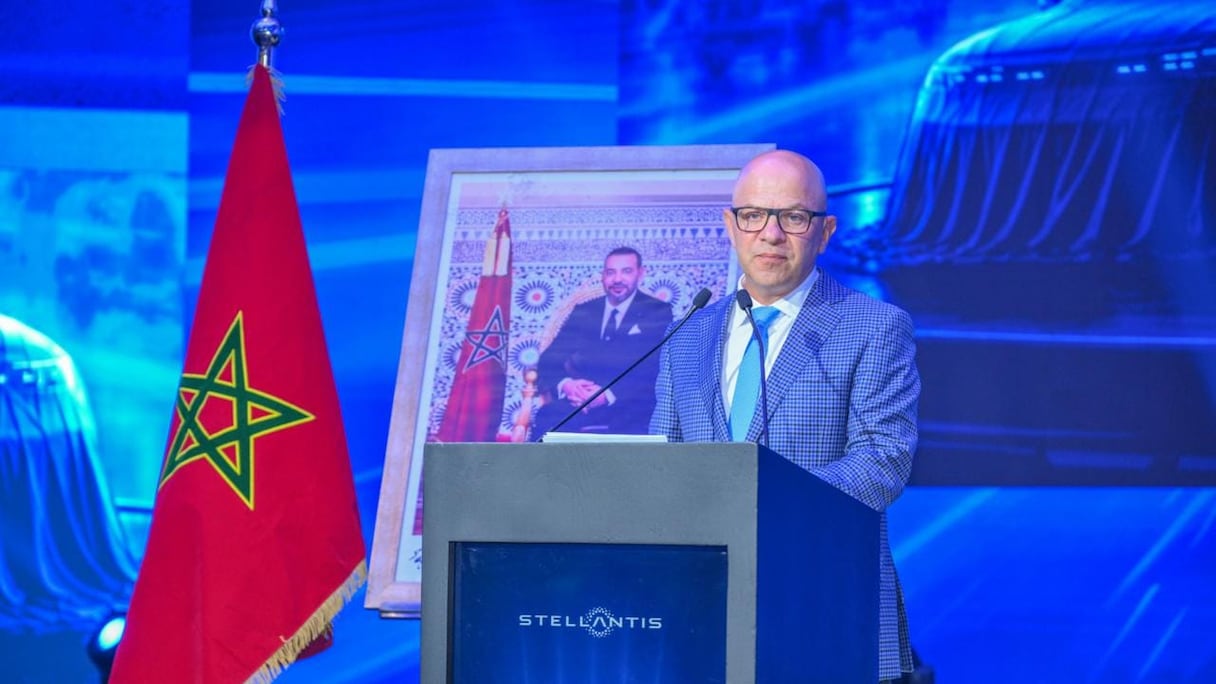
Stellantis expands its lineup with the new Fiat Grizzly and Fastback models
If EU rules increasingly favor vehicles and components manufactured within the bloc, companies operating in Morocco could face less favorable conditions for certain markets and investment projects. The challenge is therefore also to safeguard the Kingdom’s position in the next generation of automotive value chains.
5. Why does Morocco regard the threat as serious?
The concerns were laid bare by Industry Minister Ryad Mezzour when he appeared before the parliamentary committee examining his ministry’s budget.
The minister drew particular attention to the EU’s objective of requiring 80% of a manufacturer’s vehicles to meet Made in Europe criteria in order to qualify under the scheme.
To illustrate the scale of the challenge, Mezzour also compared productivity at Moroccan factories with that of certain Chinese plants. His assessment was that comparable production capacity can be achieved with substantially smaller workforces thanks to far higher levels of robotics and automation.
Competitiveness can no longer rest on labor costs alone. Productivity, technological sophistication and the ability to produce more with fewer workers are becoming decisive factors.
This shift reinforces Moroccan concerns about the EU’s changing industrial priorities. Europe wants to strengthen domestic manufacturing and reclaim a greater share of industrial value added, particularly in the automotive sector. That strategy could erode some of the competitive advantages on which Morocco has built its appeal to investors.
6. Are the effects already being felt?
Speaking to lawmakers, Mezzour described investment decisions that had favored European manufacturing sites. Some projects initially considered for Morocco had ultimately been redirected to Europe, he indicated.
In his view, these decisions demonstrate the influence that Europe’s emerging industrial policy can exert on the investment strategies of multinational manufacturers.
Nevertheless, the minister sought to offer reassurance: investments already made and projects currently under way should allow the sector to maintain positive momentum over the next five years.
The immediate danger, then, is not necessarily a sudden collapse in industrial activity, but a gradual erosion of Morocco’s attractiveness as a destination for new projects.
The challenge is to prevent the EU’s new regulatory framework from gradually turning Morocco’s industrial integration from a competitive advantage into a liability.
7. What is Morocco’s position, and how does it intend to protect its competitiveness?
Morocco wants its industrial integration with Europe to be recognized under the new framework from the moment it enters into force. Its case rests on the depth of economic ties between the two sides, the interdependence of their value chains and the investments European manufacturers have made in the Kingdom.
Moroccan authorities argue that the country cannot reasonably be treated as an ordinary external supplier, given its established role within European industrial ecosystems. Greater regulatory alignment with the EU is seen as one way to consolidate that integration and secure appropriate terms of participation.
Mezzour set out this position in an interview with TelQuel, in which he raised the possibility of Morocco pursuing closer alignment with European requirements, citing Norway and the United Kingdom as points of reference.
But Rabat is also preparing alternatives rather than leaving the future of its industrial base dependent on a single regulatory outcome. Diversifying export markets, broadening industrial partnerships and finding new outlets for Moroccan-made goods are among the options under consideration. In the automotive sector, this could involve attracting additional manufacturers and developing new brands, without necessarily jeopardizing the presence of companies already established in Morocco.
In its November 19 newsletter, US publication Politico reported that Morocco’s prospects of being recognized as a trusted partner under the Industrial Accelerator Act were rapidly diminishing. According to the publication, Rabat was consequently considering a “Plan B” involving closer ties with China to preserve its automotive export volumes.
Upgrading Morocco’s manufacturing base is the other part of the response. Robotics, artificial intelligence, innovation and technological adaptation are among the priorities identified by the industry minister. The aim is to narrow the productivity gap with competing manufacturing hubs, reinforce Morocco’s competitive advantages and move towards higher-value-added production.
The challenge, therefore, is to move beyond a model historically built on geographical proximity and low production costs, placing greater emphasis on productivity, technology and the ability to capture more value from manufacturing.
8. Which non-EU countries could benefit from Made in Europe rules, and under what conditions?
This is one of the proposal’s most consequential legal questions. Articles 8 and 9 of the European Commission’s proposal establish mechanisms under which industrial content originating in certain non-EU countries could be treated as equivalent to European-origin content. The conditions differ, however, depending on whether the measure concerns public procurement or other forms of public intervention.
For public procurement, Article 8 covers countries that have concluded a free-trade agreement or customs union with the EU, as well as signatories to the World Trade Organization’s plurilateral Agreement on Government Procurement (GPA), provided the relevant EU commitments exist under the agreement concerned.
For other forms of public intervention, including support schemes, Article 9 provides for recognition of content originating in countries linked to the EU by a free-trade agreement or customs union.
Such recognition would not, however, be irrevocable. The European Commission could exclude a non-EU country, wholly or in part, if it fails to guarantee national treatment for European products or operators in the sectors concerned, if dependency risks threaten the EU’s security of supply, or if another exception under the applicable agreements justifies exclusion.
European Economic Area countries such as Norway, Iceland and Liechtenstein enjoy particularly close integration with the European single market. Other partners, notably the United Kingdom, may also invoke specific provisions governing their relationship with the EU.
For Morocco, its Association Agreement and free-trade area with the EU provide an important legal foundation. But the implications differ between the two mechanisms. In public procurement, the existence and scope of the relevant reciprocal commitments would need to be established. For other forms of public intervention, Article 9 uses the existence of a free-trade agreement or customs union as the qualifying criterion, subject to the exclusion provisions contained in the proposal.
The Association Agreement does not, therefore, automatically guarantee unconditional recognition of Moroccan origin across all the procedures concerned. This is precisely where Rabat intends to seek clarification and make the case for goods manufactured in the Kingdom.
9. Could Turkey and the United Kingdom set precedents for Morocco? And why is Ford warning Brussels?
Turkey offers a particularly instructive comparison. Unlike Morocco, it is linked to the EU by a customs union that entered into force in 1996. Covering industrial goods, the arrangement also entails alignment with aspects of EU trade and customs regulations. It gives Turkey a deeper level of integration than Morocco currently enjoys in its trading relationship with Brussels.
In its original Industrial Accelerator Act proposal, the European Commission specifically provides for industrial content from countries linked to the EU by a customs union to be recognised, under certain conditions, as equivalent to European-origin content. This provision is particularly relevant to Turkey. Such equivalence would nevertheless remain subject to the EU’s international commitments and possible exclusions, notably where reciprocity is lacking or strategic dependency poses a risk.
But there is an important limitation for Turkey’s automotive industry. The fact that certain components manufactured in Turkey could count as European-origin content does not mean that electric vehicles assembled in Turkey would automatically qualify as EU-manufactured. For the vehicles concerned, the proposal includes a geographical requirement that final assembly take place within the EU. The distinction between component origin and vehicle assembly location is therefore critical.
Ankara, moreover, does not consider the matter settled. On November 19, 2026, Turkish Trade Minister Ömer Bolat renewed his call for the EU to explicitly guarantee Turkey’s inclusion in the future framework. He warned that exclusion could divert new investment elsewhere, reduce market opportunities for European automotive suppliers and undermine value chains built up over three decades.
The United Kingdom is also central to the debate. On October 16, France and Germany reached an agreement in principle to include Britain within the scope of Made in Europe, subject to reciprocity and approval by the other EU member states. The proposed accommodation, which would not automatically extend to the EU’s other trading partners, highlights the political trade-offs shaping the legislation.
It was against this backdrop that Jim Baumbick, president of Ford Europe, publicly intervened. In comments to Reuters on November 17, he warned Brussels against excluding Morocco, the United Kingdom and Turkey. Such a move, he argued, could weaken Europe’s automotive industry in the face of Chinese competition rather than strengthen it.
“Changing rules under which carmakers have invested billions of dollars would be “the definition of self-harm,” he said, arguing that “All it becomes is a driver not to invest in future growth."
The Ford executive illustrated his argument with the Transit, Europe’s best-selling one-tonne van. Designed and developed by British and German teams, the vehicle contains more than 50% parts sourced from European suppliers, including over 30% from the United Kingdom and Turkey. Yet because it is assembled in Turkey, it would be ineligible under the framework as currently proposed.
10. What is the legislative timetable, and how much room does Morocco have to negotiate?
The Industrial Accelerator Act has not yet been adopted. The Commission’s proposal, presented on March 4, is proceeding through the EU’s ordinary legislative procedure. The European Parliament and the Council of the European Union must each agree their respective positions before negotiating a common text.
In Parliament, the relevant committees — Industry, Research and Energy (ITRE), International Trade (INTA), and Internal Market and Consumer Protection (IMCO) — are examining the proposal and the numerous amendments tabled. The committee vote, initially scheduled for December 1, has been postponed to December 14, 2026, partly because of the roughly 5,000 amendments requiring consideration.
Following that stage, Parliament must adopt its position, while member states continue their discussions within the Council. The two institutions can then enter interinstitutional negotiations, known as trilogues, with the Commission to reach a compromise. The final text must be approved by both Parliament and the Council before publication and entry into force.
The timetable therefore remains uncertain. Discussions are focused in particular on how the rules would apply to non-EU countries, the extent to which their industrial content could receive equivalent treatment and the conditions governing reciprocity.
For Morocco, this stage offers a window of opportunity for negotiations. The Kingdom can point to the depth of its industrial integration, its trade ties with the EU and the substantial European investment already committed to Moroccan manufacturing. But a free-trade agreement does not automatically confer a right to equivalent treatment under every procedure covered by the proposal. The task for Rabat is therefore to secure sufficiently clear guarantees to protect the participation of Morocco-based manufacturers in European value chains and in the preferential schemes that may emerge from the new rules.
