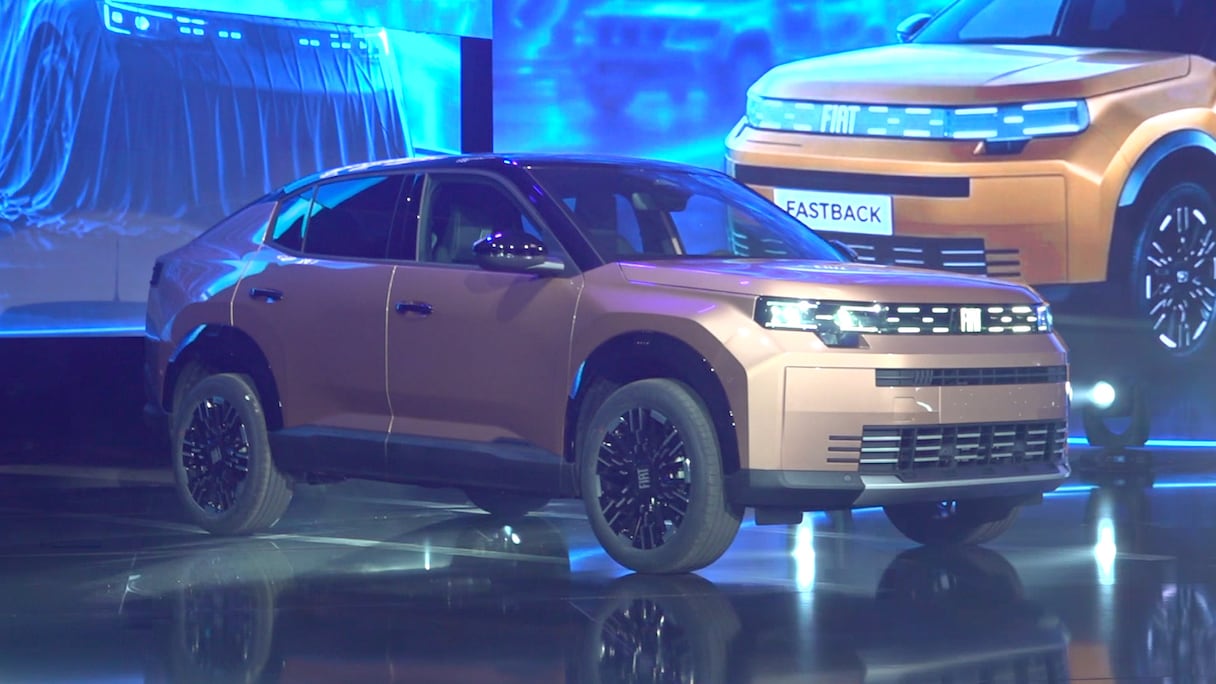
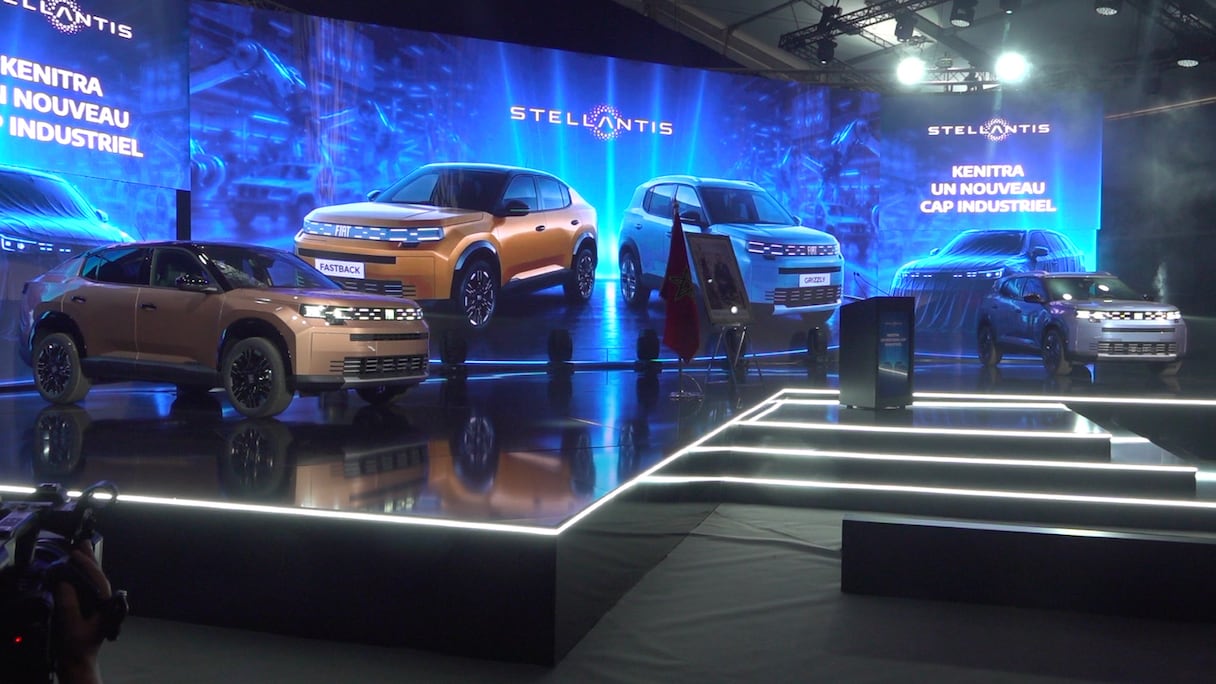
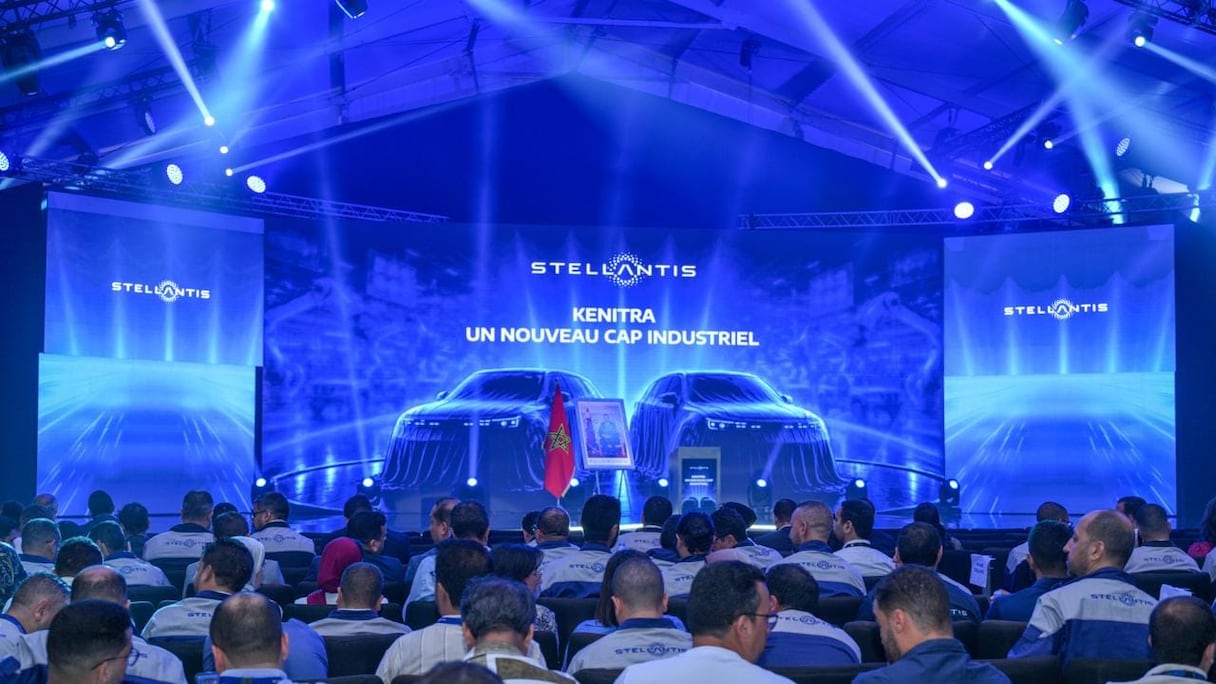
Stellantis officially launched industrial production of the Fiat Grizzly and Fiat Fastback at its Kénitra plant on Wednesday, July 15. Developed on the new Smart Car platform, these two SUVs expand Fiat’s regional lineup and bolster the brand’s presence across Africa, the Middle East, and the Mediterranean basin. Their industrialization also signifies a new phase in the development of the Moroccan facility, which is poised to play an increasingly vital role in the group’s industrial strategy.
Both vehicles are based on a shared architecture that enables the production of different powertrains on the same industrial platform. The Fiat Fastback targets the coupe-SUV segment, while the Fiat Grizzly features a more rugged design intended for versatile use. Beyond their commercial launch, these models also reflect Stellantis’ ambition to accelerate product range renewal while streamlining production costs through a single platform.
This development extends beyond merely adding two vehicles to Fiat’s portfolio. It mirrors the transformation undertaken over the past several years at the Kénitra complex, which has been redesigned to enhance flexibility, integrate more locally manufactured components, and meet international quality standards, regardless of the destination market.
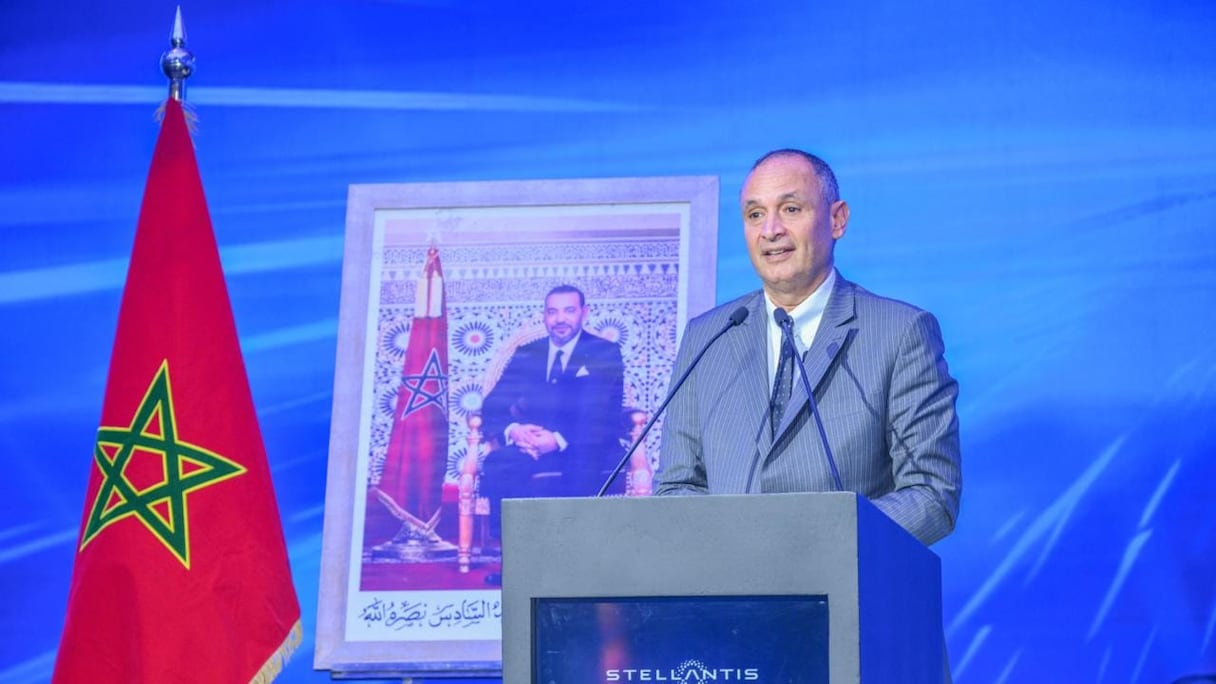
“This launch illustrates both the rise of this site and Morocco’s ability to host increasingly ambitious and complex automotive projects,” said Samir Cherfan, Chief Operating Officer of Stellantis Middle East and Africa and Head of Global Micromobility.
A tour of the workshops reveals the scale of this industrial transformation. Behind the Fiat Grizzly and Fiat Fastback lies a deeply modernized production tool designed to accommodate multiple industrial programs on the same platform while improving operational performance.
Since its inauguration by King Mohammed VI in 2019, the complex has undergone significant expansion. Its workforce has grown from 1,700 to 7,200 employees, with a target of 9,300 jobs by the end of 2026.
At the same time, installed annual production capacity has reached 535,000 units, comprising 400,000 passenger vehicles and 135,000 micromobility vehicles, in addition to an annual engine production capacity of 350,000 units.
This growth has been accompanied by an upgrading of industrial activities. Seats, dashboard cross-members, and batteries for electric vehicles are now increasingly produced or assembled on site, strengthening local value creation.
The local integration rate currently stands at 69%, with Stellantis aiming to raise it to 75% in the medium term. Beyond production volumes, the company now seeks to integrate more technological components to enhance the competitiveness of Morocco’s automotive ecosystem.
A more flexible production model
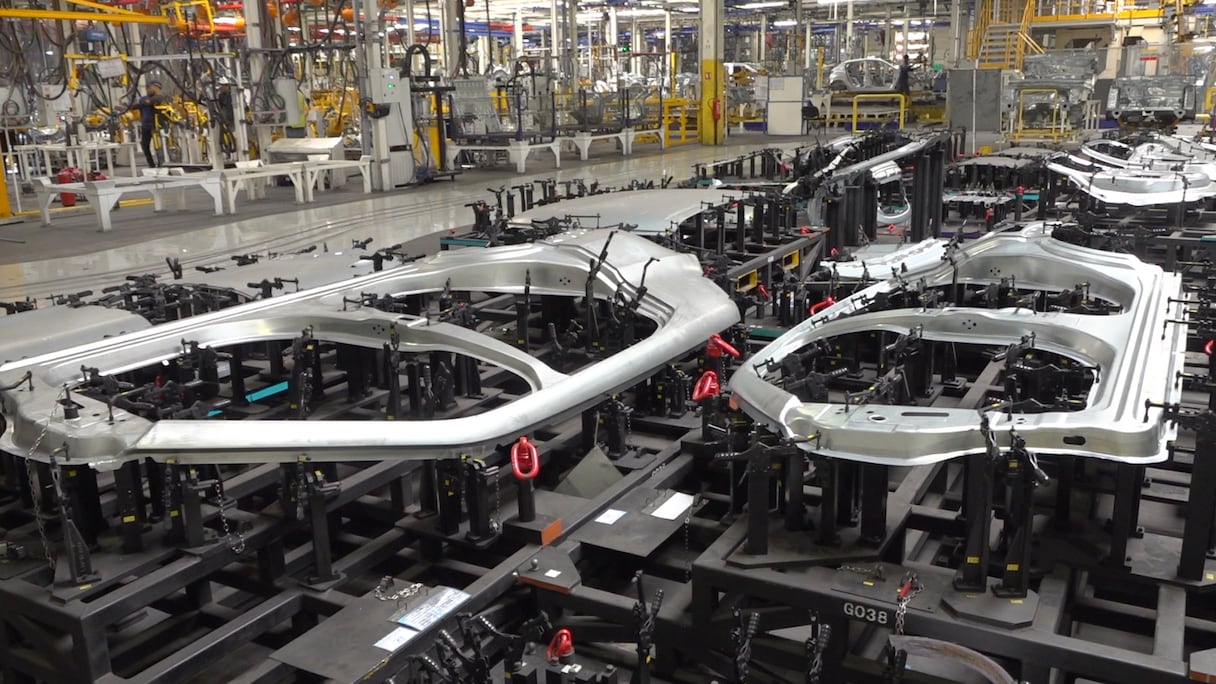
The tour, led by Mounir Kharbouche, Managing Director of the Stellantis industrial complex in Kénitra, begins in the body shop. Here, various body components are assembled to form a vehicle shell. Two distinct tooling setups are present: one for the Peugeot 208 and another for the Smart Car platform.
This arrangement highlights a key development at the plant. The factory can now produce multiple models on the same industrial base and rapidly adjust output volumes to market demand.
Each of the two body shops has a capacity of 30 vehicles per hour, resulting in a combined production rate of 60 vehicles per hour.
One body shop is entirely dedicated to the Smart Car platform, while the second features a flexible architecture capable of simultaneously assembling both the Peugeot 208 and new Fiat models.
“This organization allows us to manage several industrial programs within the same site while maintaining the expected standards of quality and performance,” explained Mounir Kharbouche.
At one of the first stations, operators meticulously adjust the vehicle’s front end. The hood, fenders, and various body components are aligned with millimeter precision to ensure consistent panel gaps and flushness—a primary indicator of quality perceived by customers.
This process leverages expertise gained from the Peugeot 208 while integrating new technologies. Collaborative robots now assist operators with certain fastening operations, enhancing assembly precision, reducing physical strain, and ensuring greater consistency.
Quality driven by data
As production volumes increase, so do quality requirements. "After the body shop, each shell enters an inspection area where its geometry is checked before moving on to the next production stages," Kharbouche noted.
The most emblematic system, called Perceptron, is equipped with around 80 cameras. This installation monitors 100% of the bodies produced in real time. Dimensional deviations are detected and localized immediately, enabling teams to intervene without interrupting the production flow.
This level of automation addresses a major industrial challenge, according to the plant’s managing director, who stressed that " as Kénitra produces vehicles destined for increasingly diverse markets, precision and repeatability requirements become critical." Industrial vision systems, data analysis, and digital tools now occupy a central place in the factory’s daily operations.
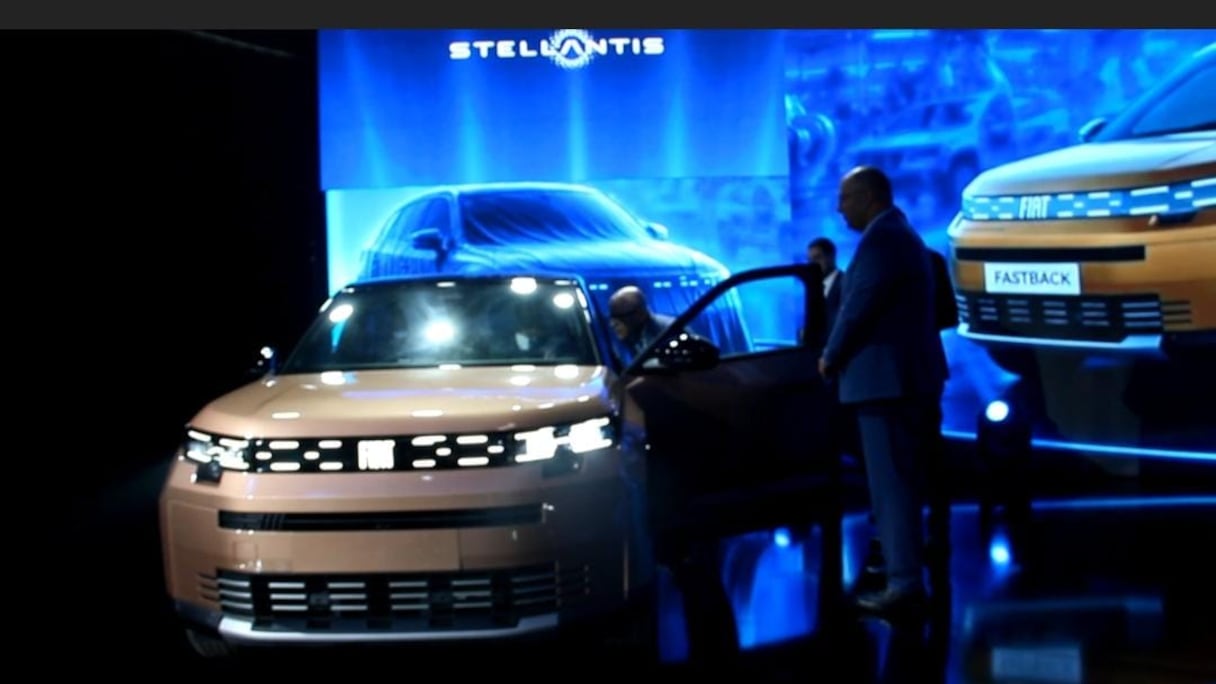
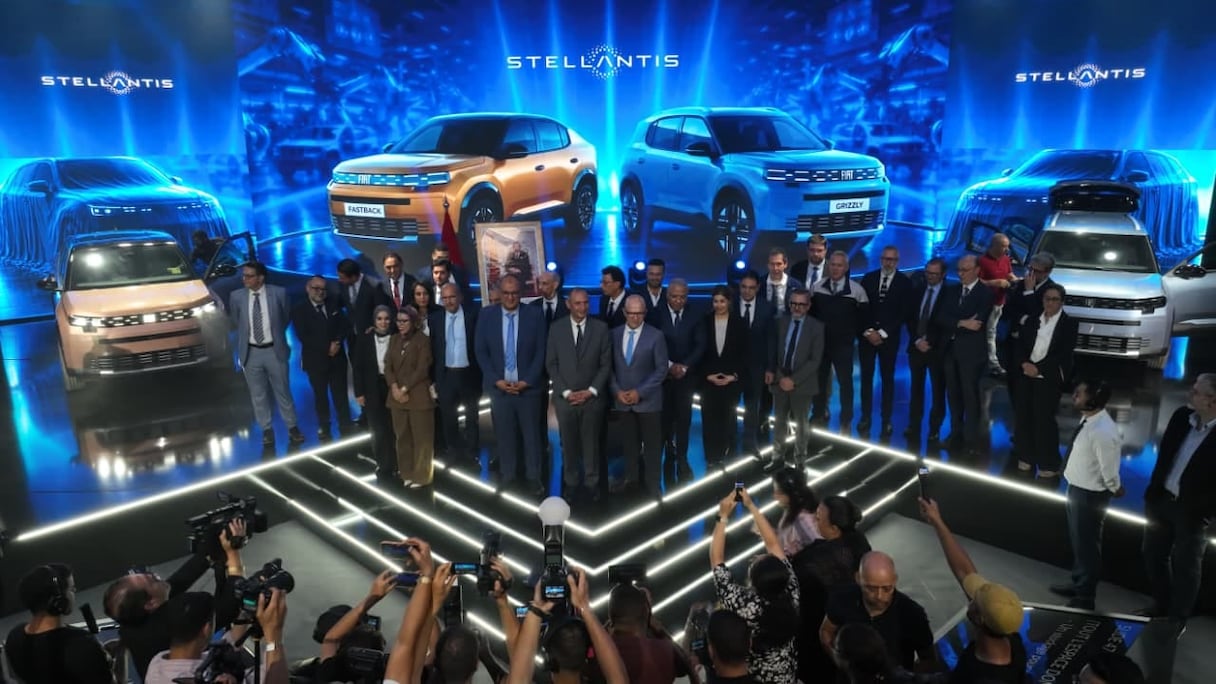
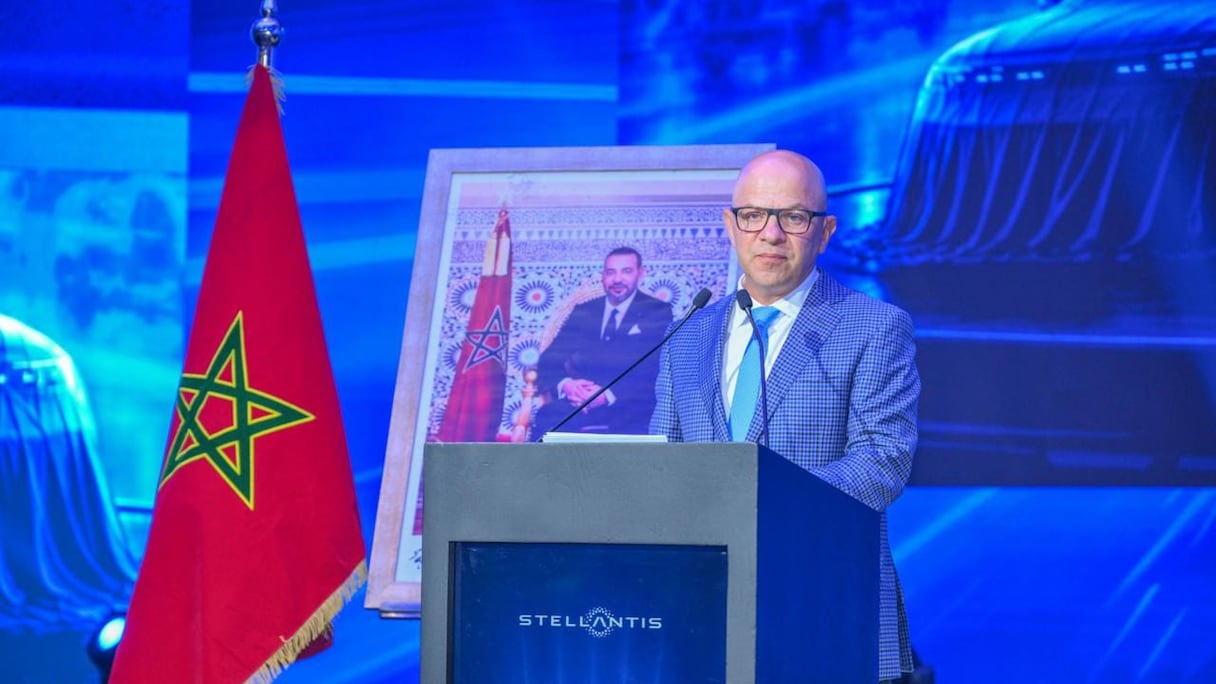
Stellantis expands its lineup with the new Fiat Grizzly and Fastback models
“We have moved from a predominantly manual industrial organization to a model that is more digitalized, automated, and connected,” Cherfan said.
This transformation is also visible in the plant’s internal logistics. Small automated guided vehicles (AGVs) now transport bodies and components between workshops.
Their uniqueness lies in their origin: they are designed and manufactured directly in Kénitra. The complex has already produced nearly 340 AGVs, around 250 of which are currently deployed across the workshops. According to Stellantis, in-house production reduces costs by roughly 30% compared with purchasing such equipment from specialized suppliers.
Beyond the savings generated, the initiative strengthens local expertise in electronics, programming, and maintenance. It also contributes to the evolution of jobs, as handling operations gradually gives way to higher-value-added activities.
This logic is visible throughout the plant. Production flows have been designed to limit movement, optimize space utilization, and reduce inventories, which represent approximately 1.8 days of stock for certain stamped components. While this organization improves competitiveness, it also requires highly reliable equipment and extremely responsive maintenance teams.
A new generation of paint shop
The complex’s modernization also includes a new paint building, designed around a fully electric curing process.
Notably, the facility incorporates RoDip technology, making Kénitra only the second Stellantis plant worldwide to adopt the system. Unlike conventional processes, this technology rotates vehicle bodies 360 degrees while they are immersed in treatment baths. This improves surface preparation, strengthens corrosion protection, and optimizes industrial space.
After this stage, vehicles are transferred to an automated storage system before entering final assembly.
The Smart Car platform has also expanded the range of activities carried out on site. Seats for the new models are now assembled in Kénitra and delivered directly to the production line, in the exact sequence required by the vehicles.
Doors follow a fully automated route, capable of supplying the equivalent of 180 vehicles. Additionally, new equipment assists operators during wheel installation, improving ergonomics and ensuring more consistent operations.
These developments reflect a broader strategy: to gradually increase the value added generated in Morocco by expanding not only assembly operations but also component manufacturing and industrial know-how.
Fiat Grizzly and Fastback, symbols of a new industrial ambition
At the end of the assembly line, each vehicle undergoes a final series of inspections—covering electrical functions, mechanical adjustments, geometry, and finishing—before receiving final approval.
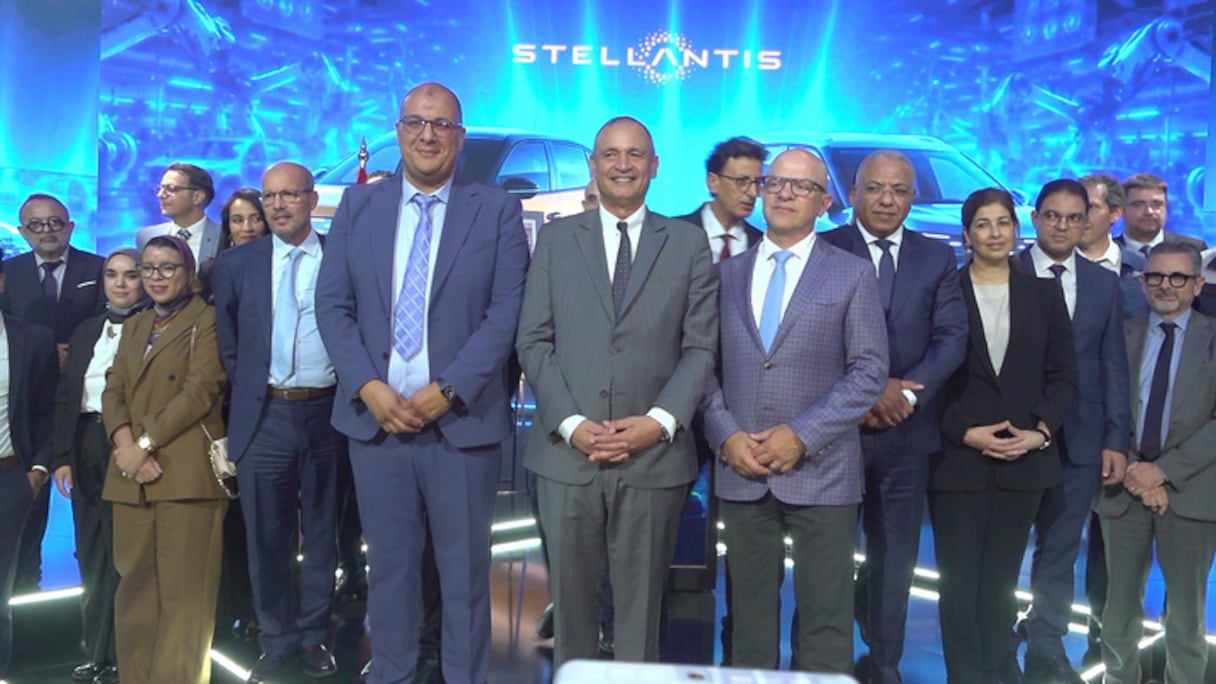
For Industry and Trade Minister Ryad Mezzour, the launch of the Fiat Grizzly and Fiat Fastback transcends the mere presentation of two new models.
“It is the culmination of industrial work, built brick by brick, at a site that has nurtured this project from its earliest stages and undergone profound changes to accommodate it,” he stated.
The minister believes these two vehicles will enable Stellantis to strengthen its competitiveness in an environment marked by increasingly intense international competition, where industrial performance, production costs, and development speed have become decisive factors.
Roberto Giolito, Head of Exterior Design at Fiat and Abarth, noted that the two models were designed to express robustness and dynamism while fully leveraging the possibilities offered by the Smart Car platform. The interior incorporates several references to the Lingotto, Fiat’s historic plant in Turin, notably through oval shapes and a wraparound dashboard, while storage capacity reaches 25 liters.
The industrial launch of the Fiat Grizzly and Fiat Fastback confirms the advanced transformation of the Kénitra complex. For both Stellantis and Morocco’s automotive ecosystem, the challenge now lies in translating this momentum into lasting gains in competitiveness, local value creation, and export volumes across increasingly demanding markets.
