The measure comes as Moroccan hybrid vehicle exports to the European market continue to grow strongly. According to Eurostat figures cited in the Commission Implementing Regulation (EU) 2026/2614, imports of hybrid vehicles from the Kingdom rose from 18 units in 2023 to 26,815 in 2024 and 37,771 in 2025, representing a year-on-year increase of 40.9%.
EU imports of hybrid vehicles originating in Morocco (Number of vehicles)
| Year | Vehicles imported |
|---|---|
| 2023 | 18 |
| 2024 | 26,815 |
| 2025 | 37,771 |
Source: Eurostat
Growth continued over the twelve months from July 2025 to June 2026, designated by the Commission in its investigation as the most recent period (MRP). During that period, EU imports of hybrid vehicles originating in Morocco reached 61,259 units, compared with 37,771 for the whole of 2025. This increase reflects the Kingdom’s growing role in European automotive supply chains.
The country-specific import quota set by Brussels for Morocco amounts to 23,954 vehicles. It is divided into three quota periods: 10,779 units from December 1, 2026, to February 28, 2027; 11,019 units from March 1 to May 31, 2027; and 2,156 units from June 1 to 18, 2027.
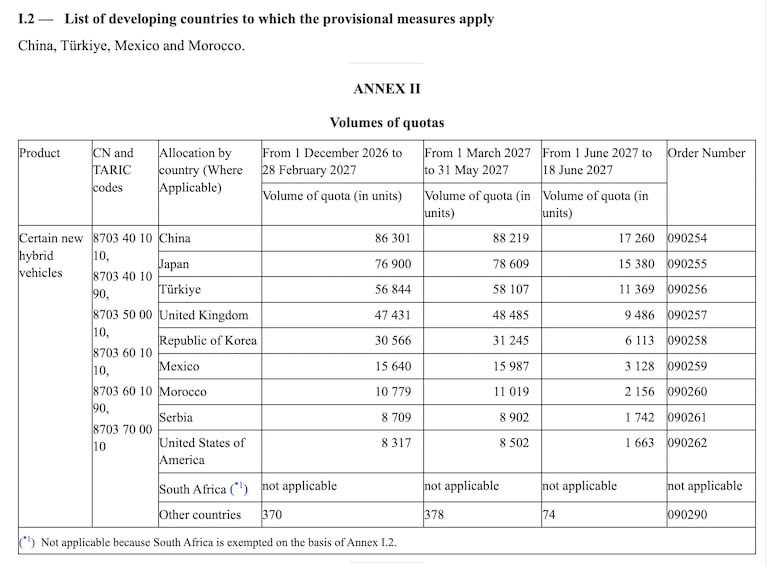
This ceiling appears particularly restrictive given the pace of Moroccan exports in early 2026. In the first half of the year, EU imports of hybrid vehicles from the Kingdom reached 40,536 units, equivalent to an average of around 224 vehicles per day. Spread over the 200-day period, the quota imposed by Brussels translates into a daily rate of 120 vehicles, 46.5% below the average recorded in the first half of the year.
The safeguard measure covers several categories of new hybrid vehicles, notably hybrid electric vehicles (HEVs), including mild hybrid electric vehicles (MHEVs), and plug-in hybrid electric vehicles (PHEVs). It therefore applies not to all Moroccan automotive exports to the European Union, but only to vehicles falling under the Combined Nomenclature (CN) and TARIC codes specified in the regulation.
Read also : ‘Made in Europe’: Why Morocco refuses to be treated as just another third country
The decision comes as carmakers operating in Morocco gradually diversify their production by introducing new powertrains. In Tangier, Renault Group has been assembling the Dacia Jogger Hybrid 140 since 2024. The plant is also set to begin manufacturing new electrified variants, notably the Jogger Hybrid 155 and the hybrid Sandero Stepway.
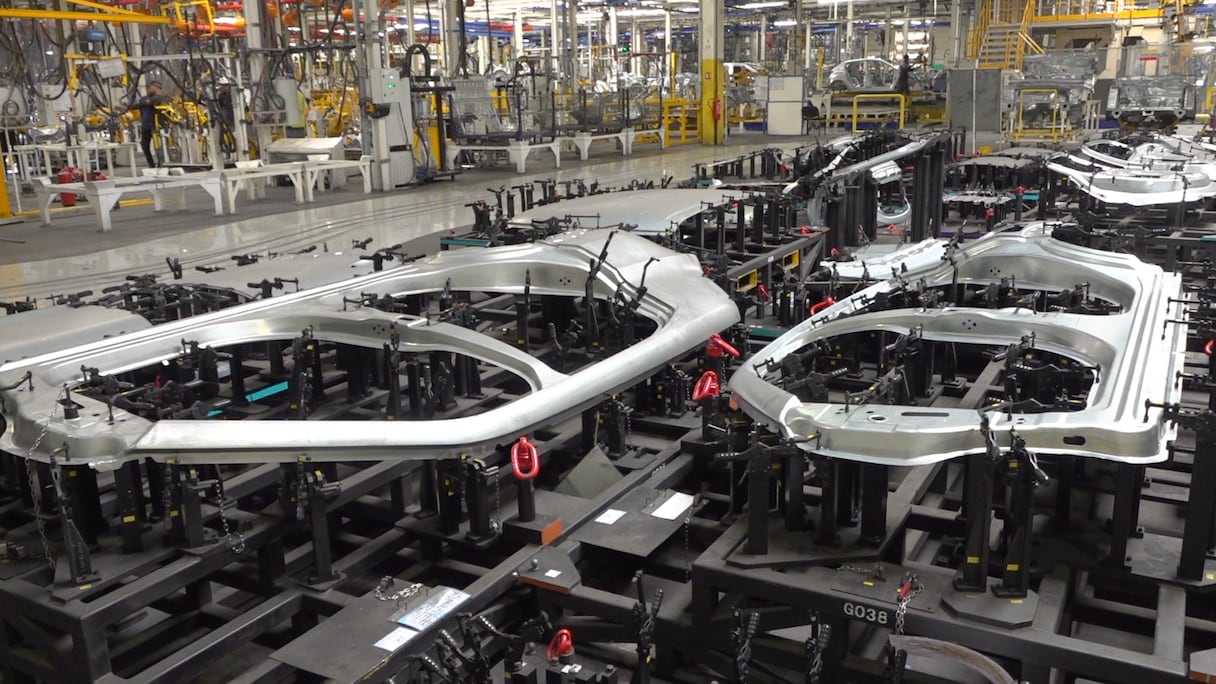
In Kenitra, Stellantis also reached a new milestone in July 2026 with the launch of production of the Fiat Grizzly and Fiat Fastback, both offered with a 145-horsepower mild-hybrid powertrain.
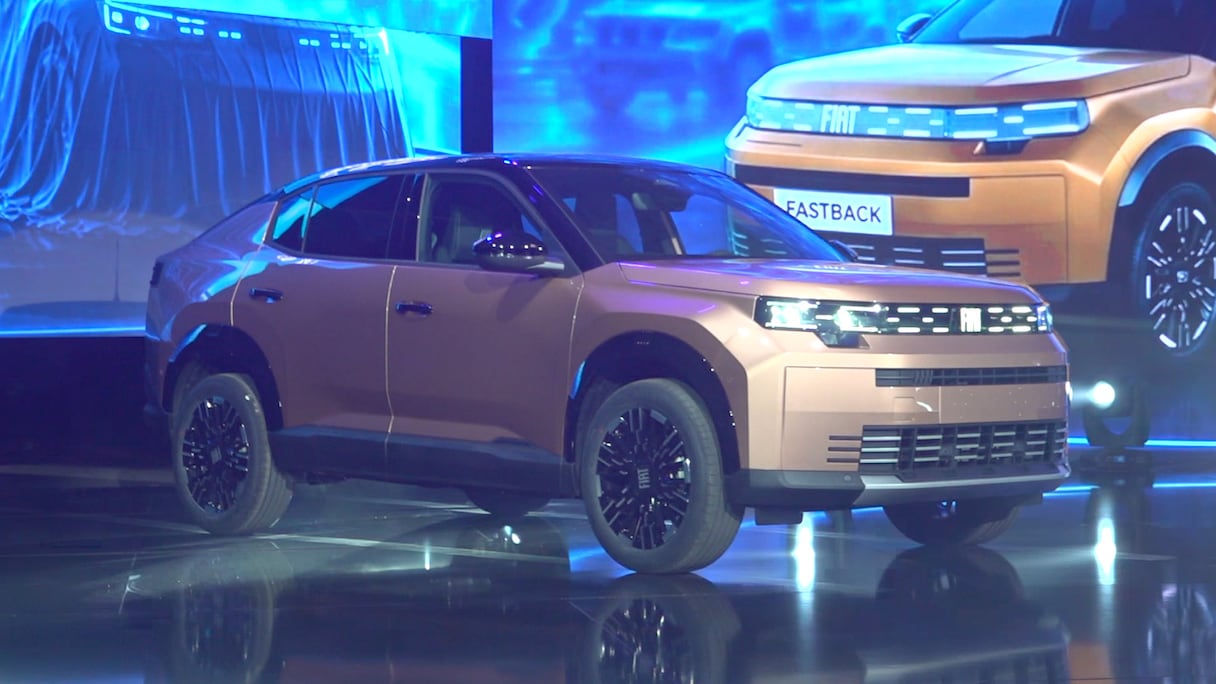
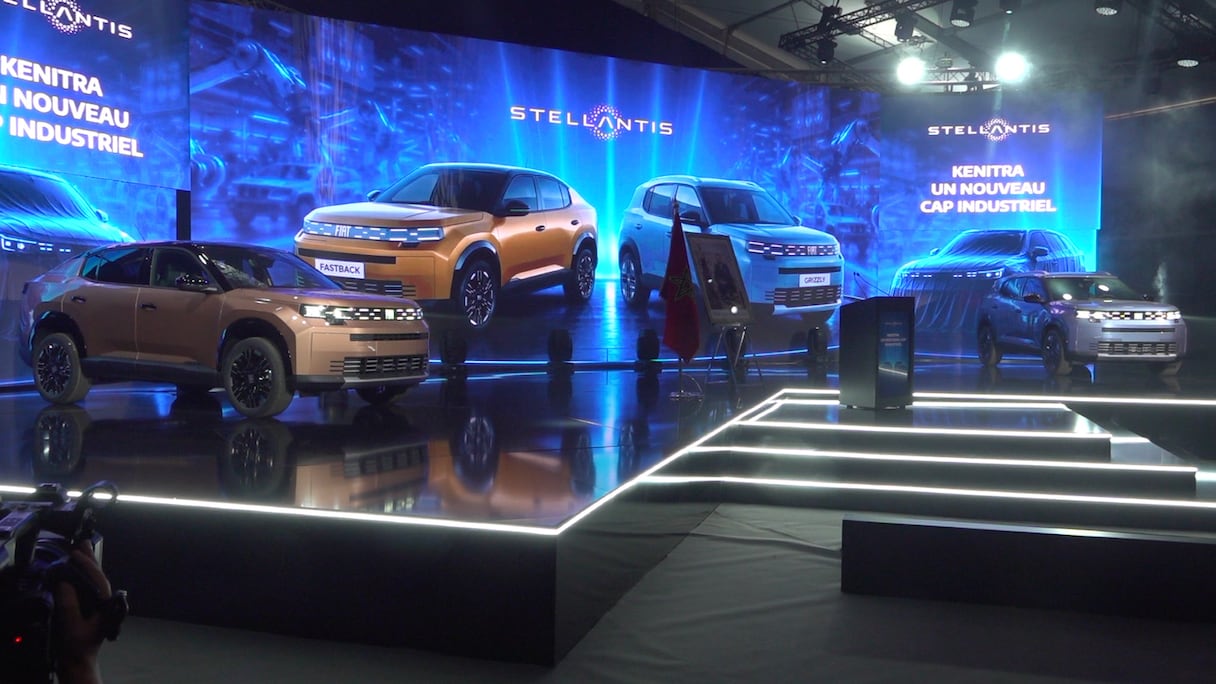
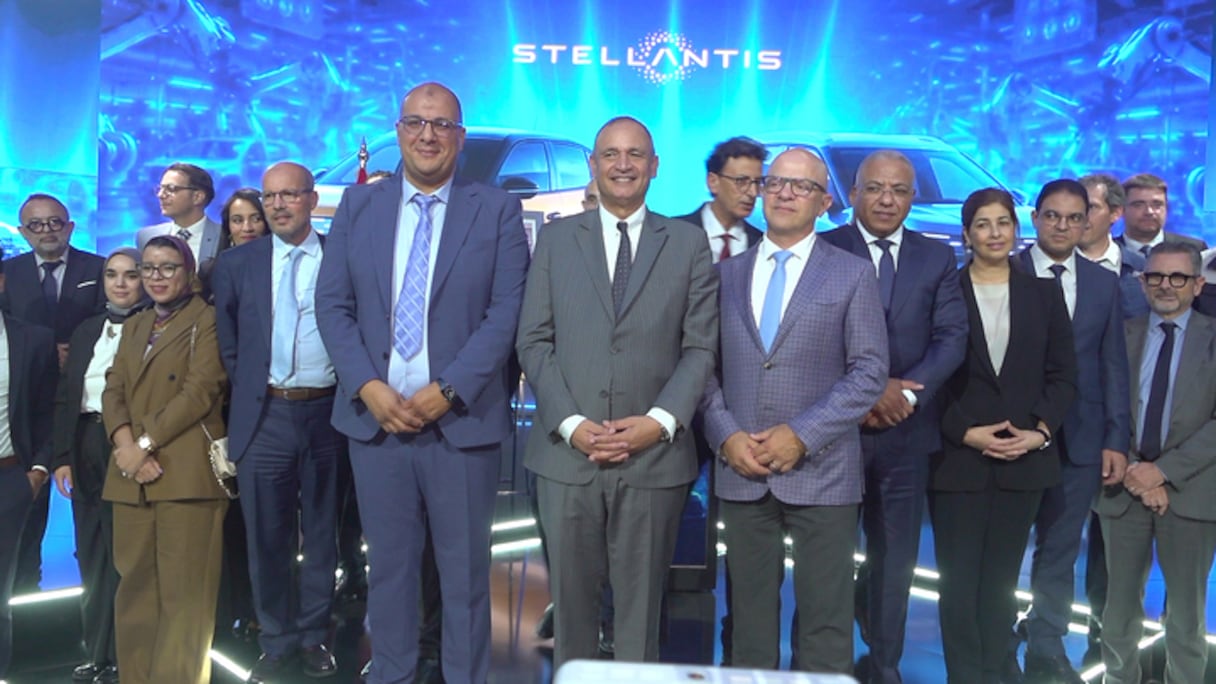
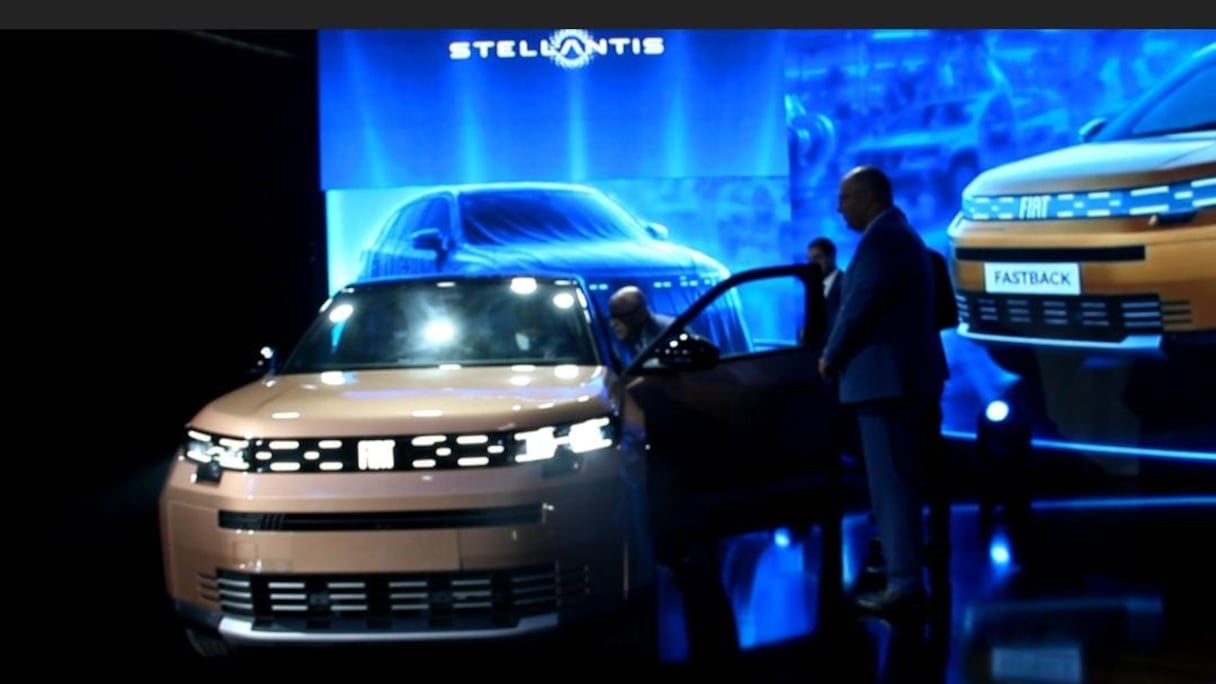
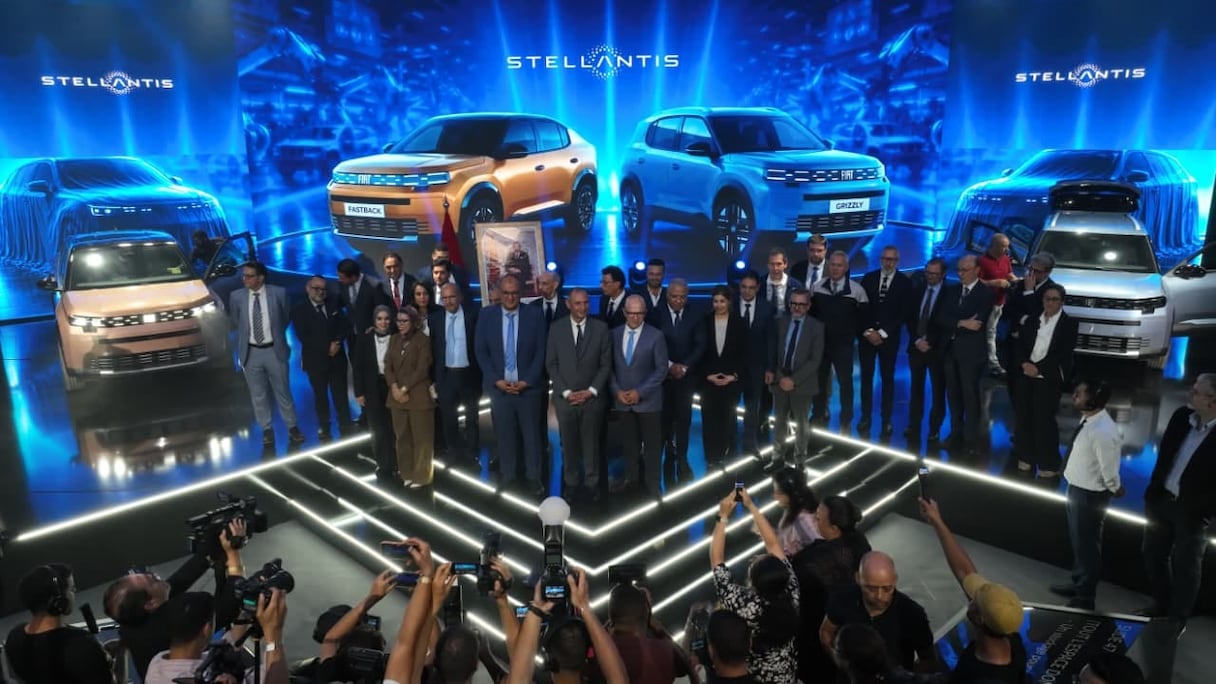
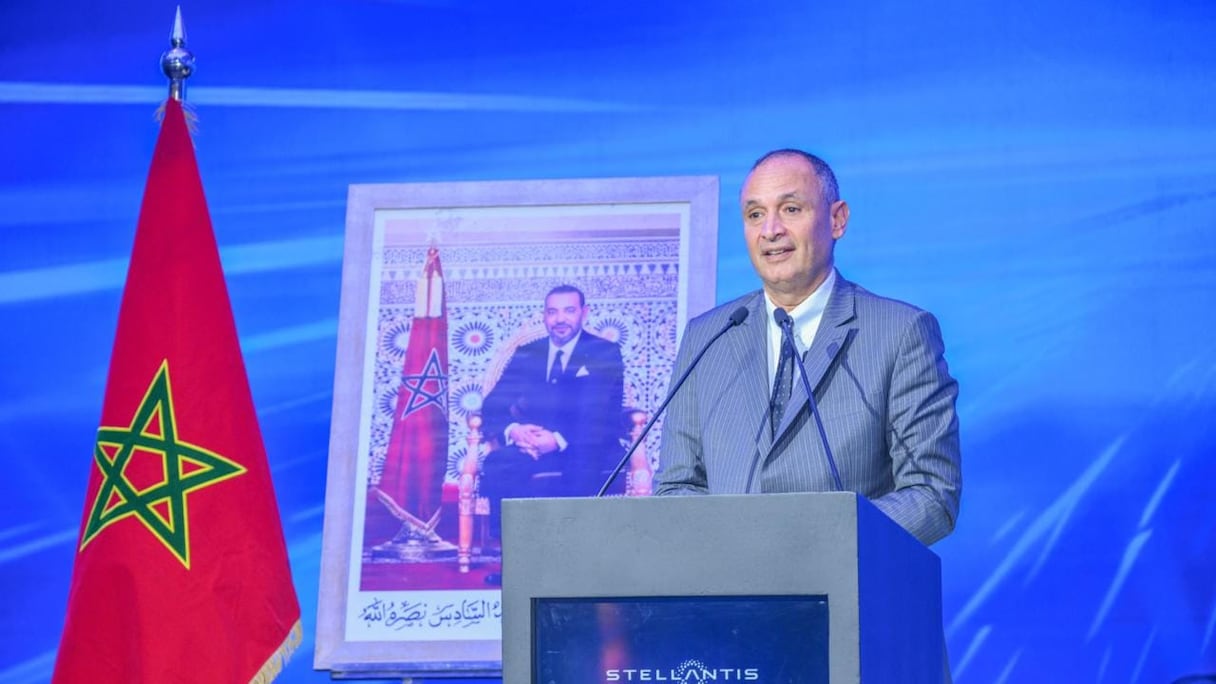
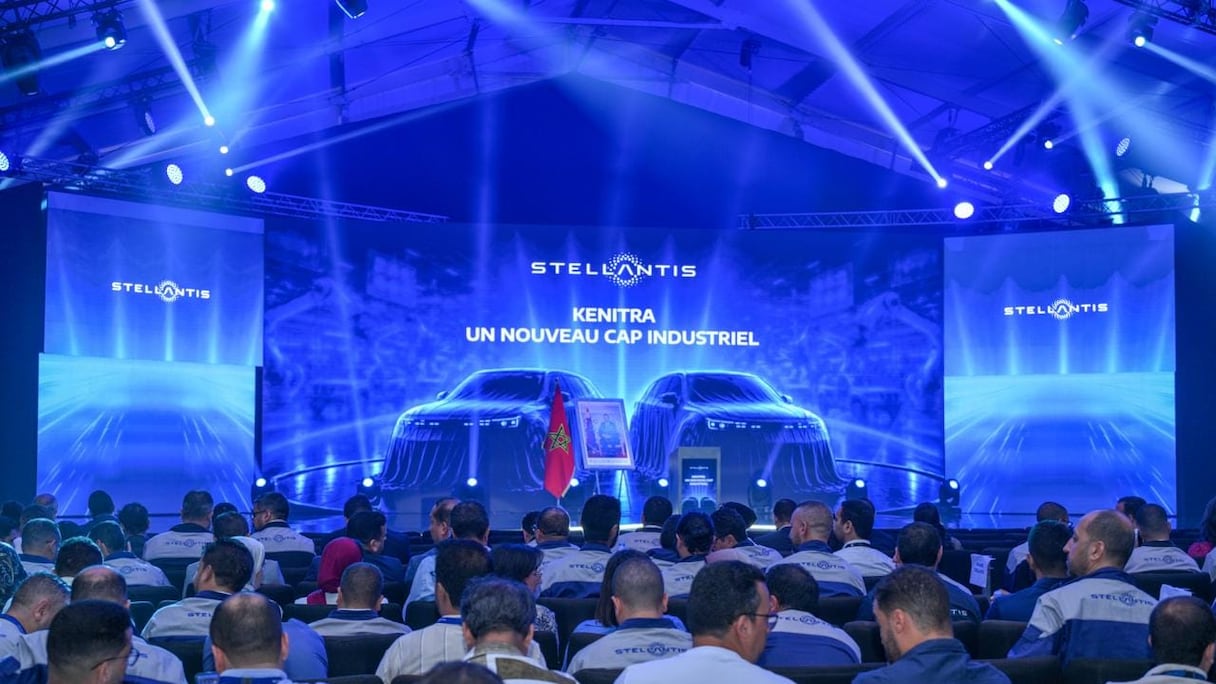
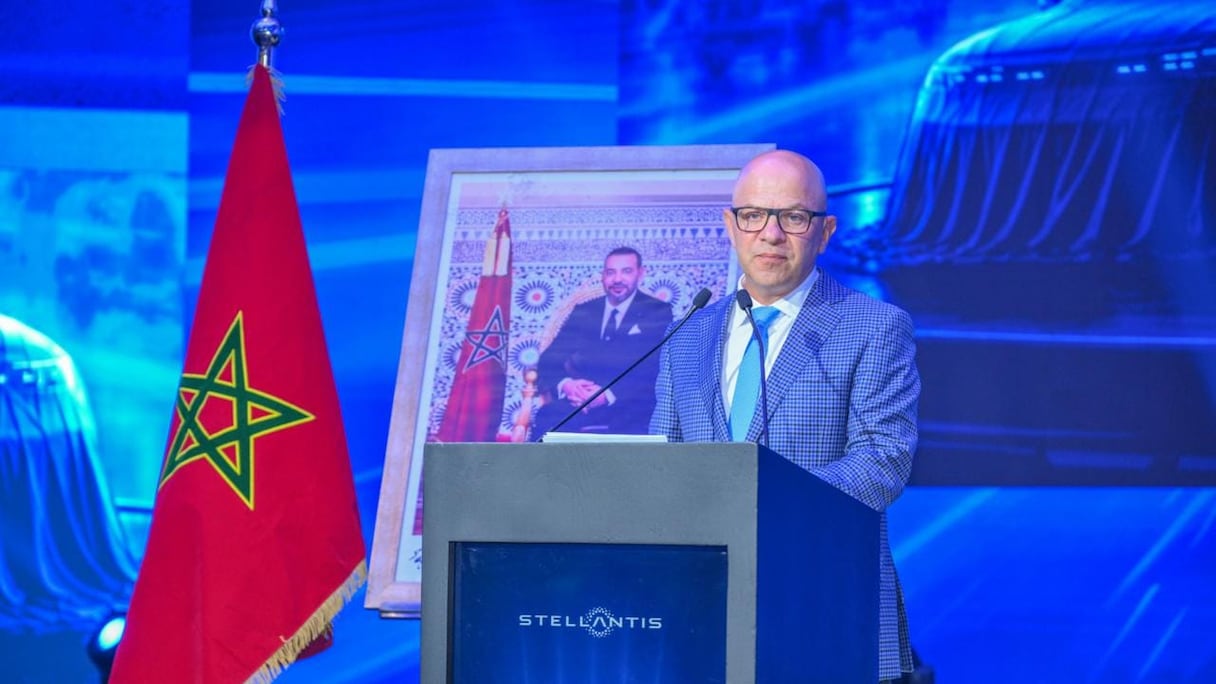
Stellantis expands its lineup with the new Fiat Grizzly and Fastback models
The decision comes amid growing concerns in Morocco over the EU’s proposed industrial preference policy, dubbed “Made in Europe.” The Industrial Accelerator Act notably seeks to give preference to products manufactured within the European Union in certain public procurement contracts and support schemes, particularly in the automotive sector. Morocco’s eligibility under the proposed framework is a particularly sensitive issue for an industry deeply integrated into European production chains.
Moroccan industry representatives fear that excluding the Kingdom could put its exports at a disadvantage and undermine the industrial ties established with European carmakers. Morocco is therefore pressing for recognition of its industrial integration into the European ecosystem. The stakes are all the higher given that automotive manufacturing is the Kingdom’s largest export sector and that Europe accounts for the bulk of its export markets.
