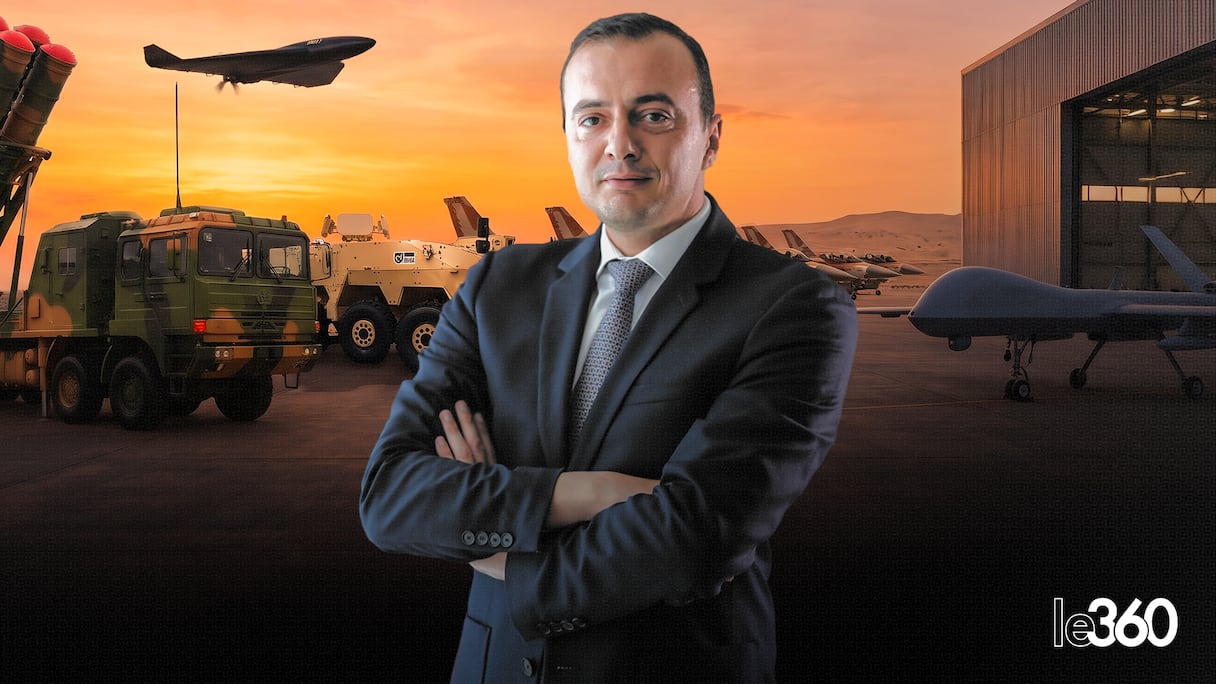
He was already in the room at the Royal Palace in Rabat on November 18, when Morocco’s investment offering for the defense and security industry was presented to the Sovereign. Ali Seddiki had outlined its strategic priorities alongside Lieutenant General Mohammed Berrid, Inspector General of the Royal Armed Forces and Commander of the Southern Zone. A week later, on Wednesday, November 25, the King put him in charge of taking it forward.
His mandate is set out in a single, lengthy sentence, and every word matters. Ali Seddiki is to oversee the operational preparations for implementing the roadmap for the development of Morocco’s national defense and security industry, respecting the respective powers and responsibilities of the institutions involved, pending the establishment of a dedicated strategic agency. He will retain his position as Director General of the Moroccan Investment and Export Development Agency.
In other words, he is the man charged with managing the transition. Since Wednesday, the agency has had a name: DIFAA, for Defense Industry Facilitation and Acceleration Agency. Between the announcement and the day it opens its doors, projects need to be advanced and the groundwork laid. That is the task the Sovereign has entrusted to him.
The timing is significant, too. That same Wednesday, the King, accompanied by Crown Prince Moulay El Hassan, chaired the signing of two framework agreements: one to finance the roadmap, the other to mobilize the private and financial sectors. Nearly 22 billion dirhams have been mobilized. Seddiki thus takes the helm with funding, a timetable and a clear instruction from the King, issued on November 18: swift and effective execution.
Seddiki himself had described the mandate in characteristically measured terms two days after the working session. Until then, he explained, AMDIE had been supporting the National Defense Administration without “necessarily having a clear mandate,” unsure how far its remit extended. The instruction now is to provide support “in full, right up to the actual launch of the dedicated agency.”
From strategy consulting to the factory floor
Born on May 28, 1985, Ali Seddiki graduated from HEC Paris’s Grande École program, specializing in corporate finance, strategy and accounting. He cut his teeth at a Paris-based strategy consultancy focused on industry and advanced technology. His clients were major European players in aerospace, energy and mobility. It was there that he learnt to speak the language of the companies at the top of industrial supply chains.
In 2014, he joined the office of Moulay Hafid Elalamy, then Minister of Industry. As an adviser, he helped shape Morocco’s 2014–2020 Industrial Acceleration Plan and oversee its rollout in the aerospace sector. Three years later, he was appointed director of the aerospace, rail, shipbuilding, and renewable energy industries, a post he held until December 2018.
January 2019 brought a considerably broader remit. At just 33, he became Director General of Industry, overseeing Morocco’s sectoral strategies for automotive manufacturing, aerospace, textiles, agri-food, steel, chemicals and electronics. After nearly eight years at the ministry, he moved in November 2021 to the Department of Investment, Convergence and Evaluation of Public Policies, headed by Mohcine Jazouli. On April 14, 2022, the Council of Government approved his appointment as Director General of Investment and the Business Climate.
On July 13, 2022, the King appointed him to head AMDIE. He was 37. His responsibilities included rolling out the new Investment Charter, promoting the Kingdom as an investment destination under the Morocco Now brand and expanding exports. According to figures presented to the agency’s board on January 26, 2026, AMDIE helped assess 250 public and private projects that subsequently received approval, representing 414 billion dirhams in investment and more than 179,000 projected direct and indirect jobs.
Read also : Defense, Security Industry: The King chairs signing ceremony of two framework agreements
It is this progression that gives him his credentials. He has worked on aerospace policy from the minister’s office, the sectoral directorate and ultimately the Directorate General of Industry. Defense, in turn, draws on aerospace for its engineers, its standards and some of its suppliers. He knows the manufacturers because he has helped them establish operations in Morocco; he knows the investment procedures because he has administered them. Defense is hardly unfamiliar territory either. Since 2020, AMDIE has worked alongside the National Defense Administration and the Royal Armed Forces (FAR) to bring the industry’s first investors to Morocco.
Twenty-two billion dirhams and two signatures
Even so, the scale of the new assignment is formidable. Morocco’s defense industry strategy sets out clear targets for 2035. Manufacturers based in the Kingdom are to meet 40% of the requirements of the Royal Armed Forces and security services. The industry is expected to generate annual revenues of at least 50 billion dirhams, with more than 65% coming from exports, and create at least 50,000 direct and indirect jobs. That works out at roughly one million dirhams in annual revenue per job, the hallmark of a high-value-added industry.
The first framework agreement puts the money on the table. It brings together the ministers responsible for the interior, economy and finance, industry and national defense administration, alongside AMDIE, the Caisse de Dépôt et de Gestion (CDG), the Hassan II Fund for Economic and Social Development and Mohammed VI Polytechnic University (UM6P). Between them, these public-sector partners have mobilized nearly 22 billion dirhams, including 4 billion from the Hassan II Fund on the King’s instructions.
The second agreement brings in the institutions that finance the wider economy. Among its signatories are the Governor of Bank Al-Maghrib, the Moroccan Banking Association (GPBM), the General Confederation of Moroccan Enterprises (CGEM), the Moroccan Capital Market Authority (AMMC), the Casablanca Stock Exchange and the Moroccan Private Equity Association (AMIC). The involvement of private equity and the stock exchange is telling. A fledgling drone or cyber defense company needs equity, financial backers and shareholders prepared to take the long view.
The state is positioning itself as a catalytic investor. Its initial financial commitment absorbs some of the early-stage risk and gives confidence to investors who might otherwise be reluctant to enter the sector alone. As Ali Seddiki has pointed out, the objective presented to the King in February 2022 is to have private investment account for two-thirds of total investment in Morocco by 2035. The new industry must contribute to that ambition. The two agreements also give practical effect to the King’s Throne Day speech of July 29, 2026, which called for greater mobilization of institutional savings and deeper, more dynamic capital markets.
Then there is the agency itself. DIFAA will monitor compliance with the commitments made by all signatories, promote investment, administer incentive schemes and develop Morocco’s defense industrial base. It will have five instruments at its disposal: industrial offsets, public procurement, industrial land, skills development and innovation. Its remit spans drones and autonomous systems, land and naval systems, defense electronics, cyber defense, and artificial intelligence. It will be Seddiki’s job to see that it all comes together.
The summit of industrial sophistication
What Morocco is asking of Ali Seddiki is more ambitious than anything the country has undertaken in industry to date. Seddiki himself describes an industrial hierarchy in which space and defense sit at the very top, followed by aerospace and then automotive manufacturing. The manufacturing processes, quality standards and industrial culture required at that level will have to take root before Morocco can claim its place there.
Defense, then, is both the culmination of a career and a test case. If Morocco can design, manufacture, export and raise equity capital in one of the world’s most closed industries, the same model can be applied to others. Indeed, Wednesday’s agreements make defense manufacturing the first proving ground for the overhaul of investment financing sought by the Sovereign.
The first challenge is exports. Two-thirds of the industry’s business will have to be won overseas, amounting to more than 32.5 billion dirhams a year, in competition with established international players. The projects already authorized give some indication of how far Morocco still has to go. For now, thirteen projects are on the table, representing just over $330 million in investment and the promise of nearly 3,000 jobs.
The second challenge is coordination. Four ministries, a central bank, commercial banks, a fund, a university and the employers’ federation have signed up. His mandate requires him to navigate their respective institutional responsibilities, all while wearing two hats: AMDIE must continue to run. Of the four priorities set by the King on November 18, three were translated into formal commitments within seven days. The fourth, streamlining investment procedures, is familiar ground for the former Director General of Investment and the Business Climate.
There is also the question of capital. An industry central to national sovereignty cannot be built on foreign subsidiaries alone. The wheels are beginning to turn. Moroccan company Aba Technologies is already developing proprietary systems, and the first drone designed entirely in the Kingdom is the work of a Moroccan from the diaspora. Many more will be needed, along with a workforce trained to defense-specific standards. Domestic investors, relatively unfamiliar with the industry’s long investment cycles, will also have to be persuaded to commit.
A window of opportunity
The groundwork began in 2020, when the Sovereign called for a framework to develop the industry. Law No. 10-20 has been in force since June 2021, and two industrial acceleration zones were established in 2024, in Nouaceur and Sidi Yahya. The November 18 working session marked a stepping-up of that effort, not its beginning.
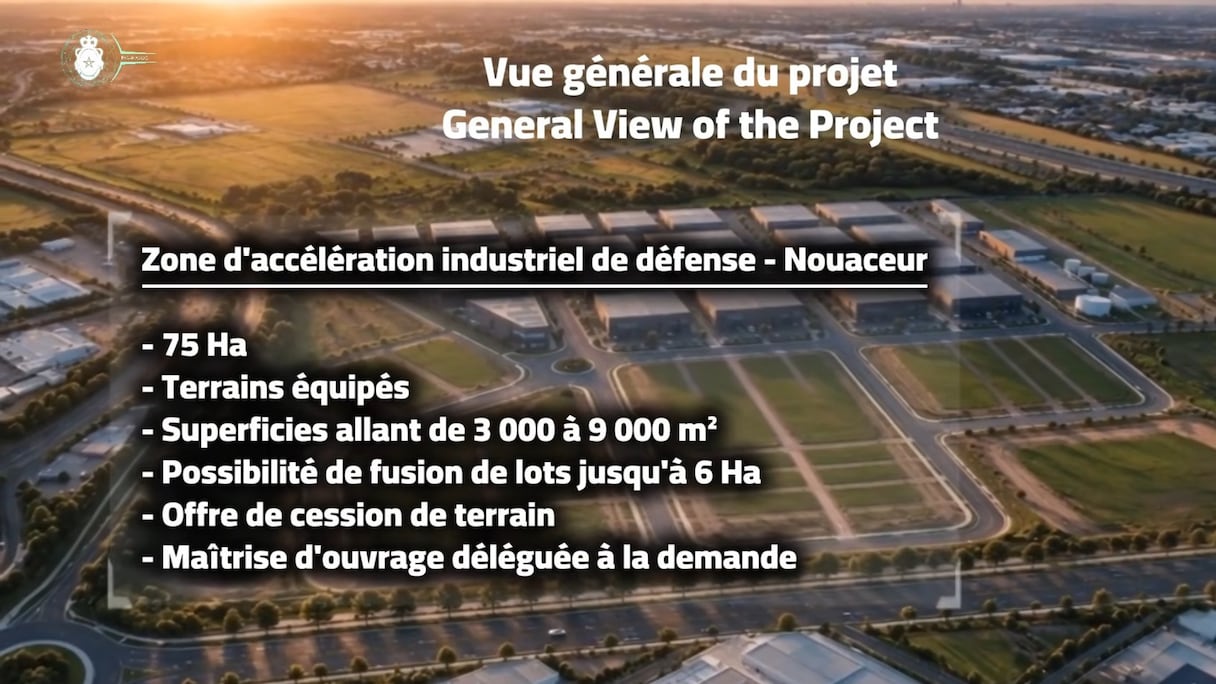
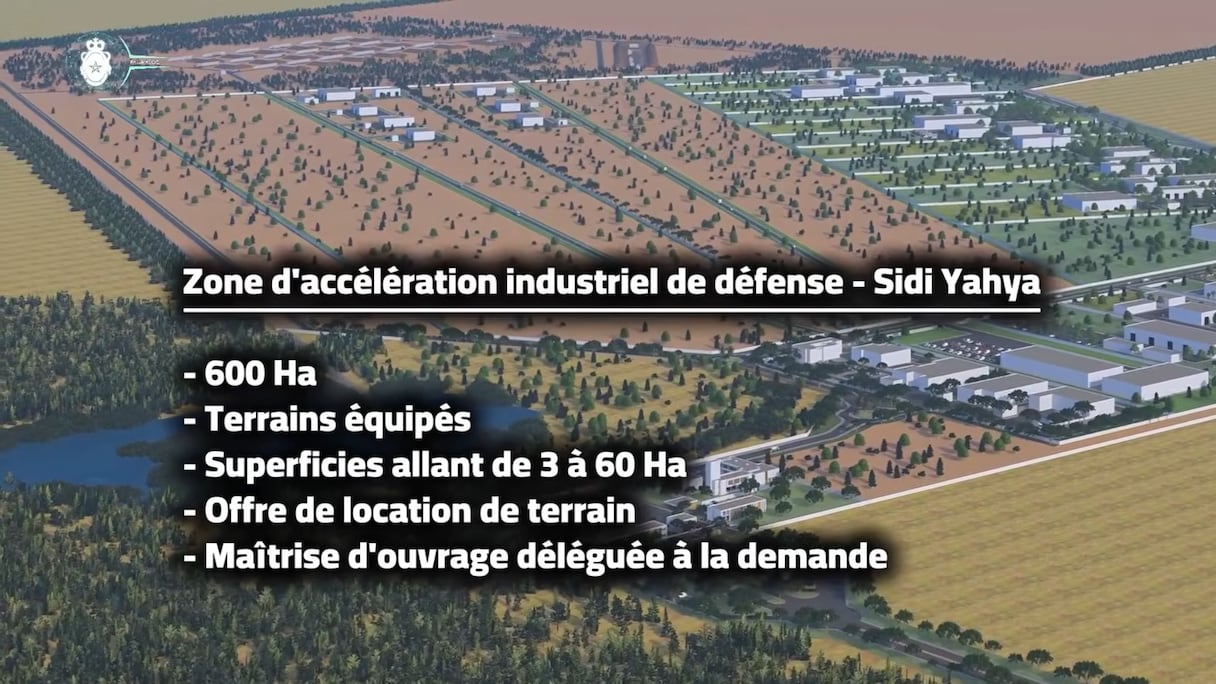
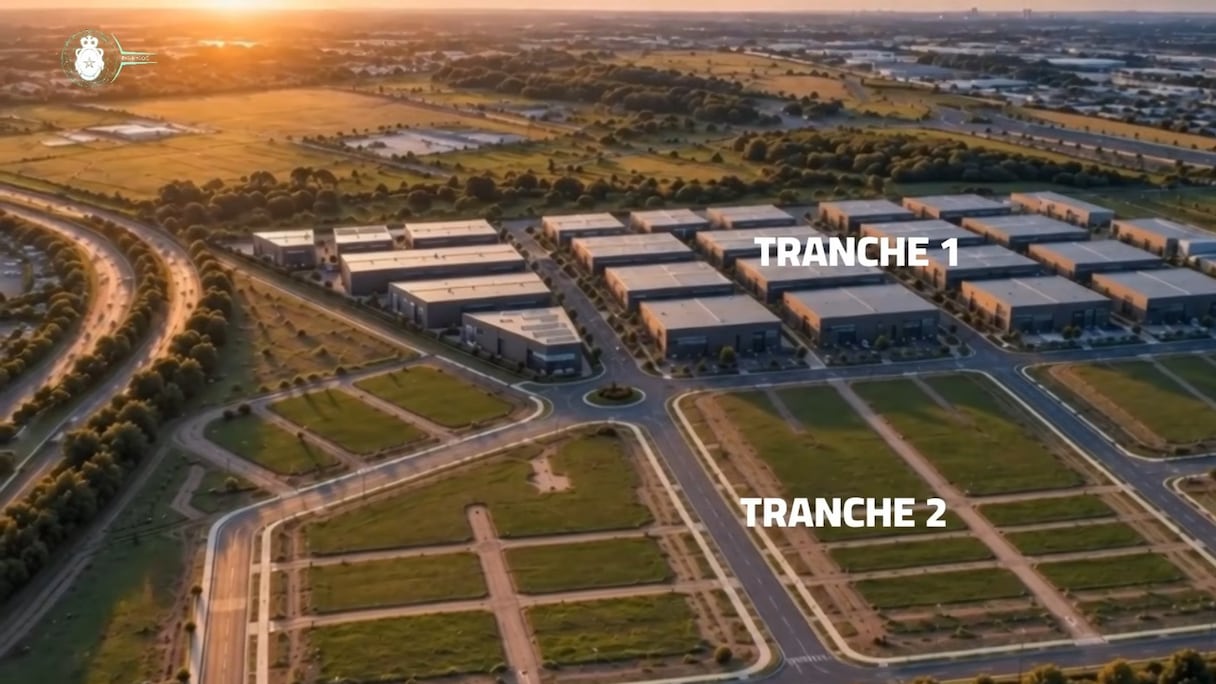
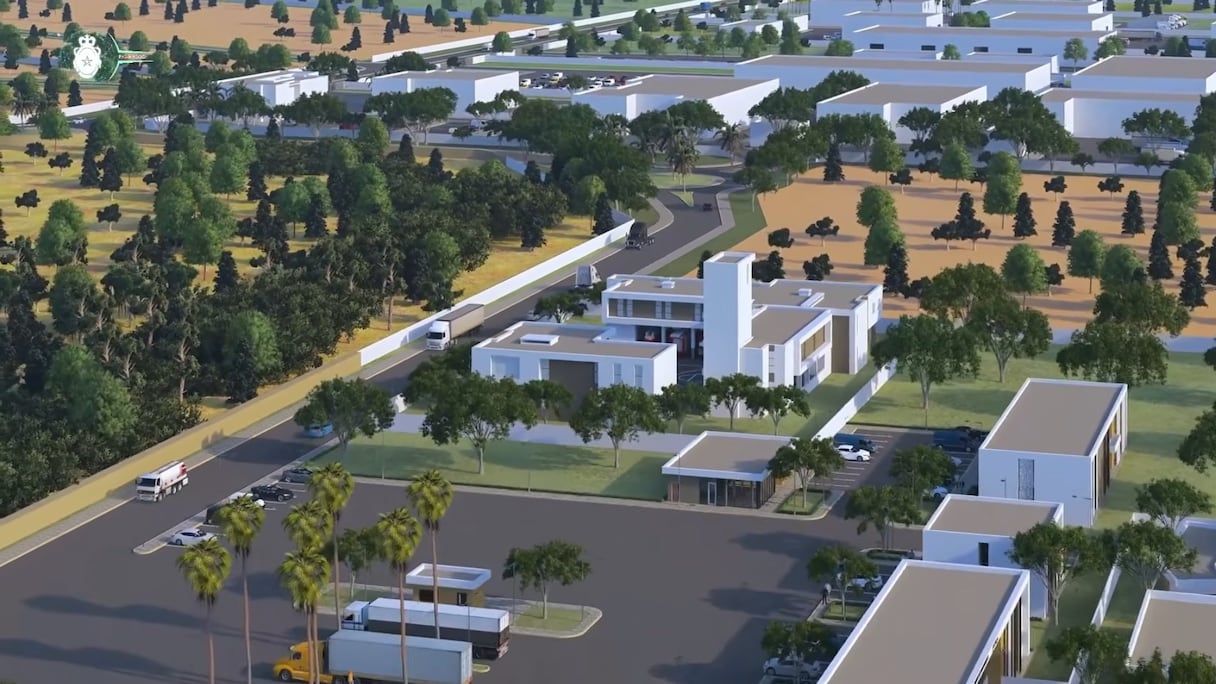
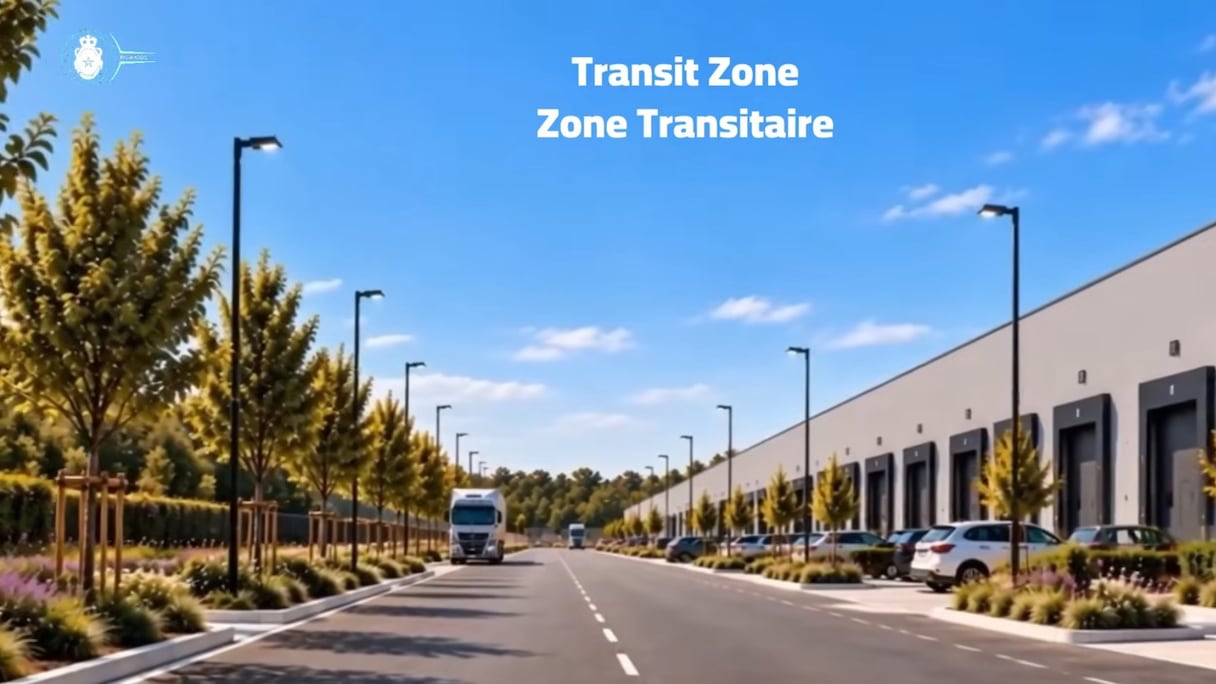
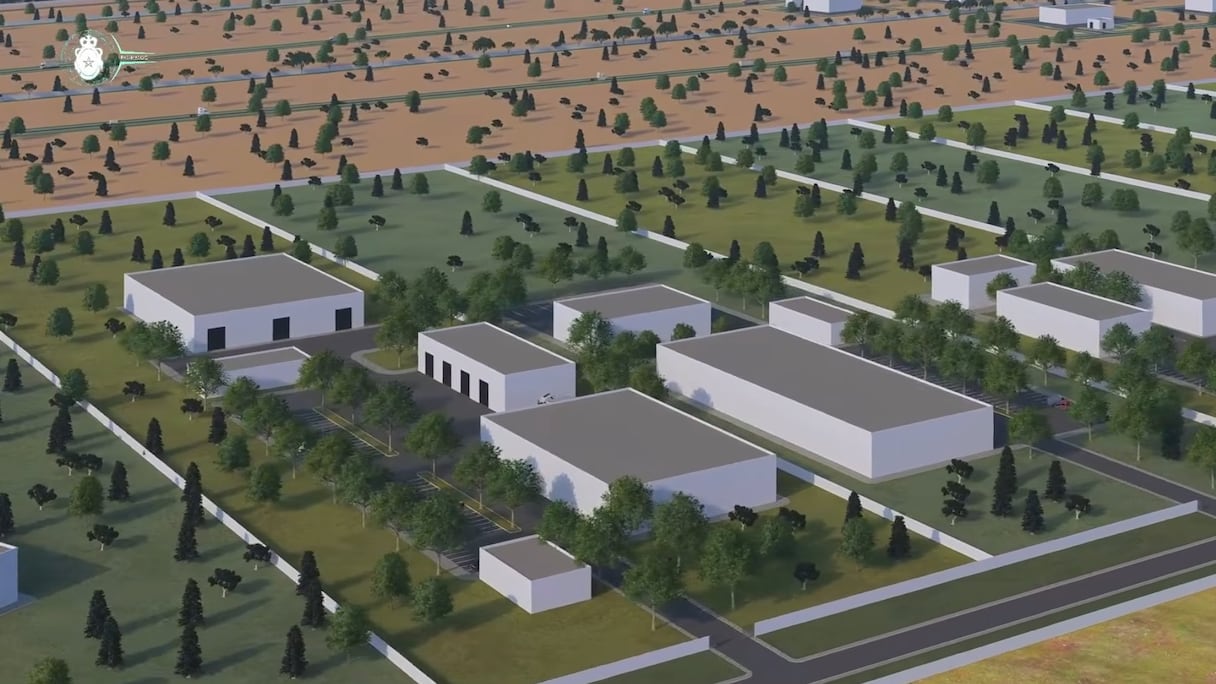
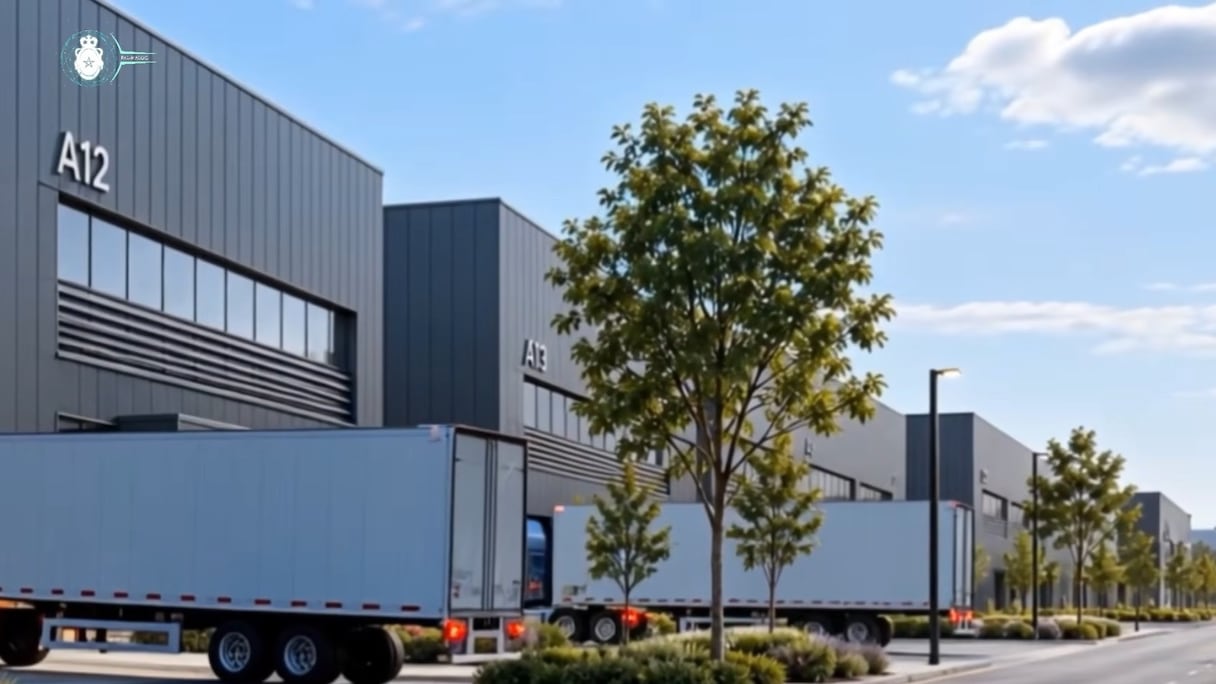
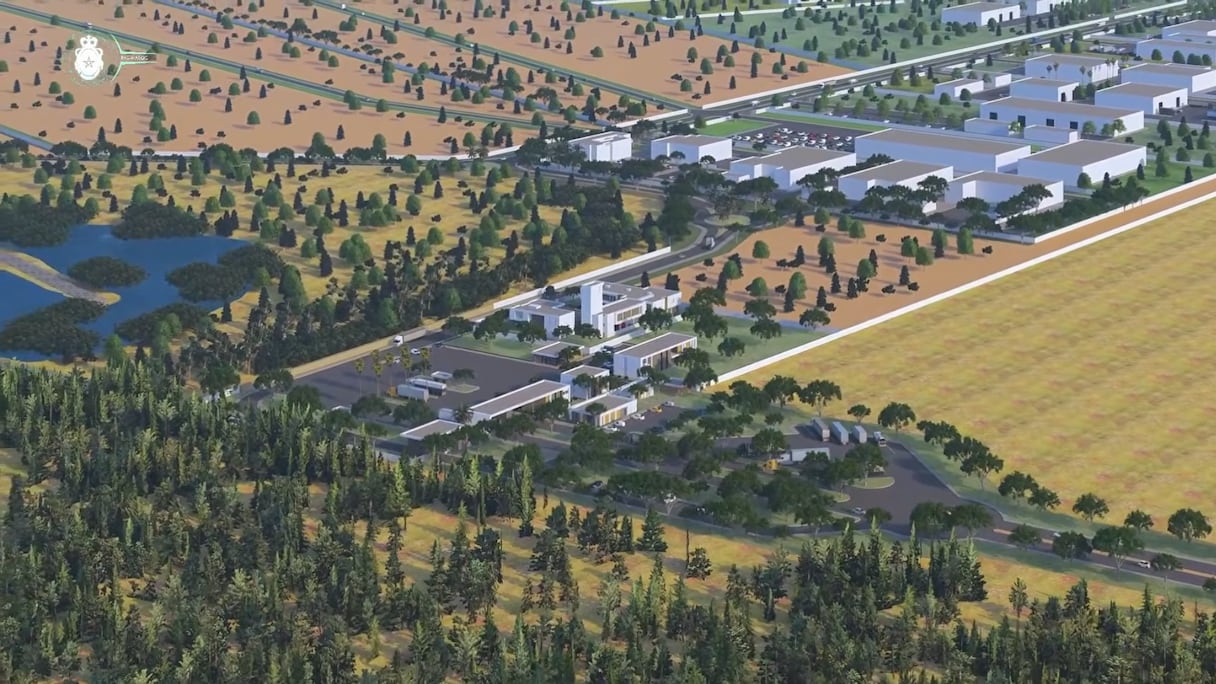
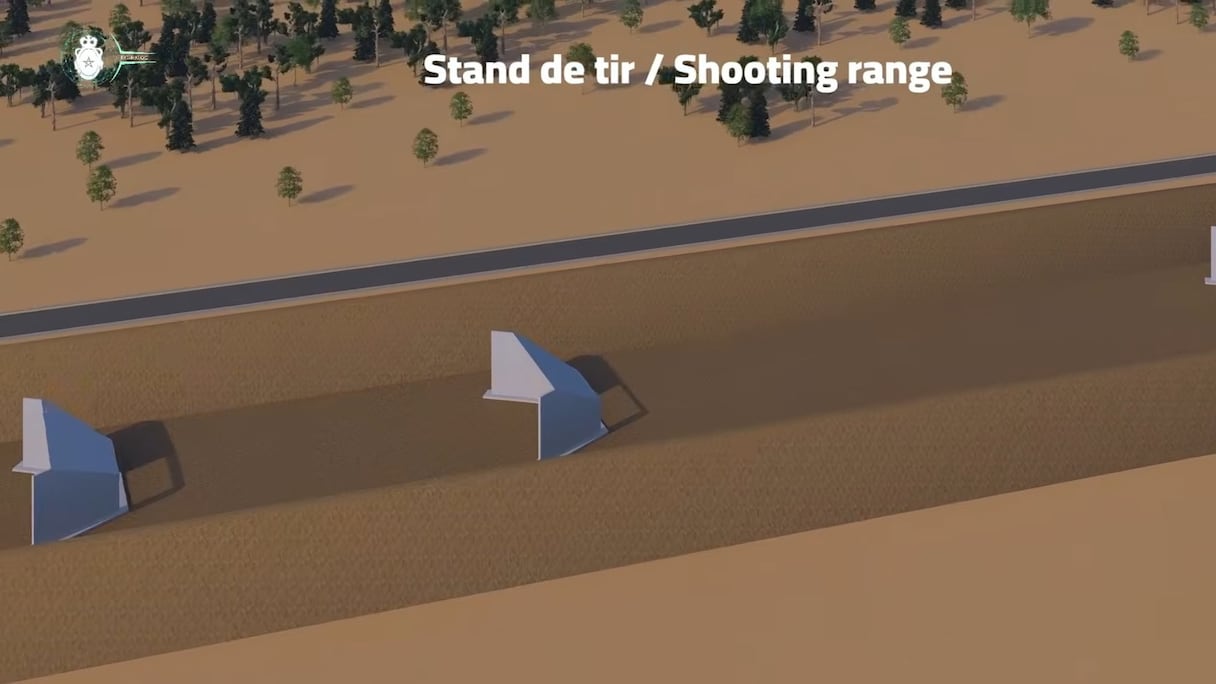
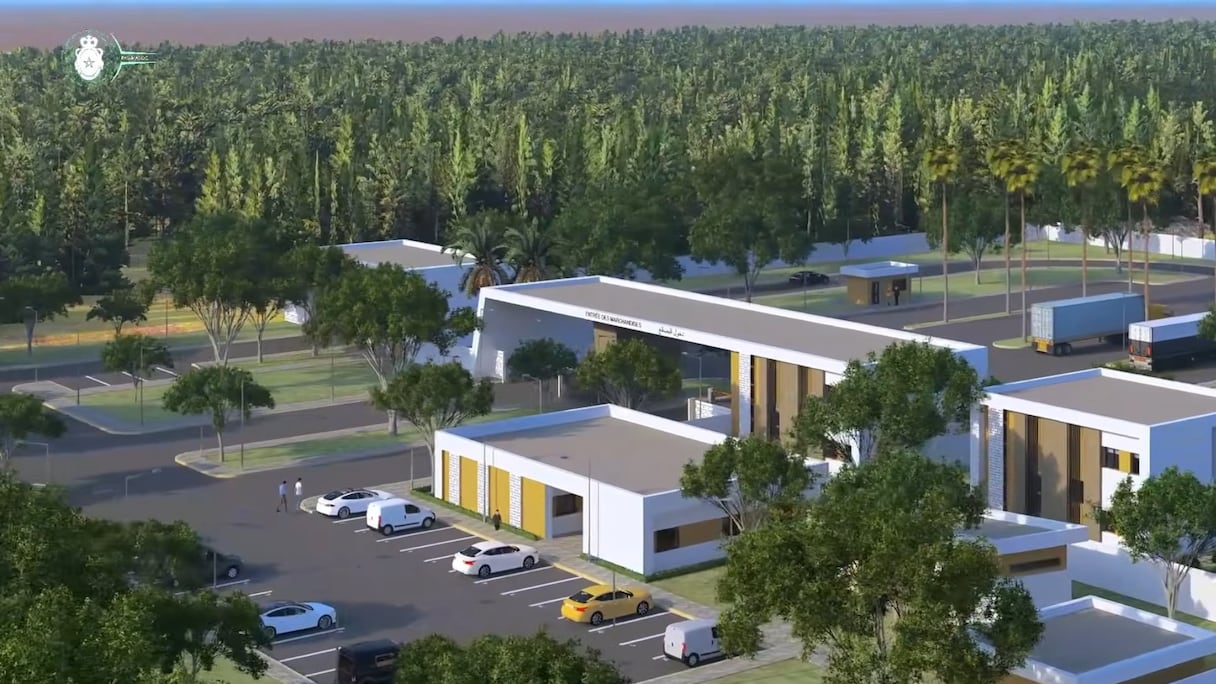
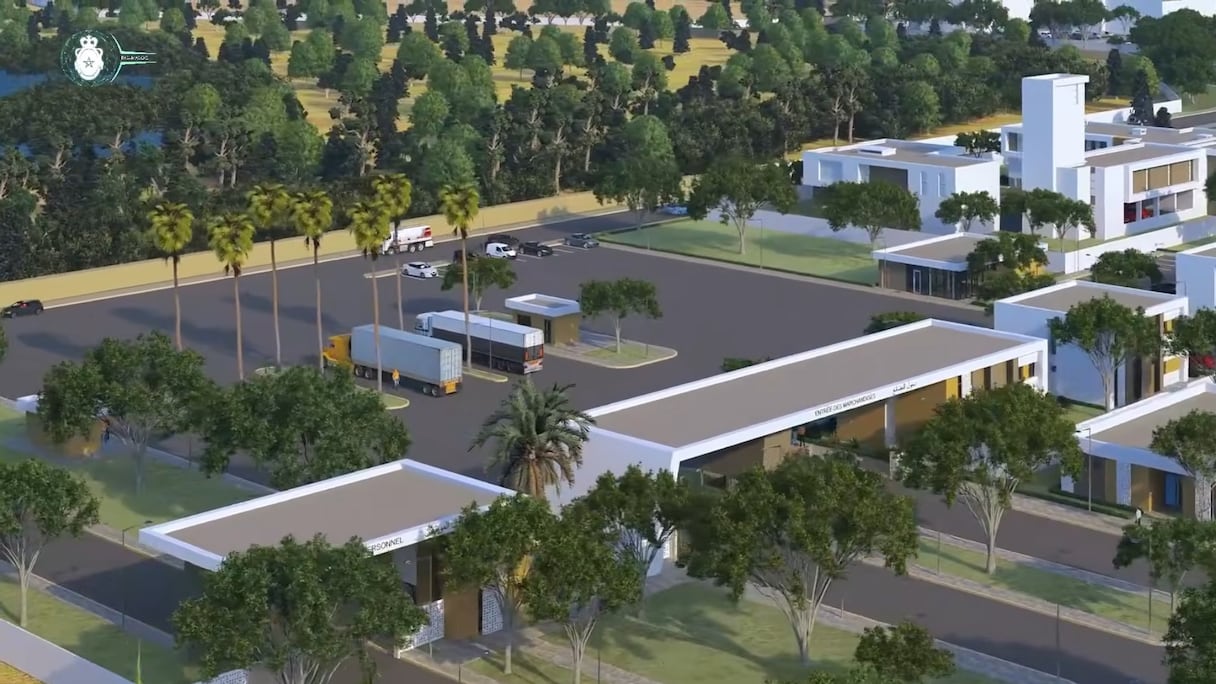
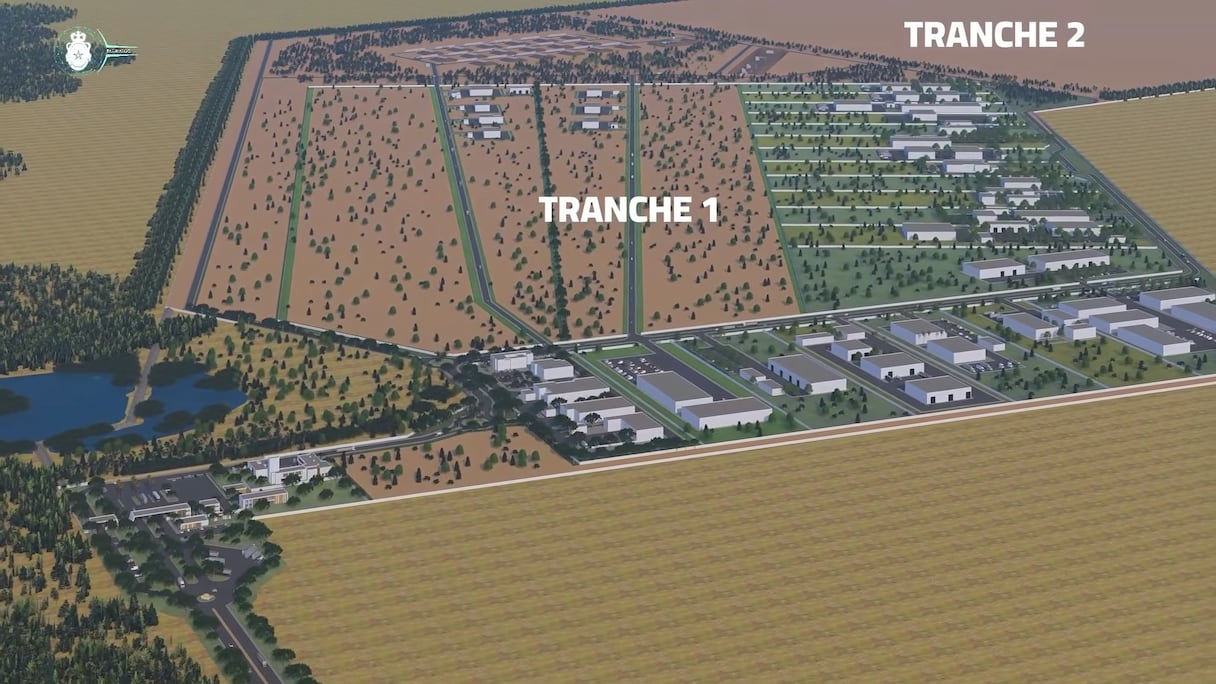
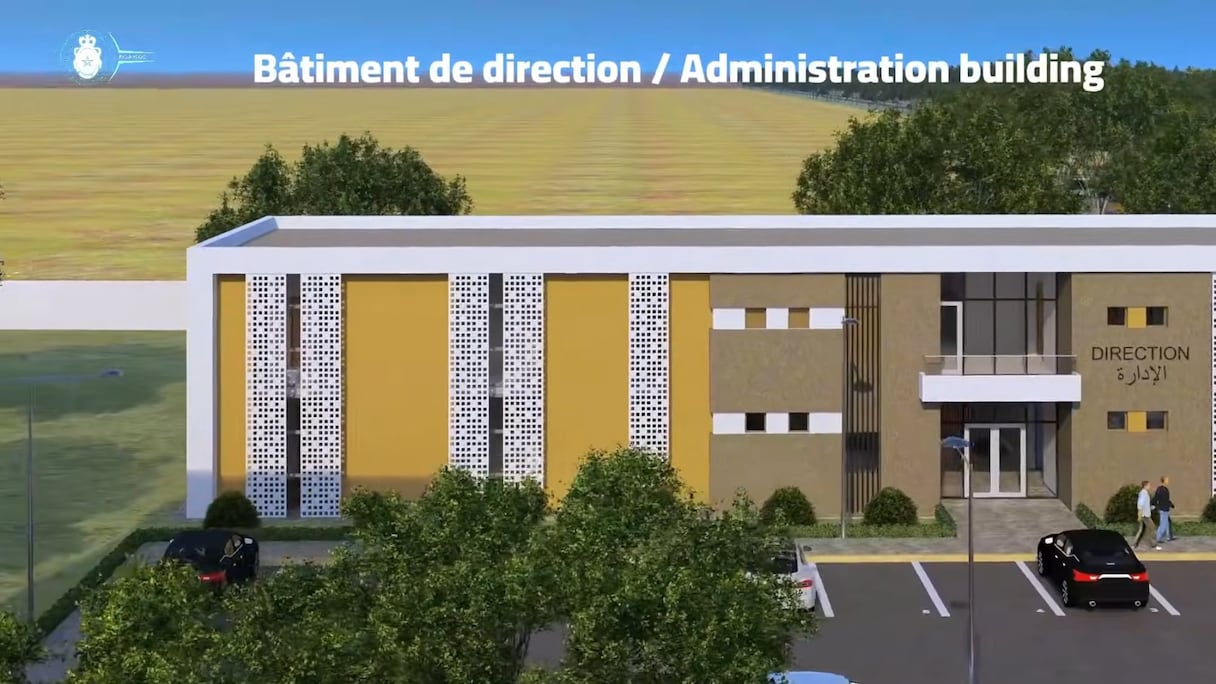
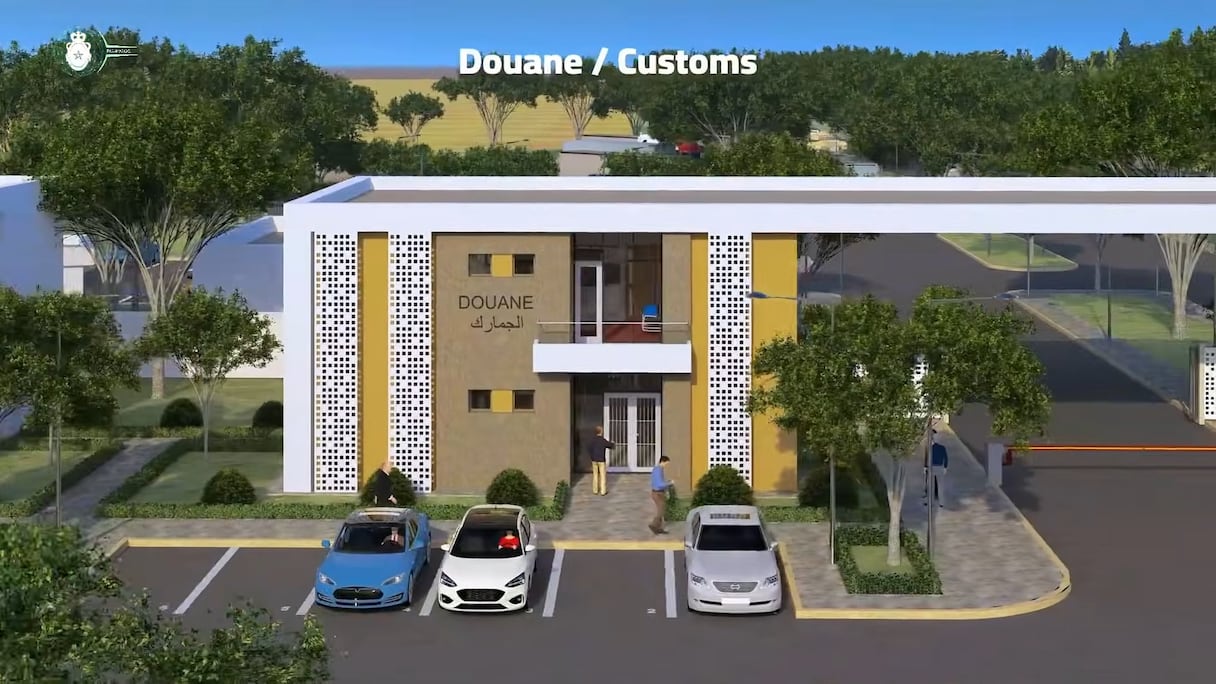
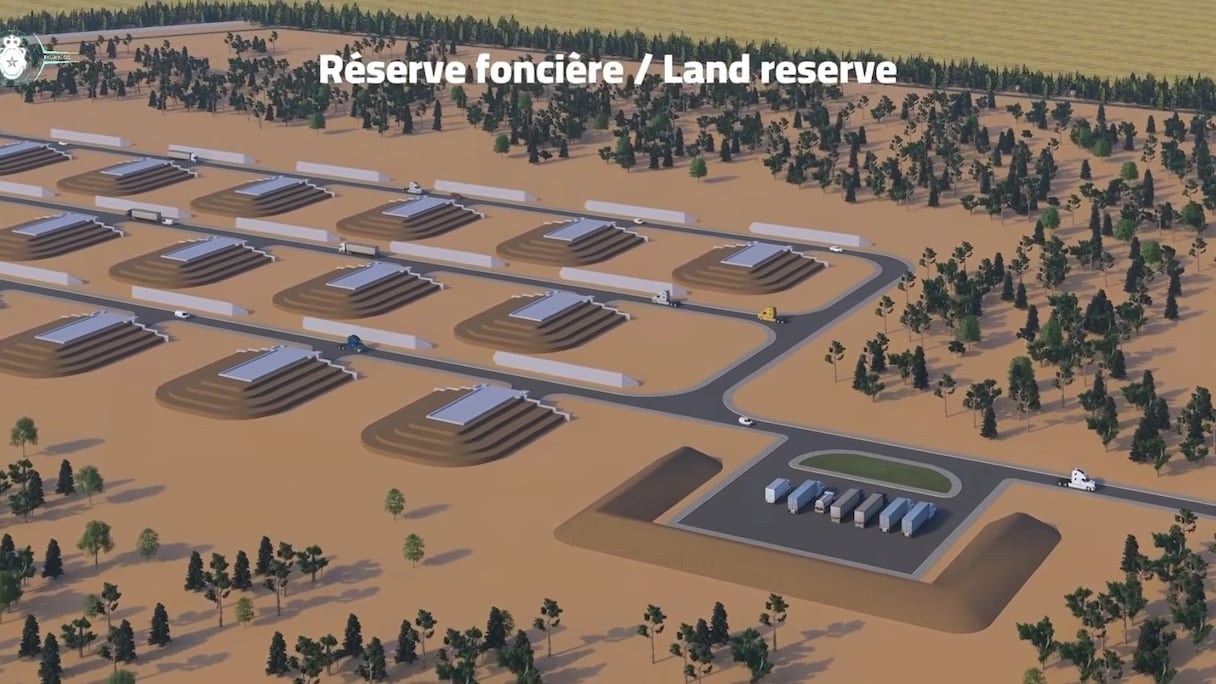
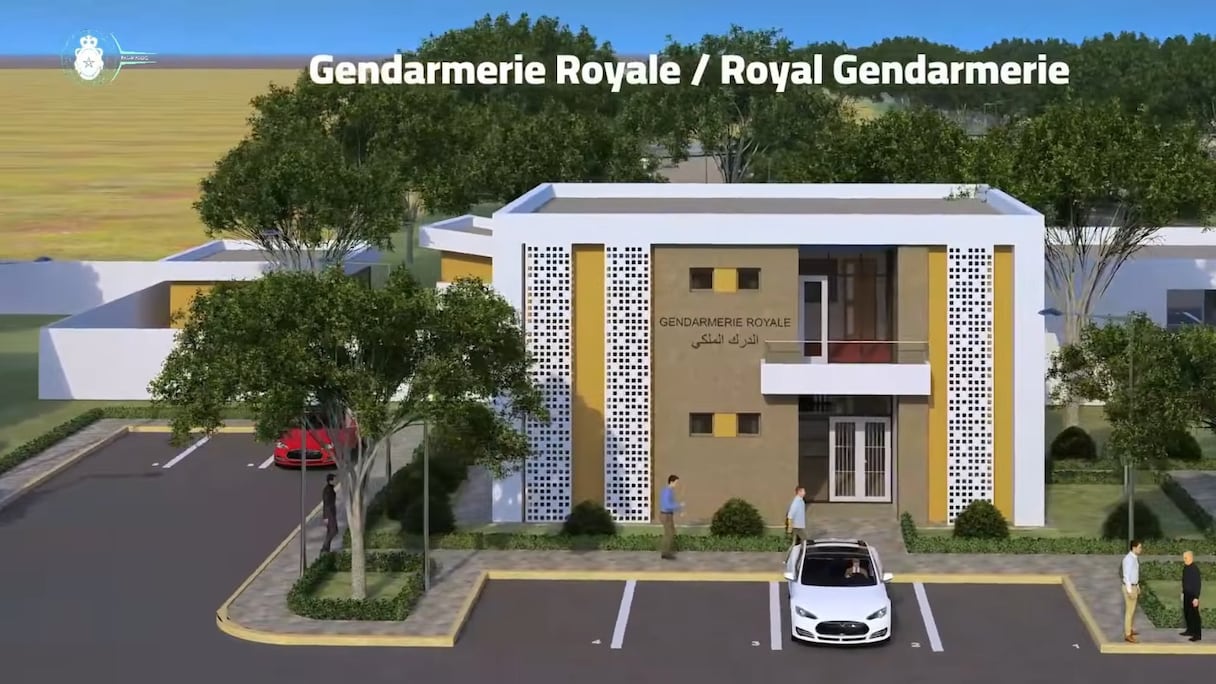
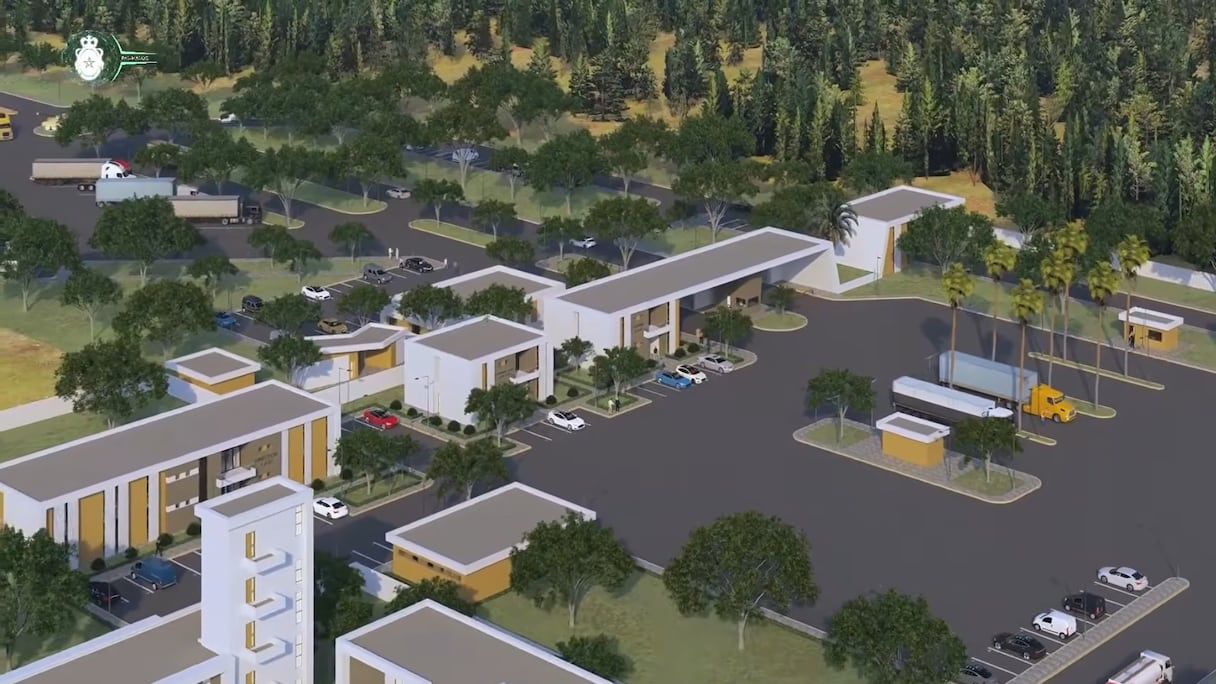
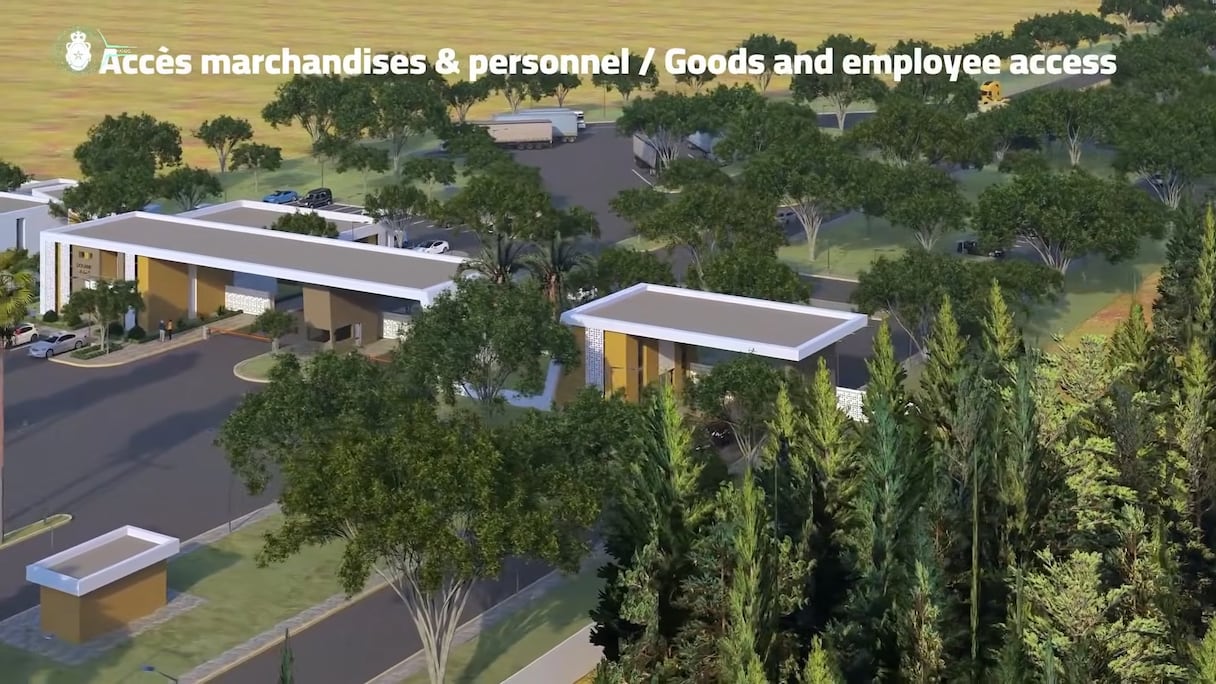
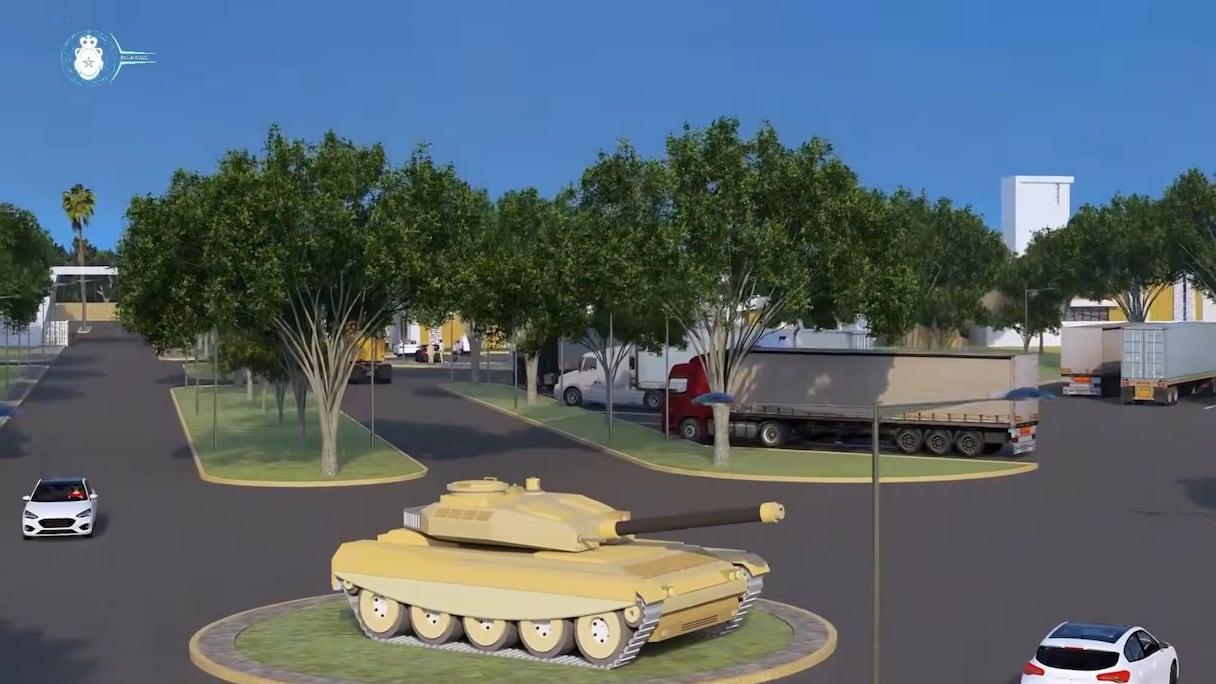
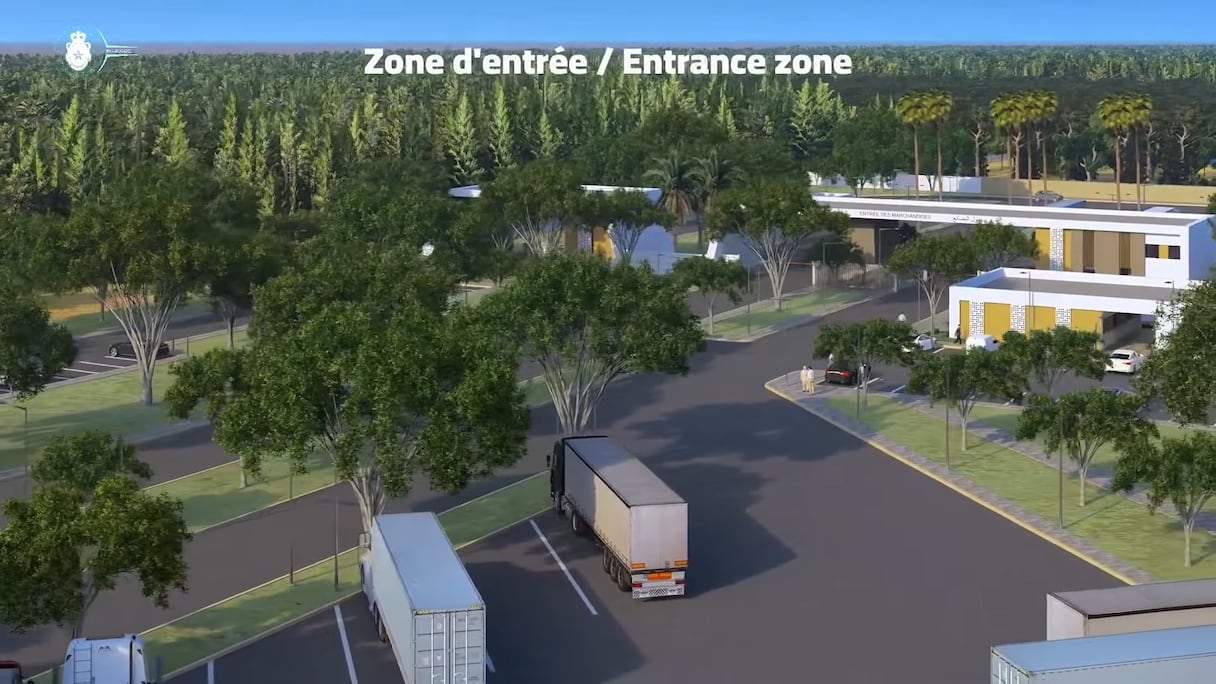
The investment proposition is now in place. At its heart is a one-stop shop: the future agency, effectively an AMDIE dedicated to defence and security manufacturing. Financing will cover the full spectrum, from innovative start-ups to large-scale manufacturing projects, complemented by investment grants under the Investment Charter’s strategic support scheme and access to secure industrial sites. Benguérir illustrates the approach particularly well. Its planned industrial zone will sit alongside the air base and UM6P’s research campus. Benslimane, with 350 hectares, will specialise in military aerospace and maintenance, close to the established aerospace cluster at Nouaceur.
At its core, Seddiki’s proposition is an industrial one. Morocco wants to develop the entire value chain, from design to maintenance and storage, ruling nothing out, whether it is a complete unmanned aircraft or a simple dual-use sensor, so long as there is a market and employment to be created. The 65% export target may look ambitious, but given the momentum of the global defence market, it is within reach.
The work will proceed on two fronts. AMDIE will continue to support companies already setting up operations in Morocco, among them Tata Advanced Systems, Baykar and Maintenance Aéro Maroc, while courting new investors alongside the joint venture between CDG and ALEM, the Military Equipment Agency, which manages the first industrial zones. At the same time, Seddiki will prepare the launch of DIFAA and draw up a detailed financing plan designed to minimise the burden on the state budget. For bankers and manufacturers alike, Morocco’s defense industry is offering a clear shot at a substantial opportunity. No pun intended.