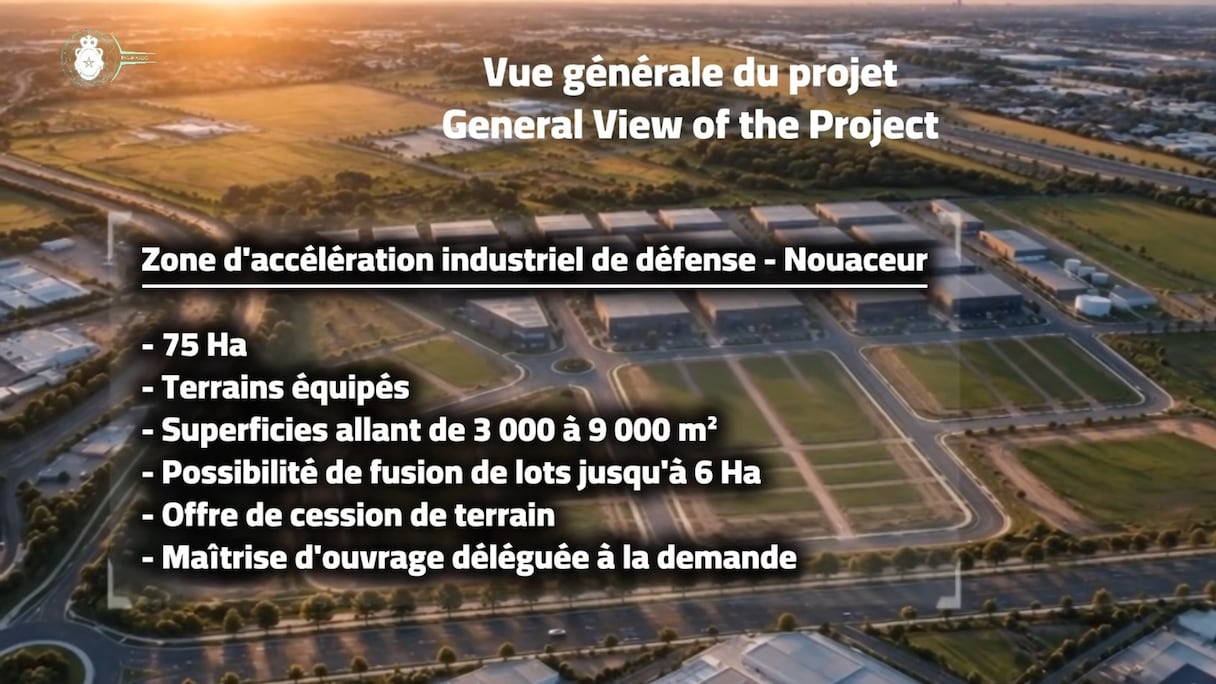
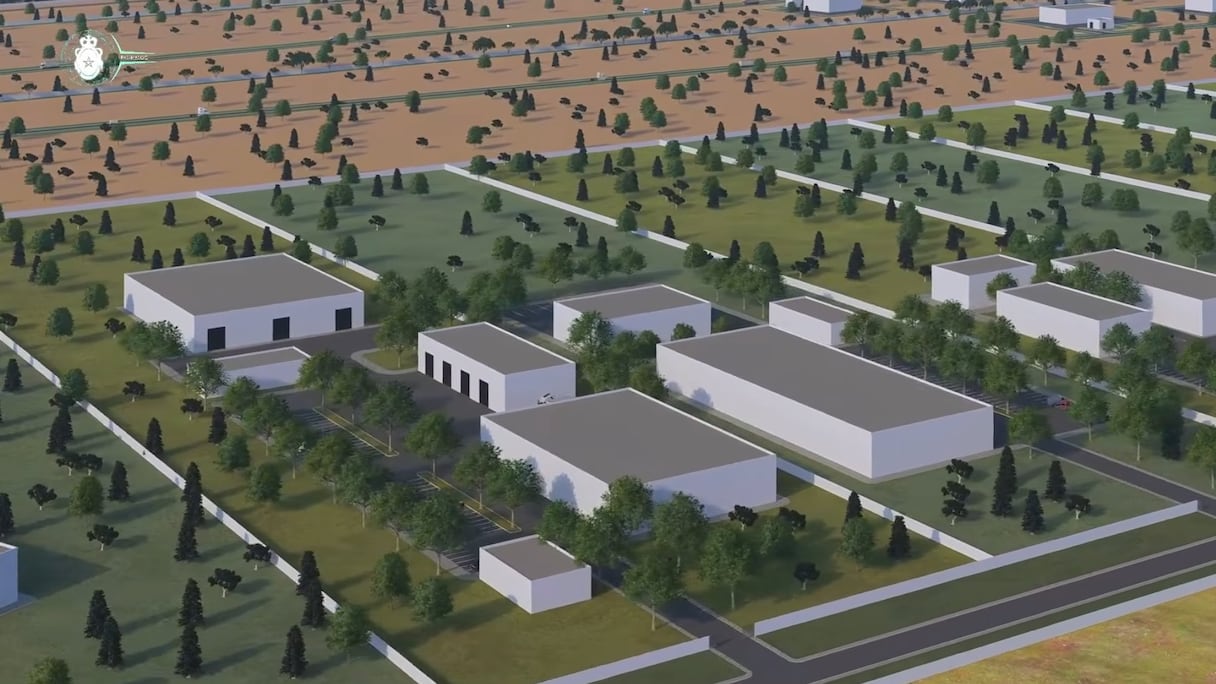
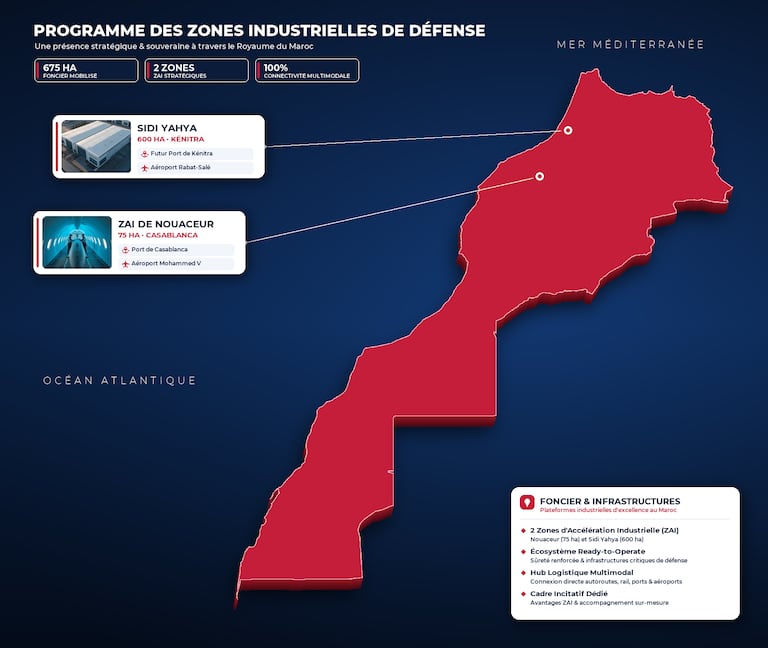
SGZID is developing two defense industrial zones, in Nouaceur and Sidi Yahya, with a combined 675 hectares of land earmarked for manufacturers in the sector. According to the Royal Armed Forces (FAR), the Nouaceur zone comprises 75 hectares of serviced land, divided into plots ranging from 3,000 to 9,000 square meters. These can be combined to create sites of up to six hectares. The Defense Industrial Zones Management Company (SGZID) offers land for sale, as well as delegated project management services on request.
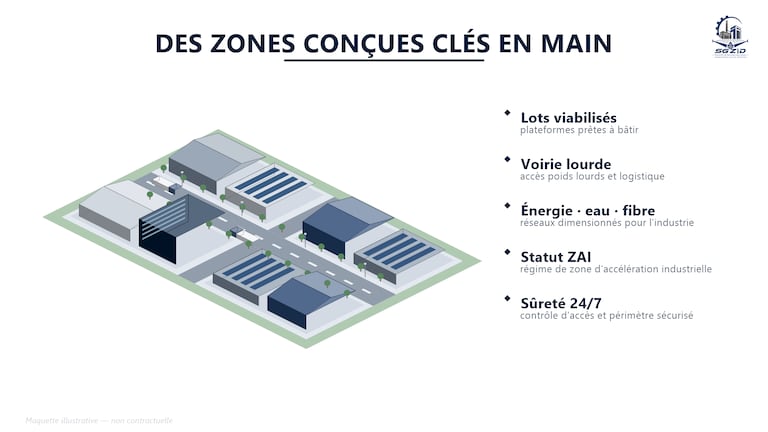
The FAR says the zones will help establish an integrated domestic defense industry. They are also intended to “support the transfer of technology and expertise, encourage innovation, develop national capabilities and strengthen the Kingdom’s independence in this strategic sector.”
The Nouaceur zone is designed to accommodate eligible defense companies, giving them a dedicated base from which to pursue their industrial ambitions and expand over the long term. It will support development, manufacturing, assembly and systems integration, with a focus on high-value-added projects that strengthen domestic capabilities.
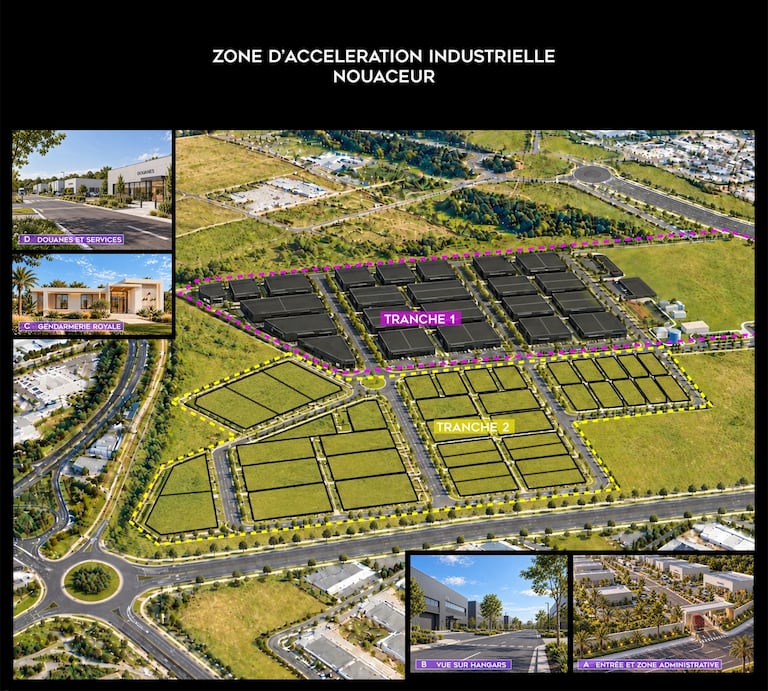
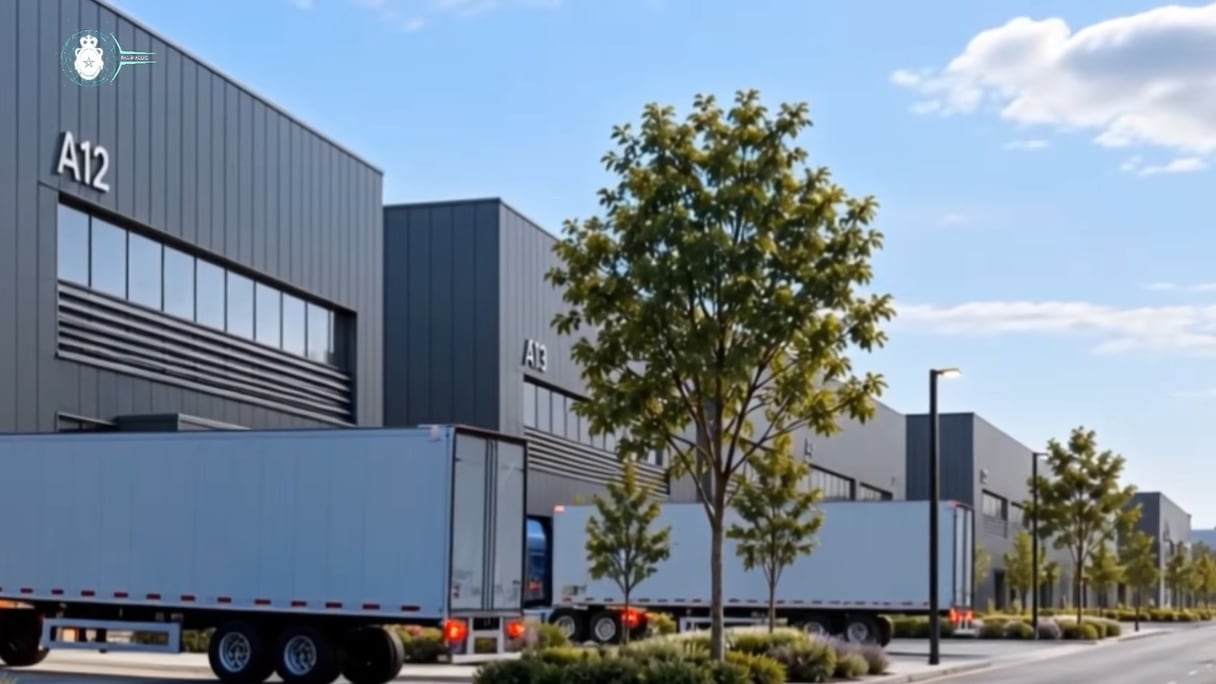
Plots and facilities are being laid out to meet manufacturers’ needs. The aim is to ensure efficient operations while leaving room for businesses to expand. Defense equipment, surveillance systems and precision technologies are all expected to feature at the site. The FAR envisages an industrial ecosystem built around innovation, technical expertise and closer cooperation between manufacturers.
Read also : Abdellatif Loudiyi: Morocco wants to ‘move from importing defense capabilities to building its own’
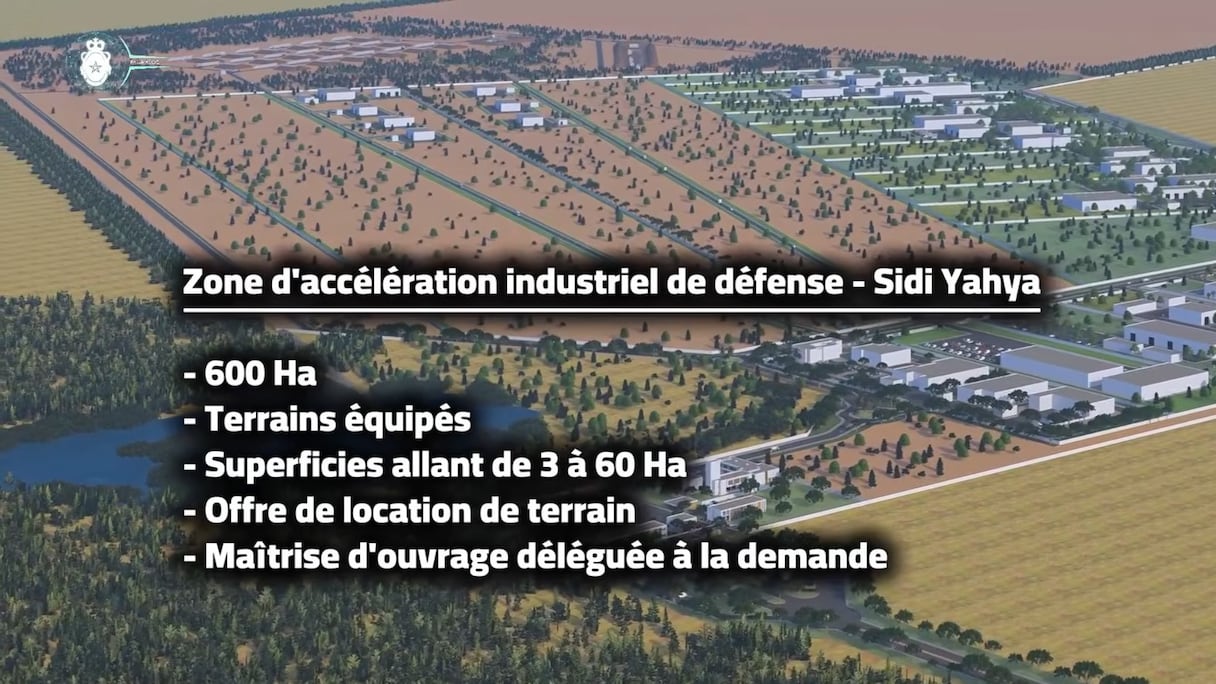
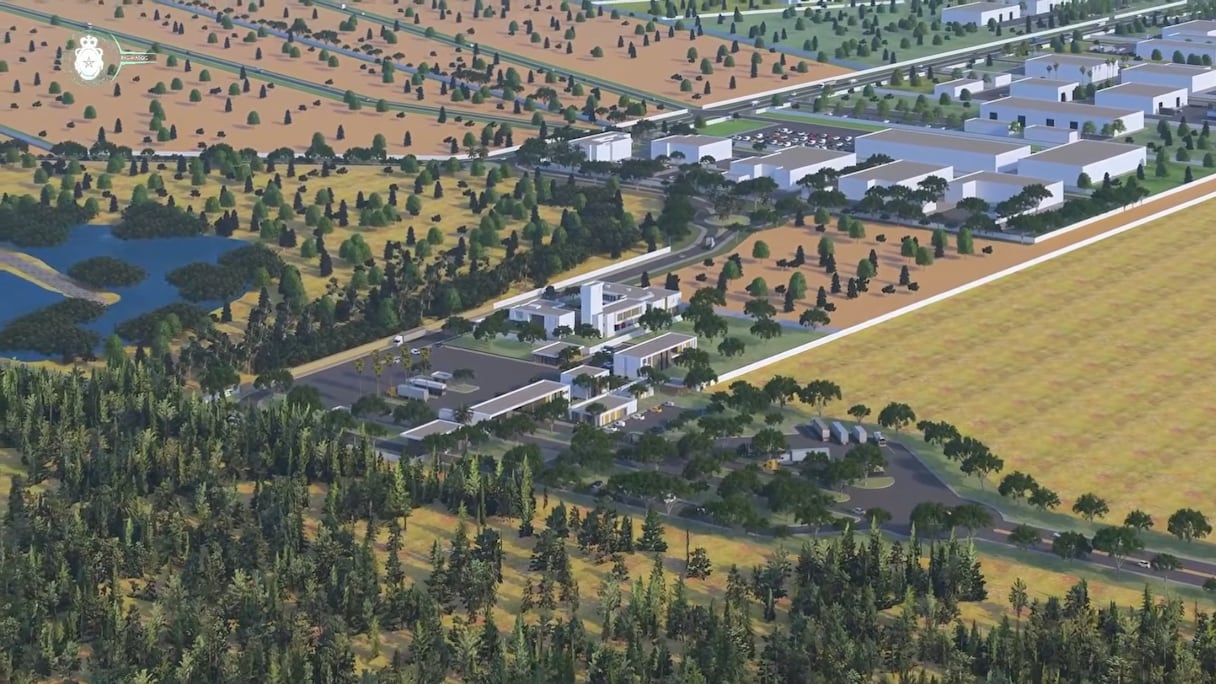
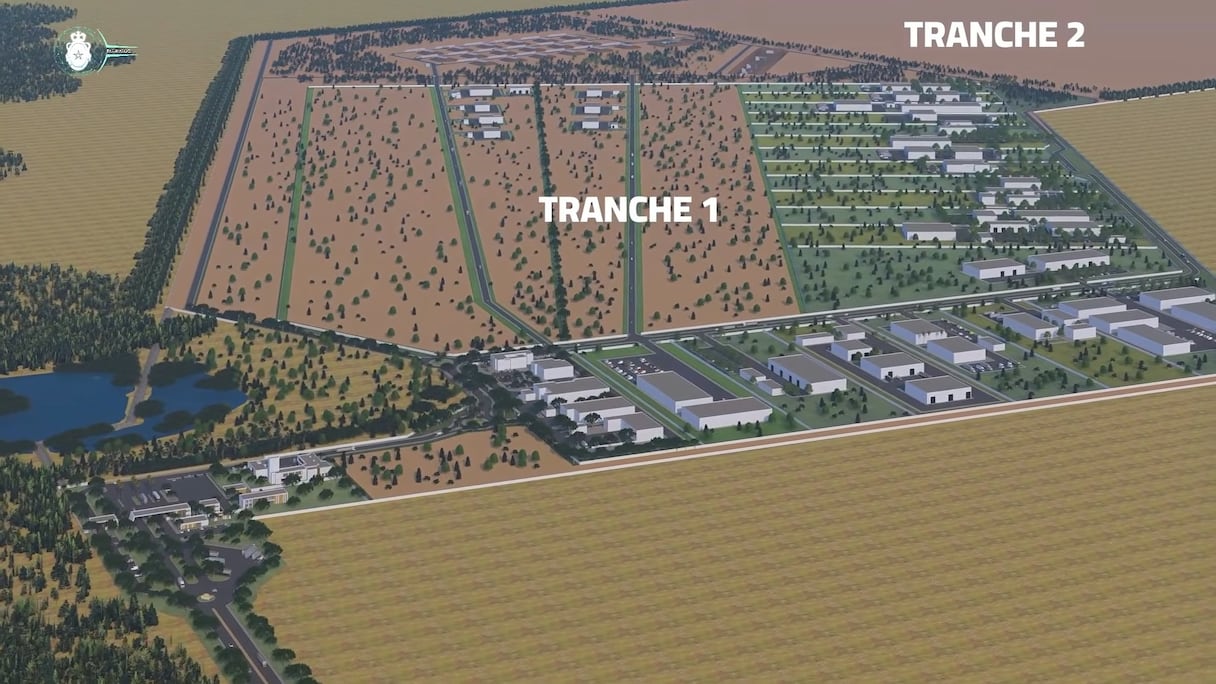
The second zone is at Sidi Yahya, near Kenitra, and remains under development. It is intended to accommodate strategic industries, with dedicated infrastructure in a secure, purpose-planned setting.
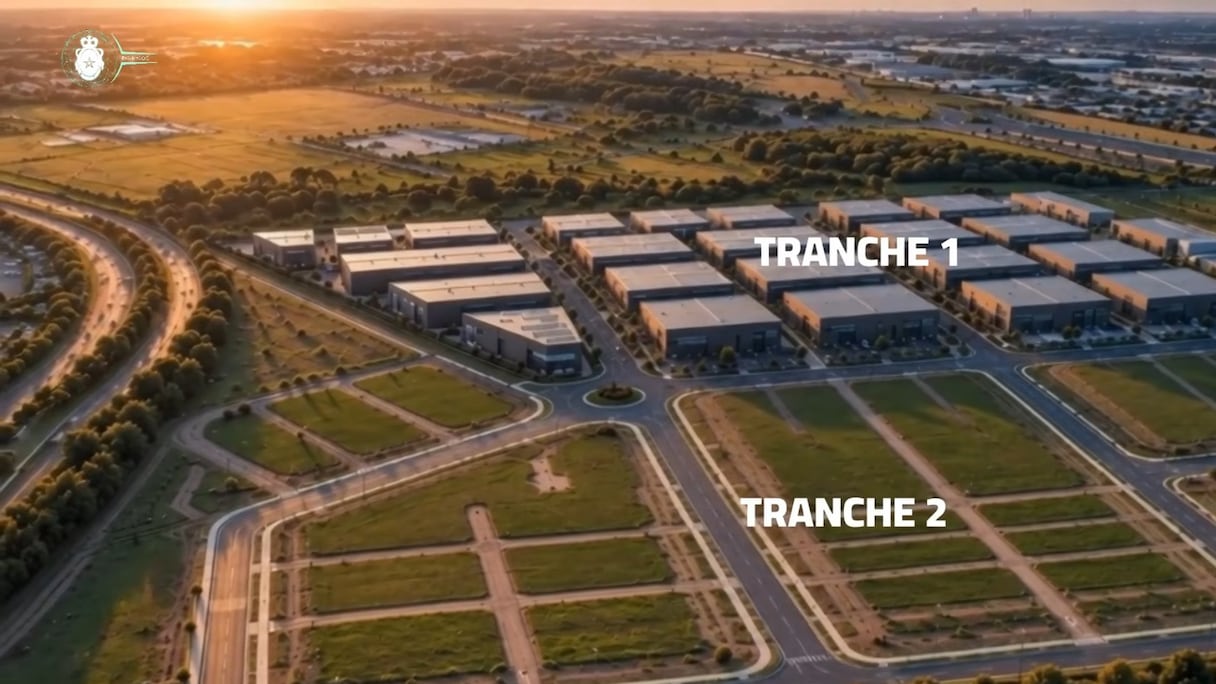
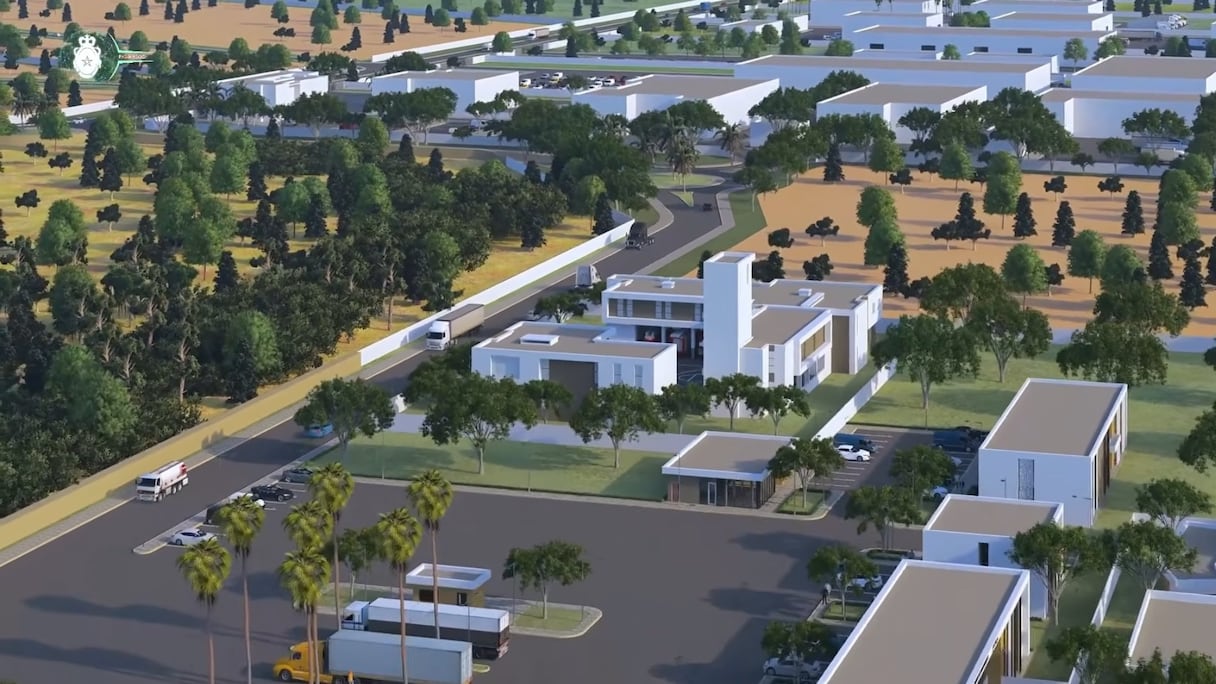
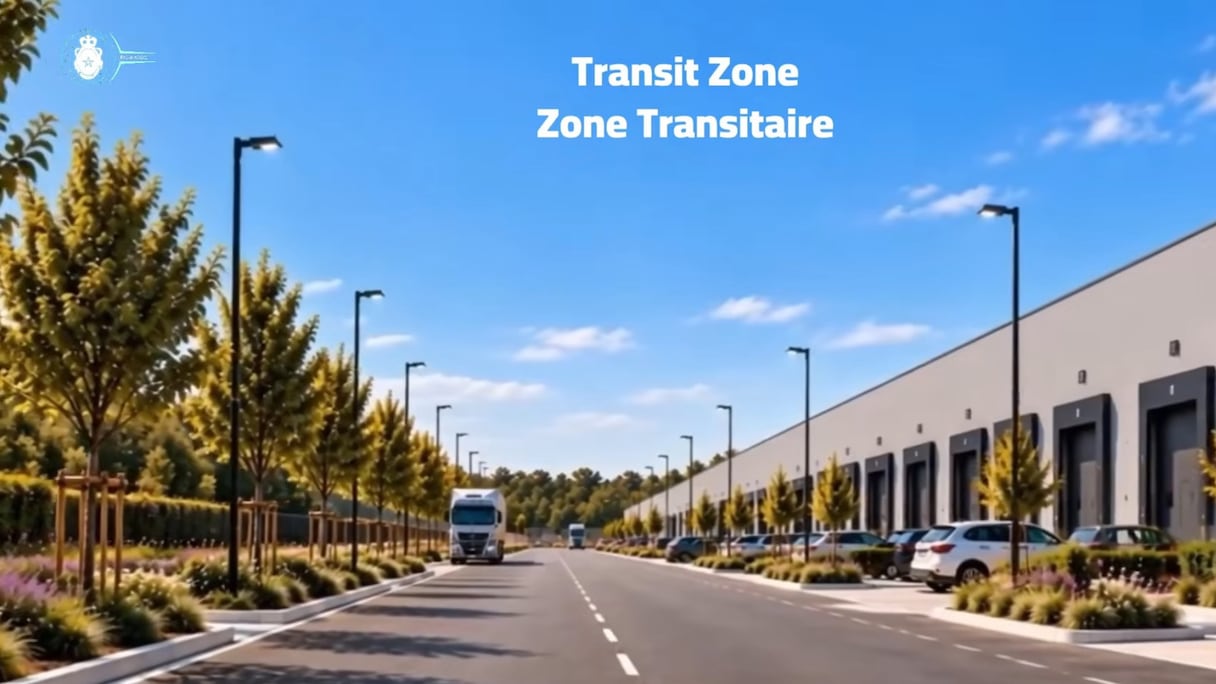
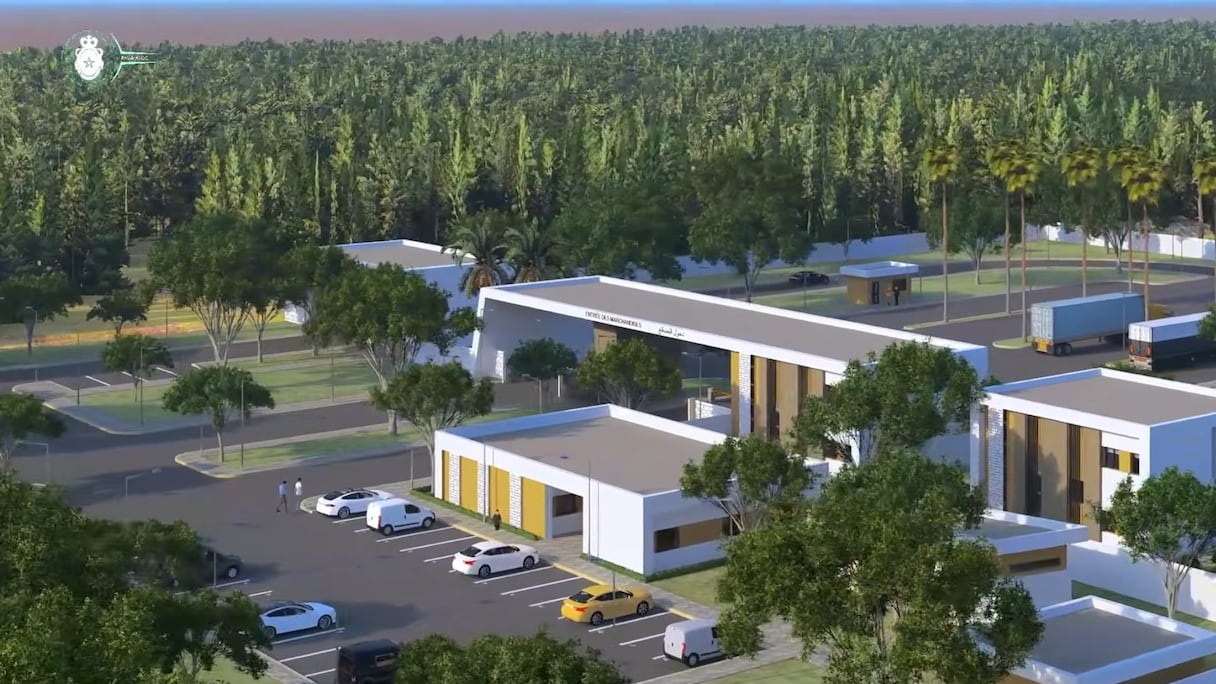
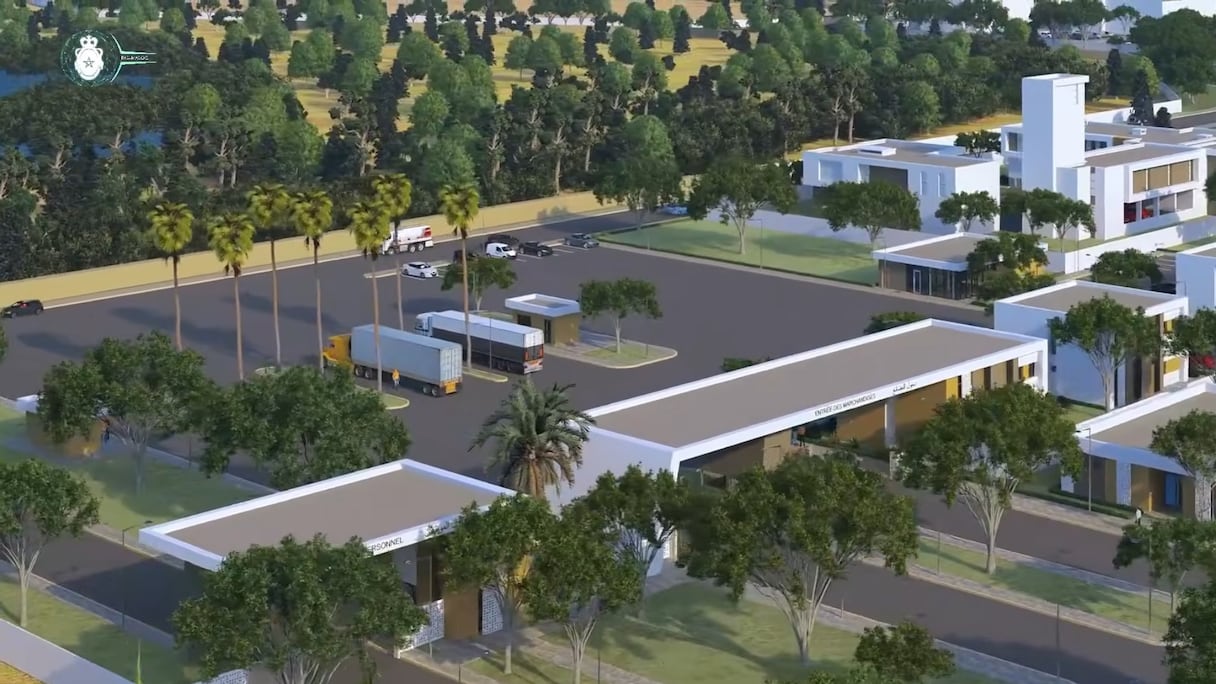
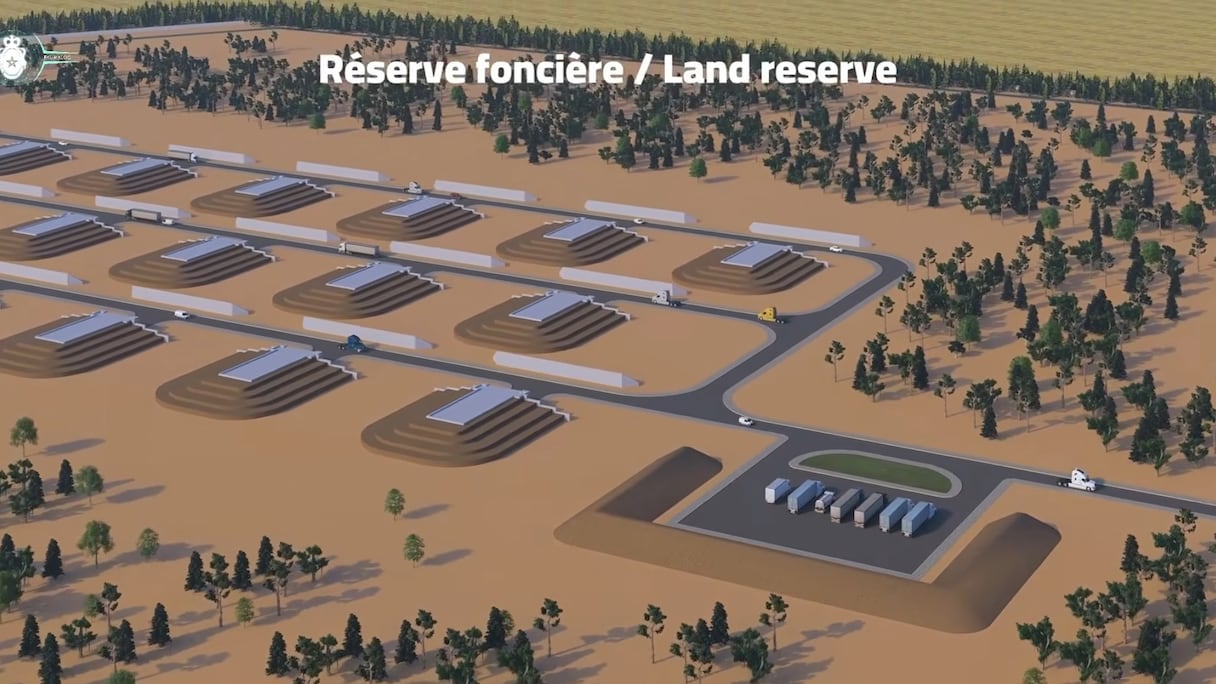
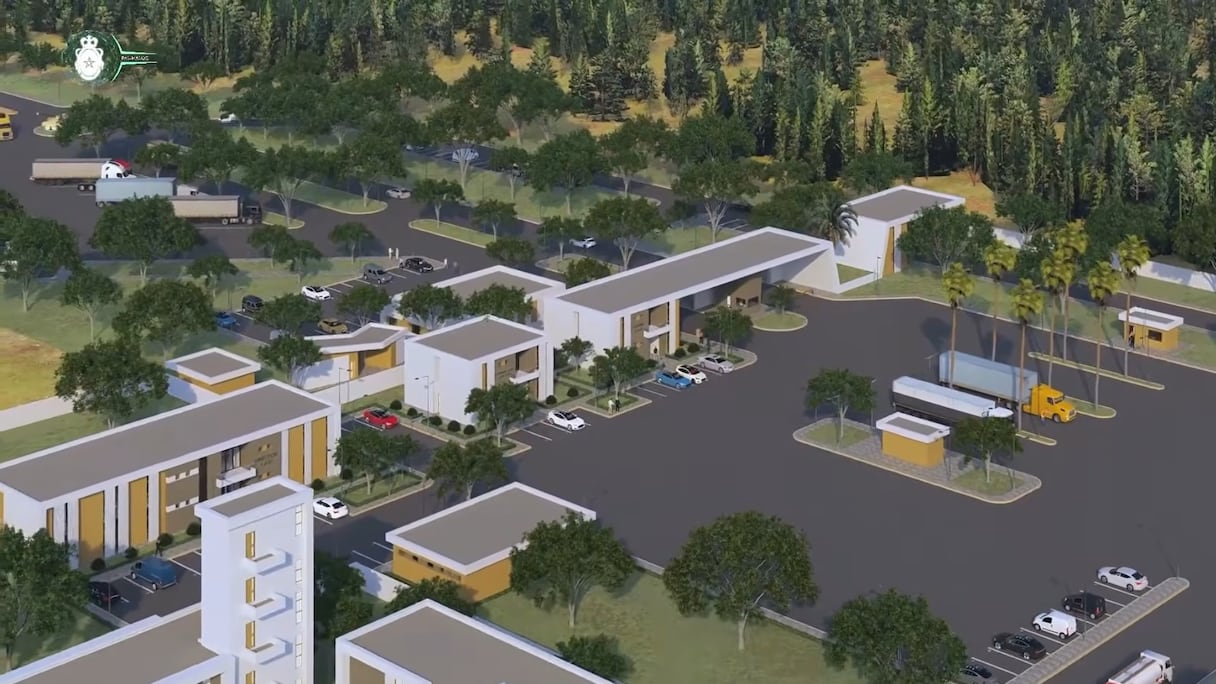
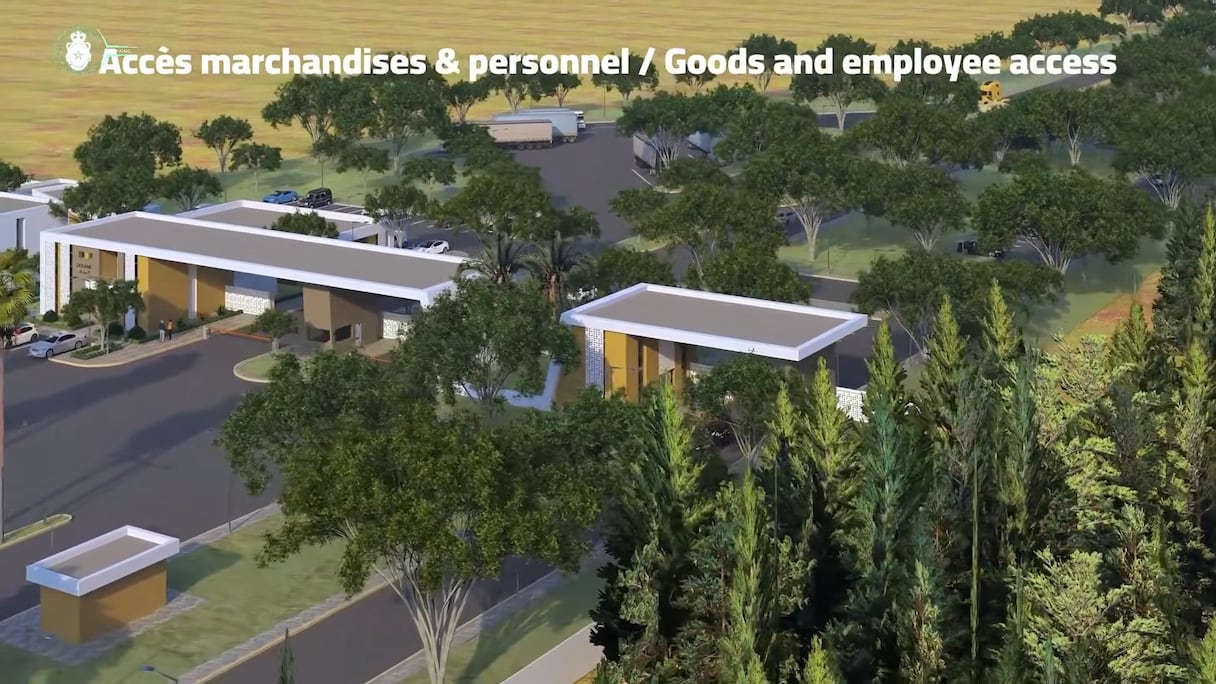
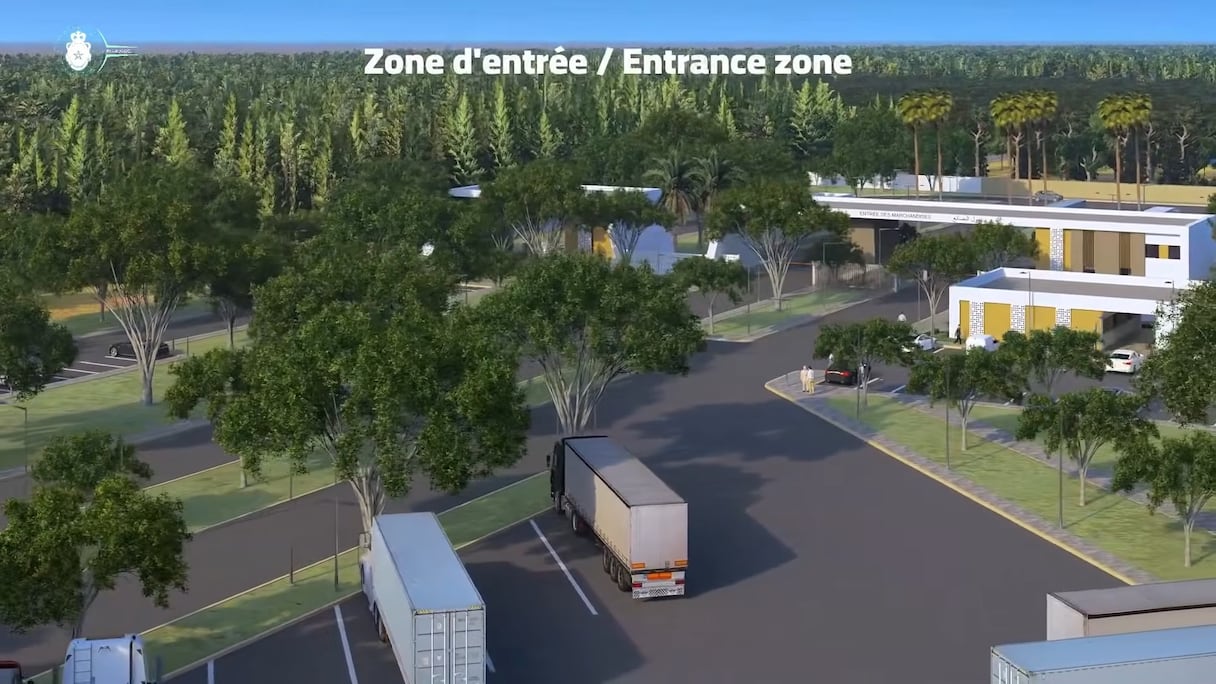
The site comprises 600 hectares of serviced land, with plots ranging from three to 60 hectares available to lease. Delegated project management is also available on request. Separate entrances are planned for freight, staff and pedestrians, keeping traffic flows organized and building access controls into the layout of the site.
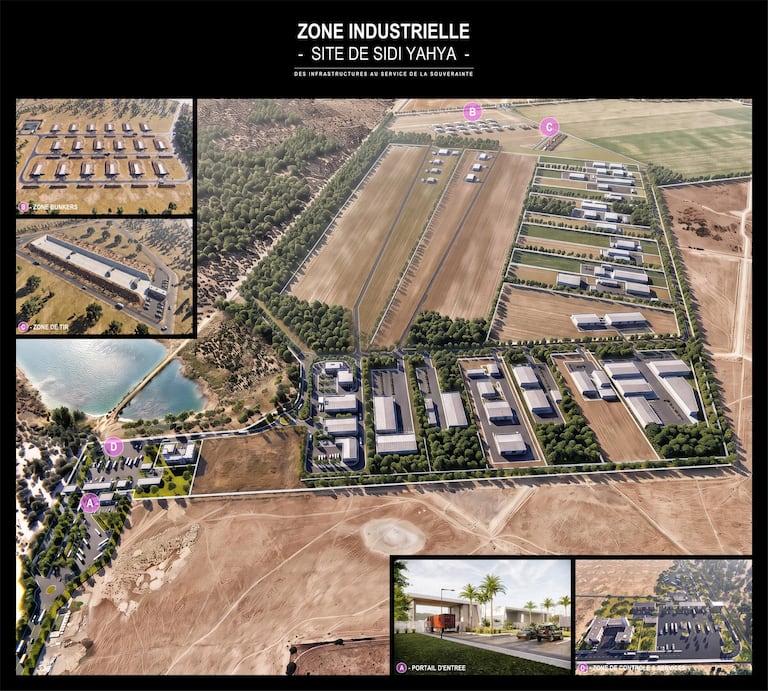
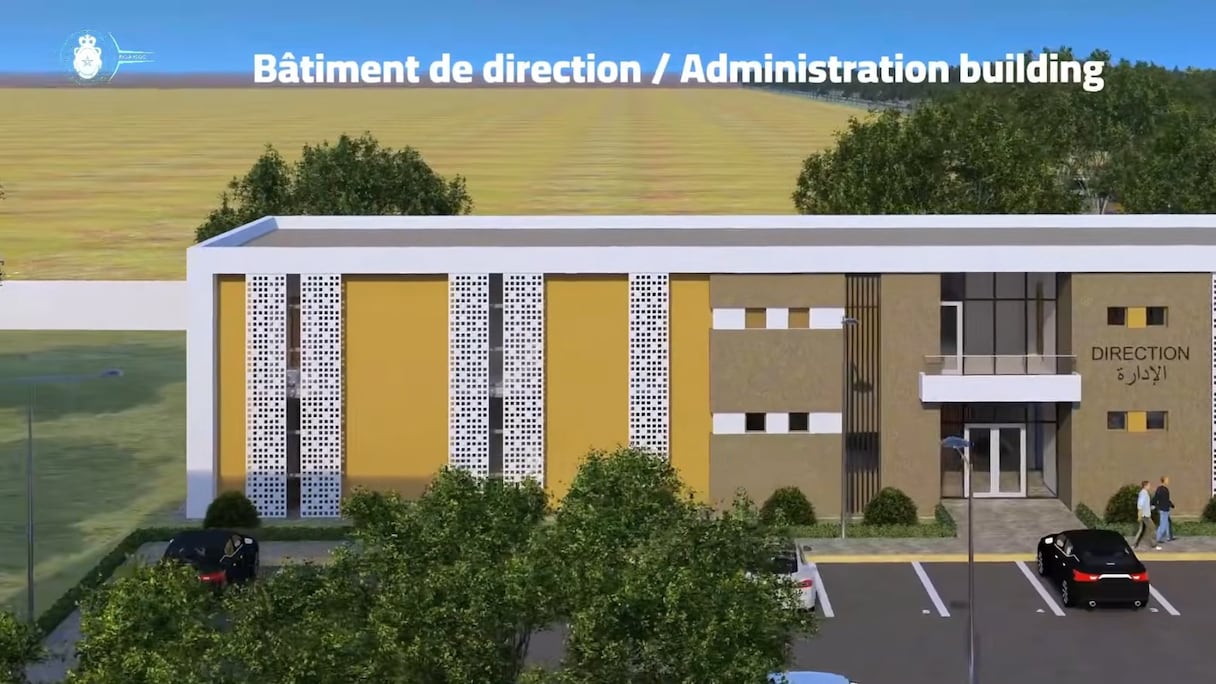
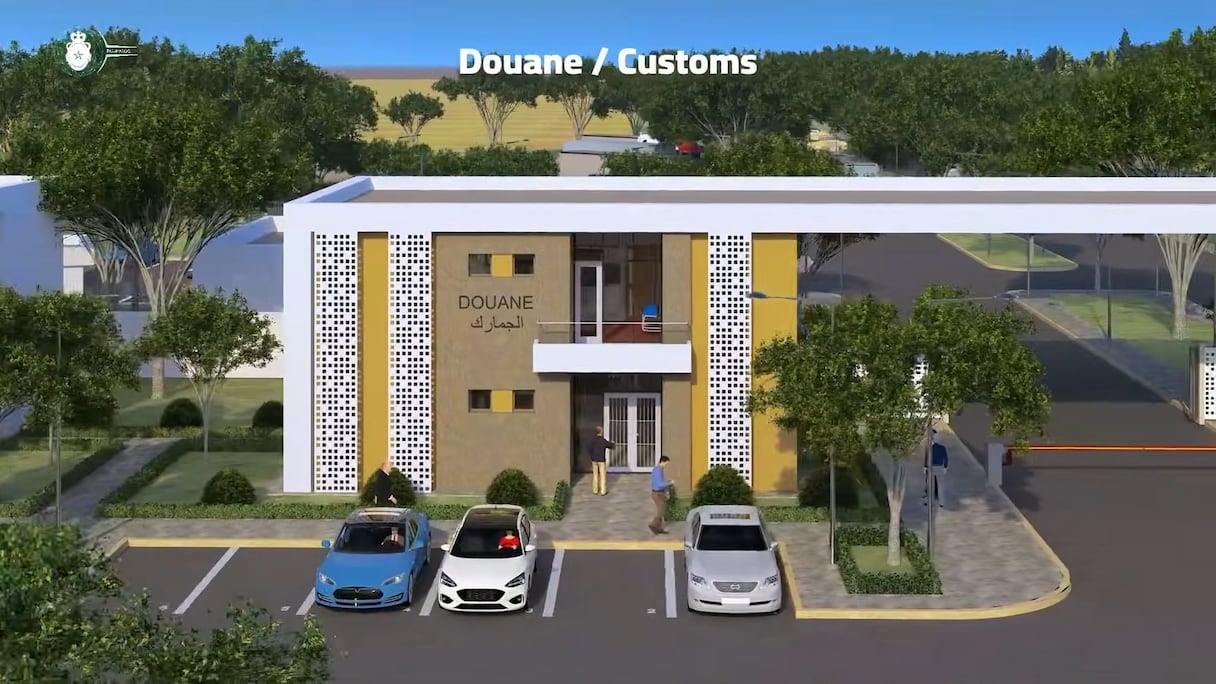
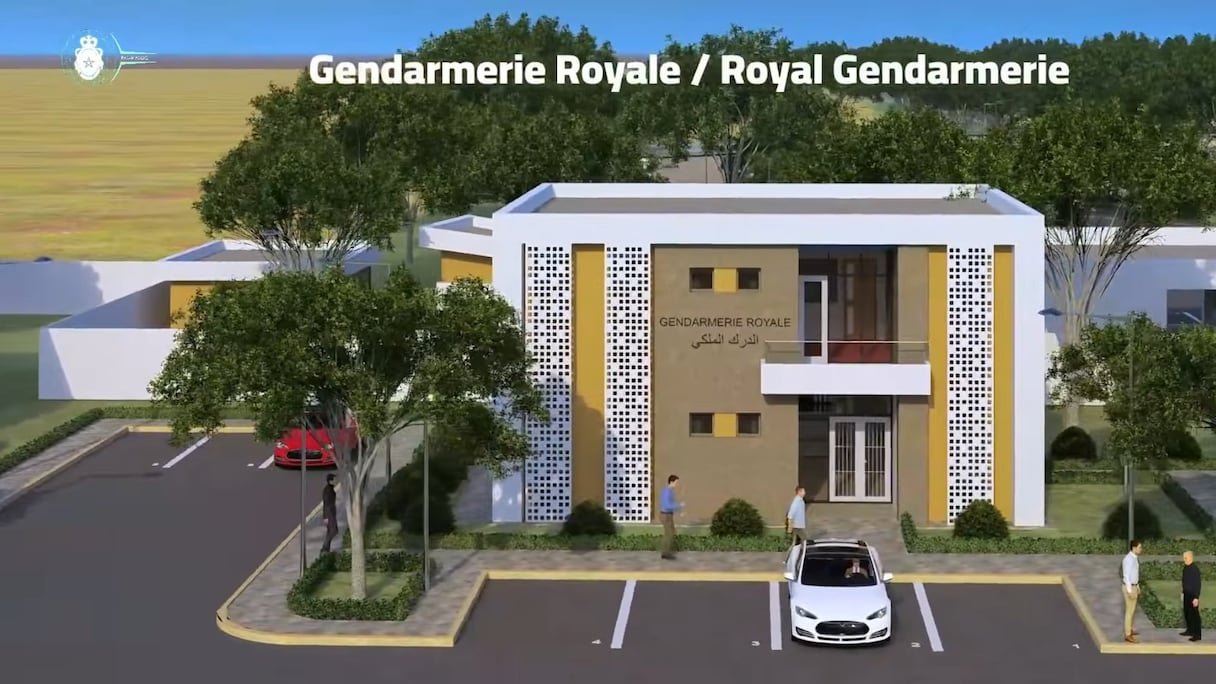
An administrative and operational hub at the entrance will bring essential services together. It will include an administration building and facilities for the Royal Gendarmerie and Customs. A civil protection facility will complete the arrangements, providing for emergency preparedness and response.
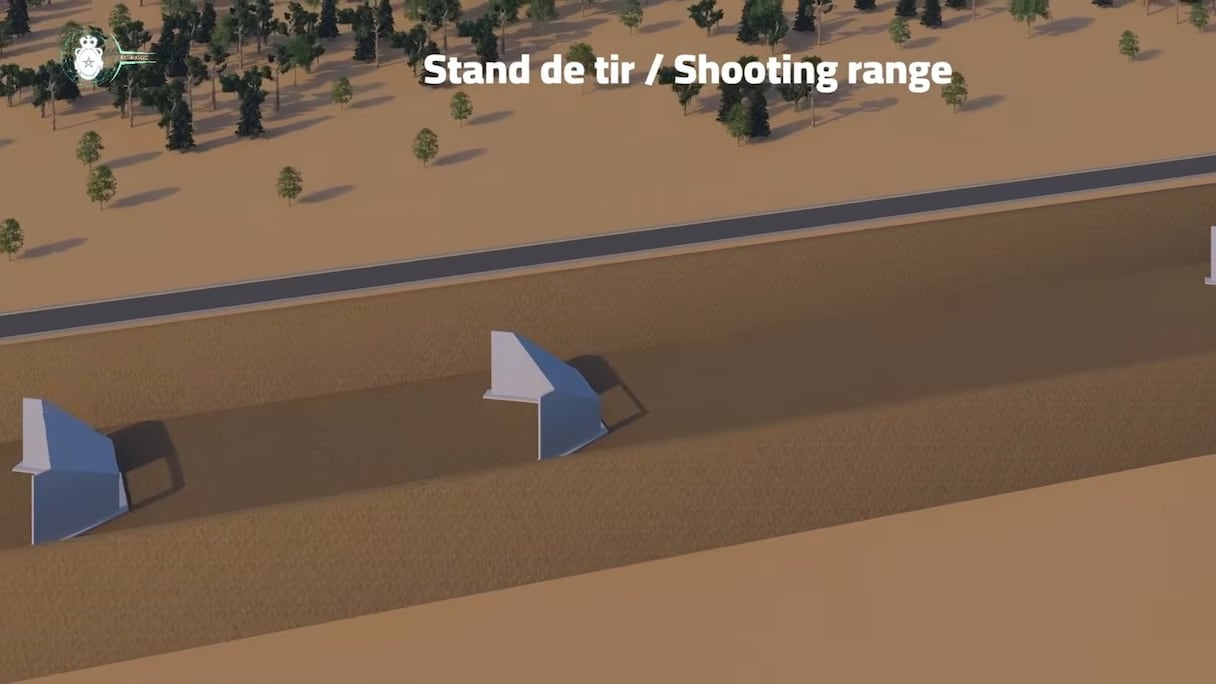
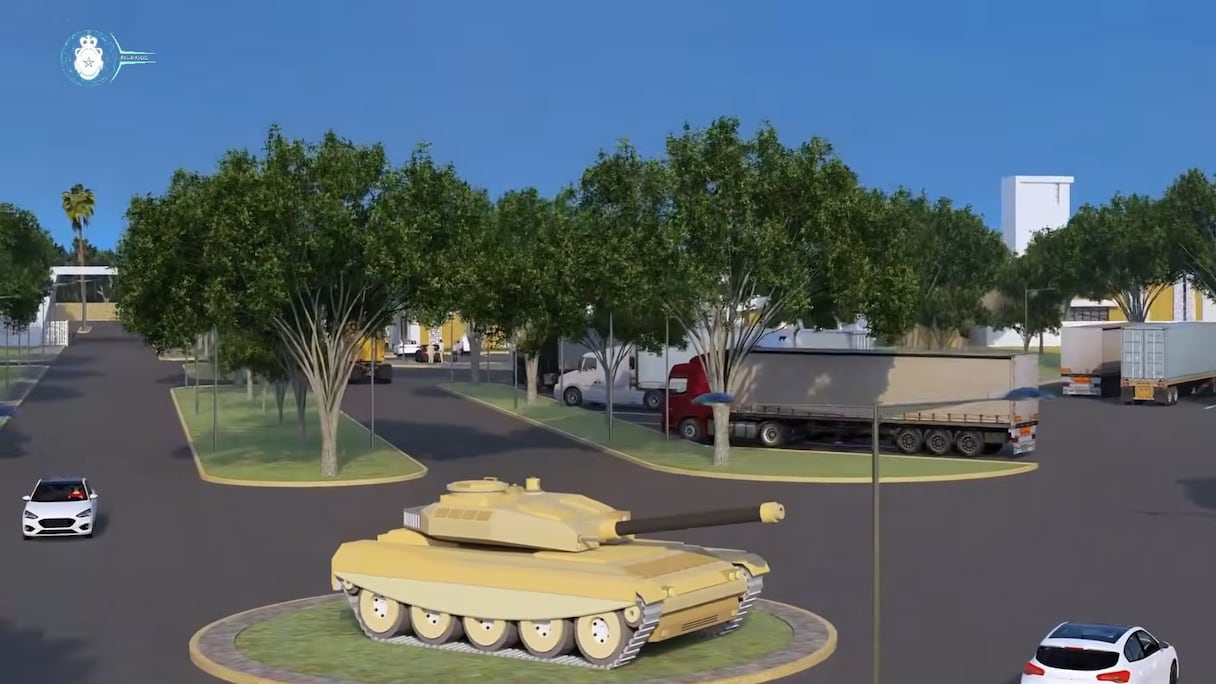
The industrial plots, meanwhile, will accommodate defense manufacturers and related businesses. Dedicated storage bunkers are being designed to meet national and international safety standards. Land is also being set aside for future expansion as industrial needs evolve.
SGZID: An equal partnership
SGZID is a 50-50 partnership between the Military Housing and Equipment Agency (ALEM) and MEDZ, a subsidiary of the CDG Group. It currently manages both zones and has already been entrusted with projects by more than ten clients.
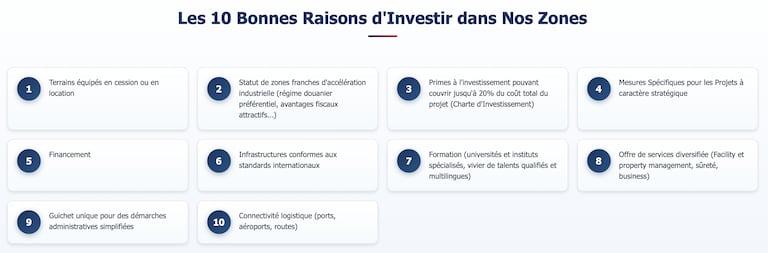
Its offering brings together serviced industrial land, comprehensive investor support, simpler administrative procedures and access to major logistics networks. The company aims to bring Moroccan manufacturers together with international partners. It places particular emphasis on technology transfer, skilled employment and stronger local value chains, which it sees as the foundations of a competitive, self-reliant defense industry.
Brigadier General Slimane Tehmouni, chairman of SGZID’s board of directors, said, “Developing a national defense industrial and technological base is a strategic priority. Through SGZID, we are creating the conditions to strengthen the Kingdom’s industrial capabilities over the long term and foster high-value-added partnerships.”
SGZID director general Fayçal Bennouna Louridi set out the role the company hopes to play. “Our ambition is to make SGZID a partner of choice for defence manufacturers, offering them a dedicated, efficient industrial environment and close support to get their projects off the ground and expand their operations in Morocco,” he said.
Read also : Marrakech Air Show 2026: SGZID steps up development of Morocco’s defense industry
Established in July 2025, SGZID chose Marrakech Air Show 2026 for its first public presentation. According to a statement from the FAR General Staff, its appearance comes at a pivotal moment: the rollout of industrial acceleration zones dedicated to defense is entering its operational phase.
Under the directives of King Mohammed VI, Supreme Commander and Chief of the General Staff of the FAR, Morocco has embarked on building a domestic defense industry. Law No. 10-20, governing defense and security equipment, weapons and ammunition, opened the sector to industrial investment from both Moroccan and foreign companies.
Defense equipment, components and services
SGZID’s zones are intended to bring the production of defense equipment, components and services to Morocco. They are also expected to secure critical supply chains and help develop domestic technological expertise. The aim is to strengthen the Kingdom’s strategic autonomy while making the defense industry a source of economic growth, skilled jobs and exports.
SGZID is responsible for developing, preparing, marketing and managing the zones. They offer manufacturers a setting designed around the particular demands of the defense sector, with serviced land, enhanced security standards, integrated services and support at every stage. The company helps investors establish operations, encourages industrial and technological partnerships and contributes to developing skills across the domestic defense industry.
Around ten memoranda of understanding
According to the FAR General Staff statement, SGZID held talks ahead of the air show with a diverse group of Moroccan and international manufacturers representing a range of defense specializations and technologies.
Those discussions paved the way for the planned signing of around ten memoranda of understanding covering projects at various stages of development. They span several parts of the defense industry value chain: ammunition and weapons systems; drones and autonomous systems; aerospace; maintenance, repair and overhaul (MRO); defense electronics; communications and embedded systems; and materials and components.
