According to the tender specifications, the design of the Fes Sports Complex must adhere to FIFA’s rigorous sustainability standards. The goal is to develop infrastructure that meets the demands of major sporting events while promoting environmental protection and enhancing the quality of life for local communities.
The stadium project includes general sustainability criteria that must be followed when designing, constructing, and operating venues that will host international events. These criteria are intended to minimize the environmental impact of sports infrastructure while maximizing its social and economic benefits for local communities.
The project also includes ambitious environmental requirements; the Fes Sports Complex is expected to pursue “High Environmental Quality (HQE) Sustainable Infrastructure” certification.
This environmental approach is incorporated into the contract and covers the project’s different stages. It is based on eco-design, biodiversity protection, sustainable resource management, and improved infrastructure comfort and usability.
Companies involved in the project will be subject to means and performance requirements regarding environmental standards. Notably, they will have to appoint someone trained in environmental certifications and provide the necessary human and technical resources to monitor environmental requirements and successfully complete the certification process.
The construction site must comply with a low-impact charter, which includes an erosion and sedimentation management plan, a construction waste management strategy, and an air quality management plan.
The energy component calls for reducing energy consumption by at least 30% compared to a standard design by using LED lighting, efficient HVAC systems, and improved thermal insulation. The project also requires that 5-10% of energy come from renewable sources and calls for the installation of a centralized building management system to monitor and optimize consumption.
The objective in terms of water is to reduce consumption by at least 40%, primarily through the use of water-efficient equipment and by collecting and reusing rainwater and greywater for irrigation and other non-potable uses. Specific measures are planned to strengthen the resilience of the rainwater drainage system in response to climate change.
Regarding carbon emissions, the project prioritizes low-carbon materials, such as low-carbon concrete, recycled reinforcement steel, and bio-based materials. The project also prioritizes local sourcing to limit transport-related emissions. A life-cycle assessment will be conducted to quantify and reduce embodied carbon in materials and construction processes.
The project also prioritizes biodiversity protection and the integration of the complex into its urban surroundings, including limiting soil sealing and making use of the site’s natural characteristics.
The plans also include improving accessibility through public transportation, pedestrian routes, and cycling paths.
Waste management will follow a circular economy approach by sorting, reusing, and recovering materials. Companies will be required to track waste produced, repurposed, reused, recycled, or recovered.
The project includes requirements for thermal and acoustic comfort, indoor air quality, and space quality for spectators, players, and staff. It will also consider resilience to natural and climate-related risks, including structural requirements for extreme winds and compliance with Moroccan earthquake-resistance standards.
The upgrade of the Fes Sports Complex aims to modernize infrastructure, improve environmental performance and resource efficiency, and enhance facilities in preparation for major international sporting events, particularly the 2030 World Cup, which Morocco will co-host with Spain and Portugal.
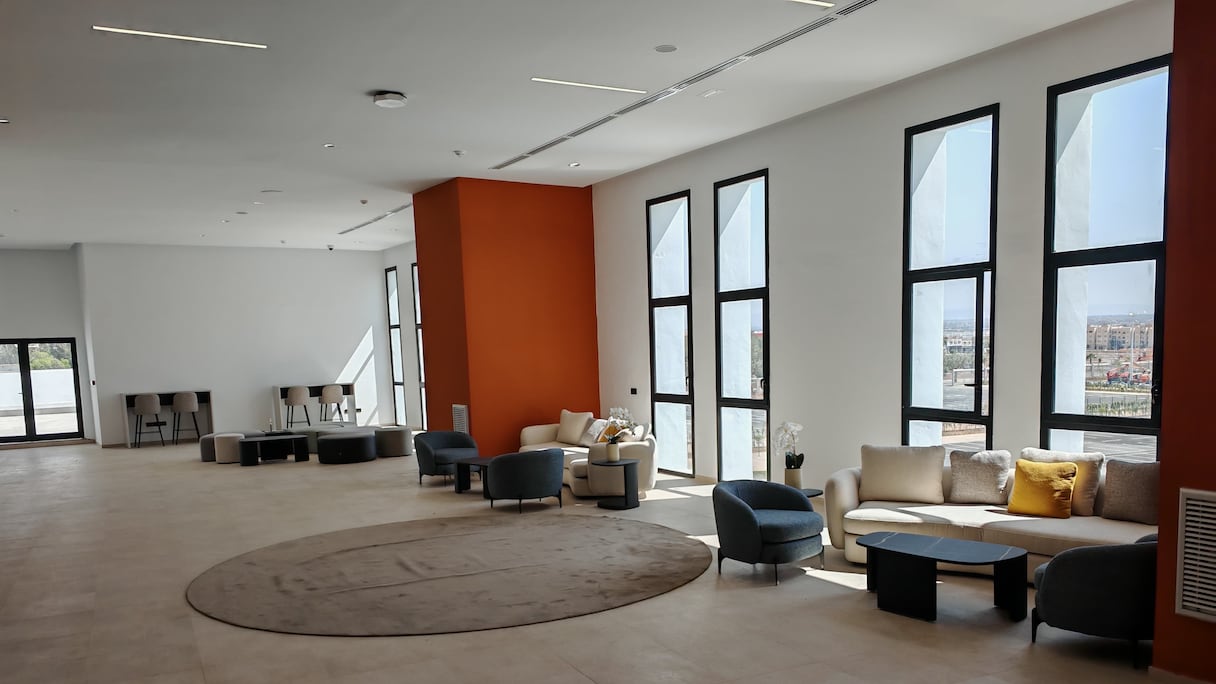
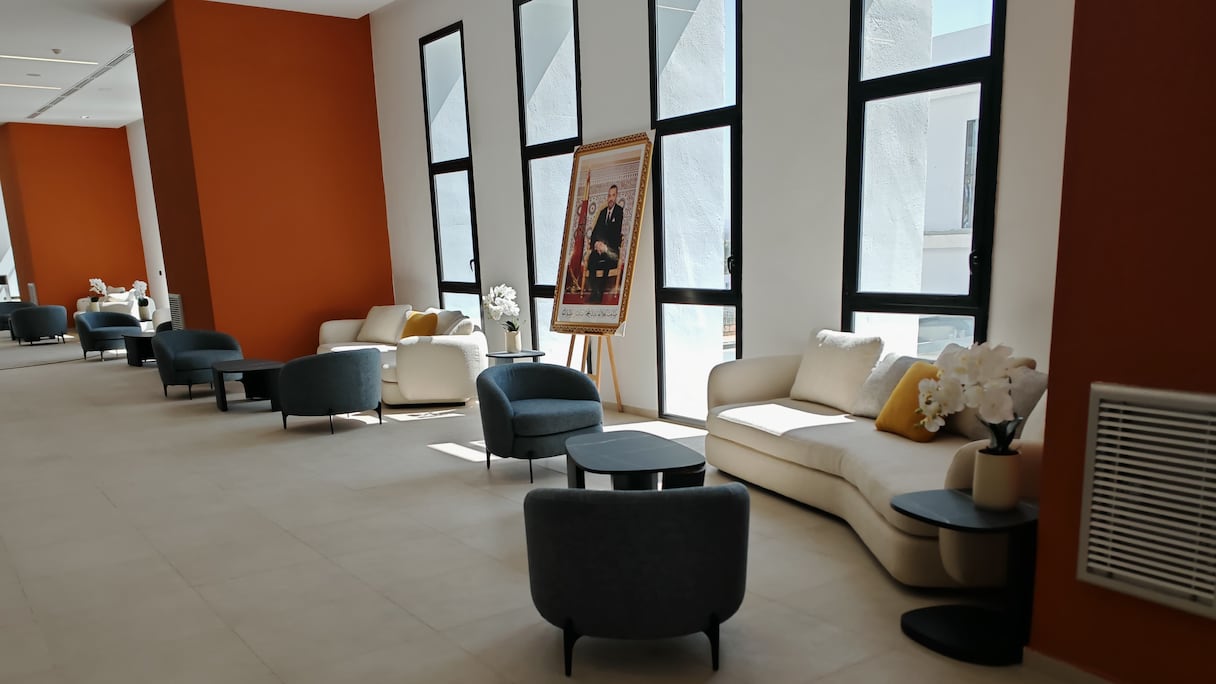
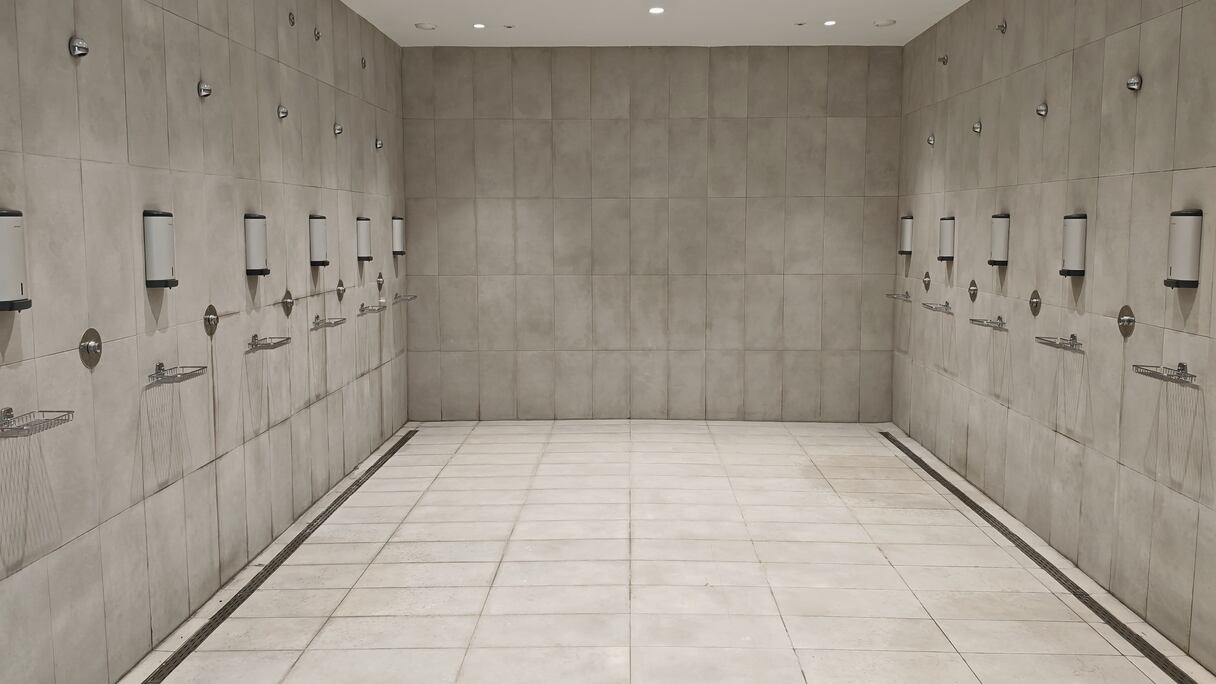
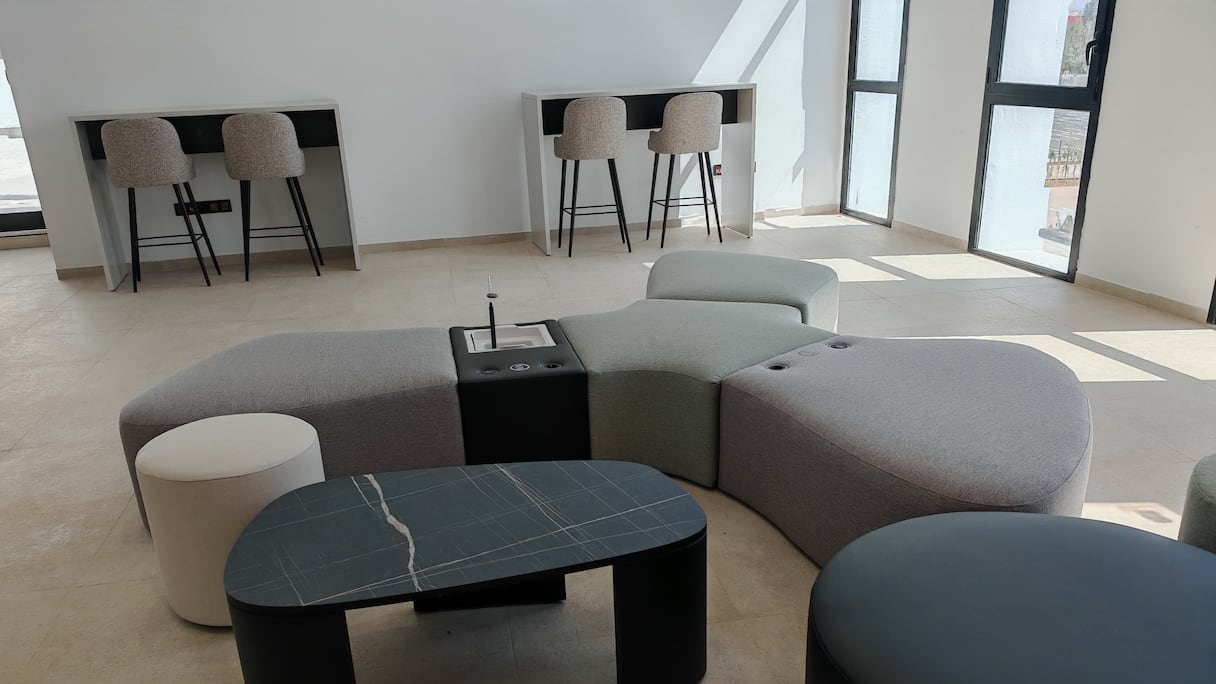
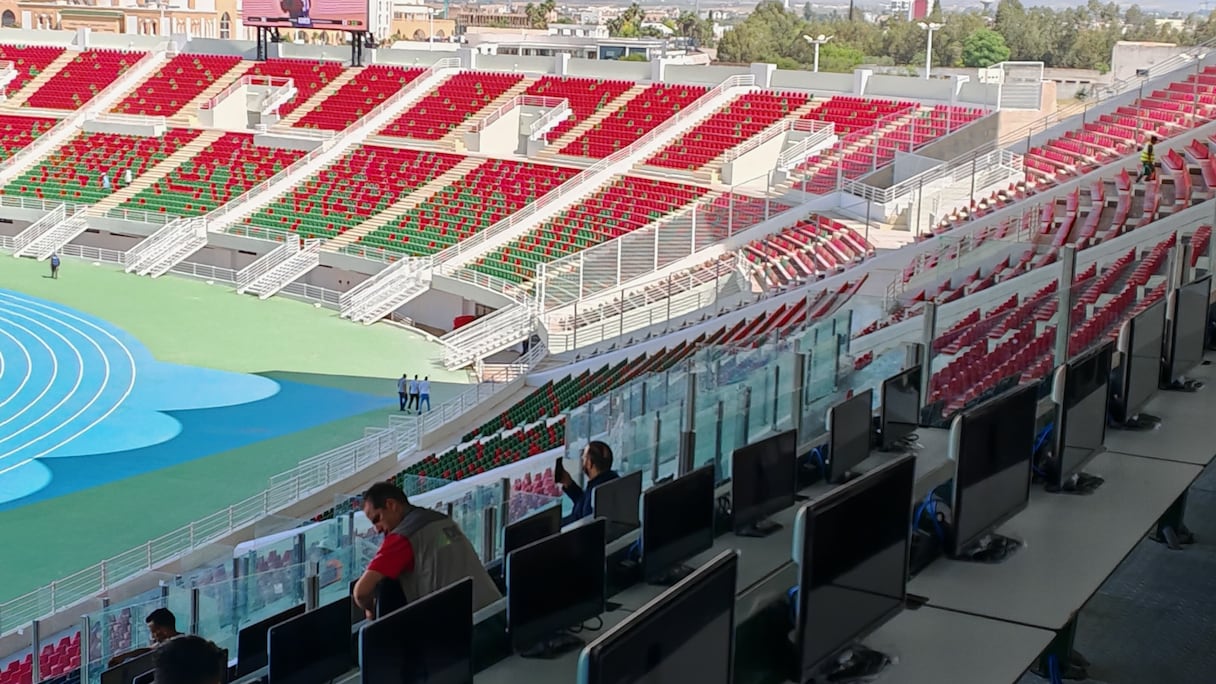
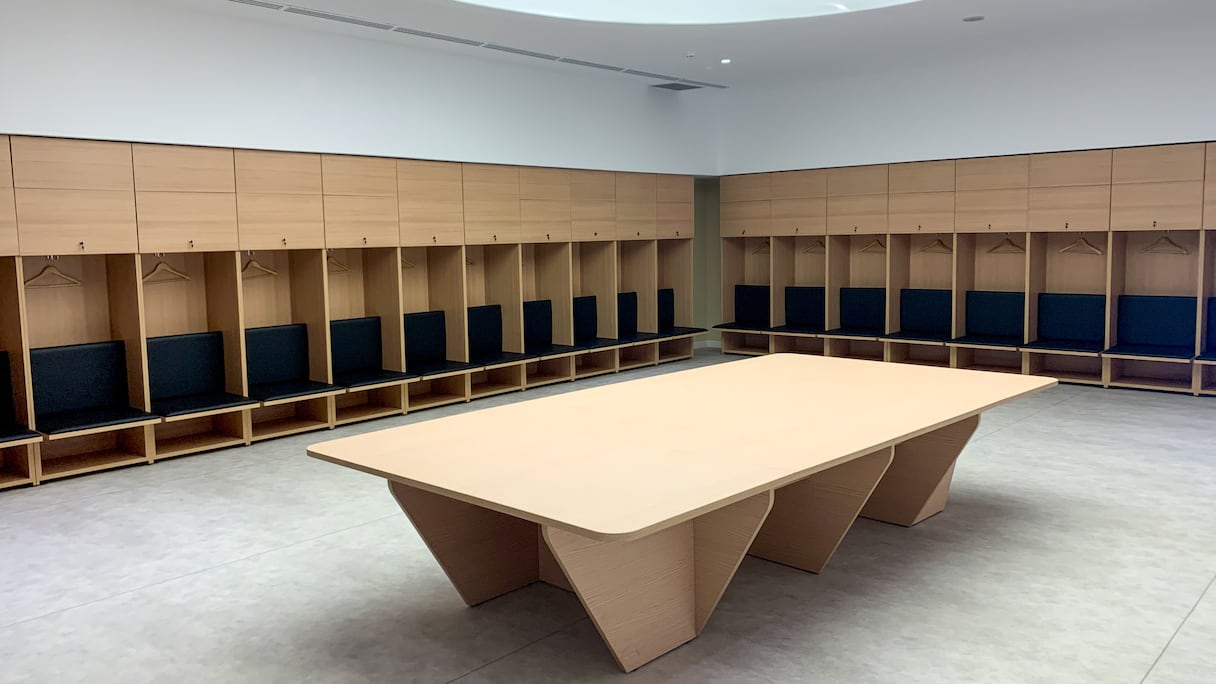
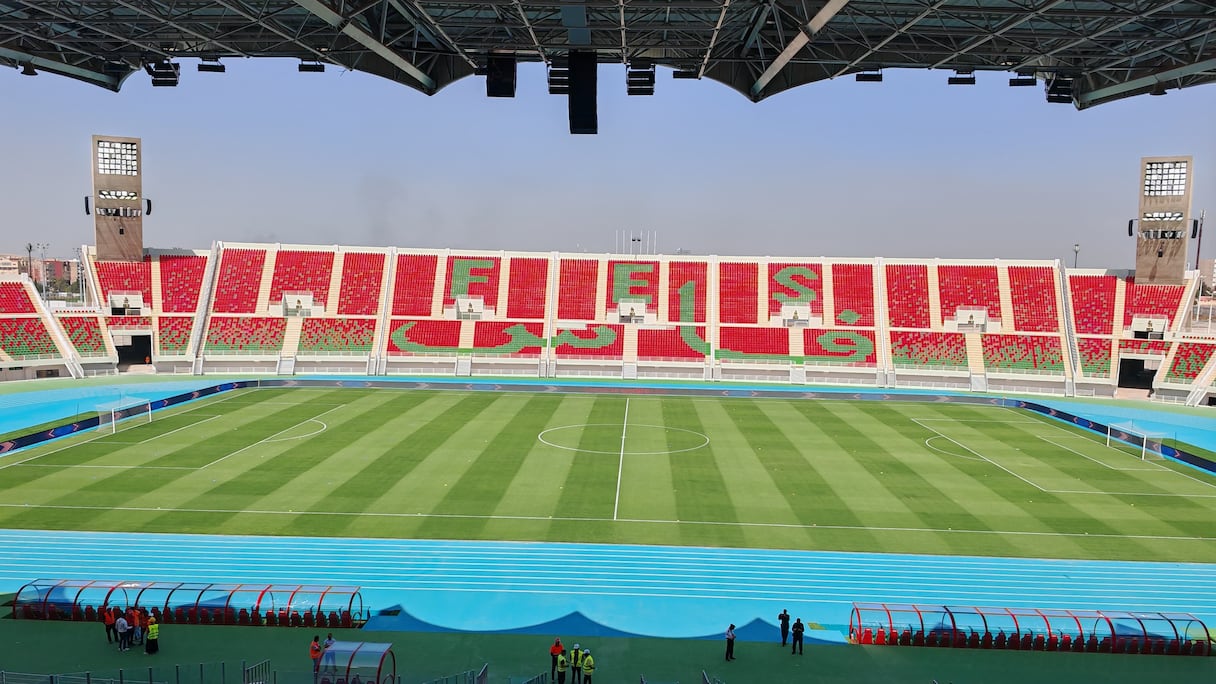
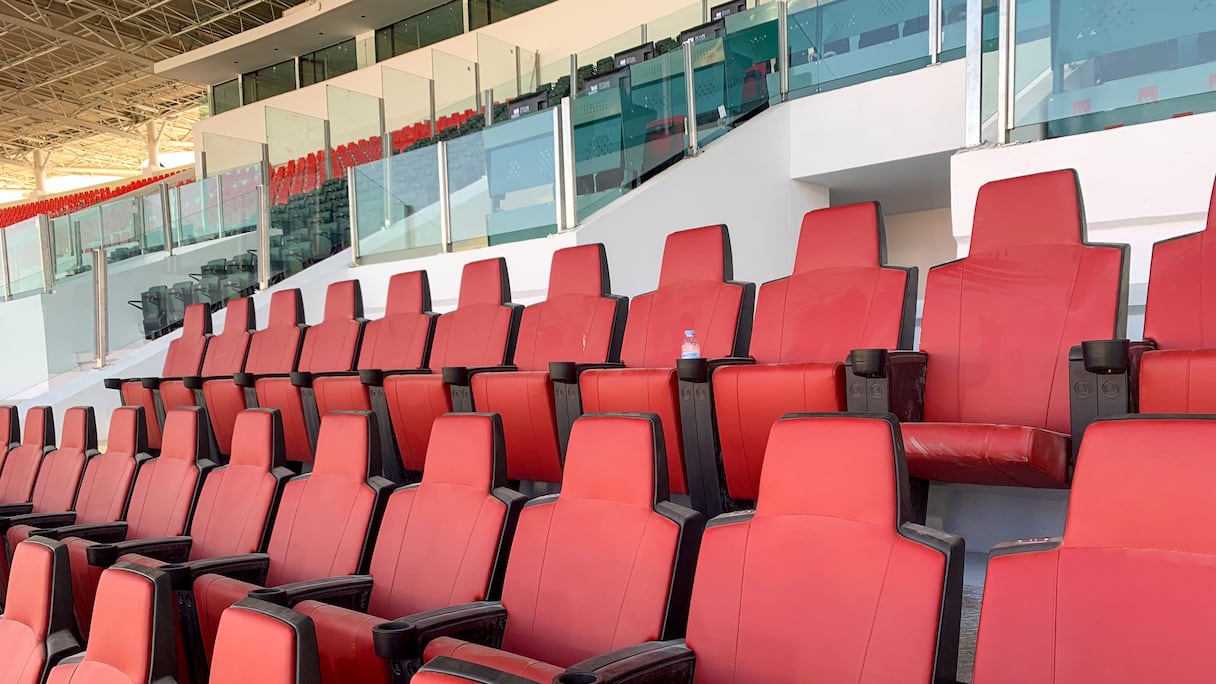
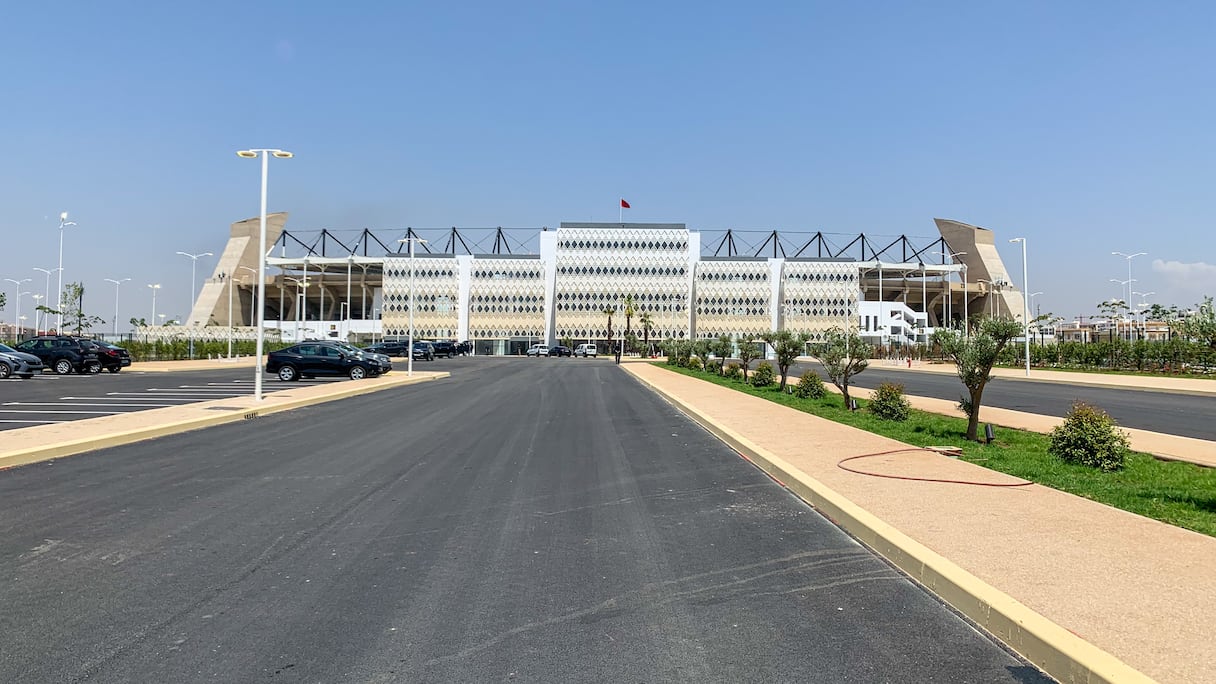
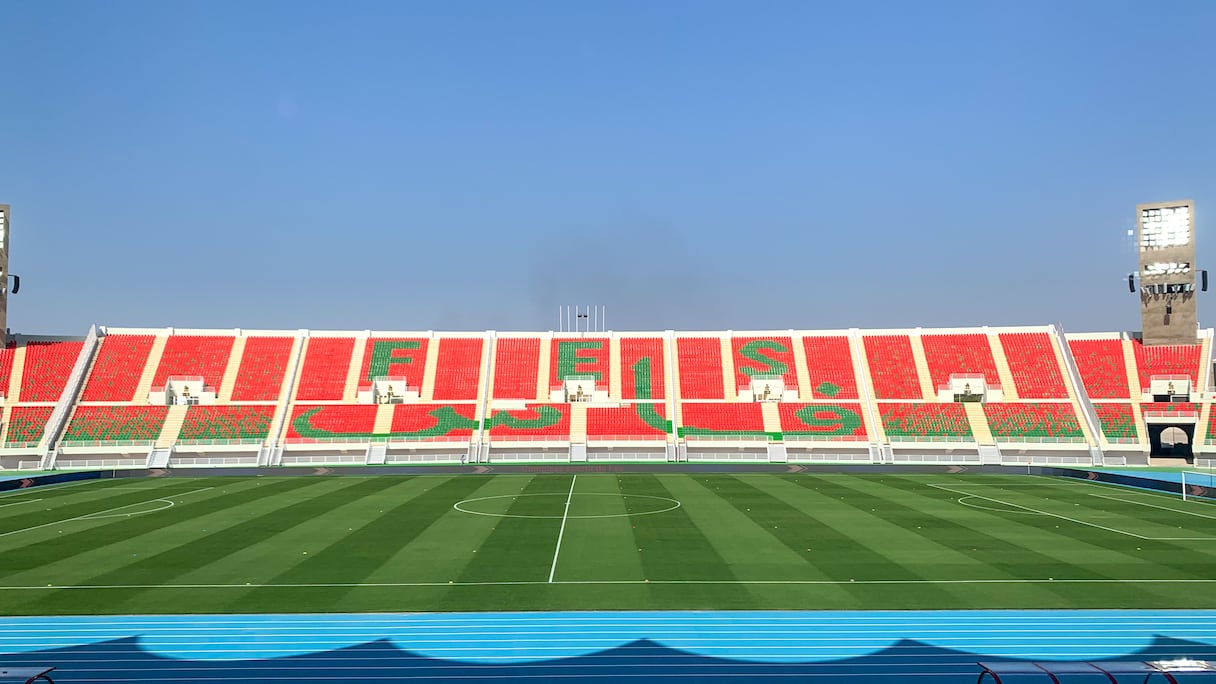
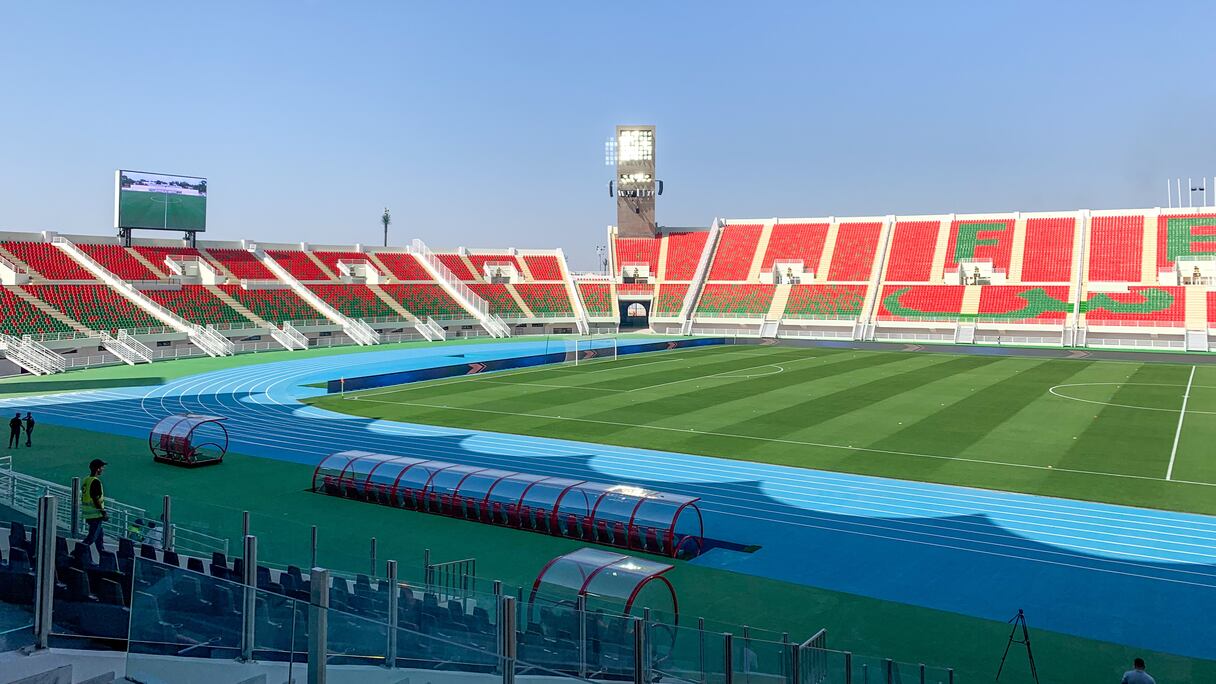
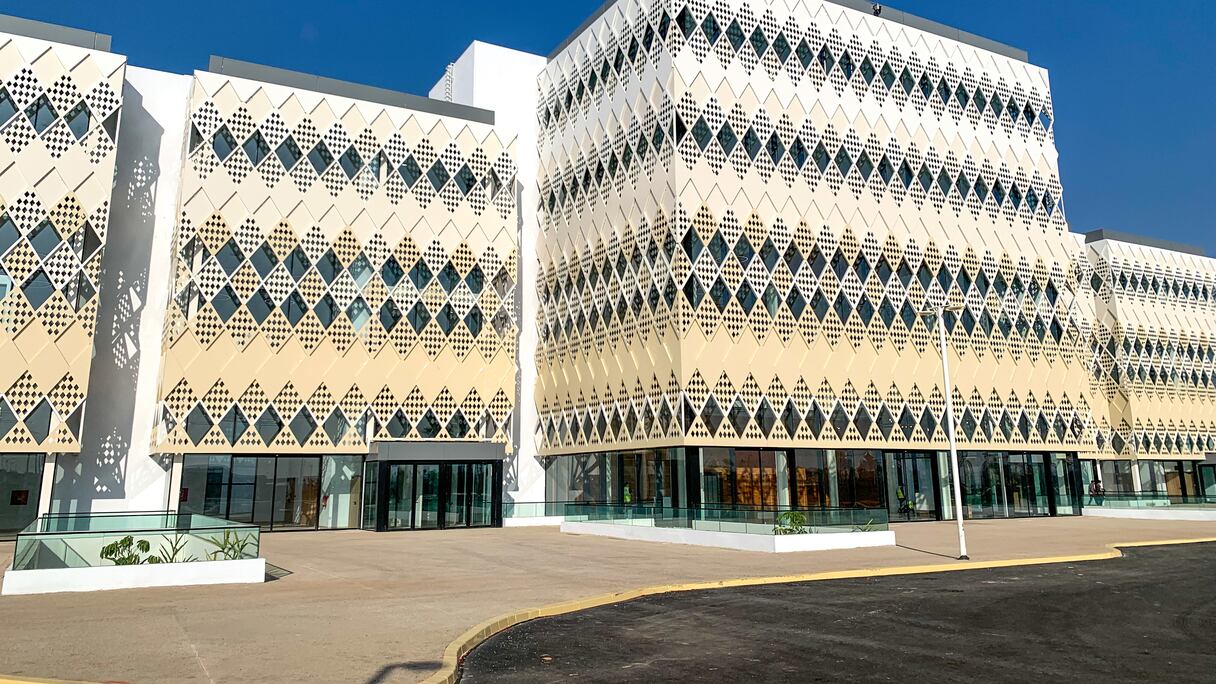
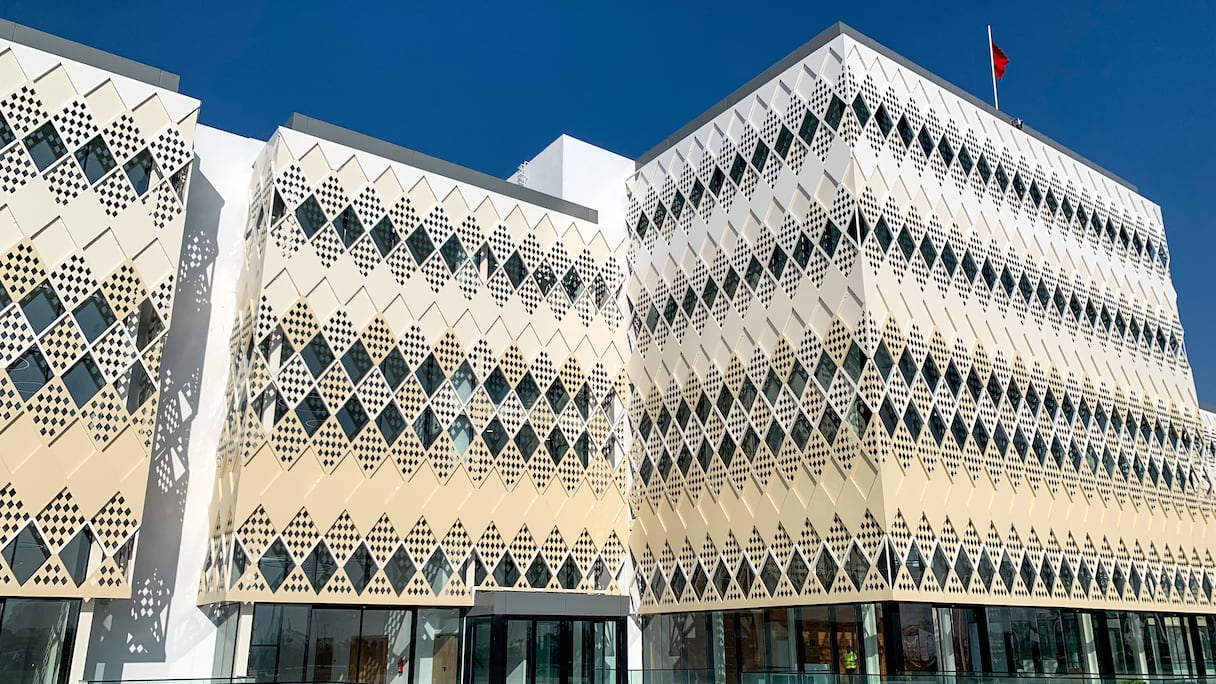
Grand Stade de Fès takes on a new world-class look with Moroccan engineering and smart technologies meeting international standards.. Le360
The Grand Stade de Fès underwent more than 13 months of renovations and rehabilitation ahead of the 2025 Africa Cup of Nations. This included renovating the stands, media facilities, player and referee dressing rooms, the press conference room, and VIP and VVIP areas.
The lighting and sound systems and the seats were renovated. Security measures were strengthened by installing more than 500 smart cameras, an access control system, and a new control room equipped with digital systems. The stadium reopened in June 2025 for Morocco’s friendly matches against Tunisia and Benin.