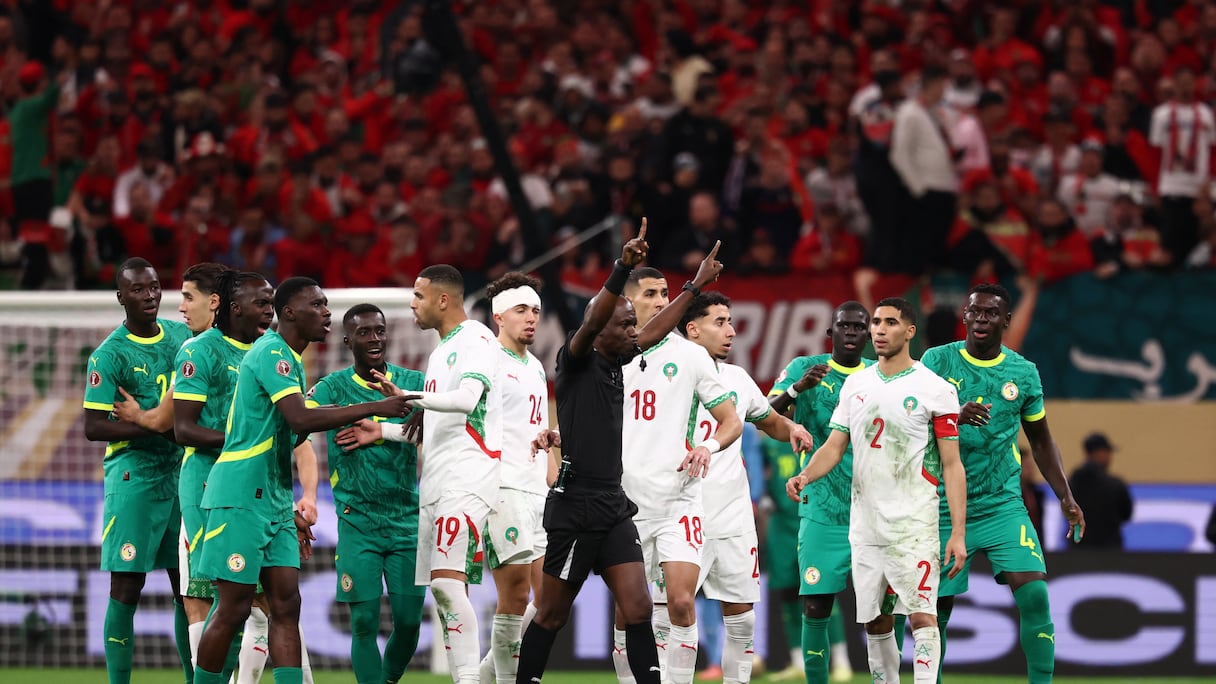
Senegal’s 16-minute withdrawal from the pitch during the Africa Cup of Nations final in Rabat will carry no consequences for the result of the match, after the Court of Arbitration for Sport (CAS) ruled on Tuesday that the referee’s decision to resume play fell within his sole authority and was protected under the ‘field of play’ doctrine.
The unanimous verdict sets aside the March 17 ruling of the Confederation of African Football’s (CAF) Appeal Board, which had declared Senegal to have forfeited the final under Articles 82 and 84 of the competition’s regulations and awarded Morocco a 3-0 victory.
CAS reinstated the original decision of CAF’s Disciplinary Board, restoring Senegal’s 1-0 victory after extra time on January 18 at the Prince Moulay Abdellah Stadium.
For ten months, the Royal Moroccan Football Federation (FRMF) had maintained that the Senegalese players’ return to the pitch did not nullify the regulatory consequences of their withdrawal. Its case rested on the competition’s own provisions governing refusal to play and forfeiture, an argument that had prevailed before CAF’s Appeal Board.
The Lausanne tribunal, however, drew a distinction between the conduct of the Senegalese team, for which disciplinary sanctions had already been imposed, and the referee’s decision to allow the match to continue.
It was the latter that ultimately determined the fate of the continental title.
Morocco’s case rested on the competition’s regulations
Throughout the proceedings, the FRMF maintained that the dispute went beyond a refereeing decision made in the course of a football match.
Article 82 of the AFCON regulations provides that a team which refuses to play or leaves the pitch before the end of a match without the referee’s authorization shall be considered to have lost the game.
Morocco argued that Senegal’s withdrawal constituted a breach of Articles 82 and 84 and that the referee, Jean-Jacques Ngambo Ndala, should consequently have brought the final to an early conclusion.
The Moroccan federation further contended that the ‘field of play’ doctrine, which generally protects refereeing decisions from judicial review, could not extend to the disciplinary consequences of a team’s conduct.
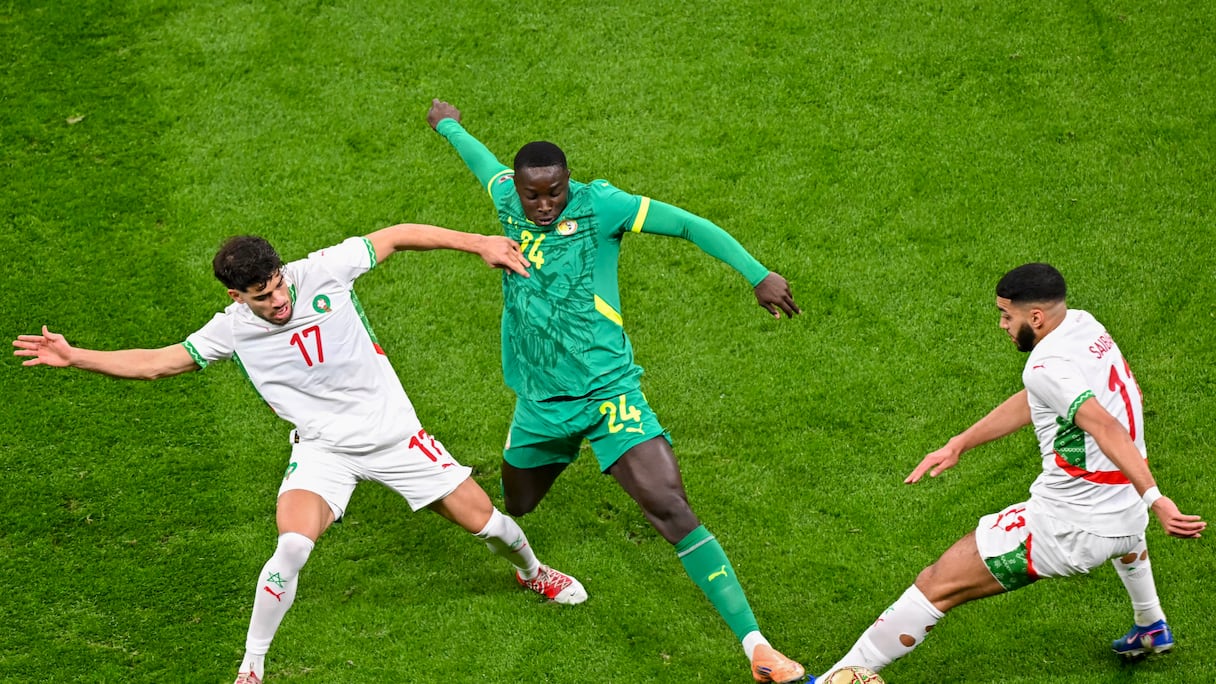
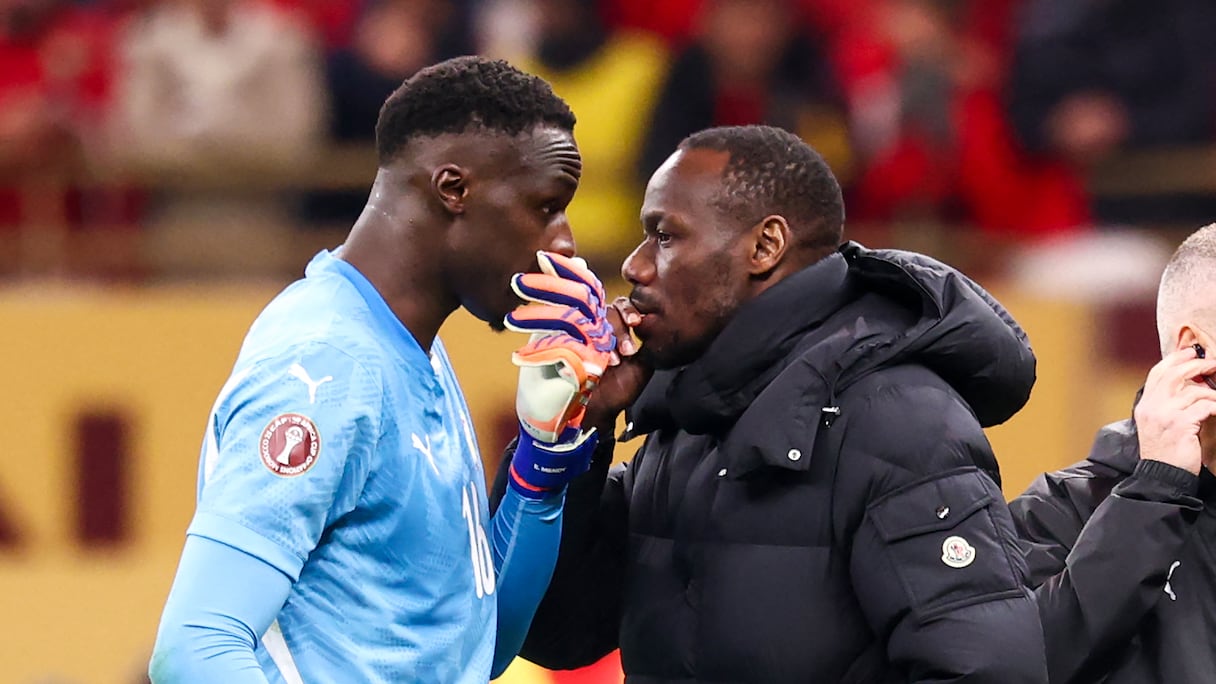
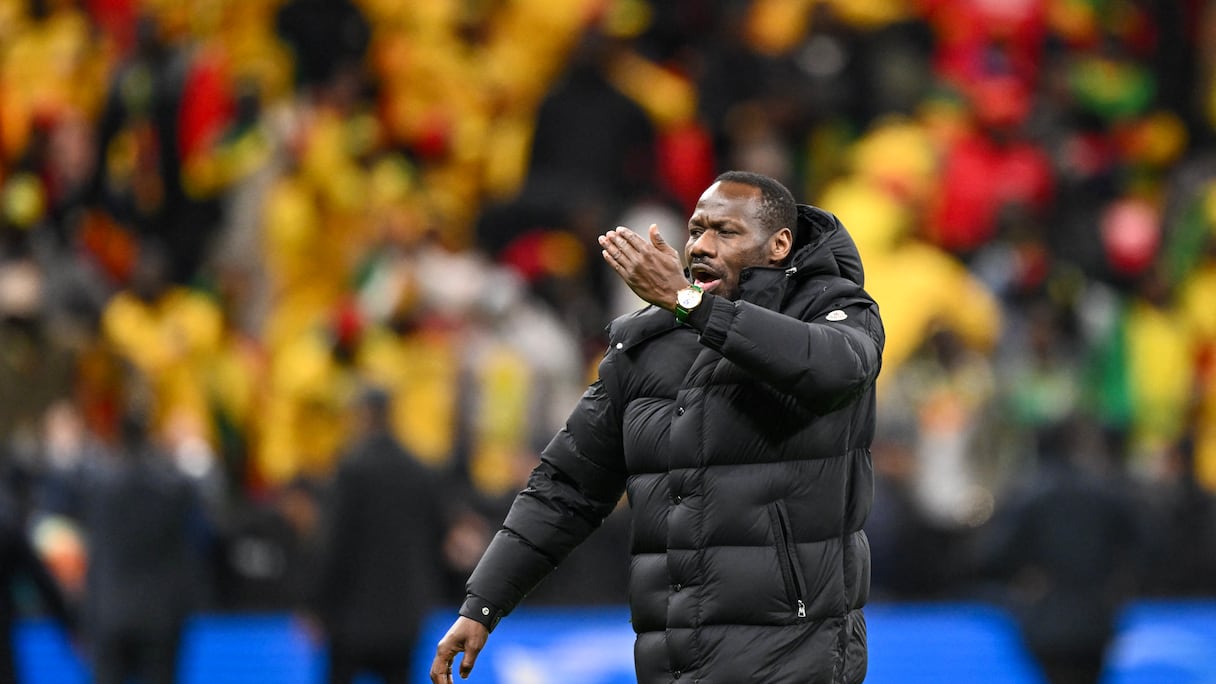

AFP
The distinction formed the backbone of Morocco’s legal case. A referee’s authority to manage a match, the FRMF argued, did not place the consequences of a team’s conduct beyond the reach of the competition’s regulations.
The Senegalese Football Federation (FSF), in its appeal registered on March 25, relied on the referee’s decision to restart play in the 19th minute of second-half stoppage time and allow the final to run its course.
It argued that this decision could not subsequently be reviewed under the ‘field of play’ doctrine.
The three CAS arbitrators upheld that interpretation.
“The Referee’s decision to resume the match or to stop it fell definitively within his sole authority,” CAS said in a media release issued on Tuesday.
By blowing his whistle to restart play, the panel held, Ngambo Ndala had determined that the conditions for continuing the match had been met, with both teams back on the pitch and willing to resume.
CAS consequently held that Articles 82 and 84 applied only where a team’s conduct led the referee to abandon the match permanently.
“Since Articles 82 and 84 of the AFCON Regulations are intended solely to determine the outcome of a match when a team’s conduct leads the referee to call off the game permanently, they are therefore not applicable in this case,” the tribunal said.
Under the panel’s interpretation, the application of the forfeiture provisions depended not simply on the withdrawal of a team but on whether the referee subsequently called off the match.
The circumstances surrounding the resumption of play
The circumstances in which Ngambo Ndala decided to restart the final had themselves been the subject of controversy.
The FRMF argued before CAS that the referee had erred in law and that his decision was arbitrary.
The ‘field of play’ doctrine allows for exceptions. In a January 23, 2026 judgment cited in Tuesday’s statement, the Swiss Federal Supreme Court recalled that decisions taken by match officials could be reviewed where there was evidence that the rules had been applied arbitrarily or in bad faith.
CAS acknowledged that the referee had been required to make his decision in an “atmosphere of extreme tension.”
The panel nevertheless concluded that those circumstances did not warrant describing his decision as arbitrary and that he had not erred in law by resuming the match.
“On the contrary, the Referee’s judgment did not appear to have been affected by factors external to the game,” the tribunal said.
Questions over the handling of the interruption had surfaced as early as February.
On February 13, Qatari sports outlet WinWin reported remarks attributed to Olivier Safari Kabene, chairman of CAF’s Referees Committee, during a meeting of the confederation’s Executive Committee in Dar es Salaam, Tanzania.
According to the report, instructions had been given not to immediately caution Senegalese players upon their return to the pitch in order to allow the final to be played to completion.
The reported remarks, which have not been officially authenticated, added to the controversy over the circumstances in which the match resumed.
Sixteen minutes that overshadowed the final
The events that gave rise to the legal battle unfolded in the dying moments of normal time on January 18.
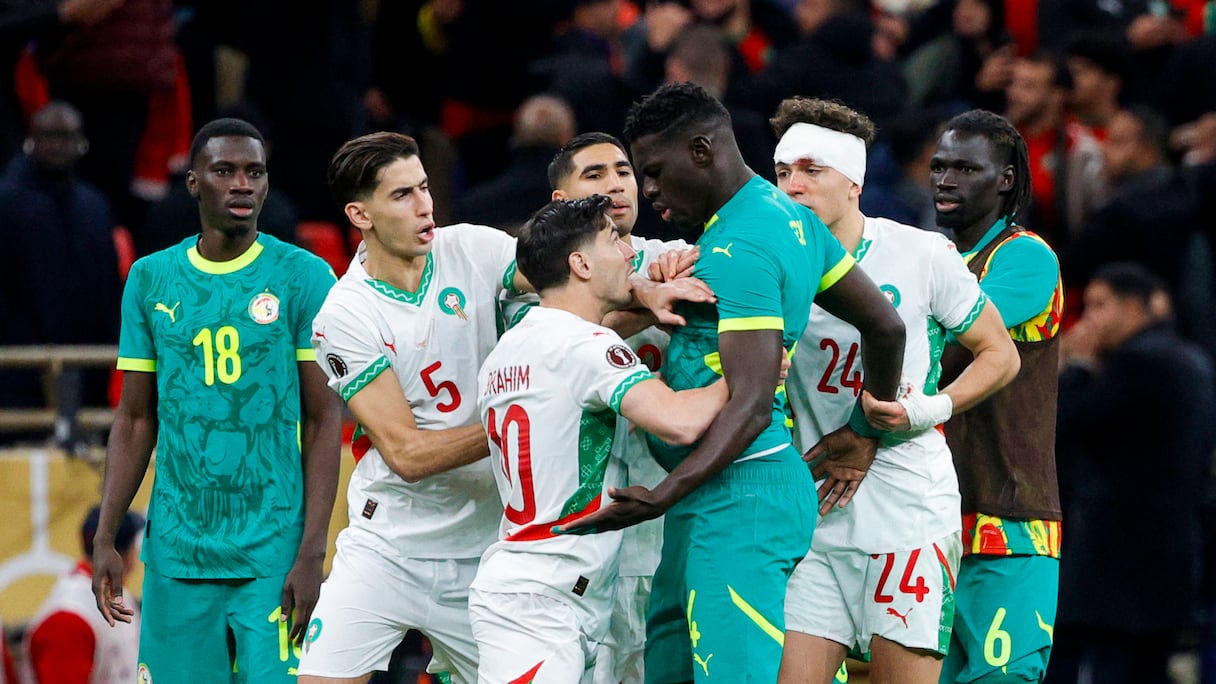
With the score still goalless, Ngambo Ndala awarded Morocco a penalty following a VAR review. The decision prompted protests from the Senegalese bench before coach Pape Bouna Thiaw instructed his players to leave the pitch.
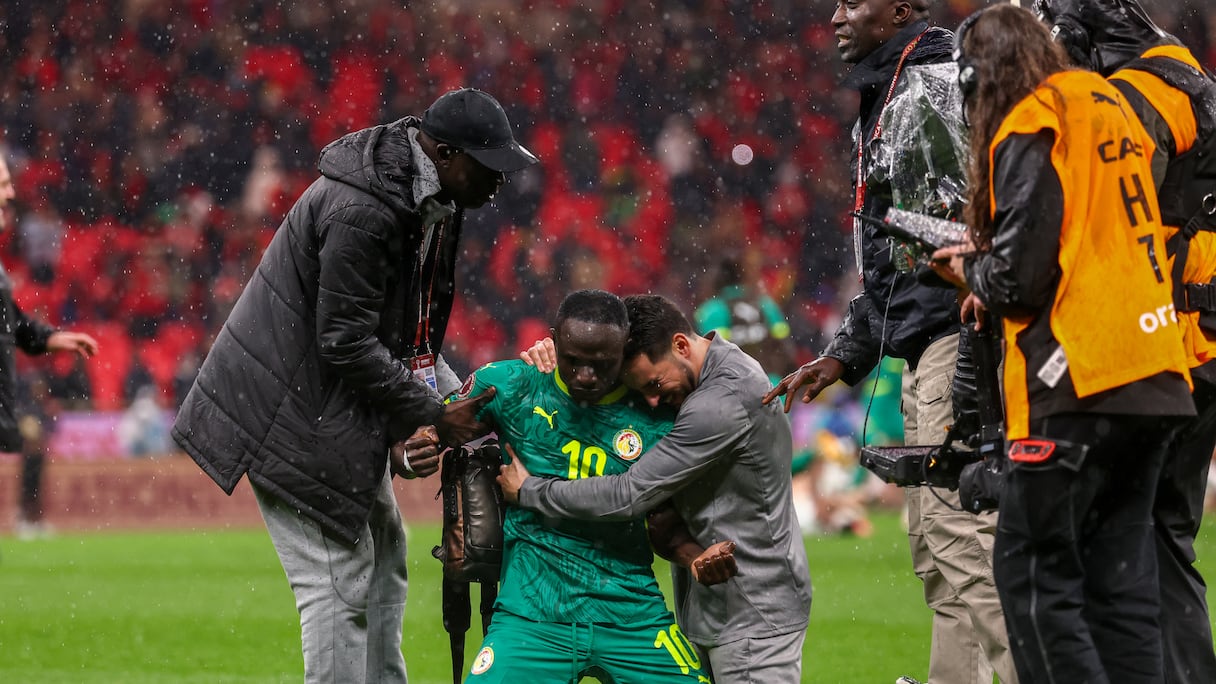
For 16 minutes, the final of Africa’s premier football competition was brought to a standstill.
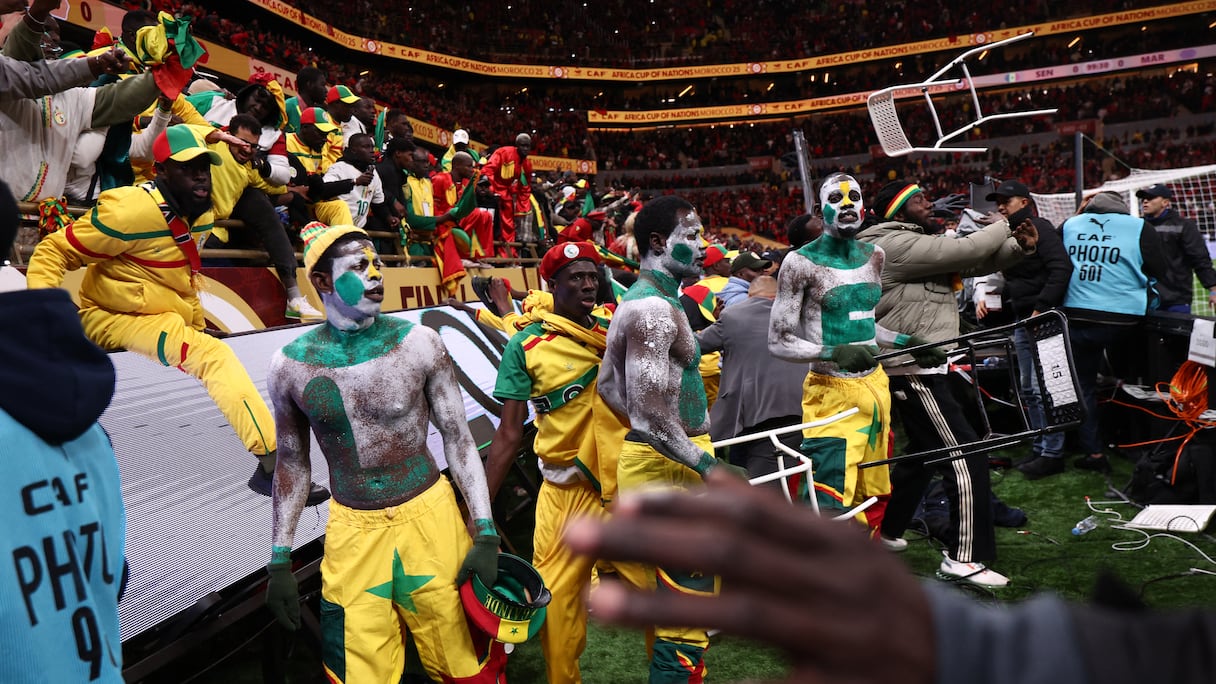
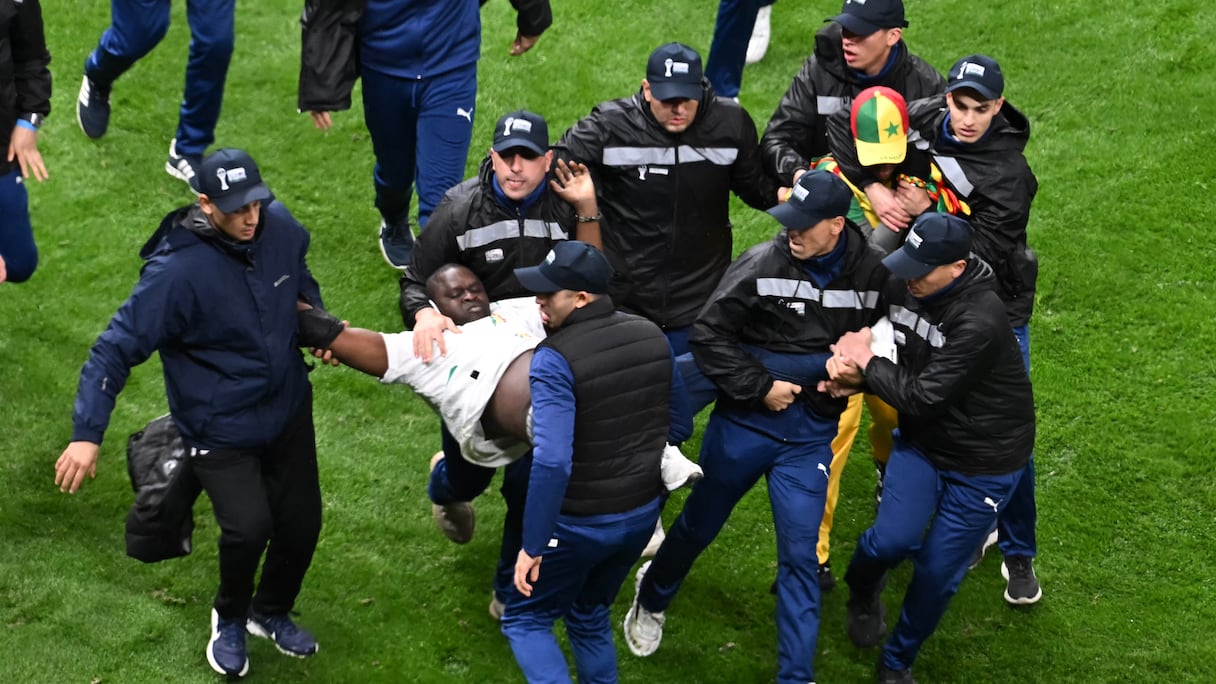
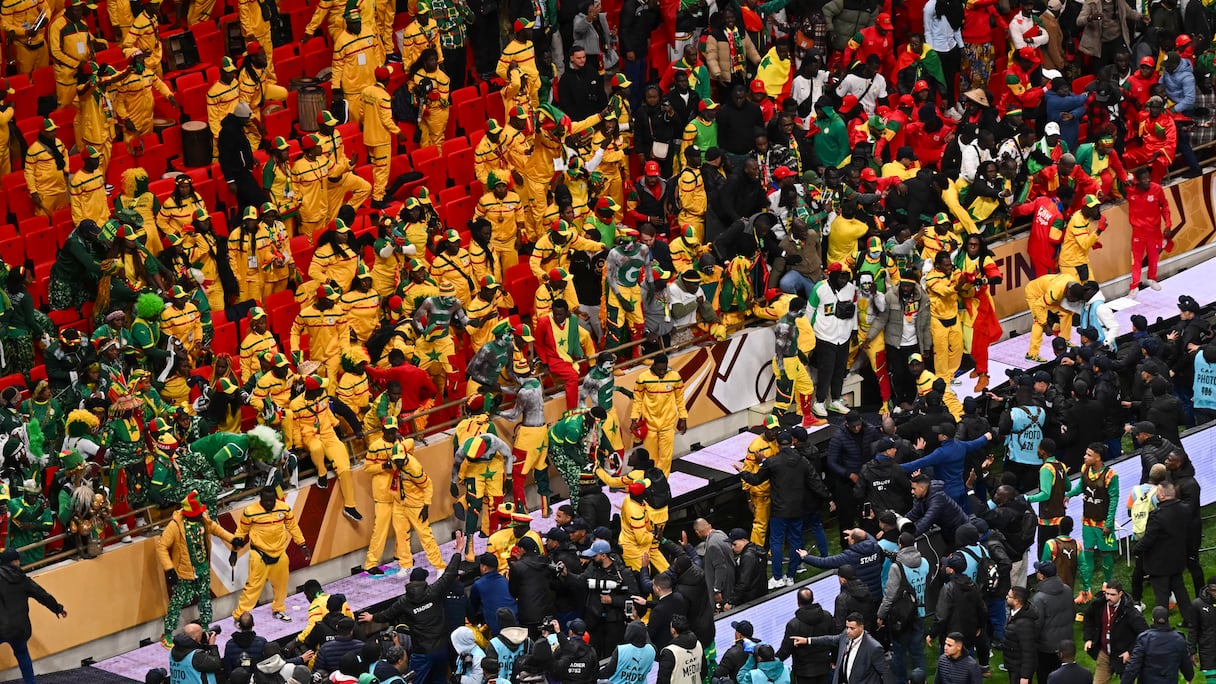
In the stands, Senegalese supporters attempted to invade the pitch, hurled projectiles and assaulted security personnel and stewards. FIFA president Gianni Infantino and CAF president Patrice Motsepe were both in attendance.
Following lengthy discussions, Senegal’s players returned to the field. Brahim Díaz missed the penalty before Pape Gueye scored the only goal of the match in extra time.
The FRMF announced that it would take the matter before the competent football authorities, seeking enforcement of the competition’s regulations over the events that had preceded the resumption of play.
Ten days after the final, CAF’s Disciplinary Board imposed a series of fines and suspensions.
Thiaw was handed a five-match ban and a $100,000 fine, while Iliman Ndiaye and Ismaïla Sarr received two-match suspensions. The Senegalese federation was fined a combined $615,000.
Sanctions were also imposed on Morocco. Achraf Hakimi received a two-match ban, one of them suspended, while Ismaël Saibari was suspended for three matches and fined $100,000.
The FRMF was fined $315,000 over the conduct of ball boys, the intrusion of players and coaching staff into the VAR area and the use of laser pointers by spectators.
CAF’s Disciplinary Board stopped short, however, of applying the forfeiture provisions invoked by Morocco.
For the FRMF, fines and suspensions did not settle the question of the sporting consequences prescribed by Articles 82 and 84. The federation appealed.
The ruling that had vindicated Morocco’s position
On March 17, CAF’s Appeal Board gave Morocco the ruling it had sought since January.
After examining the FRMF’s appeal, the board declared Senegal to have forfeited the final and recorded a 3-0 victory for the Atlas Lions under Articles 82 and 84.
The decision established that, in the Appeal Board’s interpretation of the regulations, Senegal’s return to the pitch and the subsequent completion of the match did not preclude a forfeit.
The Senegalese federation took the matter to CAS eight days later.
Tuesday’s verdict reverses that interpretation, with the Lausanne tribunal holding that the referee’s decision to continue the match precluded the application of the two articles.
As regards Senegal’s conduct, CAS referred to the sanctions already imposed on the federation, Thiaw and several players through separate disciplinary proceedings.
Football’s lawmakers have since moved against walk-offs
The events in Rabat took on wider relevance in the months that followed, as football’s international lawmakers moved to toughen the rules against players and coaches who use withdrawals from the pitch to protest against refereeing decisions.
On April 28, the International Football Association Board (IFAB), which sets the Laws of the Game, approved new provisions allowing referees to show a straight red card to players who leave the pitch in protest against a decision.
Players who encourage teammates to walk off face the same punishment. Coaches and other team officials who issue such instructions can also be sent off, even if their players ultimately remain on the field.
IFAB further clarified under Law 3 that a team responsible for the abandonment of a match because it has fewer than seven players should, in principle, lose by forfeit, subject to the regulations of the competition.
The amendments, detailed in a May 19 circular and incorporated into the 2026-27 Laws of the Game, provide referees with stronger powers to deal with the very type of conduct witnessed during the final in Rabat.
Adopted several months after the final, the new provisions could not be applied retroactively to the case before CAS.
The remaining legal avenue
The Senegalese federation’s appeal was heard behind closed doors in Lausanne on October 8, before a panel comprising France’s Gérald Simon as president, Germany’s Ulrich Haas and Italy’s Luigi Fumagalli.
The parties had not agreed to an expedited procedure, according to CAS, and the proceedings followed the tribunal’s standard timetable.
All three arbitrators concurred in Tuesday’s decision.
The full grounds for the ruling have been communicated to the parties, with CAS saying that the complete award will be published in due course unless confidentiality is requested.
The FRMF’s remaining legal avenue, should it decide to pursue one, lies with the Swiss Federal Supreme Court.
Any challenge must be lodged within 30 days of notification of the reasoned award. The Swiss court cannot reconsider the merits of the dispute, with its review confined to strictly defined legal grounds, including the regularity of the arbitration proceedings, respect for the parties’ right to be heard and the compatibility of the award with public policy.