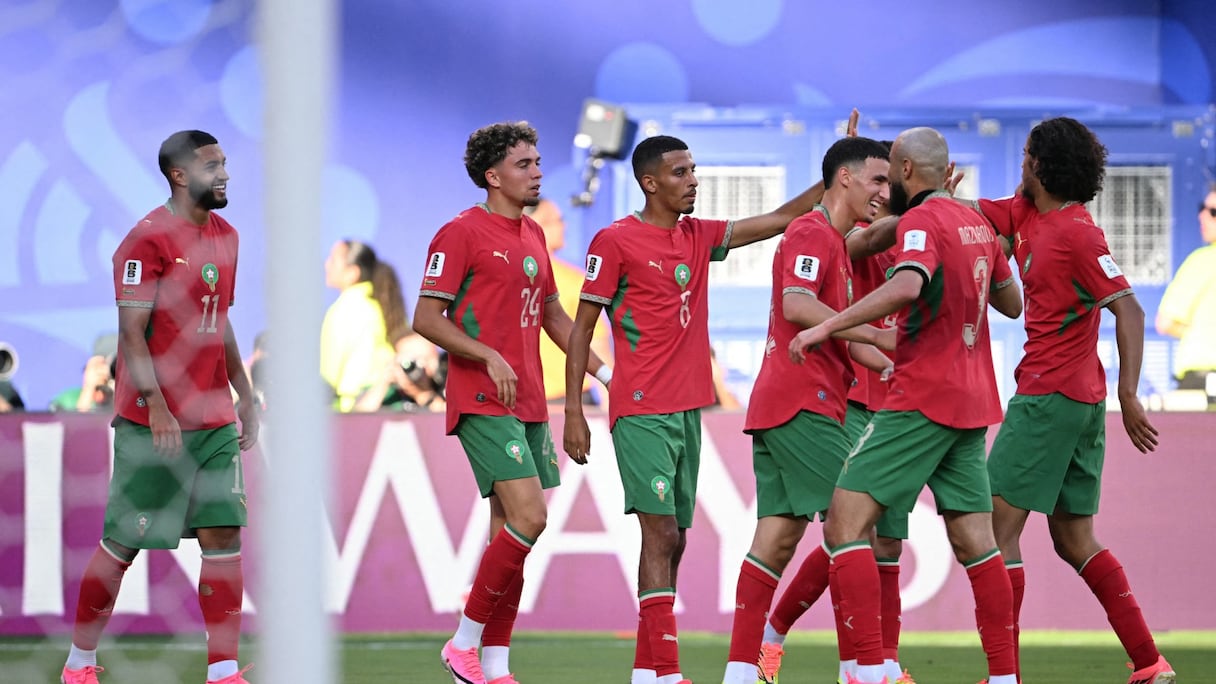
Morocco will not, after all, win AFCON 2025. The Court of Arbitration for Sport has ruled in Senegal’s favor, bringing ten months of legal proceedings over the final played in Rabat on January 18 to an end.
The Royal Moroccan Football Federation (FRMF) defended its position to the very end, pursuing the regulatory avenues provided by football’s governing bodies. The case is now behind the Atlas Lions, whose ambitions extend far beyond a ruling handed down in Lausanne.
For while the dispute occupied a share of the headlines in African football, the national team continued to move forward. It competed in another World Cup, reached the quarter-finals, broke into the world’s top five and secured qualification for AFCON 2027 as early as November.
These results tell a different story: that of a national team that has established itself among the world’s leading footballing nations and intends to stay there.
From Doha to North America, four years that transformed Morocco’s standing
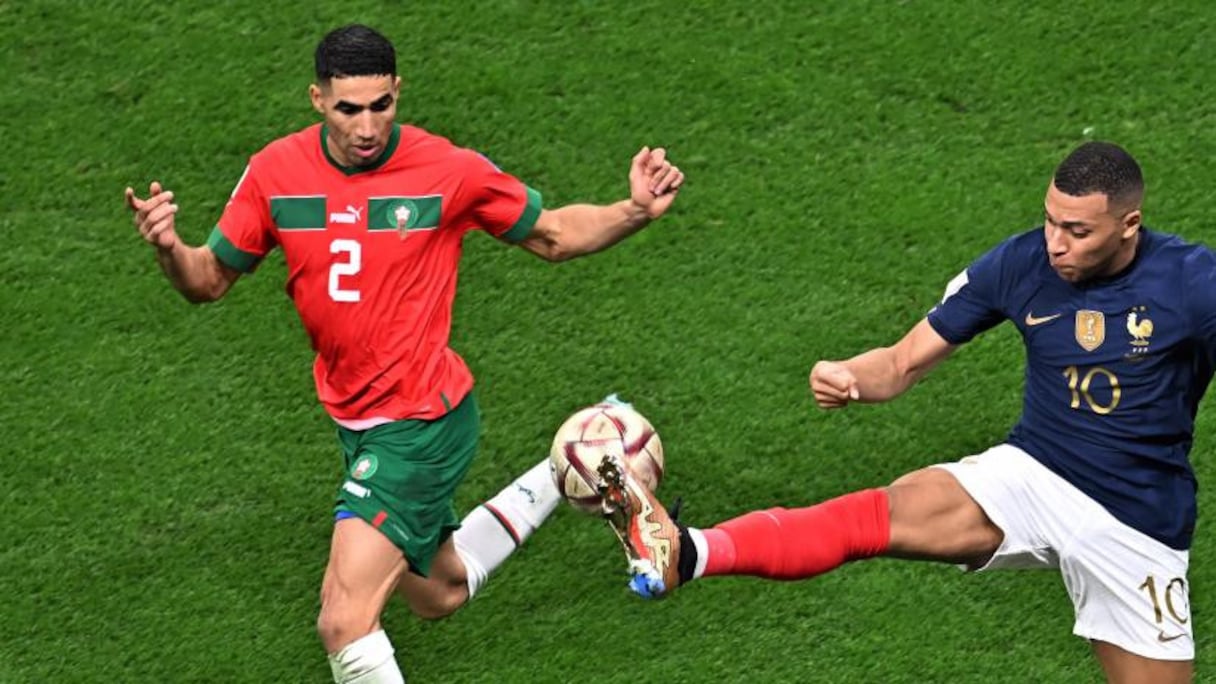
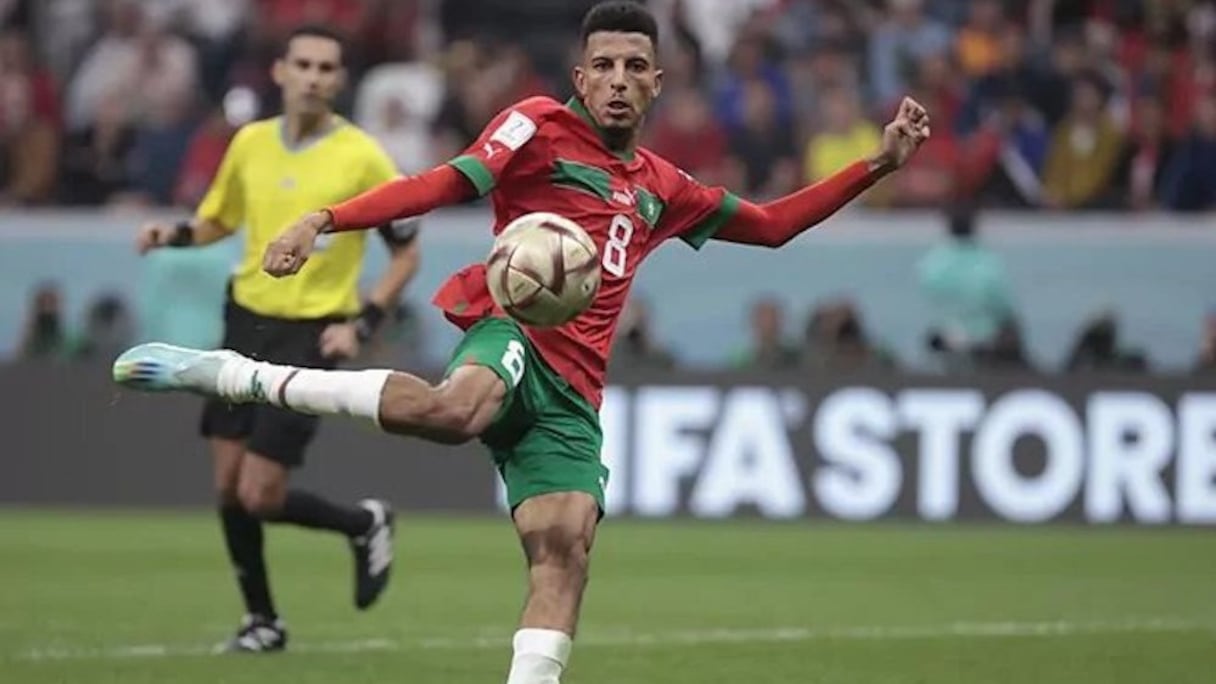
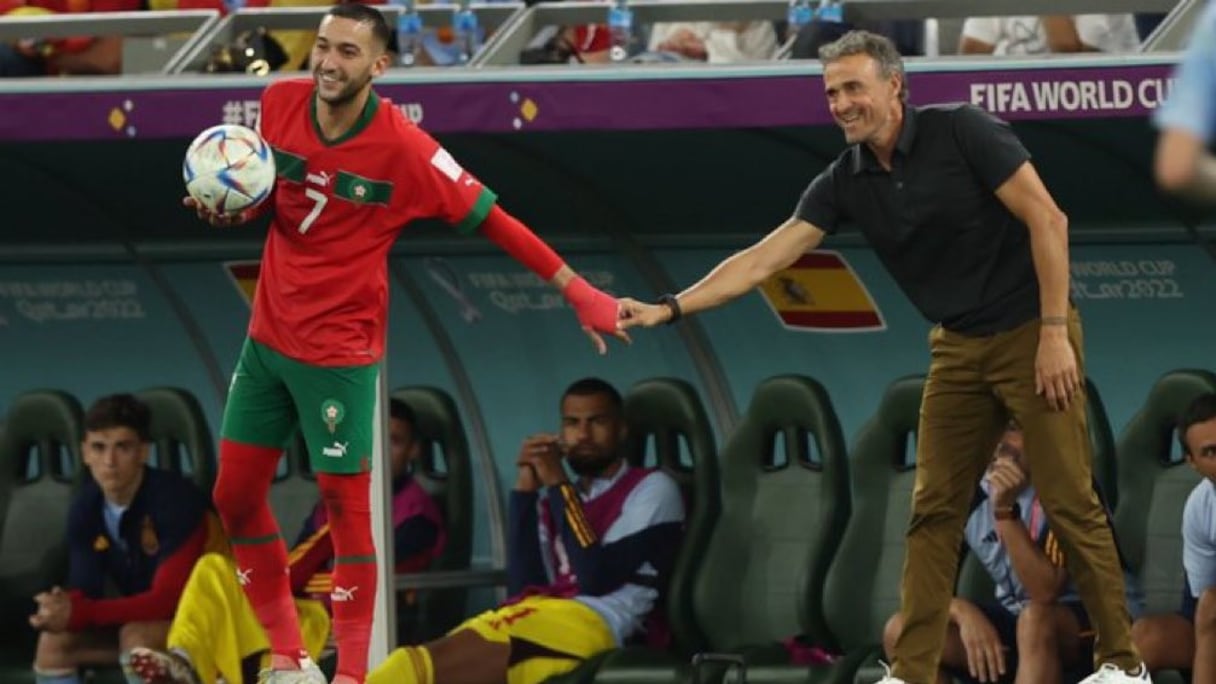
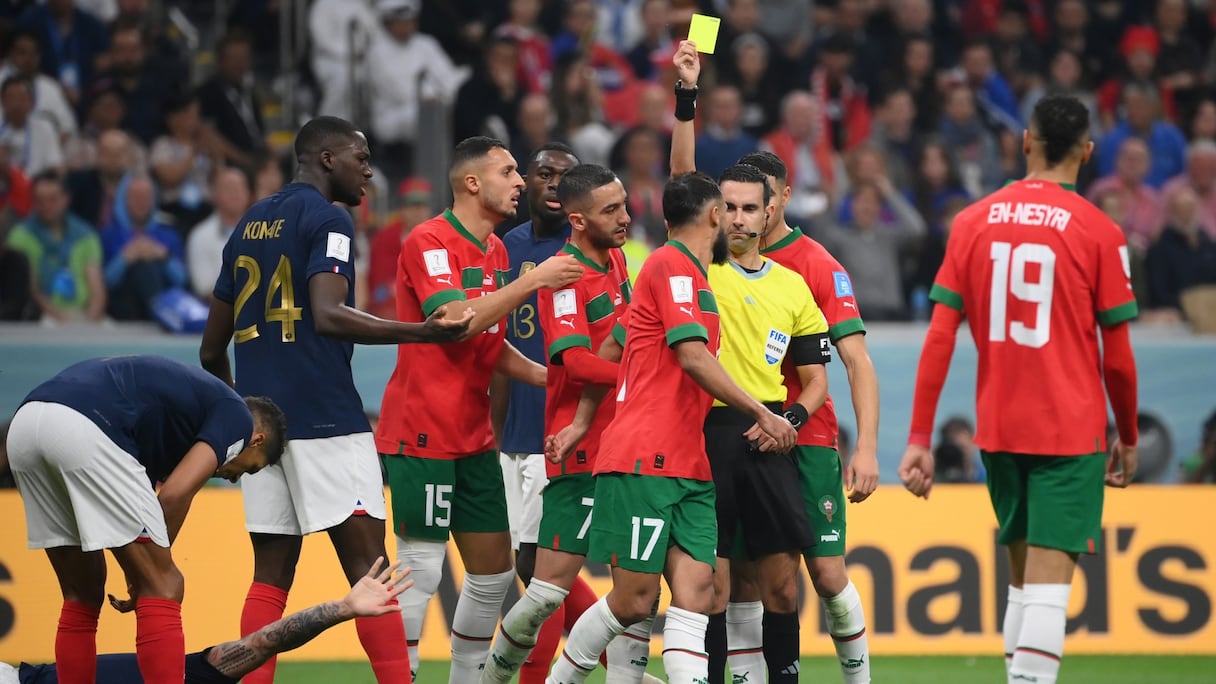
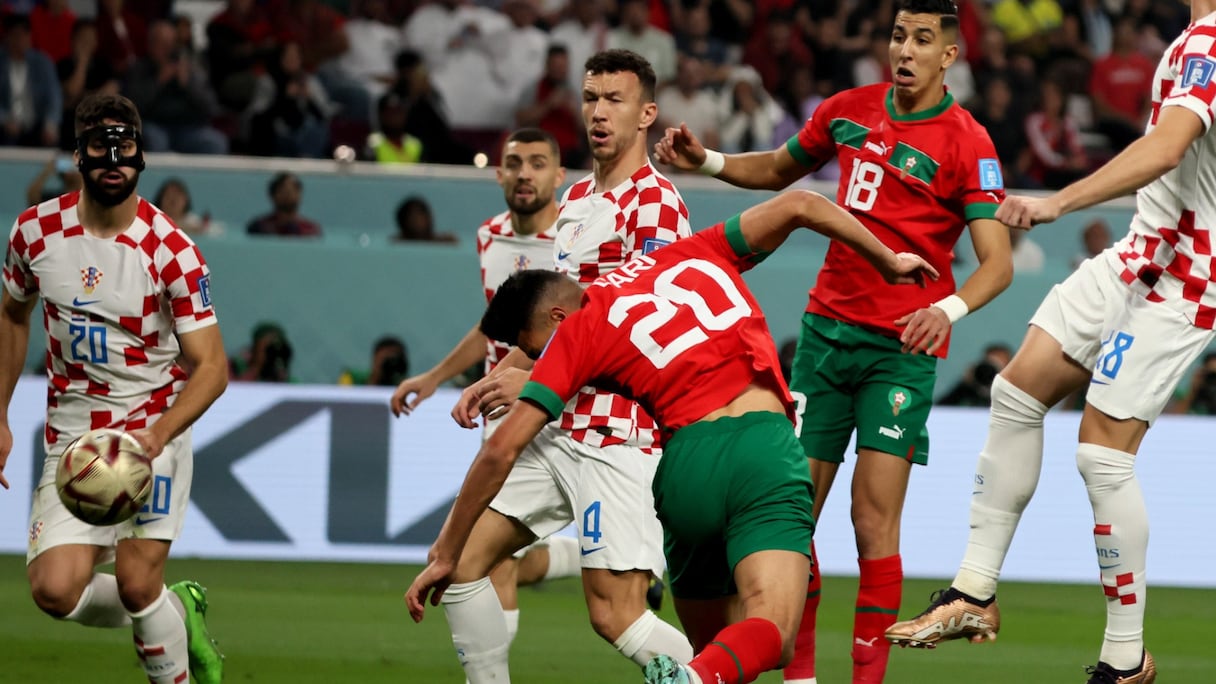
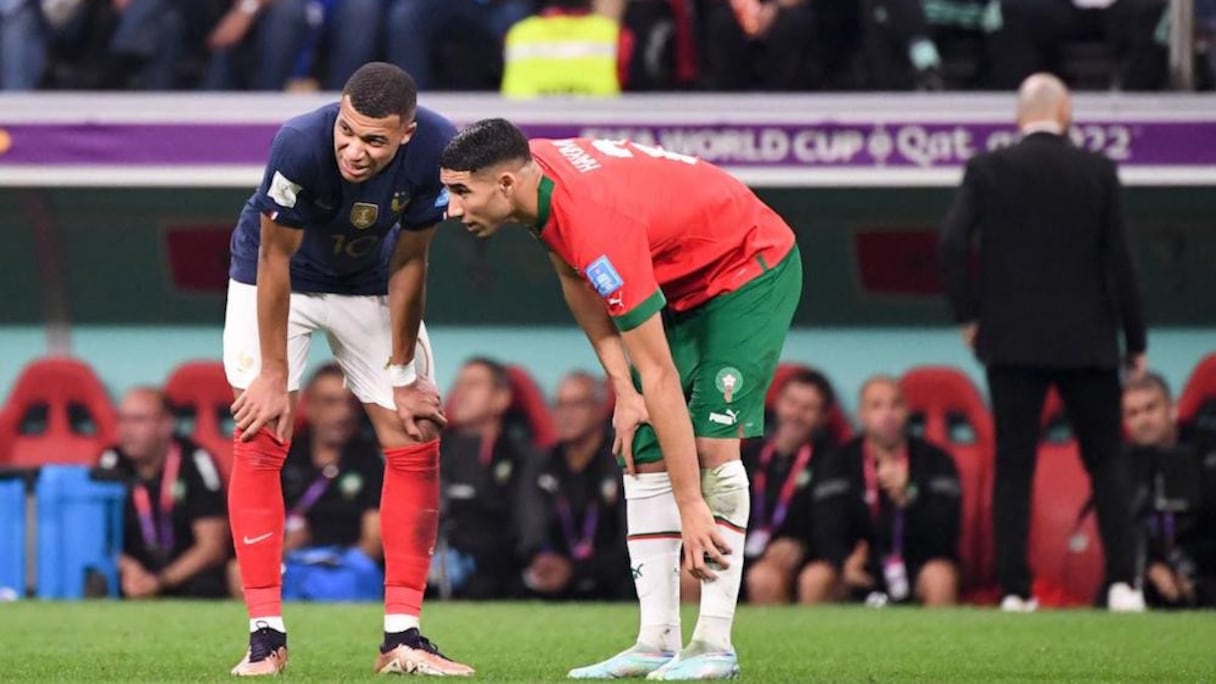
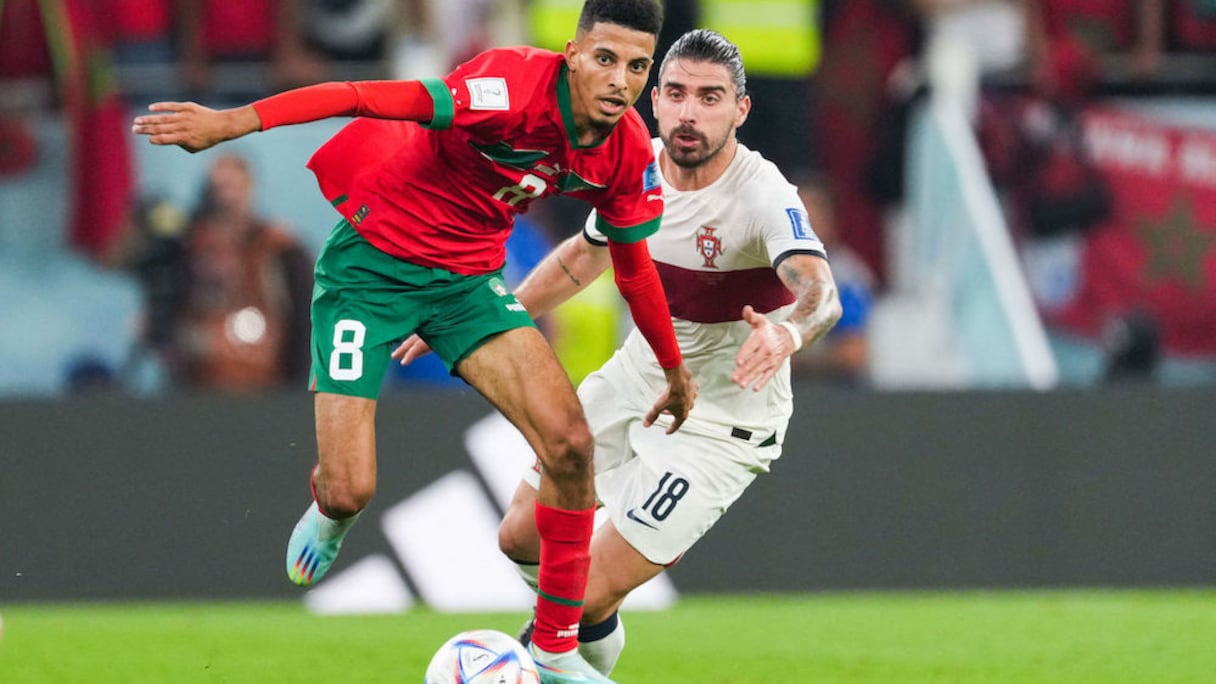
One need only look back four years to appreciate how far Morocco has come. In December 2022, in Qatar, Morocco became the first African and Arab nation to reach the semi-finals of a World Cup. It was a historic campaign, marked notably by victories over Belgium, Spain and Portugal before defeat to France.
That fourth-place finish fundamentally changed perceptions of the Atlas Lions. Morocco was no longer merely a team capable of springing an upset. It had demonstrated that it could compete with the world’s greatest footballing nations in a tournament where every mistake comes at an immediate cost.
That achievement also set new expectations. Reaching the latter stages of major tournaments was no longer enough. Morocco had to build on its success, renew its squad and maintain its competitive edge.
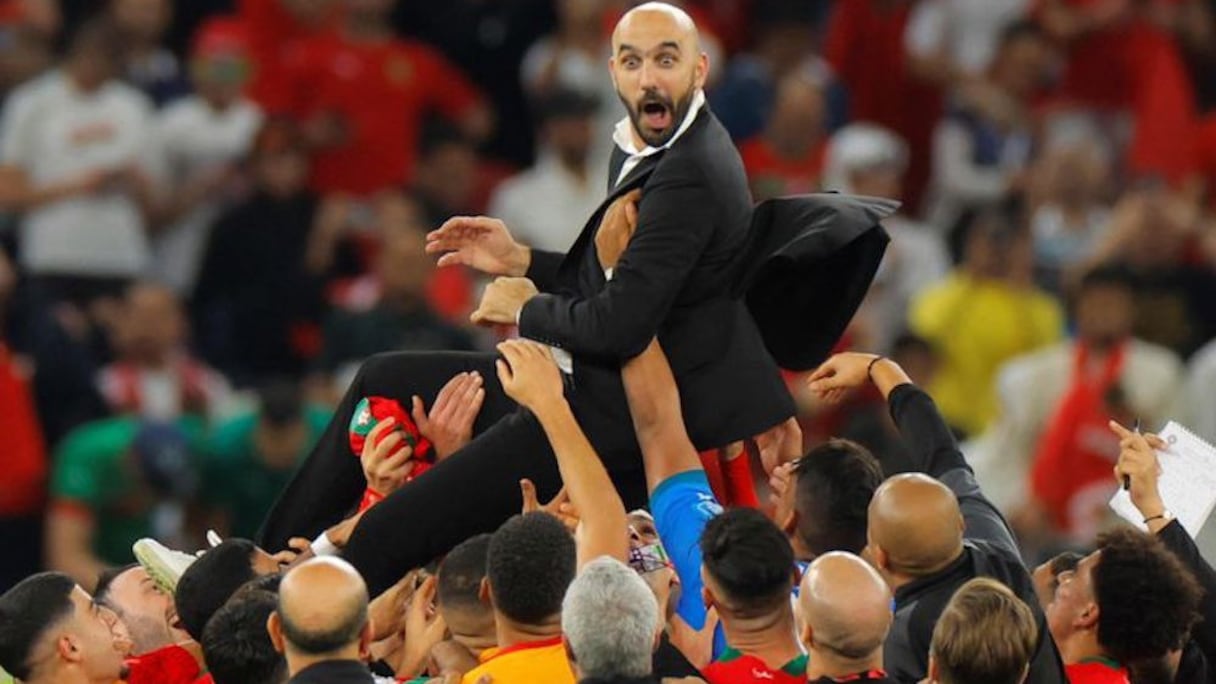
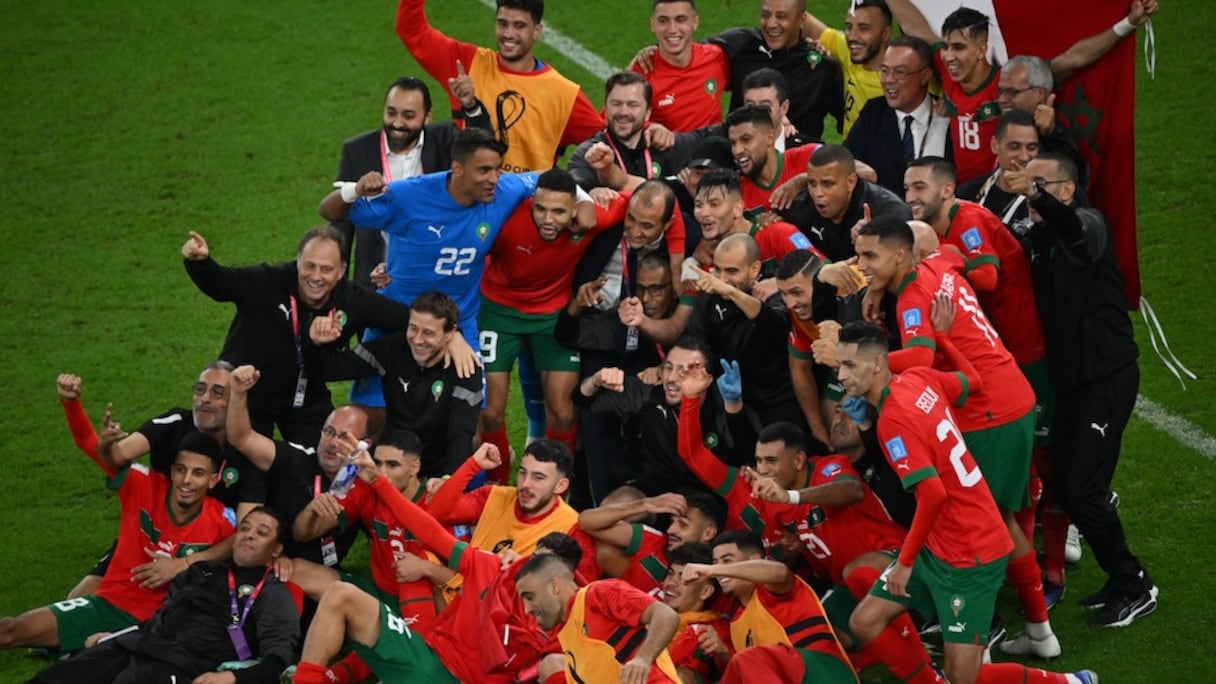
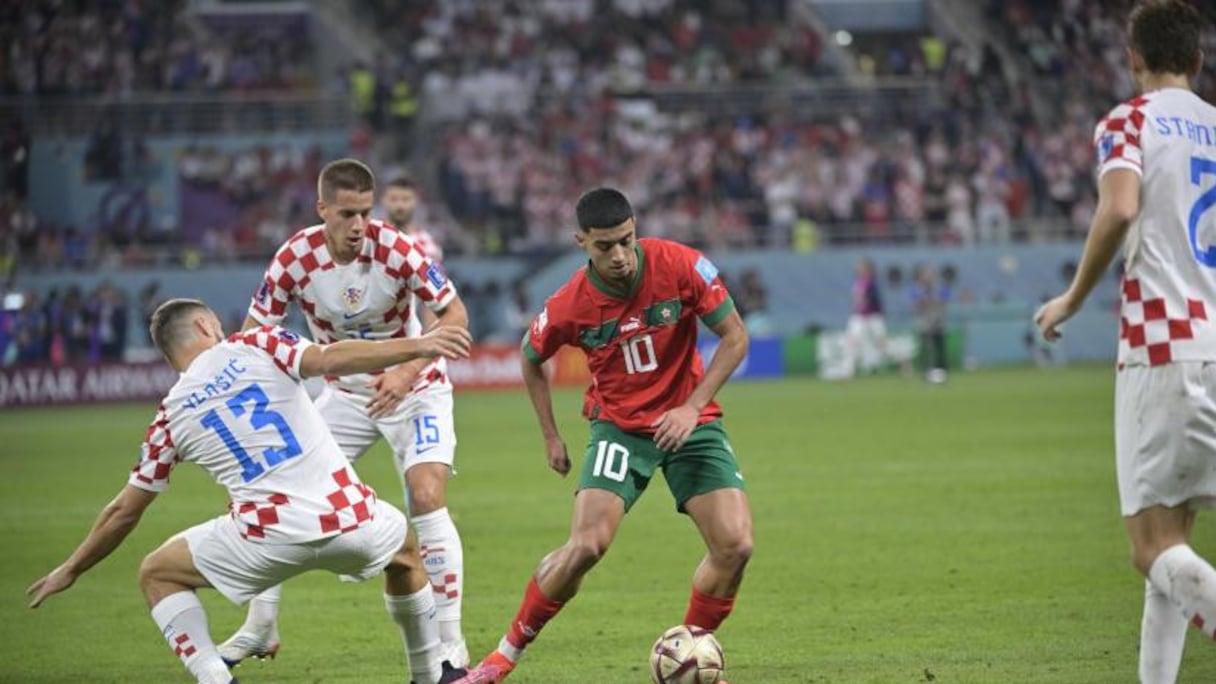
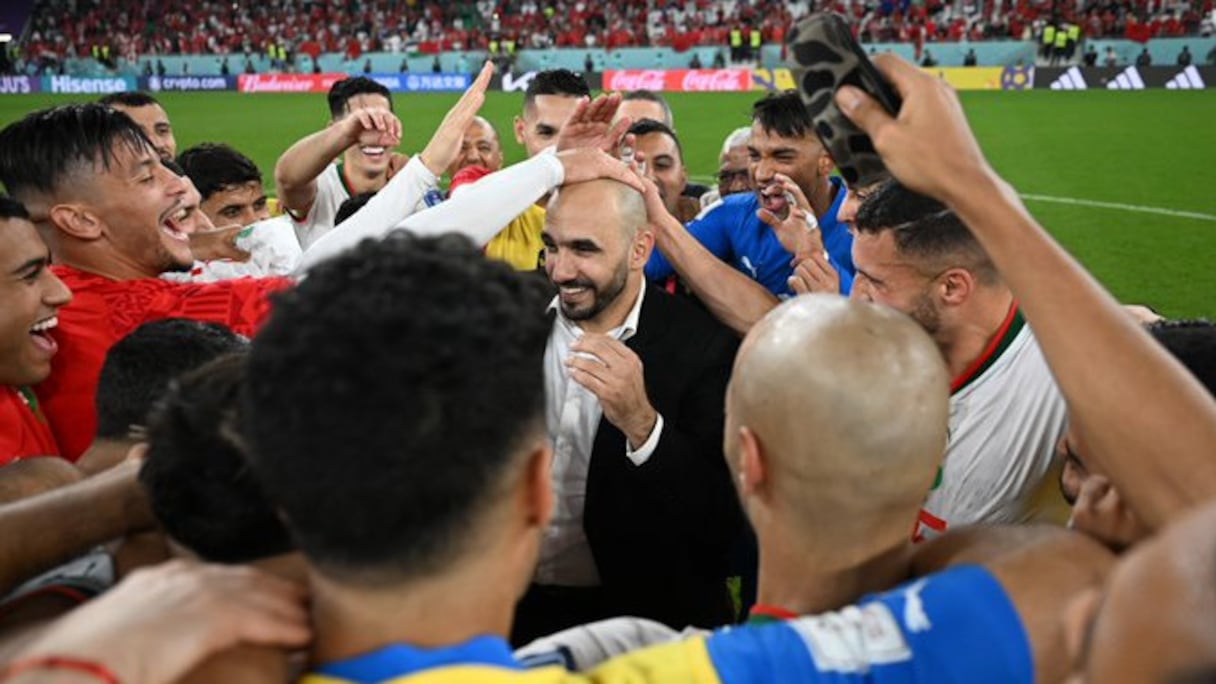
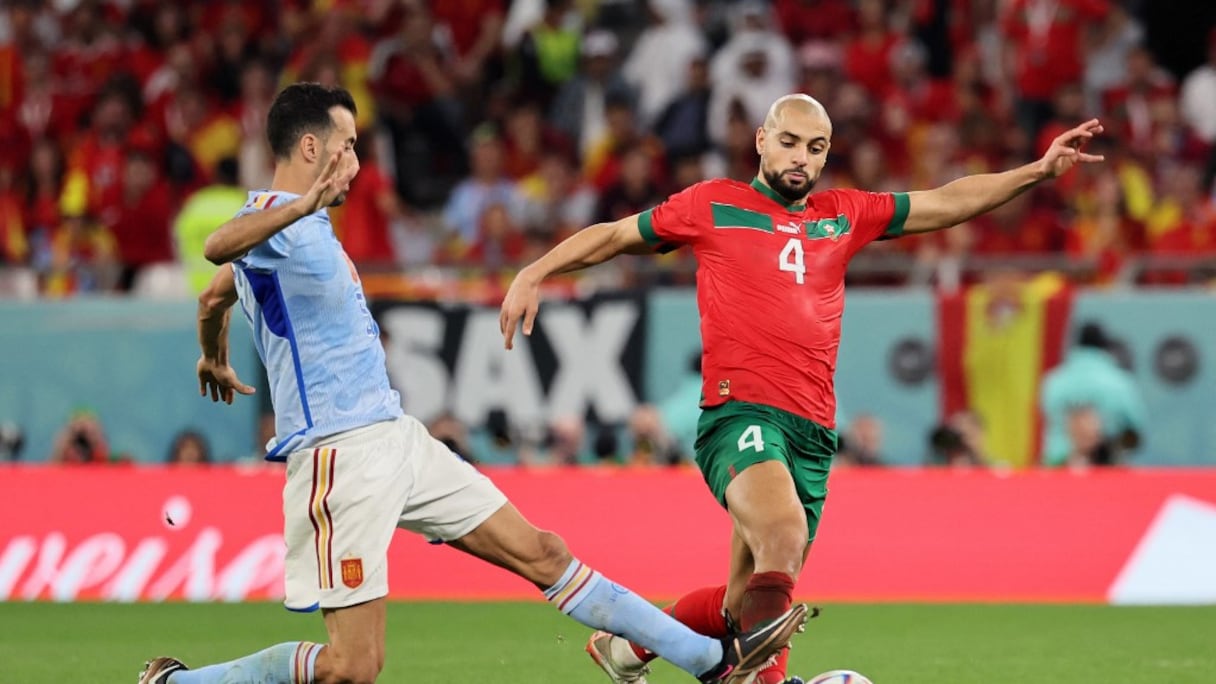
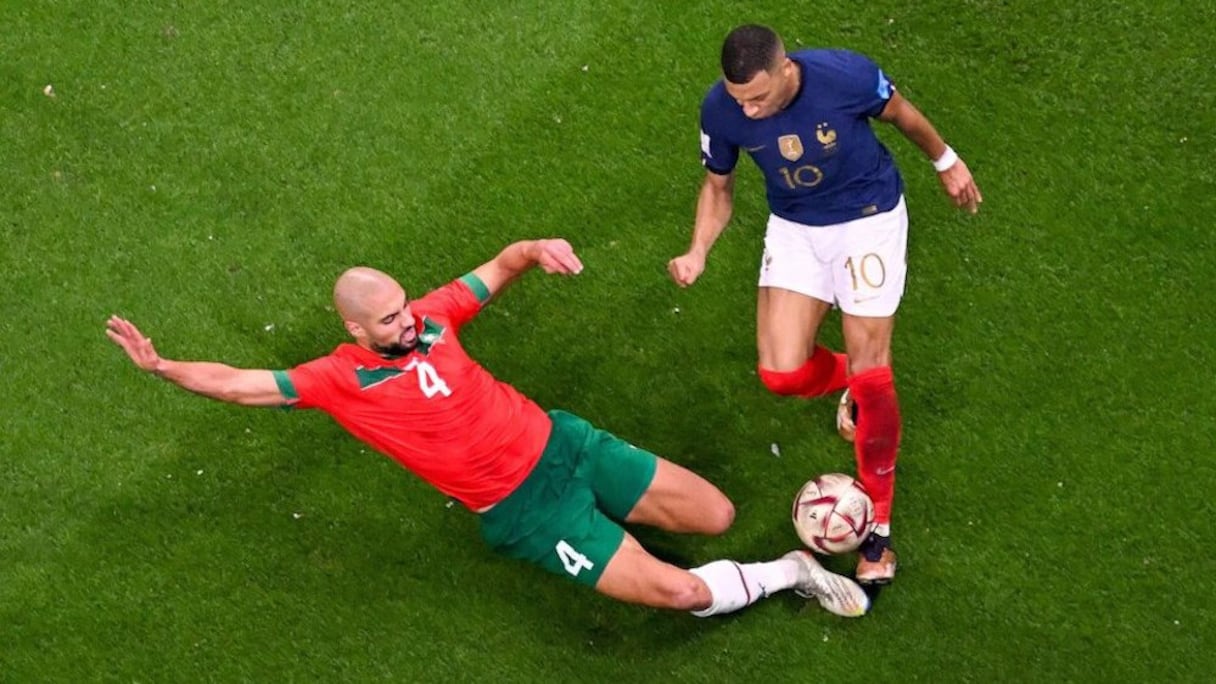
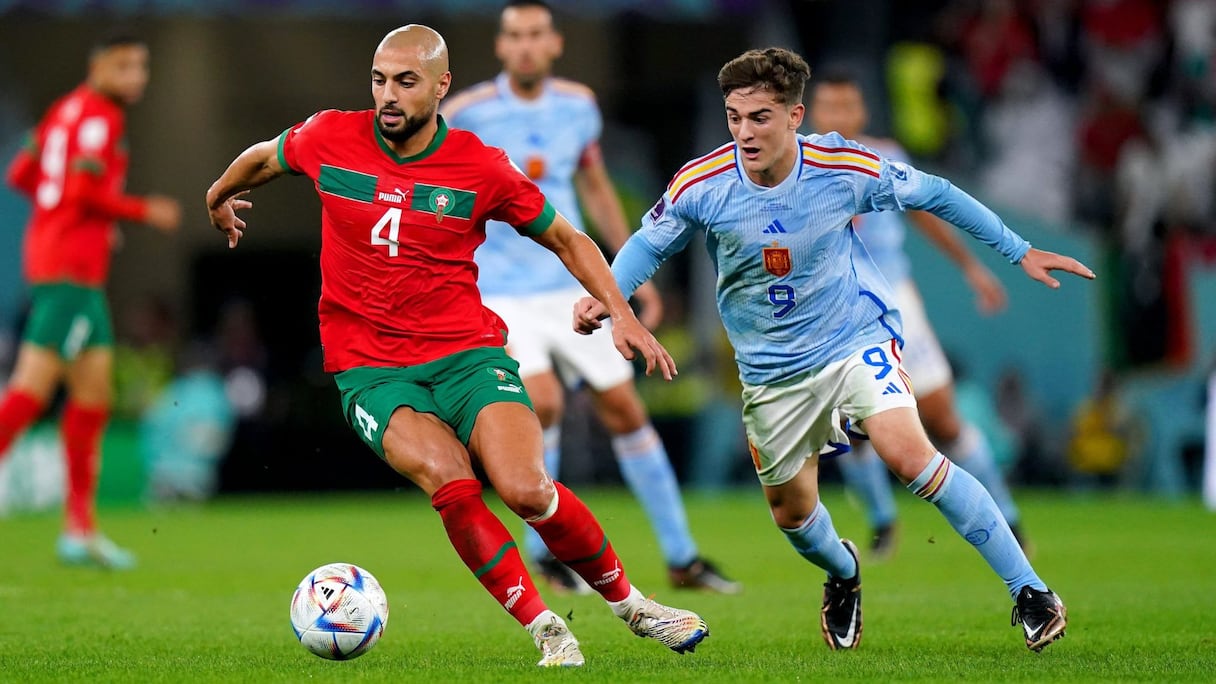
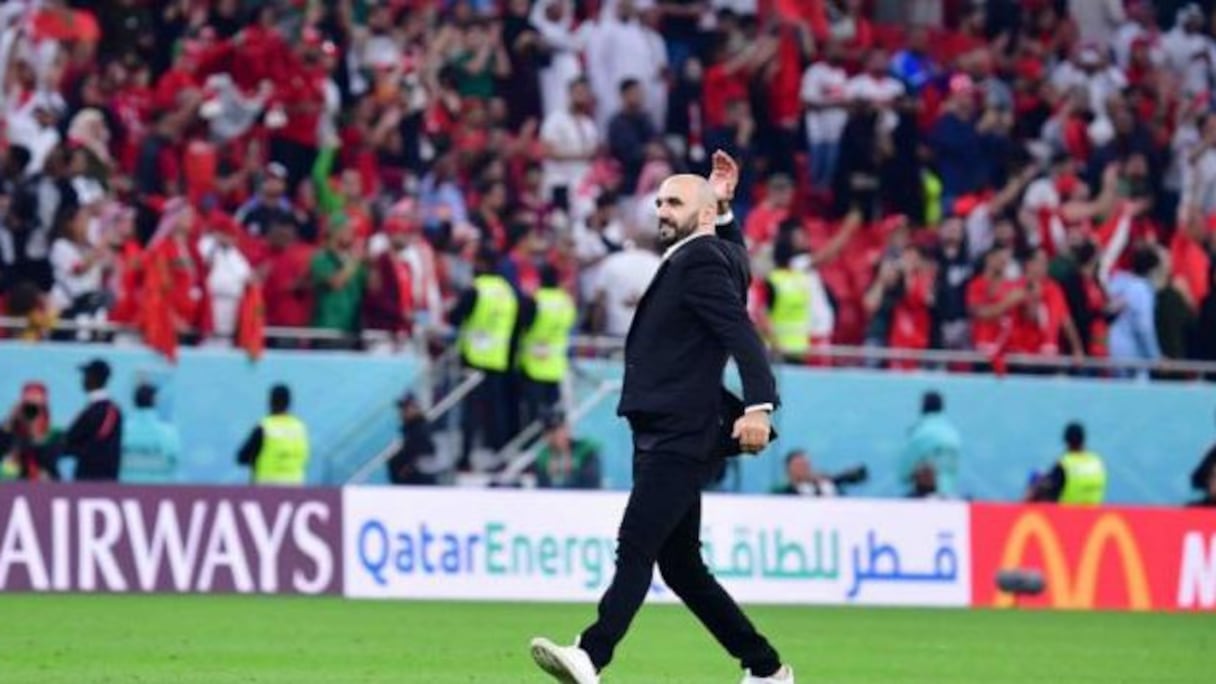
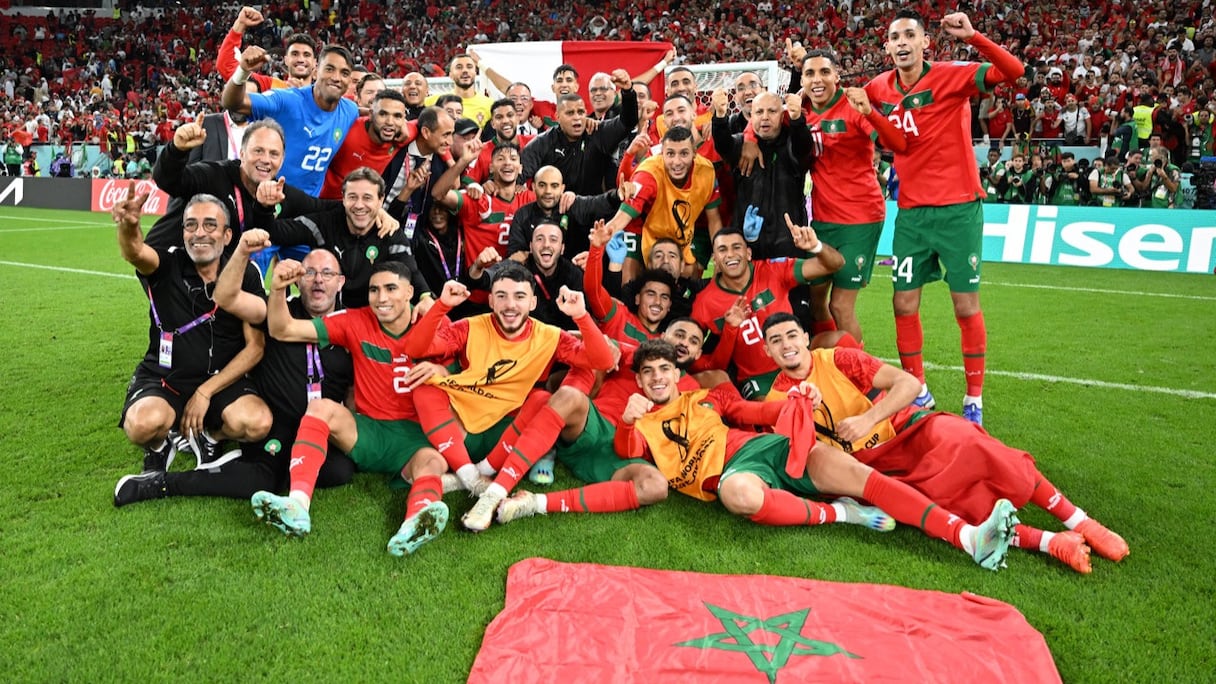
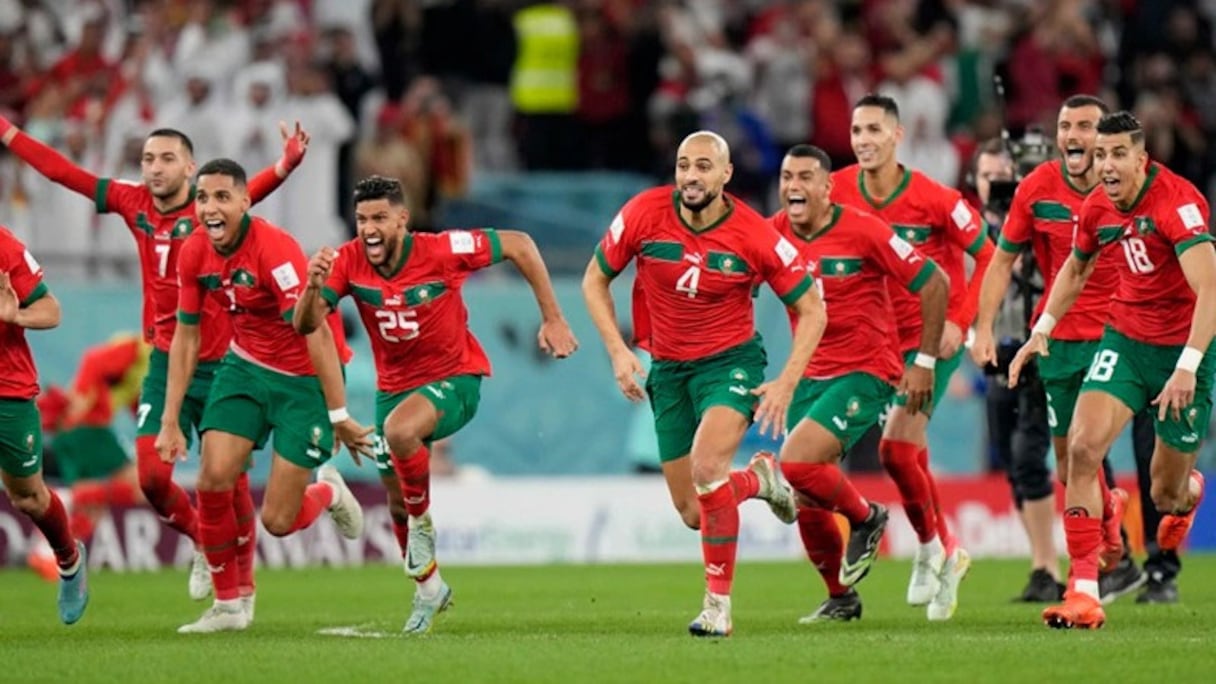


Walid Regragui célébré par ses joueurs après la qualification en demi-finale du Mondial 2022.. DR
AFCON 2023, held in Côte d’Ivoire in 2024, served as a reminder of how difficult that task could be. Knocked out in the round of 16 by South Africa, the Atlas Lions made a premature exit from a tournament they had entered with high ambitions.
Yet that setback did nothing to derail the momentum already established. Morocco continued its work, strengthened its squad and brought through new talent. Its run to the AFCON 2025 final in Rabat marked another stage in that progression, despite the eventual outcome.
Then came the 2026 World Cup. In the United States, Canada and Mexico, the Atlas Lions once again rose to the occasion. After drawing 1–1 with Brazil, they defeated Scotland 1–0 and Haiti 4–2 before continuing their campaign against the Netherlands and Canada.
Their journey ended in the quarter-finals with a 2–0 defeat to France. Four years earlier, reaching that stage would have been regarded as an extraordinary achievement. Today, it reflects the standing Morocco has acquired on the international stage.
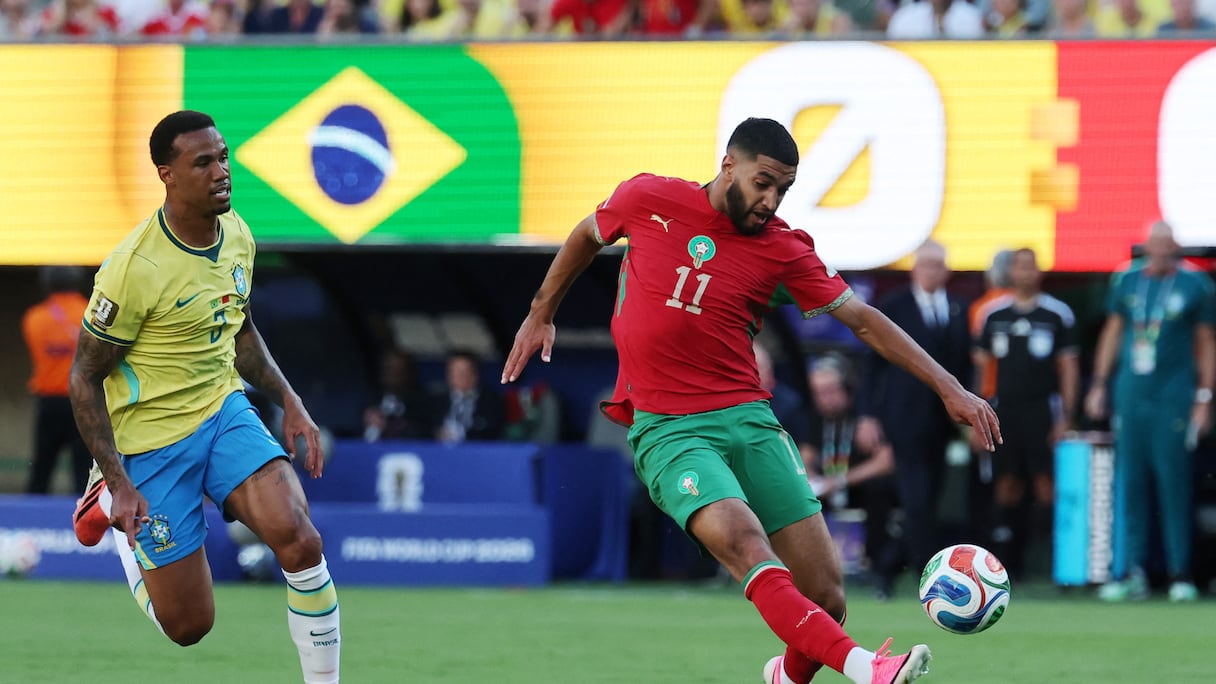
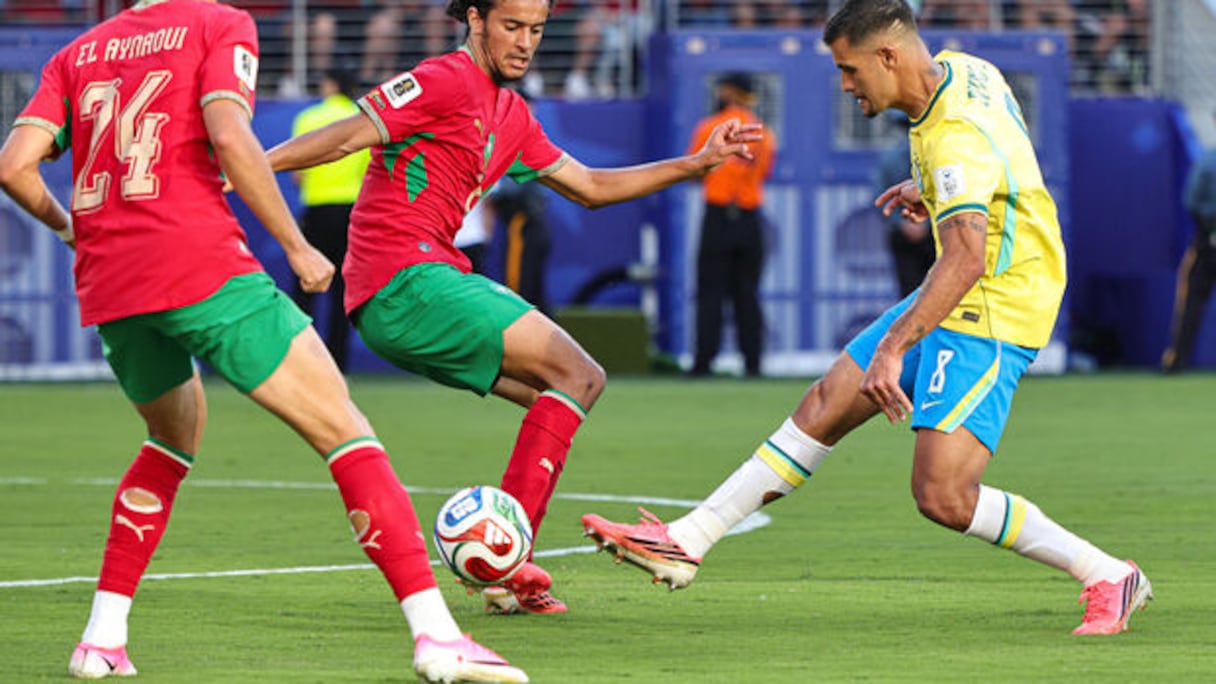
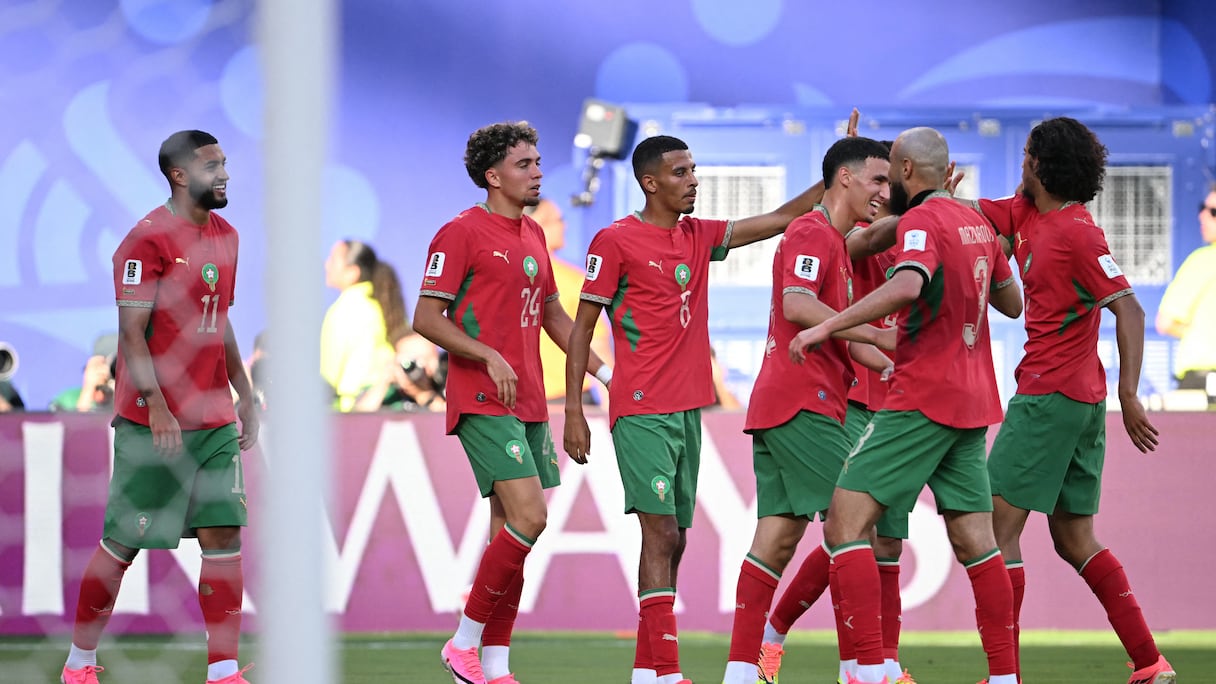
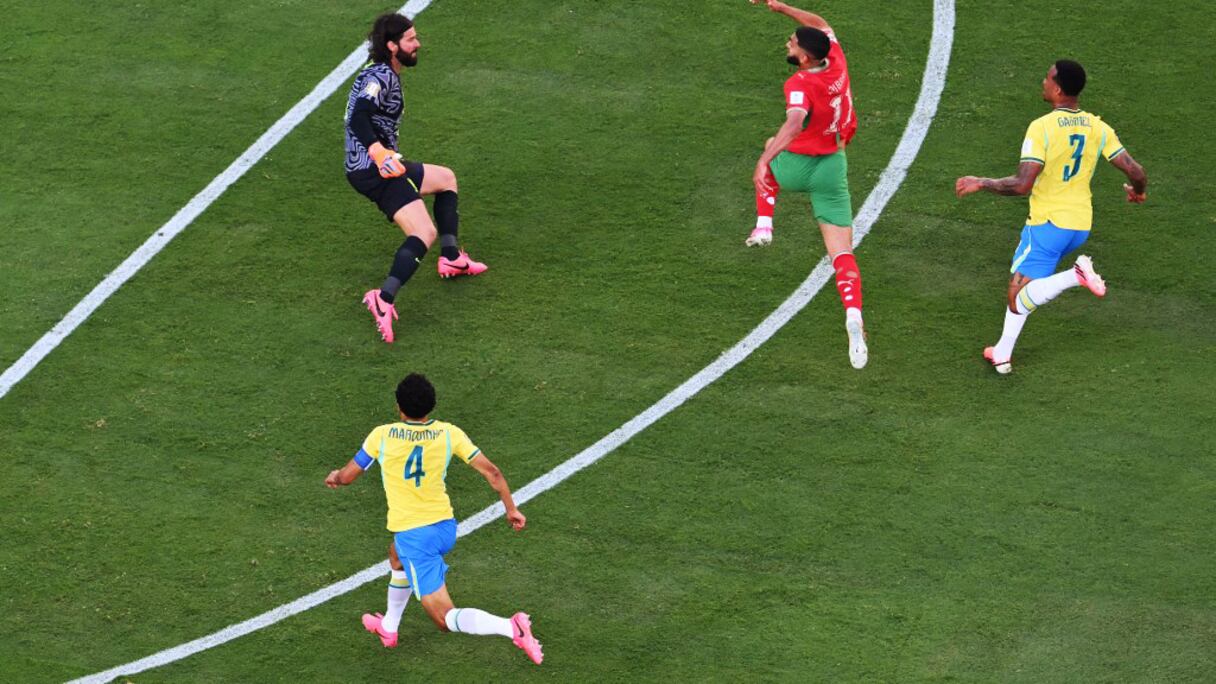
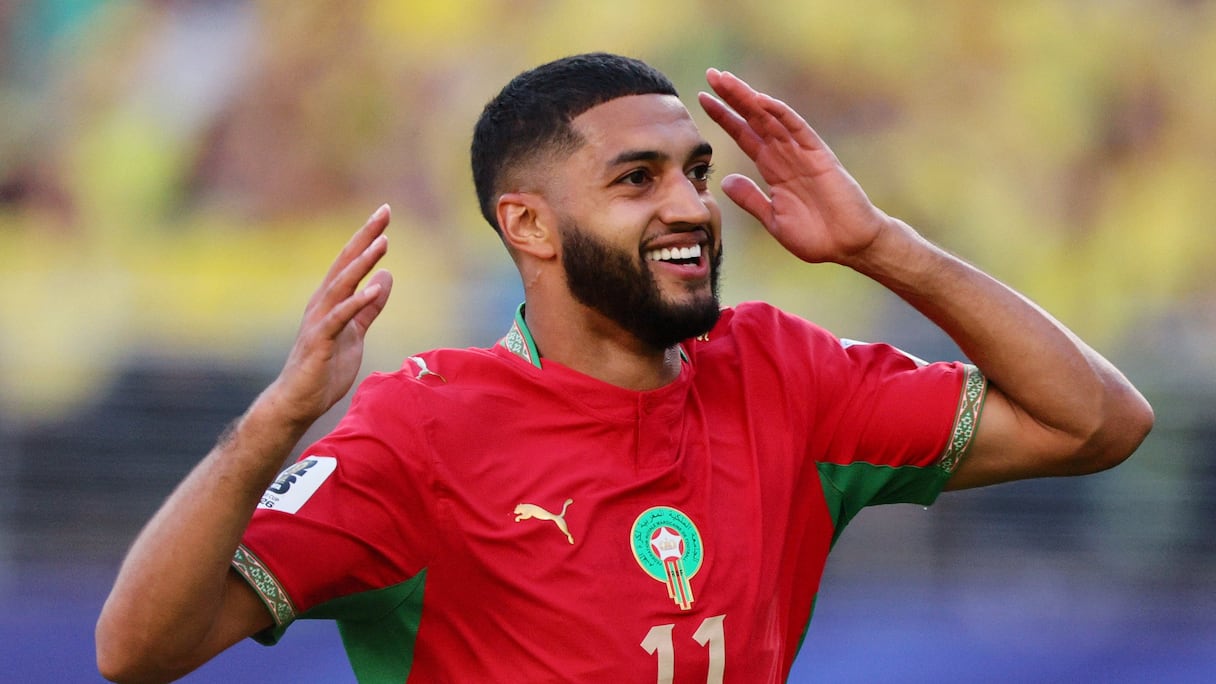
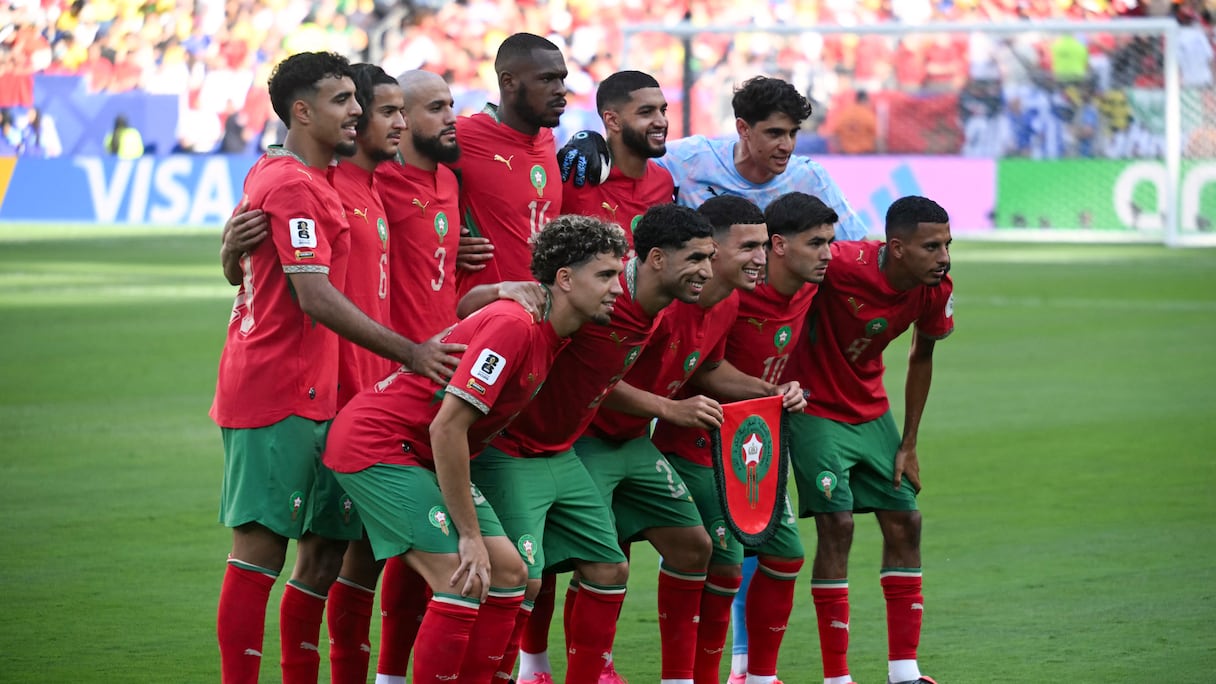
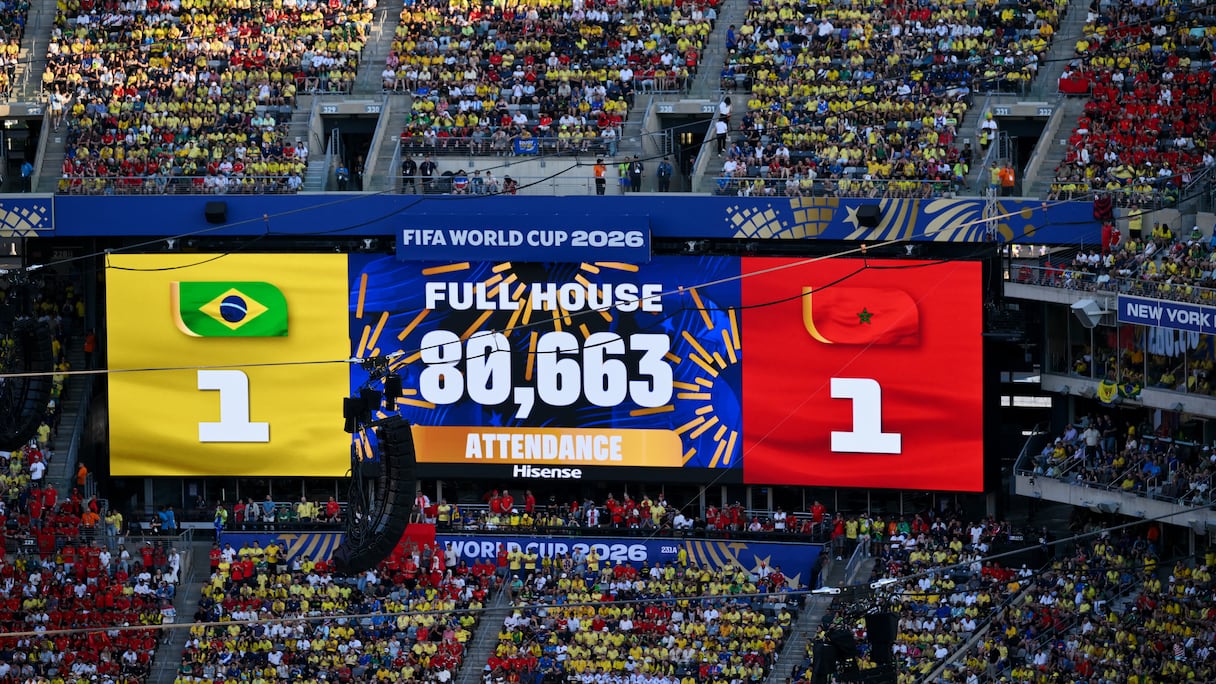
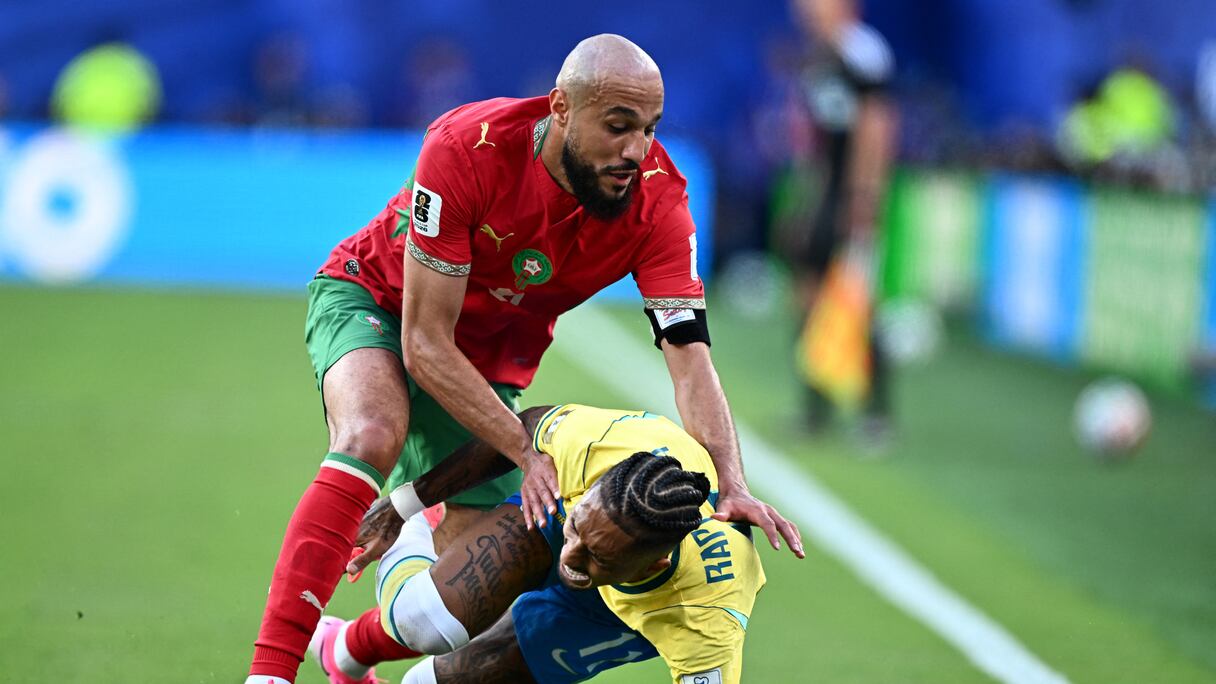
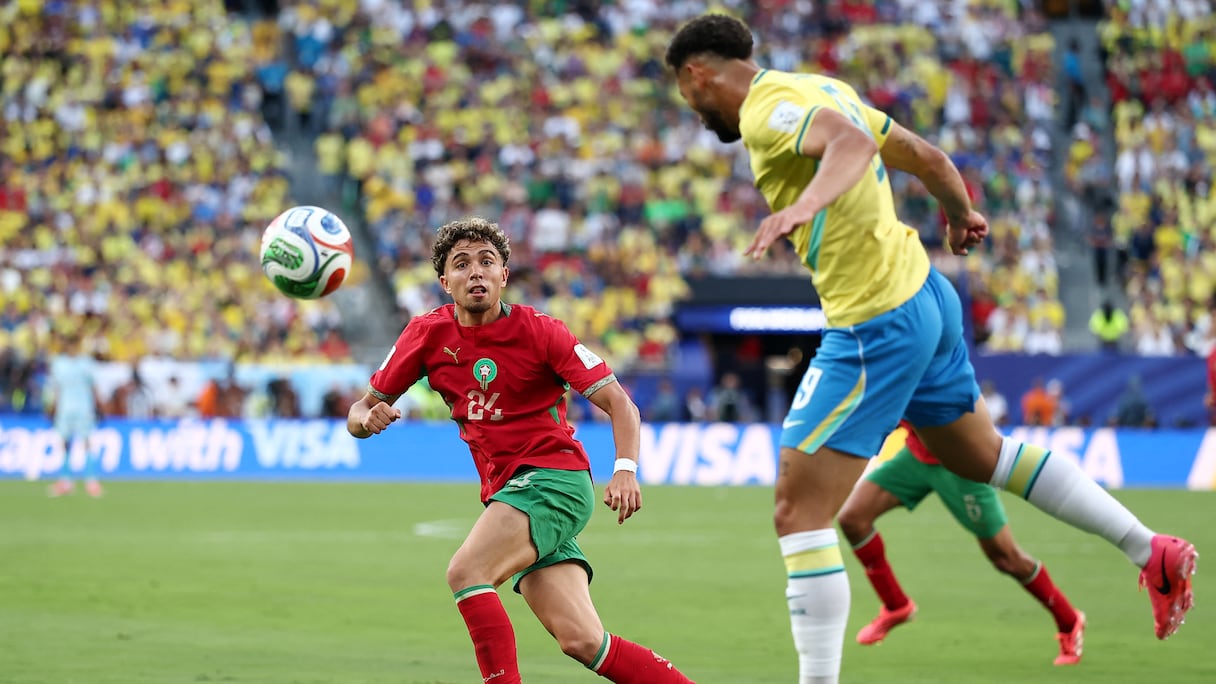
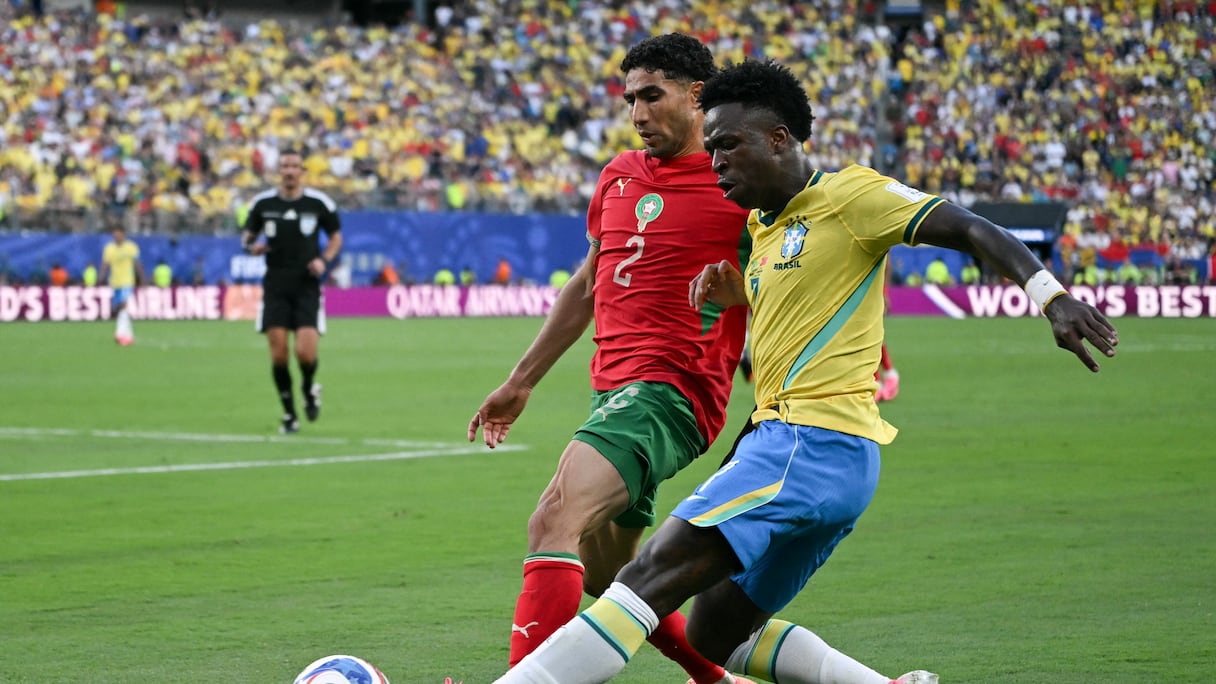
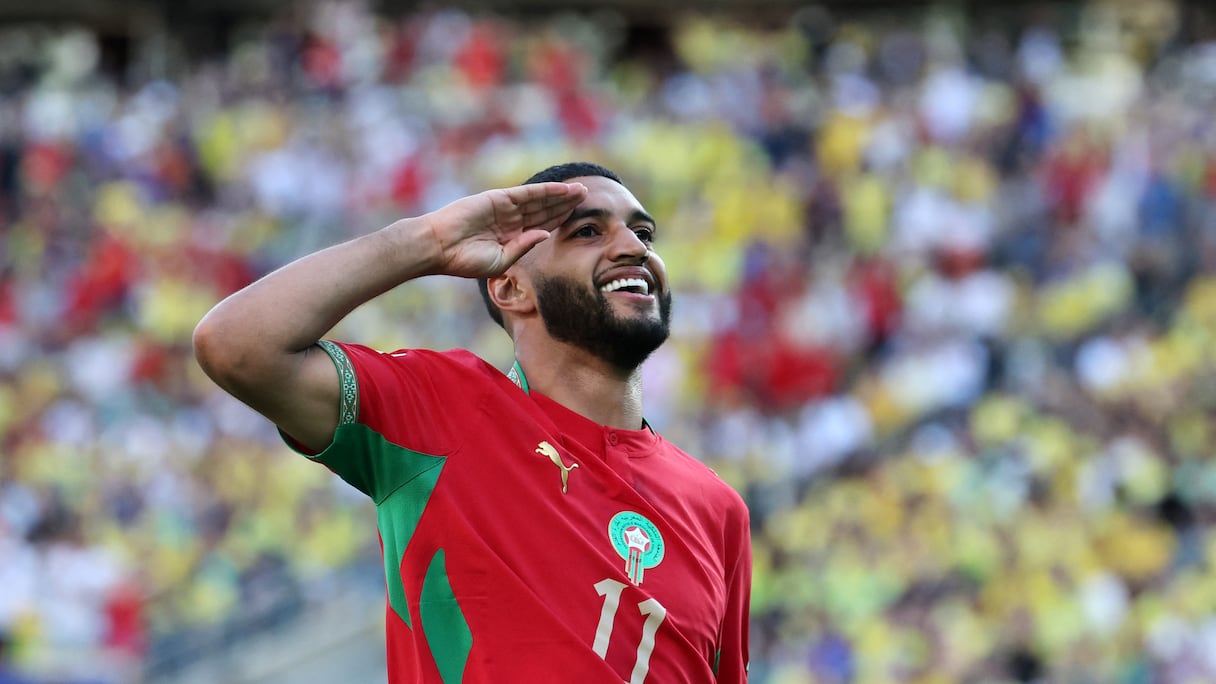
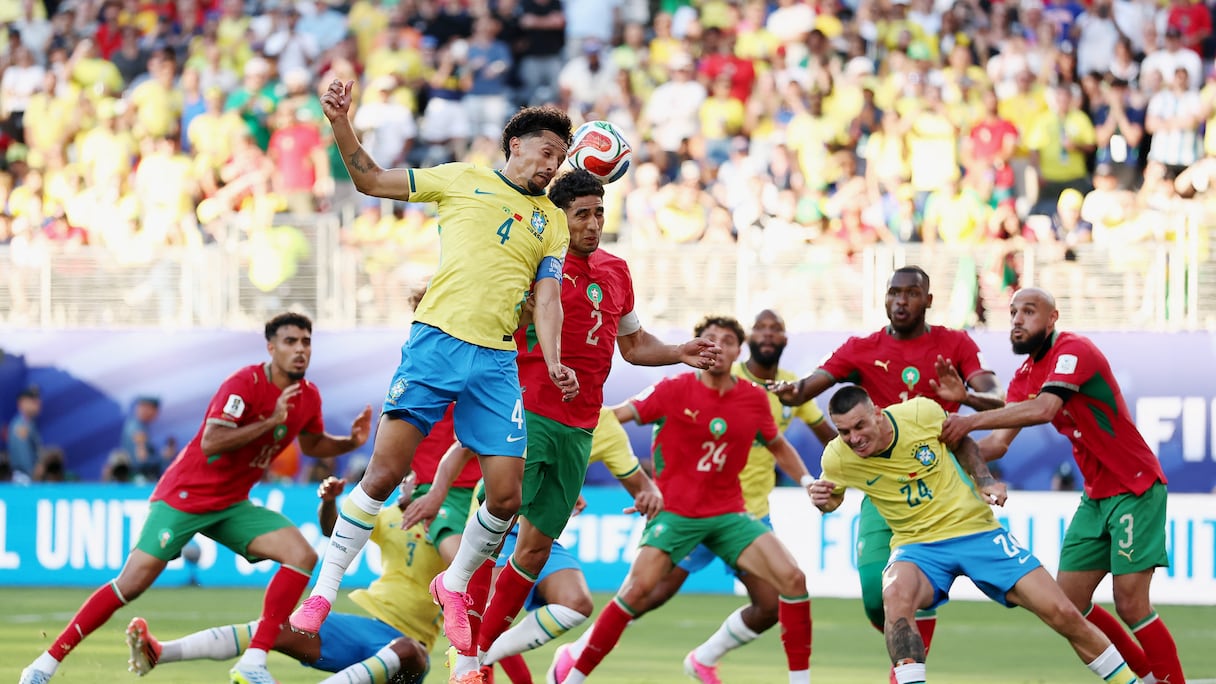
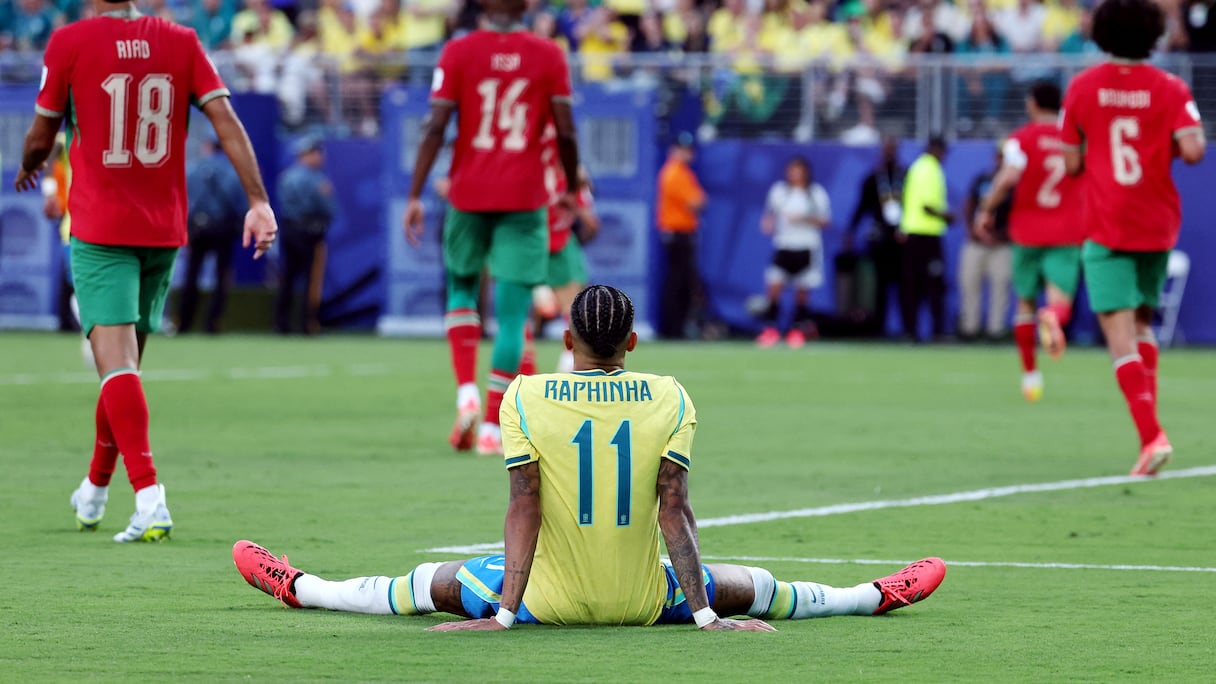
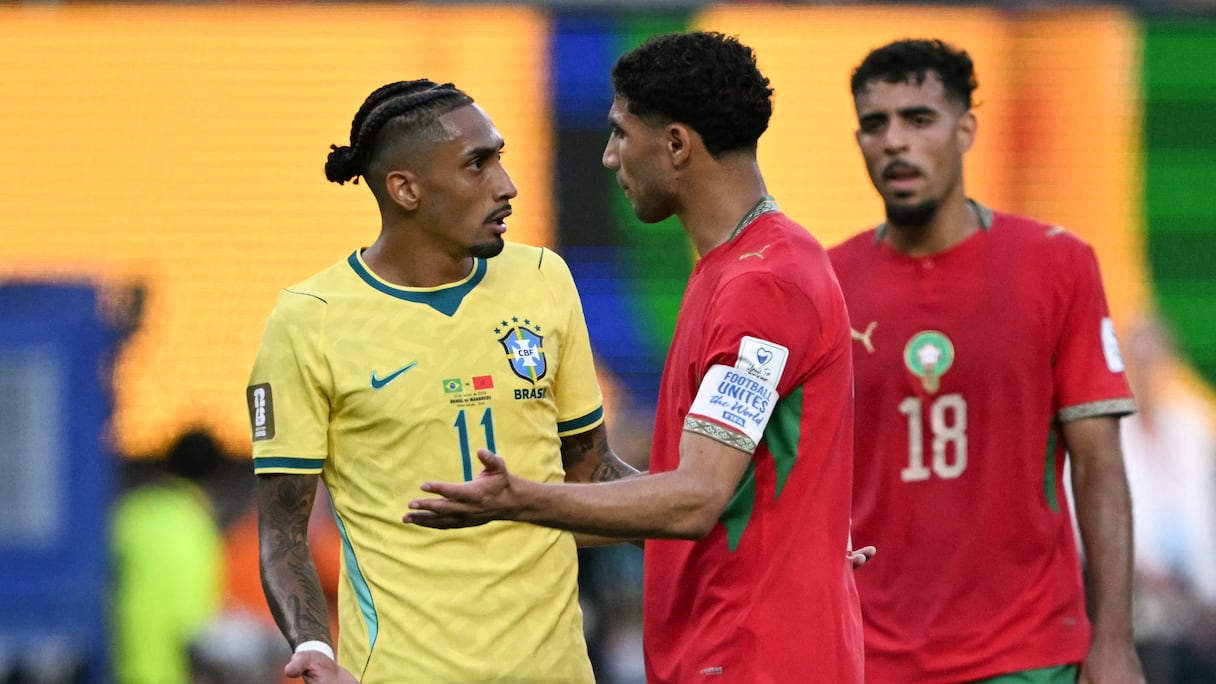
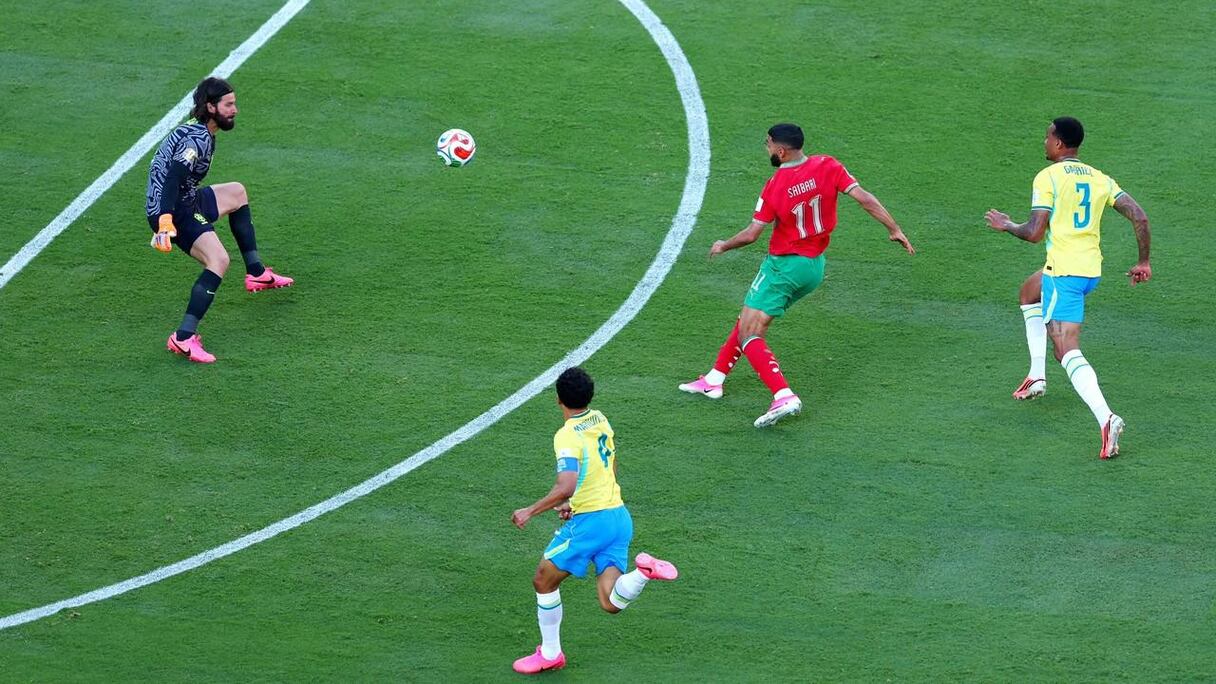
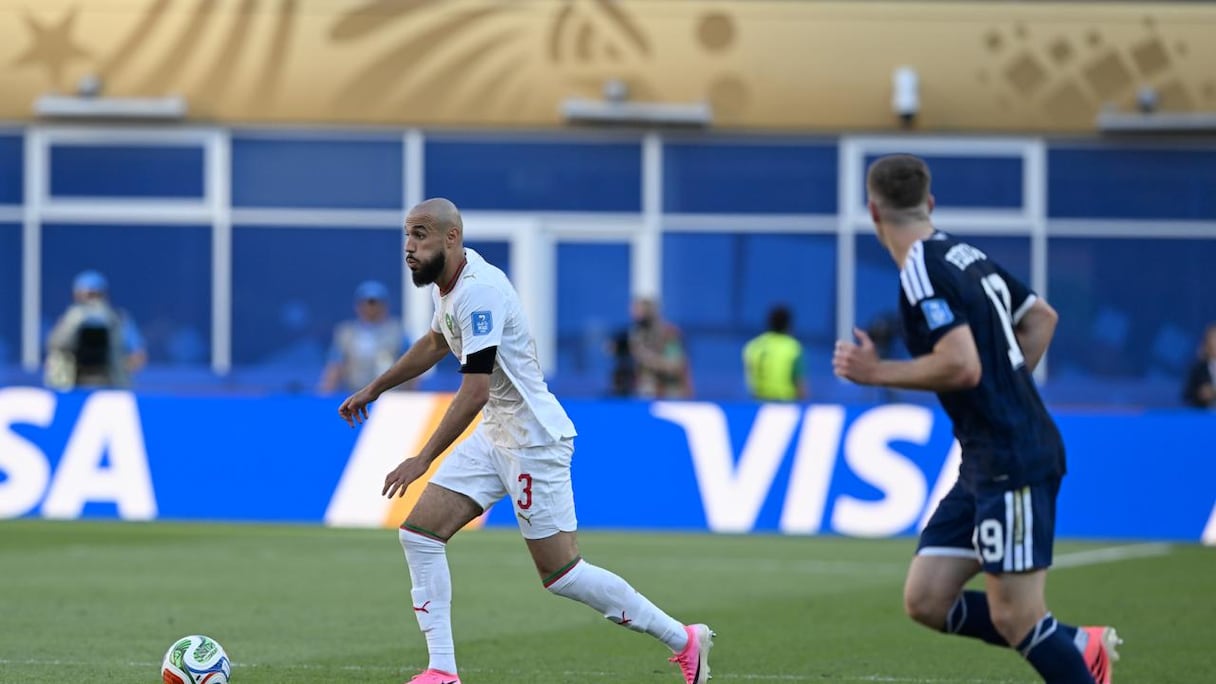
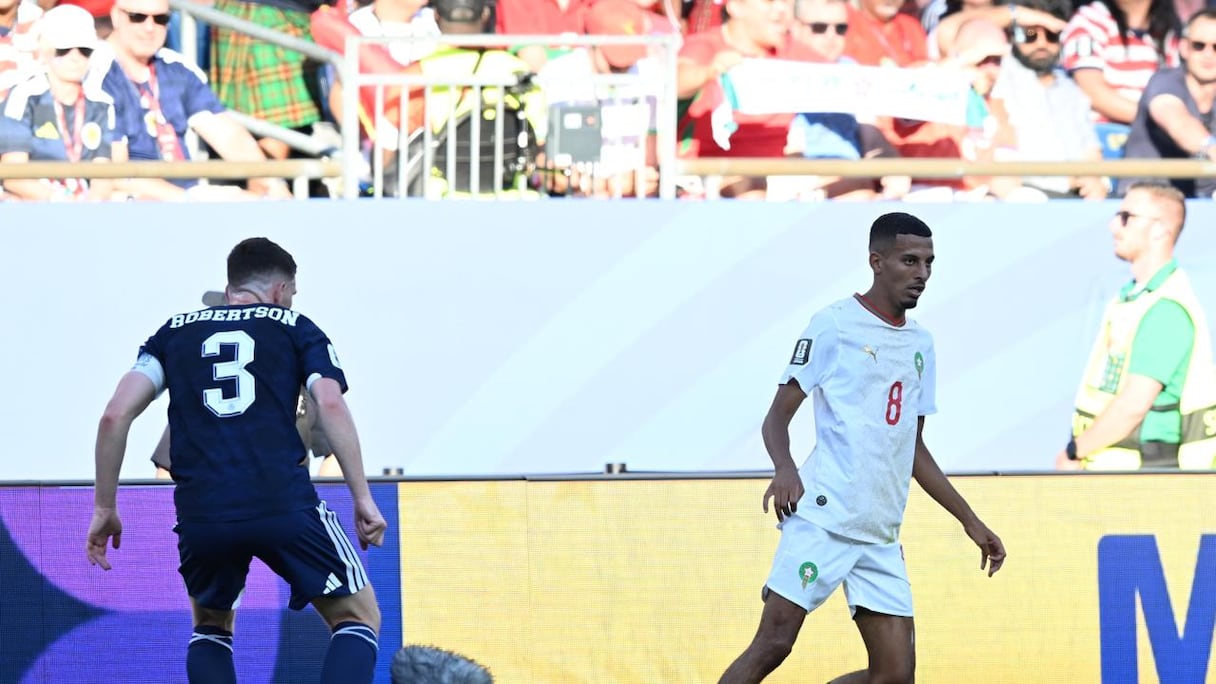
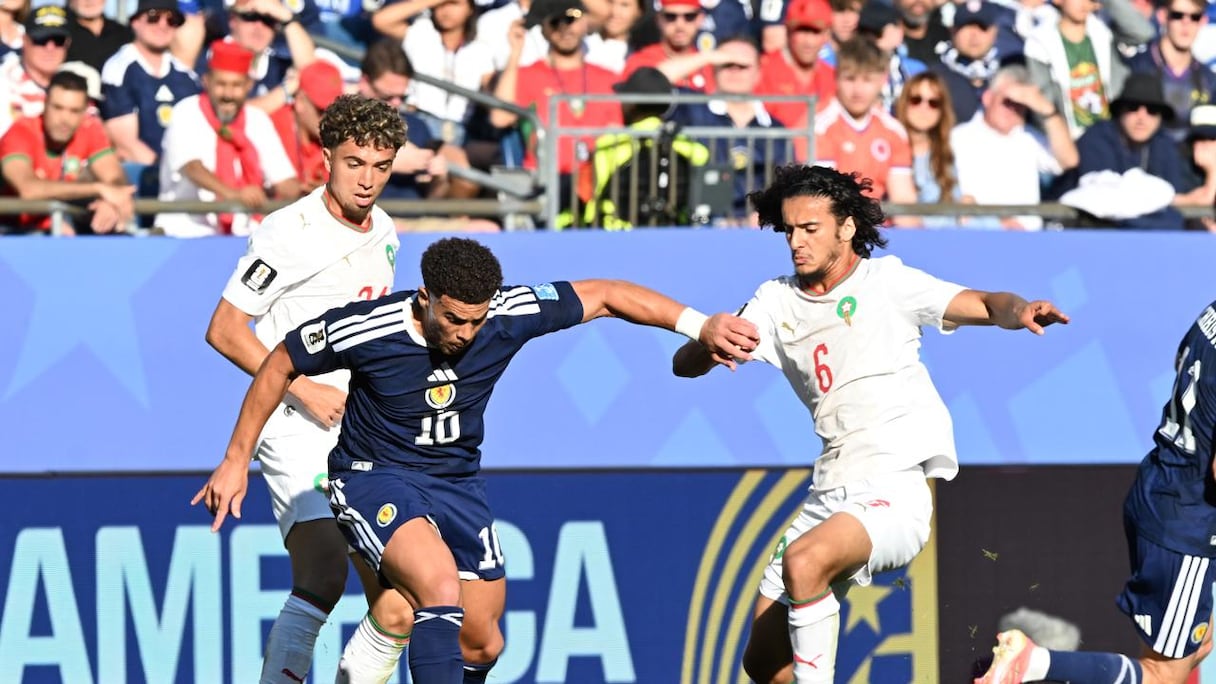
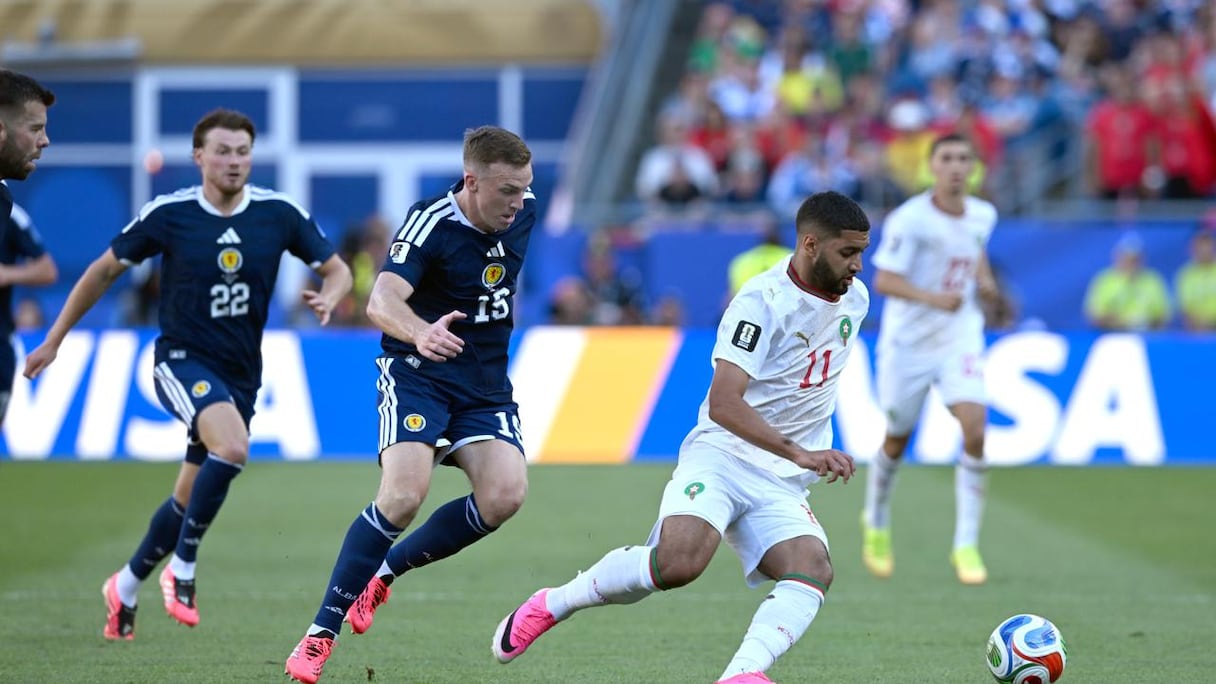
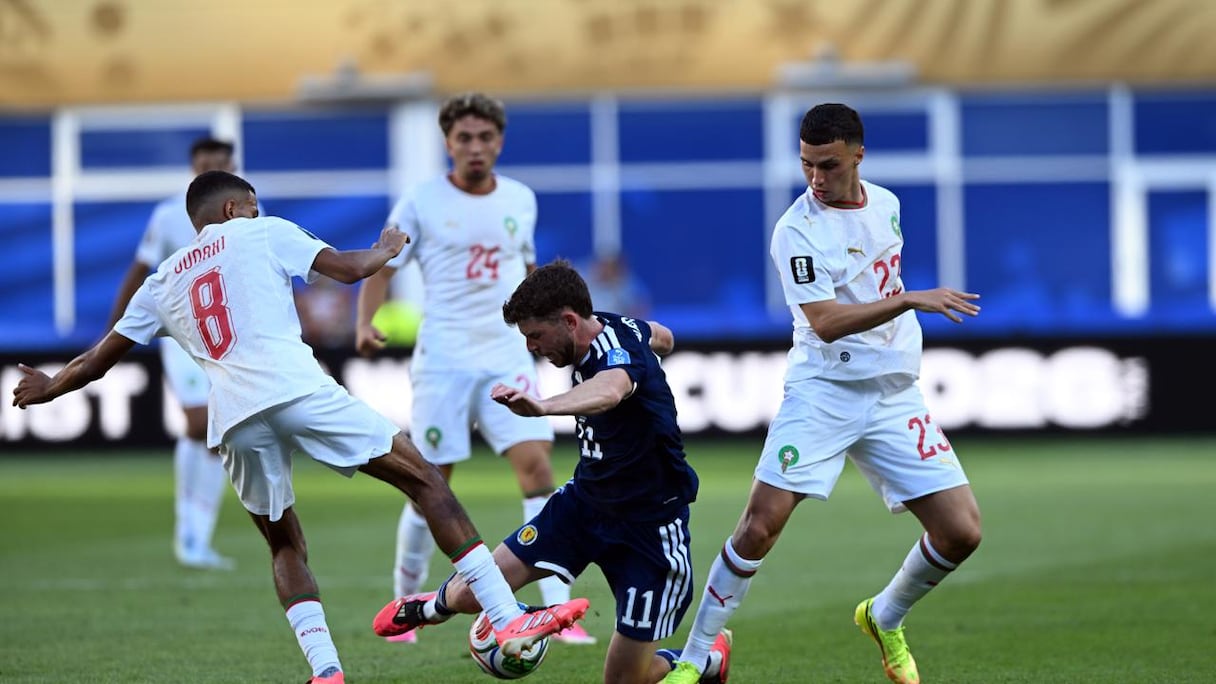
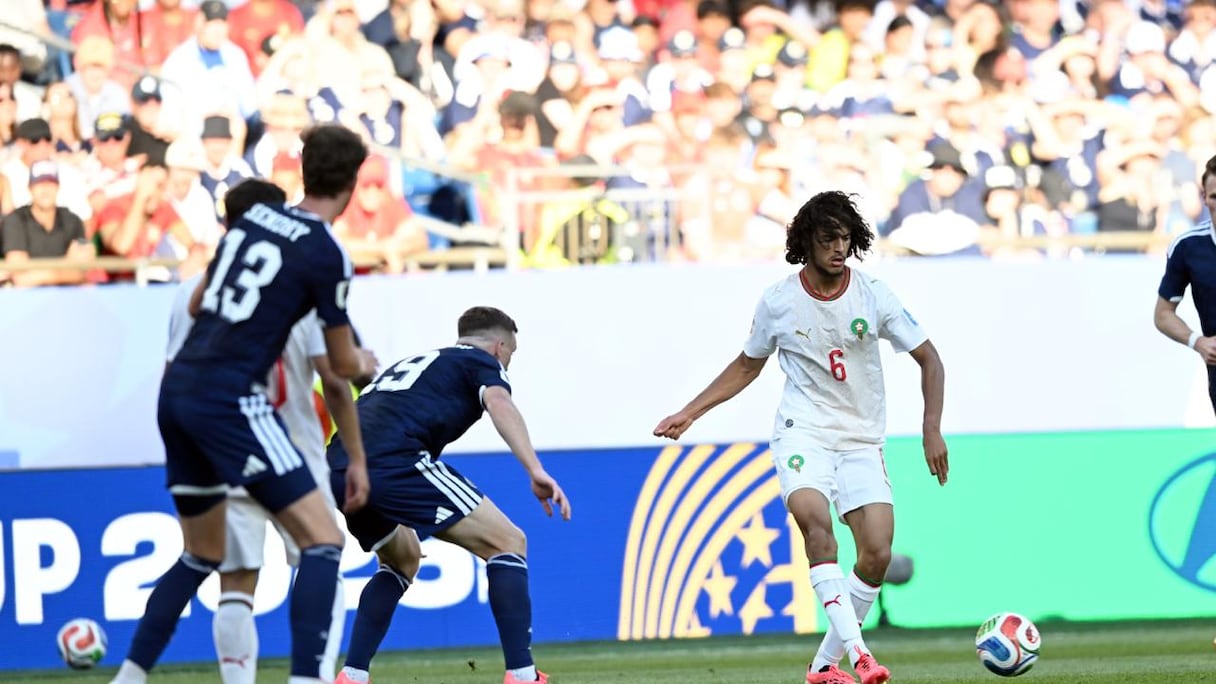
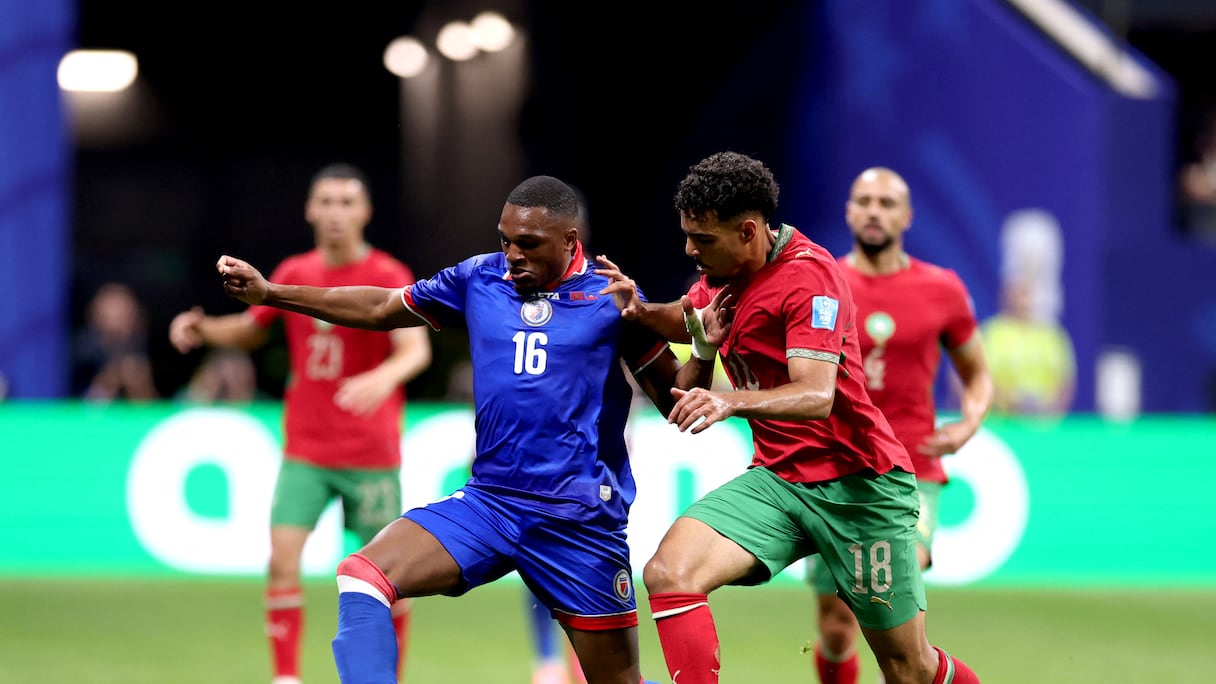
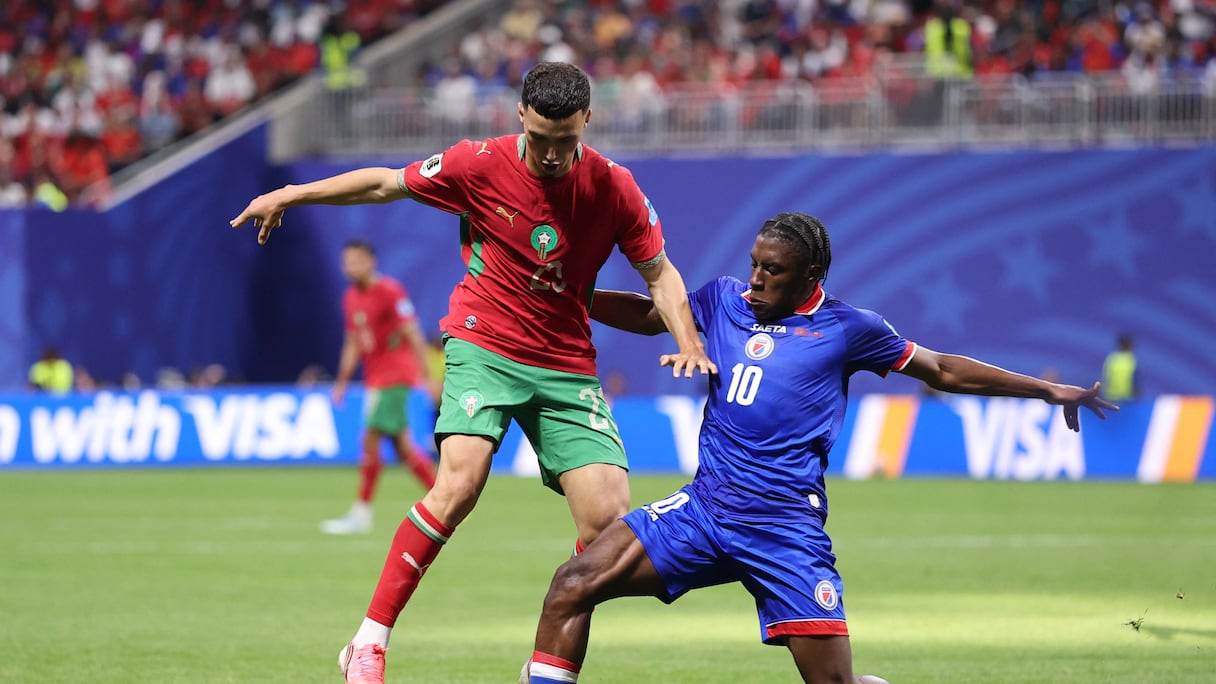
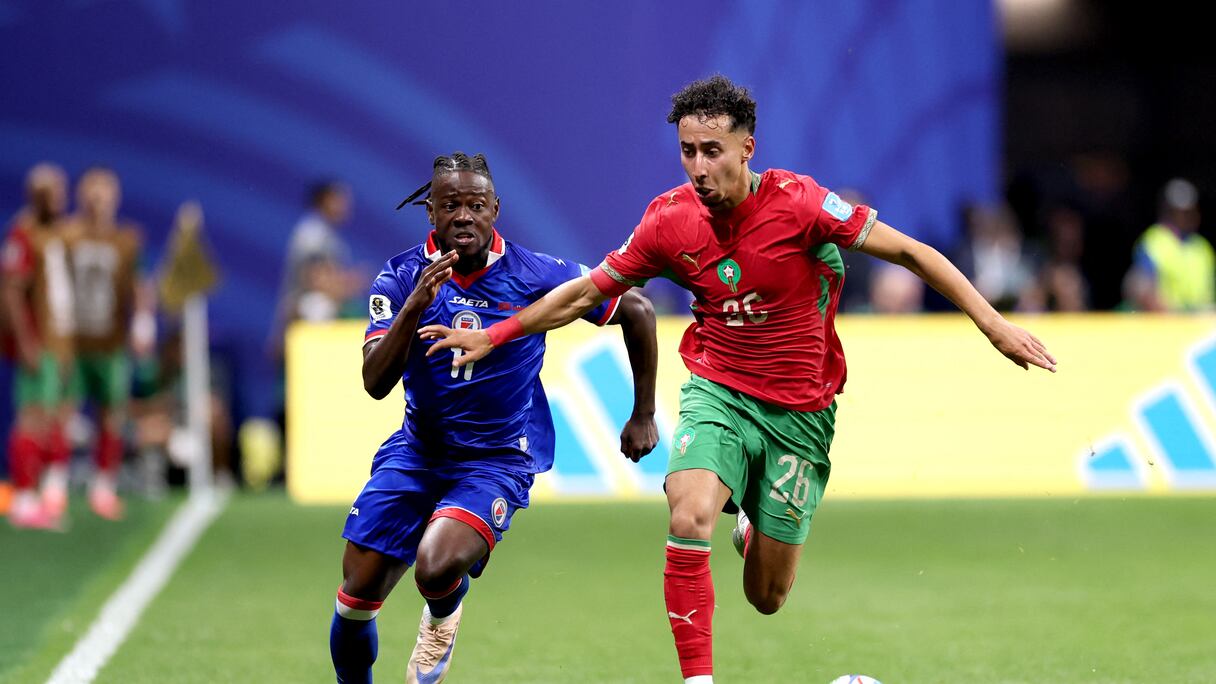
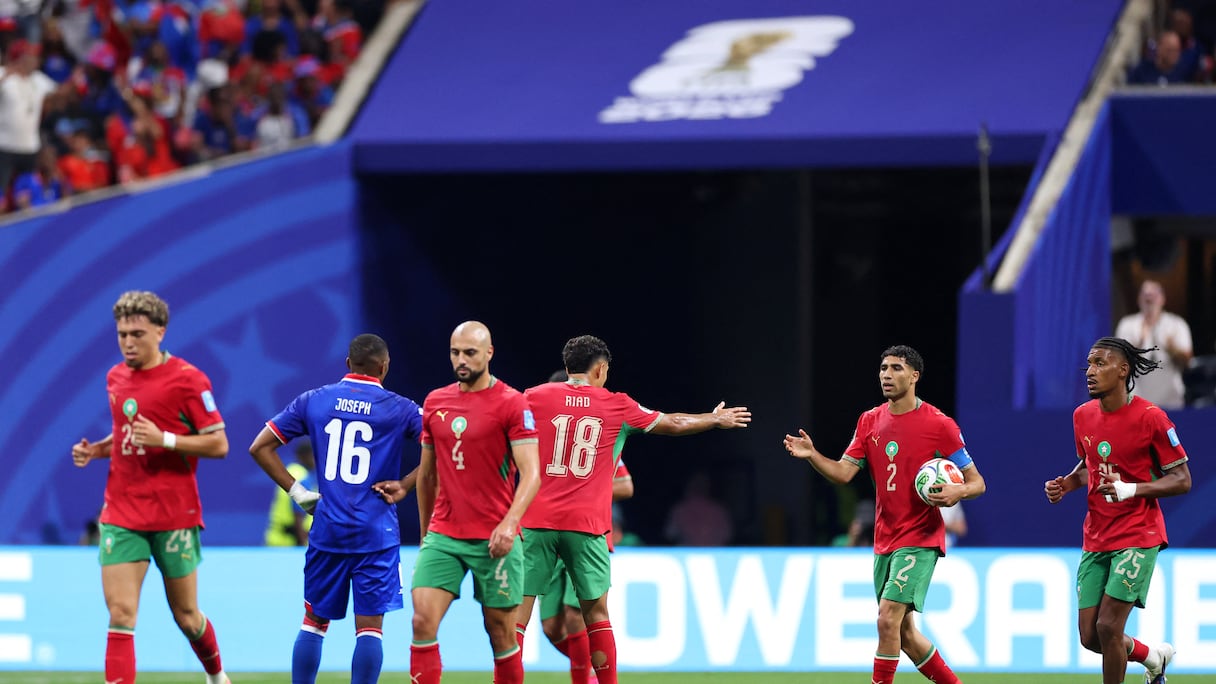
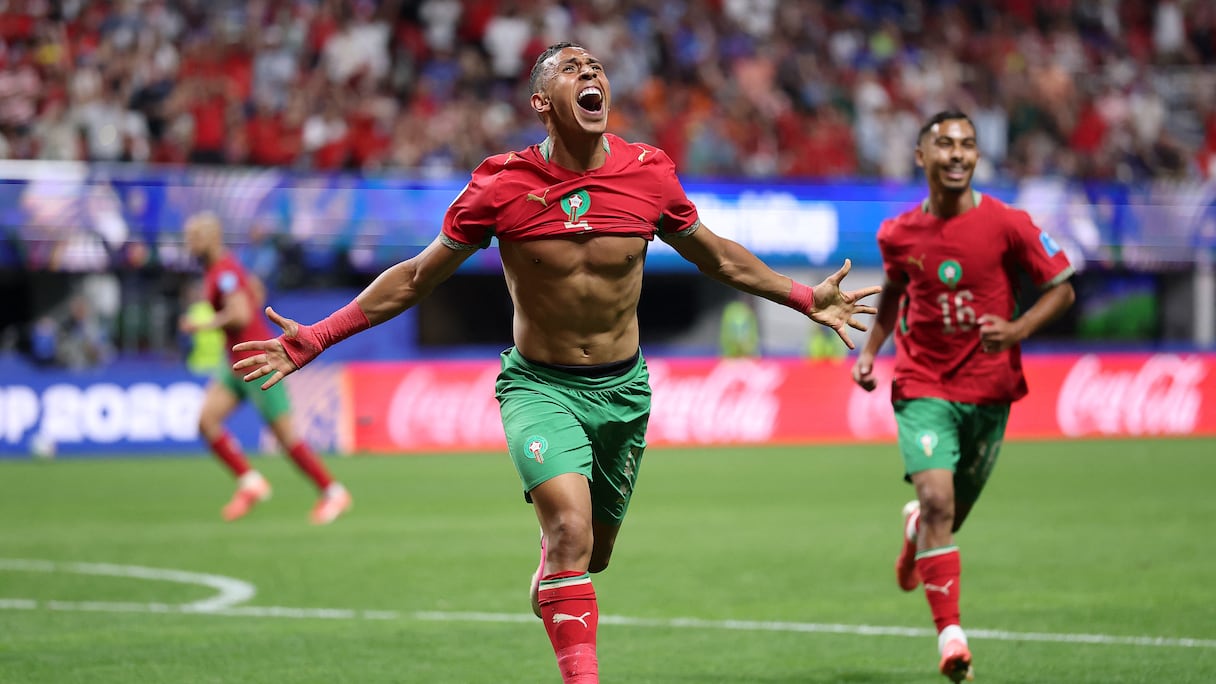
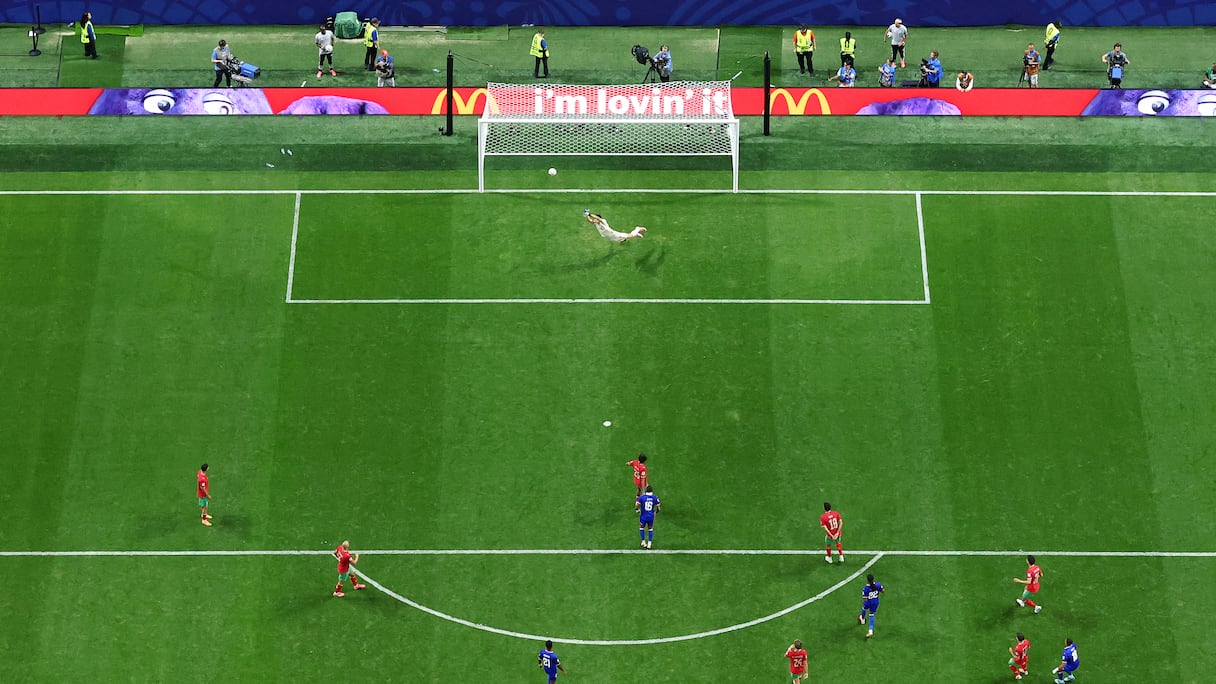
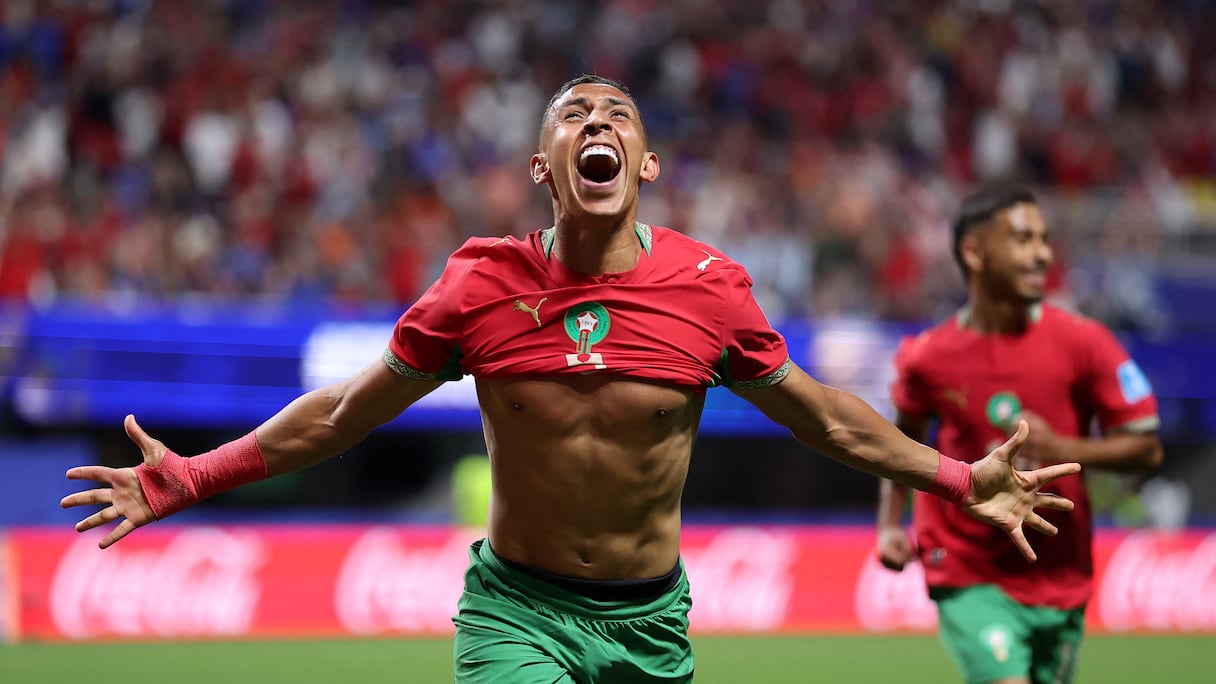
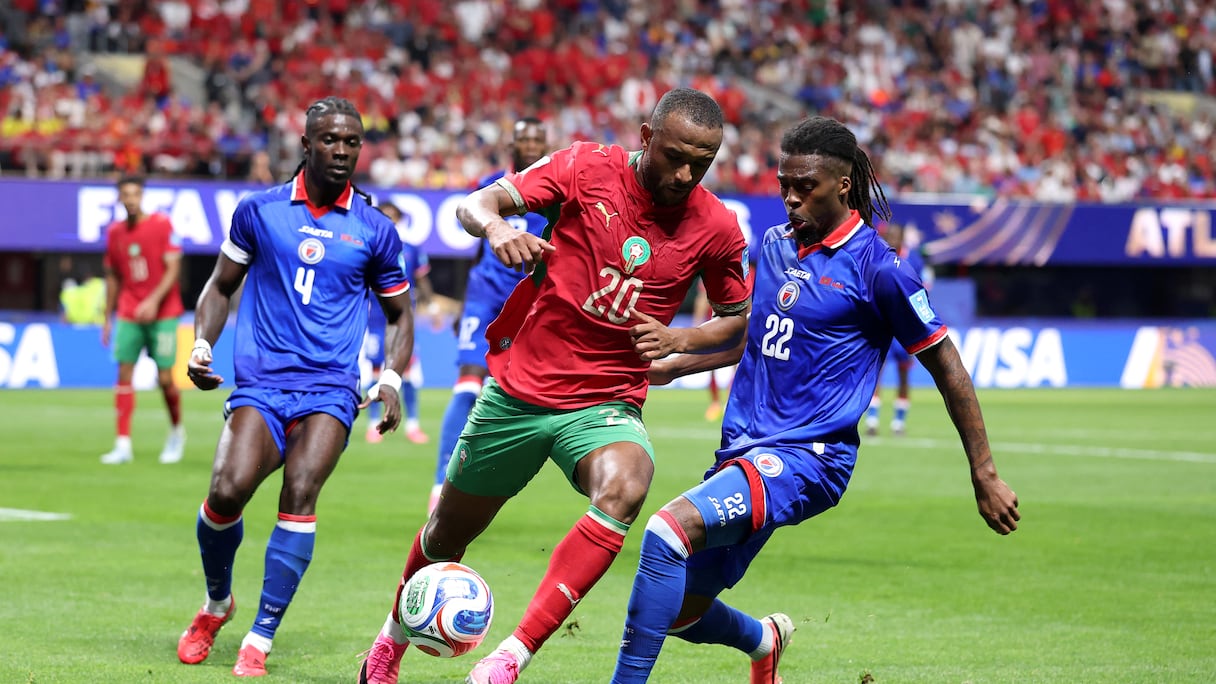
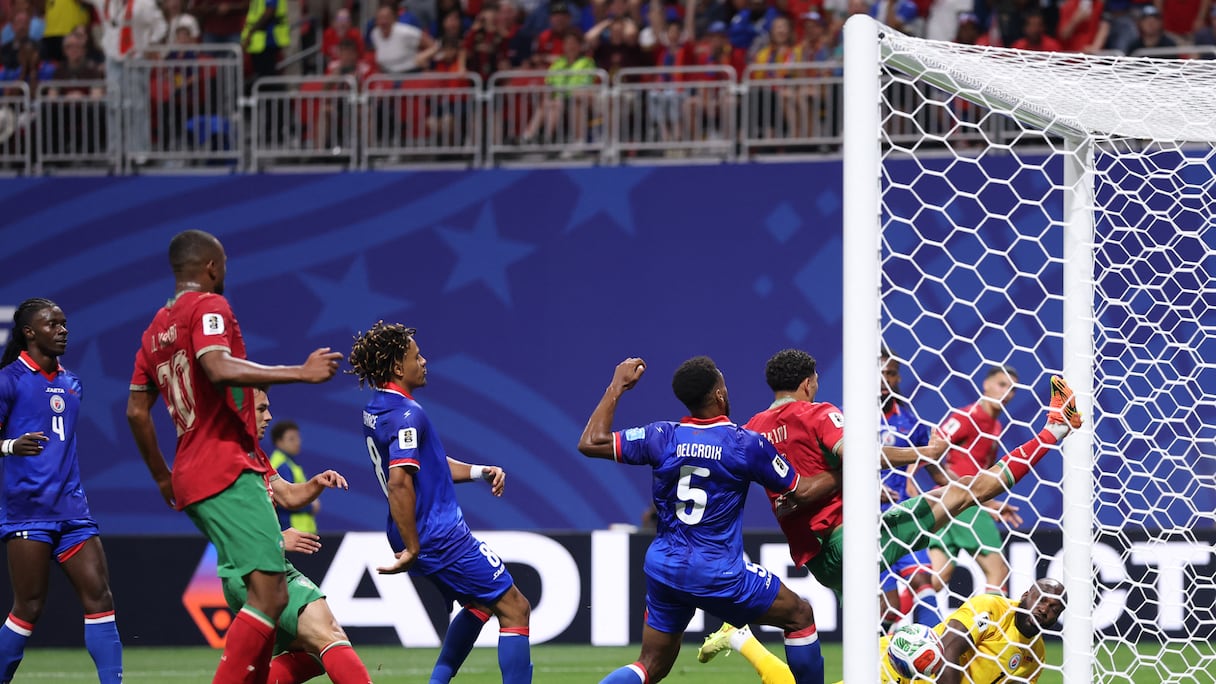
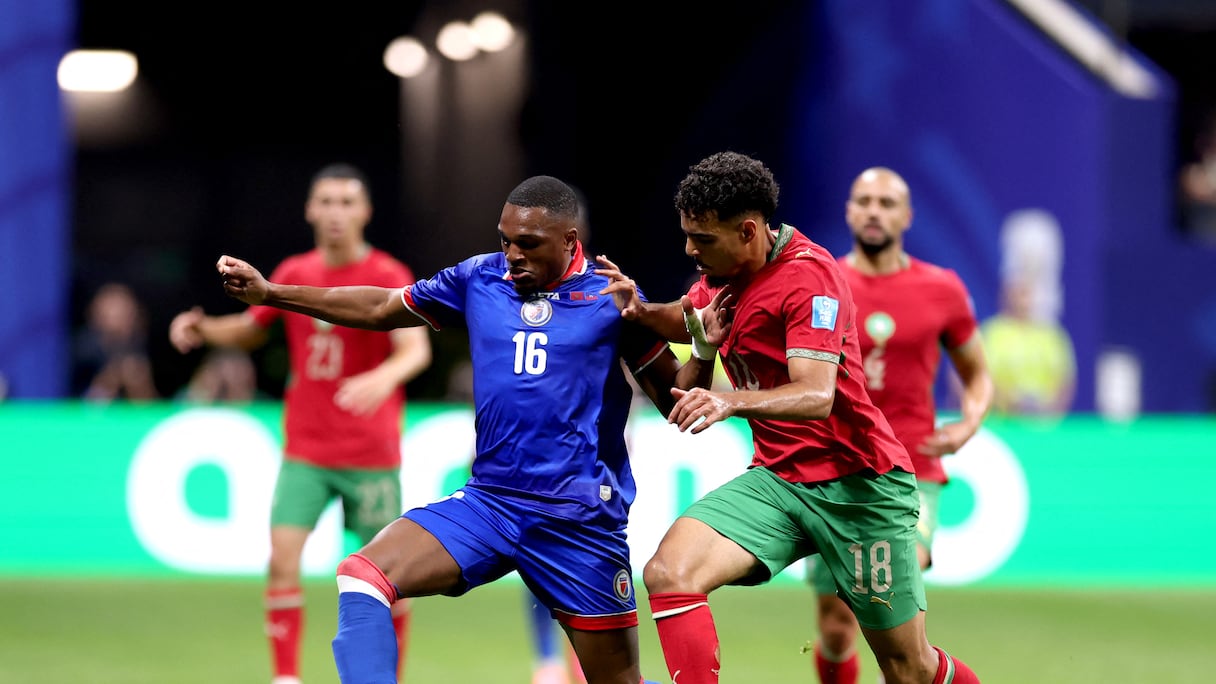
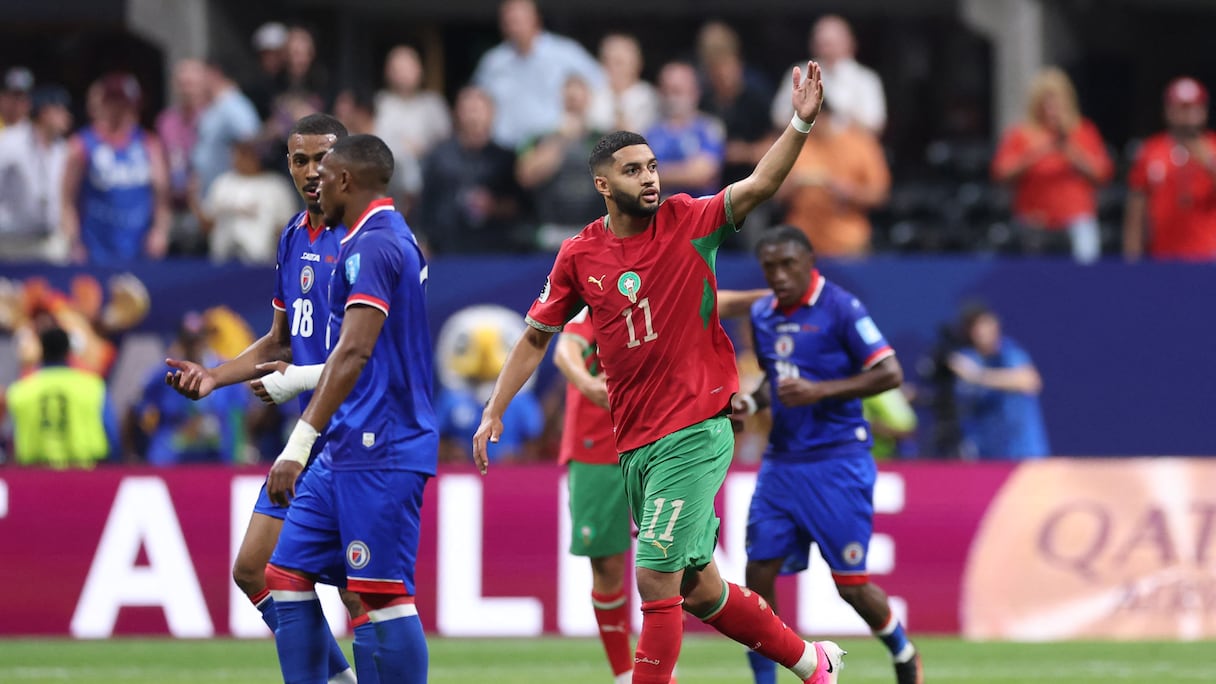
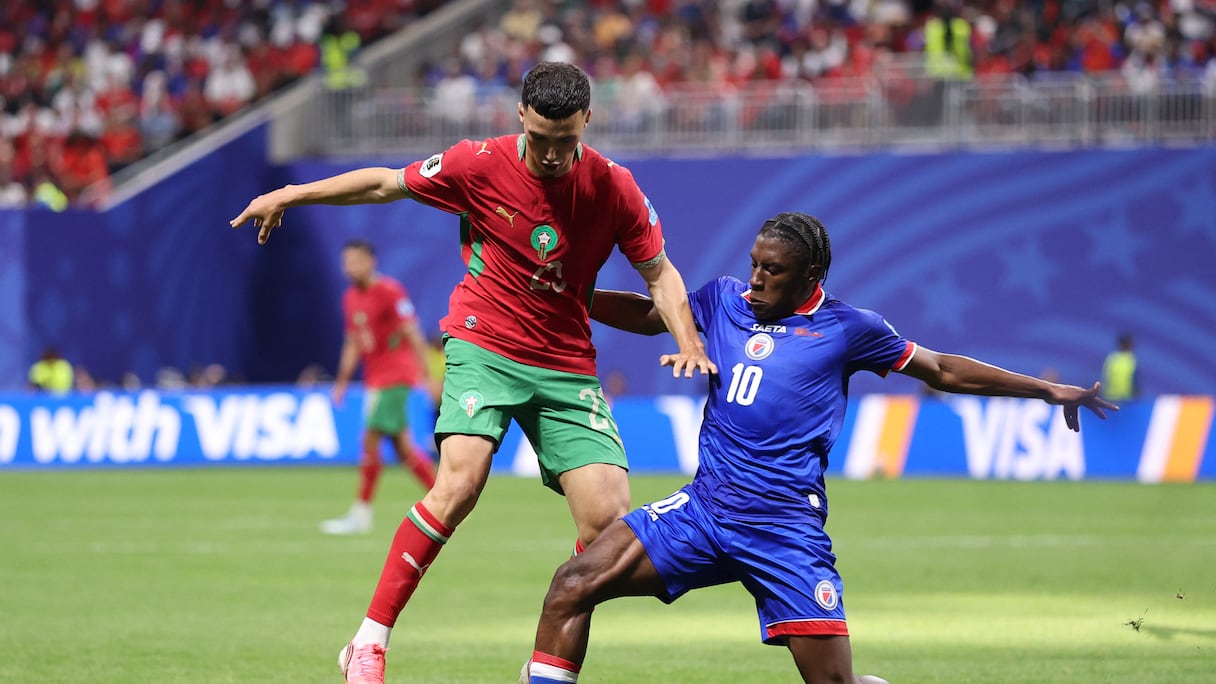
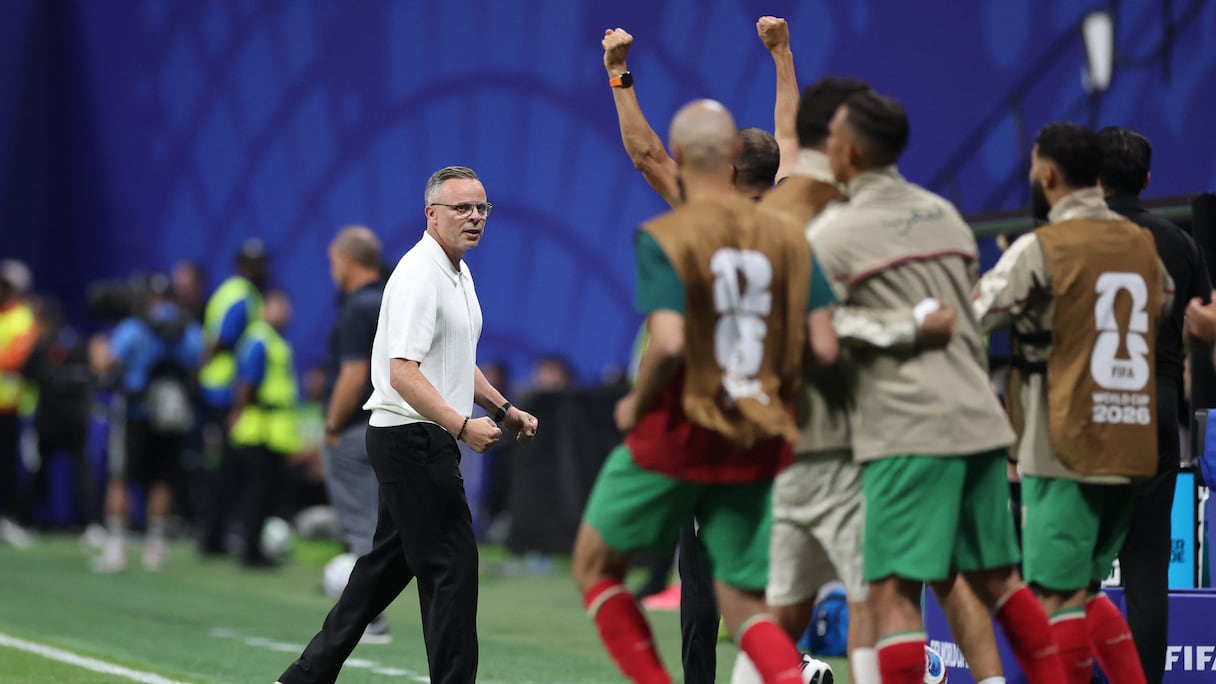
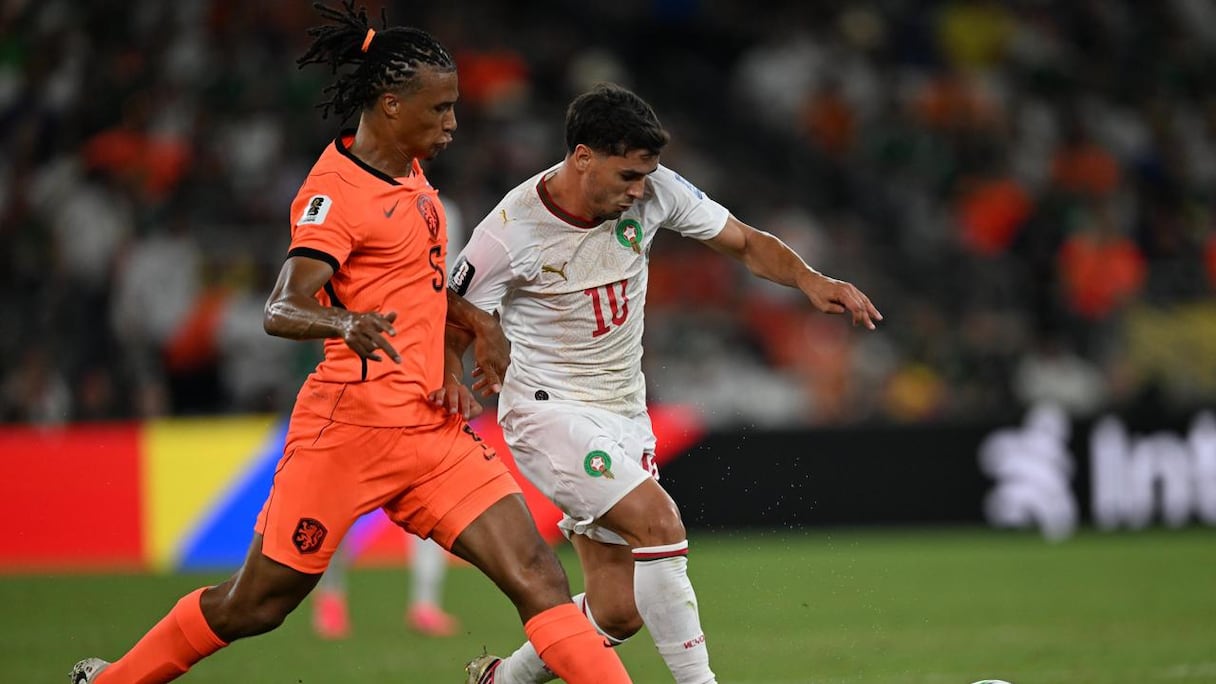
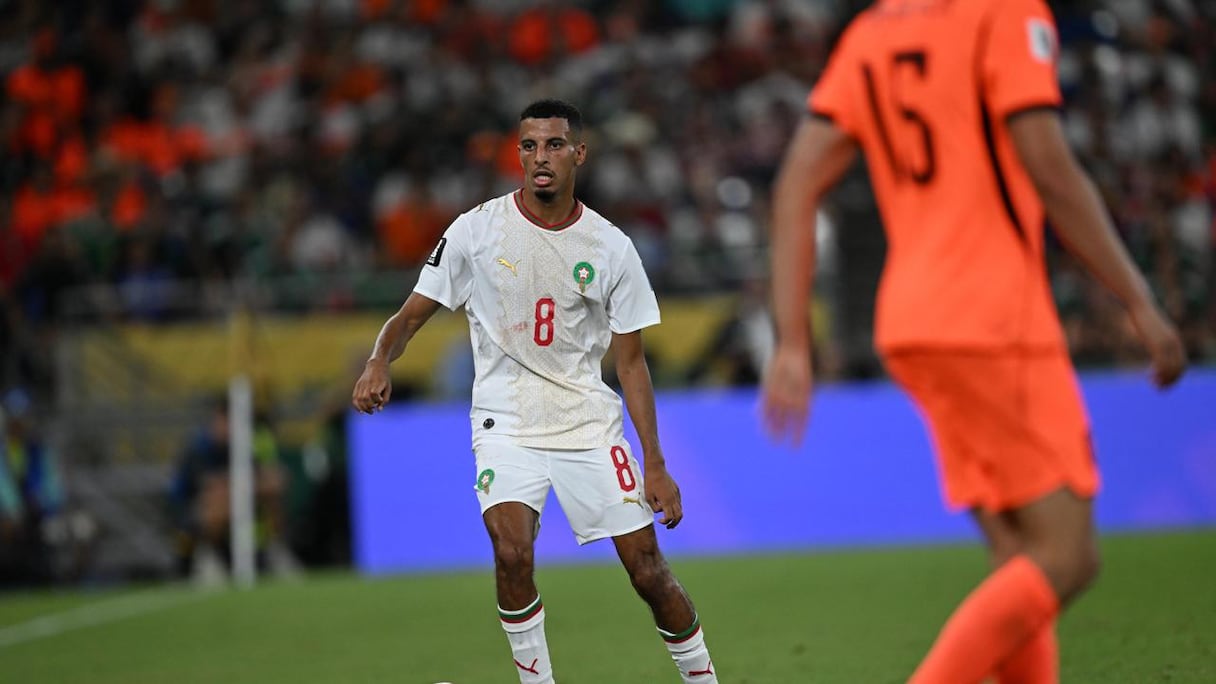
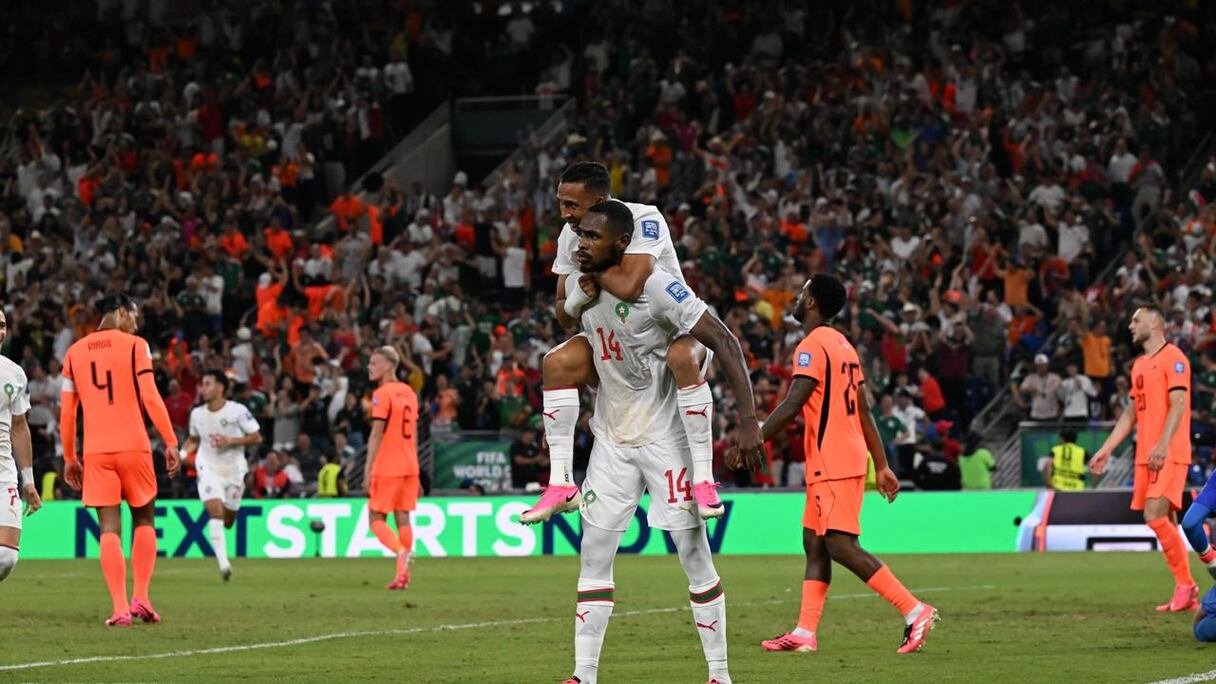
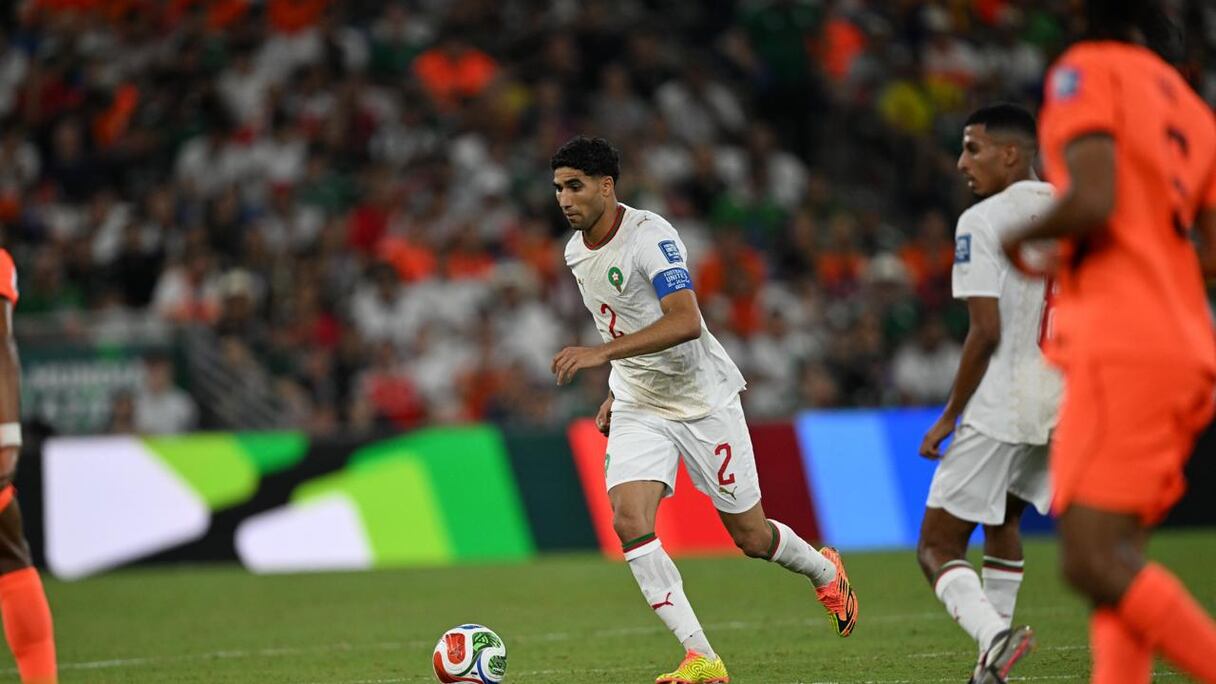
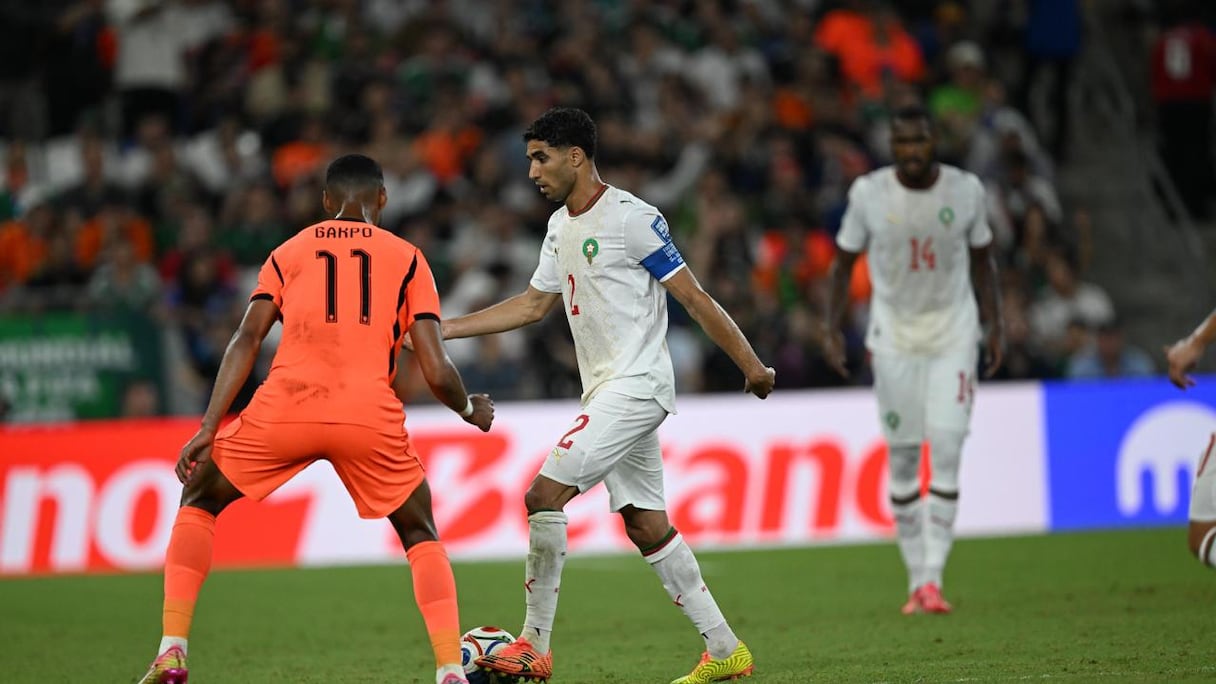
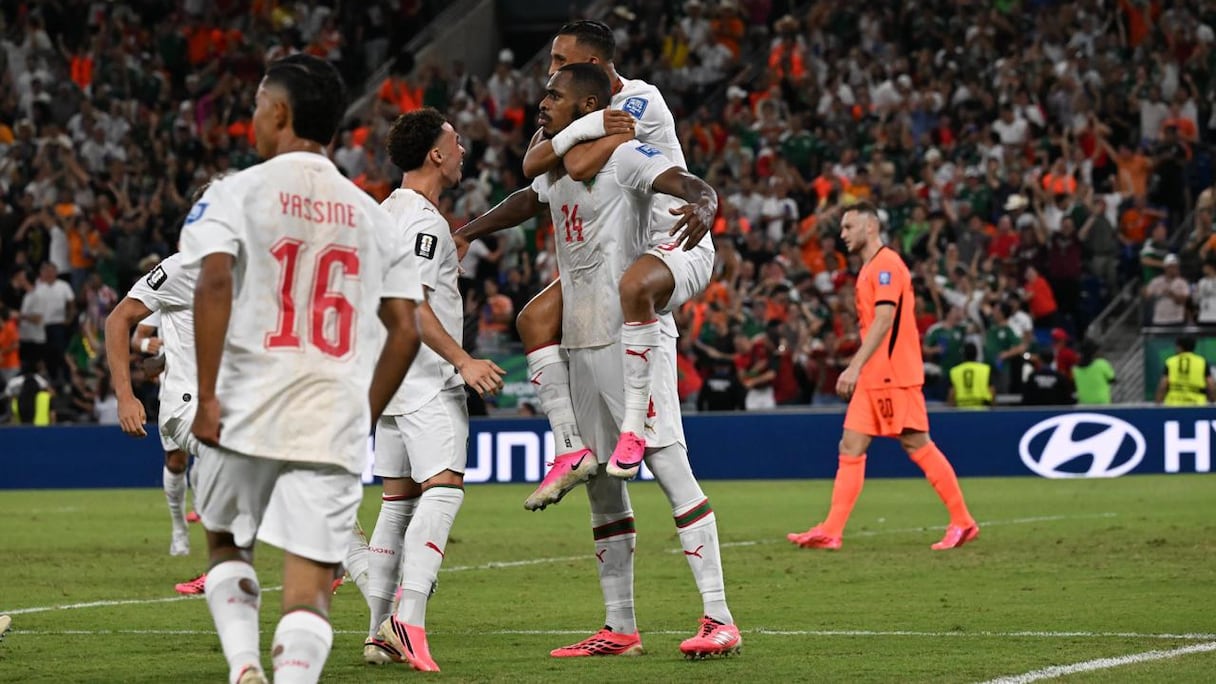
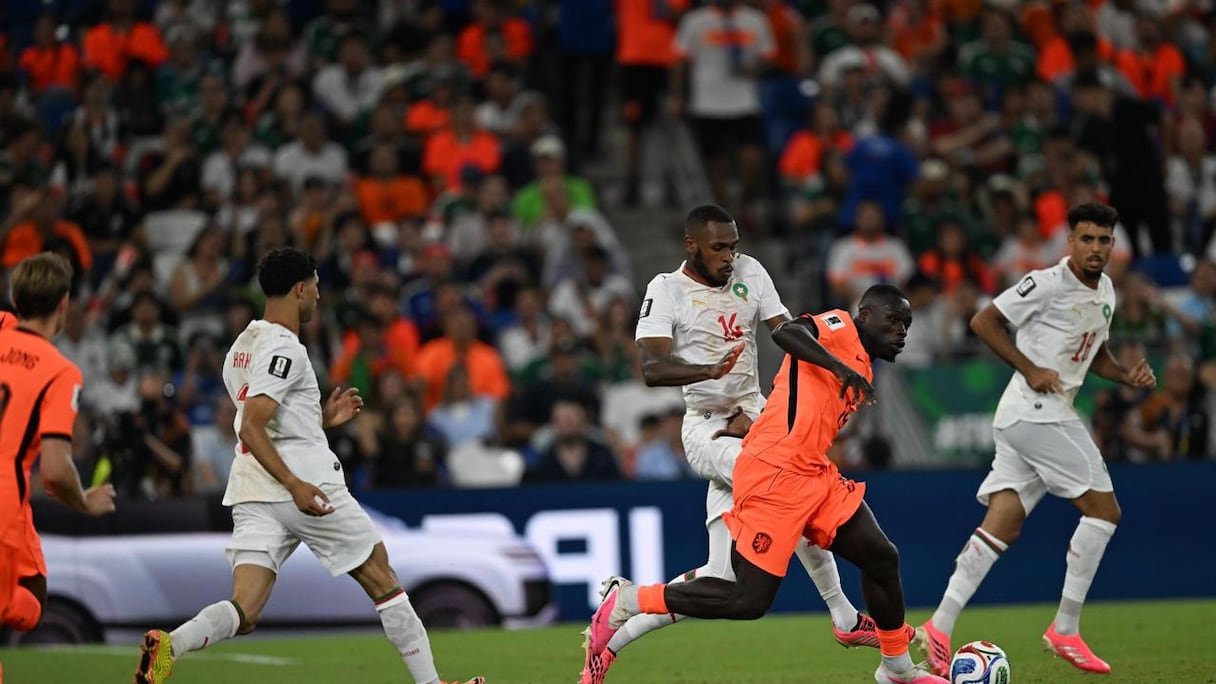
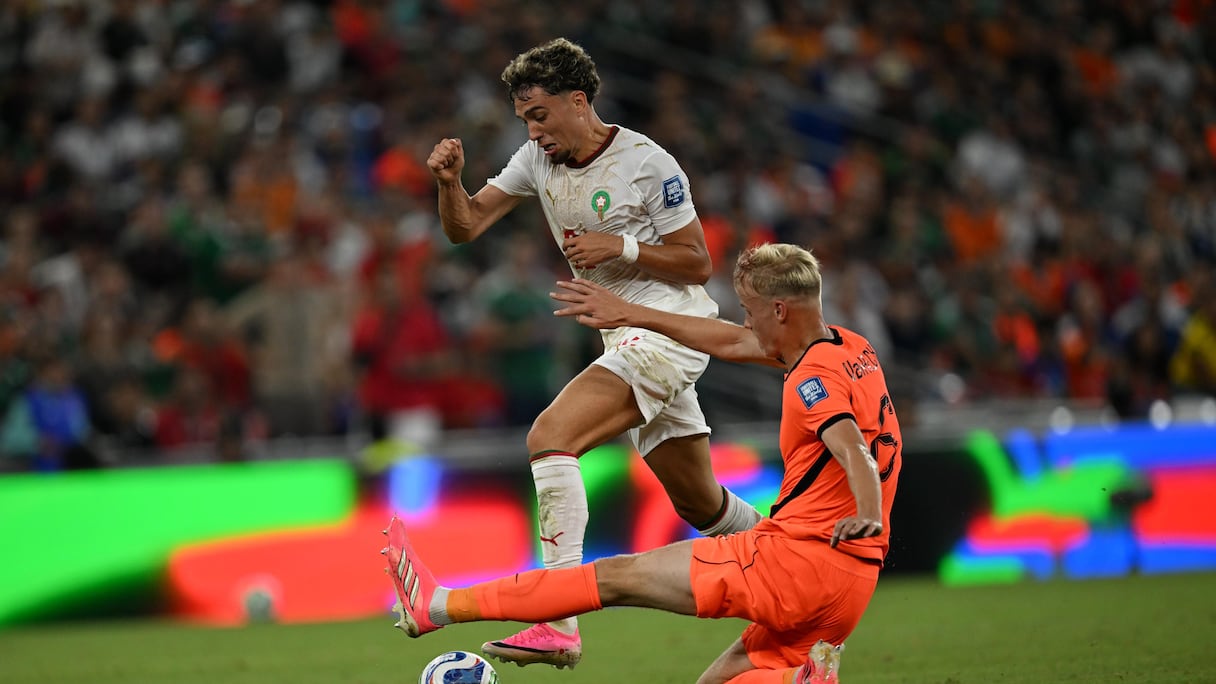
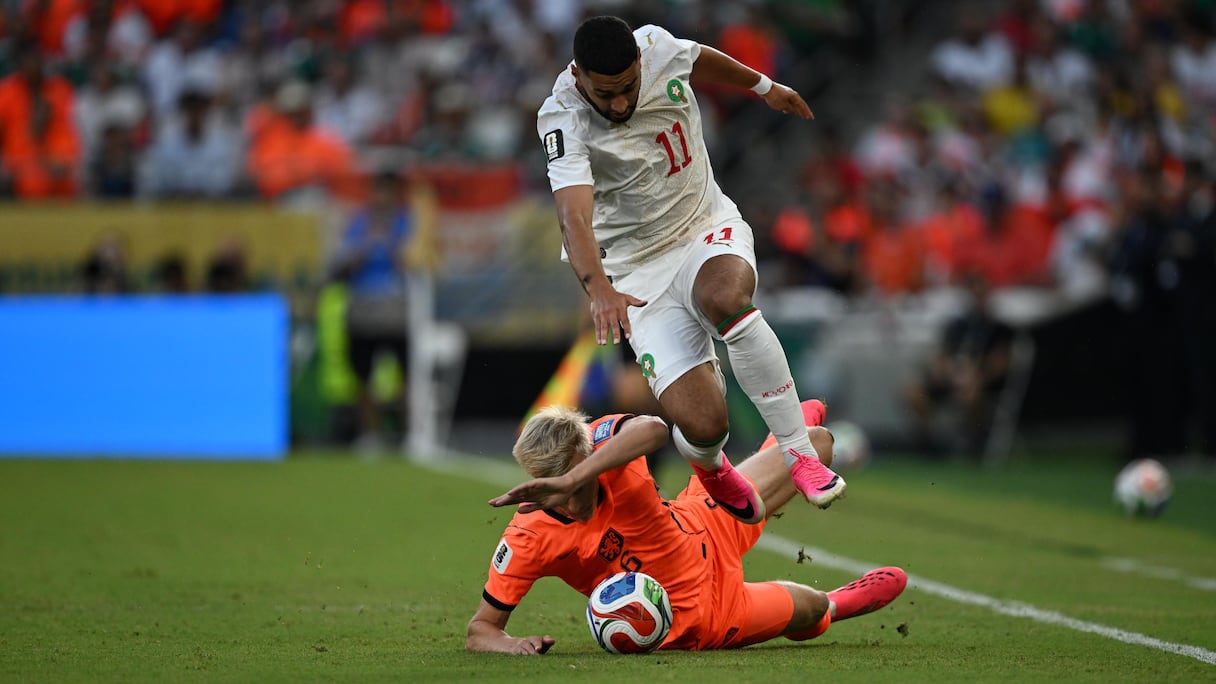
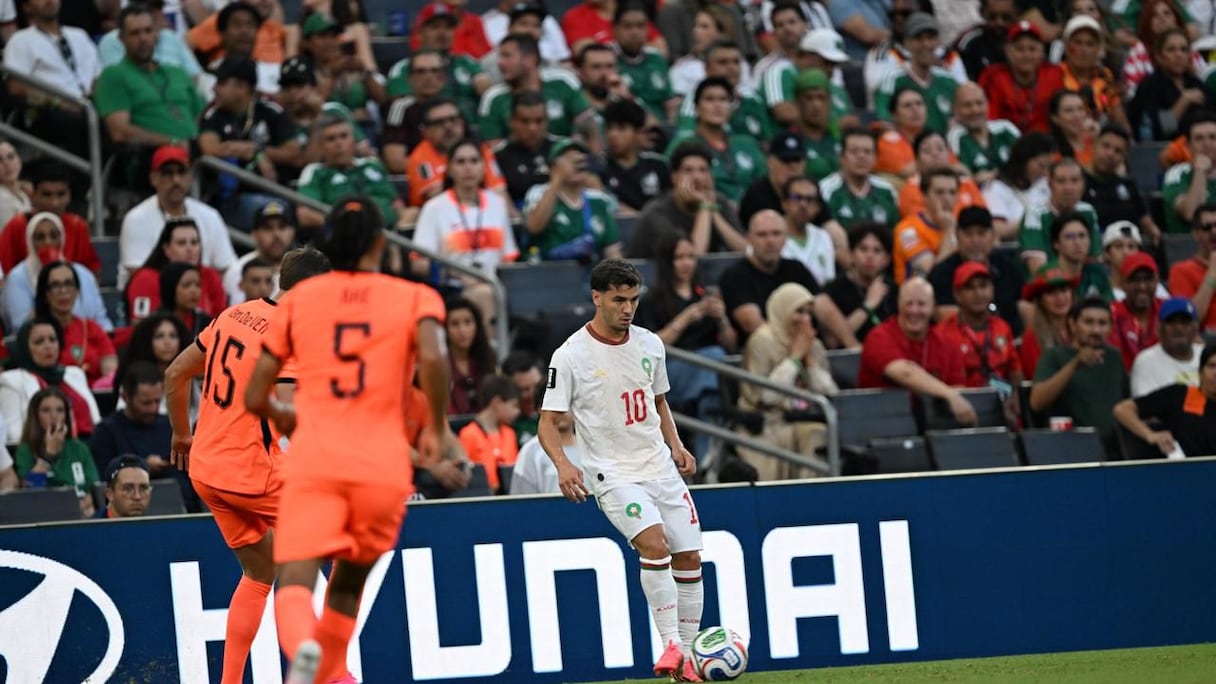
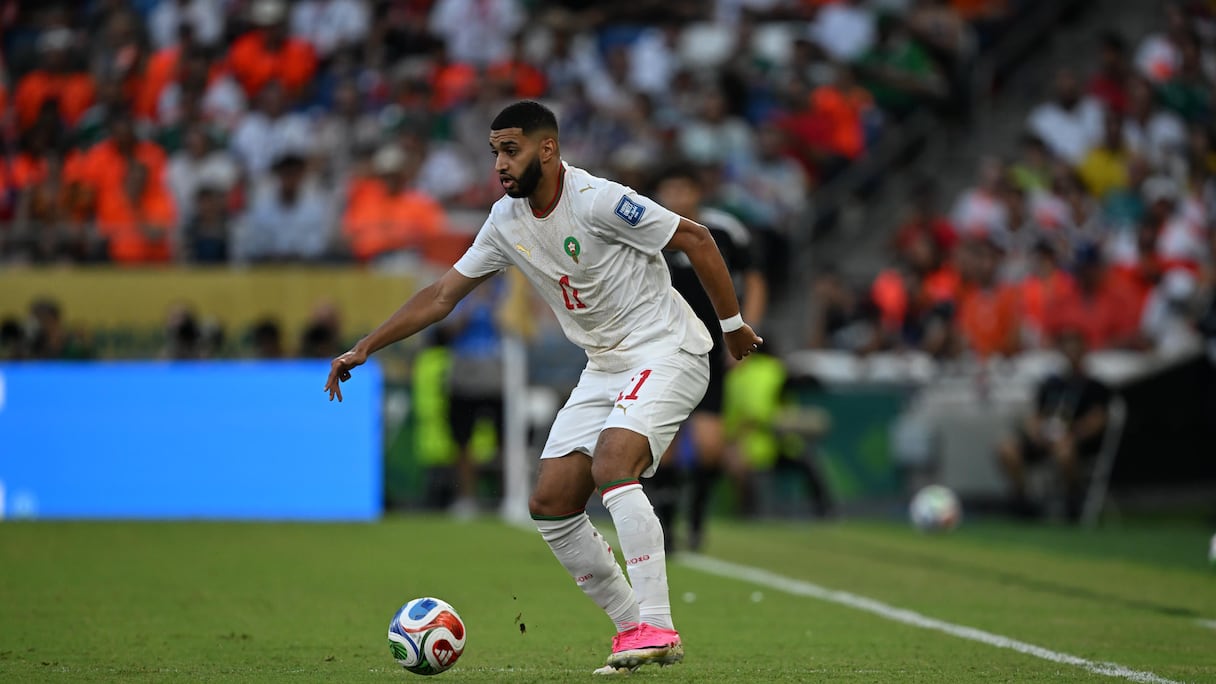
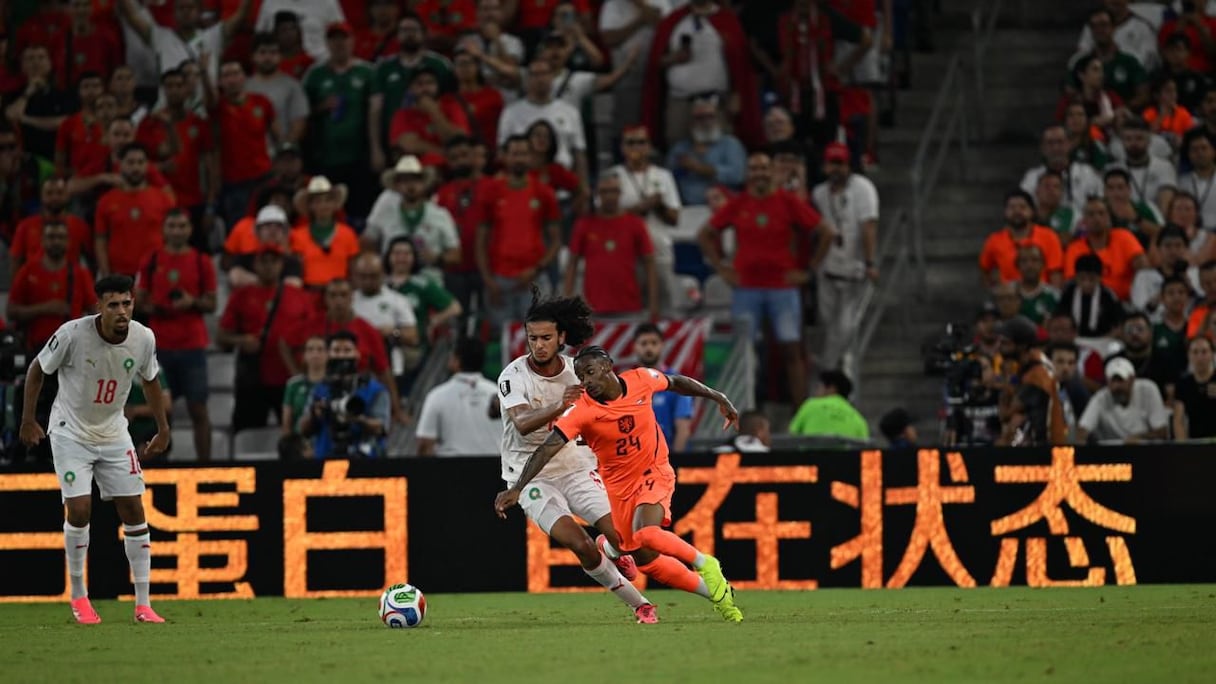
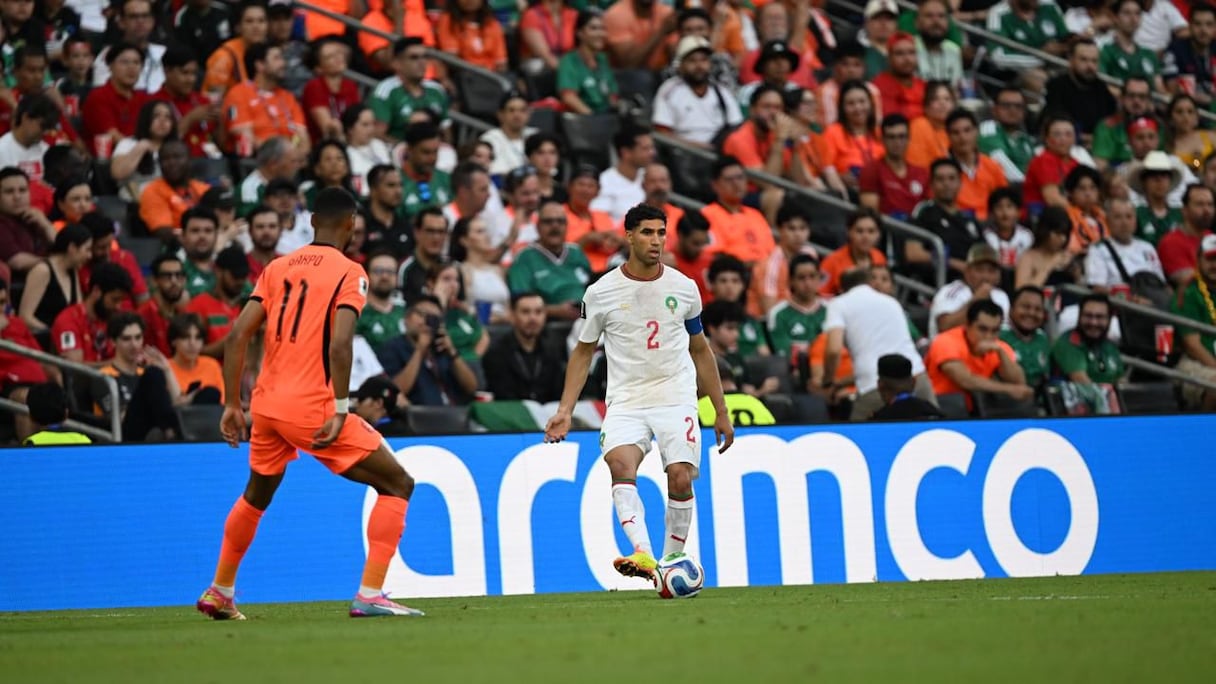
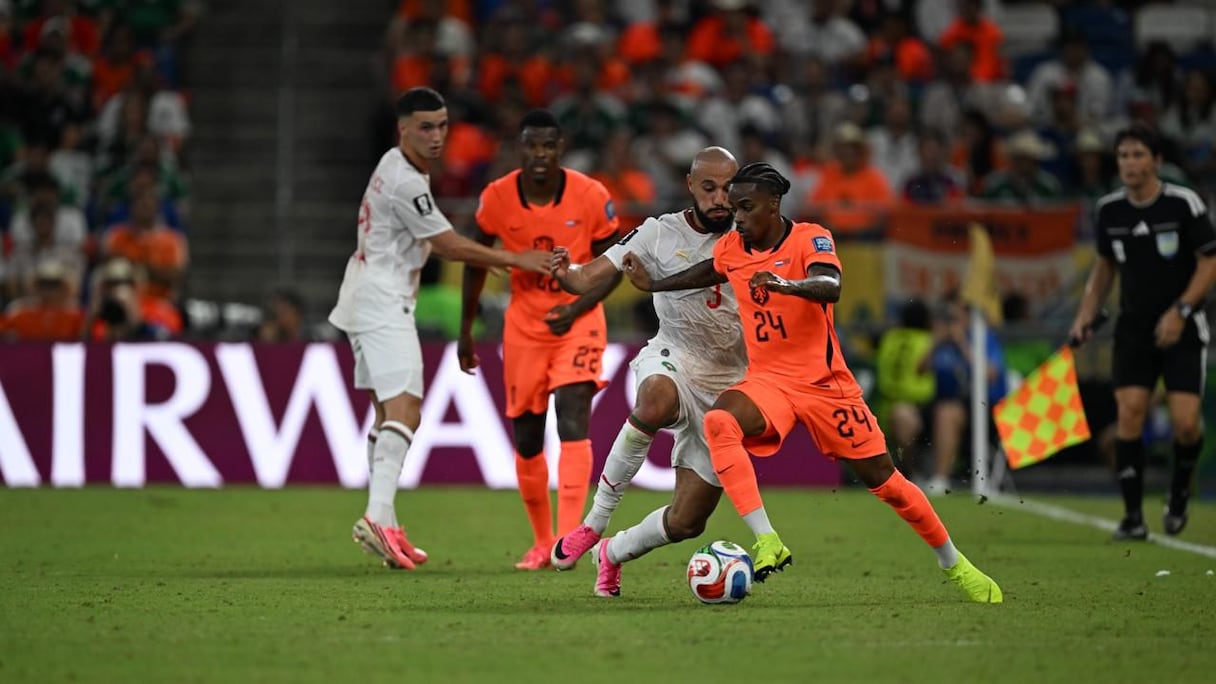
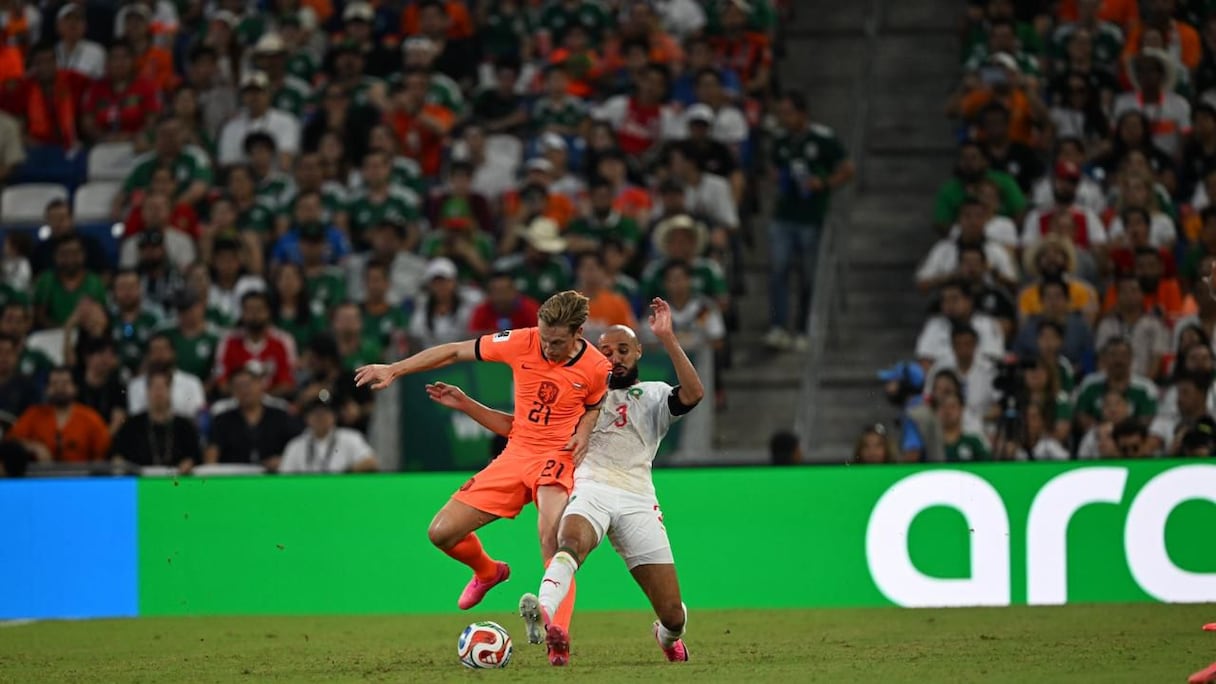
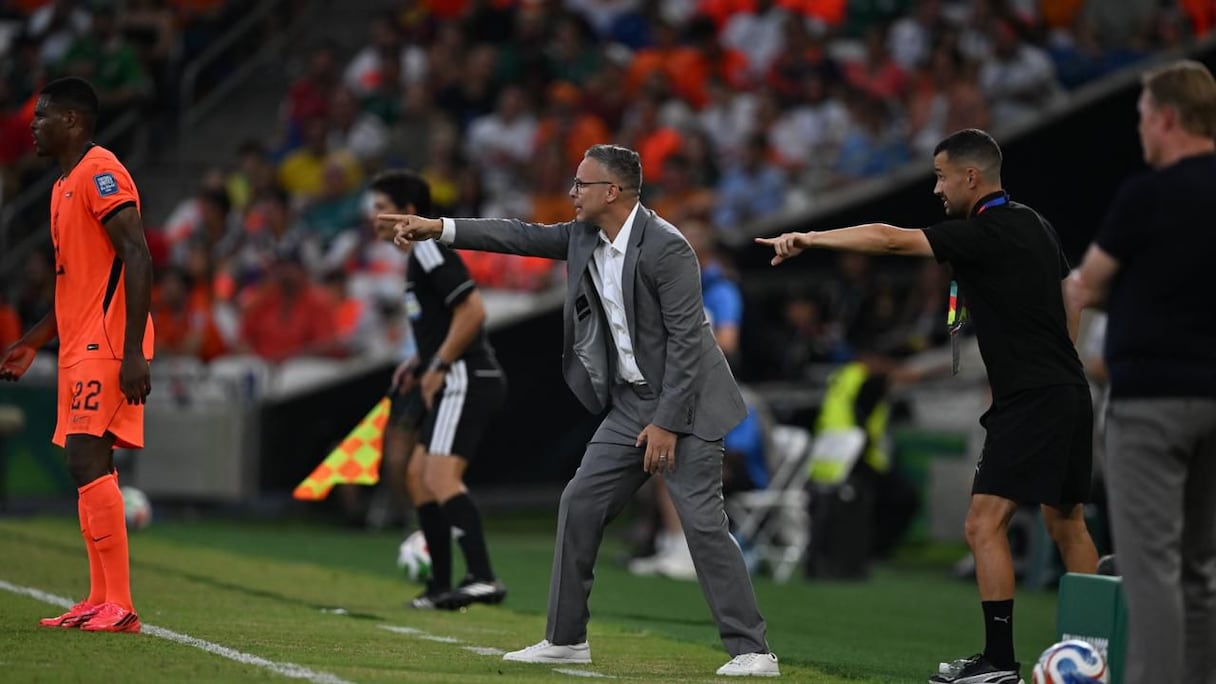
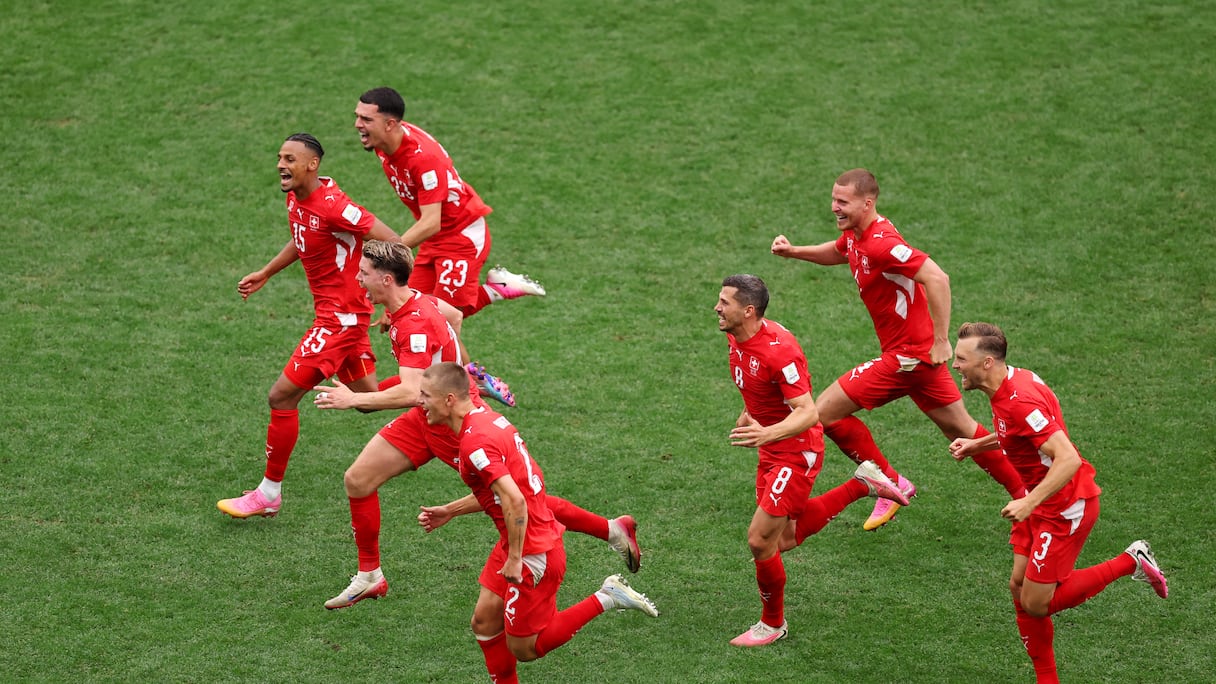
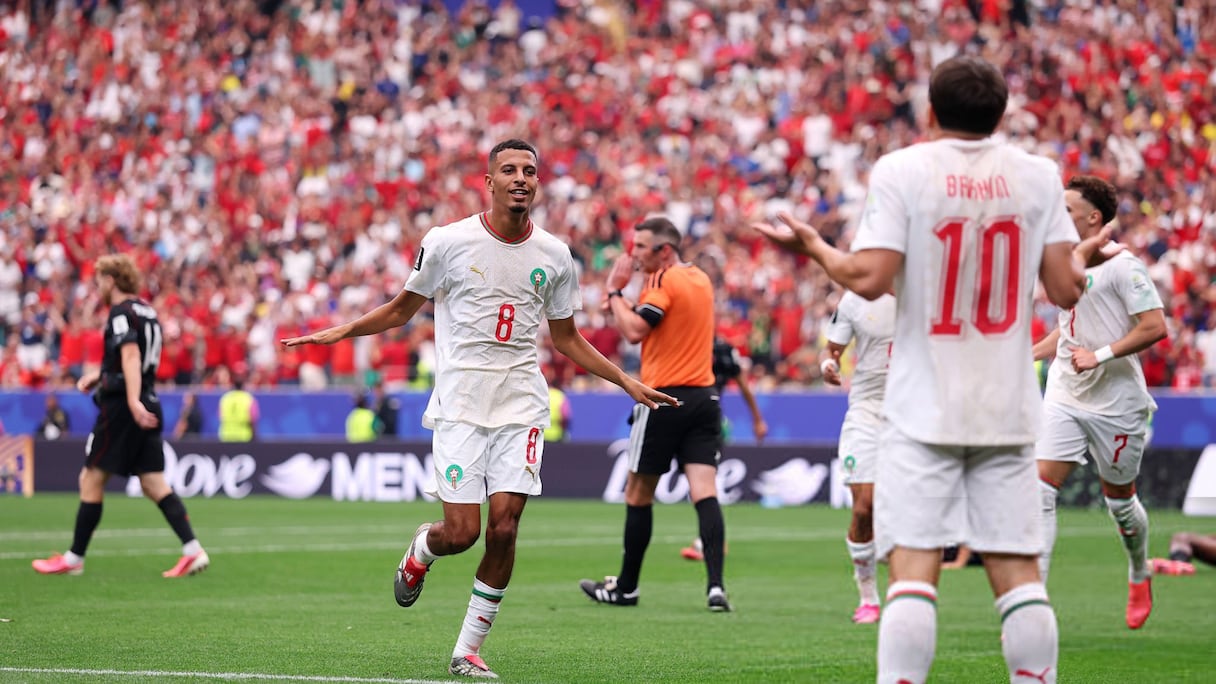
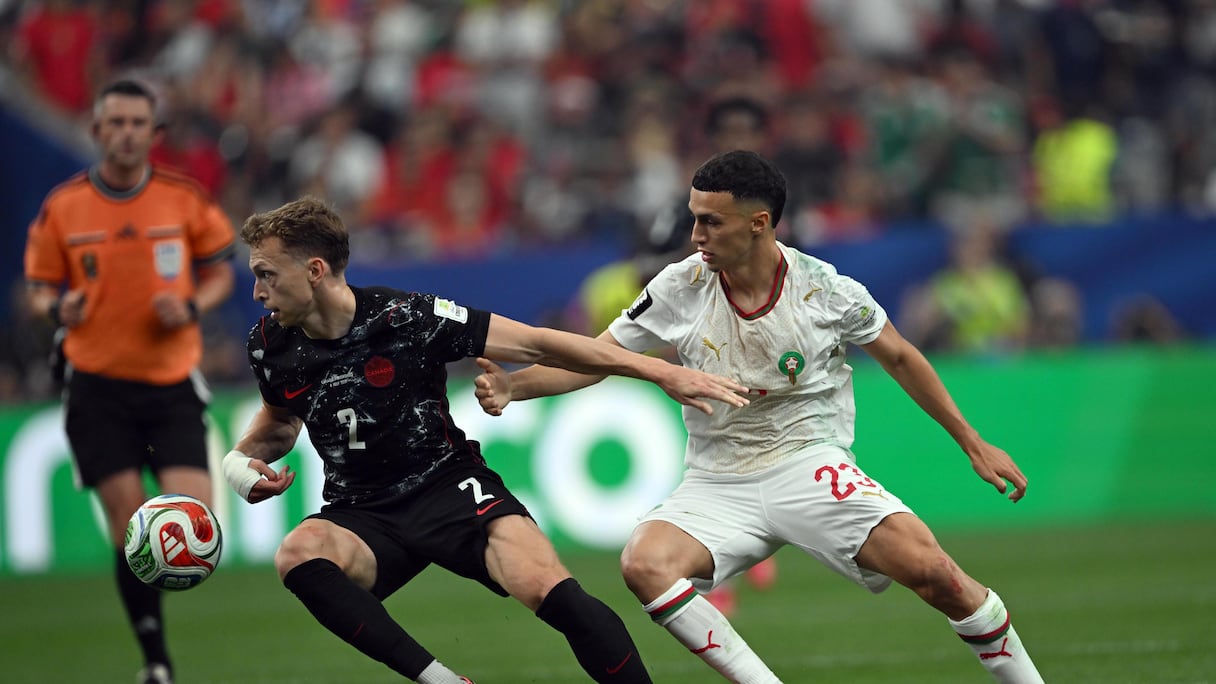
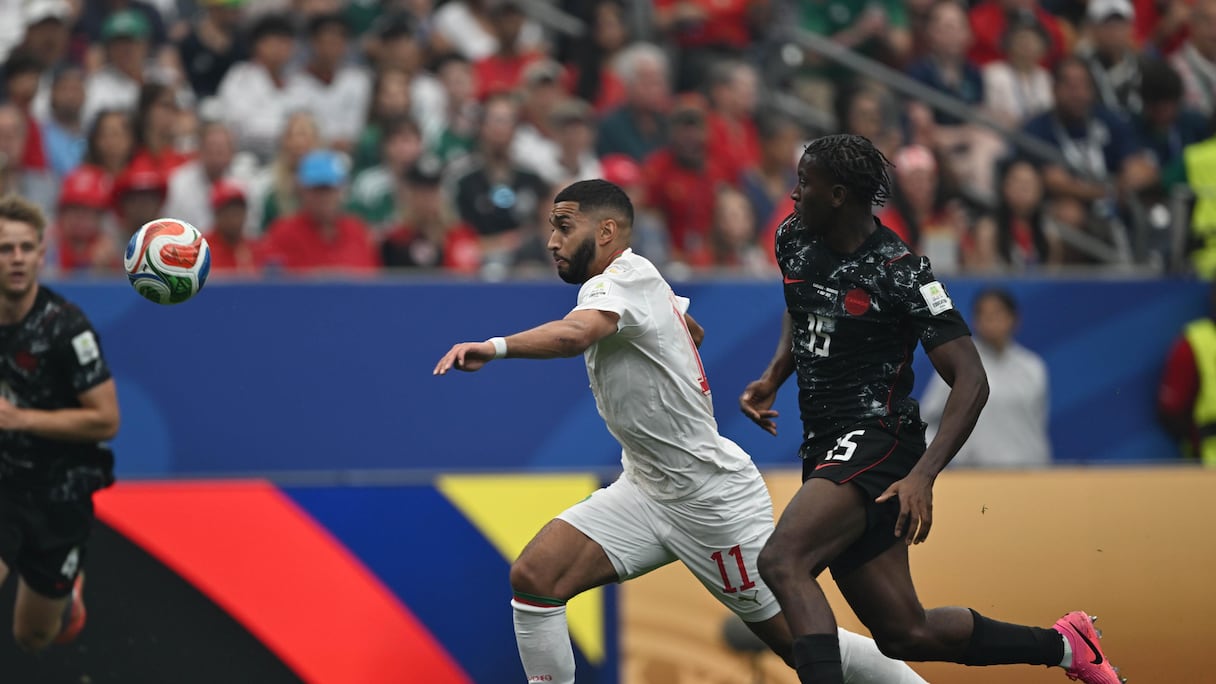
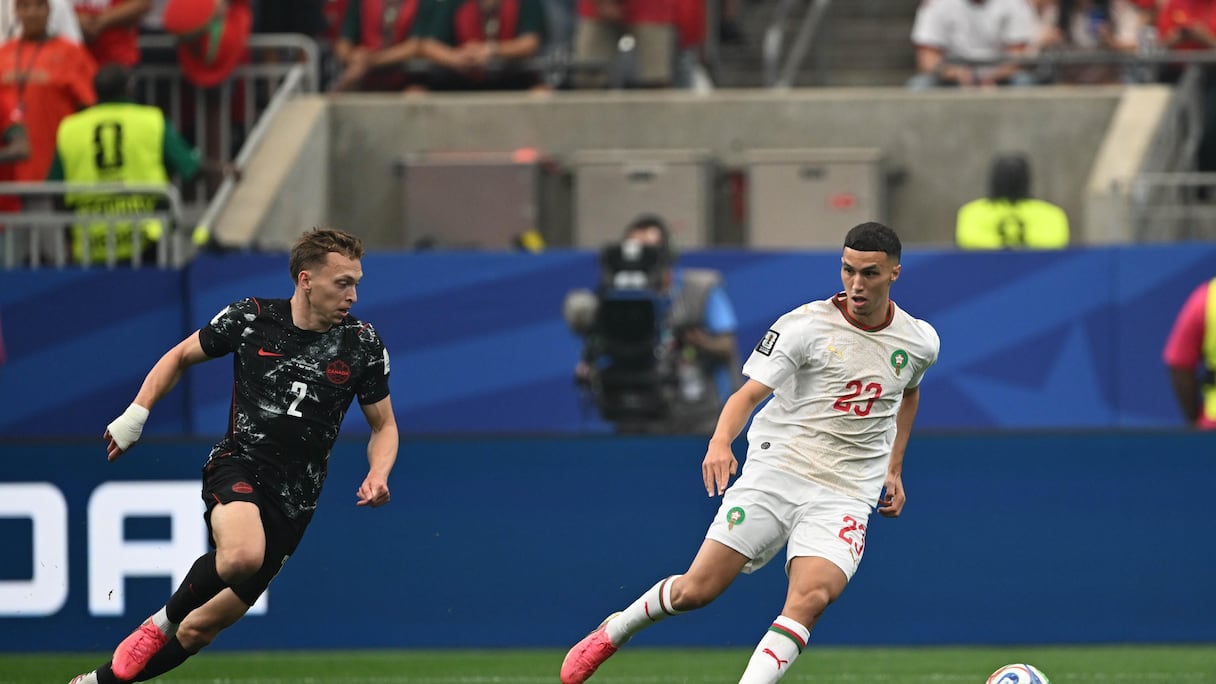
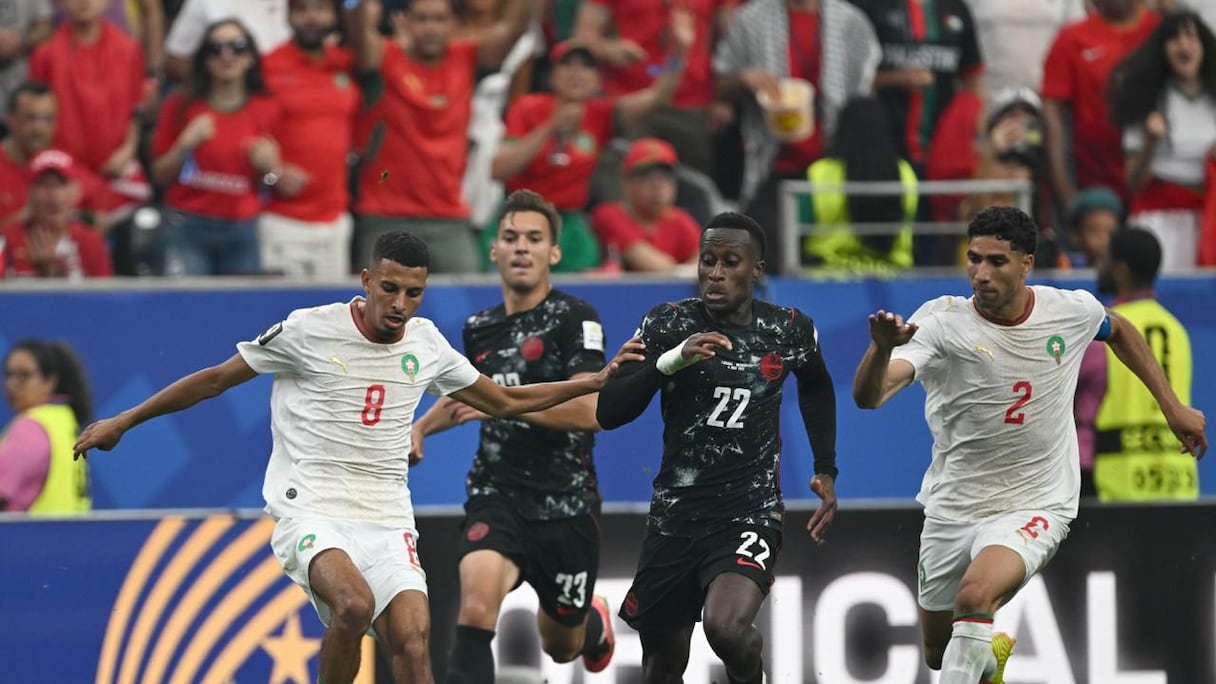
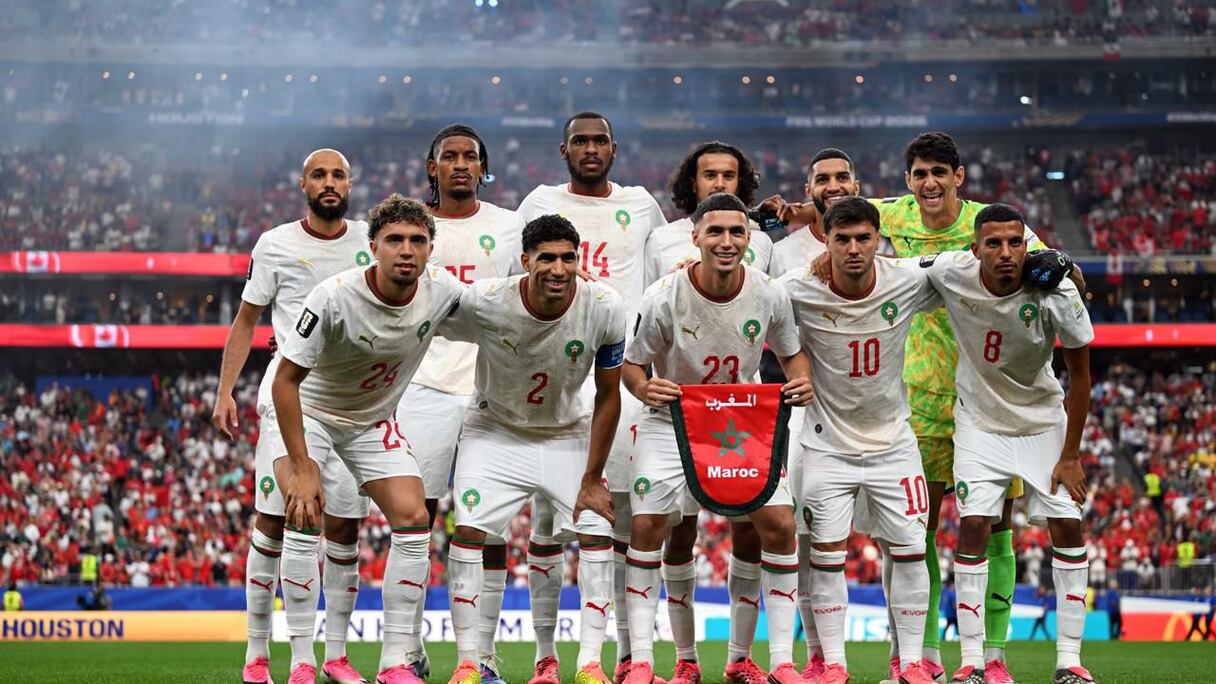
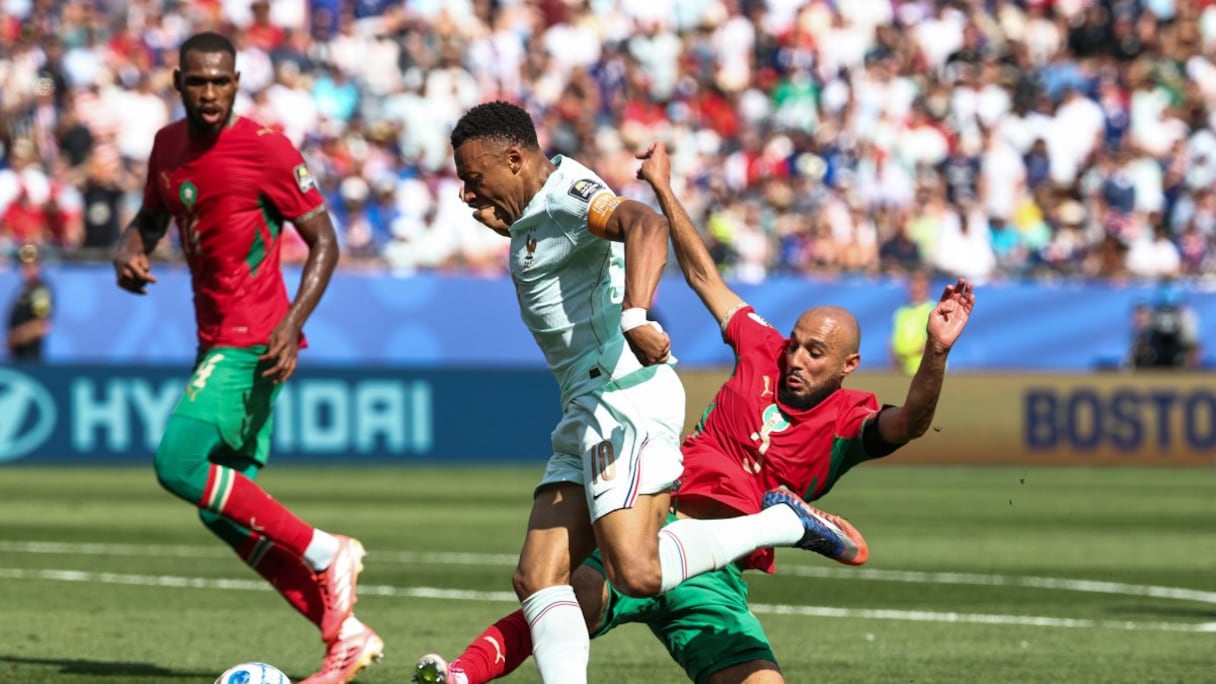
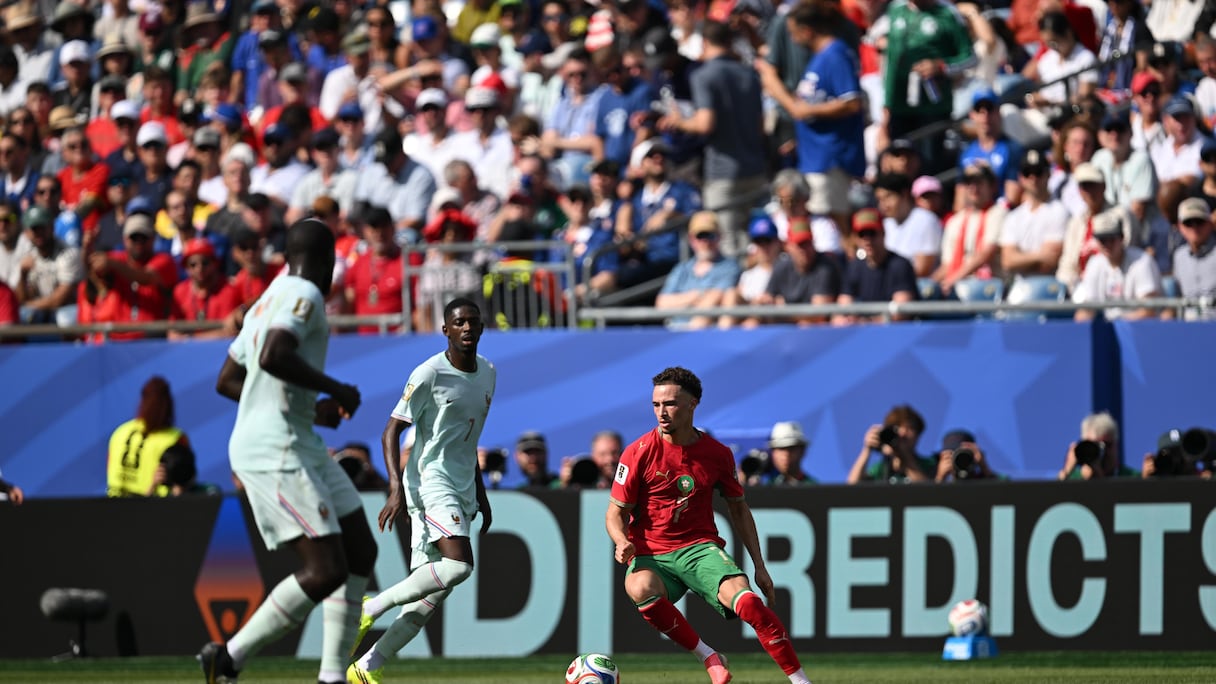
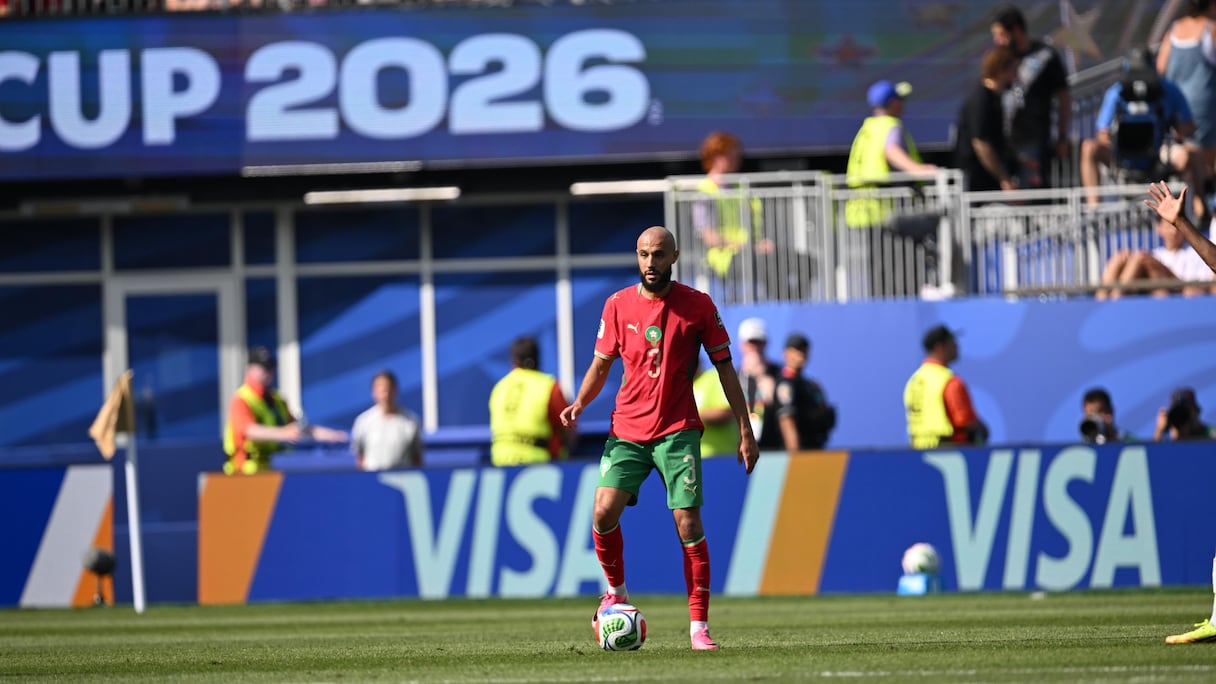
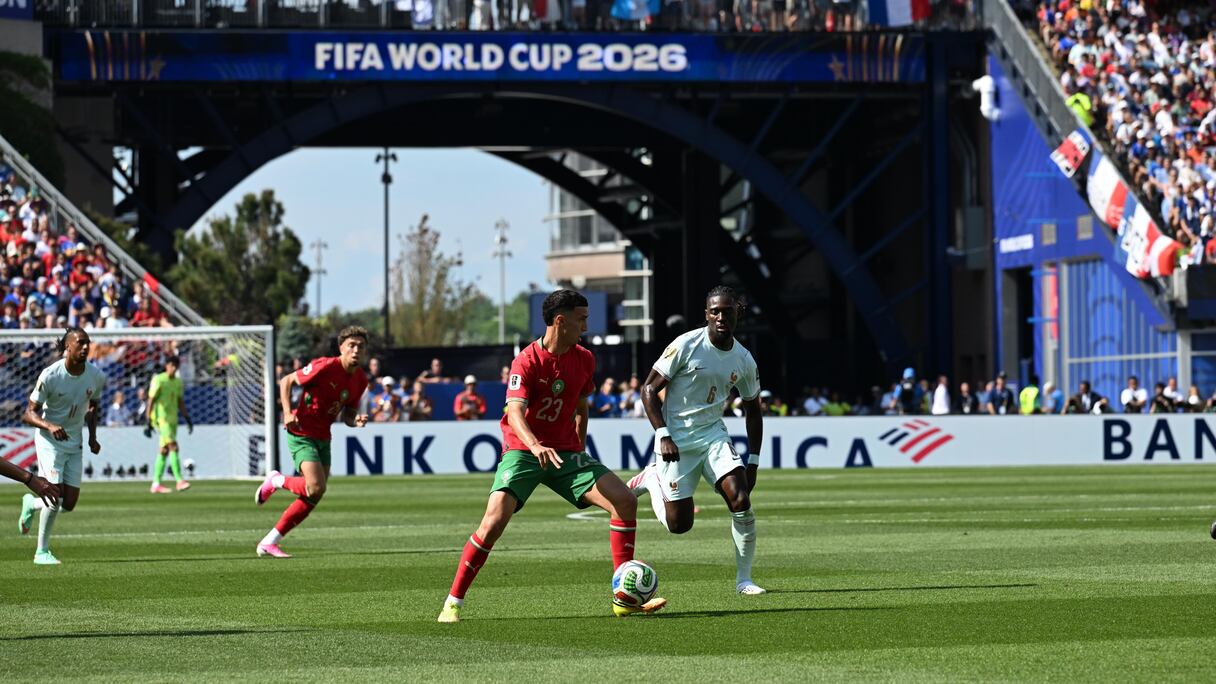
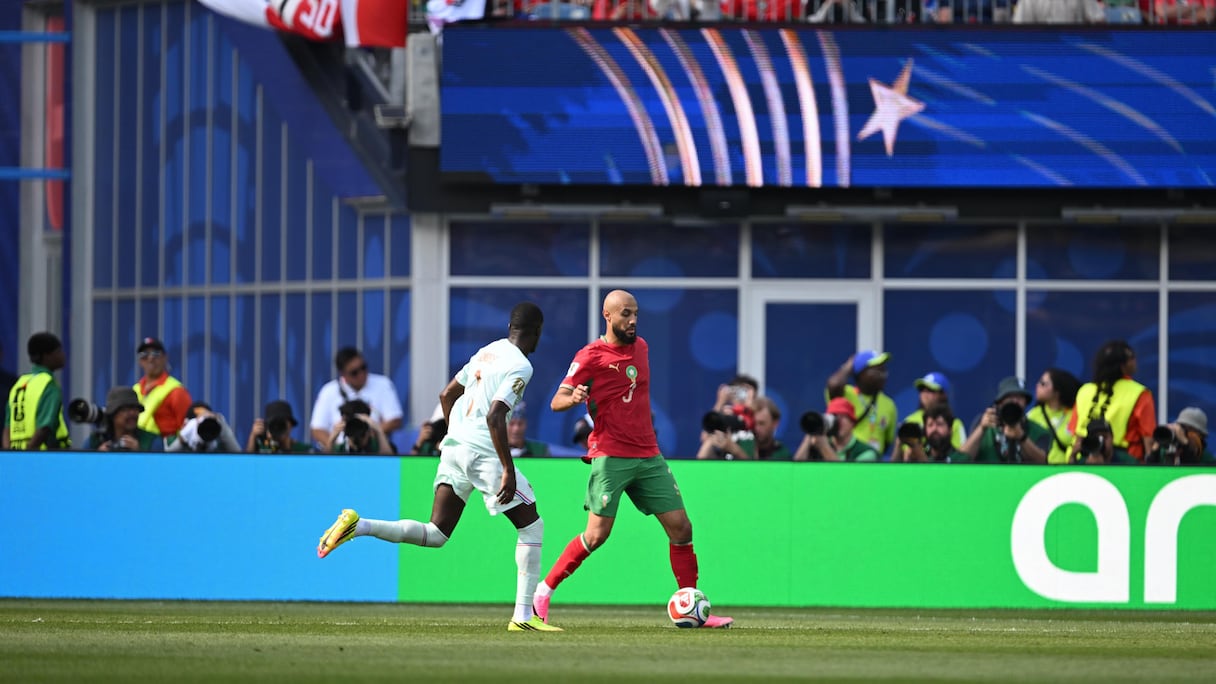
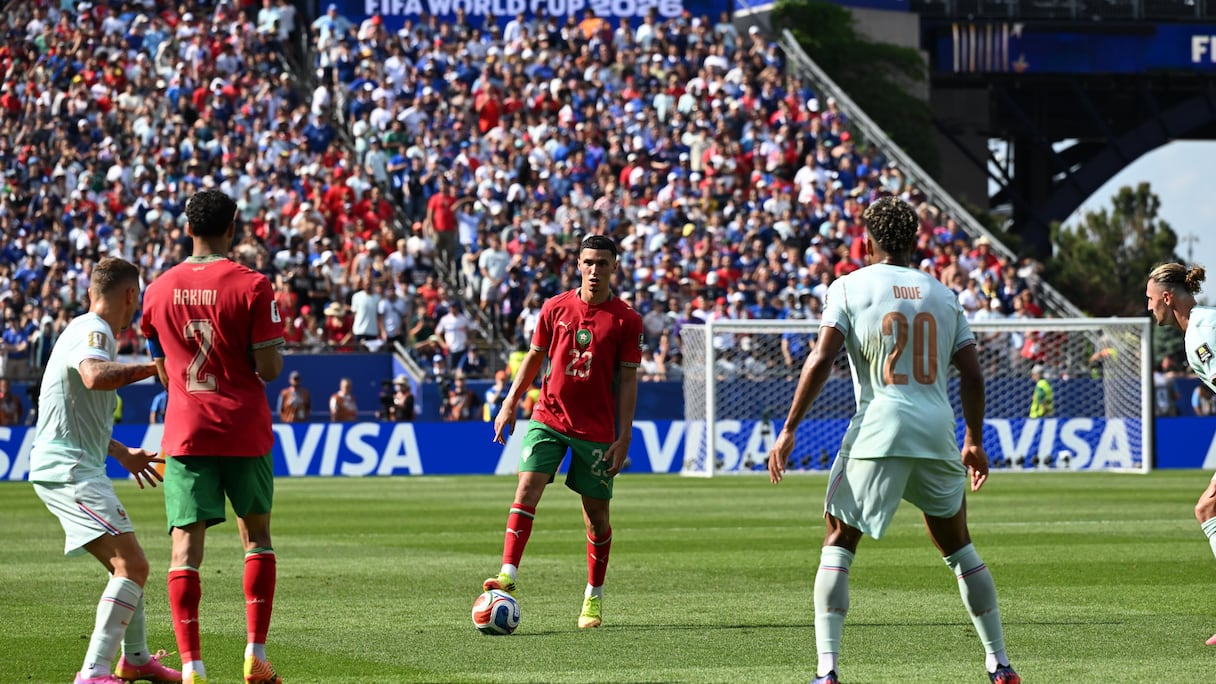
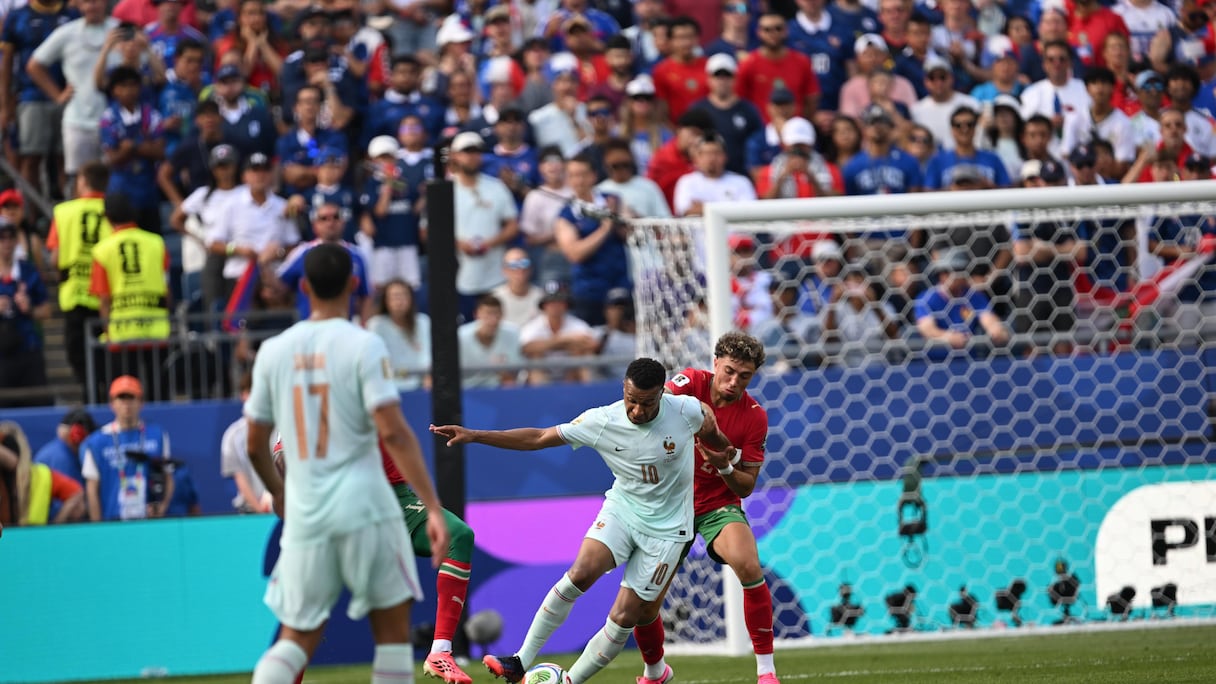
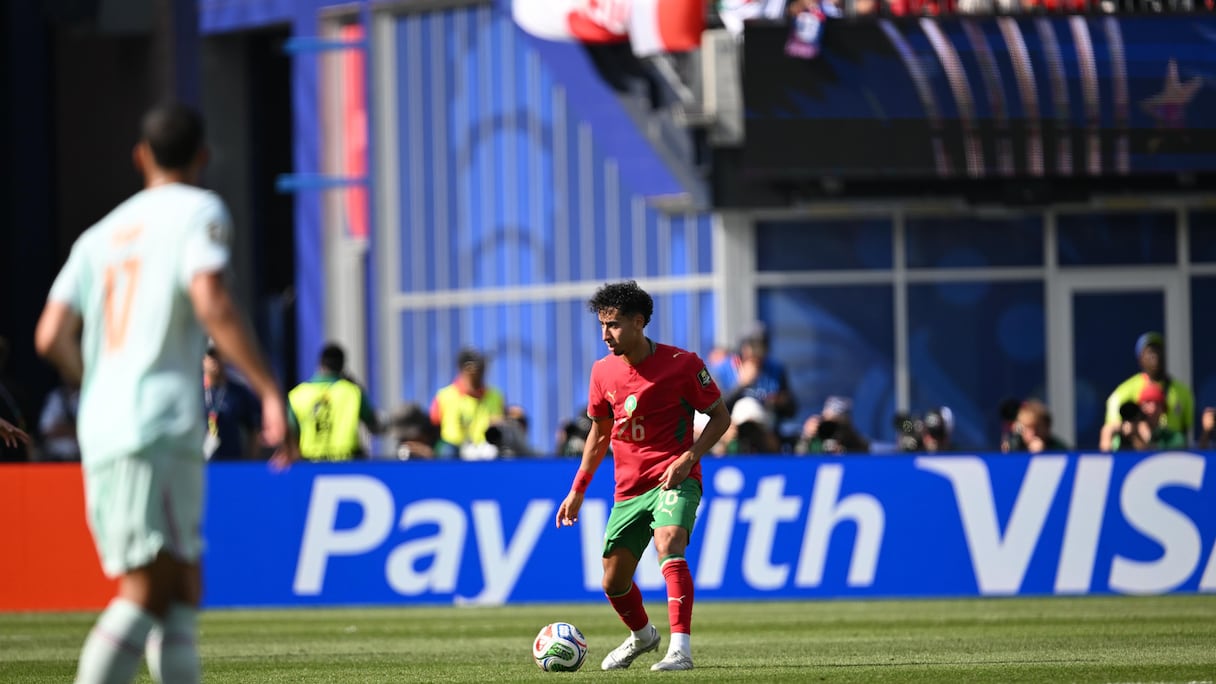
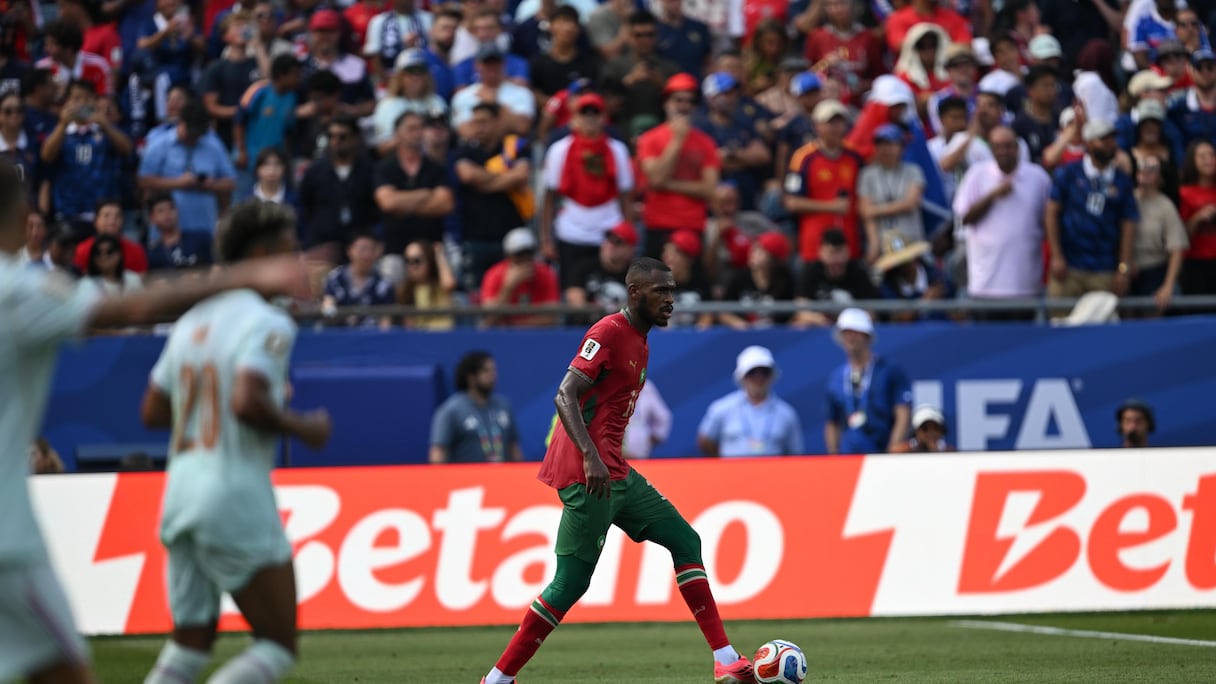
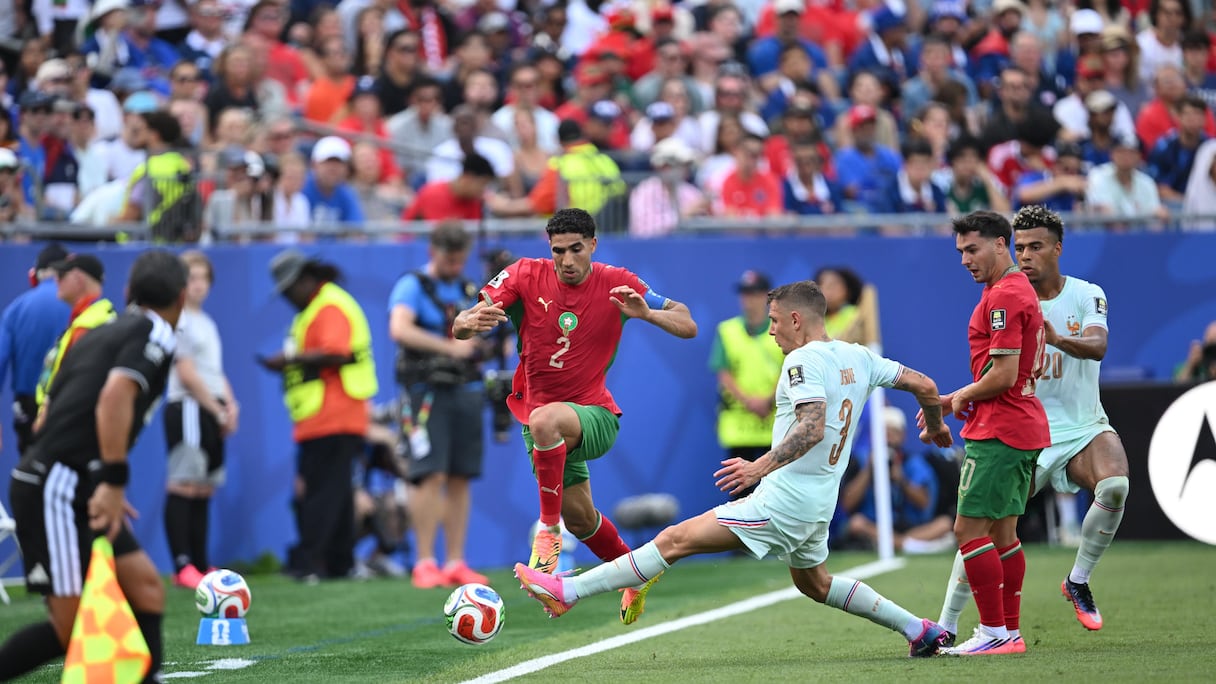
Ismaël Saibari déclenche sa frappe pour ouvrir le score face au Brésil, devant Gabriel Magalhães, lors du match de Coupe du monde 2026 dans le grand New York (AFP). AFP
Two consecutive World Cups, a semi-final and a quarter-final. Few national teams can boast such a record over that period.
From 40th to fifth in the FIFA rankings: progress built over time
That consistency is reflected in the FIFA rankings. In 2017, Morocco was still ranked 40th in the world. Nine years later, the Atlas Lions have climbed to fifth. That rise owes nothing to chance. It is the culmination of performances accumulated over several years, foremost among them the last two World Cups, but also results in international fixtures and continental qualifiers.
On November 14, Morocco capitalized on results elsewhere involving several of its closest rivals to climb two places in the live world rankings. Brazil’s 3–2 defeat to Japan first allowed the Atlas Lions to move from seventh to sixth. A few hours later, Portugal’s 4–1 defeat to Denmark opened the door to the top five.
Fifth place is a reward for several years of consistency and confirmation that the national team has entered a different league.
Morocco has now moved beyond isolated achievements. It is consistently delivering results, keeping pace with the leading footballing nations and fielding a squad capable of meeting the demands of the highest level. The challenge will be to retain that position, if not climb higher still.
A new generation is gradually taking over
That ambition also rests on the renewal of the squad. Since his appointment last March, Mohamed Ouahbi has gradually introduced new players without sacrificing the experience of the established figures who have been instrumental in the national team’s greatest achievements.
Achraf Hakimi, Yassine Bounou, Nayef Aguerd, Noussair Mazraoui and Brahim Díaz continue to bring their international experience to the squad. Alongside them, a new generation is beginning to make its mark. Ayyoub Bouaddi, Bilal El Khannouss, Yassir Zabiri, Abdellah Ouazane and Ayoub Oufkir represent the next generation around which the head coach intends to build in the years ahead.
The last two AFCON 2027 qualifiers, both against Niger, offered a glimpse of these young players’ potential. On November 13 in Casablanca, Morocco cruised to a 5–1 victory, with goals from Zabiri and Oufkir, the latter scoring on his international debut. Four days later in Rabat, 17-year-old Abdellah Ouazane scored the only goal of the match in a 1–0 victory.
Those two wins secured the Atlas Lions’ qualification for AFCON 2027 with four victories from four matches. Beyond the results themselves, Mohamed Ouahbi now has several options at his disposal as he prepares for the next continental tournament.
The head coach will have to strike the right balance between experienced players and those knocking on the door of the national team. Competition for places promises to be particularly fierce in several areas of the squad.
A final that also helped change the laws of football
Although the AFCON 2025 case is now closed, the events that unfolded during the final in Rabat have left their mark on regulatory debates in international football. On April 28, the International Football Association Board (IFAB), the body responsible for determining the Laws of the Game, approved new provisions targeting, among others, players who deliberately leave the pitch in protest at a refereeing decision.
These amendments, incorporated into the 2026–27 Laws of the Game, allow competition organizers to provide for a straight red card for any player who leaves the pitch in protest against the referee.
Players and coaching staff who encourage their teammates to engage in such behavior may also be shown a red card.
The IFAB has also strengthened provisions governing matches permanently abandoned as a result of a team’s conduct, establishing the principle of defeat by forfeiture where the conditions stipulated in the regulations are met.
These changes are not retrospective and do not alter the ruling in the AFCON 2025 case. They nevertheless represent an important development in efforts to combat collective protests that disrupt the course of matches.
The Rabat final illustrated the difficulties such situations can create. A few months later, football’s international governing bodies decided to strengthen the regulatory mechanisms available to address them.
Moroccan football can therefore turn the page on this affair while recognizing that the issue it raised has found an echo in the evolution of the Laws of the Game.
Read also : Portuguese analysts rank Morocco among five leading contenders for 2030 World Cup
AFCON 2027: A clearly stated objective
For the Atlas Lions, the next major tournament is now firmly in sight. AFCON 2027, jointly hosted by Kenya, Uganda and Tanzania, represents another opportunity to build on the progress made over several years.
Qualification is already secured. With twelve points from their opening four fixtures, Morocco have booked their place at the finals before the qualifying campaign is even over.
But Mohamed Ouahbi has no intention of settling for that. Following the victory over Niger in Rabat on November 17, the head coach reiterated that qualification was merely the first objective. He also stressed the need to continue the work, improve the quality of performances and finish top of the group. As for his ambition for AFCON 2027, it is clear: to win it.
Progress to Consolidate, Ambitions to Fulfil
Moroccan football was not built around a single match, any more than its future depends on an arbitral ruling. For several years, the Kingdom has invested in player development, infrastructure and technical expertise. The Mohammed VI Football Complex, the performances of the various national teams and the emergence of young players in Europe’s leading leagues all bear witness to that work.
Results at youth level, notably the U20 World Cup title in 2025, also confirm that this progress extends well beyond the senior national team.
Fifth place in the world rankings is now a recognition of how far Morocco has come. It also brings new responsibilities. The team will have to keep winning, maintain competition for places within the squad, prepare the next generation and approach every tournament with the same exacting standards.
AFCON 2027 will be the next major test for Mohamed Ouahbi and his players. Morocco has come far enough that its journey can no longer be measured against a single final. The Atlas Lions now have a standing to defend, a generation to nurture and a continental title to claim. It is on the pitches of Kenya, Uganda and Tanzania that they will have the opportunity to write the next chapter.
