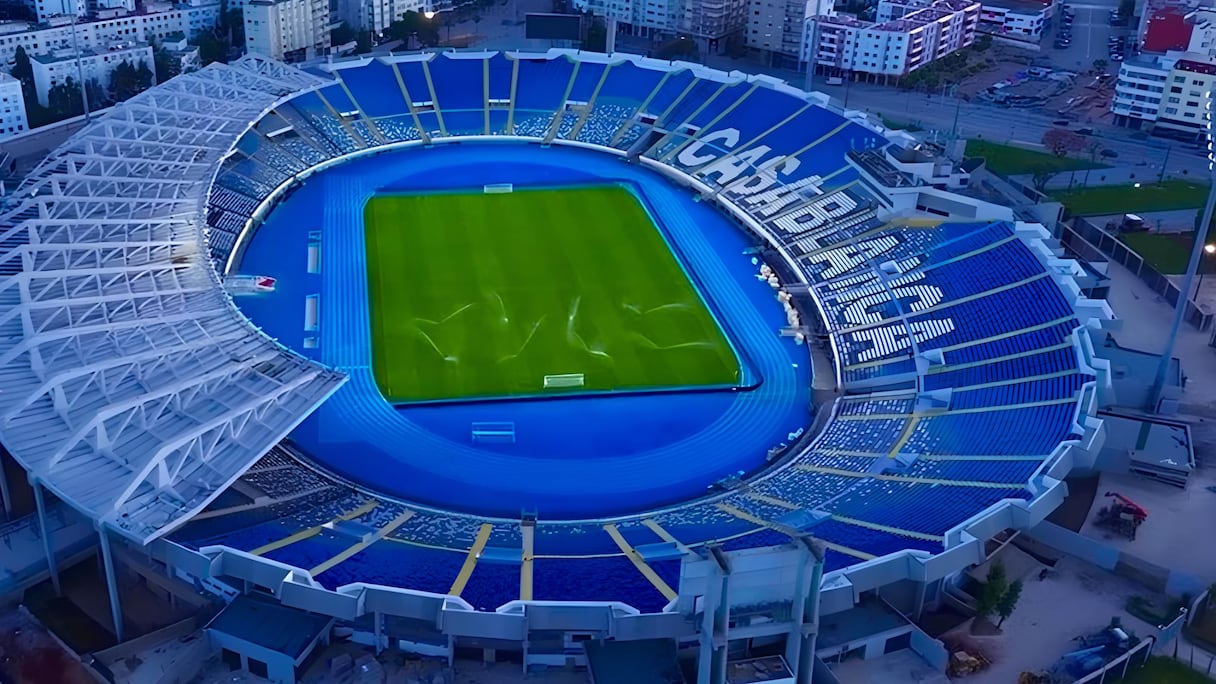
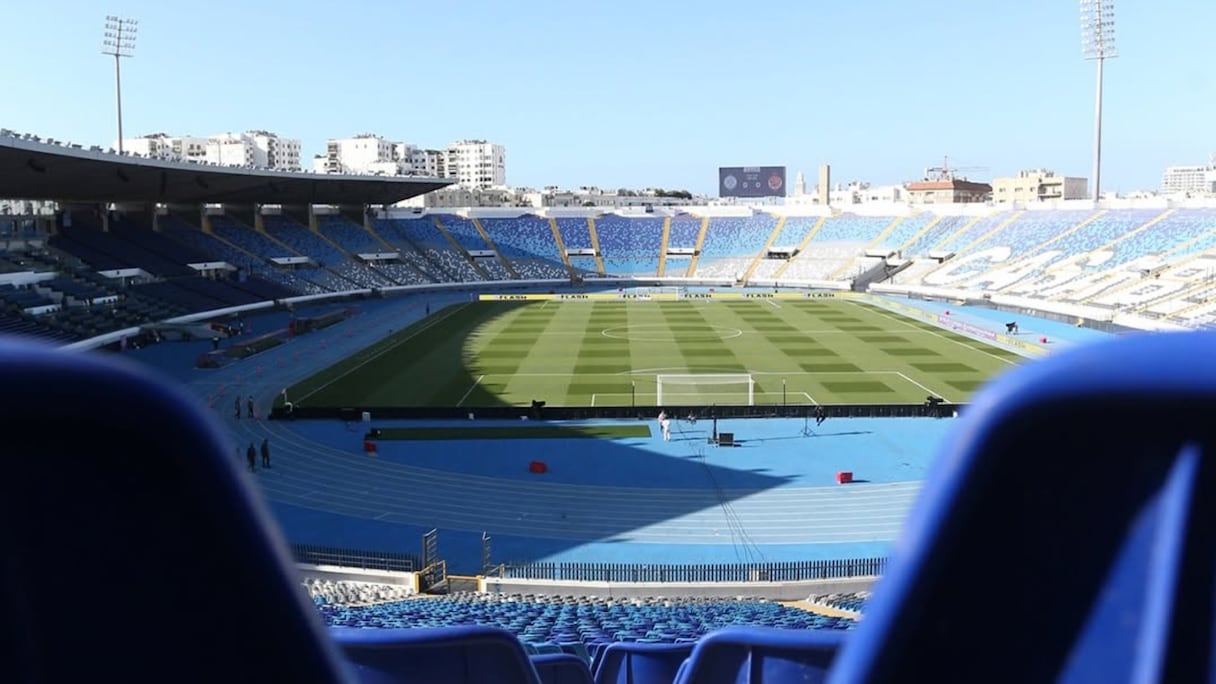
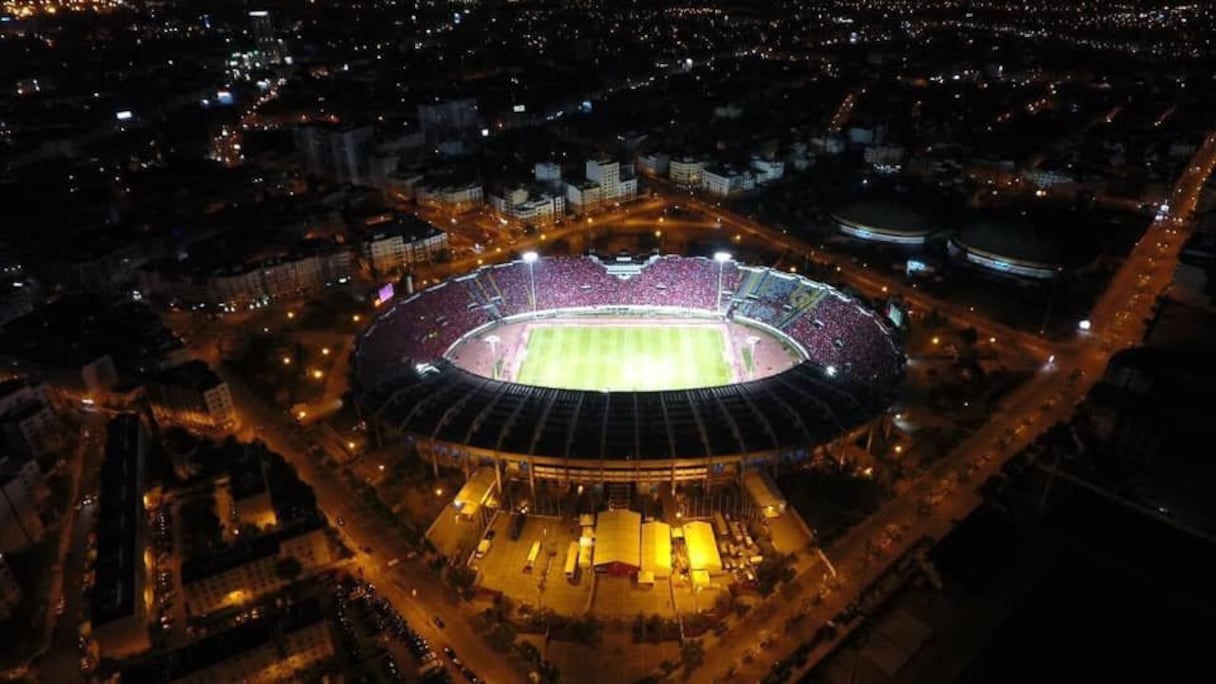
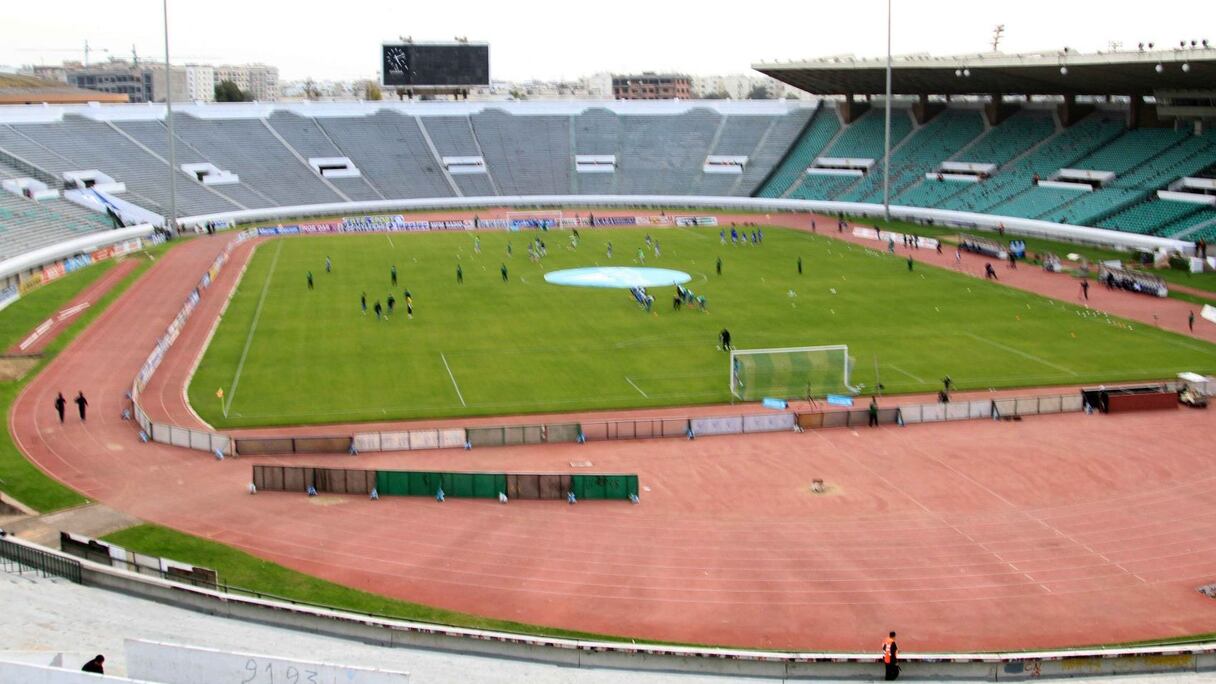
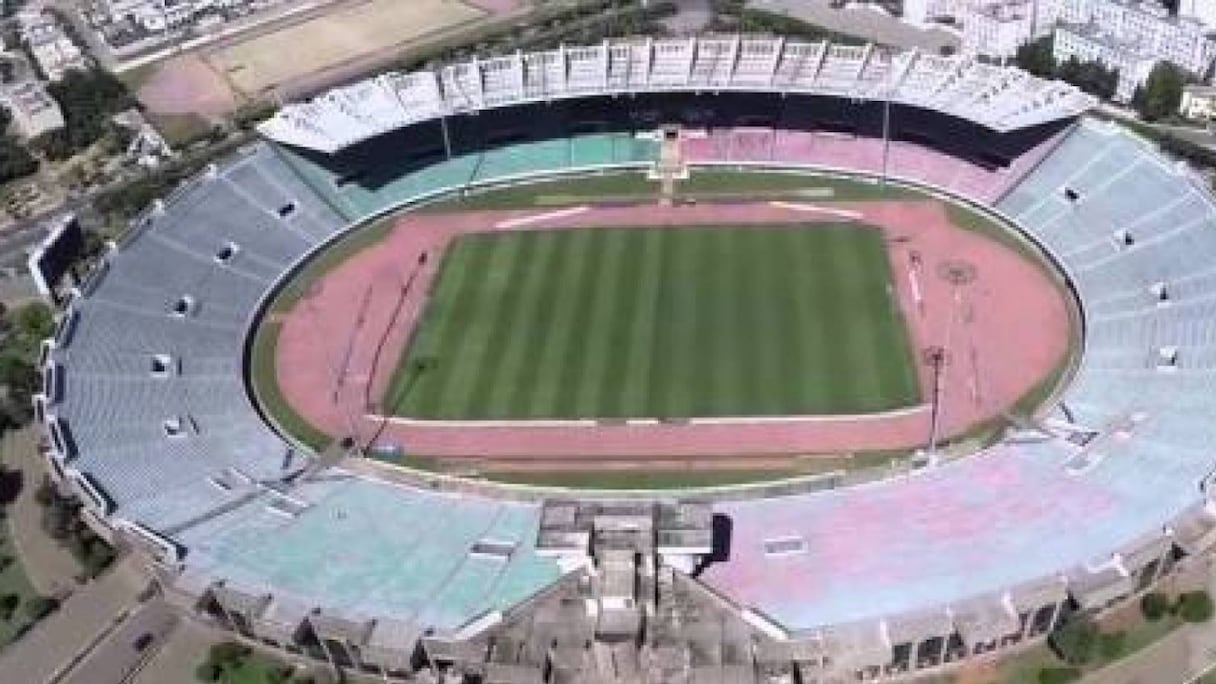
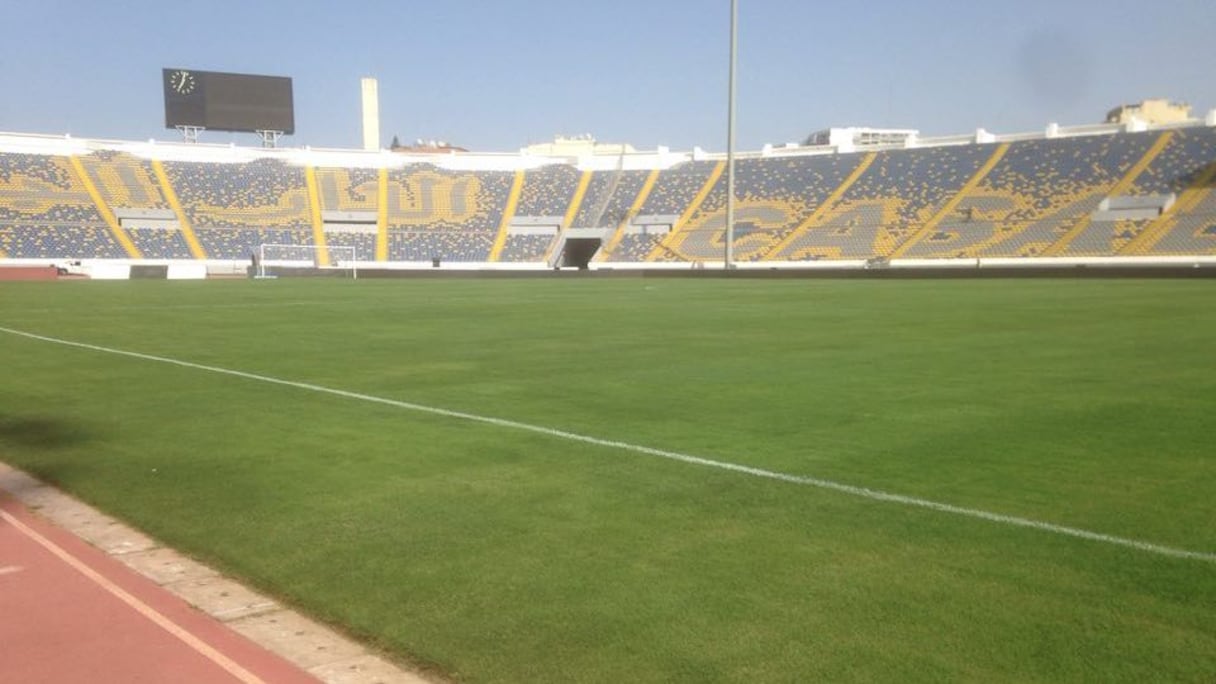
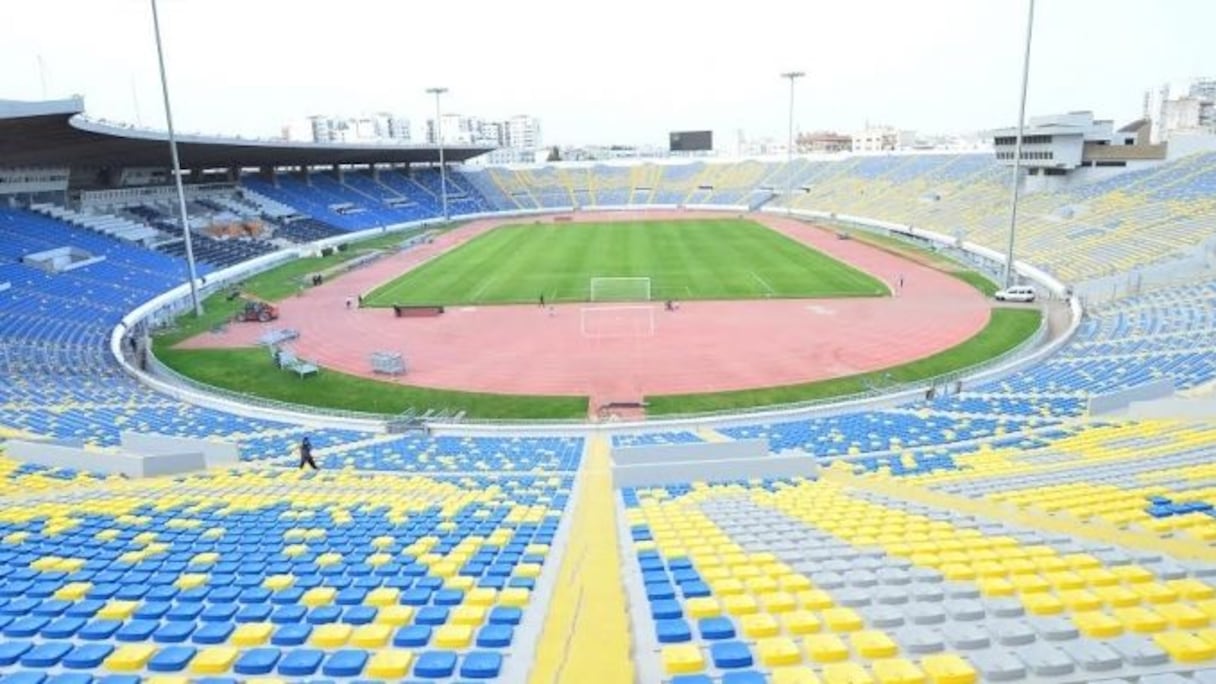
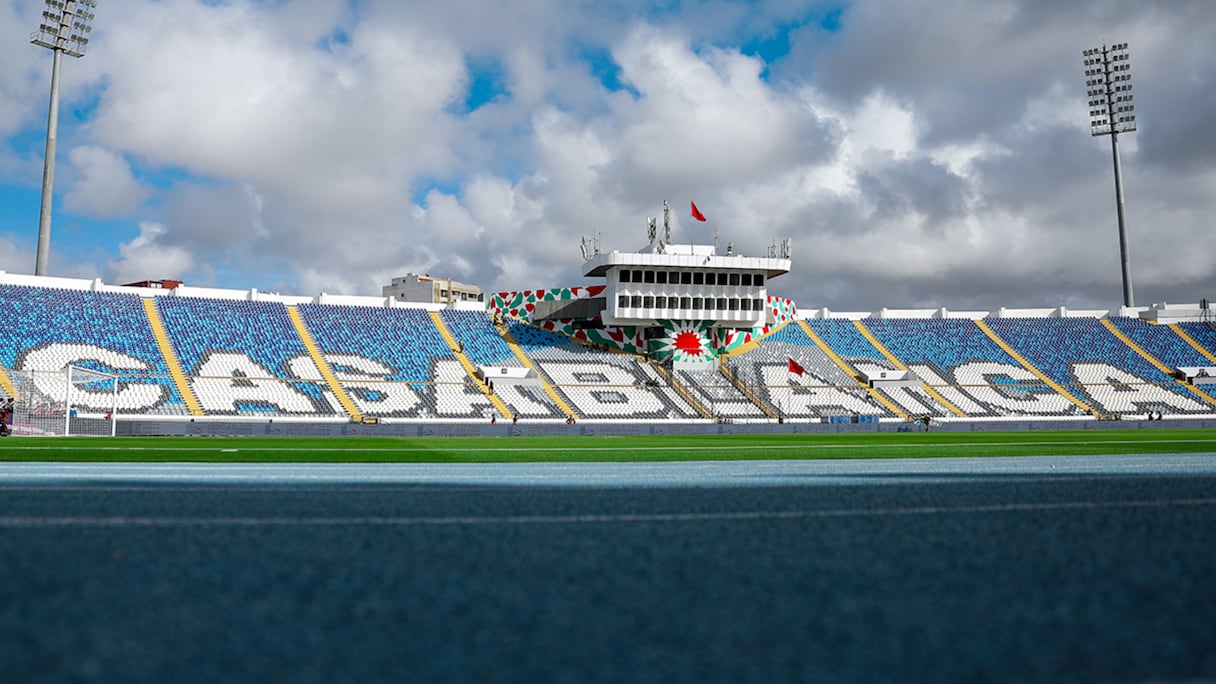
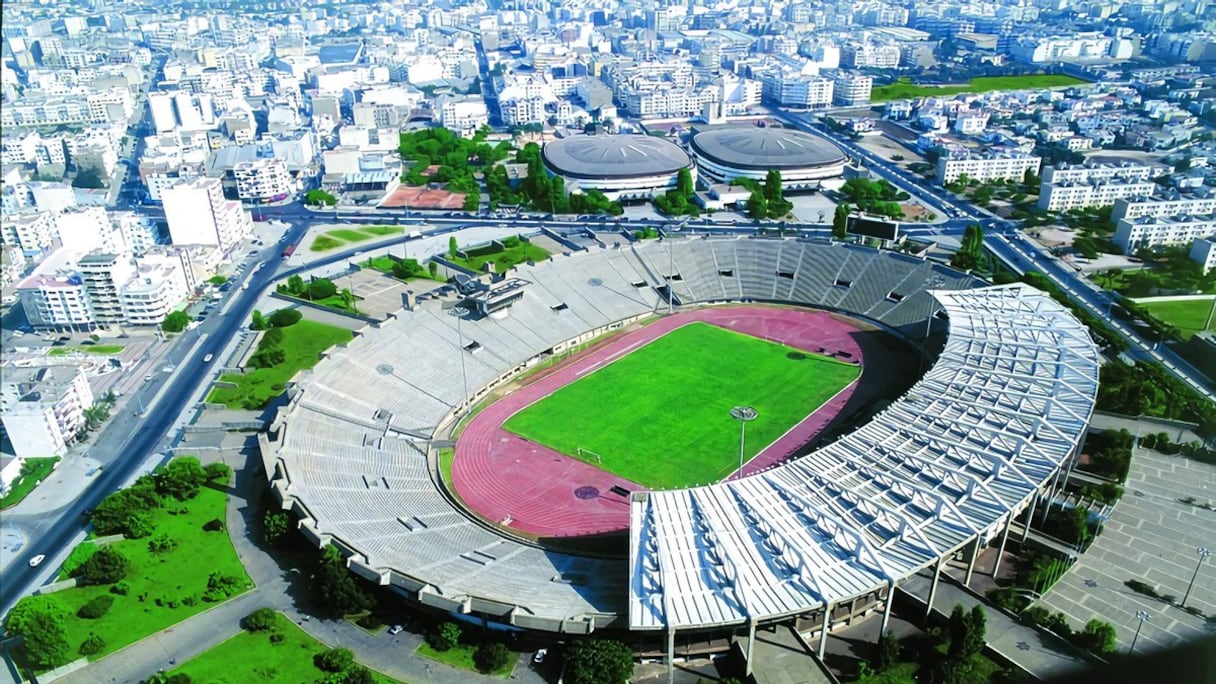
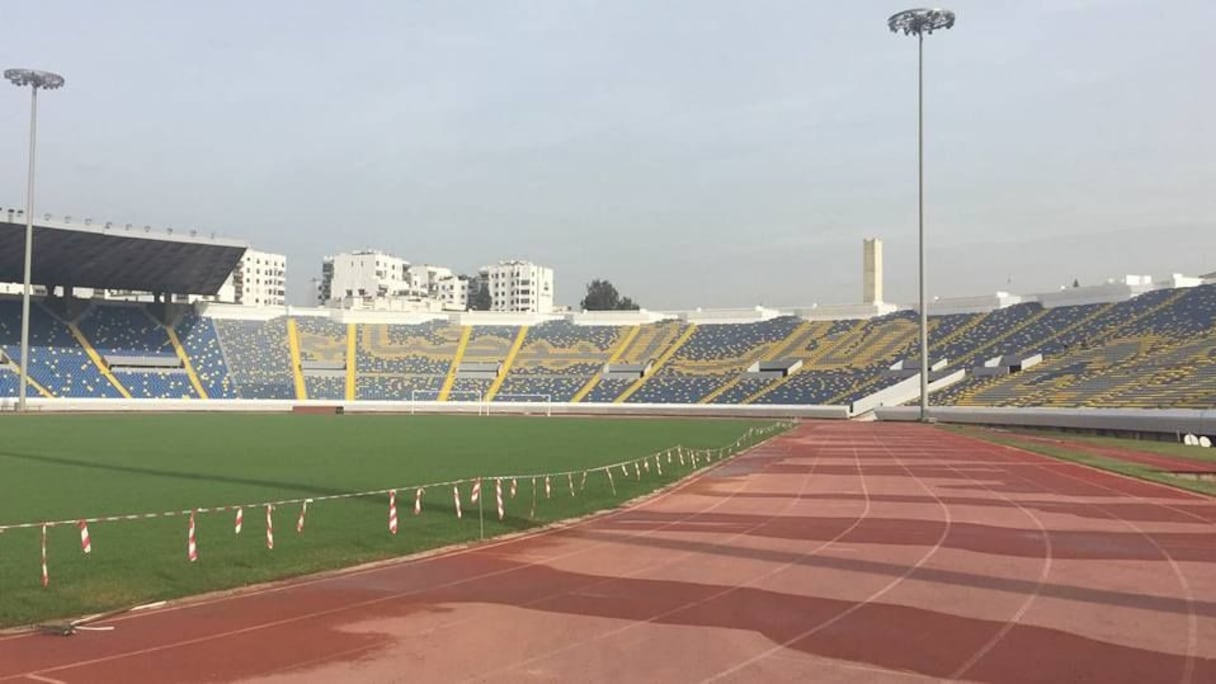
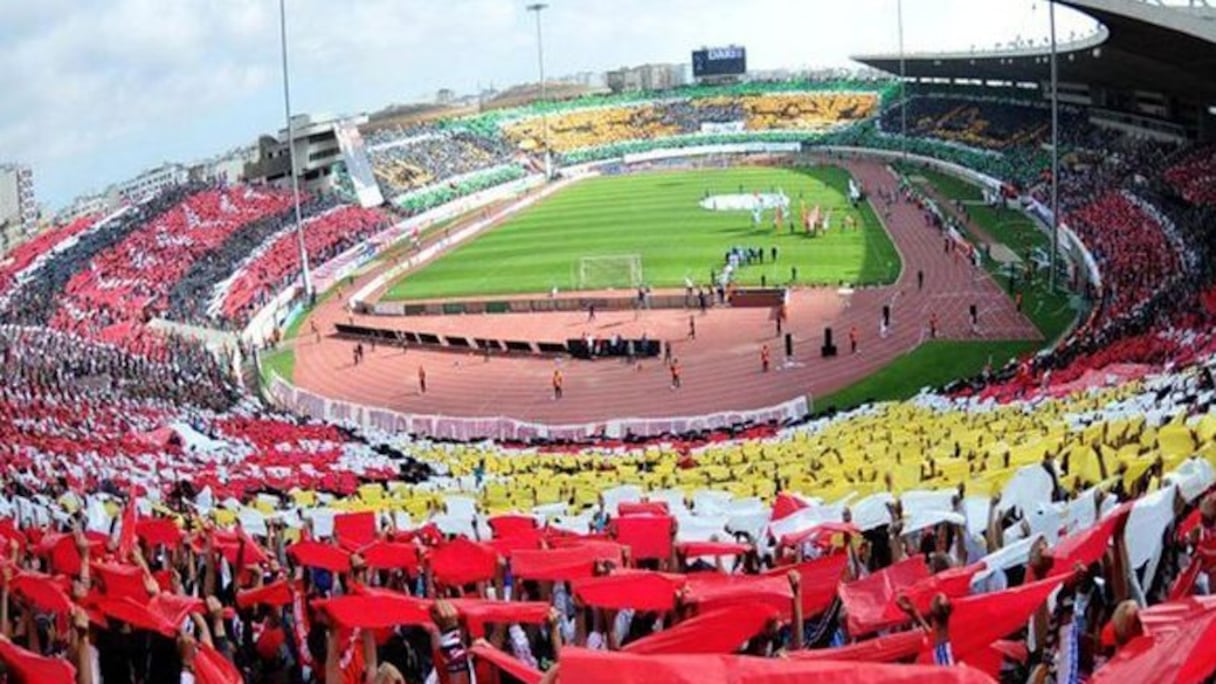
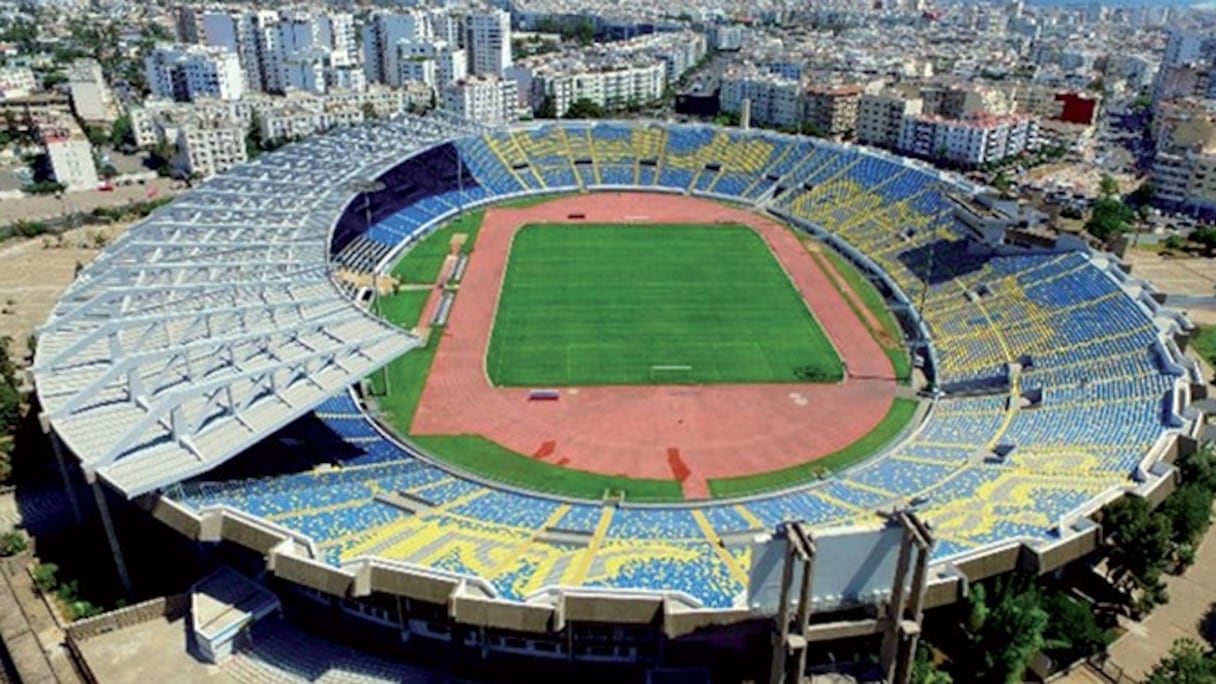
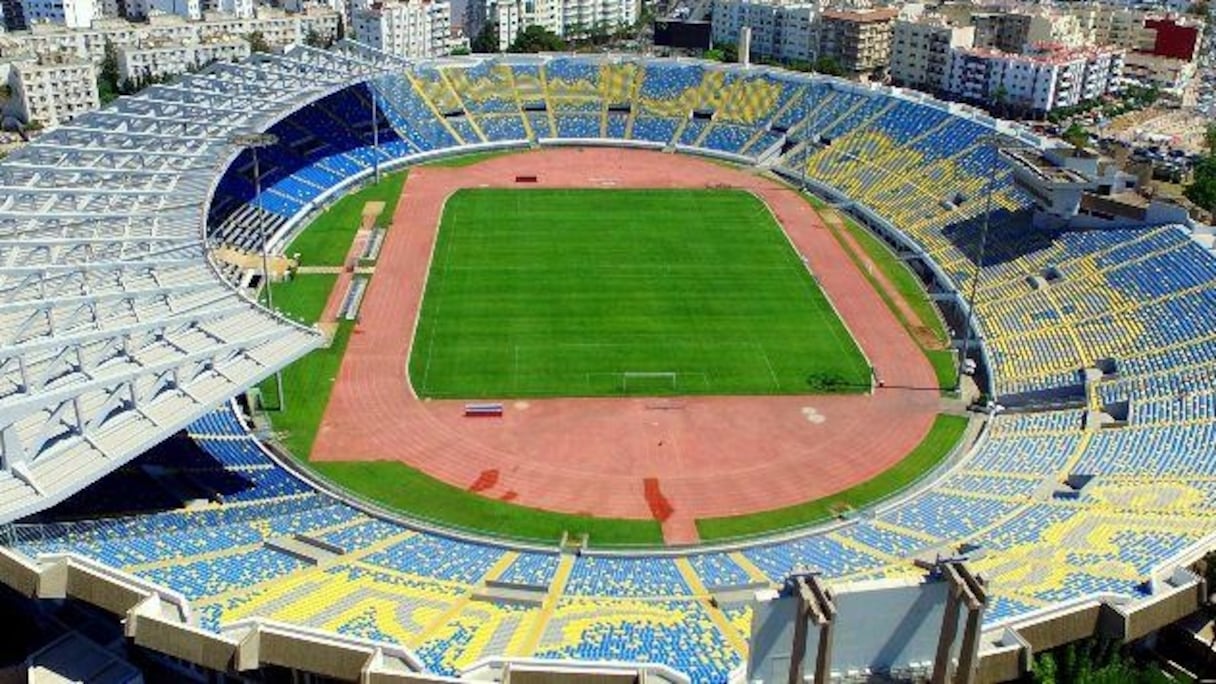
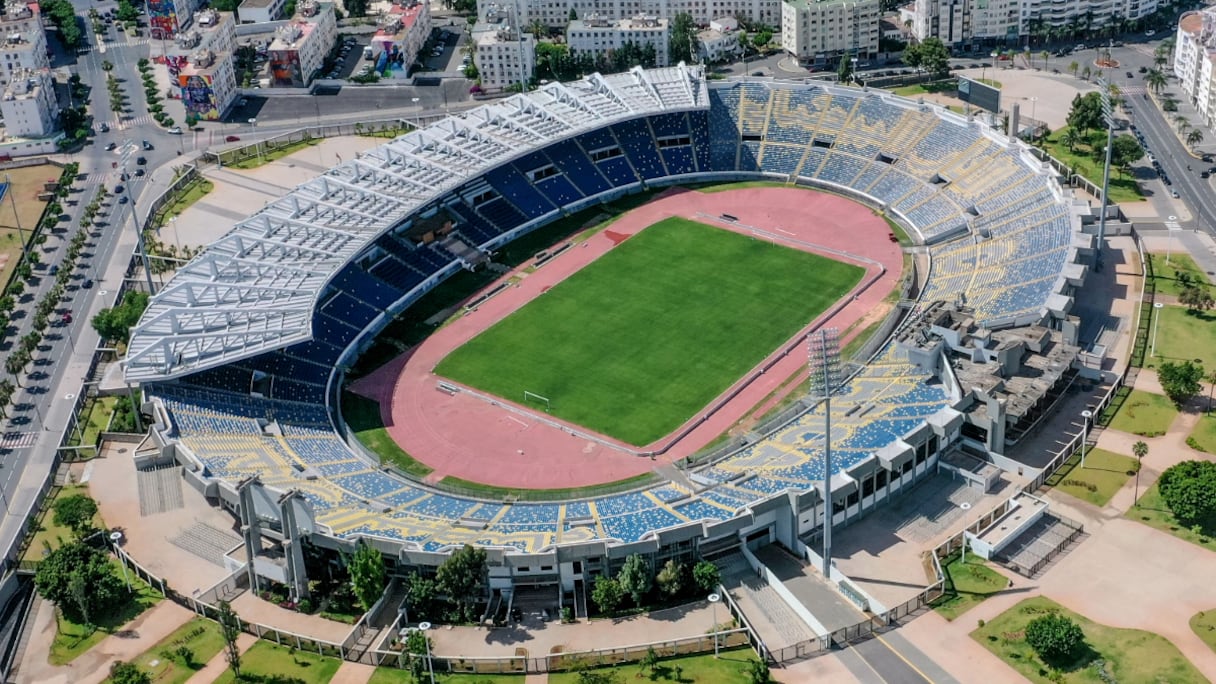
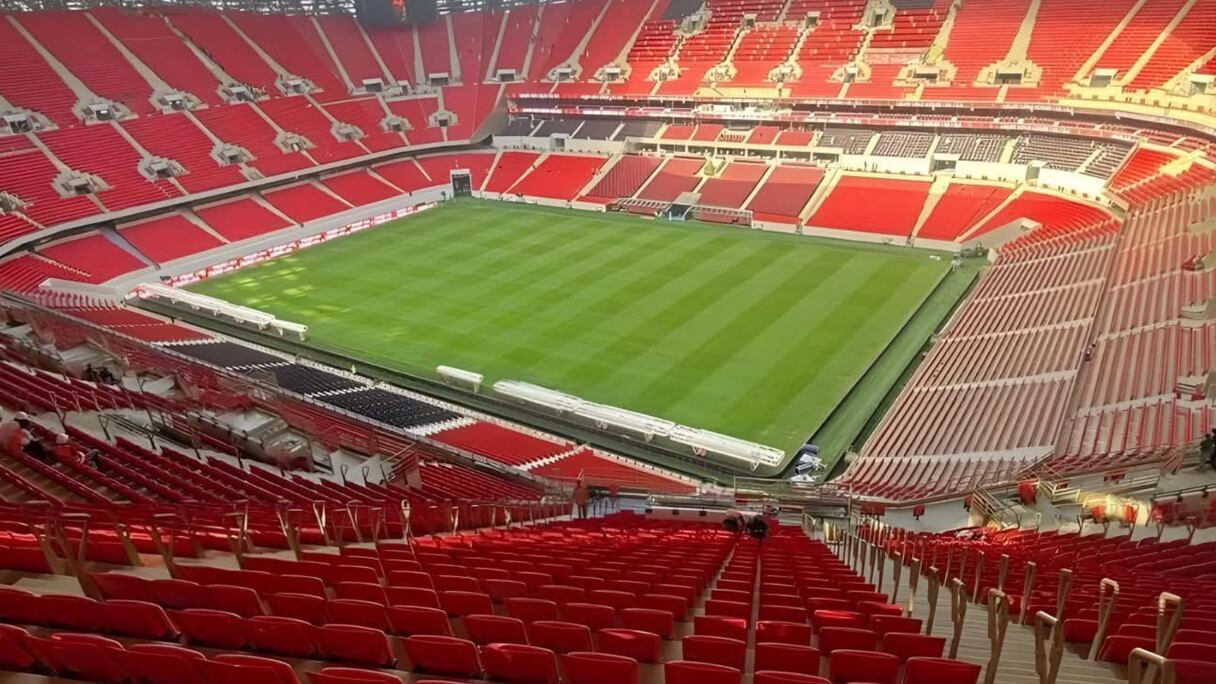
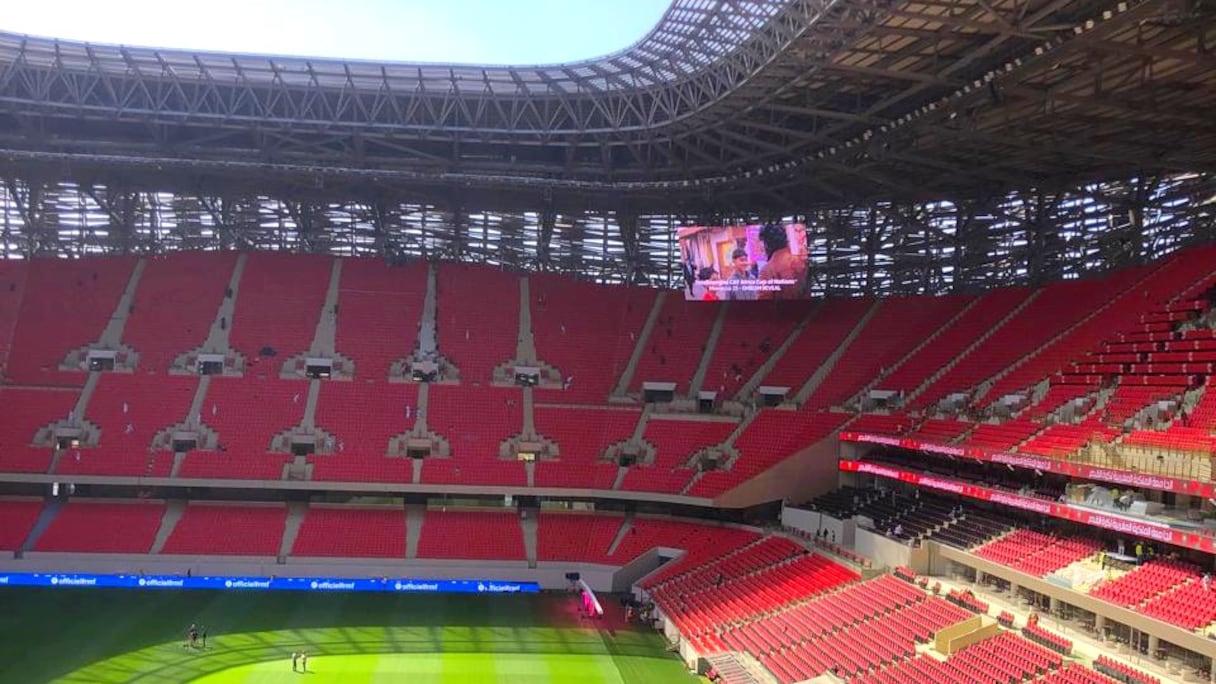
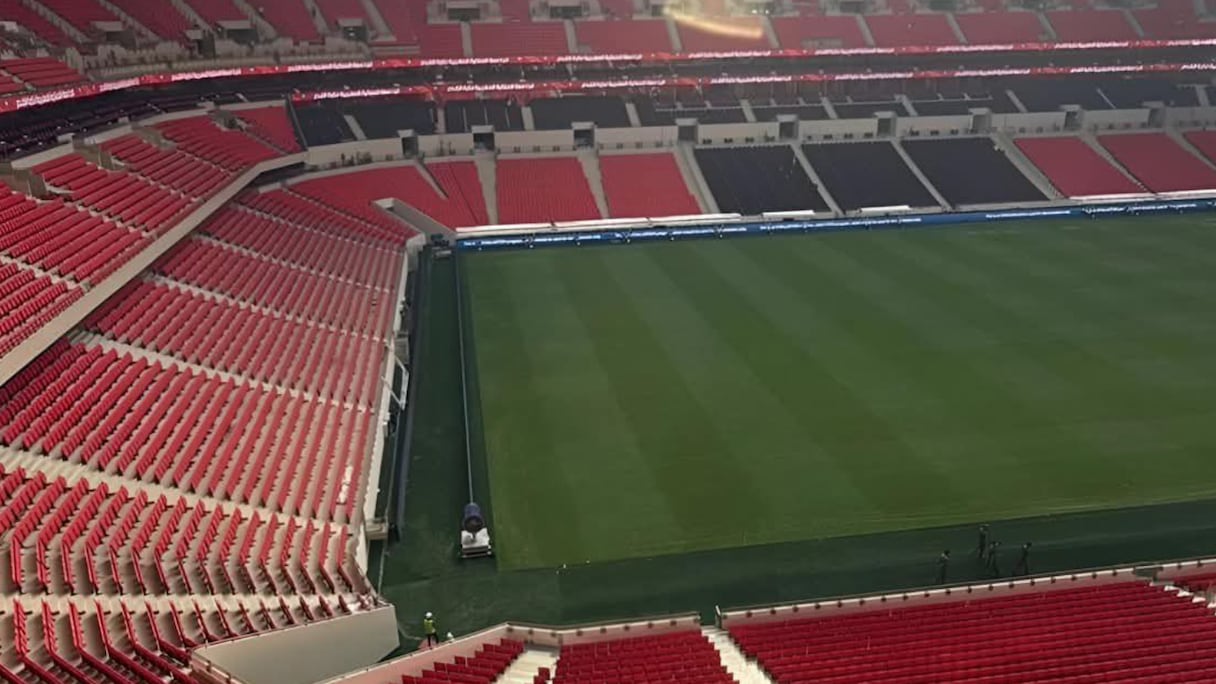
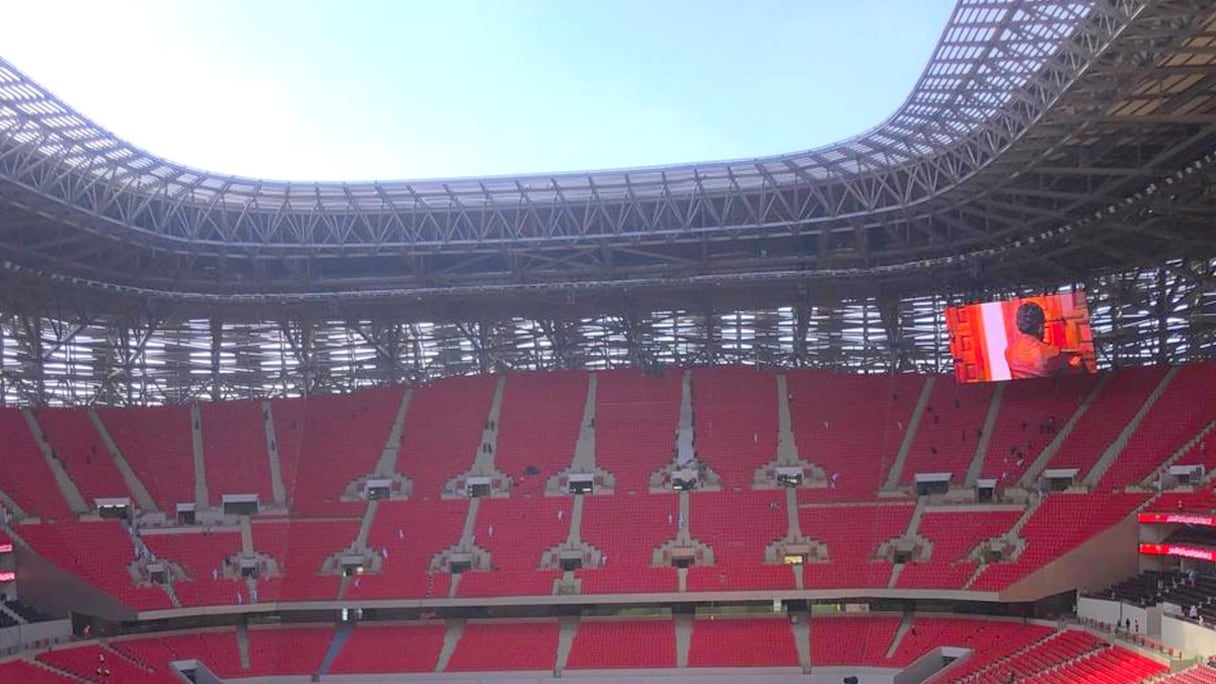
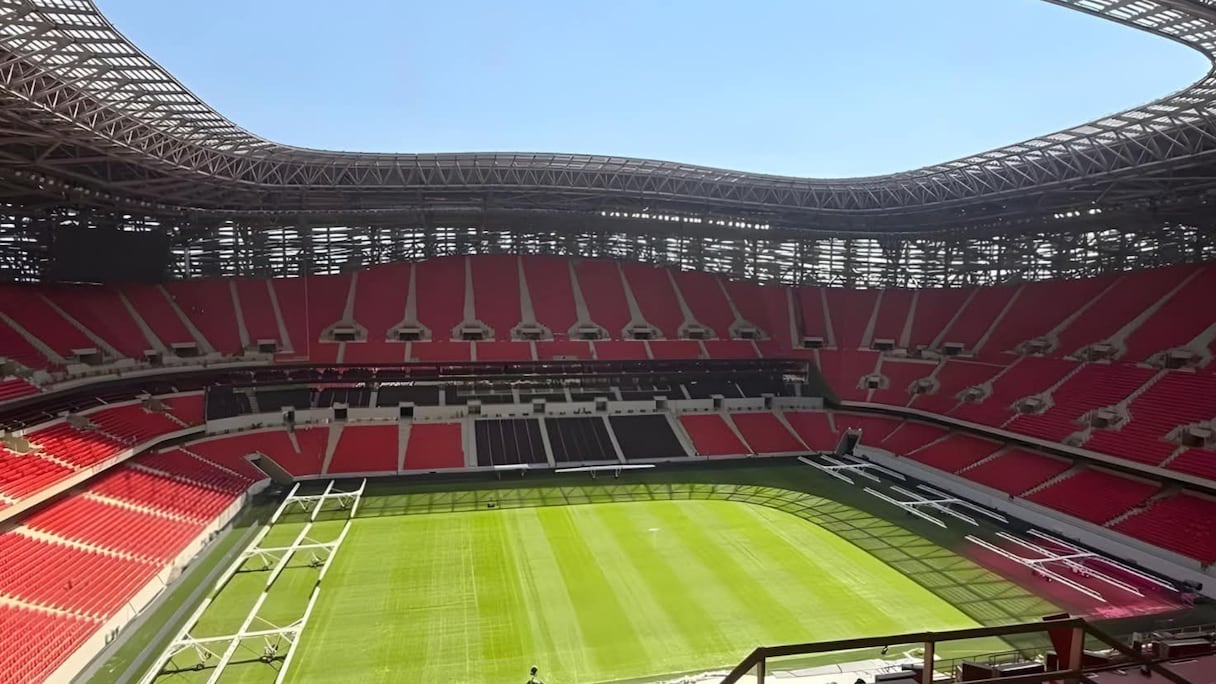
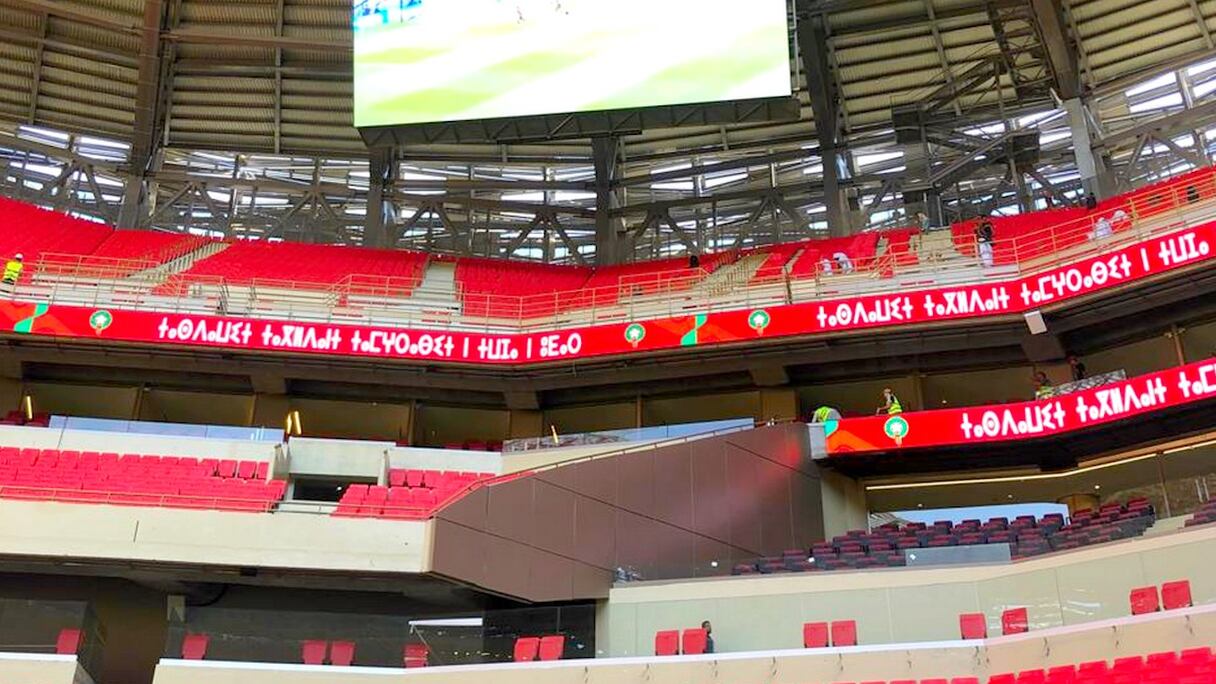
For several days, the pitches at the Mohammed V Stadium in Casablanca, the Moulay Abdellah Stadium in Rabat and the Grand Stadium of Tangier have been undergoing a specific maintenance operation known as overseeding. The technique involves sowing new grass seeds over an existing surface without having to replace the entire pitch. The work is carried out in several stages and requires a period of rest to allow the grass to develop under suitable conditions.
The work comes after the National Professional Football League (LNFP) announced on Monday, November 9, that Botola Pro would not resume until Friday, November 27. The governing body justified the decision by citing the unavailability of several stadiums due to ongoing pitch maintenance and renovation work.
All three venues have hybrid natural grass pitches, combining natural grass with synthetic fibers to improve surface stability and withstand the demands of successive matches. However, this technology requires regular maintenance, particularly as winter approaches and temperatures begin to drop.
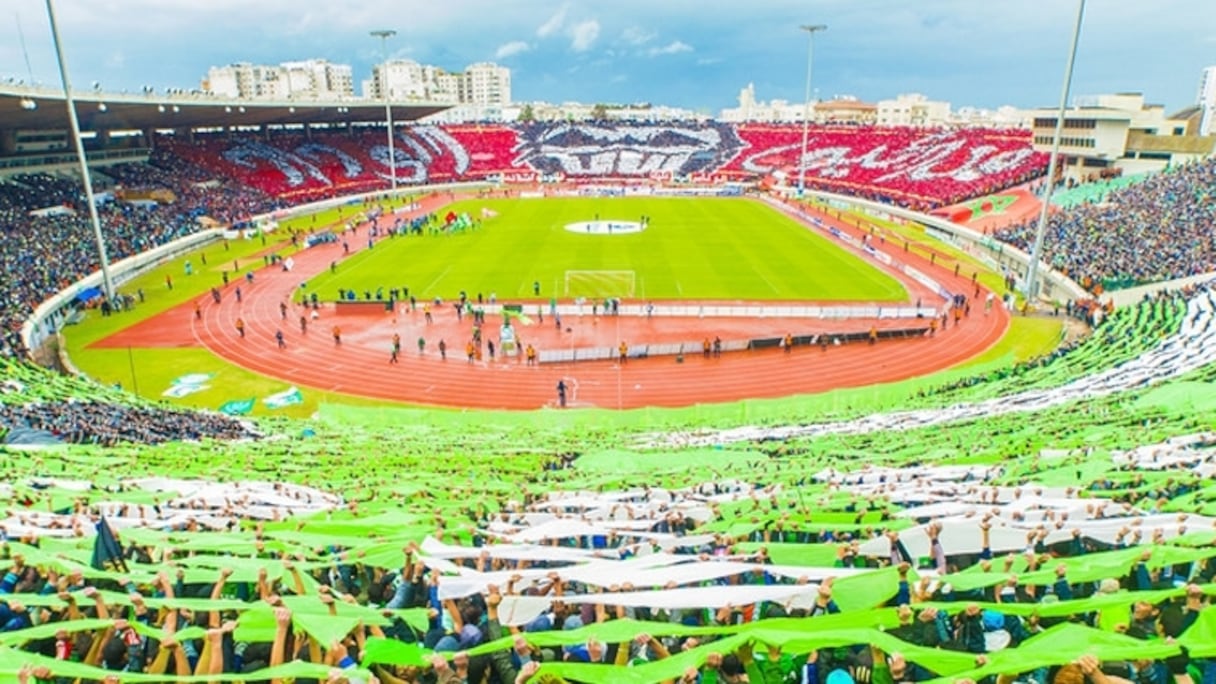
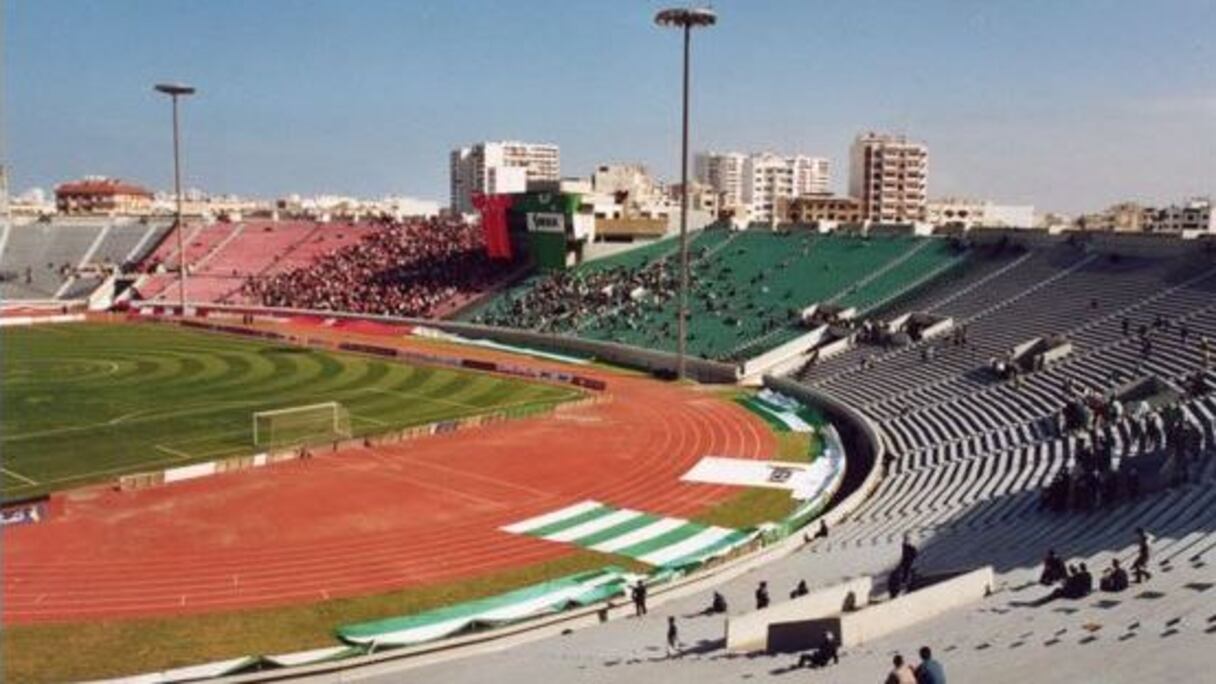
At Mohammed V Stadium, the pitch relies on two complementary grass varieties. Bermuda grass, which is particularly resistant to high temperatures and heavy foot traffic, provides ground cover during the summer. Ryegrass, which is better suited to cooler temperatures, gradually takes over during the fall and winter. Overseeding helps ensure this seasonal transition while maintaining a dense, even playing surface.
However, the process involves more than simply sowing new seeds. It begins with ground preparation, including a low cut to reduce the height of the existing grass and allow the seeds to make better contact with the soil. Depending on the condition of the pitch, maintenance teams may also carry out dethatching to remove accumulated plant debris, followed by mechanical aeration to reduce soil compaction caused by repeated use of the field.
Once the surface has been prepared, technicians move on to sowing the seeds. Using specialized machinery, they distribute them across the entire pitch, sometimes making several passes to ensure even coverage. A light layer of sand may then be applied to improve seed-to-soil contact and encourage germination.
Read also : Football: Botola Pro D1 to resume on November 27
The process continues with watering and fertilization. During this stage, teams must maintain the right level of moisture for the seeds to germinate while supplying the nutrients needed for root development. This balance is essential: a lack of water can slow grass growth, while excessive moisture can undermine the establishment of the new grass.
Under favorable conditions, the first shoots can appear within five to seven days. However, their emergence does not mean the pitch is immediately ready to host matches. Young blades of grass remain fragile and still need time to develop their roots, become denser and build up resistance to the demands of football.
This is precisely why the three stadiums are temporarily closed for several weeks. Running, changes of direction and repeated pressure from players’ feet could damage the new shoots and compromise their development. The pitches must therefore remain unused until the grass is strong enough to withstand the intensity of official matches once again.

Complexe Mohammed V
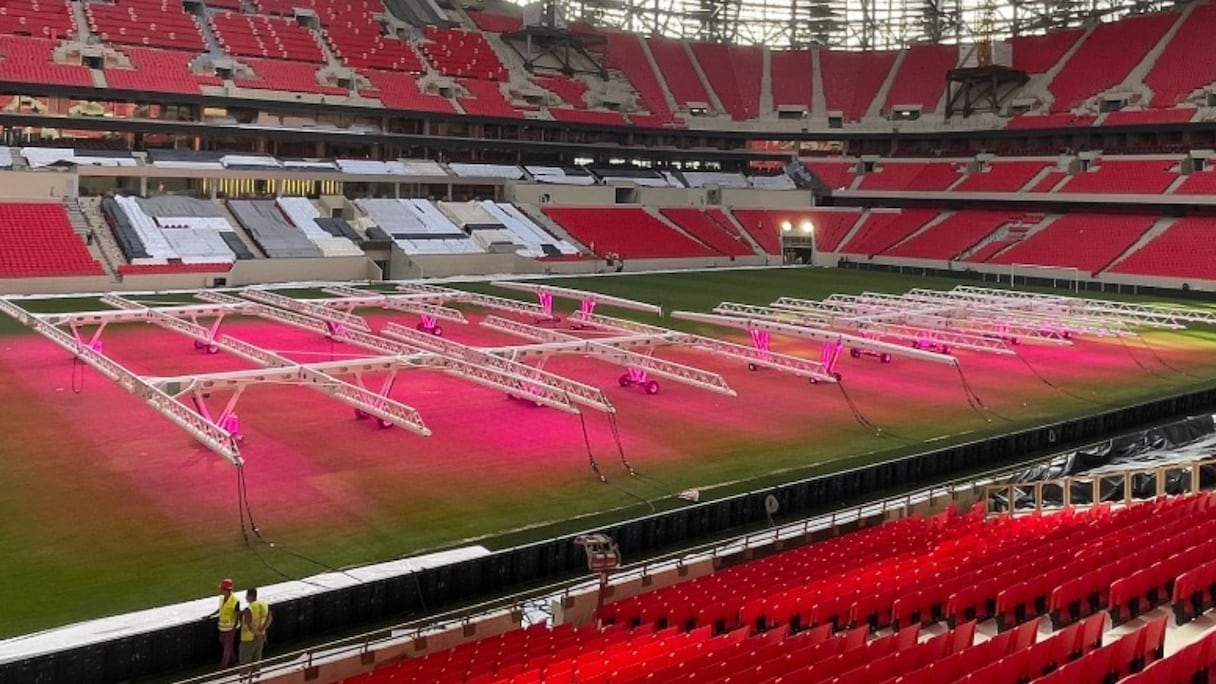
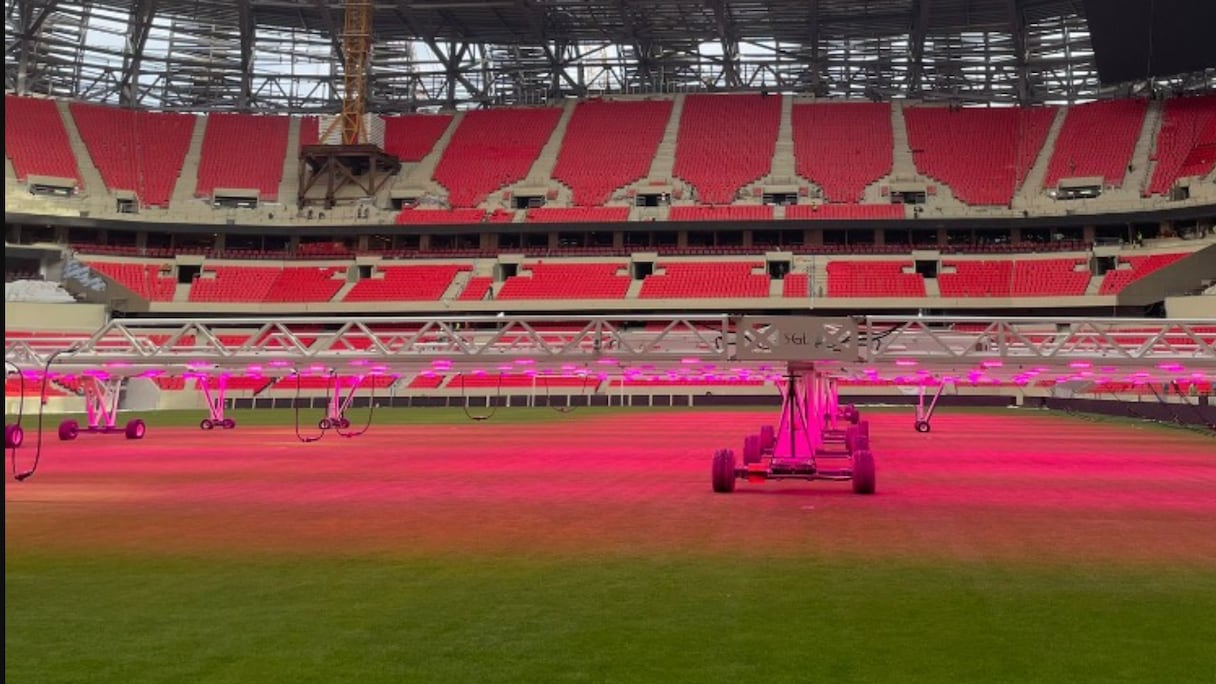
At Moulay Abdellah Stadium and the Grand Stadium of Tangier, maintenance teams also have access to LED horticultural lighting systems. These supplement natural sunlight in certain areas of the pitch and promote grass growth. The technology provides an additional means of supporting turf development, particularly as daylight hours become shorter.
After germination, maintenance work continues with the first mowing sessions and regular monitoring of the pitch. Technicians must check grass density, root development and surface stability before allowing matches to resume.
Although overseeding can require around three weeks of rest, the duration depends on several factors, including temperature, humidity, sunlight and the growth rate of the new shoots. The reopening of the stadiums therefore depends on the actual condition of their pitches.
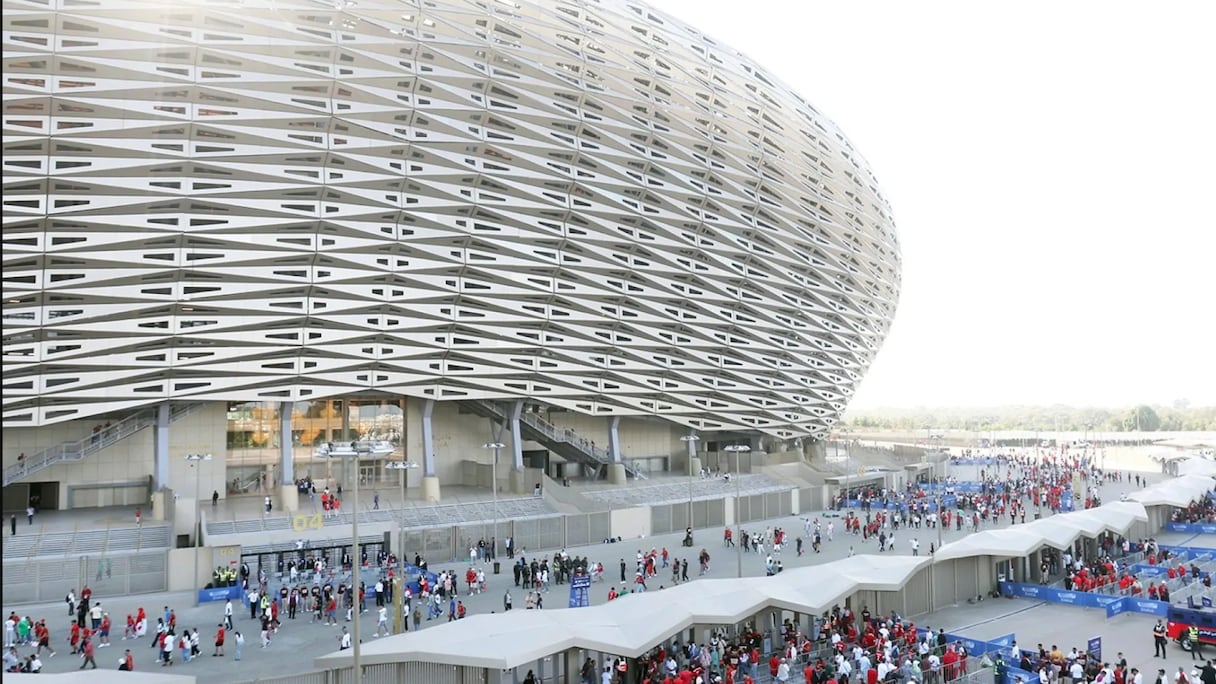
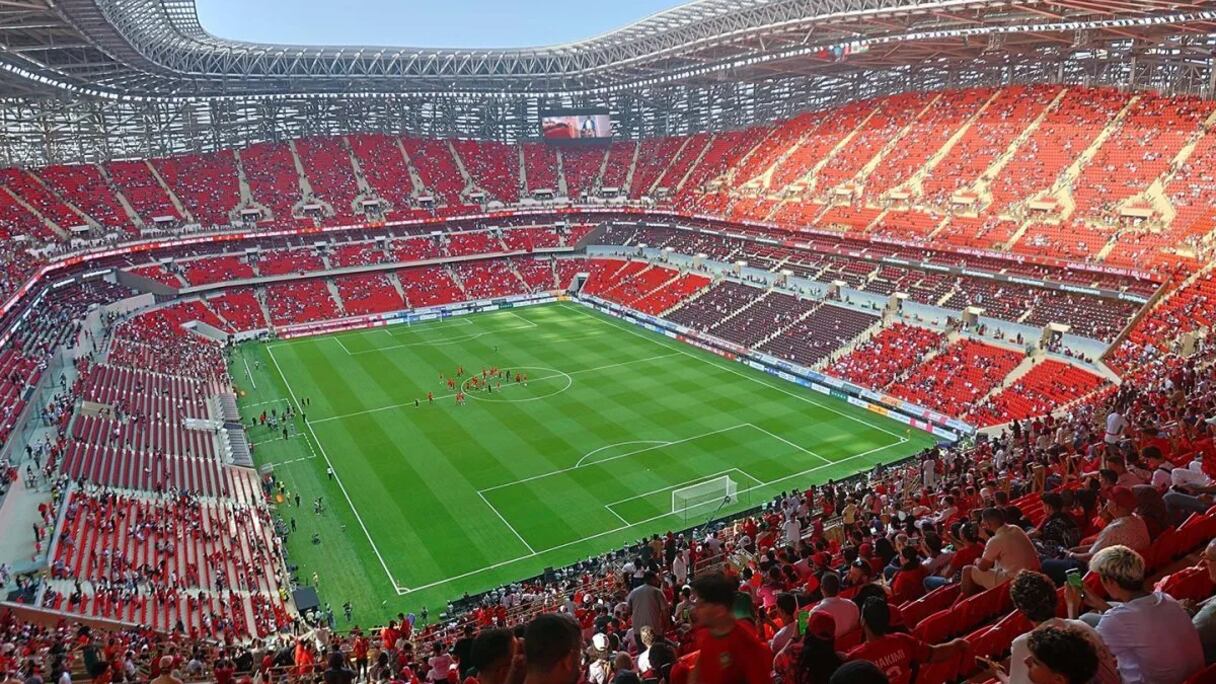


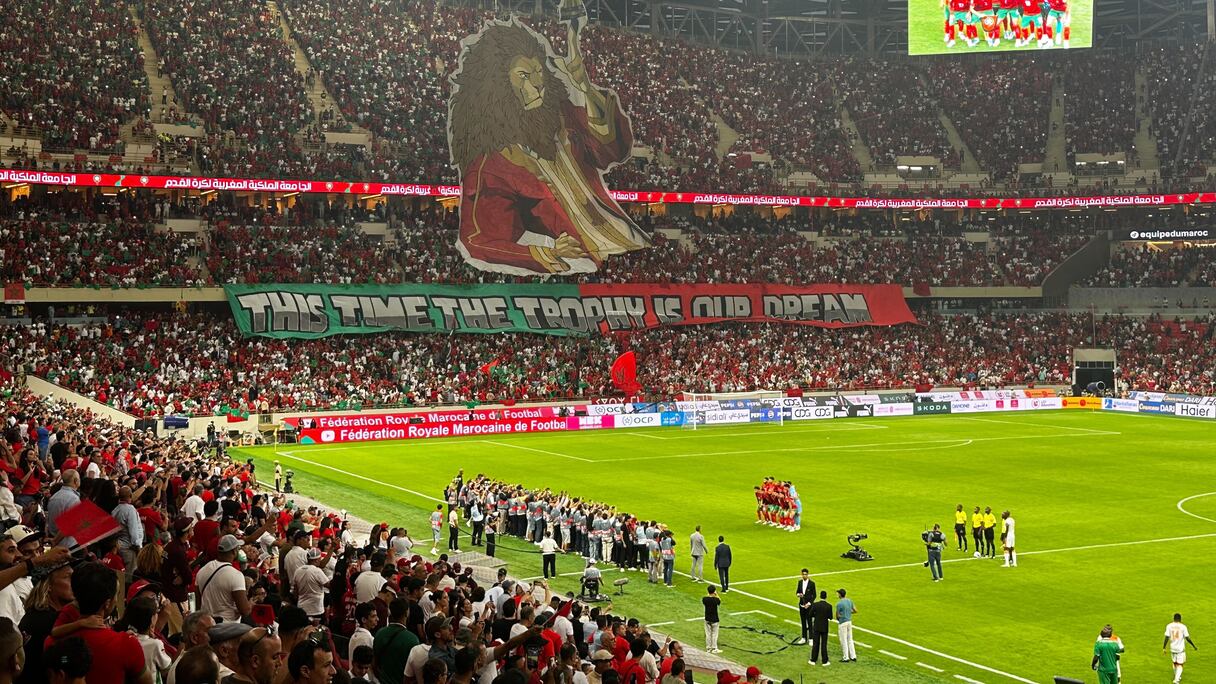


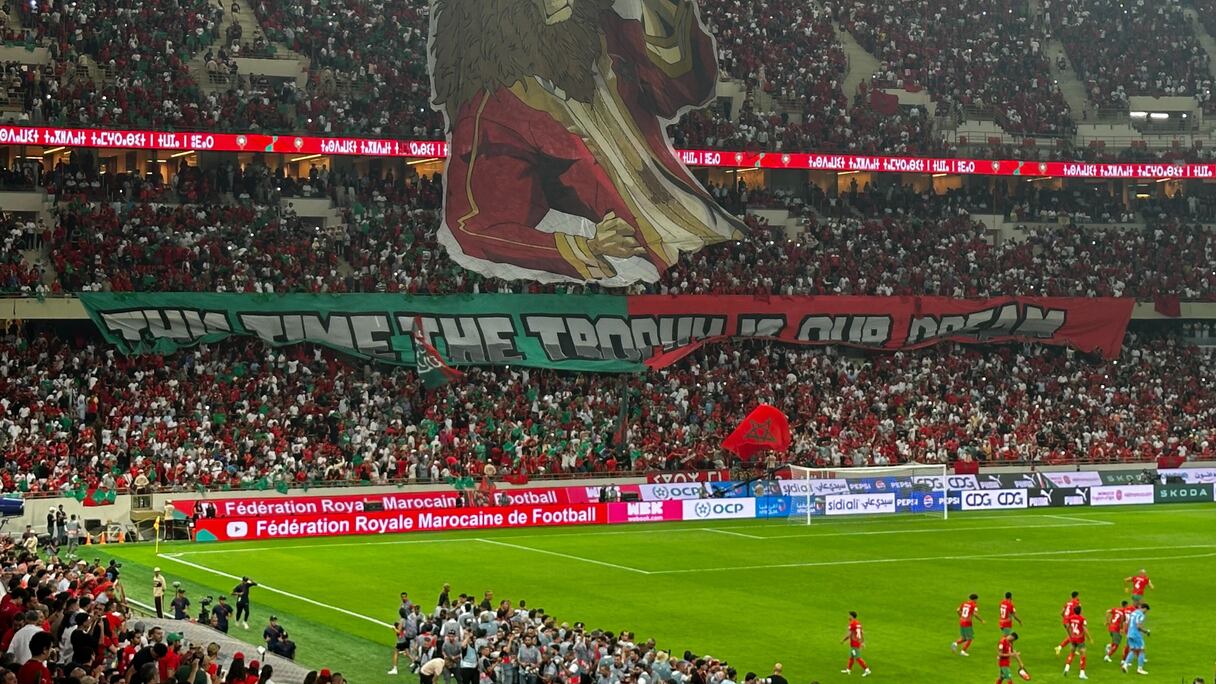
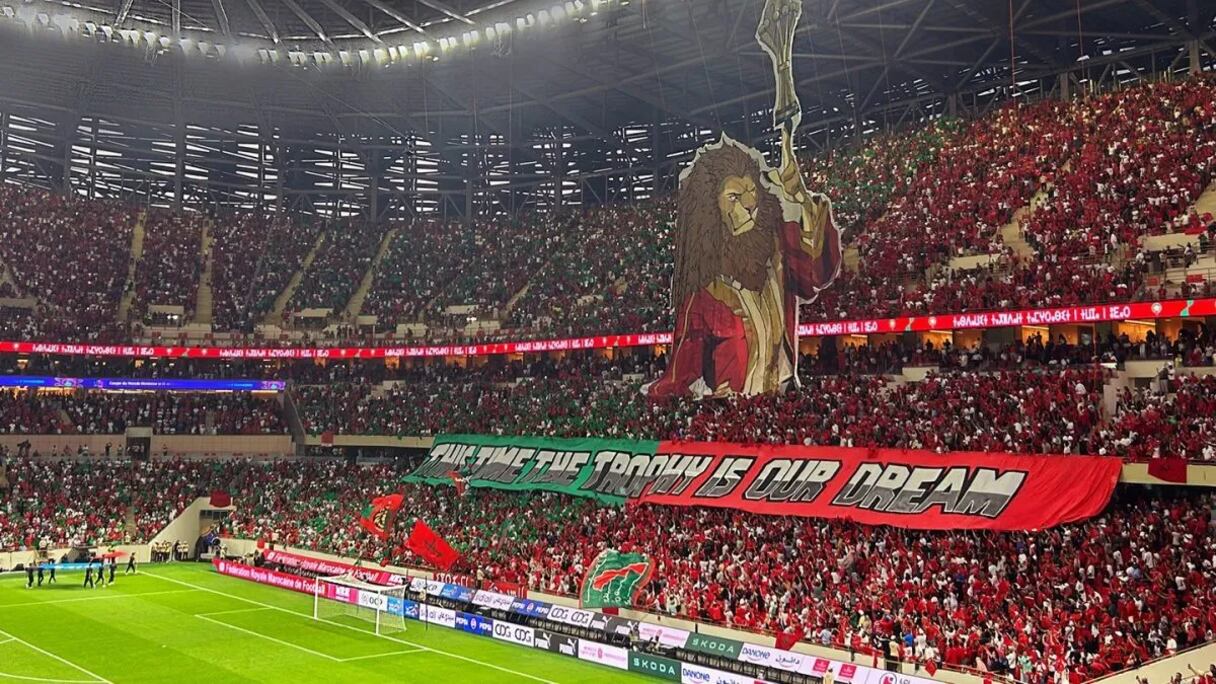
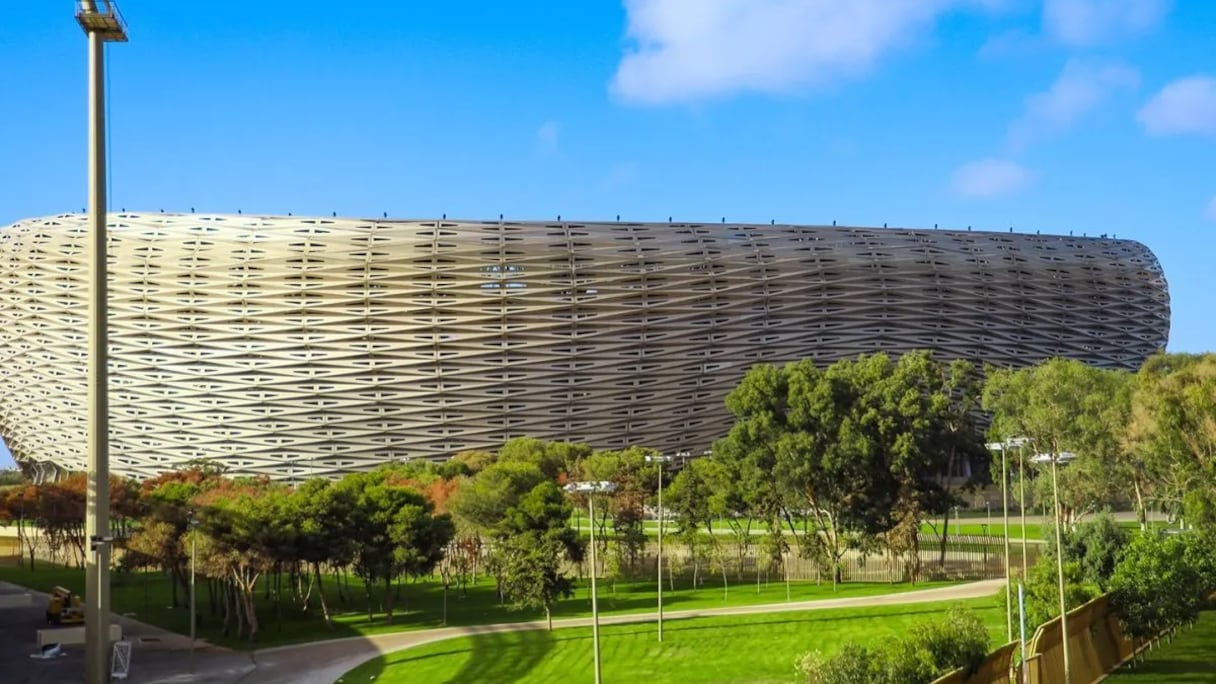
Complexe Moulay Abdellah
This practice is not limited to stadiums in Morocco. Several major venues in Europe also use specialized maintenance techniques to preserve playing surfaces throughout the season. The Santiago Bernabéu, home of Real Madrid, for example, has a system that allows its natural grass pitch to be moved to an underground area equipped with lighting, ventilation and irrigation systems to maintain suitable conditions for its preservation and growth.
In Milan, San Siro Stadium, shared by AC Milan and Inter, also has to contend with the demands of a packed match schedule. Its hybrid pitch requires regular maintenance, including grass renewal and the use of artificial lighting rigs to encourage growth, particularly when natural sunlight becomes insufficient.
Behind these temporary closures lies essential technical work to maintain professional football pitches. The process requires several weeks of rest but helps preserve the grass’s density, durability and quality as the seasons change and the demands of top-level football continue.


Grand stade de Tanger. Le360
