
According to the latest official figures published on the morning of Thursday, August 6, on the Ministry of Equipment and Water’s “Maa Dialna” platform, Morocco’s three largest dams—Al Wahda, Al Massira and Bin El Ouidane—continue to post significantly higher filling rates than at the same time last year, each strengthening the water reserves of its respective basin.
Located in the commune of Aajajra in Ouezzane Province, Al Wahda Dam remains Morocco’s largest dam and the third largest in Africa. Its filling rate stood at 86.59%, up from 52.29% during the same period in 2025—an increase of more than 30 percentage points. Its water reserves currently total 2.989 billion cubic meters, out of a normal storage capacity of 3.452 billion cubic meters.
Read also : Morocco’s dams remain above 70% capacity as summer water reserves hold strong
These figures reflect both abundant water resources and effective management of surplus water to ensure the safety of the dam and surrounding areas. Beyond storing water, strengthening Morocco’s water security and generating hydroelectric power, Al Wahda Dam also plays a key role in protecting the Gharb Plain and neighboring regions from flooding, making it one of the Kingdom’s most strategic hydraulic infrastructures and a cornerstone of national water resource management.
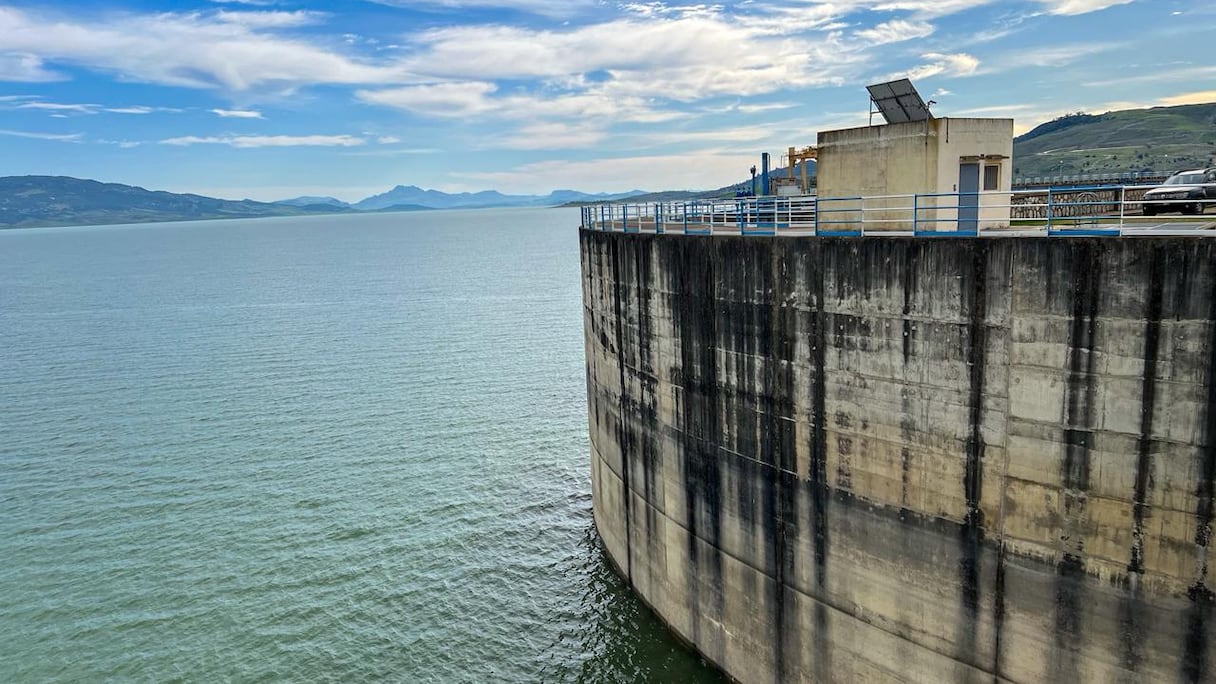


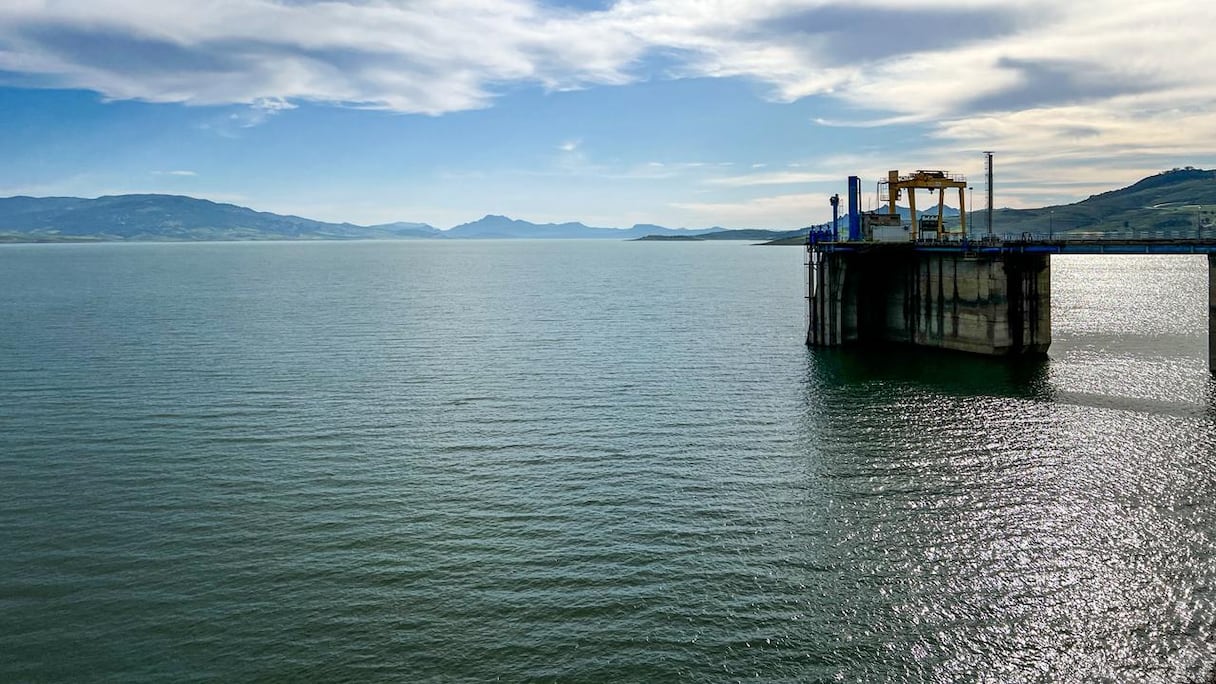
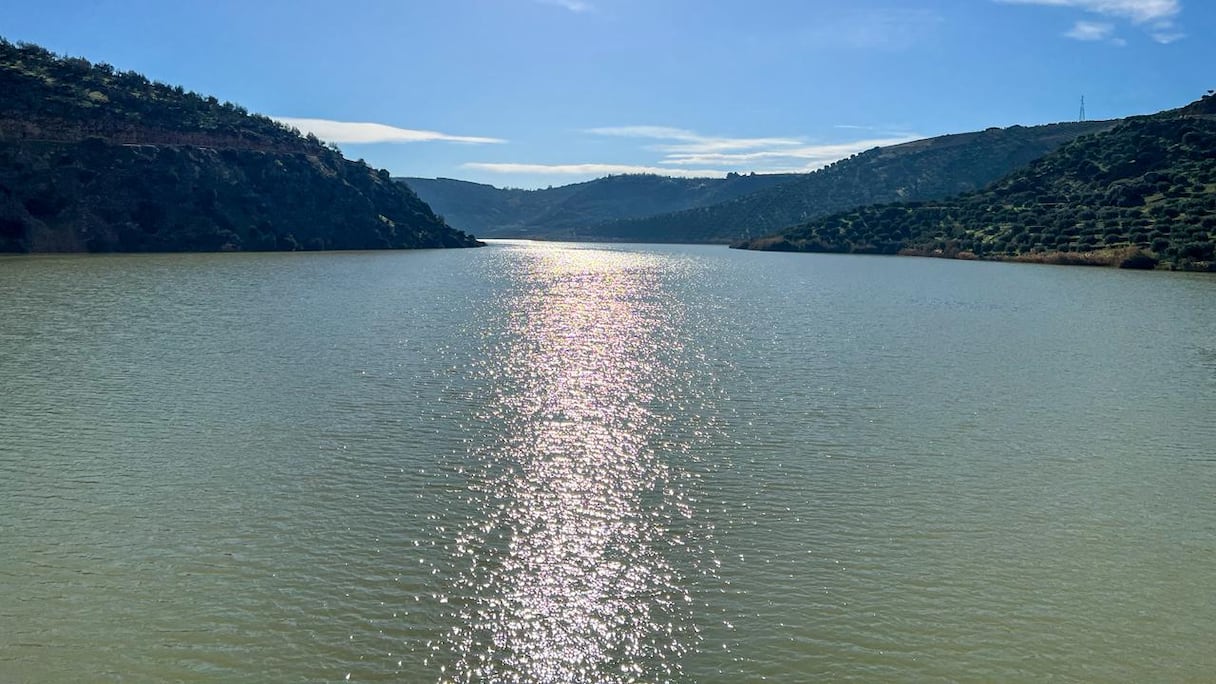

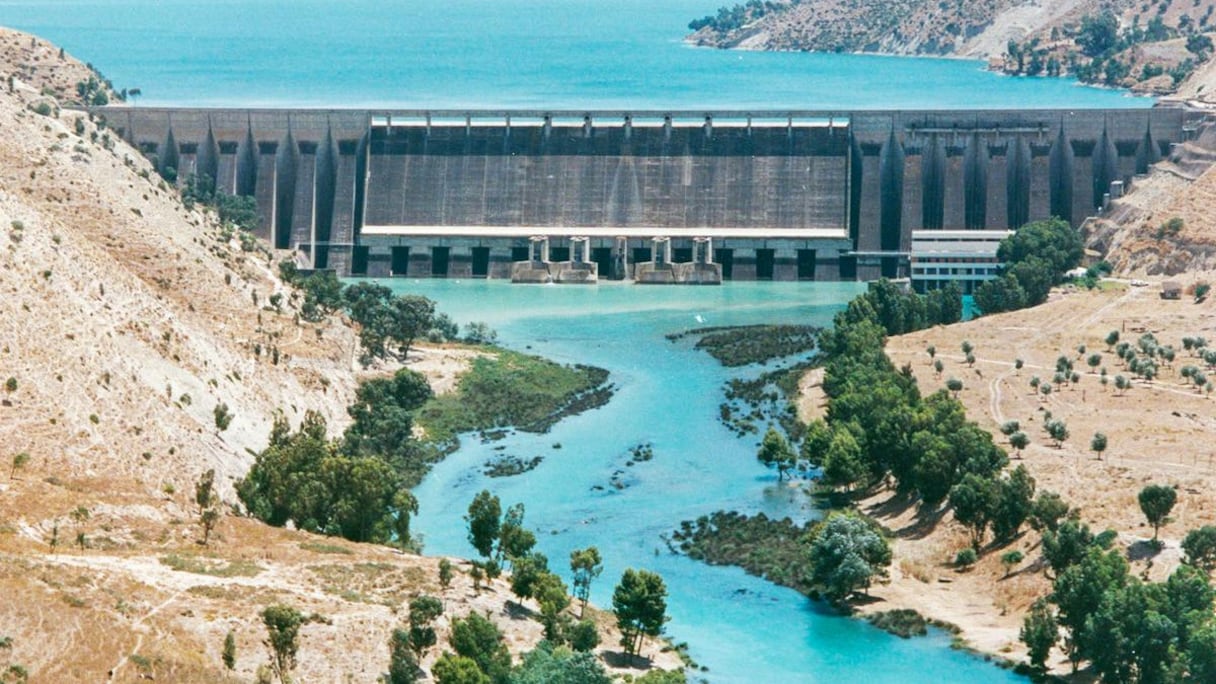
Al Massira Dam, located on the Oum Er-Rbia River, also recorded a remarkable improvement. Its filling rate reached 40.95%, compared with just 3.60% during the same period in 2025—one of the sharpest increases recorded among Morocco’s major dams. It currently holds 1.085 billion cubic meters of water, out of a normal storage capacity of 2.650 billion cubic meters.
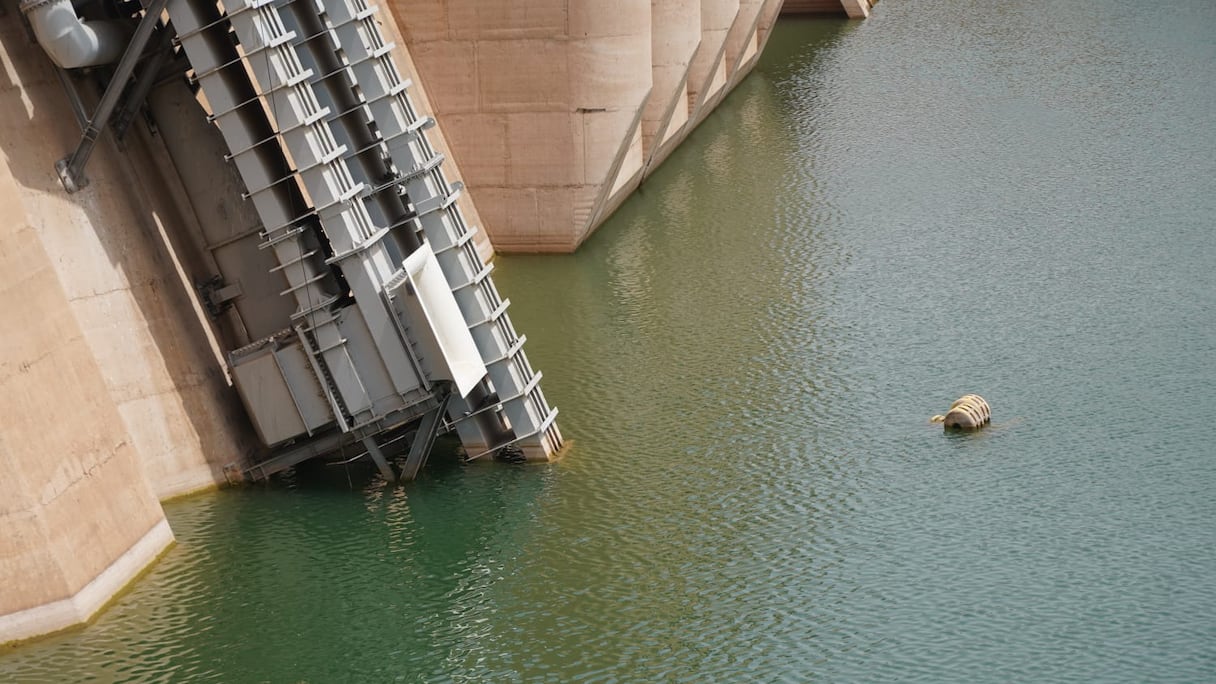
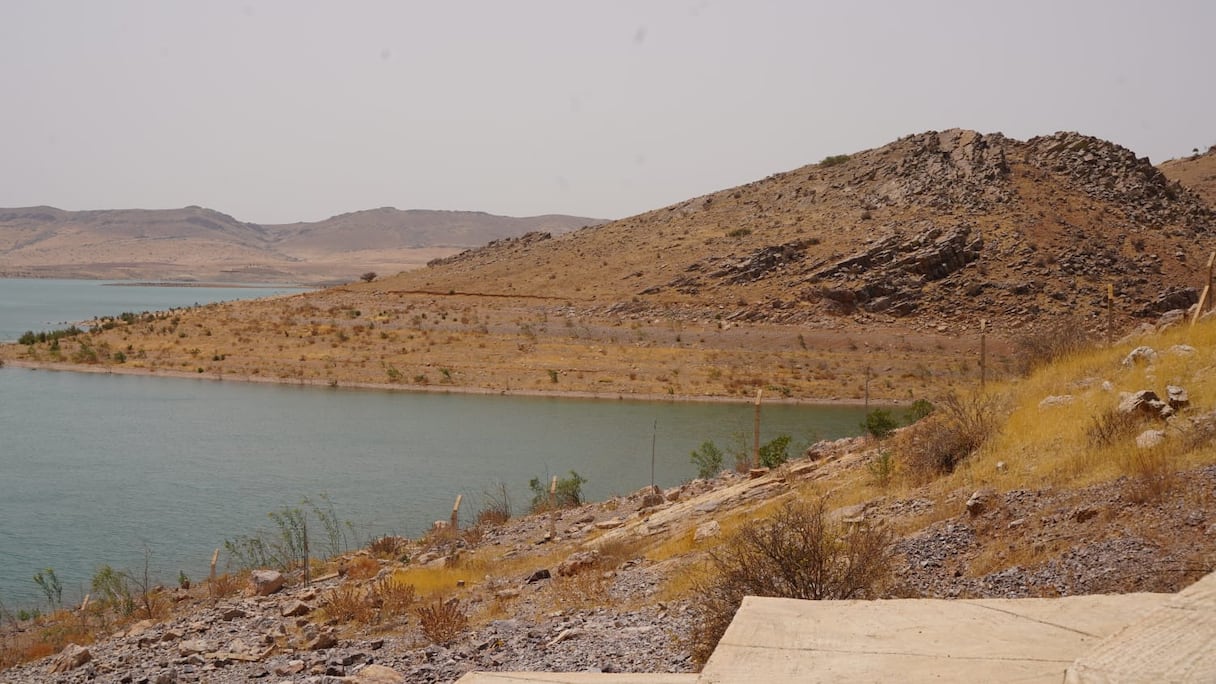
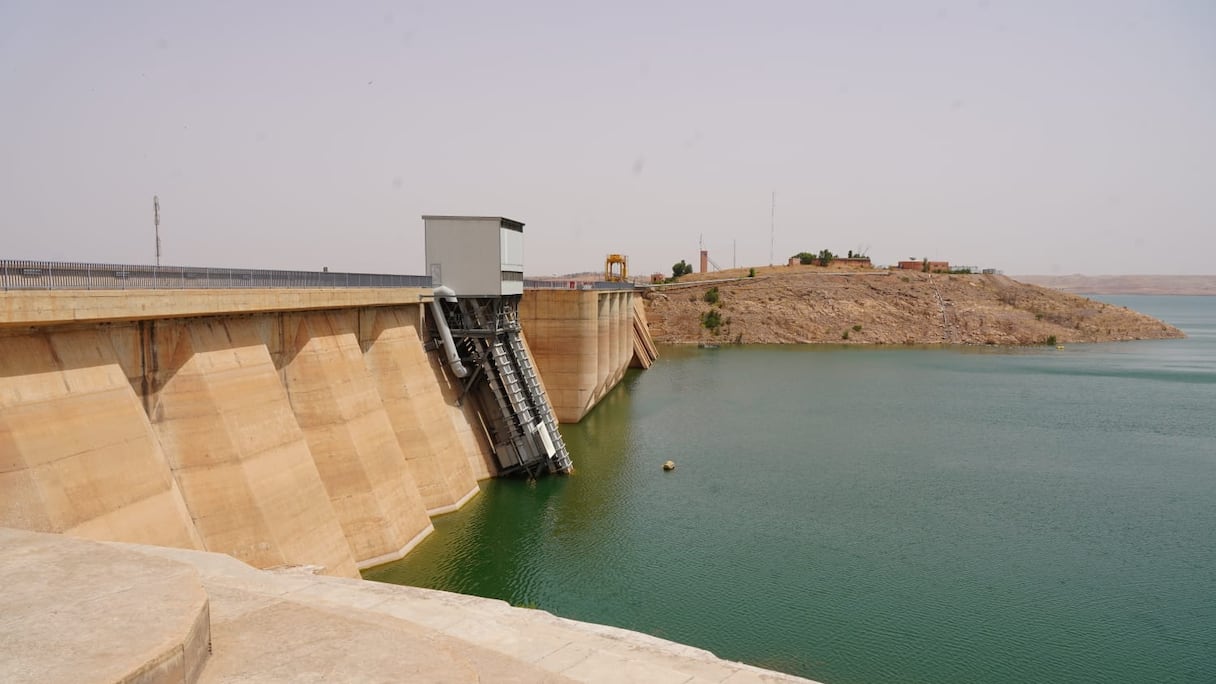
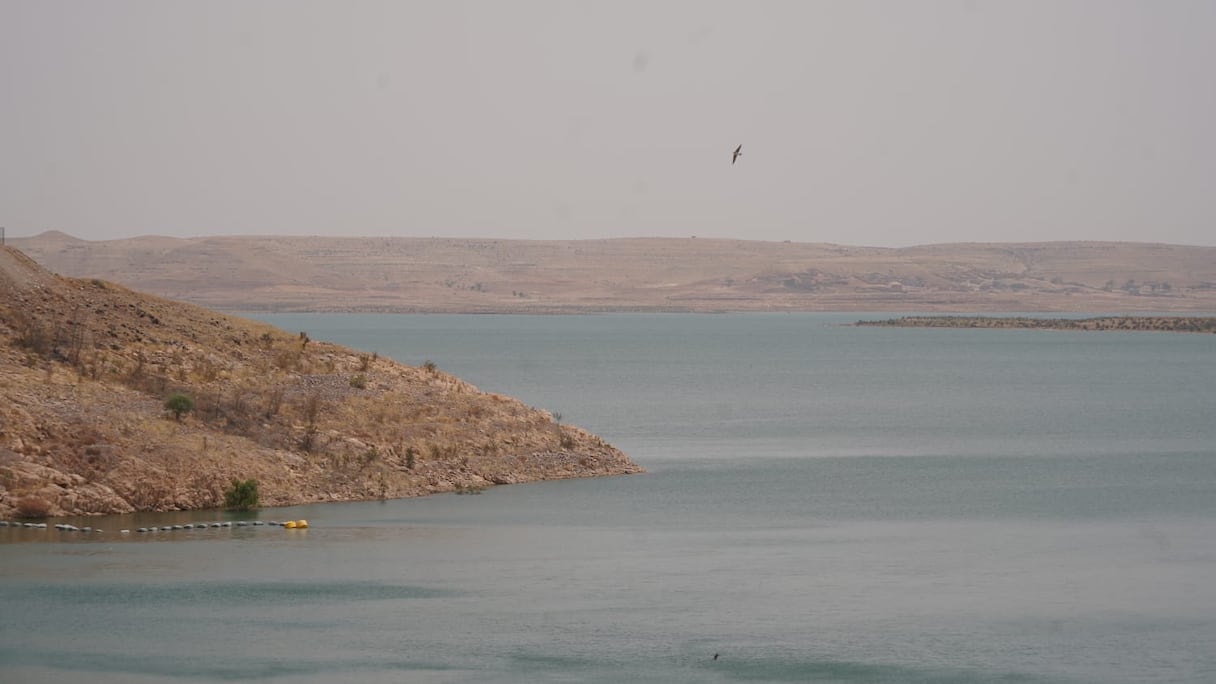
Al Massira Dam.
Al Massira is Morocco’s largest operational water reservoir and plays a strategic role in supplying drinking water to several cities, irrigating vast agricultural areas and producing hydroelectric power. As one of the main pillars of the Oum Er-Rbia basin’s water system, the improvement in its reserves is seen as a positive indicator of the basin’s recovery despite the summer heatwaves affecting the country.
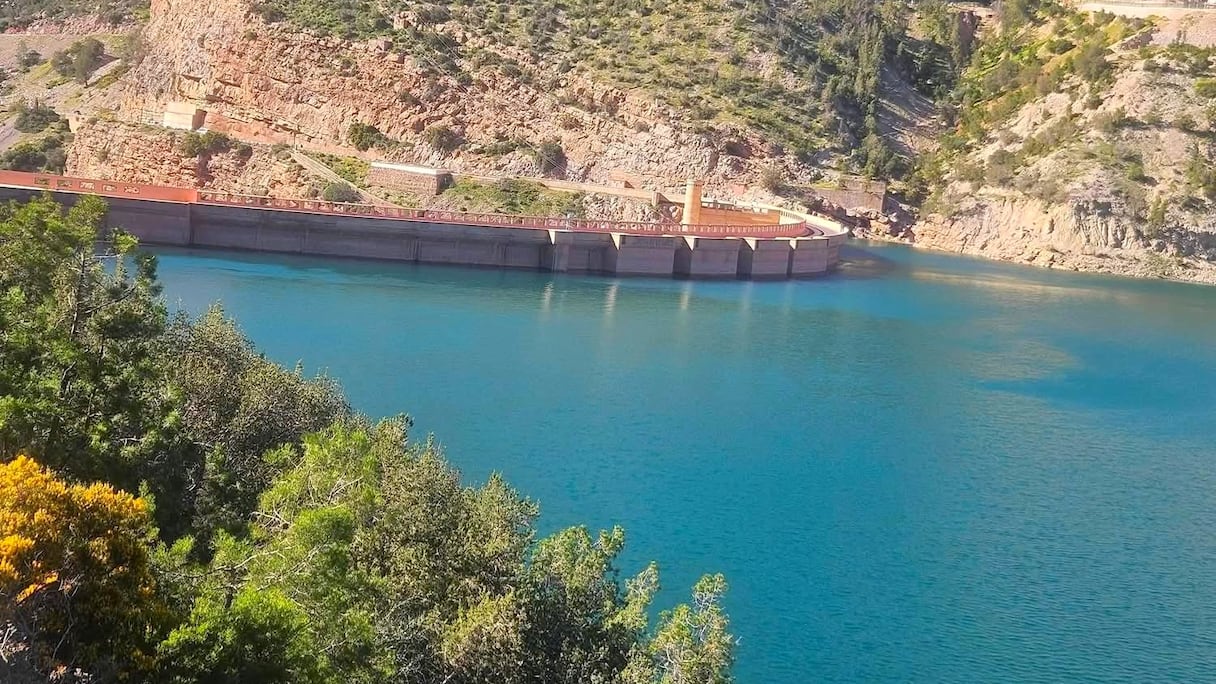
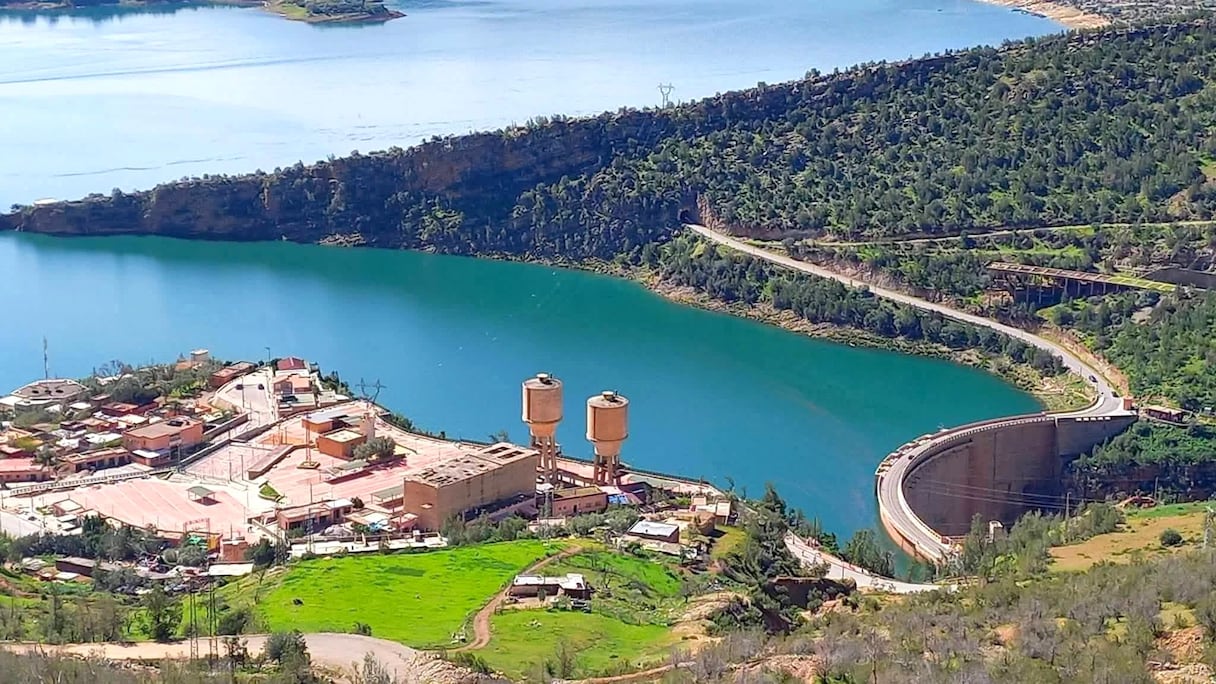
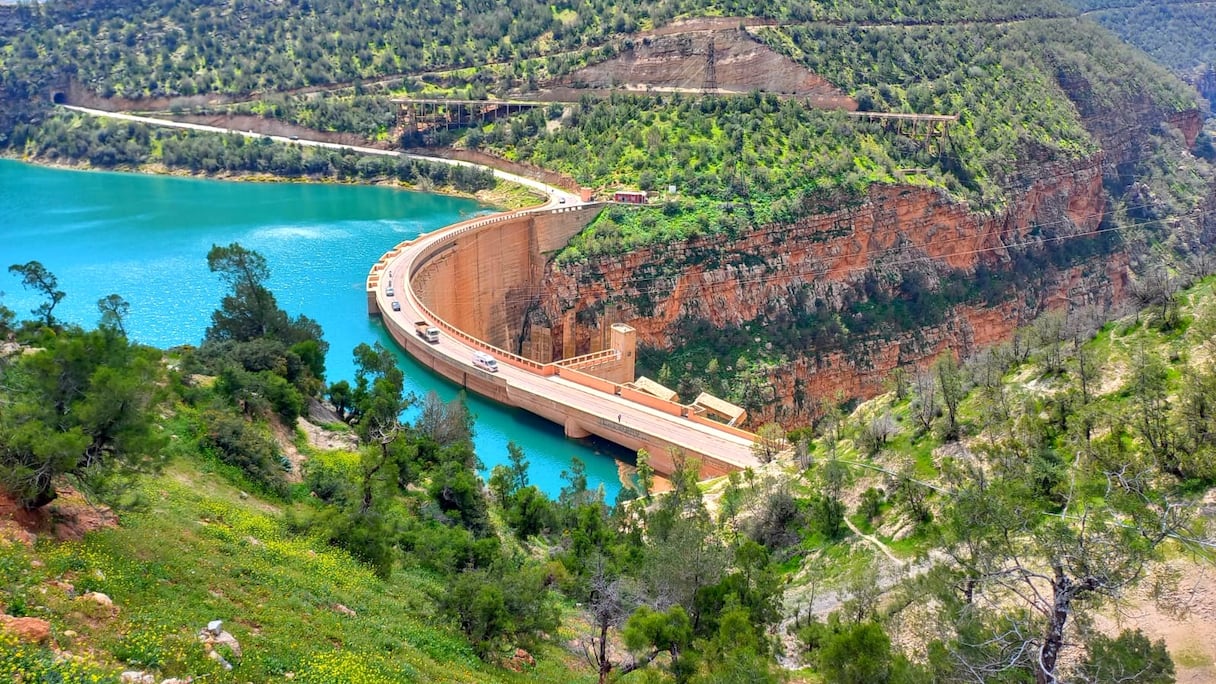
Bin El Ouidane Dam, located in Azilal Province within the Oum Er-Rbia basin, also posted a substantial improvement. Its filling rate climbed to 86.33%, compared with 14.66% during the same period last year—an increase of more than 71 percentage points. The dam currently stores 1.099 billion cubic meters of water, out of a normal capacity of 1.273 billion cubic meters.



le360
Bin El Ouidane is one of Morocco’s most important multipurpose dams. It plays a central role in supplying drinking water, irrigating farmland—particularly in the Tadla Plain—and generating hydroelectric power. Together with Al Massira Dam, it forms one of the foundations of water resource management in the Oum Er-Rbia basin, helping secure stable water supplies and reinforce the basin’s reserves.
These figures indicate that the heatwaves affecting Morocco over recent weeks have not, so far, had a significant impact on the country’s largest dams, which continue to benefit from the reserves built up during last season’s rainfall. Nationwide, Morocco’s dams now hold 11.84 billion cubic meters of water, with the national filling rate reaching 69.54%, compared with 35.19% during the same period last year.
