According to the latest data published on the morning of Sunday, July 26, by the Ministry of Equipment and Water’s “Ma Dialna” platform, the overall filling rate of Morocco’s major dams stood at 70.74%, compared with 36.09% during the same period last year. Water reserves have exceeded 12 billion cubic meters, out of a total storage capacity of nearly 17.027 billion cubic meters, confirming the continued improvement in the country’s water situation compared with the previous season.
At the basin level, the Loukkos Basin remained the best-performing in the country with a filling rate of 84.22%, supported by the high levels recorded at its main dams. These include Dar Khrofa at 94.77%, Cherif Al Idrissi at 93.29%, Mohammed Ben Abdelkrim Al Khattabi at 91.03%, and Moulay Hassan Ben El Mehdi, whose filling rate exceeded 90%, reinforcing the basin’s status as one of Morocco’s most important water reservoirs.
The Sebou Basin, the country’s largest river basin, ranked second with a filling rate of 83.89% and total water reserves exceeding 4.5 billion cubic meters. The basin continues to benefit from the substantial reserves of Al Wahda Dam, Morocco’s largest dam, which holds more than 3 billion cubic meters of water and has reached a filling rate of 87.42%. Several other dams within the basin, including Allal El Fassi, Sahla, and Bab Louta, have also exceeded 94% capacity, further strengthening the basin’s role as one of the Kingdom’s key strategic water reserves.
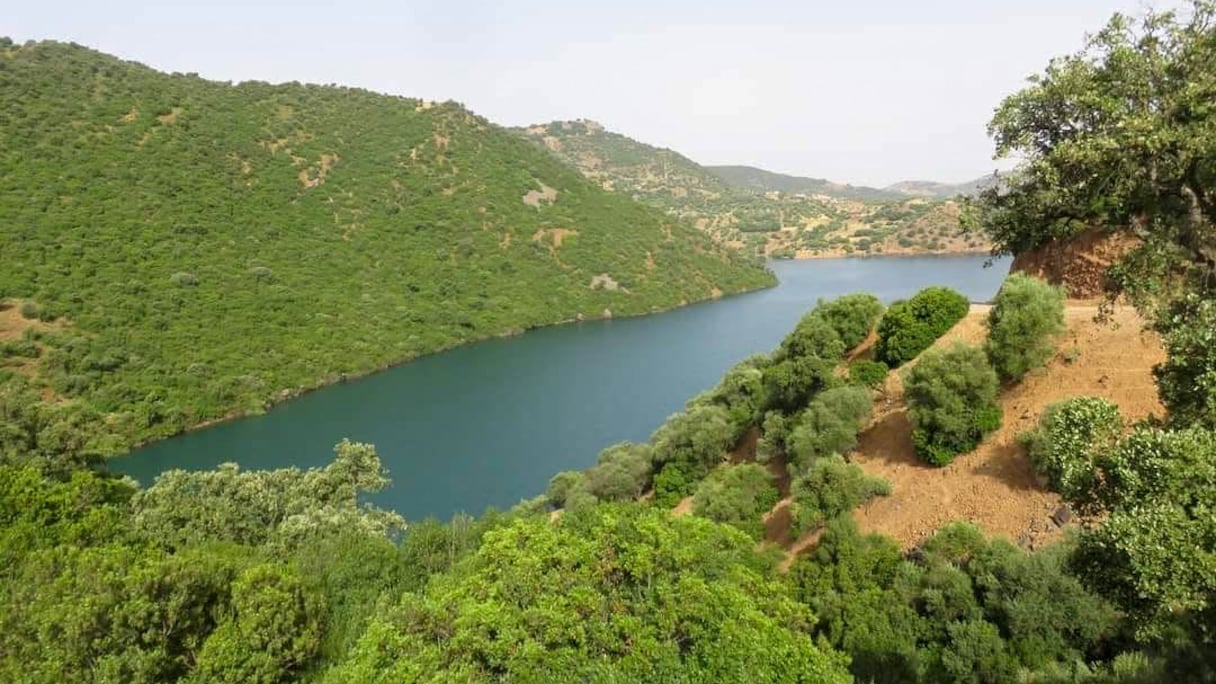
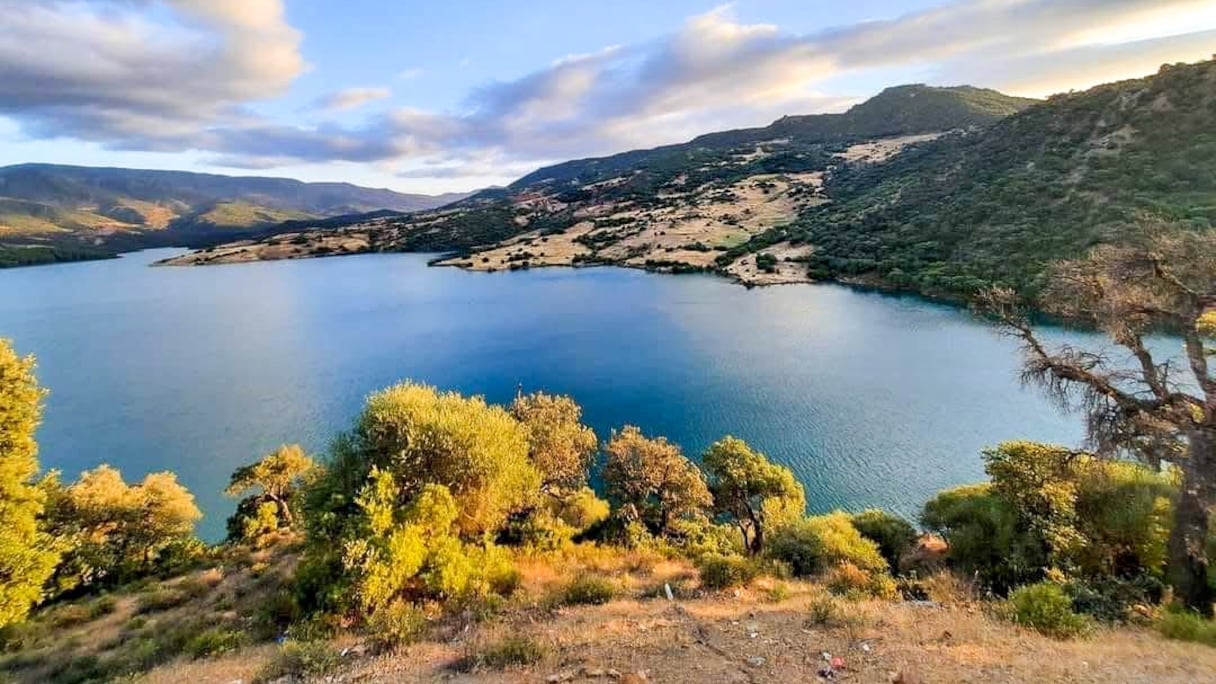
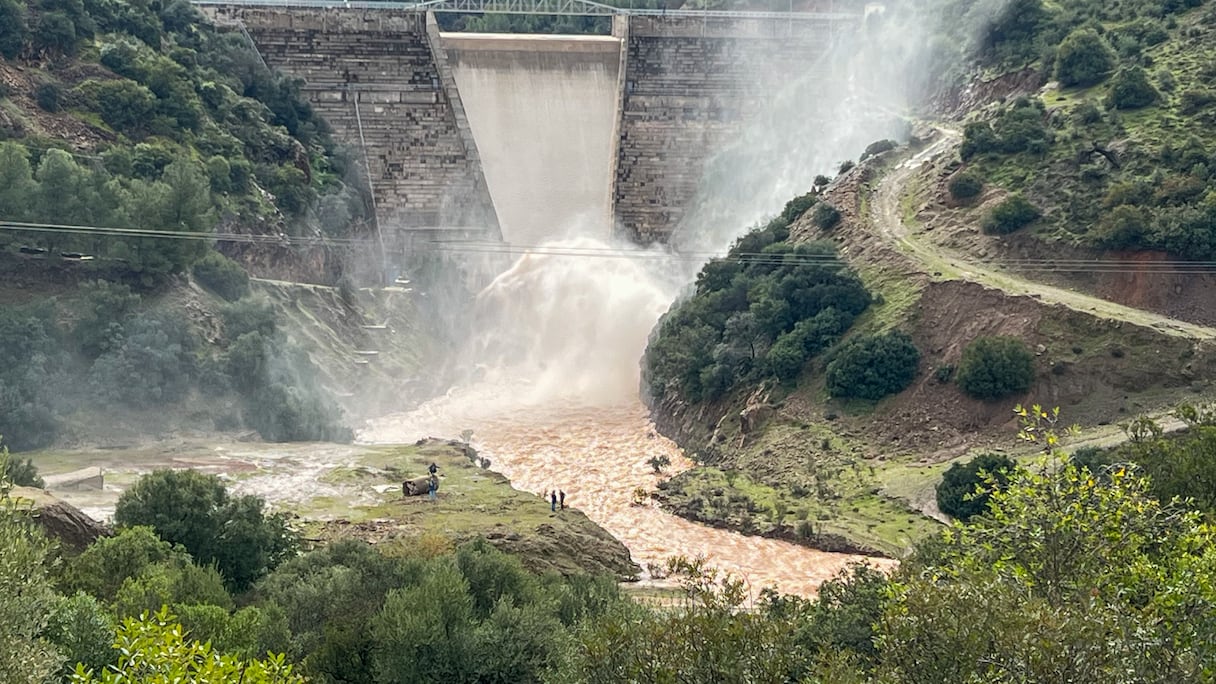
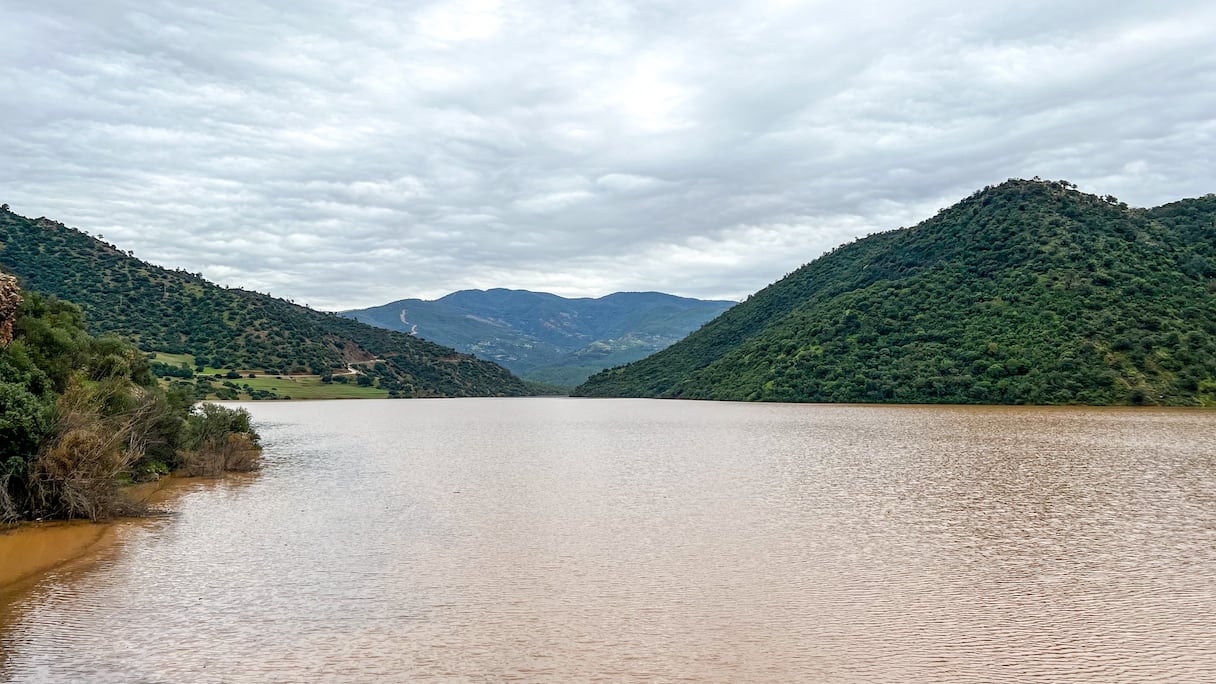
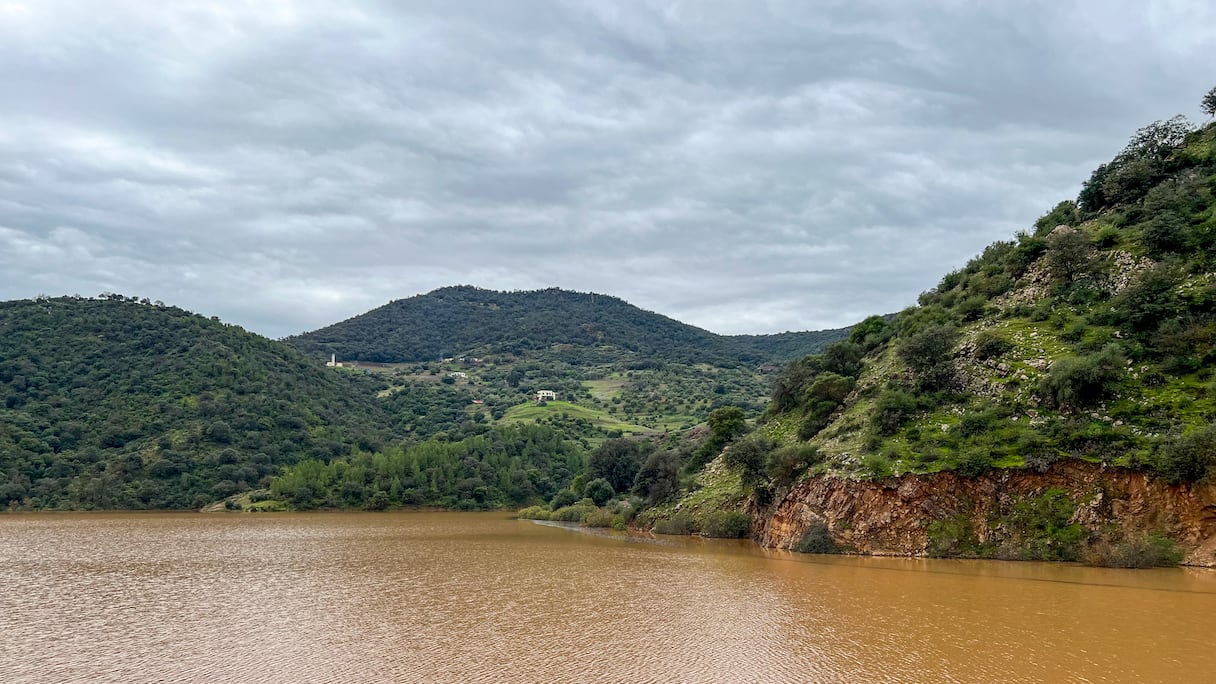
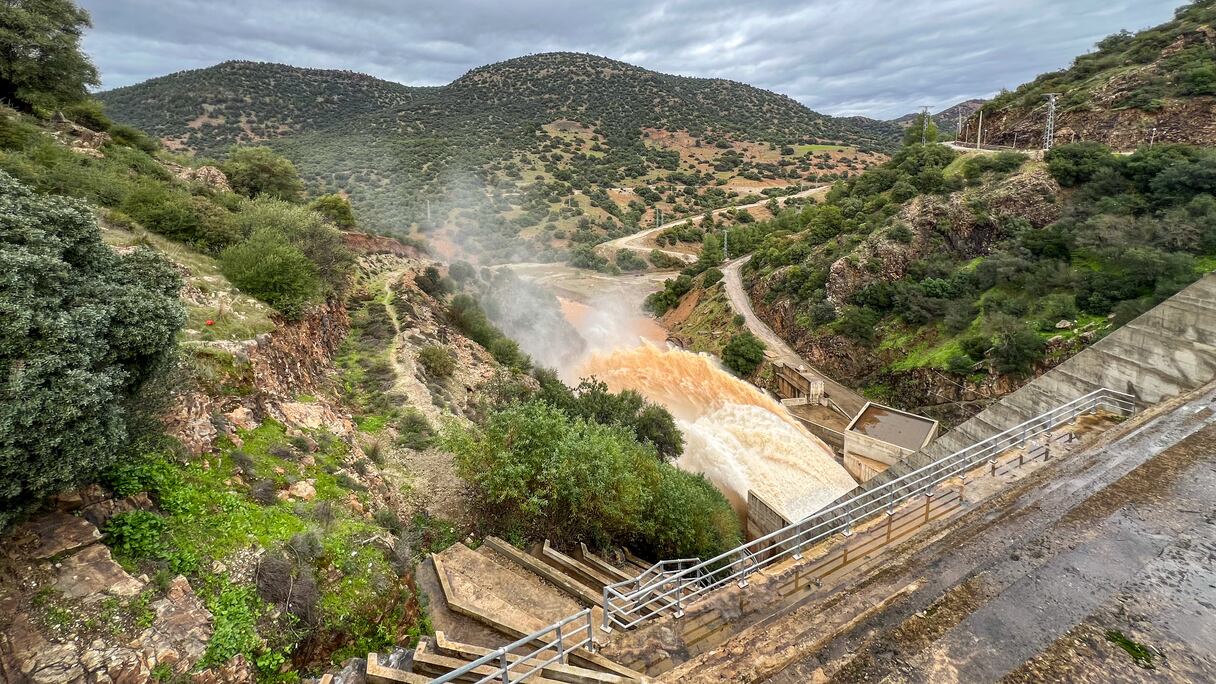
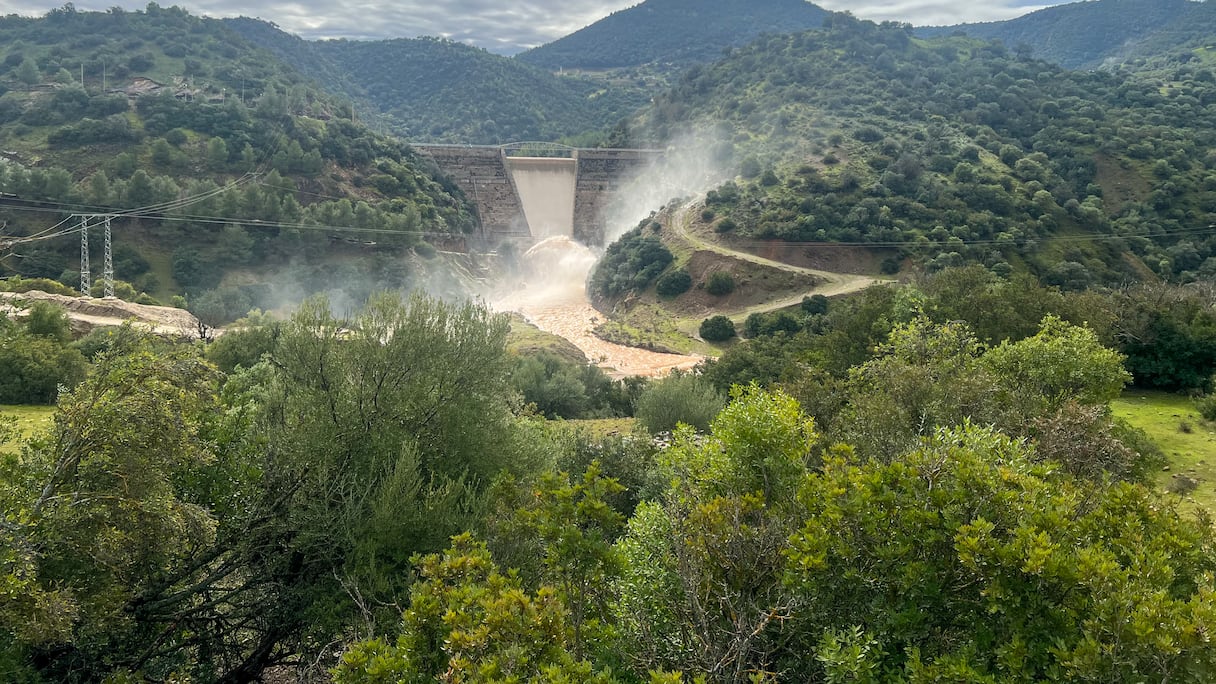
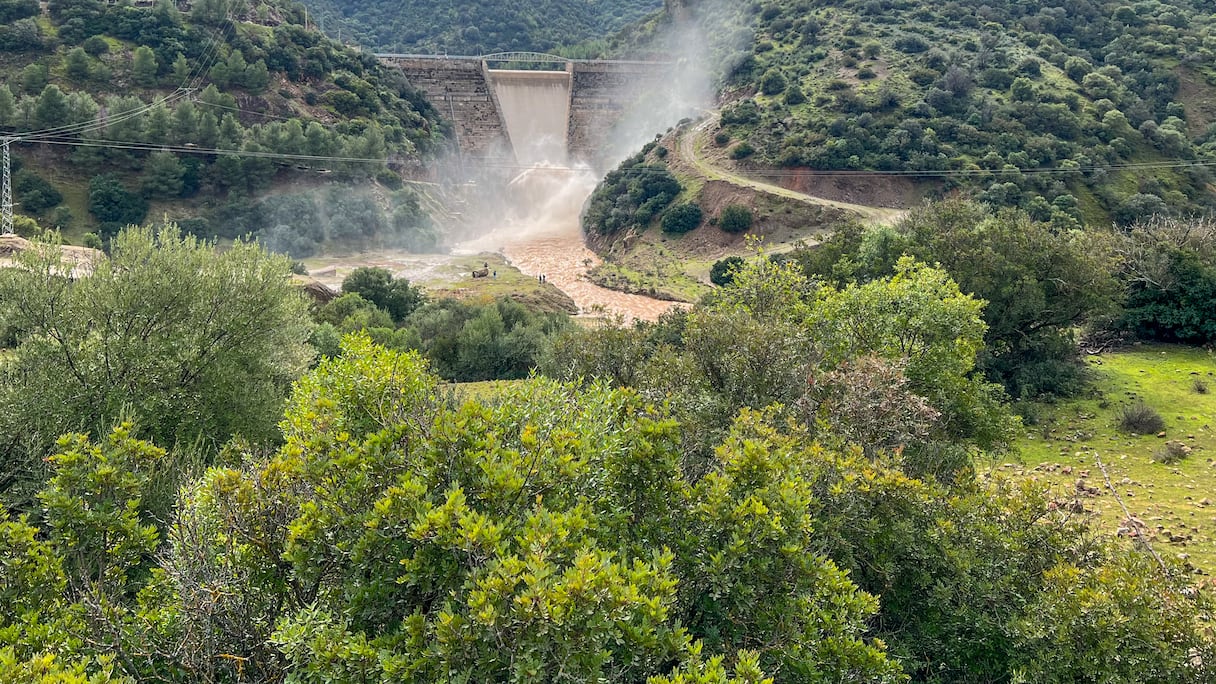
Bab Louta Dam in Taza Province
The Tensift Basin recorded a filling rate of 86.30%, followed by the Bouregreg Basin at 83.07%, supported by the significant reserves of Sidi Mohammed Ben Abdellah Dam. Meanwhile, the Oum Er-Rbia Basin reached 62.09%, reflecting a marked improvement compared with the same period last year.
By contrast, some river basins remain below the national average, including the Moulouya Basin at 58.41%, the Souss-Massa Basin at 50.77%, and the Ziz-Ghris Basin at 42.86%. The Draa-Oued Noun Basin recorded the country’s lowest filling rate at 35.74%, highlighting the continued disparities in water availability across Morocco’s river basins despite the nationwide improvement.
These figures confirm that the latest rainy season has reshaped Morocco’s water landscape by allowing dams to recover a significant share of their strategic reserves.
This provides greater flexibility to secure drinking water supplies and irrigation needs in the coming months, while underscoring the continued need to promote water conservation and accelerate the implementation of major projects.
These projects include seawater desalination and the development of non-conventional water resources, to address the challenges posed by climate change and ensure the long-term sustainability of the Kingdom’s water security.
