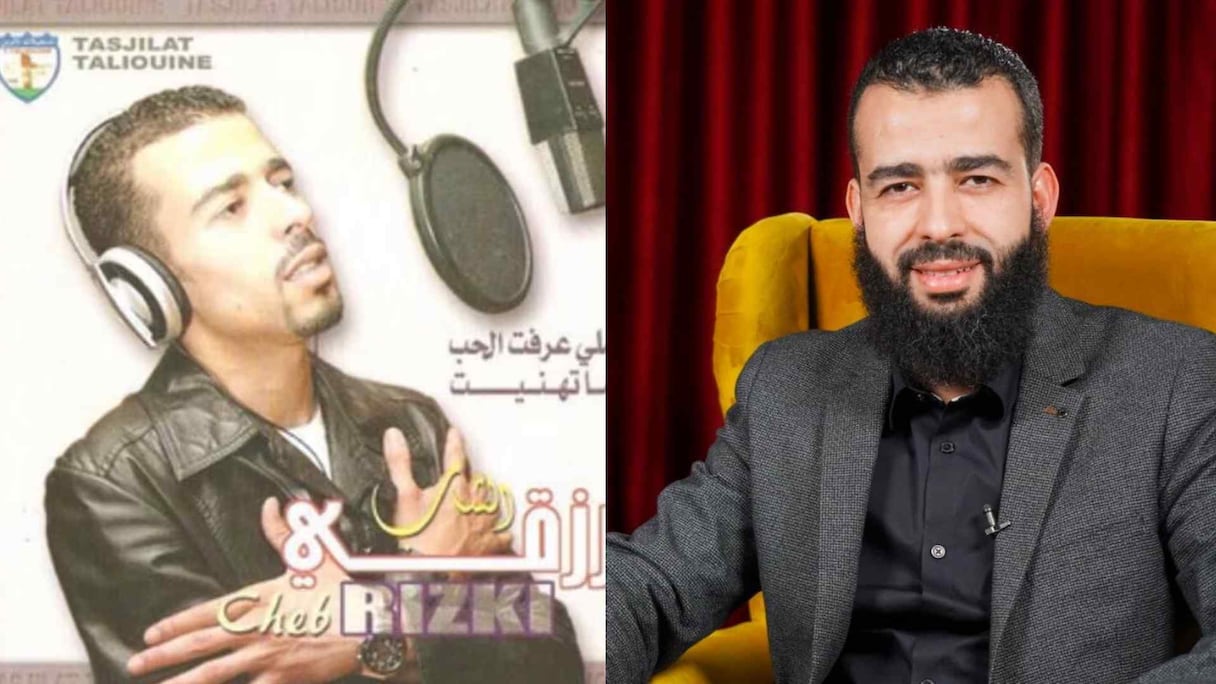
Former Moroccan singer Mohamed Rizki, once known as Cheb Rizki, has spoken out after one of his old songs unexpectedly found a new audience on social media, saying he wants no part in its viral revival.
“Ana El Ghaltan,” one of Rizki’s best-known songs from his years as a performer, has resurfaced in short-form videos and edited clips, introducing the track to a new generation decades after he walked away from music.
But for Rizki, its renewed popularity is anything but a comeback.
The retired singer, who left the music industry after announcing his religious repentance, reiterated that he has disavowed his former work and does not want his songs circulated or associated with his current life.
In a video posted to Instagram on Wednesday, Aug. 19, Rizki explained his position from a religious perspective, saying that performers who repent from work they subsequently consider forbidden should publicly renounce it.
He cited a verse from the Quran on repentance before arguing that, having publicly distanced himself from his music, he no longer considers himself responsible for other people choosing to listen to or distribute it.
“The burden is now on the people who listen to it or share it,” he said.
“I have repented to God Almighty, and God Almighty knows what is in people’s hearts. The one who repents from a sin is like one who has not sinned,” he added.
‘Ana El Ghaltan’ finds a new audience online
Rizki’s latest statement follows an earlier video prompted by the sudden resurgence of his music, particularly “Ana El Ghaltan.”
Social media users have been incorporating the song into short videos and modified versions, helping propel a track from an earlier era of Moroccan popular music back into circulation.
The phenomenon has created an unusual situation for Rizki. While artists frequently welcome an old song finding a second life on TikTok, Instagram and other platforms, he has spent years distancing himself from the career that produced it.
Rizki was unequivocal in his previous message, asking social media users not to revive his songs simply to capitalize on a trend or generate views.
“I will be an adversary before God on Judgment Day to anyone who publishes those songs to participate in the trend,” he said.
He also rejected any suggestion that his current social media activity represents an attempt to capitalize on his former celebrity.
Rizki said he has moved into business since leaving music and that the advertisements he now publishes concern products and commercial activities he considers permissible under his religious beliefs, rather than attempts to promote his old catalog.
From Cheb Rizki to life away from music
Known during his musical career as Cheb Rizki, Mohamed Rizki emerged on Morocco’s music scene during the 1990s before eventually withdrawing from the industry.
He later publicly announced that he had repented and abandoned singing, marking a definitive break with his previous career.
Since then, Rizki has periodically addressed the continued circulation of his musical archive, asking followers not to repost his songs or use them to create new digital content.
The viral return of “Ana El Ghaltan” has now brought that old career back into public view despite his efforts to leave it behind.