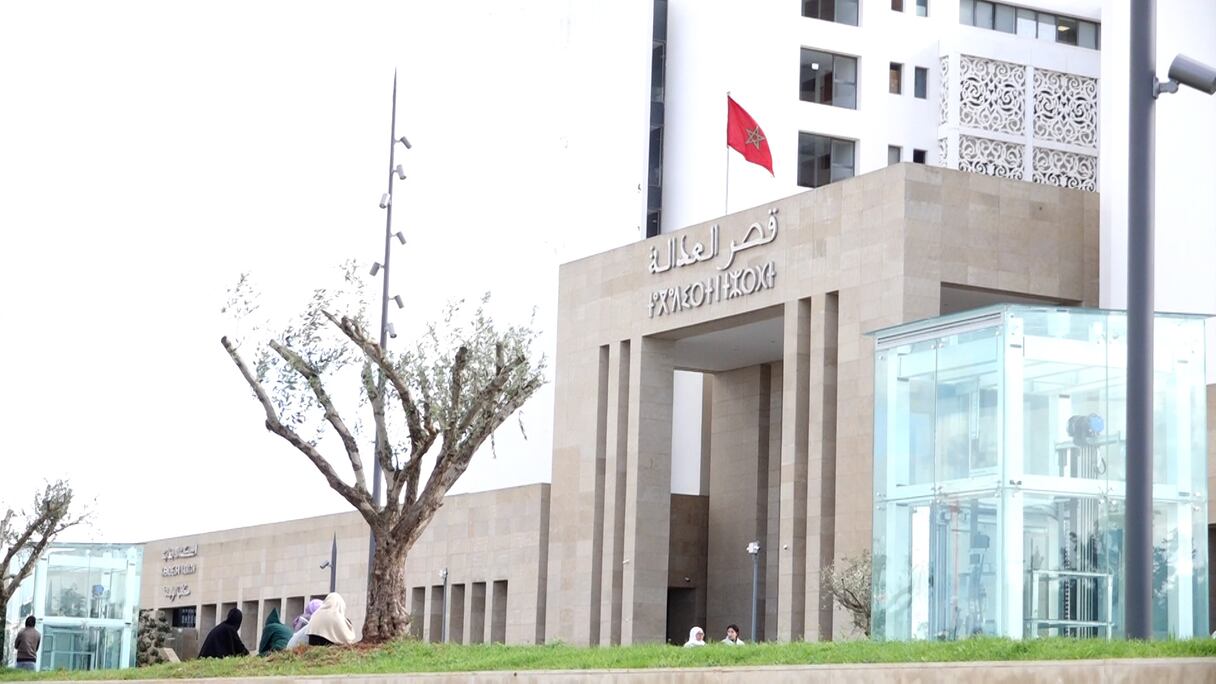
Courtrooms across Morocco are operating at a fraction of their normal pace as a nationwide strike by lawyers over a proposed reform of the legal profession continues to delay hearings and leave thousands of litigants waiting for their cases to move forward.
At the Casablanca Court of Appeal, hearings that would ordinarily involve lengthy legal arguments now last only a few minutes. Judges call each case, note the absence of defense lawyers, and postpone proceedings, with many files rescheduled for September.
The slowdown comes as lawyers continue to boycott court hearings in protest against draft legislation that they say threatens the independence of their profession.
While judges and court clerks remain at work, the absence of defense counsel has sharply reduced the courts’ ability to process cases.
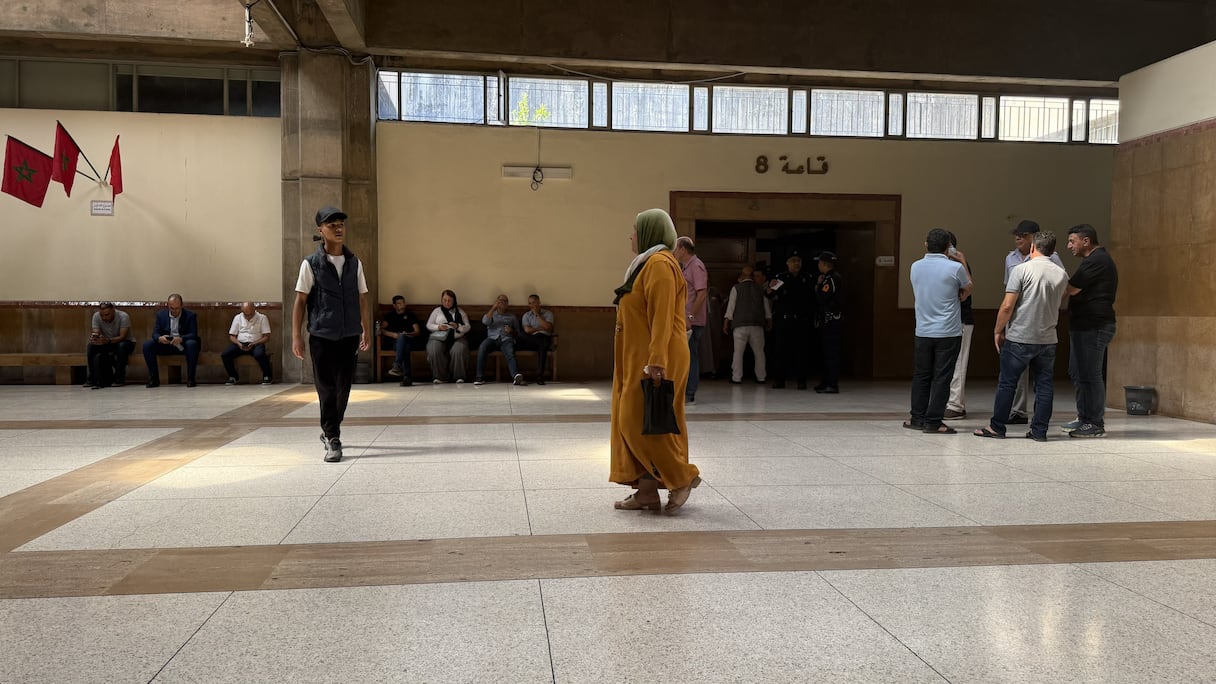
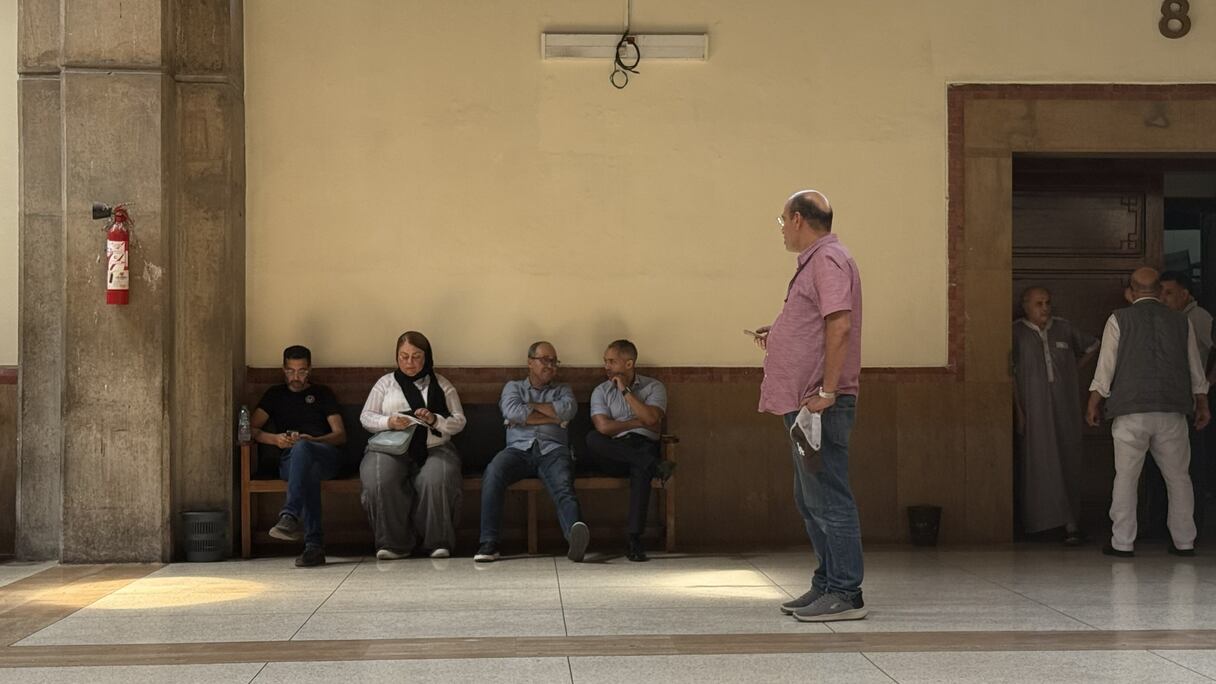
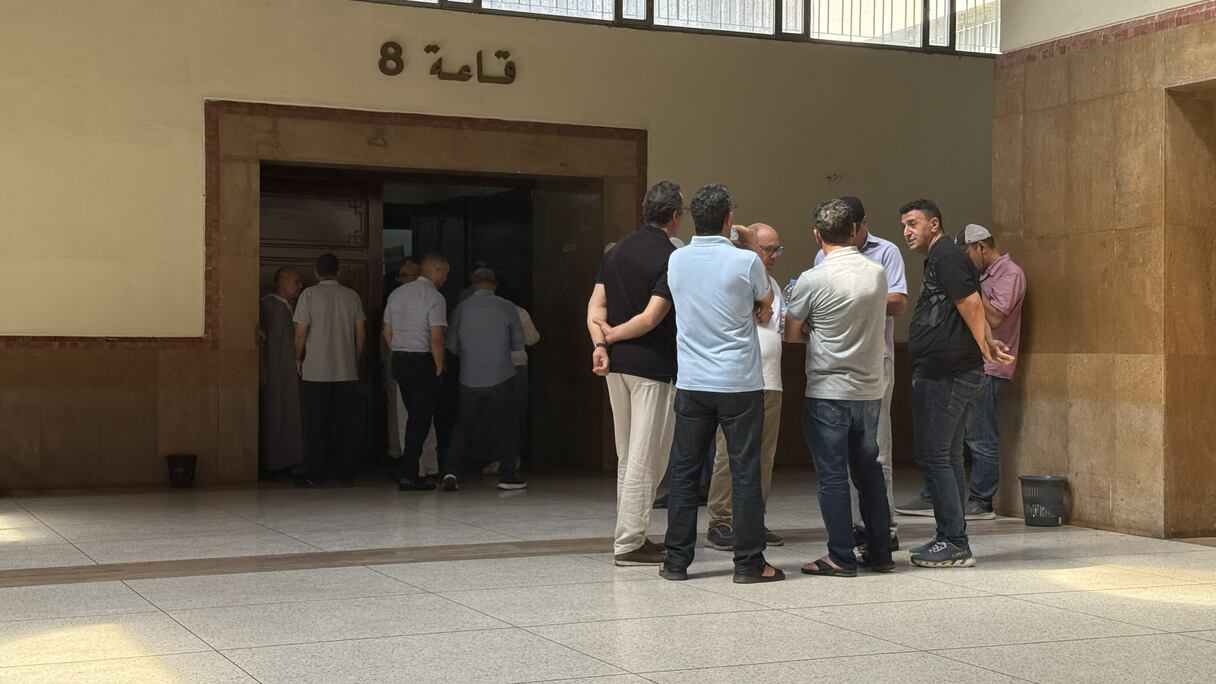
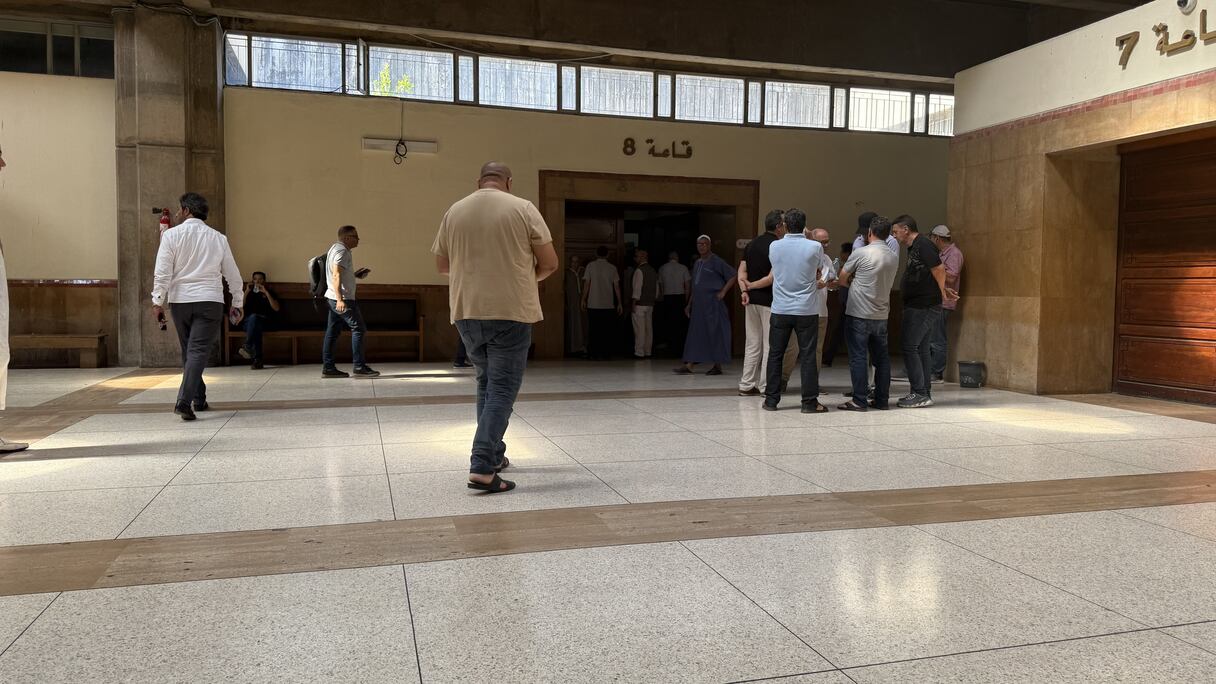
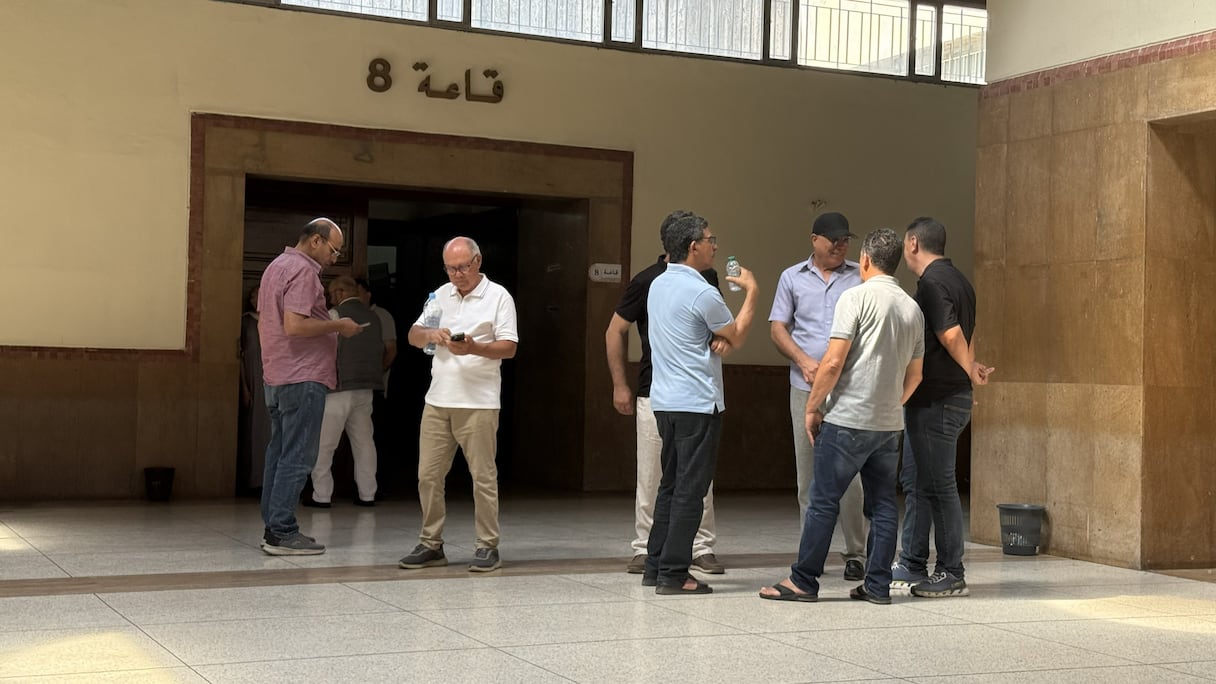
Slideshow: Lawyers' strike is taking a toll on litigants.. Le360
Lives on Hold
Among those most affected are families whose legal disputes or criminal proceedings have been put on hold.
One young mother interviewed by Le360 said her husband remains in pretrial detention because his hearing has now been postponed twice since the strike began.
“This is the second time in one week that the hearing has been postponed,” she said while holding her infant outside a courtroom. “The lawyers are on strike, and my husband remains behind bars.”
She said each delay has deepened the financial and emotional strain on her household, where her husband had been the family’s only source of income.
Nearby, a retired man who had traveled from the city of Ben Ahmed, about 88 kilometers from Casablanca, to support his son in a criminal case described repeated court appearances as both financially and psychologically exhausting.
“Every trip costs money, and nothing happens,” he said.
Another witness who had traveled from the city of Beni Mellal expressed similar frustration after making the journey only to see the case postponed.
Administrative work also affected
The disruption extends beyond court hearings.
At the Ain Sebaa Court of First Instance, criminal sessions have been adjourned shortly after opening because defense lawyers were absent.
Although public prosecution offices continue to receive complaints, several administrative services have slowed considerably as lawyers suspend the filing of submissions, appeals, and procedural requests.
A judicial source told Le360 that the growing backlog could take months to clear once the strike ends.
“We are heading toward an unprecedented bottleneck,” the source said, speaking on condition of anonymity. “The number of postponed cases will require months of intensive work before the courts return to normal.”
Consumer groups call for dialogue
Consumer rights organizations have urged both the government and the legal profession to resume negotiations.
Hassan Aït Ali, president of the Moroccan Observatory for Consumer Protection, said citizens should not bear the consequences of an institutional dispute.
“Litigants are not parties to this conflict,” he said. “It is morally and legally unacceptable for citizens to pay the price of this deadlock.”
He pointed to mounting transport costs, accommodation expenses, lost wages, and the emotional burden on families whose divorce proceedings, child custody disputes, maintenance claims, eviction cases, and commercial litigation remain unresolved.
“A delayed justice system is an impaired justice system,” he said.
Standoff shows no sign of easing
The dispute centers on a draft law governing the legal profession.
The Association of Moroccan Bar Associations (ABAM) has adopted a hard line against the proposed legislation and has warned that it could escalate its response, including through the collective resignation of representative bodies responsible for managing the country’s bar associations.
Lawyers staged a large sit-in outside Parliament in Rabat on July 2, vowing to continue opposing provisions they say would undermine the profession’s independence by expanding the supervisory role of the Public Prosecutor’s Office and the Ministry of Justice in disciplinary matters.
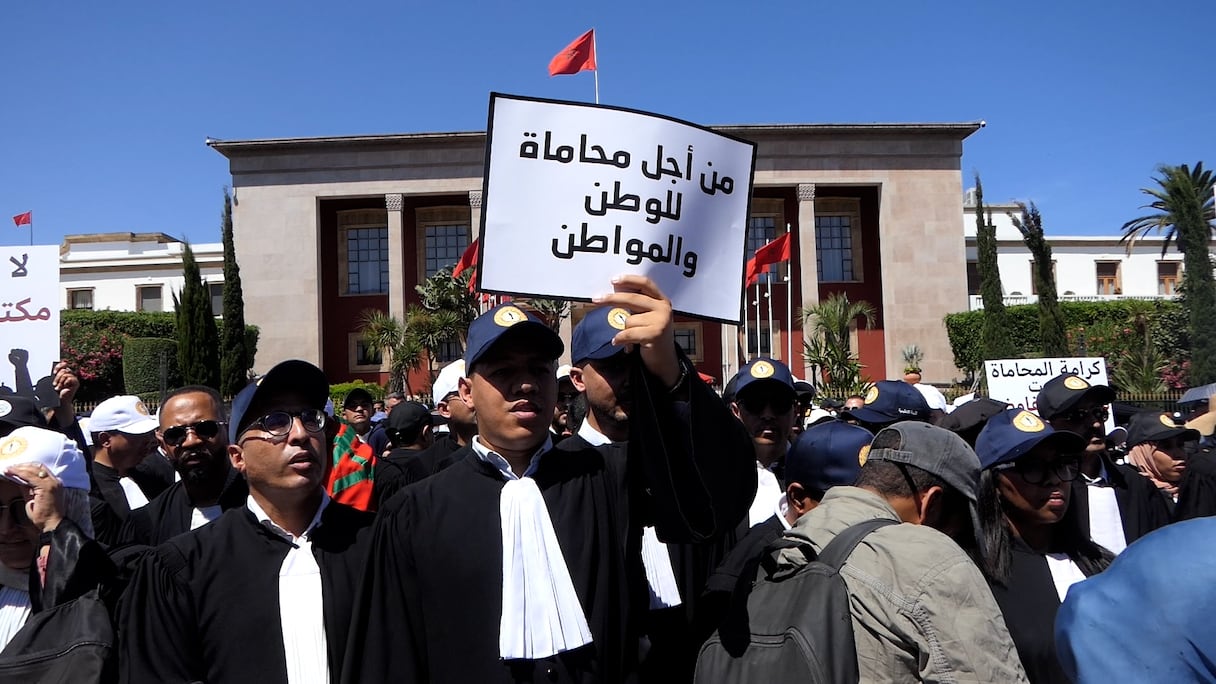
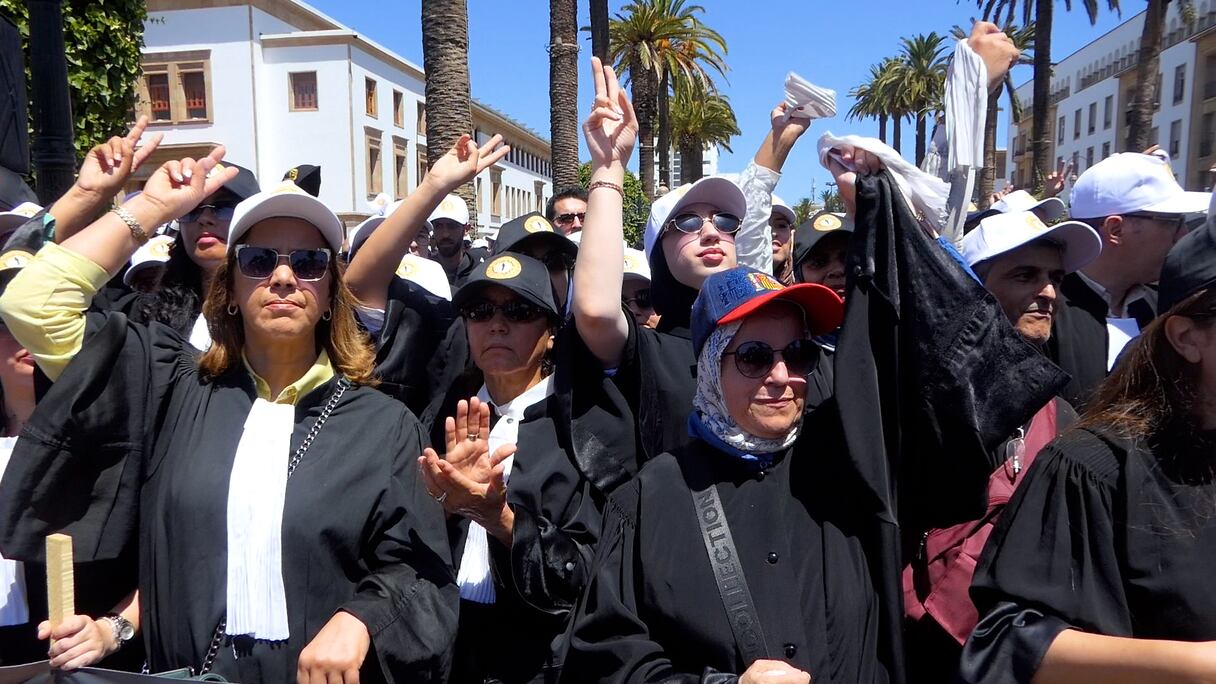
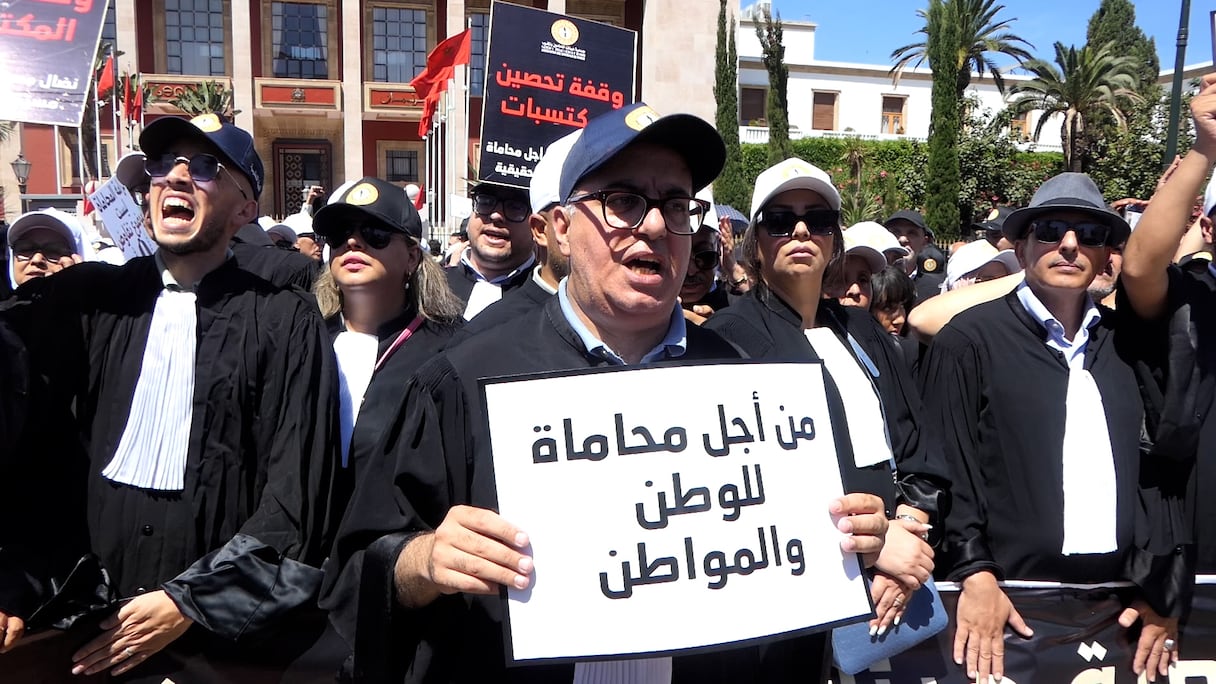
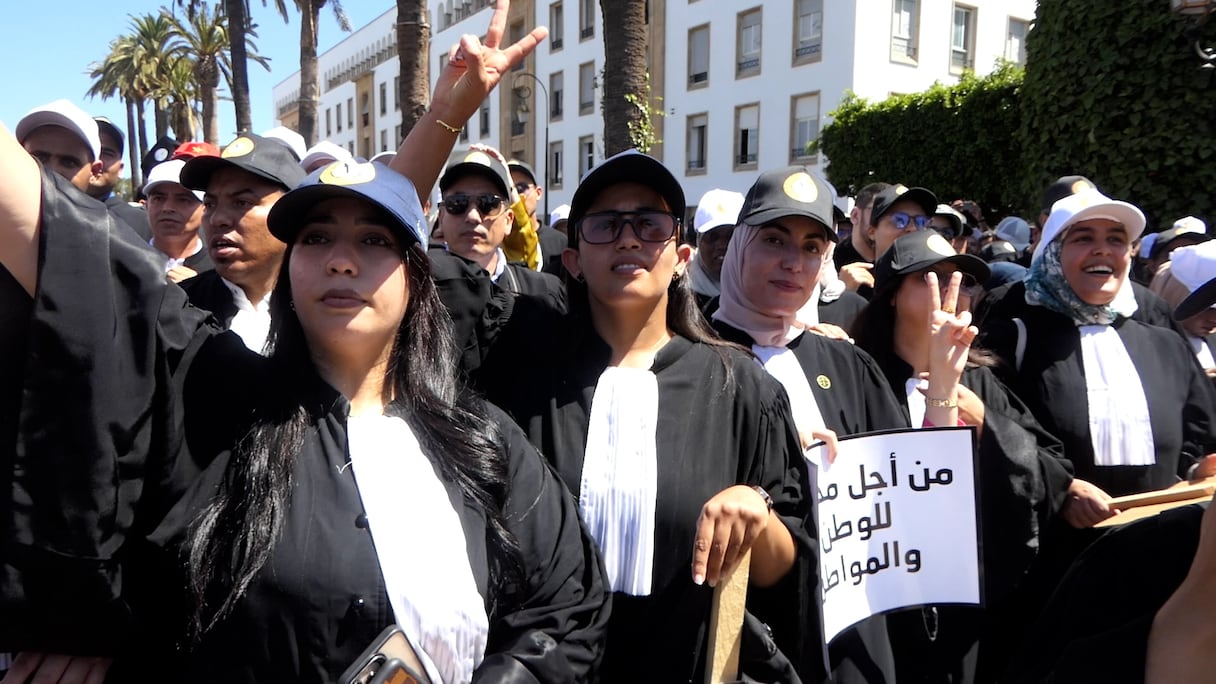
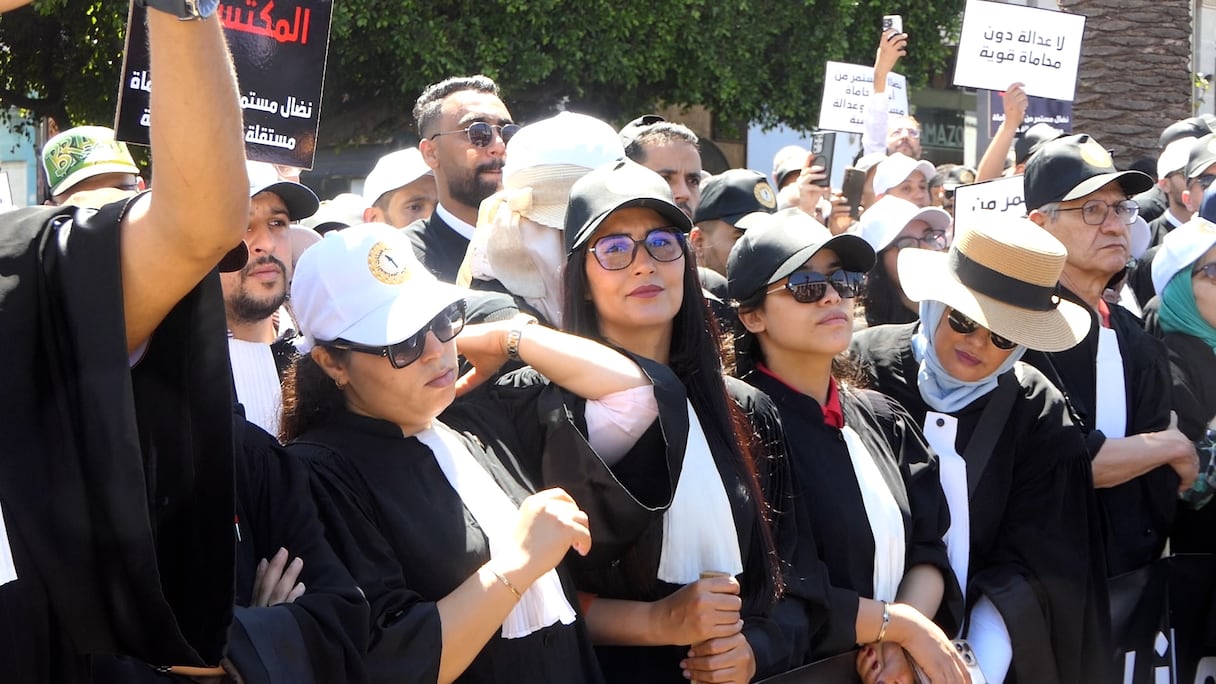
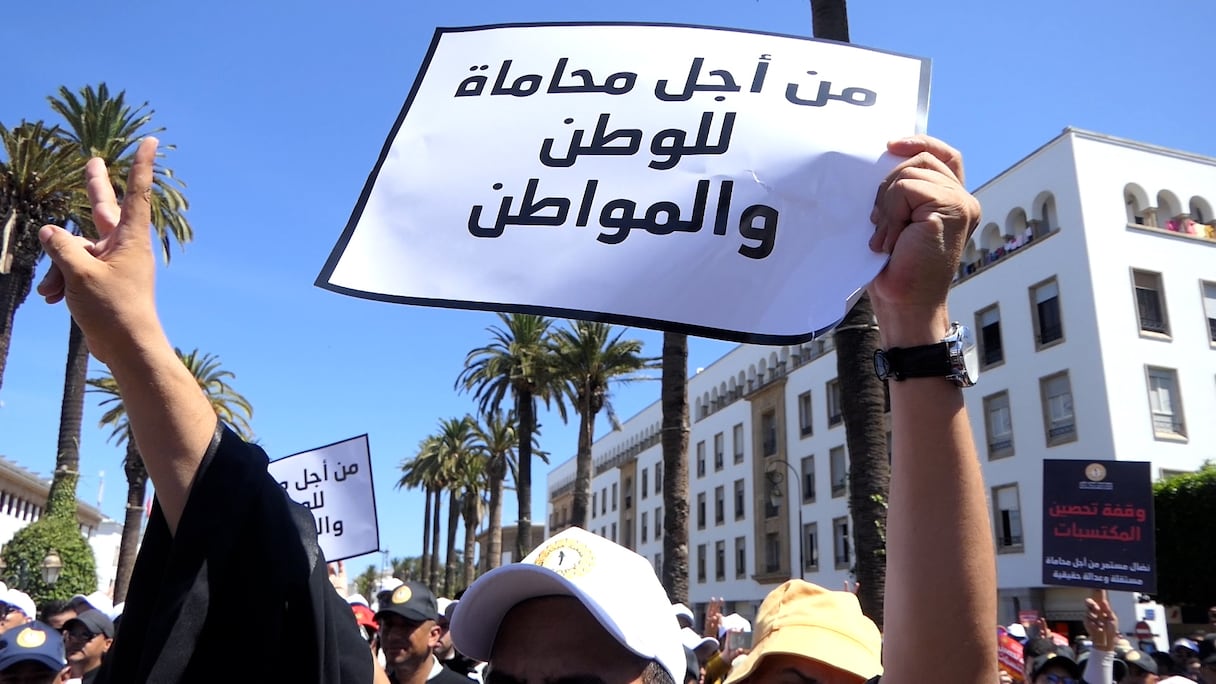
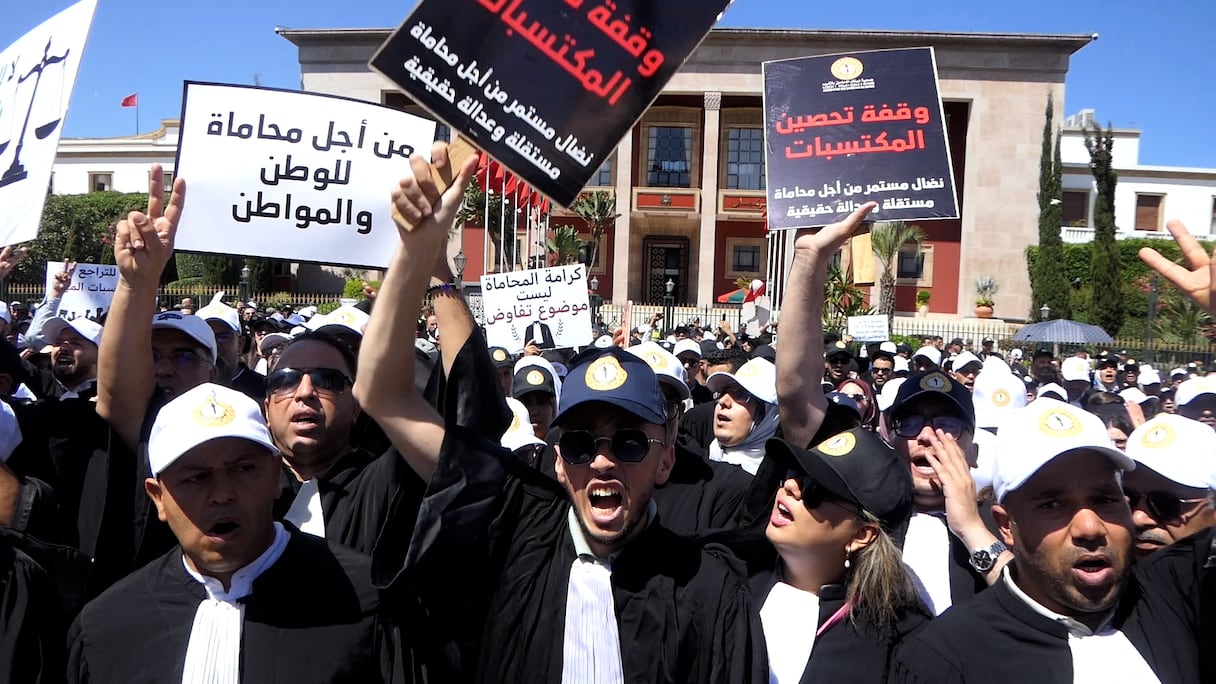
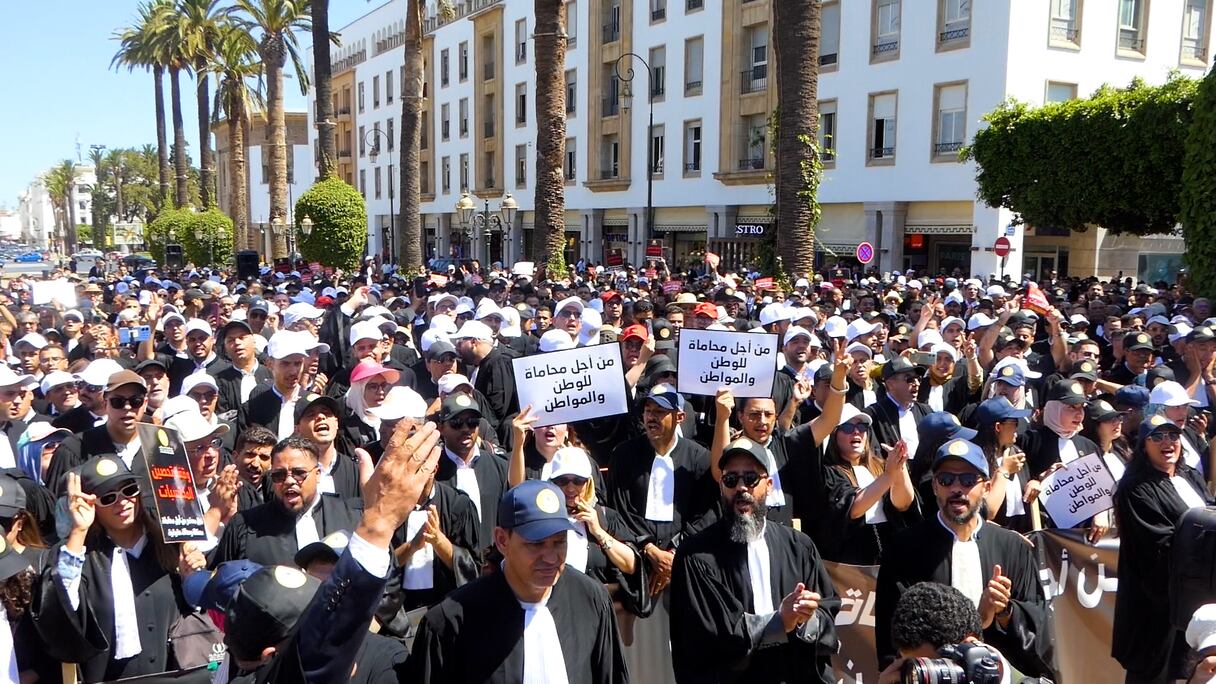
Lawyers turned out in large numbers in response to the National Association of Moroccan Bar Associations' call for a strike on June 29, 2026. (Y. Mannan/Le360).
Despite the protests, the House of Representatives’ Justice Committee has approved the bill on second reading by nine votes to one. The legislation has now moved to the House of Councillors.
Until negotiations resume, Morocco’s courts are expected to continue operating at reduced capacity, leaving thousands of litigants facing prolonged uncertainty over cases that affect their finances, businesses, and family lives.
