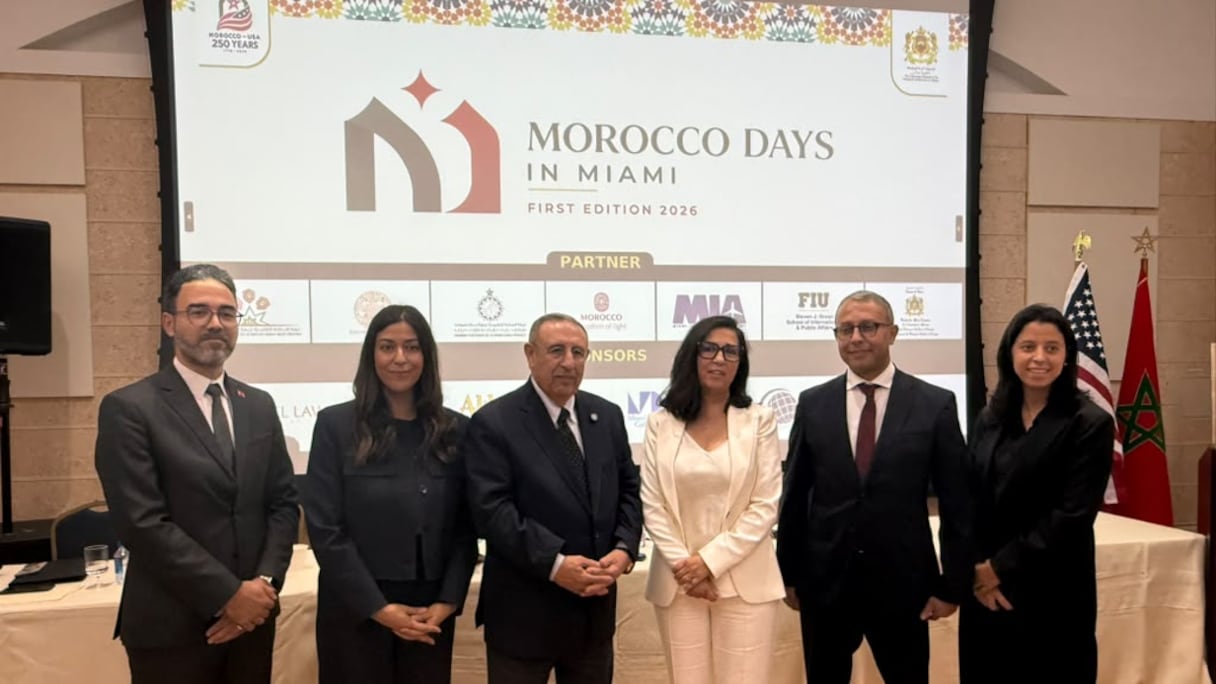
The meeting brought together around 50 business executives, investors, entrepreneurs and representatives of US institutions. It was held as part of the inaugural Morocco Days in Miami, organized by the Moroccan Consulate General in Miami from October 22 to 24.
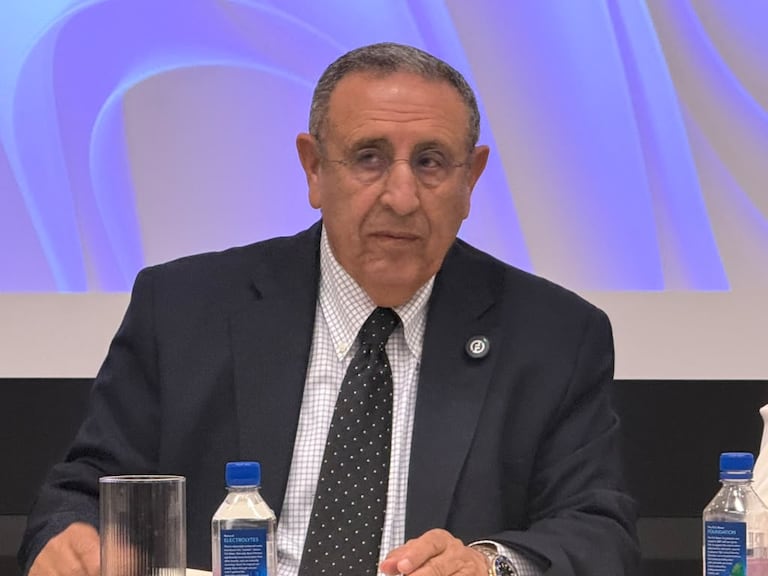
Addressing the gathering, Morocco’s ambassador to the United States, Youssef Amrani, said two and a half centuries of friendship had forged an exceptional relationship between the two countries.
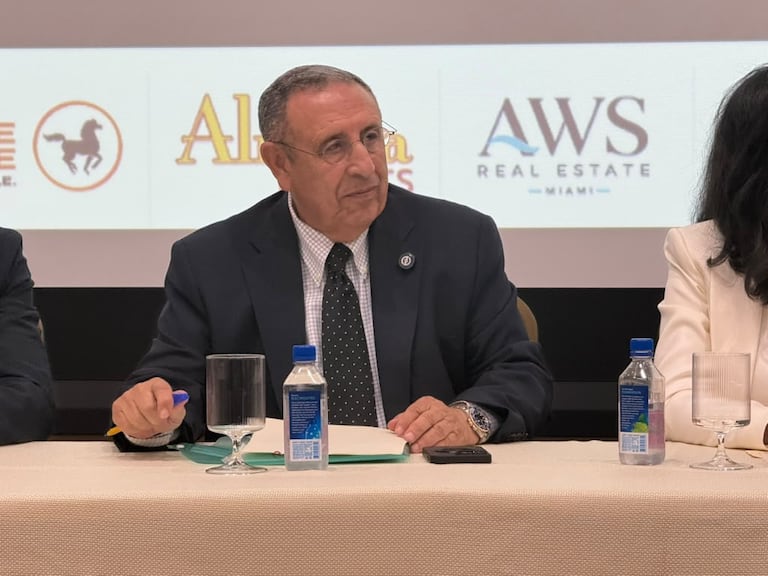
“Our shared ambition today is to translate the depth of that historical and strategic relationship into economic ties that match its enormous potential,” Amrani said.
The event was also attended by Morocco’s consul general in Miami, Chafika El Habti; Ismail Lamghari, secretary-general of the department responsible for Moroccans living abroad; and representatives of the Moroccan Investment and Export Development Agency (AMDIE), as part of a joint effort to promote business and investment opportunities in Morocco.
Amrani said Morocco-US relations were entering a new phase, driven by increasingly aligned strategic interests, growing economic complementarities and a shared political commitment to take bilateral cooperation to a higher level.
“At the highest level, guided by the vision of His Majesty King Mohammed VI and President Donald Trump, the direction is clear: to make our economic relationship a partnership of excellence, every bit as ambitious, robust and strategic as the political ties that unite our two nations,” he said.
For Amrani, that ambition carries particular significance in 2026, a year marking the 250th anniversary of American independence and Moroccan-American friendship, as well as 20 years since the Morocco-US Free Trade Agreement came into force. It remains the only free trade agreement the United States has concluded with an African country.
“These milestones reflect the depth of a unique relationship, born of Morocco’s recognition of American independence and strengthened over generations by unwavering political trust, proven strategic solidarity and an ever-expanding range of shared interests,” he said.
But beyond the symbolism and the weight of history, the ambassador stressed the need to turn the achievements of this longstanding partnership into fresh opportunities for growth, investment and greater competitiveness on both sides.
Morocco’s sweeping economic and industrial transformation offers a natural platform for that ambition, Amrani said, opening up new opportunities for cooperation with American companies.
He described “a momentum driven by several leading businesses, in which women entrepreneurs, business leaders and investors are emerging as driving forces behind innovation, value creation and closer economic ties between the two countries.”
“In a world where trust has become a strategic asset, Morocco offers American businesses far more than a market or a gateway to Africa. It offers a stable partner, a competitive platform and a long-term industrial ambition,” the ambassador said.
He pointed in particular to the alignment between US priorities—securing supply chains, diversifying industrial production and gaining access to critical minerals—and Morocco’s own economic strategy.
Read also : Competition Council awaits new chief after Rahhou joins cabinet
Building on existing cooperation
According to Amrani, cooperation already underway in aerospace, critical minerals, agriculture, energy and technology demonstrates that the two countries have the political, institutional and industrial foundations needed to “take Moroccan-American cooperation to the next level.”
Morocco’s consul general in Miami, Chafika El Habti, meanwhile, highlighted Florida’s growing role as a hub for economic ties and people-to-people exchanges between Morocco and the United States.
El Habti pointed to the dynamism of Florida’s Moroccan community and the opportunities created by closer links between businesses in the two countries, particularly in investment, innovation and trade.
She reaffirmed the consular network’s commitment to supporting business initiatives, connecting potential partners and helping establish Miami as a hub for new economic partnerships between Morocco and the US market.
That message was echoed by Ismail Lamghari, who emphasized the strategic role of Moroccans living abroad in the Kingdom’s economic transformation.
Moroccan diaspora as a driver of development
The secretary-general of the department responsible for Moroccans living abroad said the diaspora’s contribution now extends well beyond its traditional role in the national economy. Moroccan professionals and experts overseas, he said, have become an important source of international influence, investment and knowledge transfer.
He stressed the importance of building stronger links between Moroccan talent abroad and the new opportunities emerging at home, in line with King Mohammed VI’s vision of making Moroccans around the world full participants in the country’s development.
The meeting also featured a presentation by AMDIE outlining Morocco’s investment opportunities, competitive advantages and reforms aimed at making the country a more attractive place to do business.
The agency highlighted the breadth of Morocco’s industrial ecosystems, the quality of its infrastructure, incentives and support available to investors, and opportunities arising from major national development projects. The presentation gave the American business representatives in attendance a fuller picture of the Moroccan market’s potential and helped identify new avenues for economic and industrial partnerships.
