Moroccan football has enjoyed a strong run in recent years. From the senior national team to the youth sides, the national colors have delivered one performance after another. Yet one discipline has stood out for more than a decade, sometimes away from the spotlight, captivating fans with its speed, technical skill and physical intensity: futsal.
Four consecutive Africa Cup of Nations titles, three Arab Cup crowns, and a Confederations Cup victory have steadily expanded the Moroccan national futsal team’s trophy collection. Two quarterfinal appearances at the 2021 and 2024 World Cups have also elevated Morocco to a new level on the international stage. This rise bears the signature of one man: Hicham Dguig.
With his team securing a fourth consecutive continental title on Wednesday night in Rabat, the head coach has once again demonstrated the scale of the work he has carried out since taking charge in 2010. Over the years, he has built a side that dominates Africa and can now compete with the world’s leading nations.
From survivor to architect of success
Success takes on a different meaning when there is a personal story behind it, and Dguig’s journey is worth revisiting.
Born in Kenitra, he was appointed head coach of Morocco’s national futsal team in 2010. He made an early impression at the Mediterranean Games in Libya, where Morocco finished fifth. Despite the result, Dguig was named the tournament’s best coach. He was already making his mark and subsequently led the Atlas Lions to a historic achievement: qualification for the 2012 FIFA Futsal World Cup in Thailand.
Read also : Morocco sweep individual awards at 2026 Futsal AFCON
That same year, however, his life changed dramatically. On September 1, 2012, Dguig was seriously injured in a road accident involving the Sebou Kenitra team’s minibus as it traveled to Tetouan. The crash claimed the lives of two promising young Moroccan futsal players, Amine El Yaghzi and Ismail Khayati. Dguig suffered severe spinal injuries, and the possibility that he might never walk again was raised.
The tragedy left a lasting mark, particularly on the coach himself. Having survived the accident, Dguig began a lengthy rehabilitation process before gradually returning to the court. The crash could have brought everything to an end, but it did not stop him from continuing his work with the national team.
Following the ordeal, he breathed new life into the squad, building around players such as Soufiane El Mesrar and Bilal Bakkali. Now established as leading figures in the sport, they have become central to Morocco’s success.
In 2016, years of groundwork began to pay off. Morocco won its first Africa Cup of Nations title in South Africa. Dguig had set a winning process in motion, one that would continue to grow until the Atlas Lions established themselves at the top of African futsal.
Building on success and earning global recognition
In 2020, when Morocco hosted the Africa Cup of Nations in Laayoune, Dguig and his players dominated Egypt 5-0 in the final to claim a second continental title. The victory also secured Morocco’s qualification for a third consecutive World Cup. Its first two appearances, in Thailand in 2012 and Colombia in 2016, had ended with group-stage eliminations.
Dguig also became the first coach to lead a national team to three consecutive FIFA Futsal World Cups. This time, however, he wanted to take Morocco further.
At the 2021 World Cup in Lithuania, he guided the Atlas Lions beyond their previous performances and into the quarterfinals, where they lost 1-0 to Brazil. Despite the elimination, Morocco had reached a new level. After two early exits, the team had made the quarterfinals for the first time, and its progress was earning Moroccan futsal greater respect internationally.
Dguig also won two Arab Cup titles in 2021 and 2022. The second triumph included a historic 16-0 victory over Somalia.
To further confirm Morocco’s progress, the coach and his players won the Futsal Confederations Cup in Thailand in 2022, defeating defending champions Argentina. Morocco climbed to eighth in the world rankings, another milestone in the Atlas Lions’ rise.
In 2023, the team continued its run by winning a third Arab Cup, beating Kuwait 7-1 in a commanding final performance. Dguig was subsequently named the world’s best futsal coach by Futsalplanet, recognizing work that had gained recognition well beyond Africa.
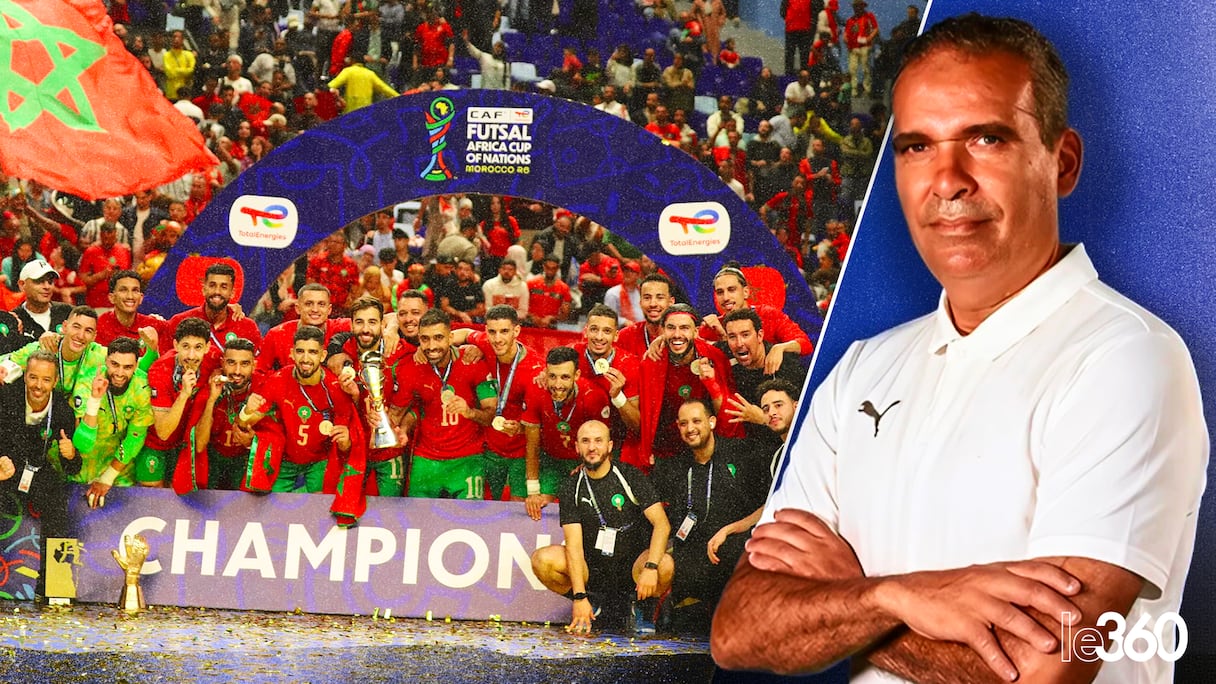
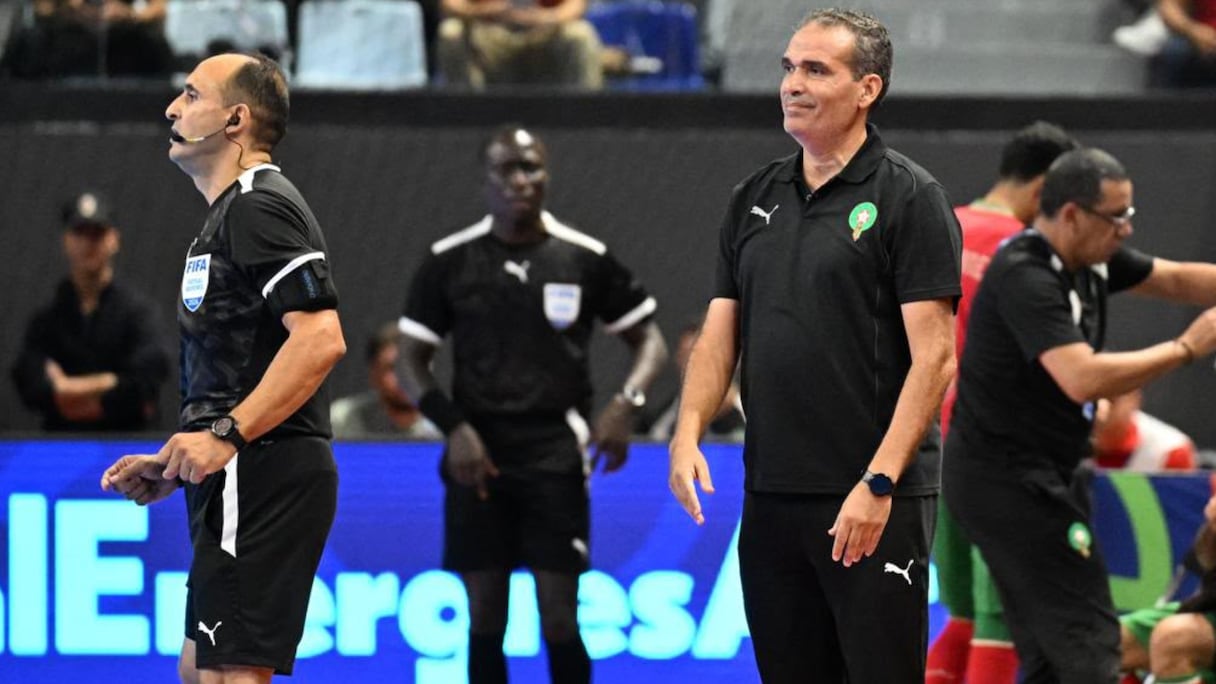
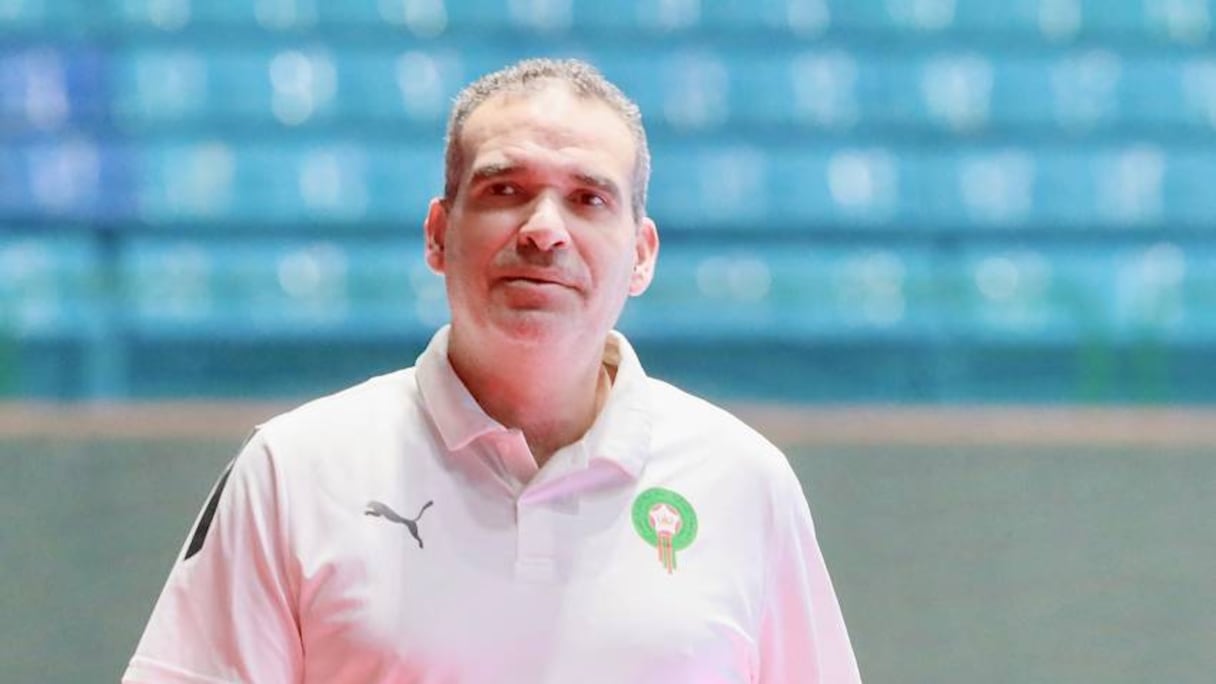
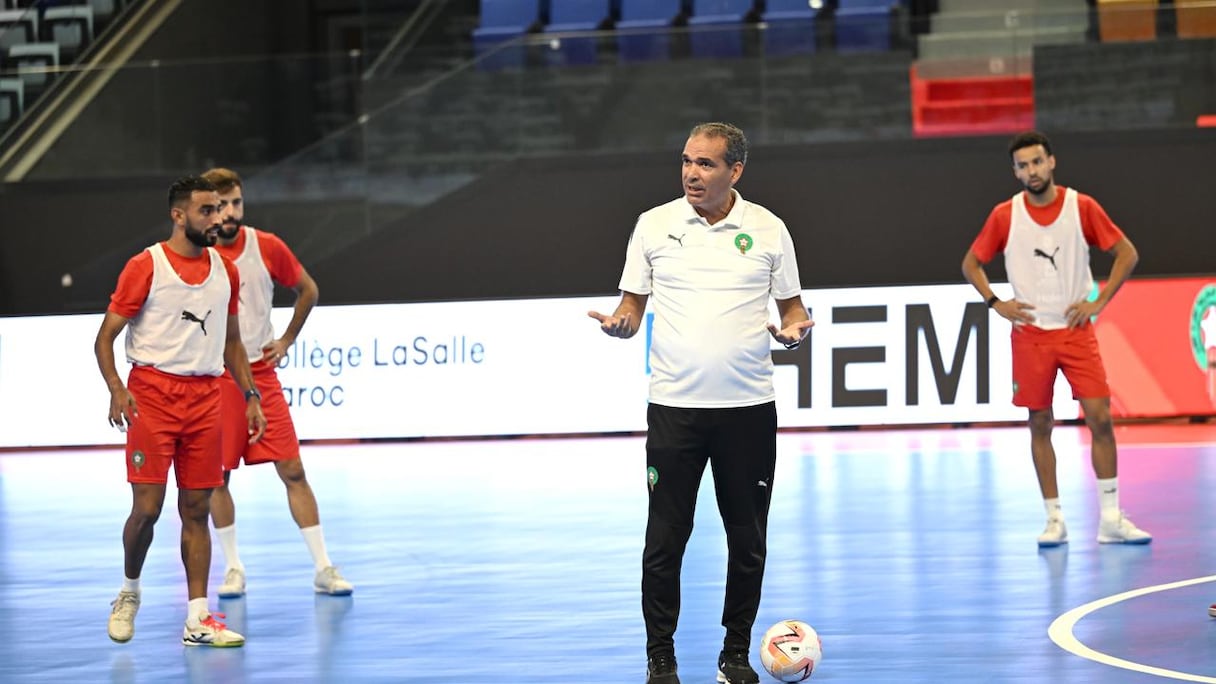
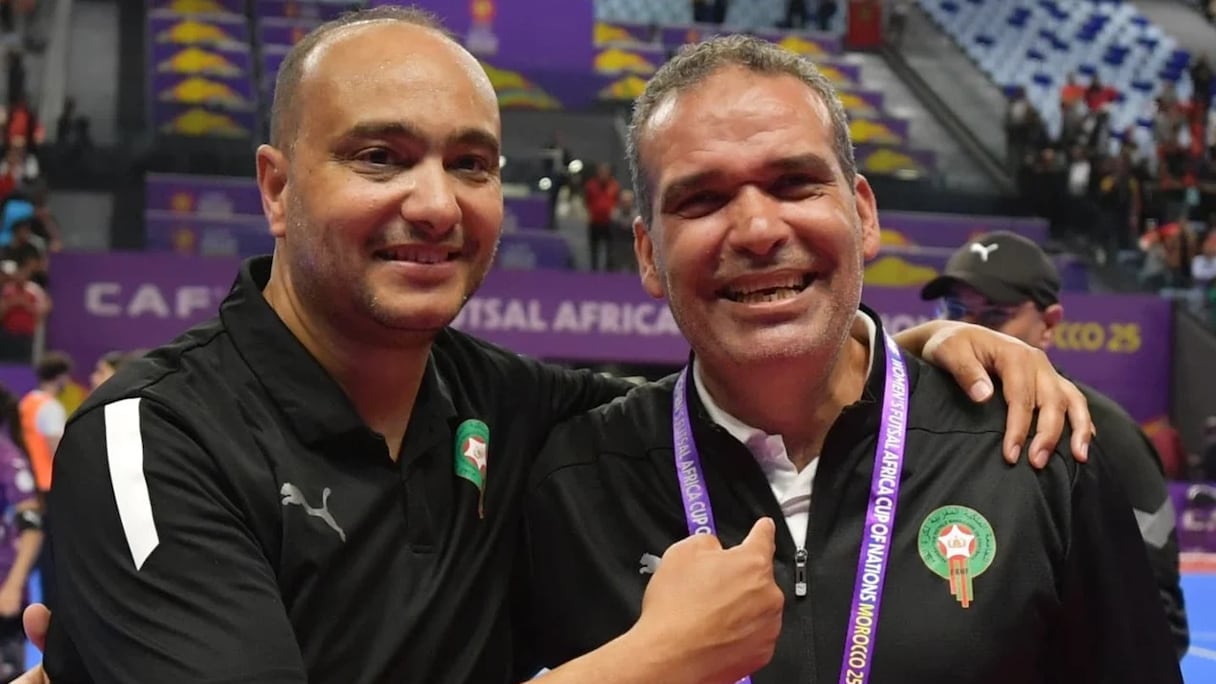
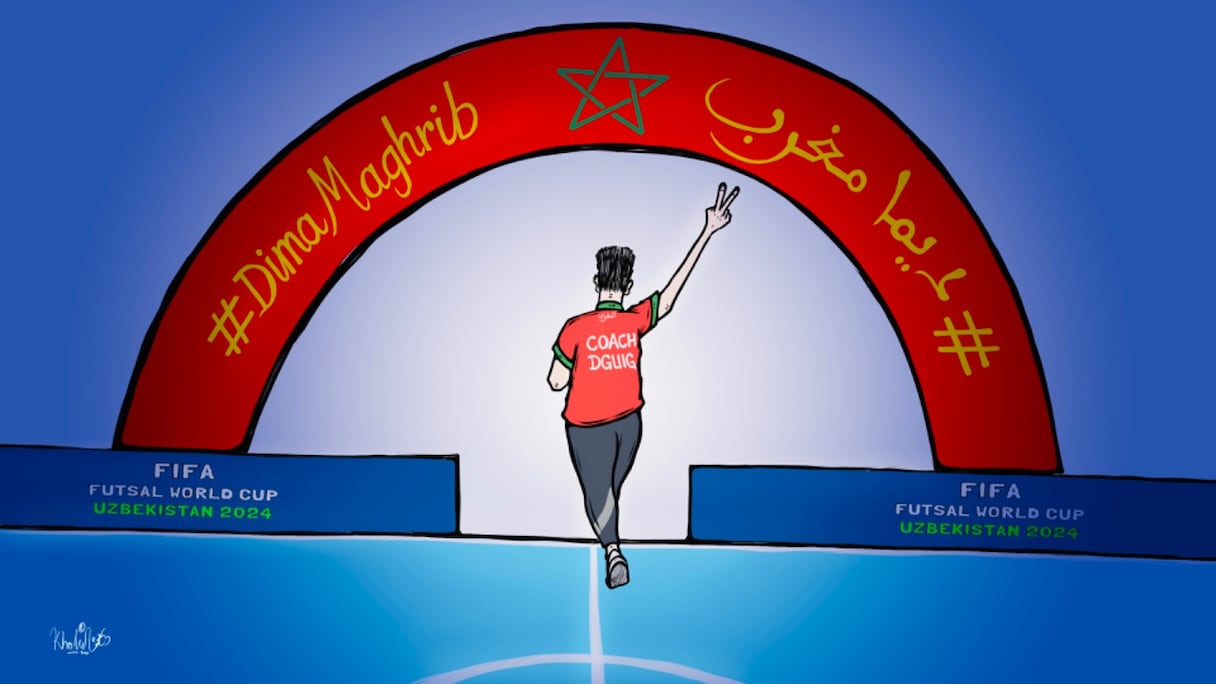
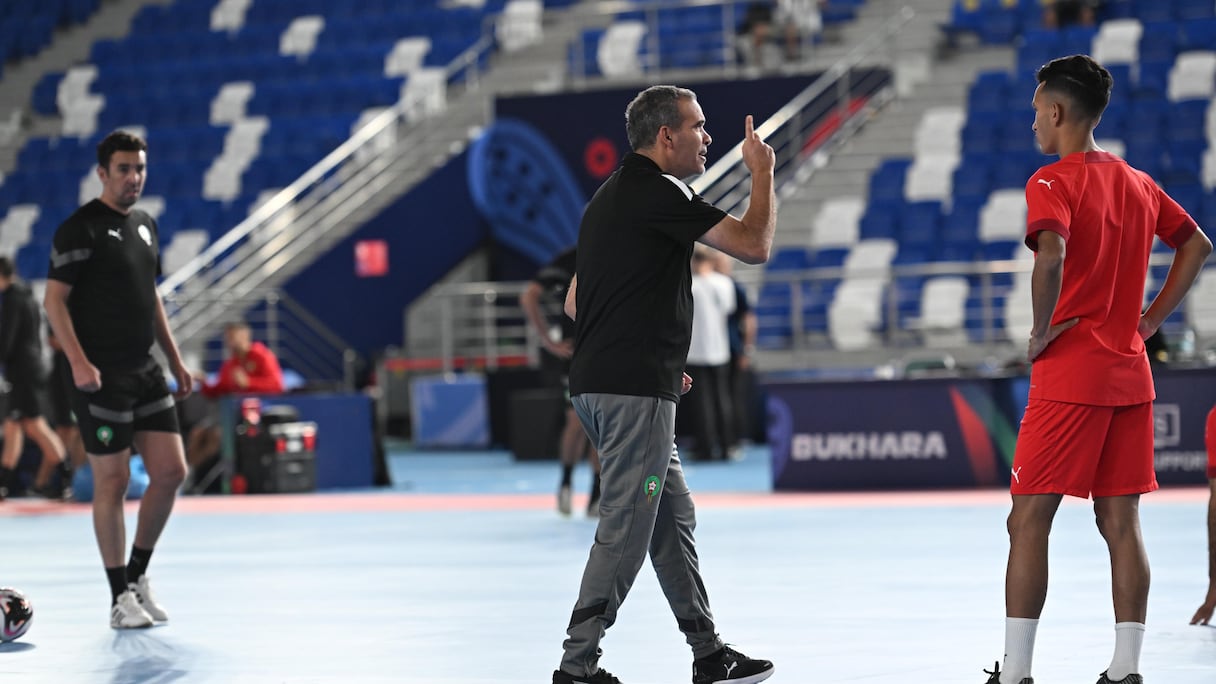
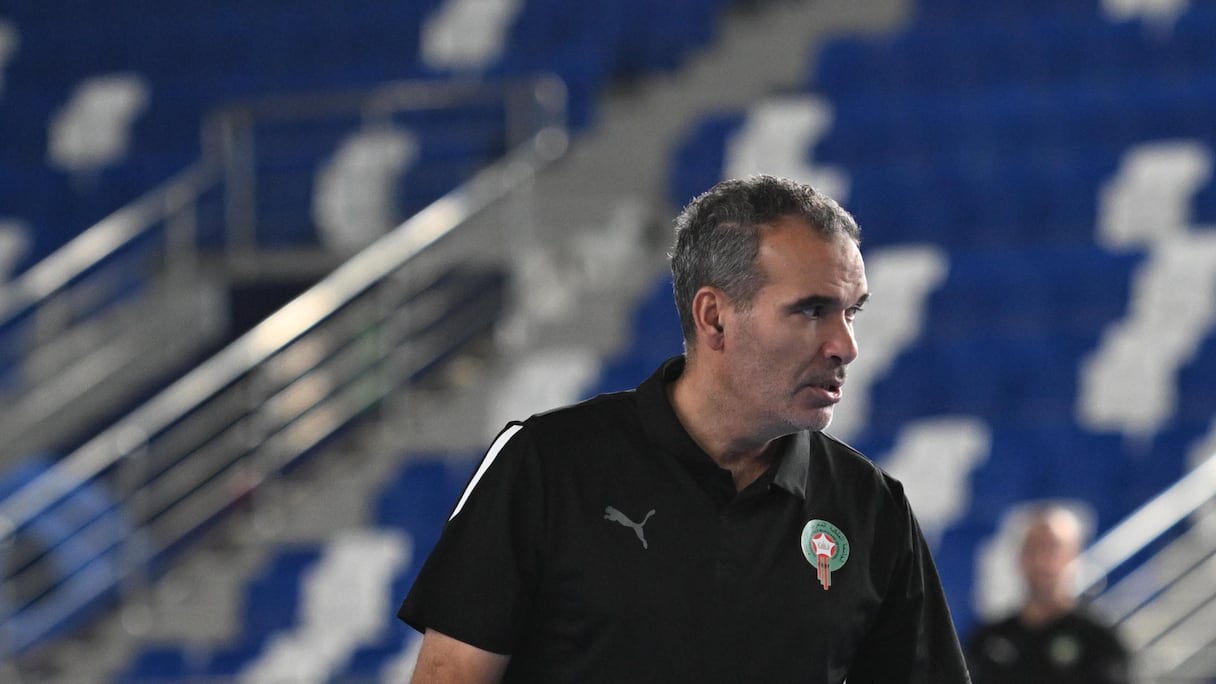
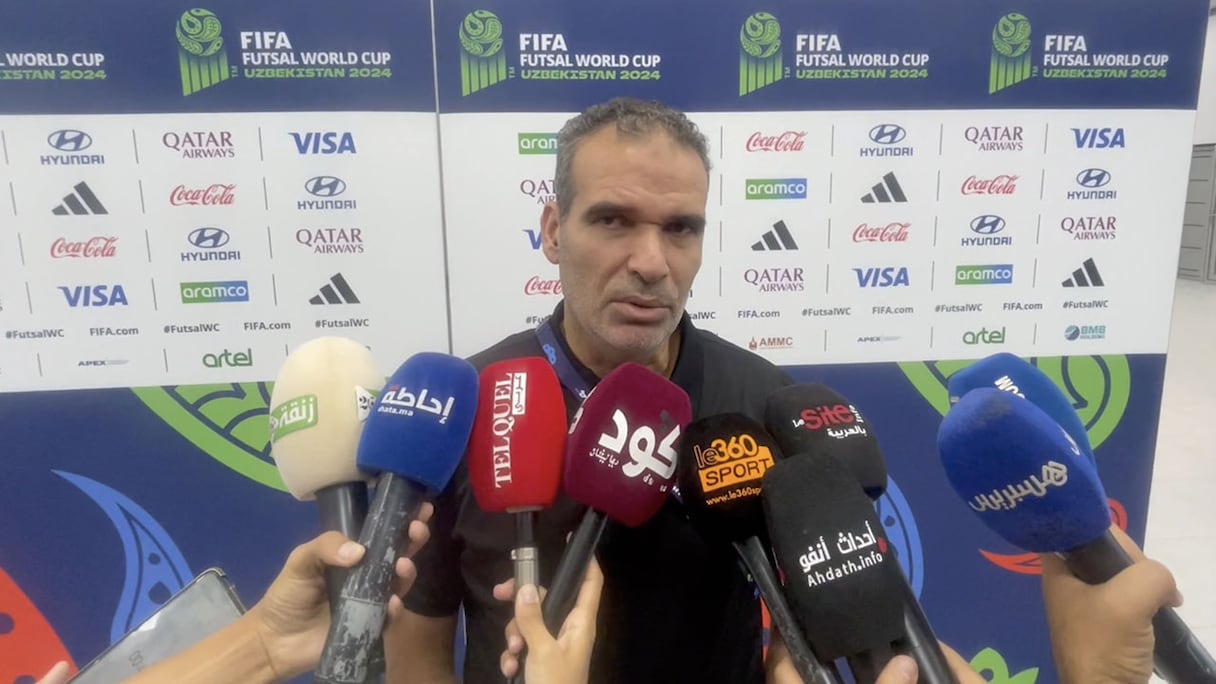
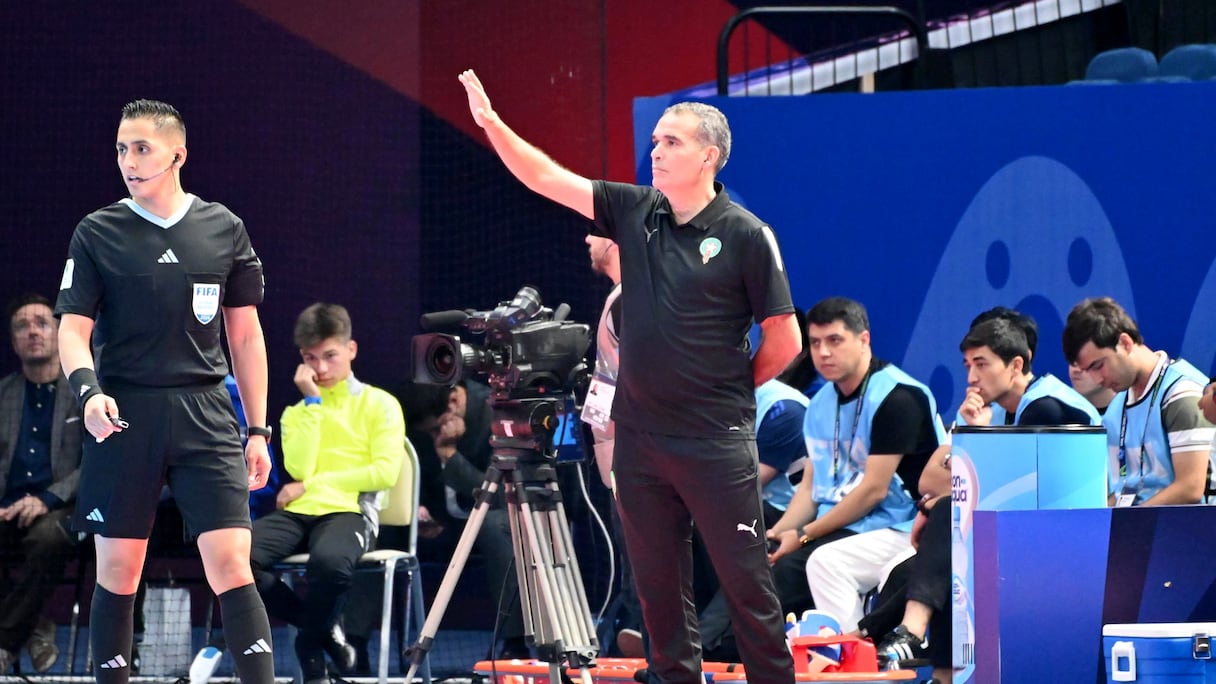
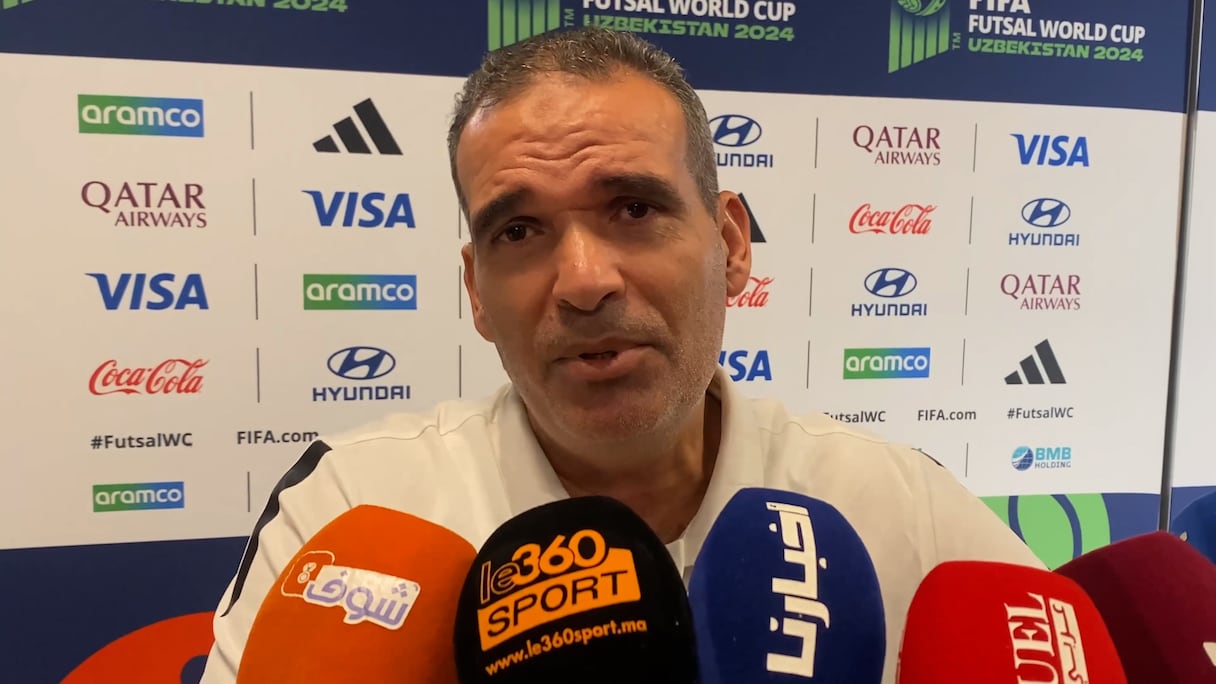
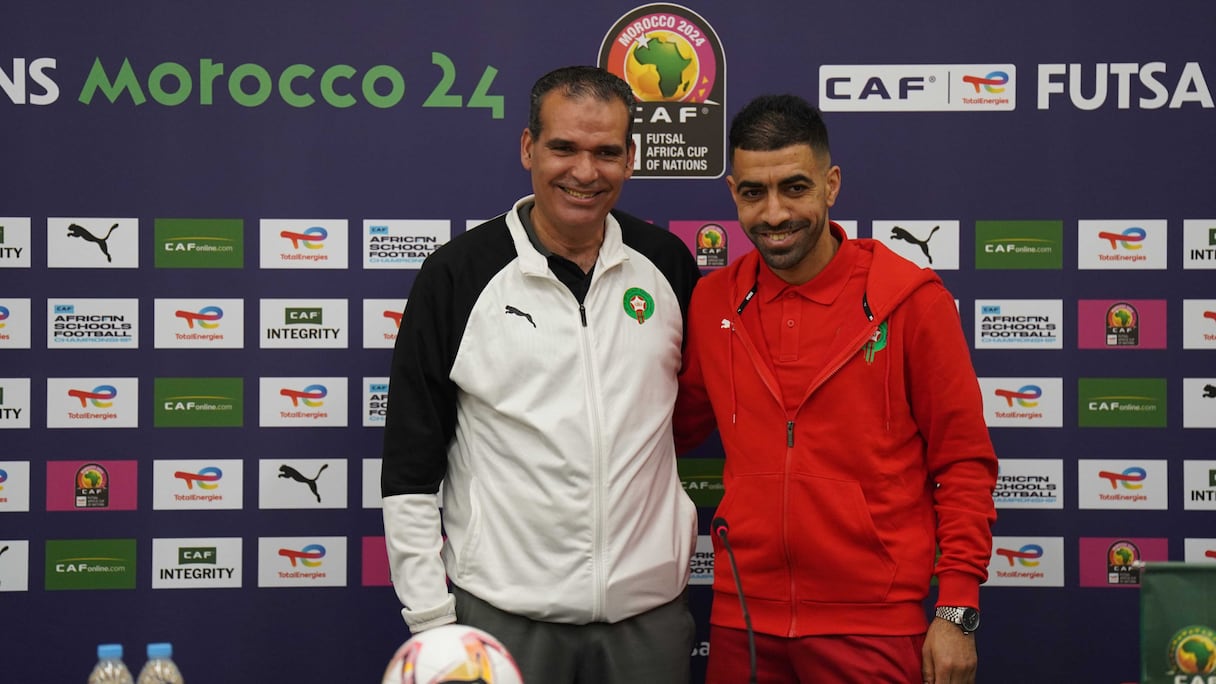
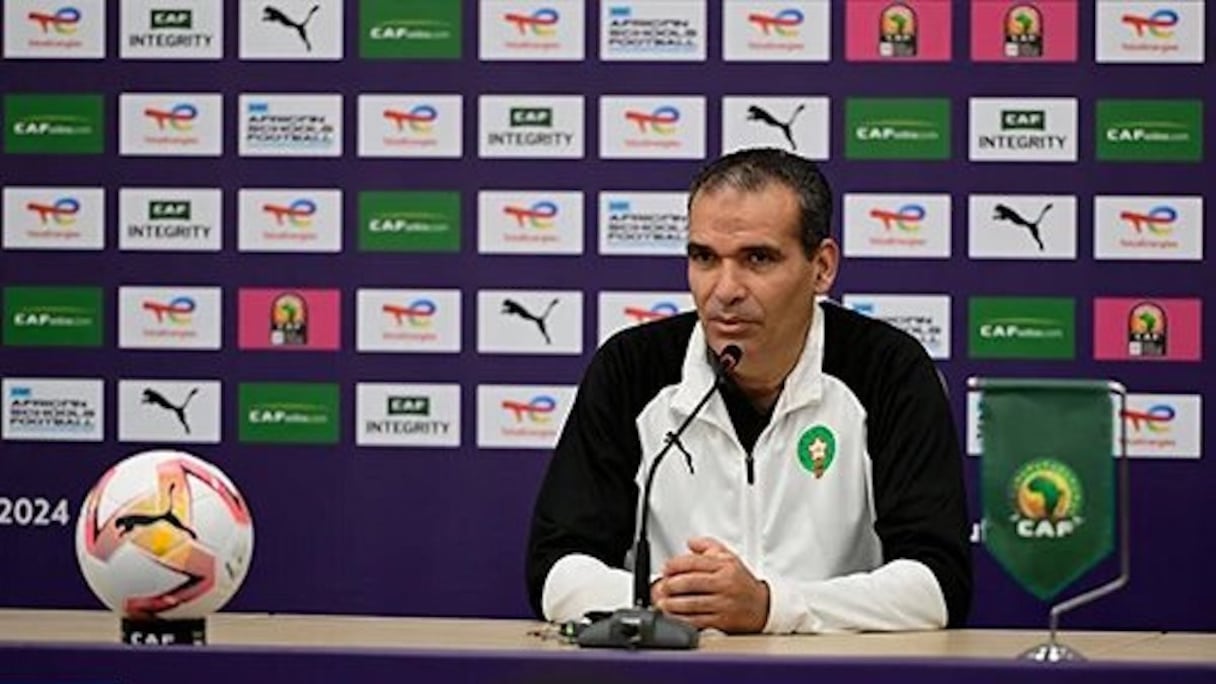
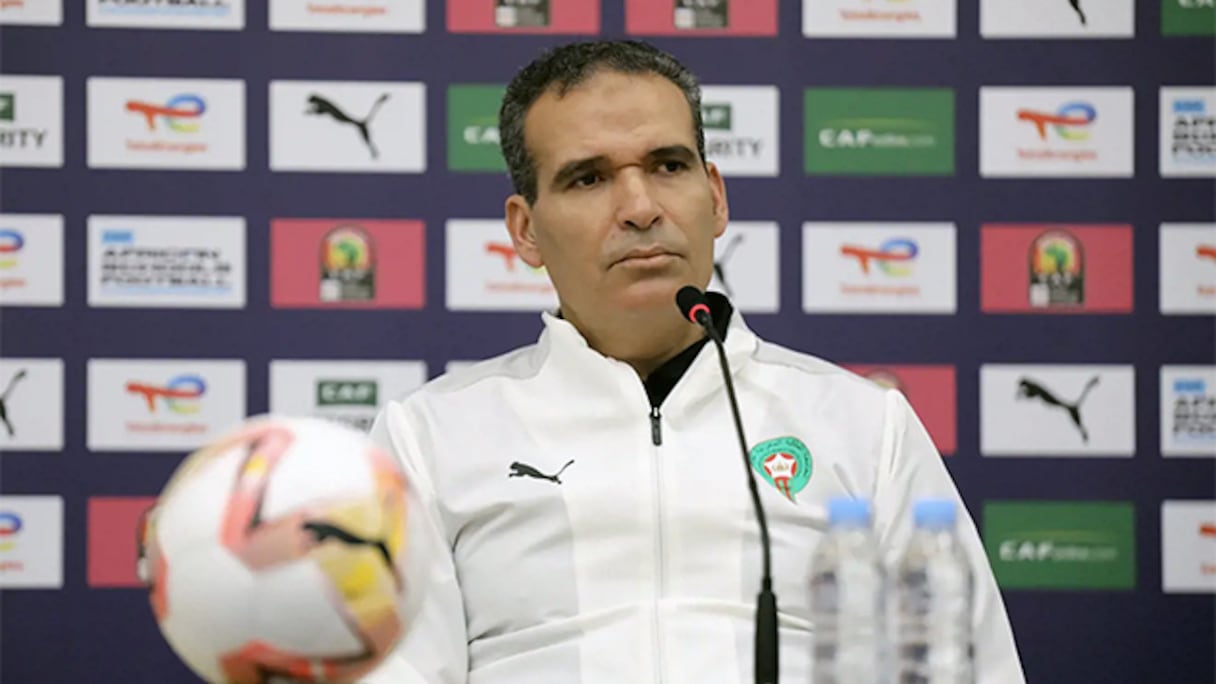

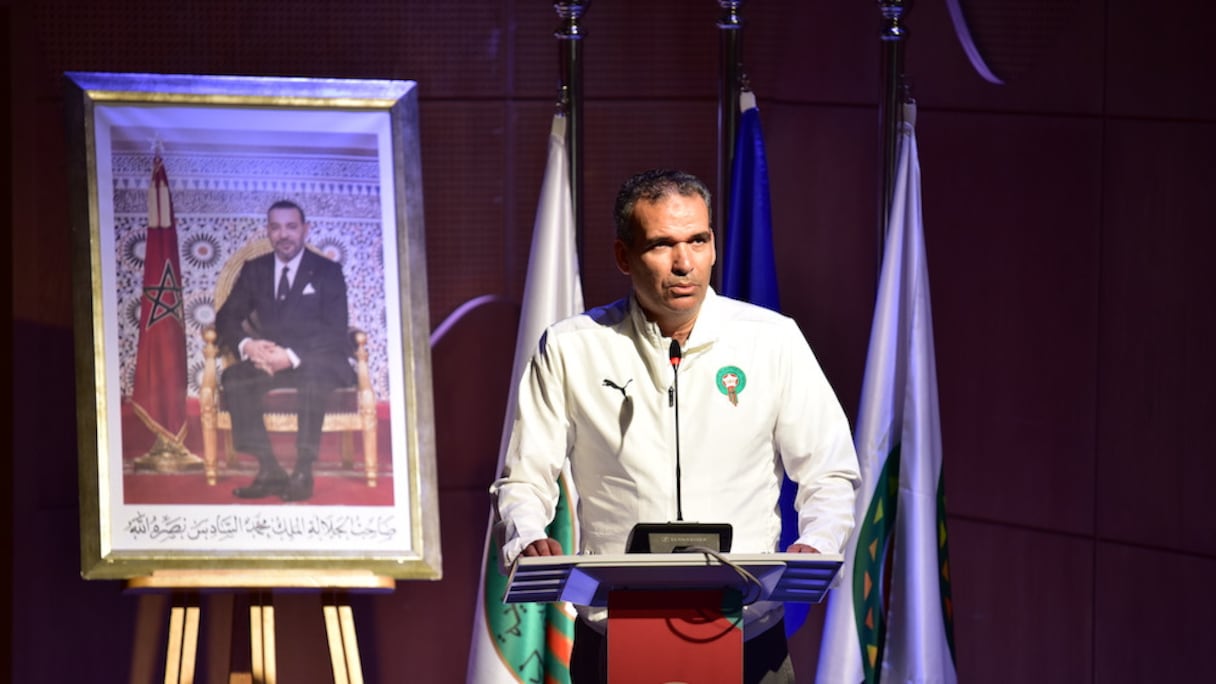
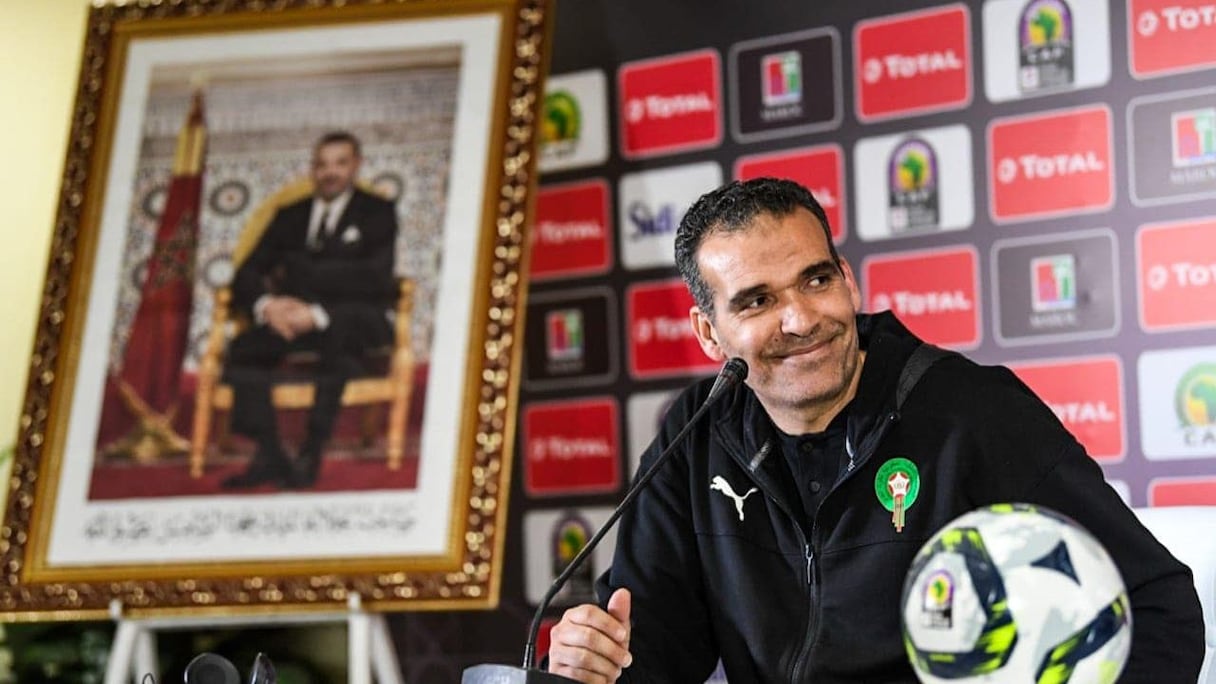
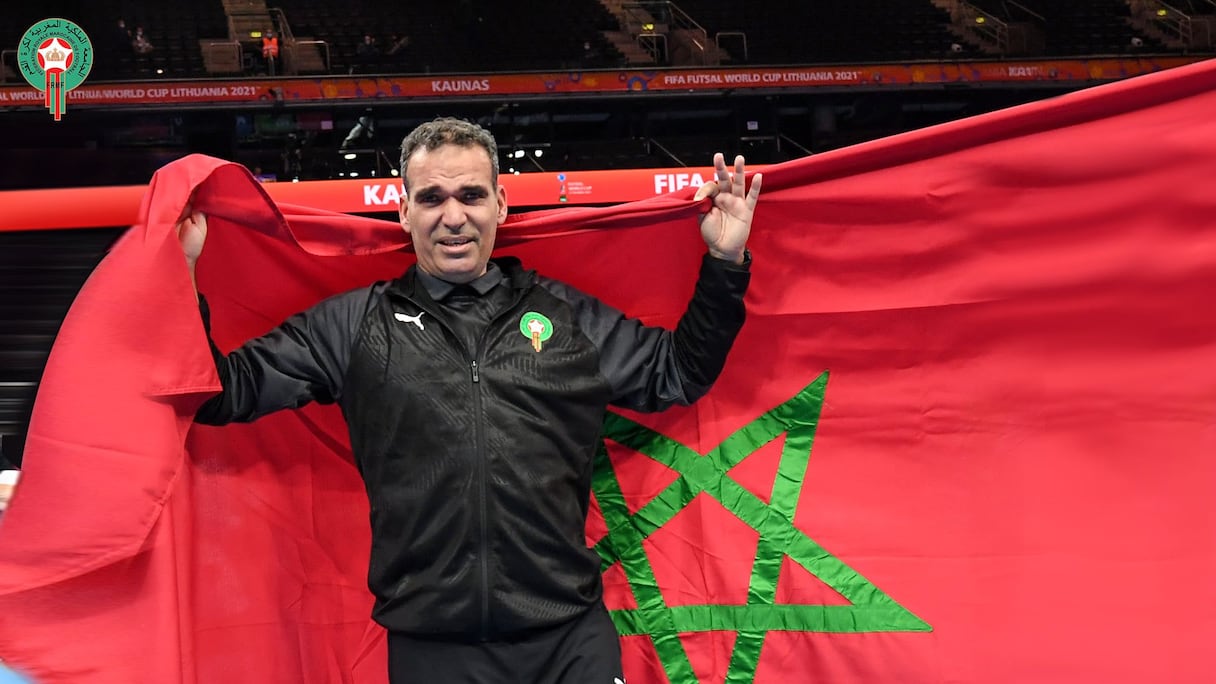
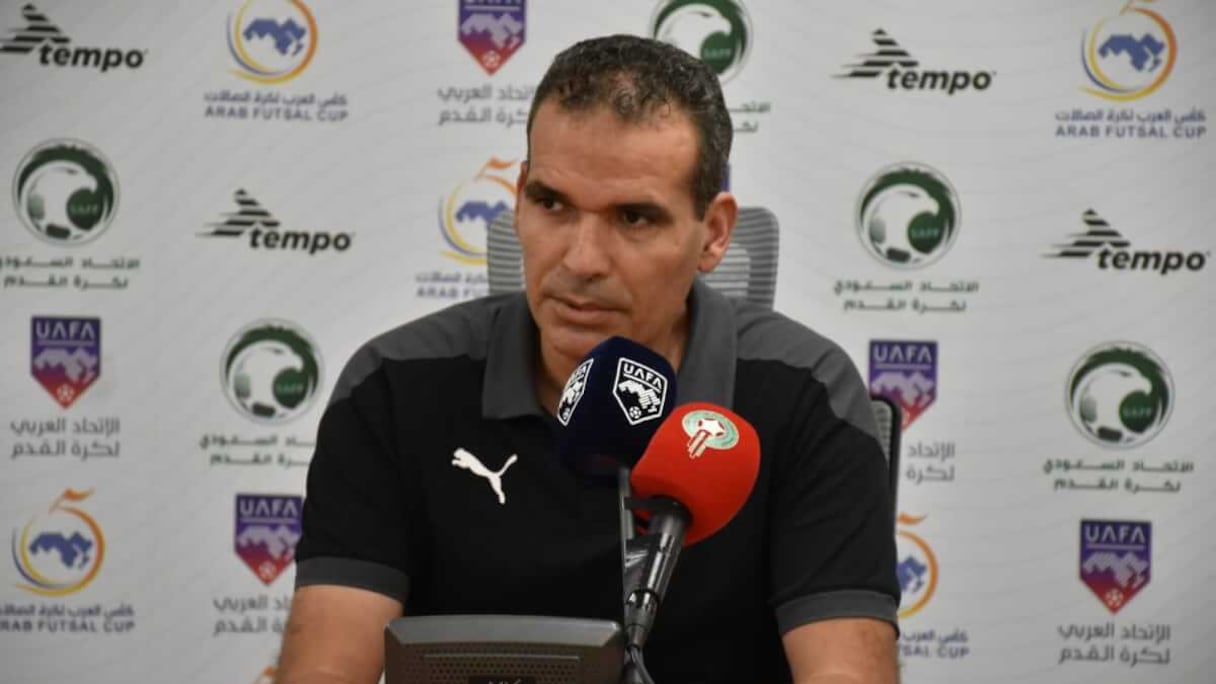
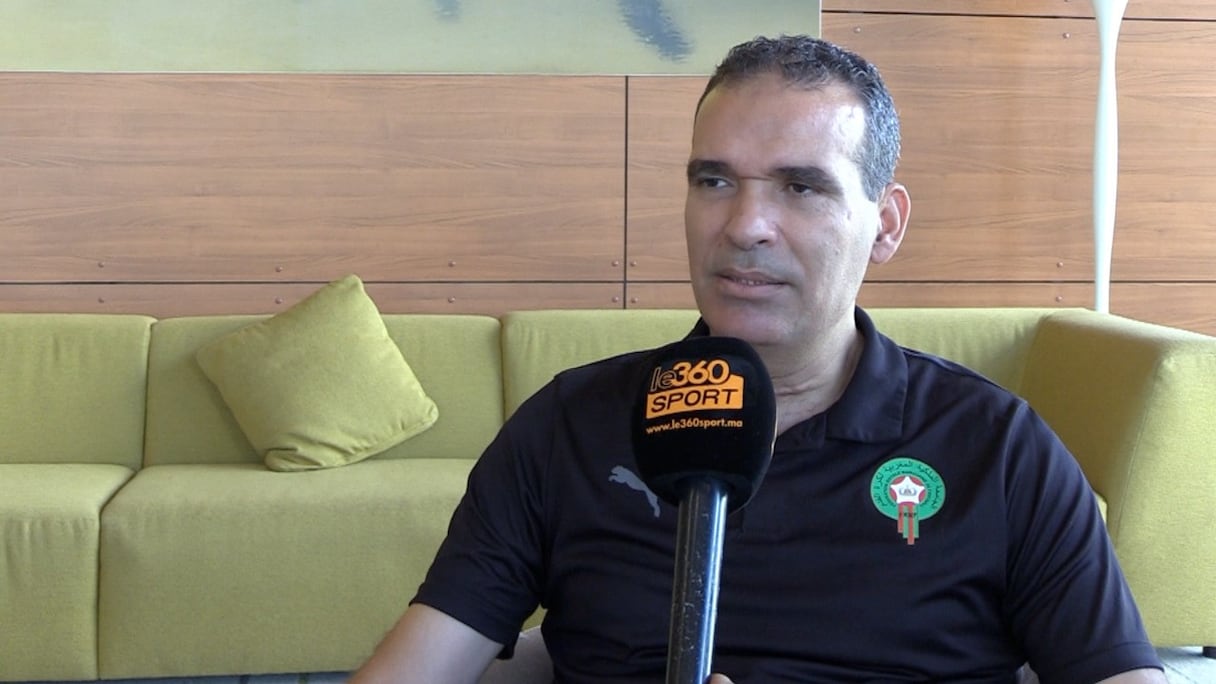

Hicham Dguig et les Lions de l’Atlas de futsal ont remporté une quatrième CAN à Rabat.
The following year, Morocco hosted the 2024 Africa Cup of Nations, with the Atlas Lions claiming their third continental title after beating Angola 5-1 in the final. At the World Cup in Uzbekistan, however, the outcome was familiar: Morocco was eliminated in the quarterfinals by Brazil, which went on to win the tournament.
Dguig continued to refresh his squad, bringing in new talent, including young players competing in Europe such as Naoufel Aberkan, who previously played for Montpellier. The goal was to keep Morocco at the top of African futsal while continuing to close the gap on the world’s leading teams.
Read also : Morocco cruise past Angola 5-2 to claim fourth straight futsal AFCON
Four Africa Cup of Nations titles. Can Morocco conquer the world?
In October 2026, Morocco hosted another edition of the Futsal Africa Cup of Nations, its third in just a few years after the 2020 and 2024 tournaments. Playing at home, Dguig arrived with a team firmly established in the world’s top 10 and at the summit of African futsal.
The Atlas Lions made a strong start in the group stage, beating Algeria 4-0, Zambia 7-0 and Libya 6-0. Three wins, 17 goals scored and none conceded gave Morocco a commanding finish to the opening phase.
In the semifinals, Dguig’s men overwhelmed Egypt 6-0 to set up another final against Angola. Morocco conceded its first two goals of the tournament but still won 5-2 to secure a fourth consecutive African crown. Mission accomplished.
Individual awards also recognized the team’s performances. Youssef Jouad of Union Touarga was named the tournament’s best player, captain Soufiane El Mesrar received the fair play award and goalkeeper Youssef Bensallam was named the competition’s best goalkeeper.
The fourth consecutive title once again confirmed Morocco’s dominance on the continent. The Atlas Lions reinforced their status as Africa’s leading national team, while Dguig continued to add to a record that places him among the most decorated coaches in the sport.
But with the next World Cup two years away, another challenge awaits Dguig. Morocco is a candidate to host the tournament, as Royal Moroccan Football Federation president Fouzi Lekjaa announced after the quarterfinals of the 2024 World Cup in Uzbekistan. Hosting the competition could give Moroccan futsal an even bigger international platform.
Dguig has little left to prove in Africa, but one milestone remains out of reach: a place in the World Cup semifinals. Brazil has ended Morocco’s campaign in the quarterfinals twice. Ahead of the next tournament, the coach will have another opportunity to break through that barrier and establish Morocco among the world’s top four futsal nations, potentially on home soil.
