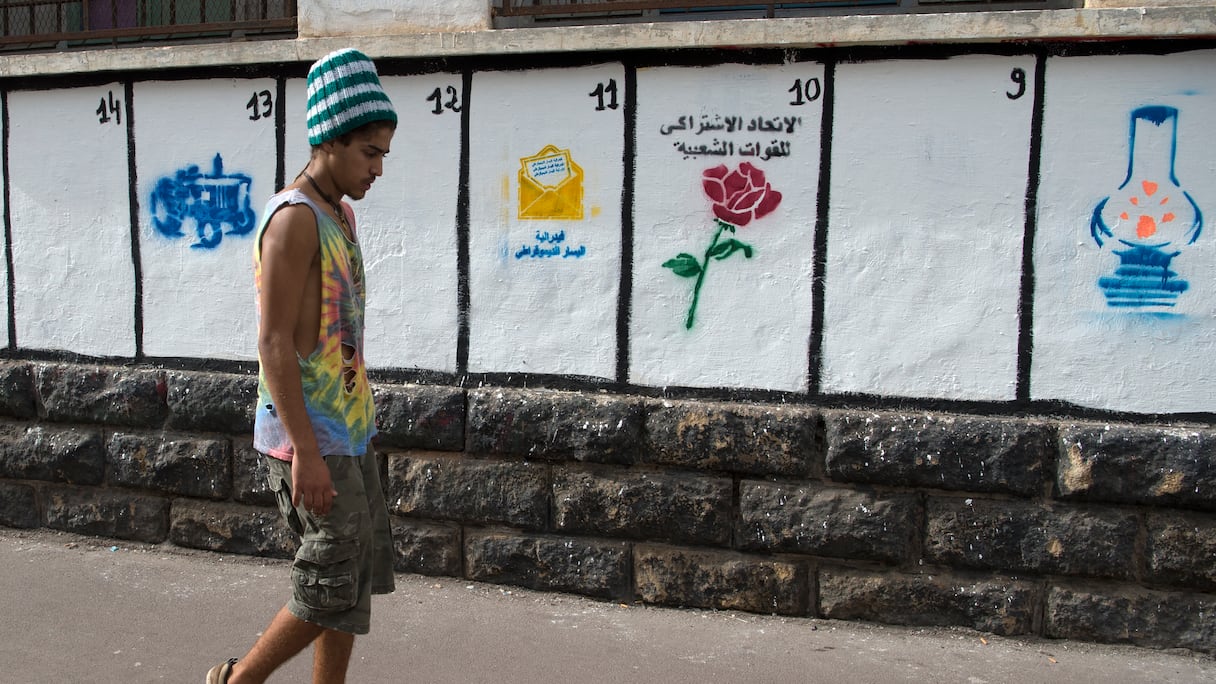
With the campaign for Wednesday’s legislative elections down to its final stretch, parties have found plenty to quarrel over—but the administration has so far stayed out of the firing line.
No candidate or party, whether from the outgoing majority or the opposition, has publicly accused walis, governors or caids of leaning on the contest or putting official machinery at the disposal of a rival.
That absence of finger-pointing has stood out during a campaign otherwise fought hard over records, promises and what parties say they would do with the next five years.
Keeping officials out of the poll fray is not merely good form. Article 11 of the Constitution requires public authorities to remain neutral towards candidates and bars discrimination between them.
Bank Al-Maghrib has gone a step further. Governor Abdellatif Jouahri was due to face the press on Tuesday after the central bank’s quarterly board meeting. The briefing has been dropped because it falls in the dying hours of the campaign.
The bank told journalists it had cancelled the press conference “in order to respect democratic principles and ensure institutional neutrality during this period.”
Come Wednesday, attention moves from the campaign trail to the polling booth—and the rules there have been tightened too.
The booth will be open on the side facing away from polling station officials and candidates’ representatives, shielding the voter and the ballot from view.
Keeping mobile-phone cameras away from marked ballots is another purpose behind the arrangement.
Photographing a ballot has long raised an obvious problem for the secrecy of the vote. A voter asked to return with a picture can prove to somebody outside the polling station exactly where the cross went.
The new setup is meant to make that trick harder to pull off.
Vote-buying carries a heavier price as well. Offering a voter gifts, donations, benefits or promises in return for support can now land an offender in prison for two to five years, along with a fine of MAD 50,000 to MAD 100,000.
The changes come under Organic Law No. 53.25, which amended the law governing elections to the House of Representatives. Twenty-eight of its 32 provisions dealing with electoral penalties have been revised, while alternative sentences have been ruled out for offenses covered by the law. For some offenses, prison terms can run as high as 10 years.
The law has also followed the campaign onto the phone screen.
Social media, online platforms, applications and artificial intelligence tools can fall foul of the electoral law when deliberately used to commit an offense. Manipulated material, false information, rumors, and images used to violate the privacy or reputation of voters and candidates, or undermine the poll, are covered.
Article 51 bis provides in certain cases for two to five years in prison and fines of MAD 50,000 to MAD 100,000.
The gate has been narrowed for candidates too.
People finally stripped of an elected mandate can be kept off the ballot for as many as two consecutive terms. The restrictions also cover specified cases involving convictions or prosecutions for offenses touching on integrity, honesty or the electoral process.
For most voters turning up on Wednesday, however, the changes will be far less legalistic: step behind the booth, mark the ballot away from prying eyes—and keep the phone out of it.
