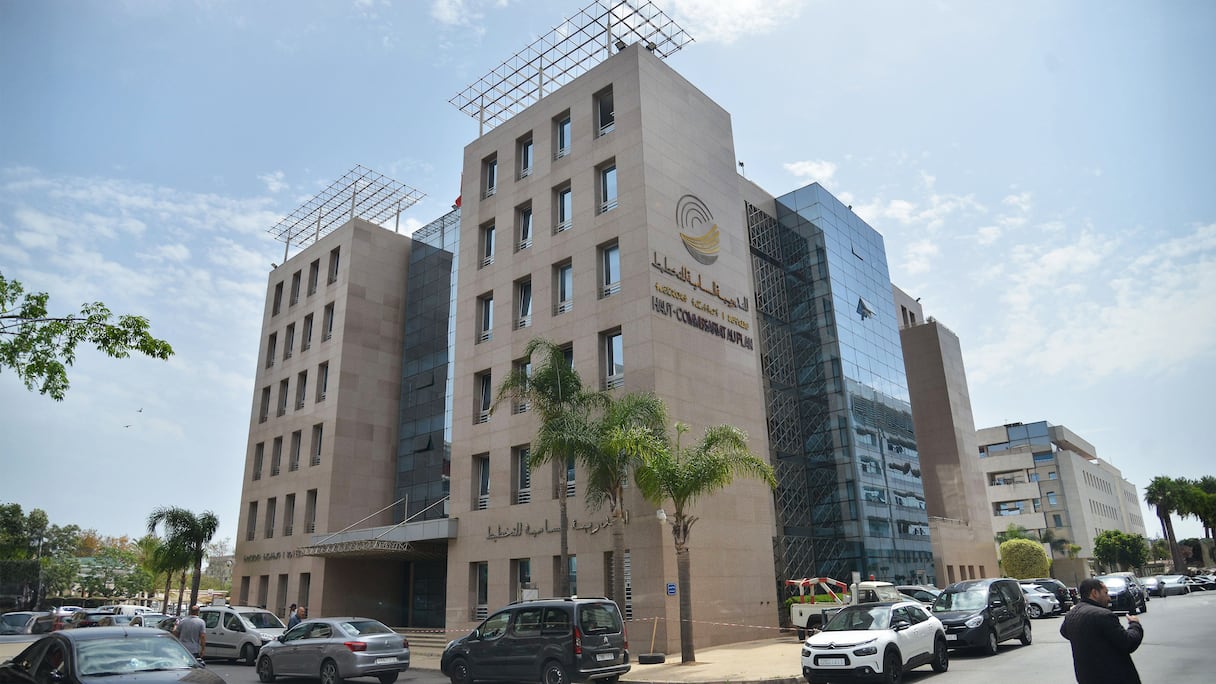
The draft law builds on the royal directives outlined in King Mohammed VI’s October 8, 2021 speech, which called for a comprehensive reform of the High Commission for Planning (HCP) to transform it into a strategic institution supporting Morocco’s development policies.
At the heart of the reform is a plan to reposition the HCP as a modern institution capable of supporting the implementation of the New Development Model, which emphasizes greater coherence in public action, improved public policy performance, faster economic transformation, and stronger public trust.
The legislation would significantly change the institution’s legal status by establishing the HCP as a constitutional body for good governance under Article 159 of Morocco’s 2011 Constitution. The institution would be granted legal personality as well as administrative and financial autonomy while operating under strict principles of independence, neutrality, integrity, and objectivity and relying on scientific standards and modern tools for analysis, monitoring, and evaluation.
Beyond its traditional responsibilities for producing and publishing official statistics and compiling national and regional accounts, the HCP would receive a broader mandate. It would play an active role in the strategic coordination of development policies while placing greater emphasis on territorial and regional dimensions in its analyses.
To support this expanded mission, the draft law proposes creating two distinct operational divisions. One would oversee official statistics and national accounts, while the other would focus on the strategic coordination of public policies. The heads of both divisions would be appointed by royal decree (dahir) upon the recommendation of the High Commissioner for Planning.
The institution’s governance framework would also be strengthened through the creation of a steering commission with broad decision-making powers. Chaired by the High Commissioner, it would include appointed experts, the heads of the two divisions and representatives of the state. The commission would be responsible for setting strategic priorities and overseeing the implementation of the HCP’s mandate.
To improve national coordination on statistical matters, the bill also provides for the creation of a permanent coordination body bringing together the various producers of public data. Its role would be to facilitate information sharing, ensure the consistency of official statistics, and safeguard their reliability and impartiality.
The legislation would also strengthen transparency and accountability. The HCP would be required to prepare an annual report detailing its activities. After approval by a supervisory body, the report would be submitted to King Mohammed VI, the Head of Government and the speakers of both houses of Parliament before being debated by lawmakers.
The draft law also addresses organizational and staffing issues. Civil servants currently employed by the HCP would be automatically transferred to the restructured institution while retaining their existing rights and benefits until a new employment framework comes into force.
In addition, the National Institute of Statistics and Applied Economics (INSEA) and the School of Information Sciences (ESI) would be placed under the HCP’s authority while temporarily retaining their current legal status.
Finally, the bill would require all producers of official statistics—including government ministries, local authorities, public institutions, state-owned enterprises, and other relevant entities—to provide the HCP with the data necessary to carry out its duties, solely for statistical purposes.
